


Where to Stay
Discover Umbria through its Hotels
The DNA of Umbria
Where Medieval Italy Meets a Greener, Quieter Landscape
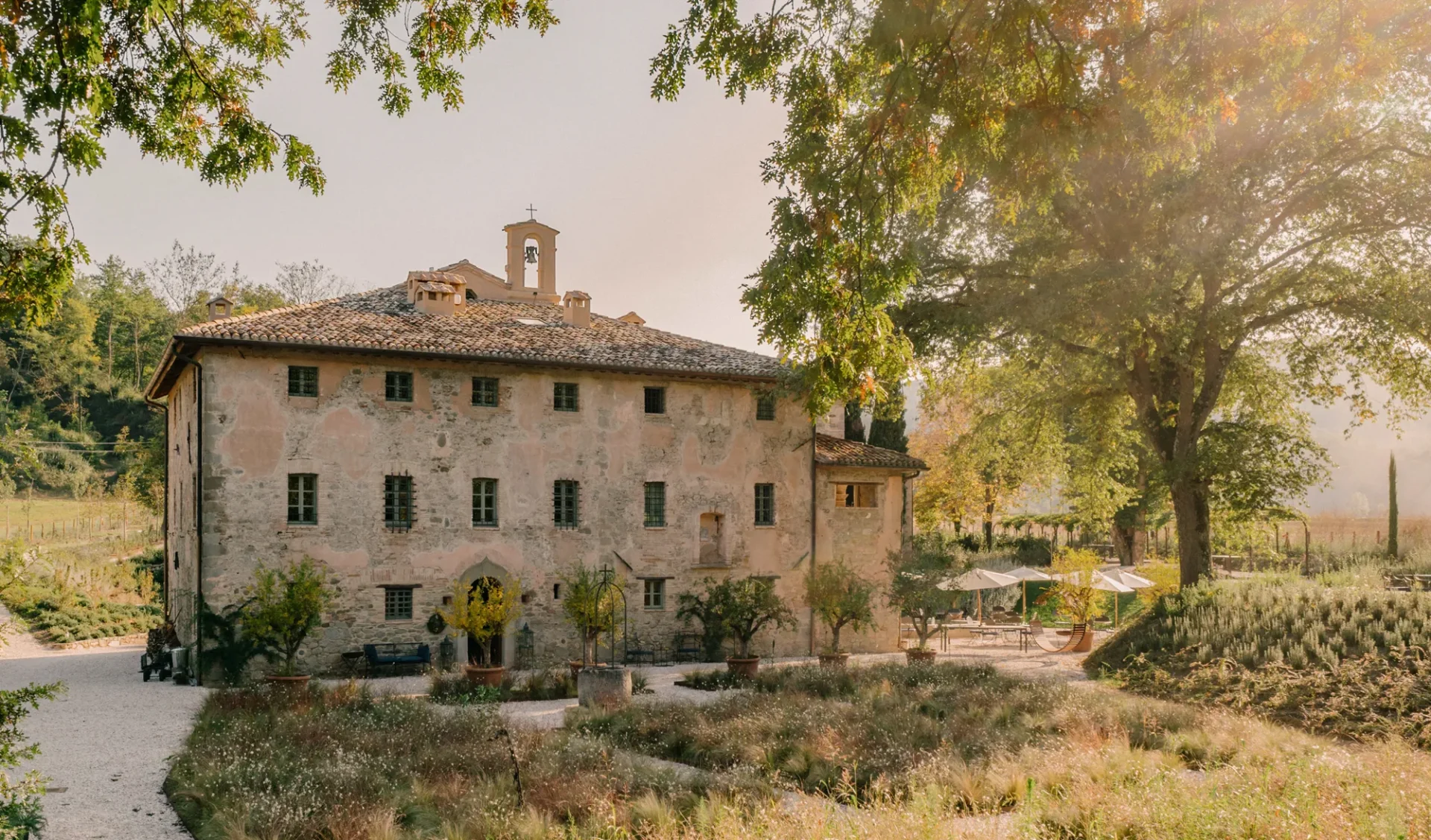
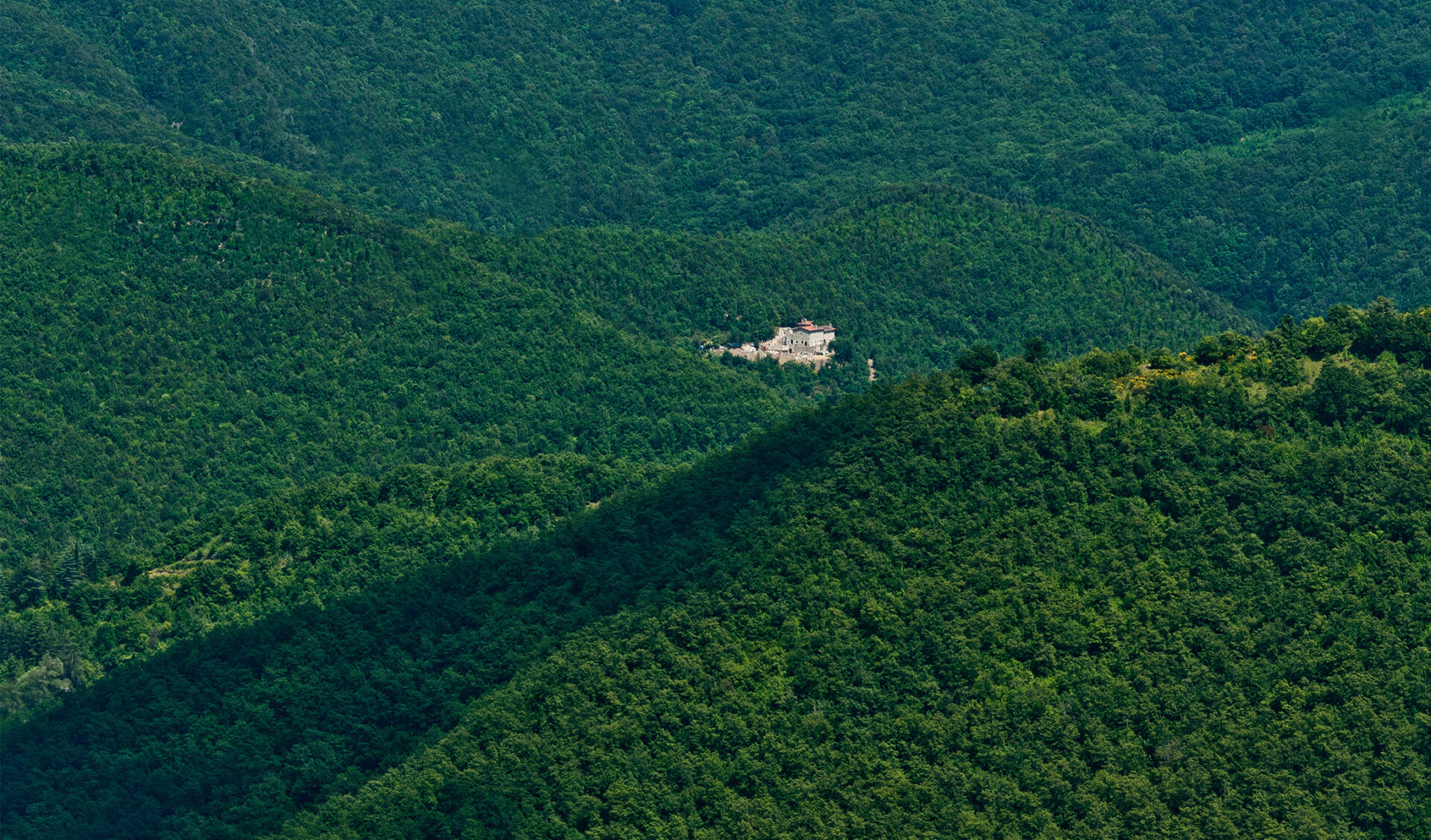
Umbria is Italy without the coastline—and often without the crowds. Rolling hills, oak forests, olive groves and vineyards surround medieval hill towns such as Perugia, Assisi, Spello and Orvieto, while monasteries, castles, stone farmhouses and centuries-old villages give the region an extraordinary architectural depth. Often described as Italy’s green heart, Umbria has a quieter character than neighbouring Tuscany. Historic buildings are increasingly being restored with a restrained contemporary approach, where old stone, local craftsmanship and modern Italian design coexist without turning every farmhouse into a rustic cliché.
Food and drink are firmly connected to the land. Truffles, wild mushrooms, lentils from Castelluccio, olive oil, cured meats and game define a cuisine that can be wonderfully earthy and uncomplicated. Norcia is famous for its pork and charcuterie traditions, while vineyards around Montefalco produce the powerful indigenous Sagrantino grape alongside increasingly sophisticated expressions of other Umbrian wines. Traditional trattorie, farm kitchens and village restaurants now sit alongside ambitious destination dining, often with ingredients travelling only a few kilometres from field to plate.
Umbria’s most interesting hotels make exceptional use of the region’s architectural inheritance. Former monasteries, medieval castles, country estates and abandoned villages are being transformed into intimate retreats where gardens, contemporary art, serious food and thoughtful design complement rather than overwhelm the history. At DNA Hotels, we curate the places where architecture, food, wine and the Umbrian landscape come together—hotels that capture the pleasure of an Italy that feels slower, greener and still wonderfully capable of hiding something unexpected.