


Matali Crasset’s desert village turns local craft, thermal water and radical colour into an entirely different kind of Saharan retreat
Book now
Why DNA Hotels loves it
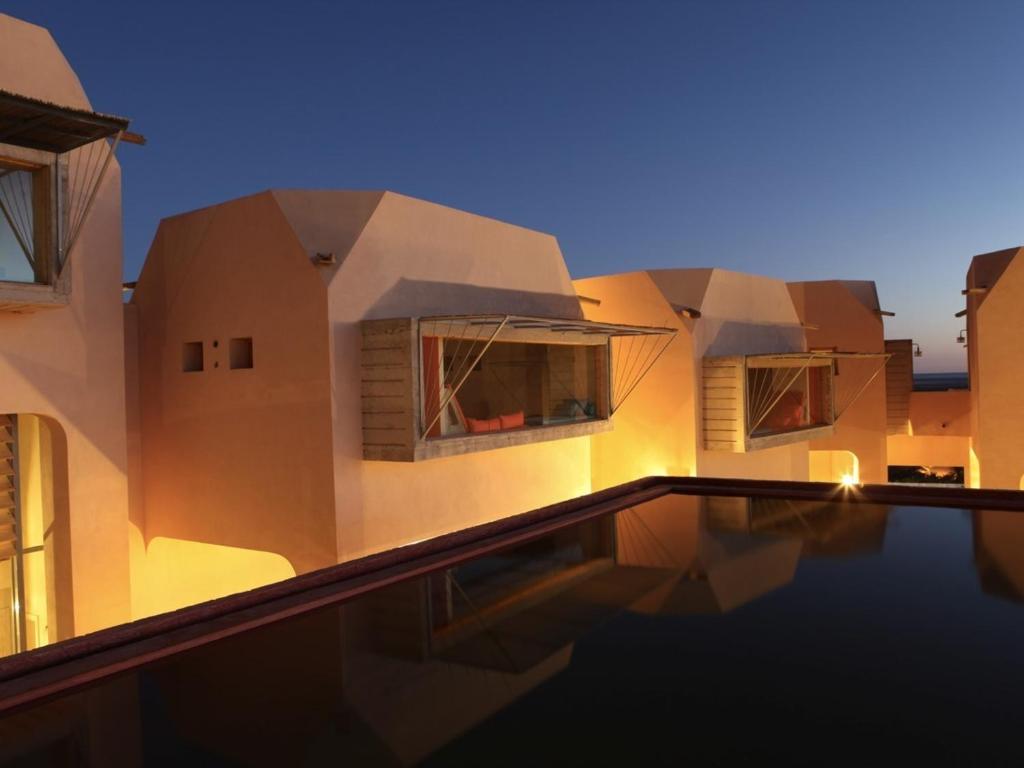
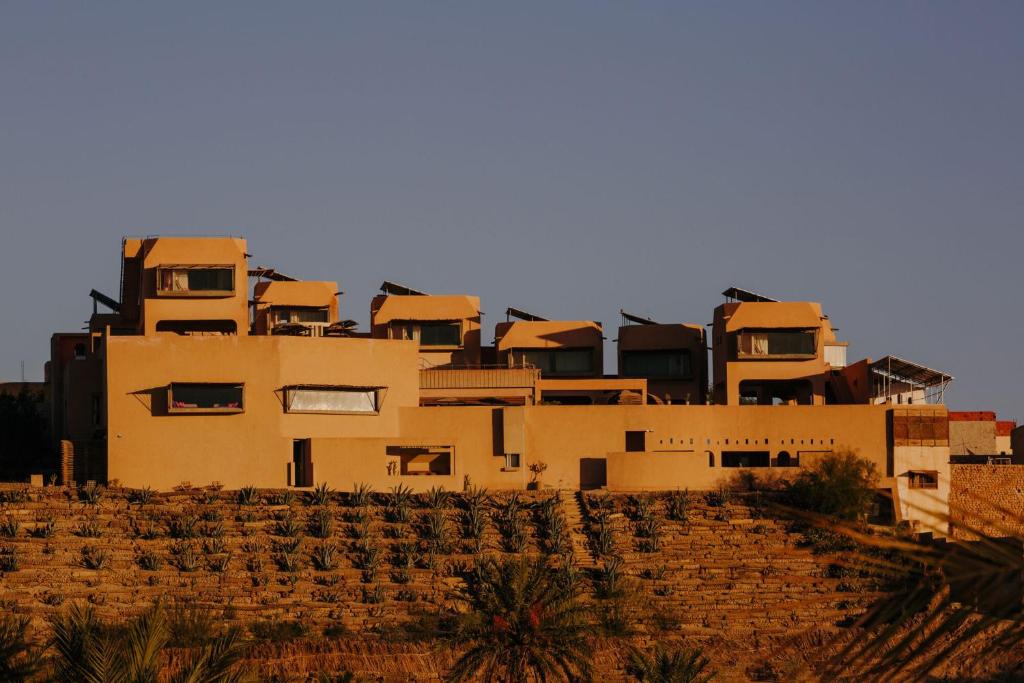
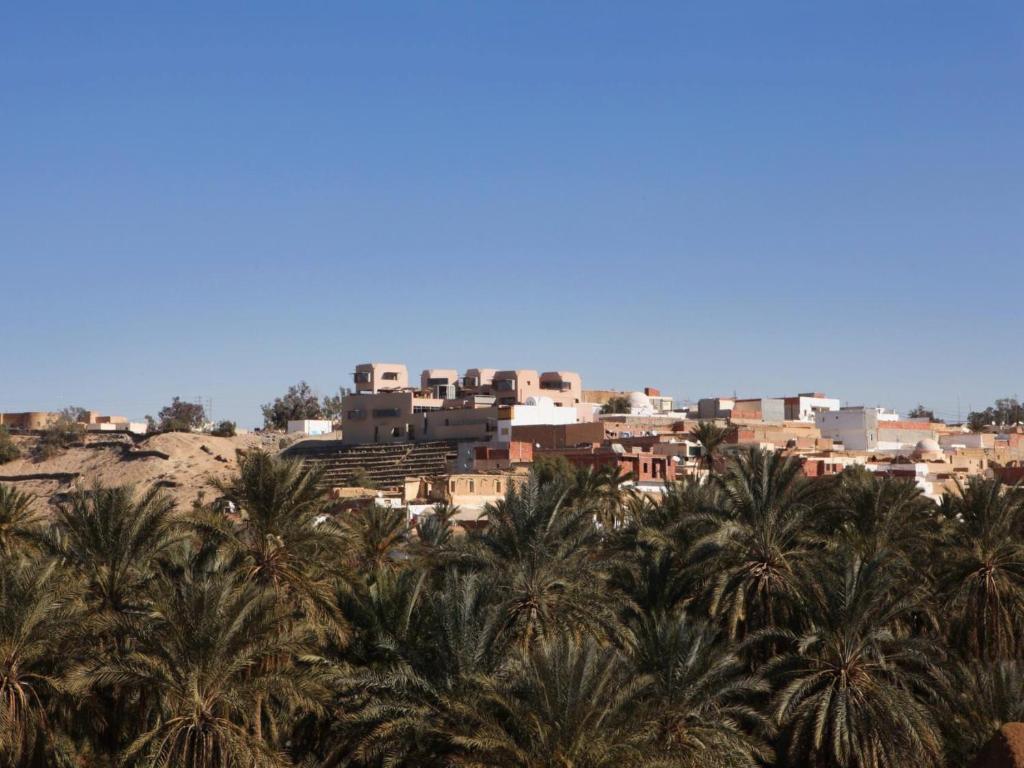
Matali Crasset and Tunisian architect Mohamed Nasr conceived the property as a contemporary village rather than a conventional hotel, with elevated rooms scattered across the edge of Nefta’s palm oasis.
Palm wood, clay brick, Saharan sand and the work of local craftspeople give its striking architecture a genuine relationship with place rather than an imported resort aesthetic.
Its naturally heated thermal pool, locally rooted food and emphasis on communal life make sustainability part of the experience rather than an added layer of branding.
The Stay
Dar HI, Nefta, Tunisia
A Village at the Edge of the Sahara
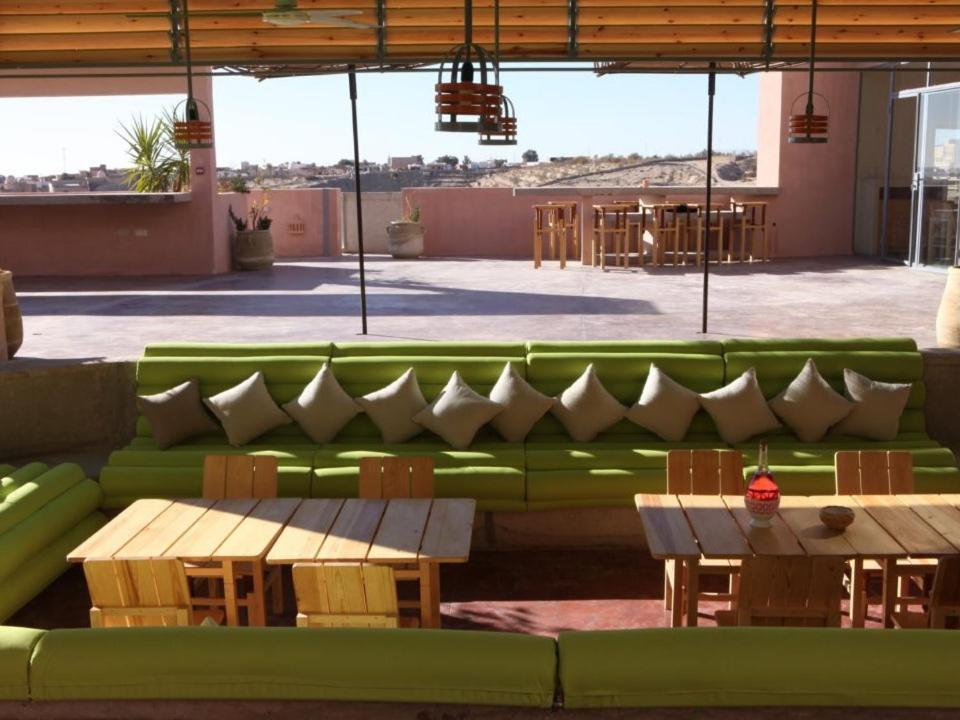
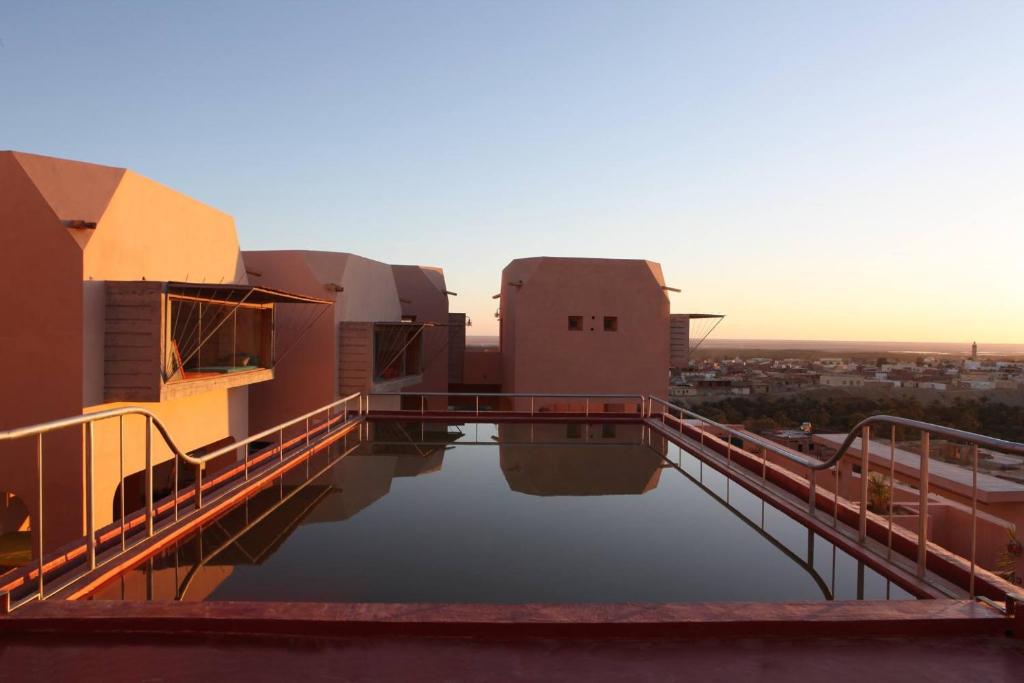
Nefta sits where southern Tunisia begins to dissolve into desert: palms, cliffs, salt flats and enormous skies replacing the familiar language of Mediterranean tourism. It was here that hoteliers Philippe Chapelet and Patrick Elouarghi asked Matali Crasset to imagine a new kind of hospitality. Their collaboration had already produced the experimental HI Hotel in Nice. Dar HI pushed the idea much further. Working with Tunisian architect Mohamed Nasr, Crasset conceived the property almost as a small settlement enclosed by walls that follow the contours of the terrain. Buildings emerge from the same ochre palette as Nefta itself, while pathways, courtyards and shaded spaces encourage movement between privacy and communal life. Architecture becomes landscape.
Matali Crasset Goes Vertical
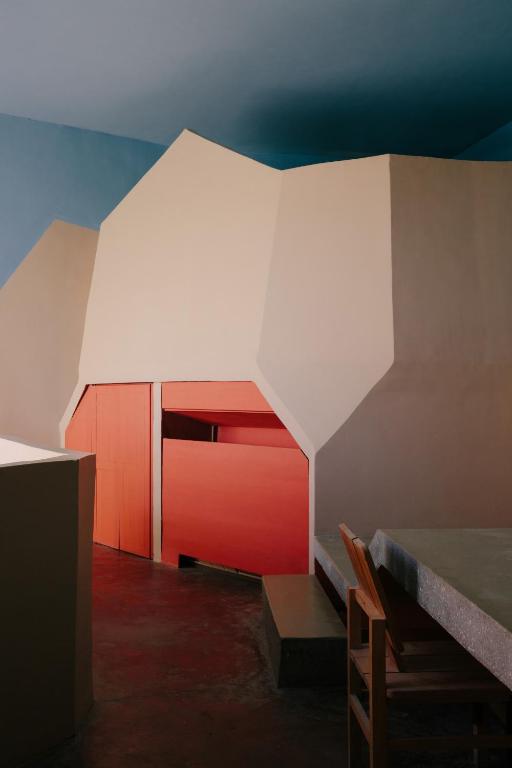
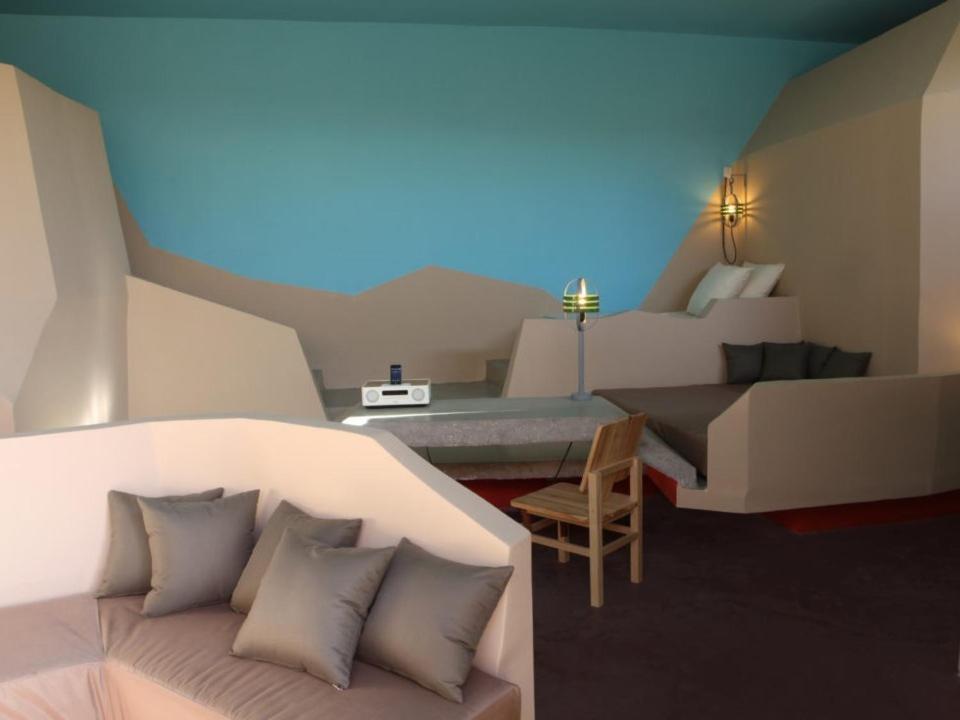
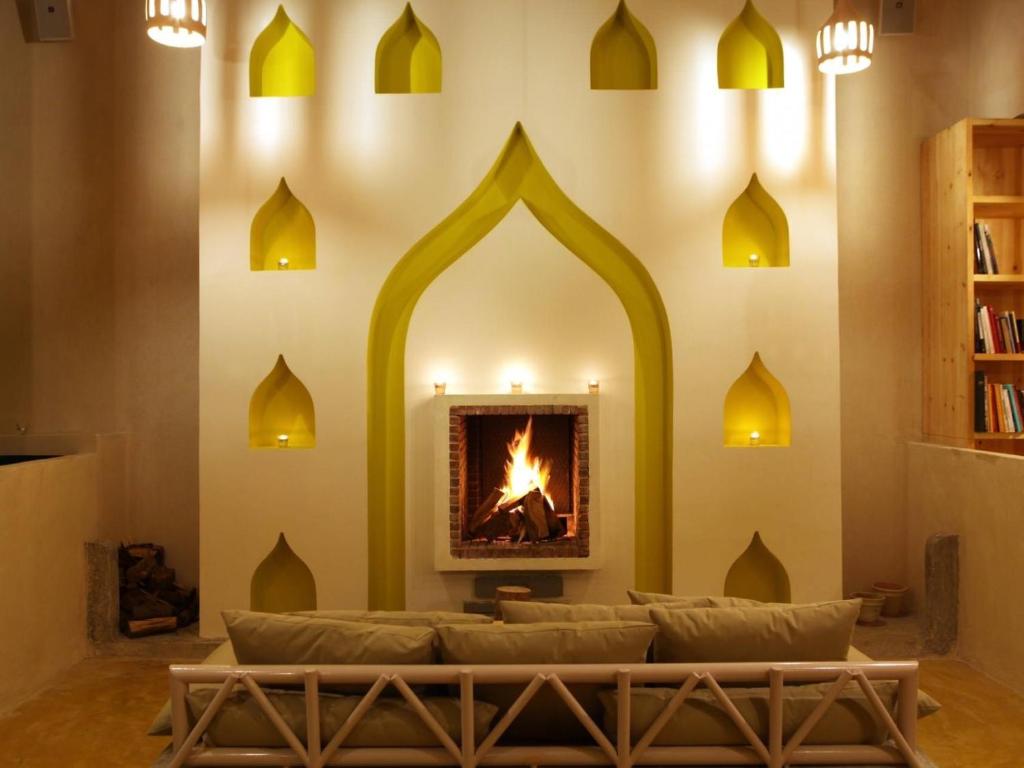
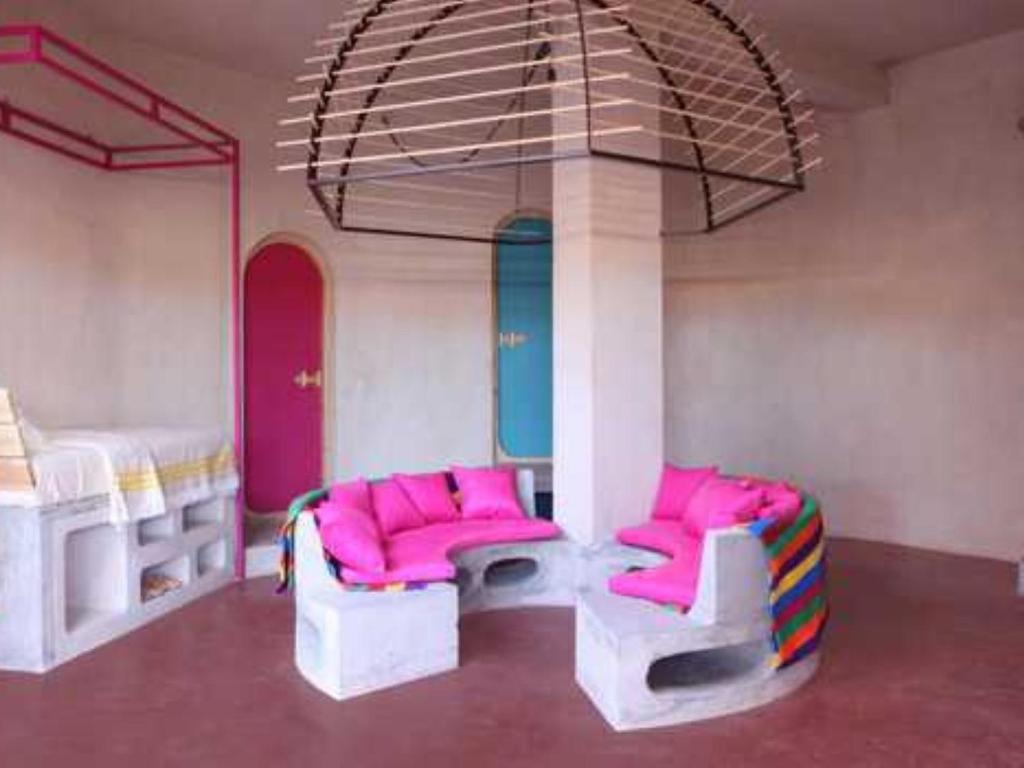
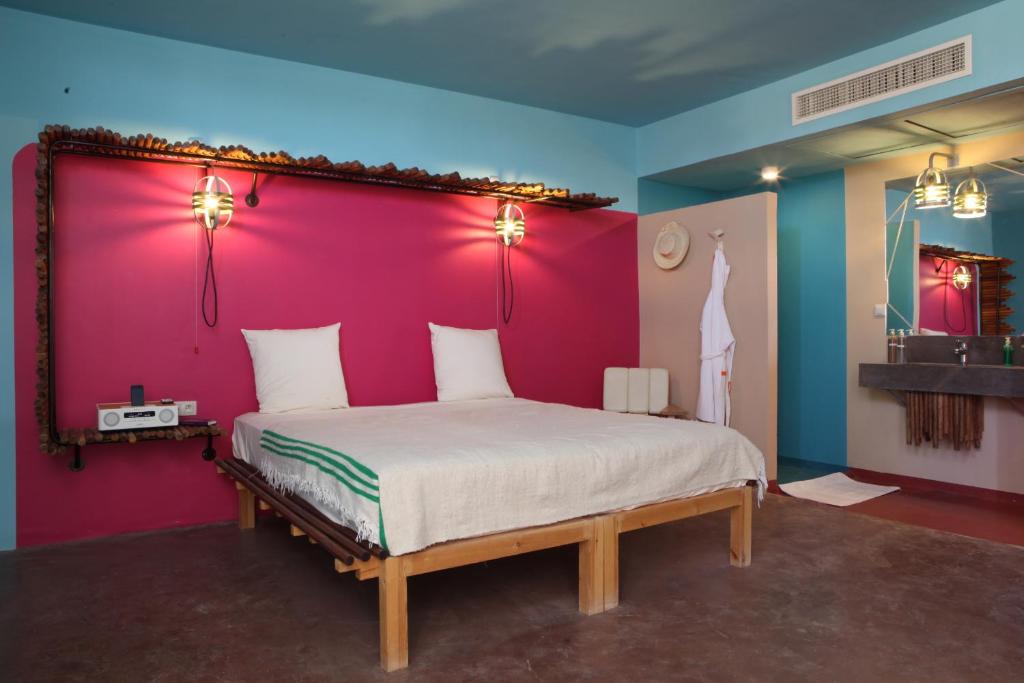
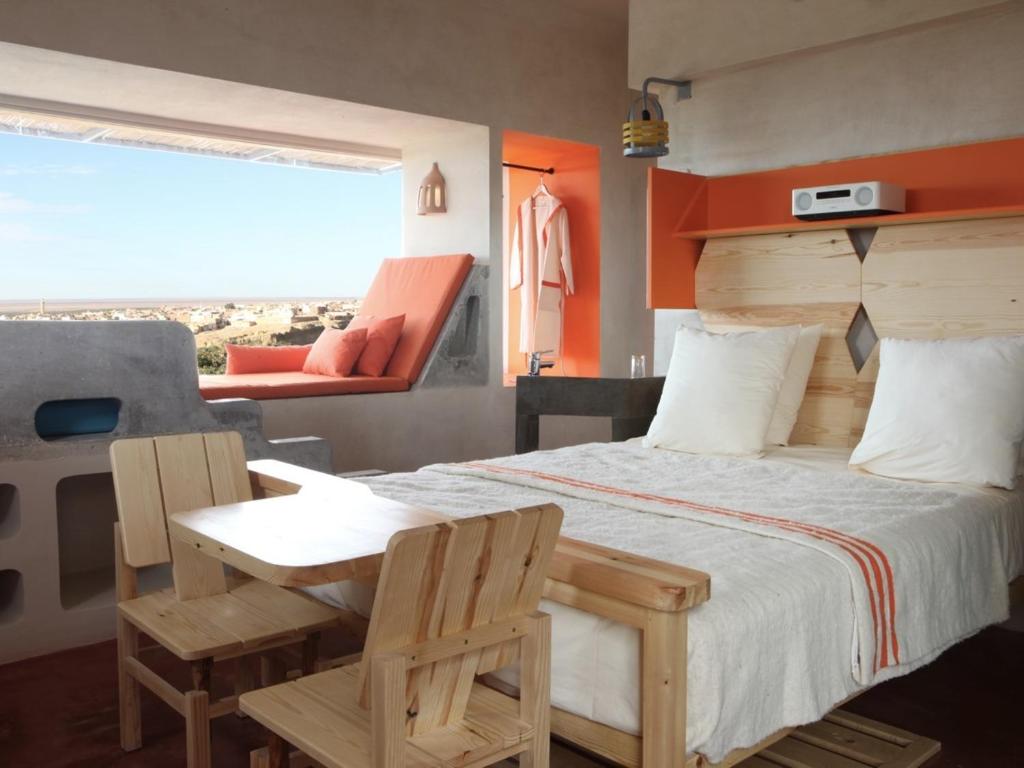
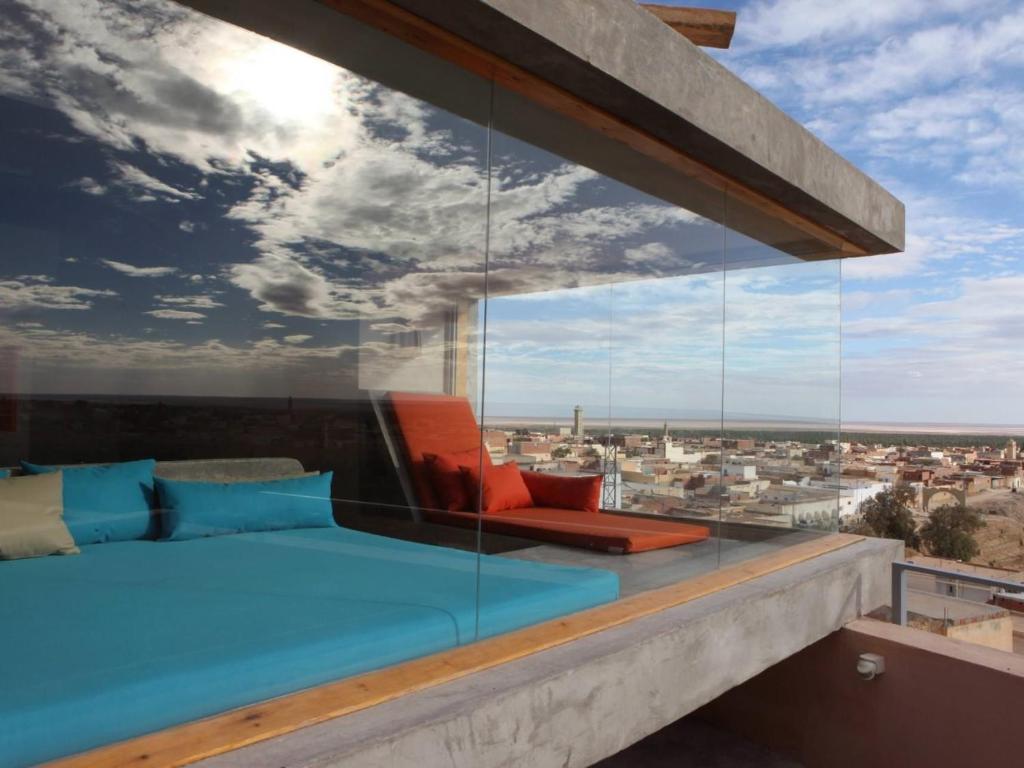
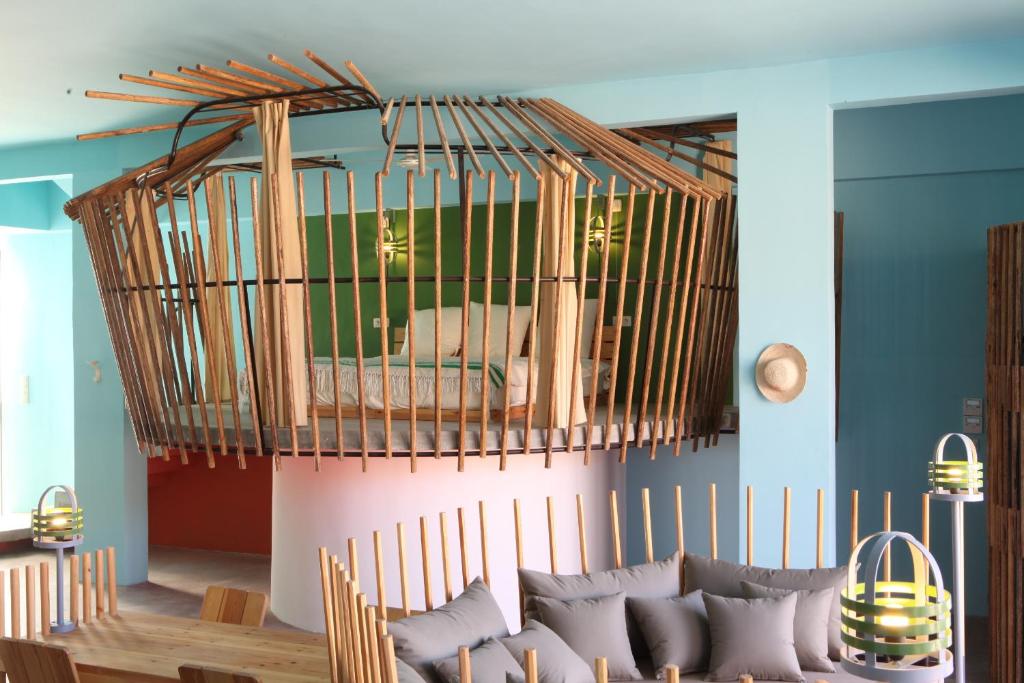
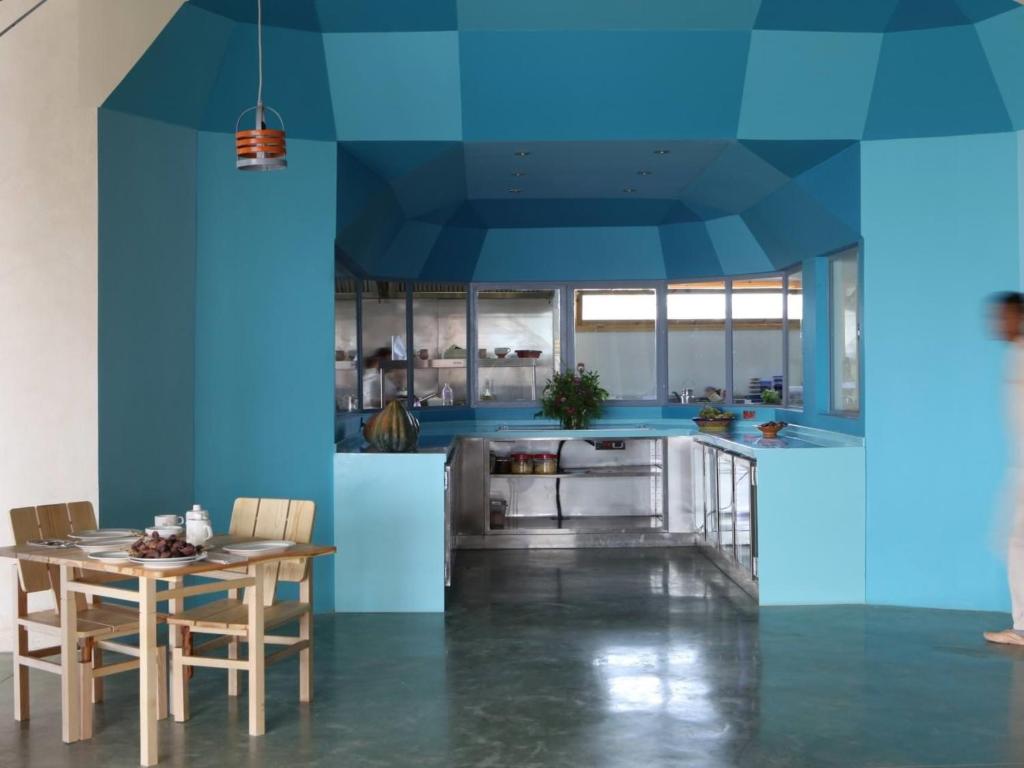
The most distinctive structures are the elevated pilotis. Raised on four supports, these compact volumes place sleeping and bathing spaces above shaded outdoor lounges. Panoramic glazing opens towards the palm grove, desert and Chott el Djerid salt lake, while their height gives each room a subtly different relationship with the horizon. Other accommodations sit closer to the sand, creating a more immediate connection with the desert floor. Crasset’s familiar design vocabulary runs throughout: strong geometry, vivid blocks of colour, integrated furniture and spaces that invite guests to rearrange how they inhabit them. Ochre and sand anchor the architecture; bright blues, reds, yellows and greens identify different functions and punctuate the muted landscape. It is futuristic without becoming detached from Nefta.
Local Materials, Contemporary Language
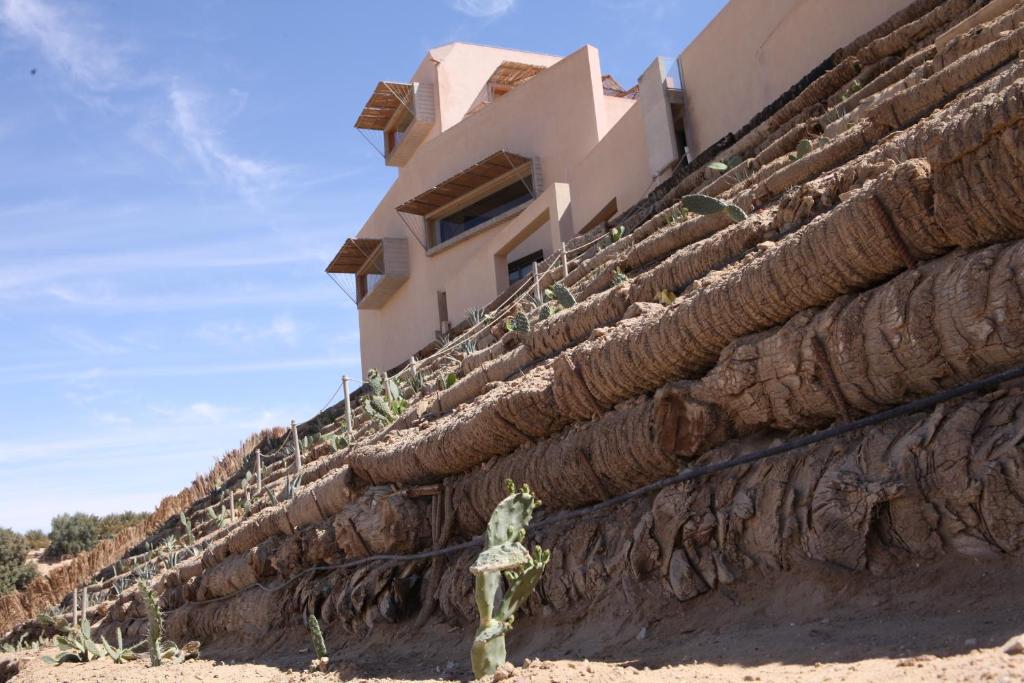
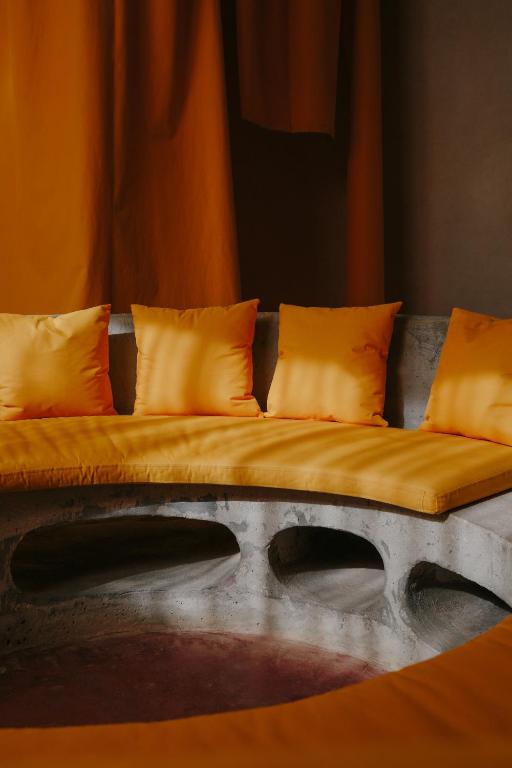
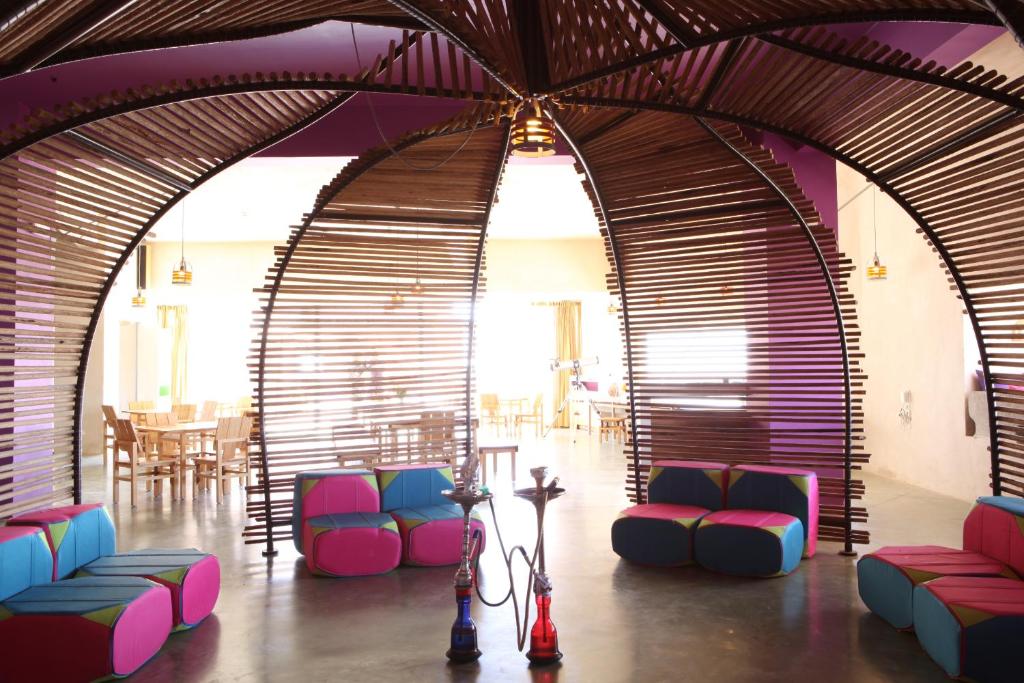
One of the project’s most convincing ideas was also one of its simplest: do not import a ready-made version of contemporary design. Crasset studied local building methods and worked with craftspeople in Nefta, using palm wood, clay bricks and other materials available nearby. Palm trunks become doors, ceilings and shading structures. Cane screens temper the intense sun. Concrete mixed with Saharan sand gives the architecture a colour and texture that belongs naturally to the site. The result isn’t vernacular reproduction. Traditional materials are pushed into unfamiliar forms, showing how local craft can generate contemporary architecture without being reduced to decorative folklore. History remains implicit rather than imitated.
Heat, Food and the Life of the Oasis
Water provides Dar HI’s most elemental luxury. The thermal pool is replenished by hot springs from the desert, its iridescent surface set against palms and ochre walls. The hammam and wellness rituals extend that relationship with the landscape, turning naturally occurring heat into part of the hotel’s restorative rhythm. Food follows a similarly local logic. Vegetables are grown in the hotel’s gardens between the palms, while other ingredients are sourced from producers in Nefta. Local cooks prepare Tunisian dishes rooted in what families here actually eat rather than an invented version of “authentic” cuisine for visitors. Dates, bananas, fresh bread, regional produce and local recipes become expressions of the oasis itself. Hospitality feels inseparable from place.
Why It Works
Dar HI works because Matali Crasset never treats the Sahara as scenery. The desert determines the materials, orientation, shading, food, thermal bathing and even the social organisation of the hotel. Its elevated houses may look almost science-fictional against Nefta’s ancient palms, yet their construction depends on local knowledge and materials rather than imported spectacle. The contrast is exactly what gives the project its energy: radical contemporary design rooted firmly in an existing culture. More than fifteen years after opening, Dar HI still feels experimental because it proposed something hospitality continues to struggle with — that sustainability, architecture and local identity become most convincing when they are designed as one idea.
Information
At a glance
Architecture
Opened / Renovated
2011
Size matters
17 rooms & suites (28-100m2) (301-1,076 sq ft)
Interior design
The Small Print
Dar Hi closes for approximately two months each summer.
Featured in
Don't take our word for it


Handpicked worldwide
A carefully curated collection of exceptional boutique and design hotels across the globe.
Design with soul
Architecture, atmosphere and craftsmanship come together in stays with a clear identity.
Hidden, not hyped
Independent boutique hotels you rarely find on mainstream booking platforms.
Travel guidance
Personal recommendations and thoughtful support from people who actually know the places.