


Where to Stay
Boutique & Design Hotels in Andalusia



The DNA of Andalusia
Where Moorish Heritage Meets the Spirit of Southern Spain
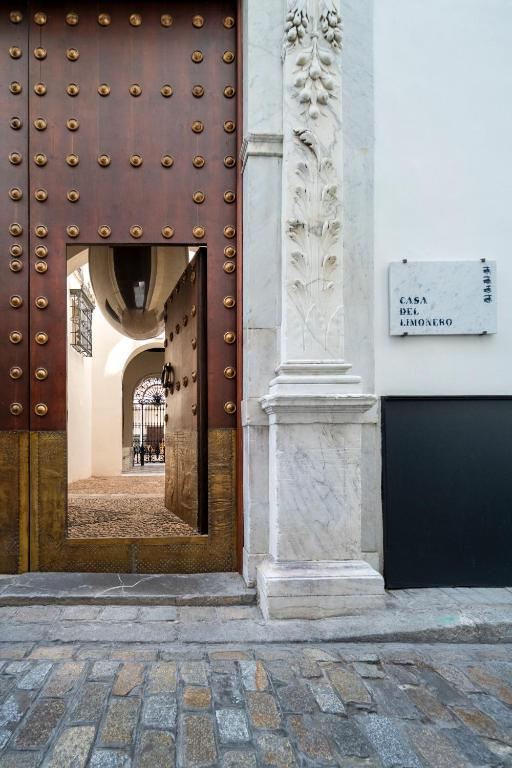
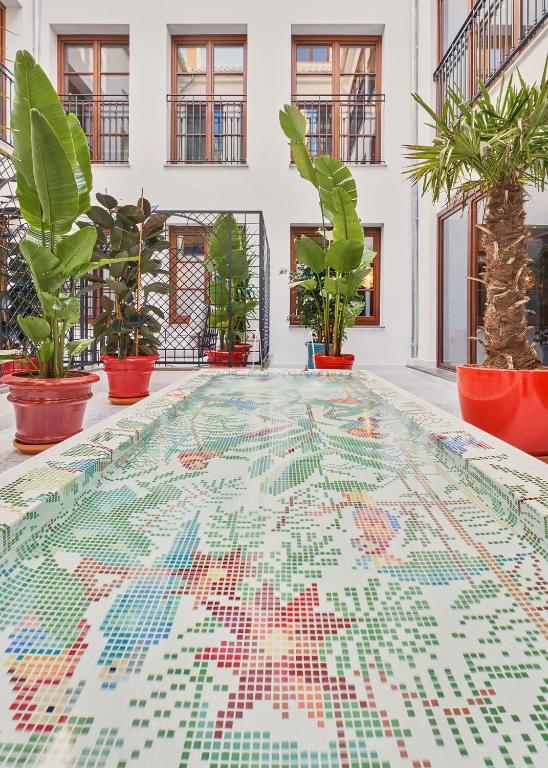
Andalusia contains some of Europe’s most extraordinary architecture. Centuries of Islamic rule left the Alhambra in Granada, Córdoba’s Mezquita and Seville’s Alcázar, while later Gothic cathedrals, Baroque churches, aristocratic palaces and whitewashed villages added entirely different layers. Courtyards, fountains, tiles and shaded gardens reveal an architecture developed around heat and light, and continue to influence contemporary design across the region. From the pueblos blancos of the mountains to the cities of Seville, Málaga, Córdoba and Granada, Andalusia has a visual identity that is unmistakably its own without ever being just one thing.
Food and drink change considerably as you travel. Cádiz and Málaga bring exceptional fish and seafood, Córdoba has salmorejo, Granada maintains its generous tapas culture, while jamón ibérico from the Sierra de Aracena belongs to an entirely different landscape. Olive oil is fundamental, with Jaén at the centre of one of the world’s great olive-growing regions. Sherry makes Jerez and the surrounding Marco de Jerez one of Europe’s most distinctive wine destinations, while a younger generation of chefs and winemakers is rediscovering local ingredients, old grape varieties and traditional techniques. Eating here can mean anything from standing at a tapas bar to travelling specifically for a destination restaurant.
Andalusia’s most interesting hotels have an extraordinary architectural inheritance to work with. Moorish houses, convents, palaces, cortijos and historic townhouses coexist with bold contemporary retreats, often built around courtyards, gardens and the rhythms of indoor-outdoor life. At DNA Hotels, we curate the places where architecture, food, craft and southern Spanish culture come together—hotels that capture Andalusia beyond flamenco and sunshine, revealing a region where centuries of different cultures have created something that could exist nowhere else.