


Eight centuries of history, English eccentricity, and a little Texan swagger beside Malmesbury Abbey.
Book now
Why DNA Hotels loves it
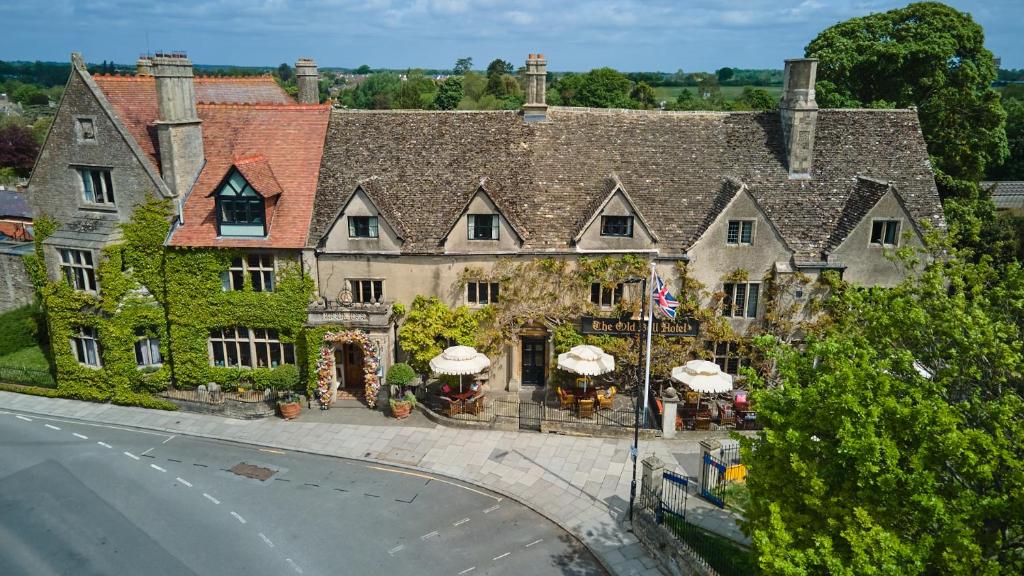
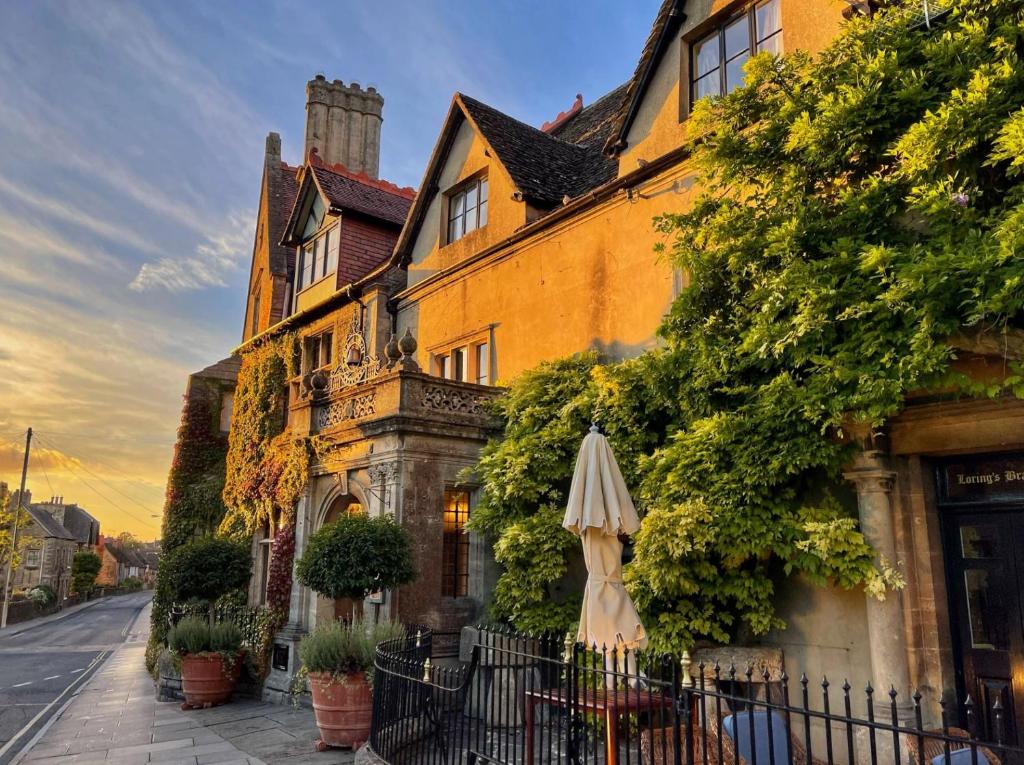
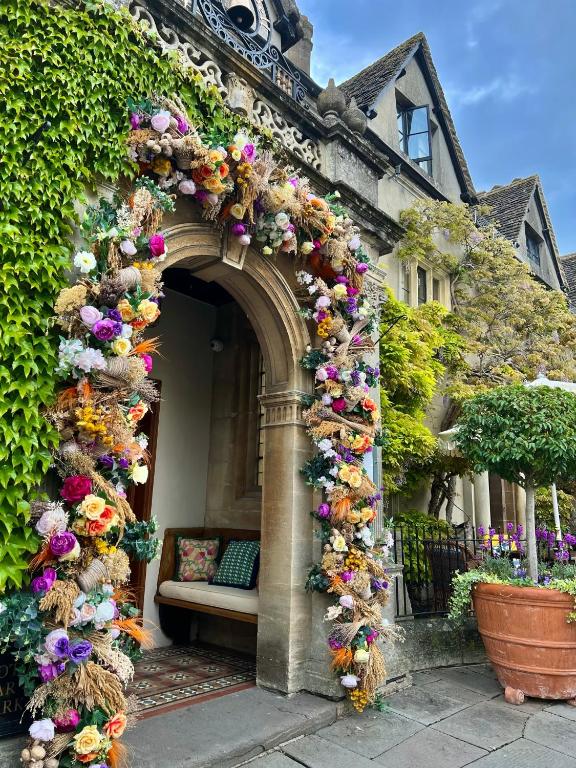
Dating back to 1220 and widely regarded as England’s oldest hotel, The Old Bell offers the rare chance to stay inside more than eight centuries of continuously evolving hospitality history.
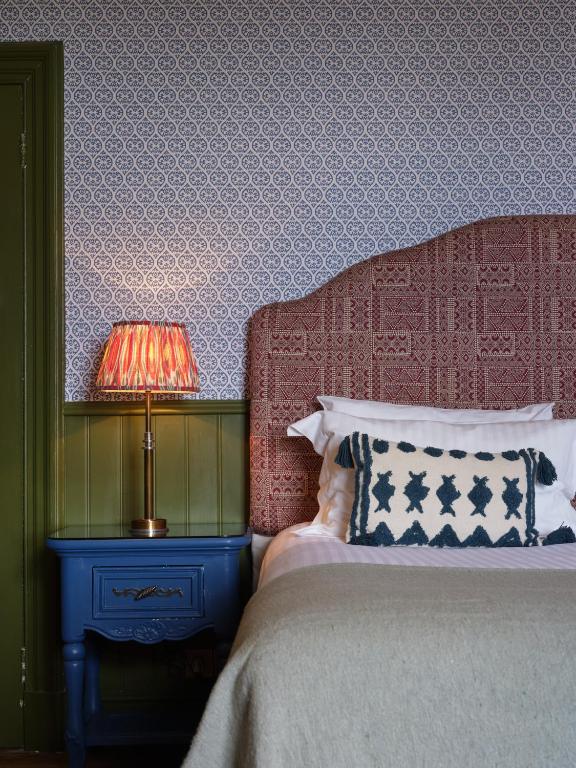
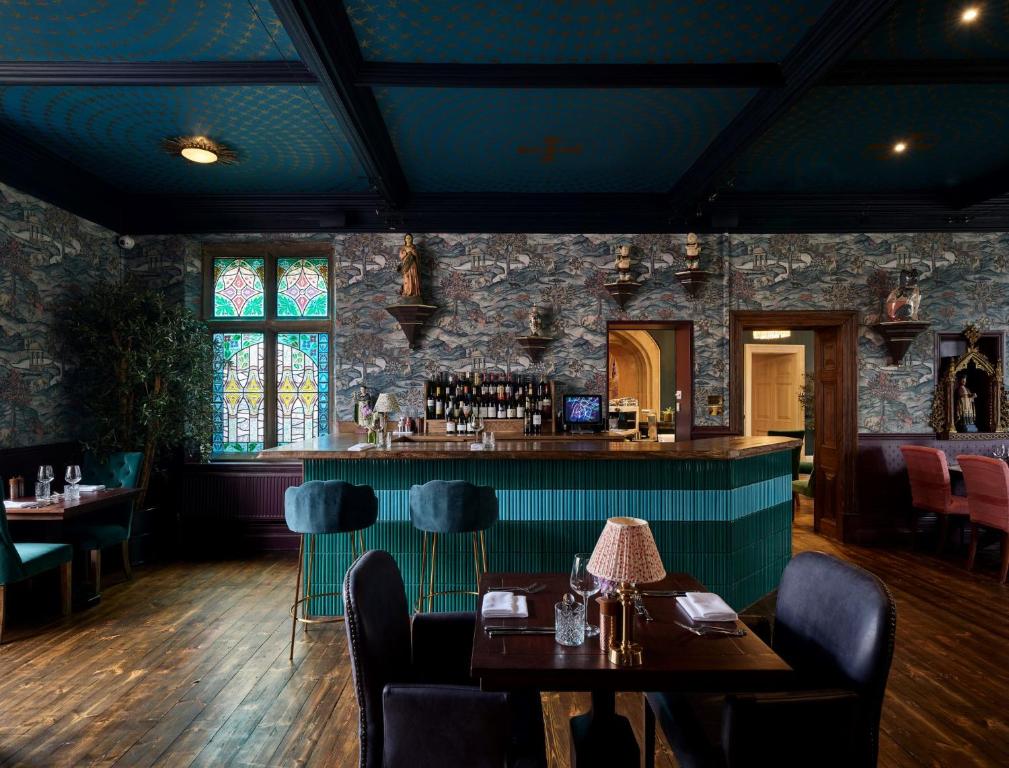
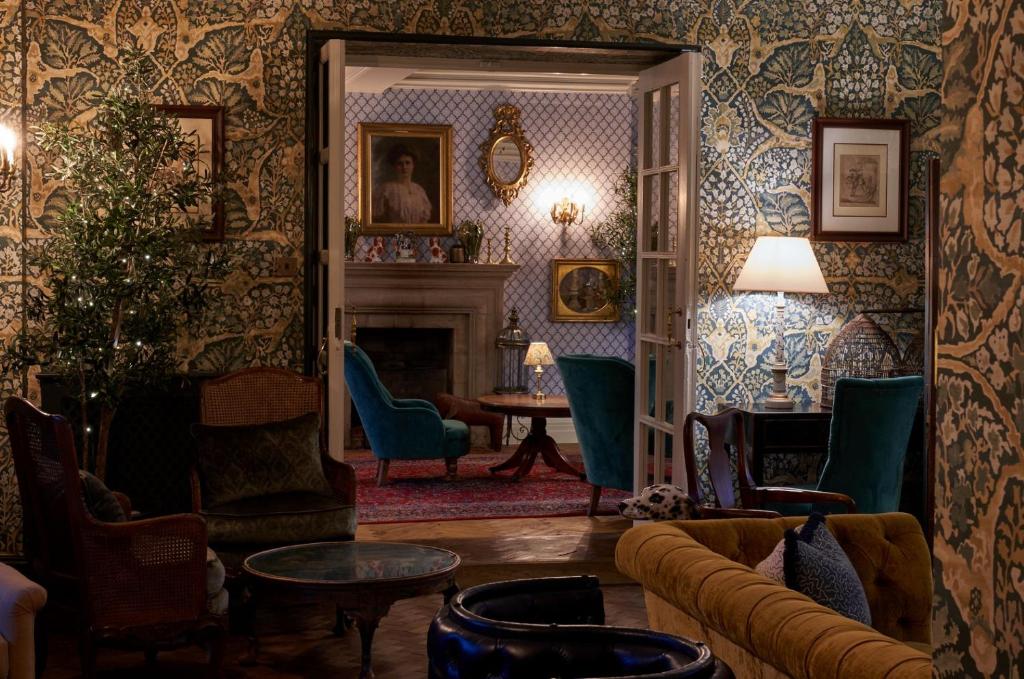
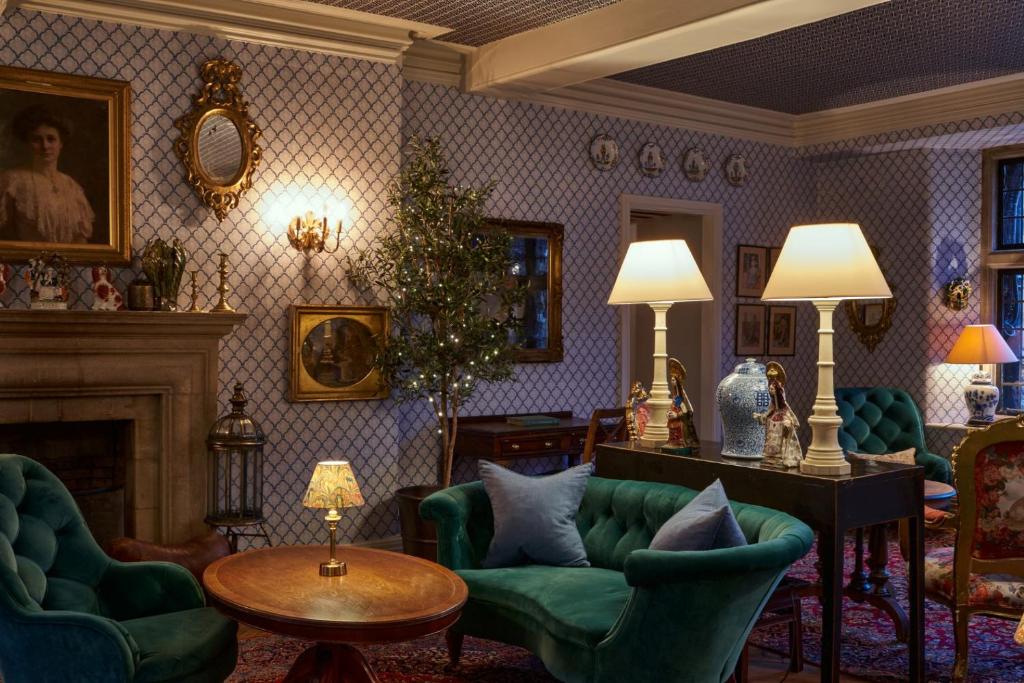
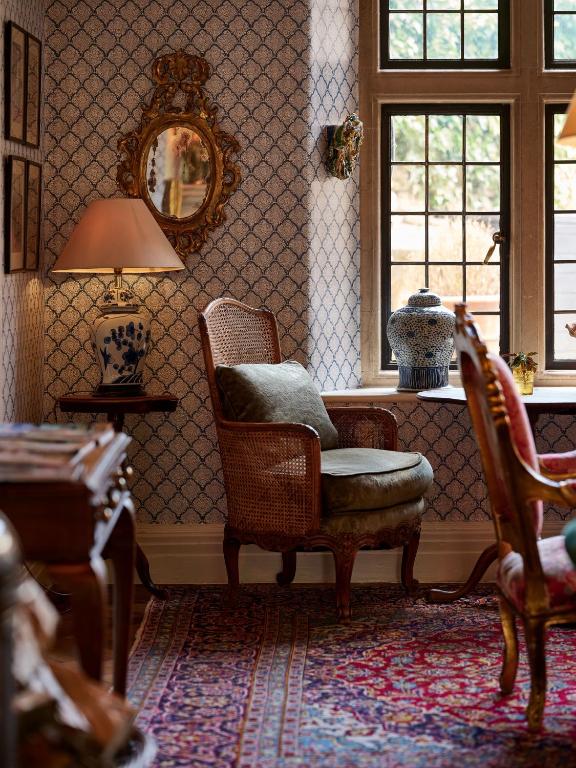
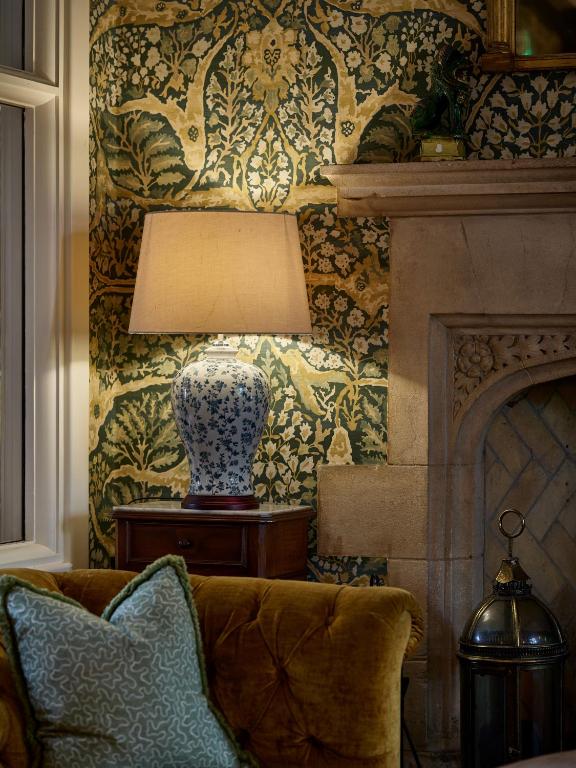
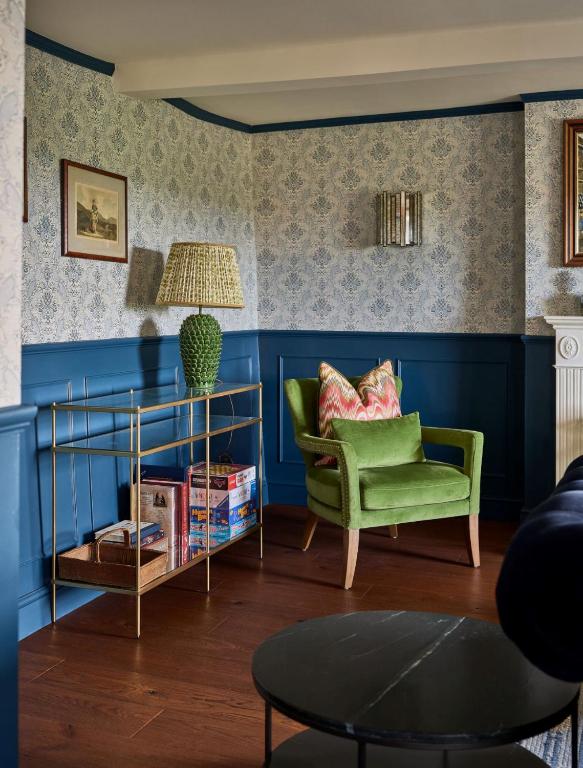
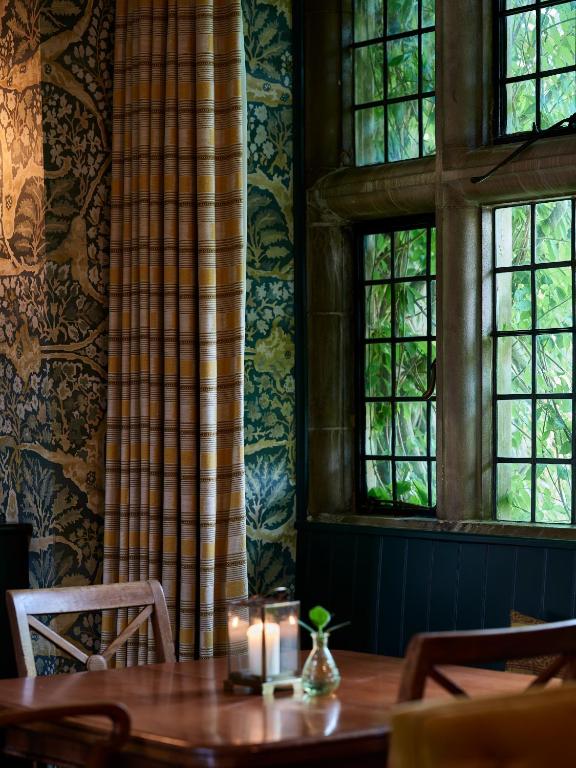
Owners Kim and Whit Hanks have resisted turning the building into a reverential period piece, layering medieval architecture with William Morris-like patterns, jewel-toned fabrics, curiosities and an exuberant dose of contemporary personality.
Its location beside Malmesbury Abbey places you at the heart of one of England’s oldest towns, while Abbey Row, afternoon tea and the hotel’s bars make staying in almost as tempting as exploring the surrounding Cotswolds.
The Stay
The Old Bell Hotel - Malmesbury, England
Eight Hundred Years, Still Going Strong
Some heritage hotels reach back a century or two. The Old Bell Hotel starts its story in 1220. Built beside Malmesbury Abbey as a hostelry for travellers and pilgrims, it has been welcoming guests for more than eight centuries and is widely described as England’s oldest hotel. That alone could have condemned it to a life of suits of armour, dark upholstery and excessive historical reverence. Instead, its latest chapter is surprisingly playful. Current owners Kim and Whit Hanks arrived from Texas with both hospitality experience and family connections to the area, and approached the hotel less as museum custodians than as hosts determined to keep an ancient building alive. Their renovation respects what cannot—and should not—be changed, while introducing colour, wit and a certain New World confidence. The result feels distinctly English, but not predictably so.
Medieval Bones, Eccentric New Layers
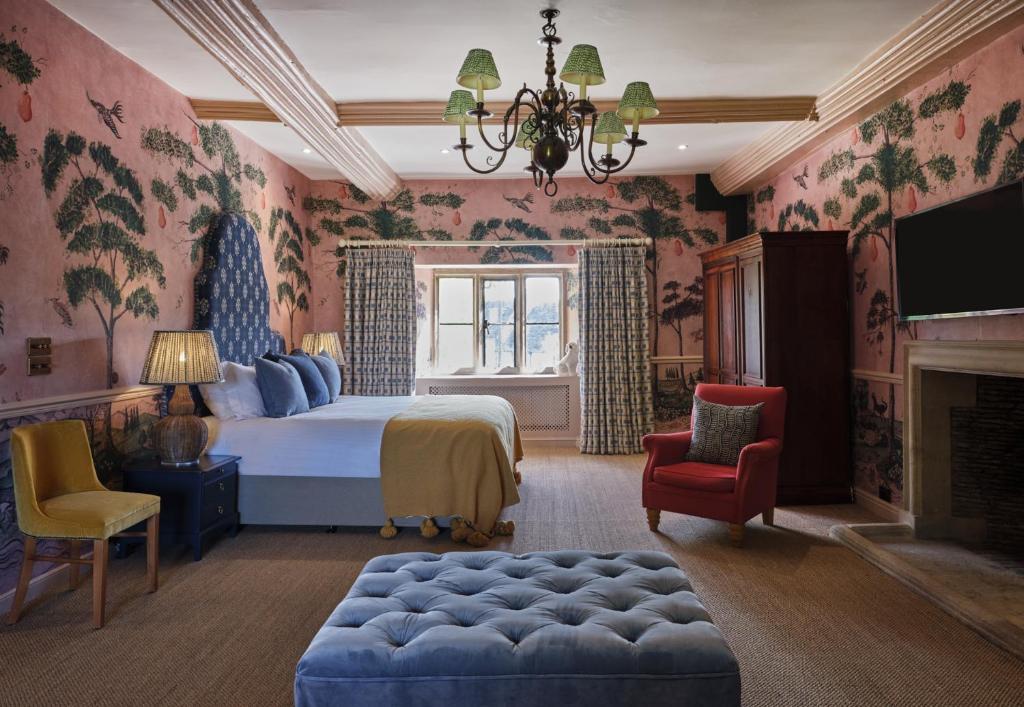
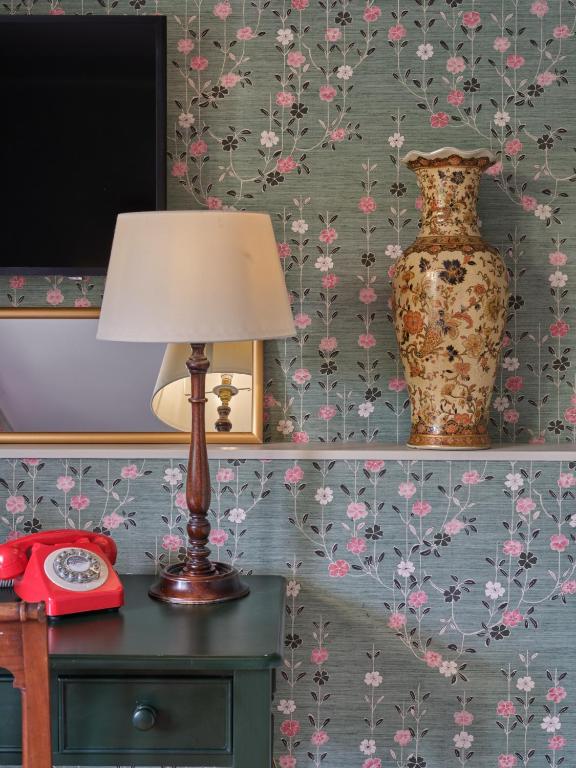
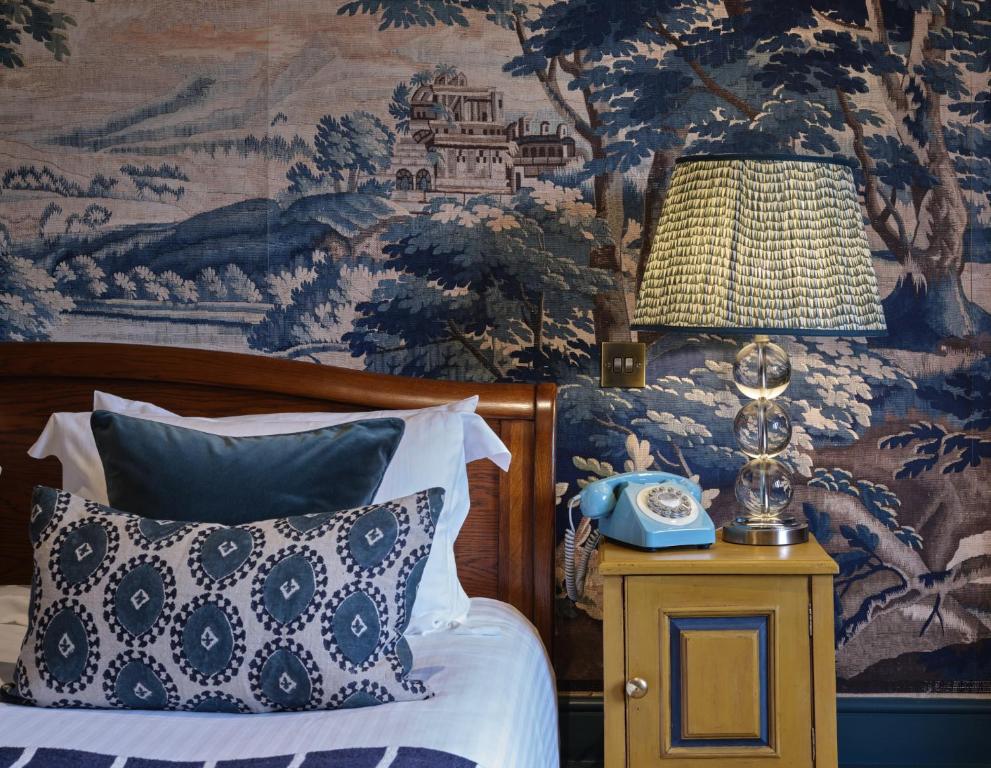
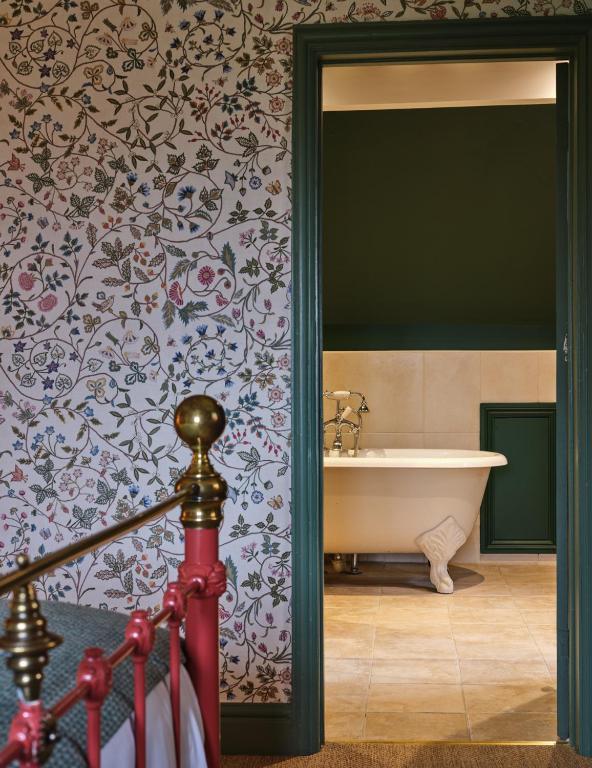
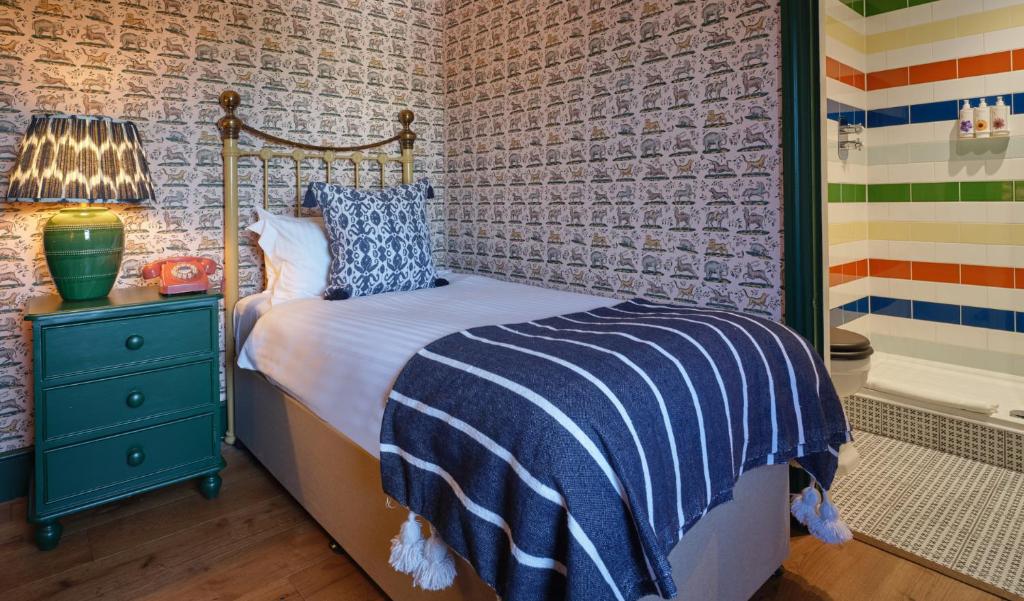
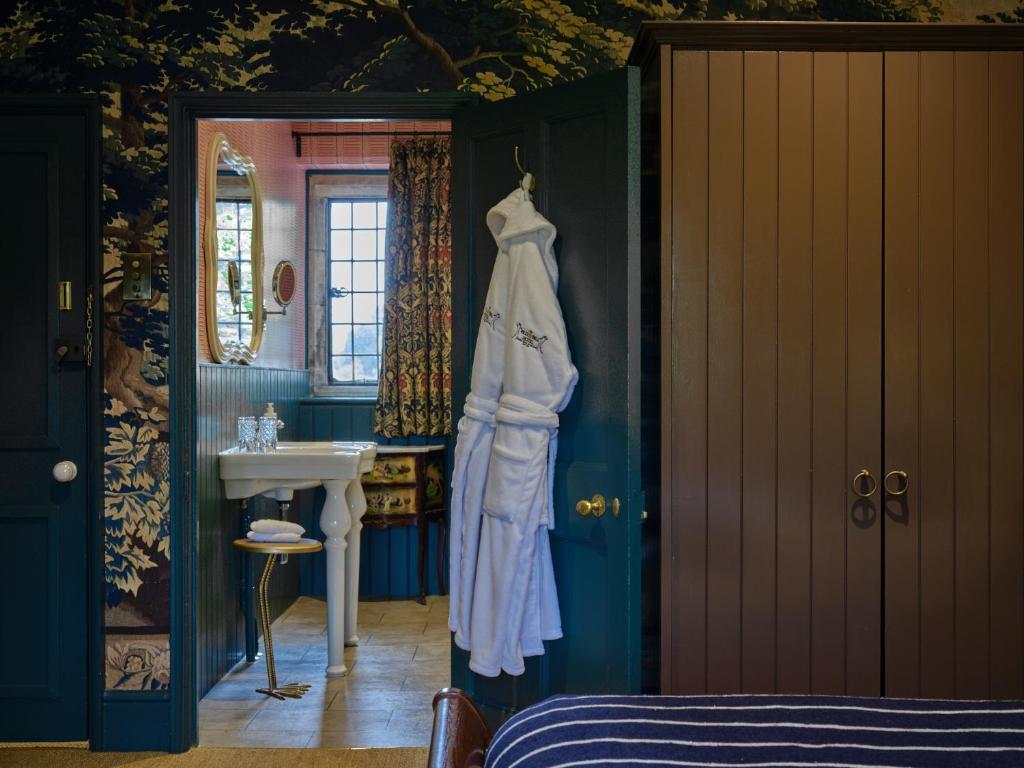
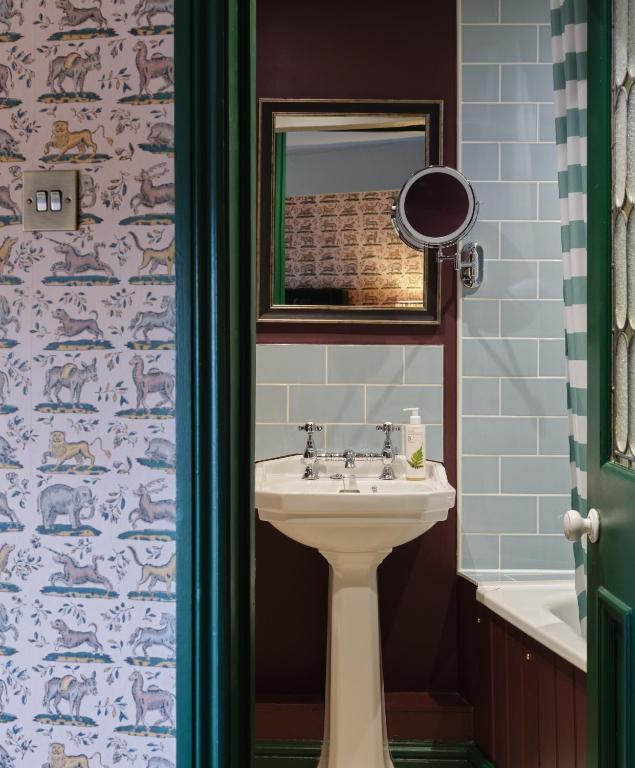
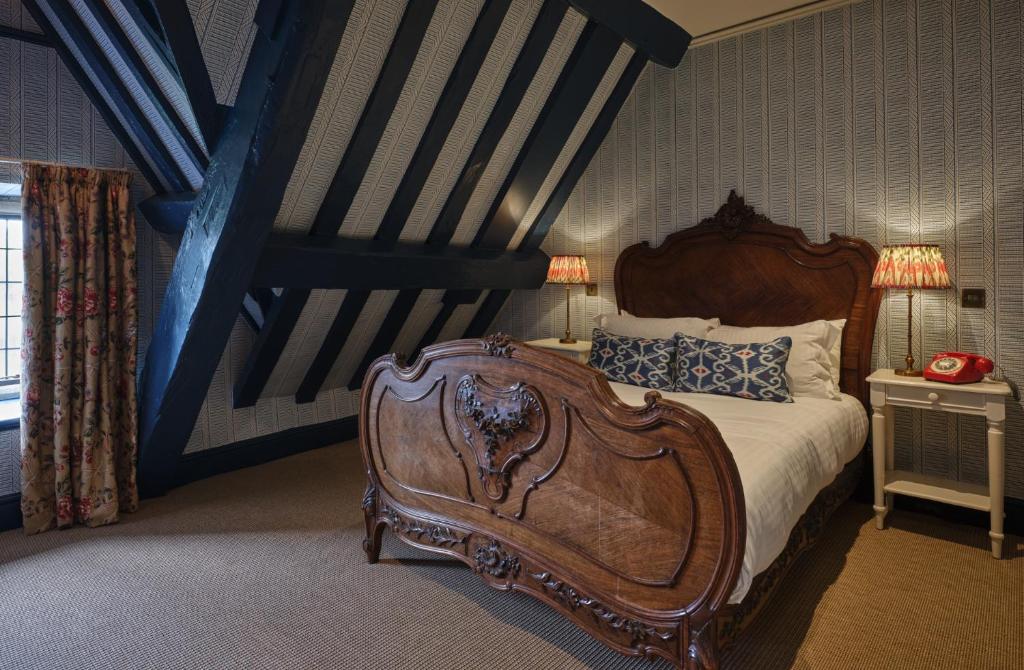
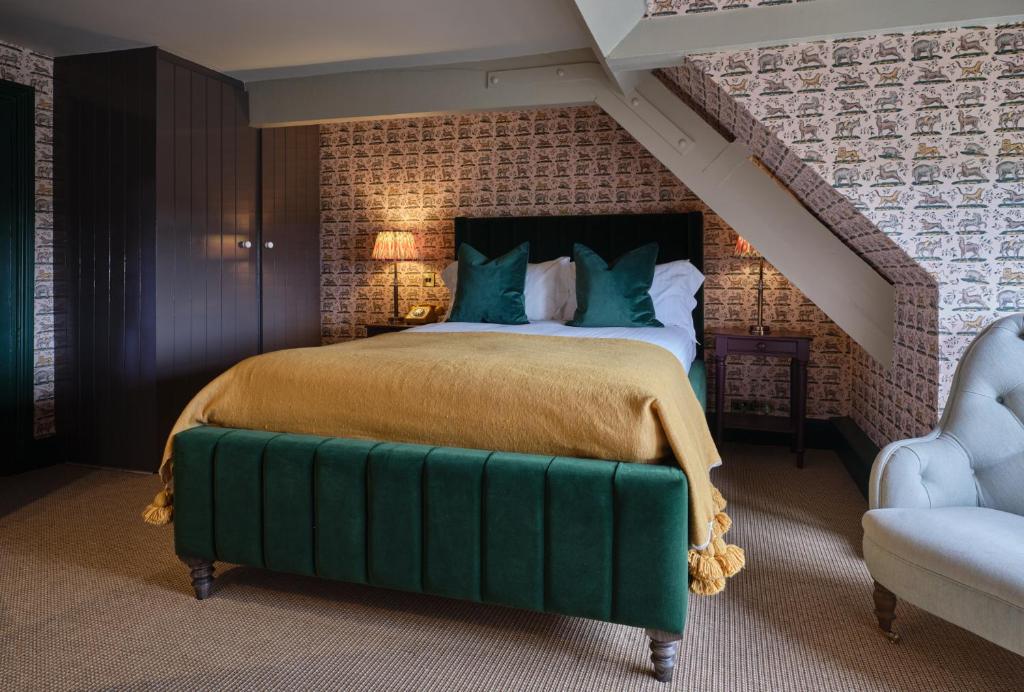
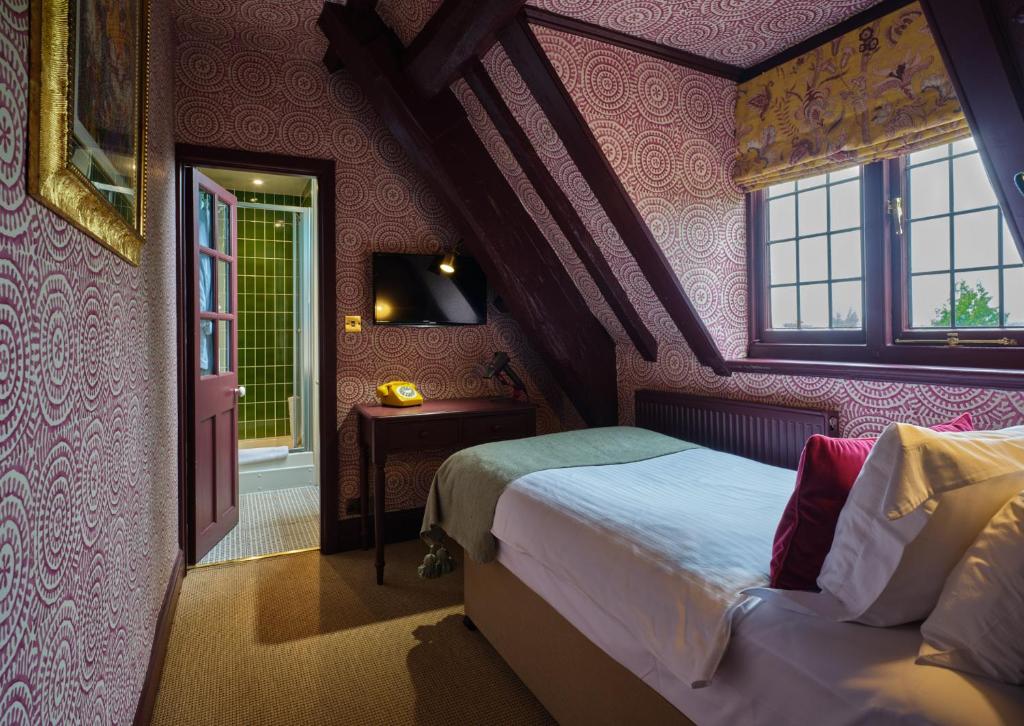
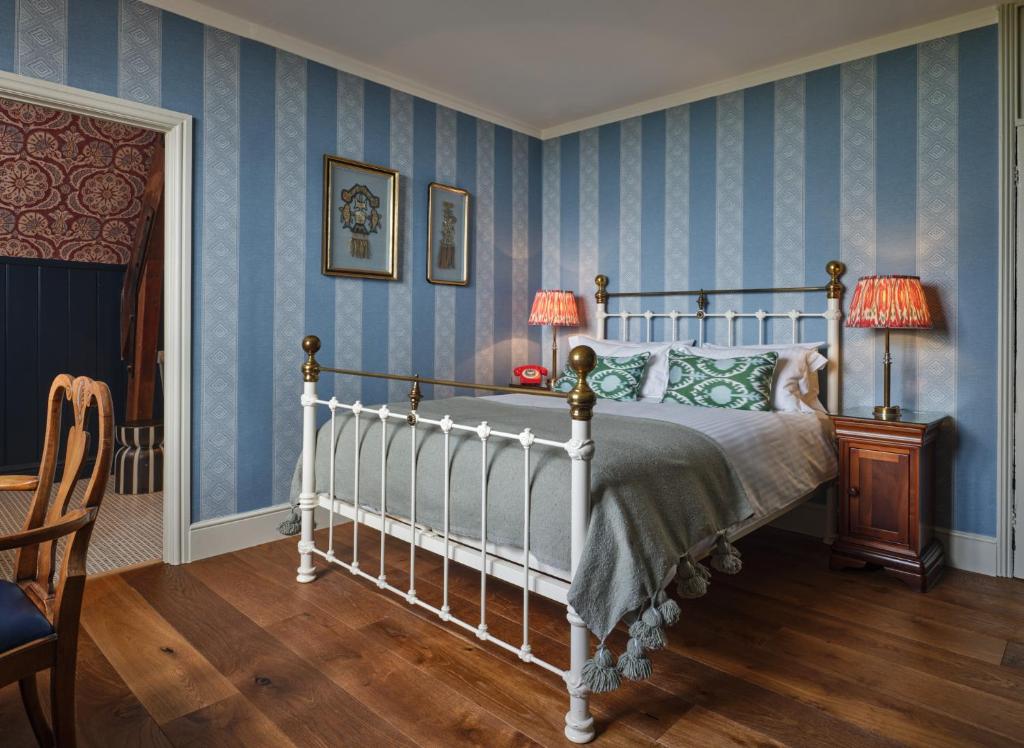
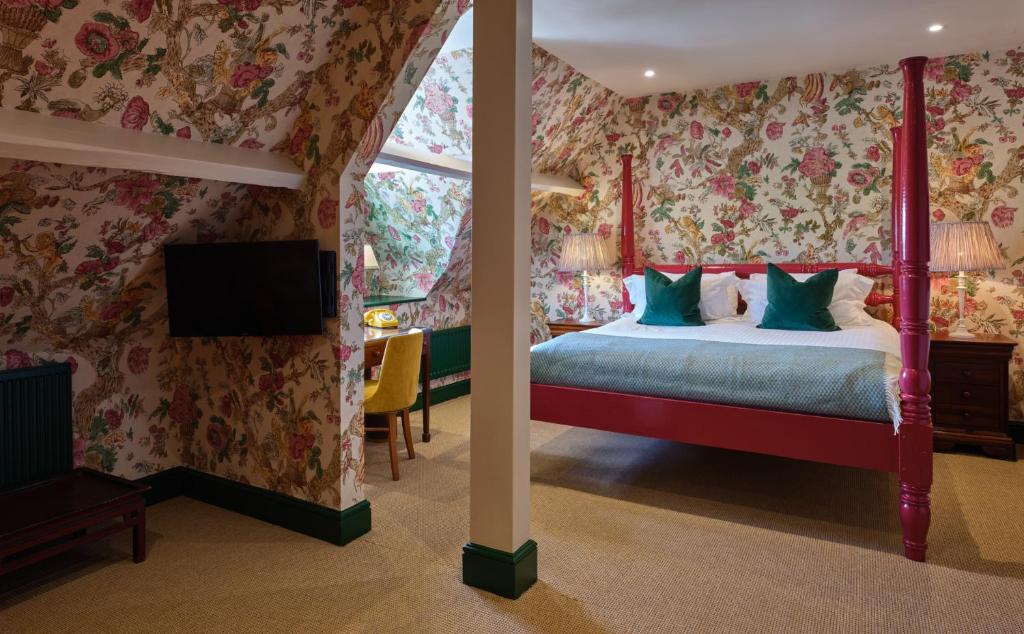
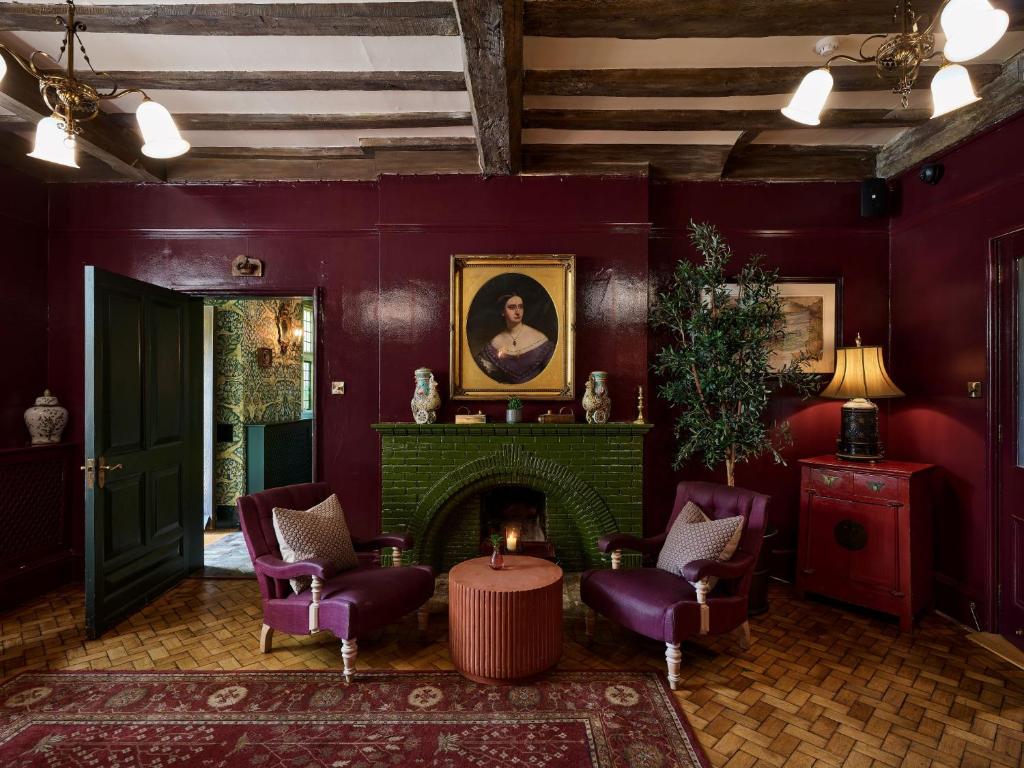
The building provides drama before the decoration even begins. Thick stone walls, irregular spaces, old beams and centuries of architectural evolution give The Old Bell an atmosphere that could never be manufactured. Among its great survivors is the enormous hooded stone fireplace, believed to incorporate one of the country’s earliest flue chimneys. It remains the natural anchor of the hotel: a place to settle beside the fire and consider just how many generations have done exactly the same thing. Around that history, the Hanks have introduced a richer and more mischievous decorative language. William Morris-esque wallpapers sit beside wicker, polished timber, brass and brightly coloured upholstery. Velvet sofas arrive in saturated jewel tones. Unexpected objects—a faux giraffe head here, a theatrical decorative flourish there—prevent the hotel from disappearing beneath layers of good taste. That is precisely what makes it interesting. The rooms do not politely defer to the building. They engage with it.
Rooms That Refuse to Be Uniform
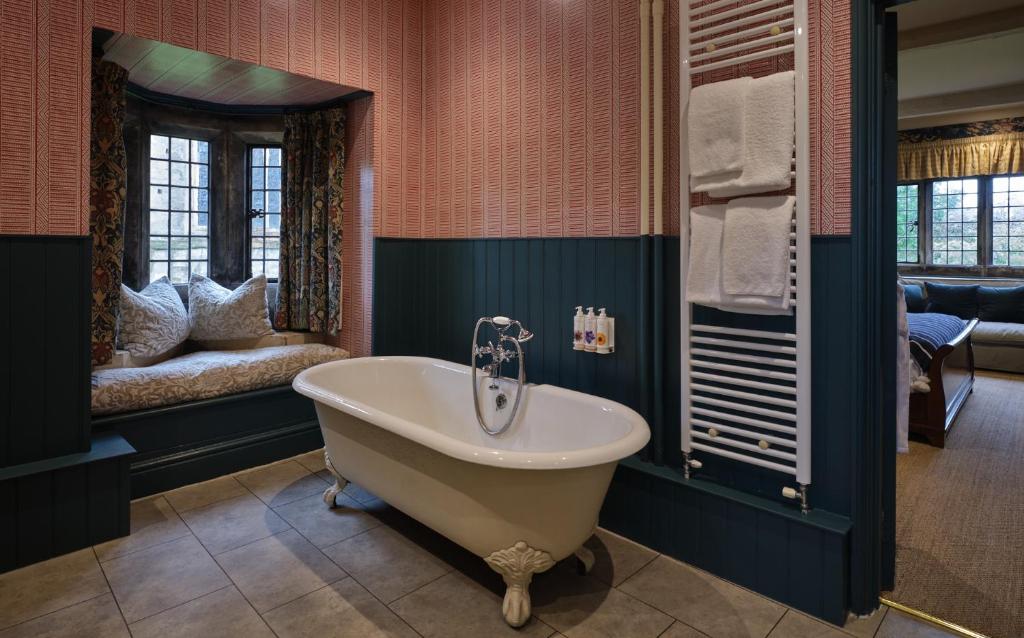
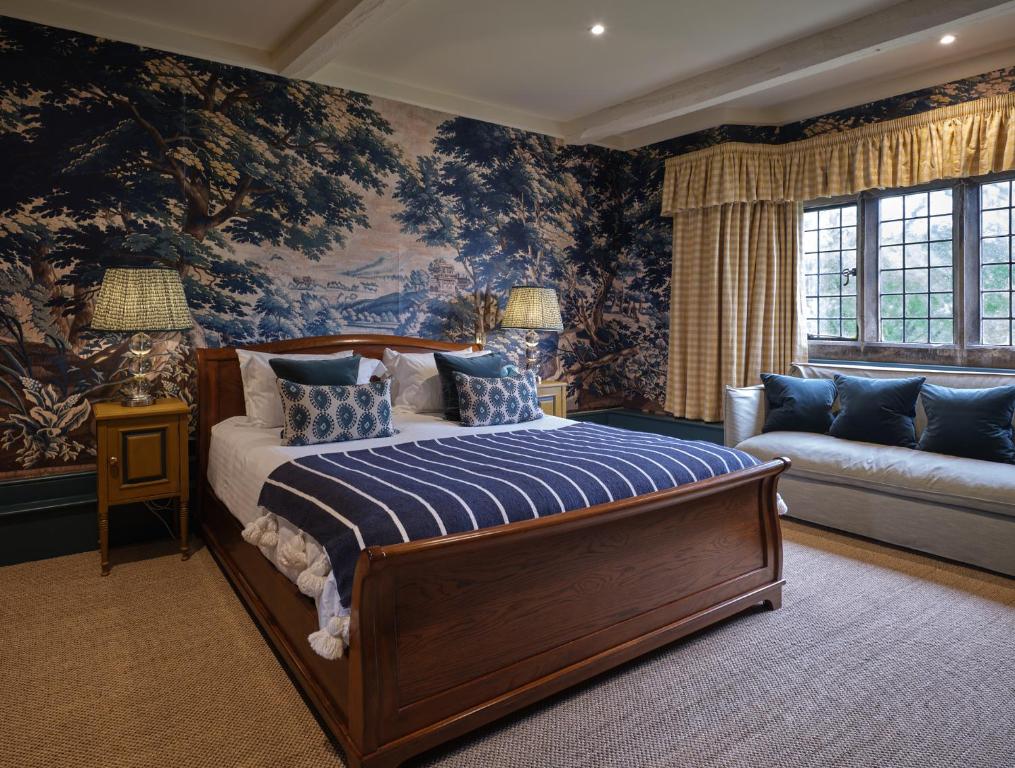
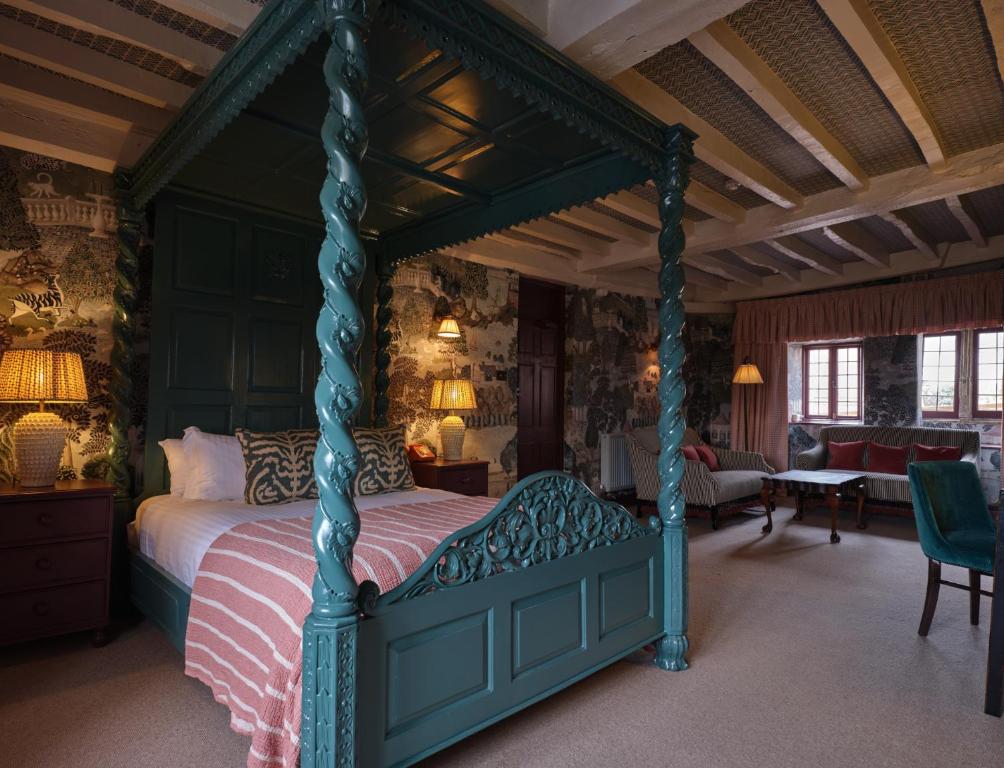
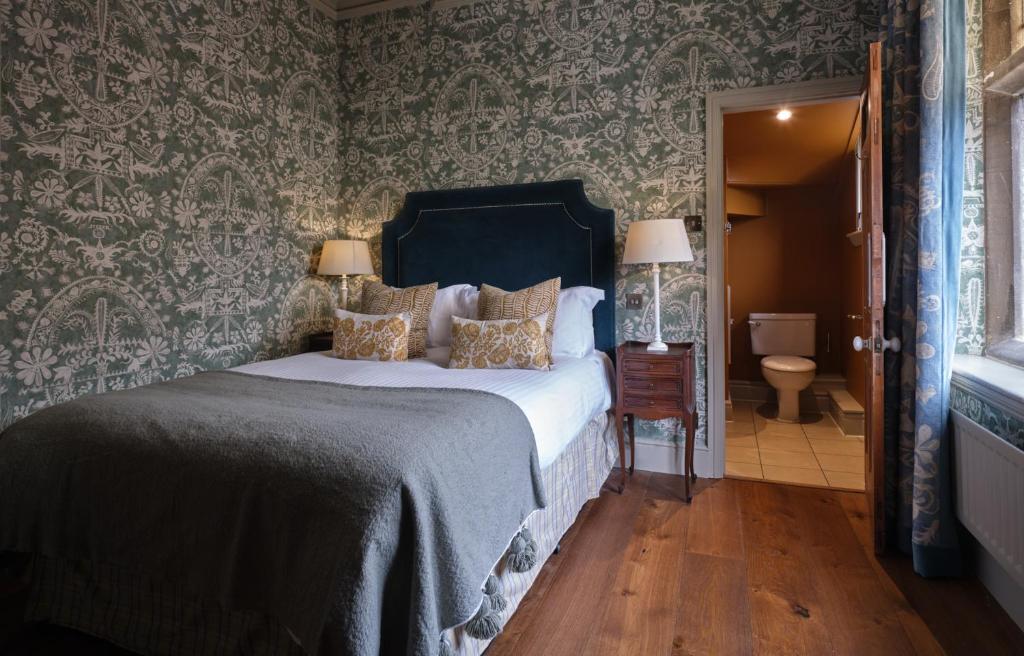
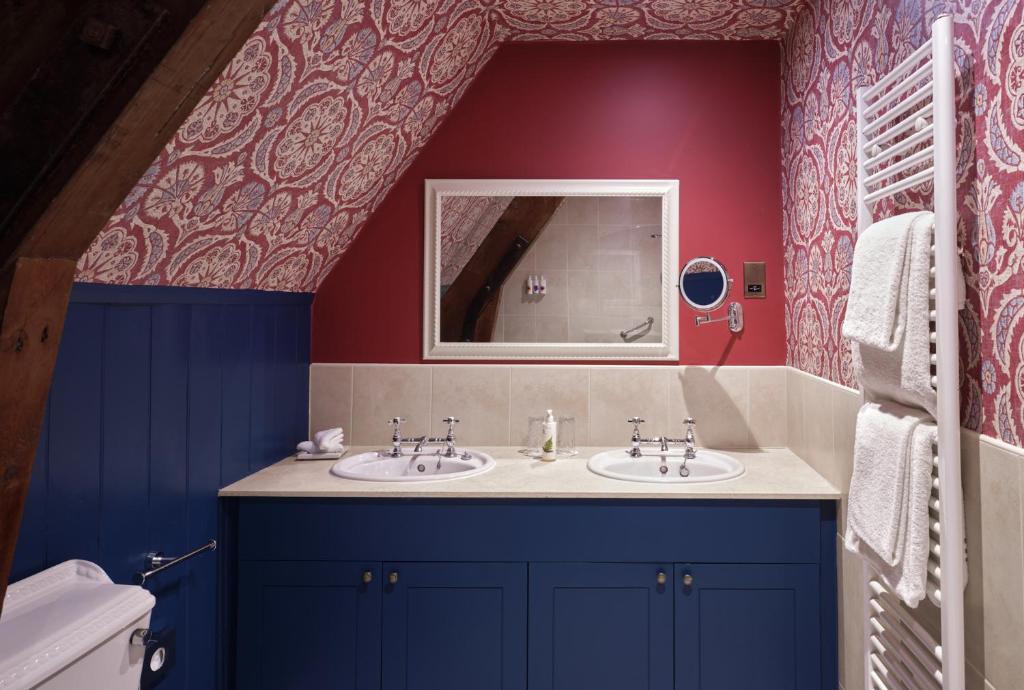
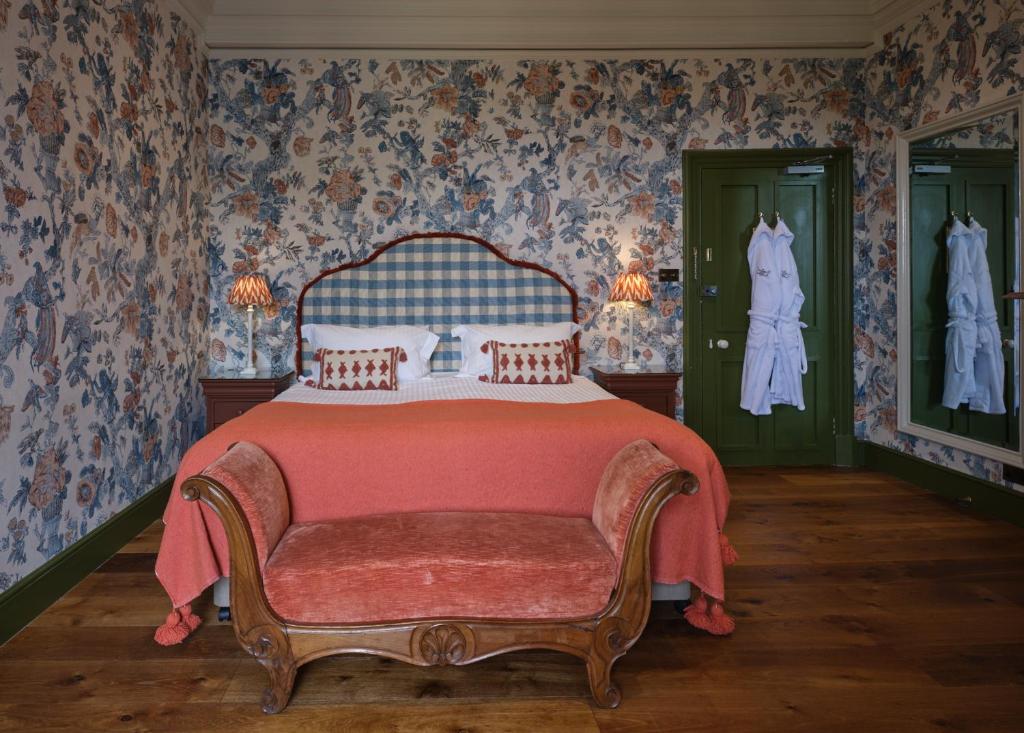
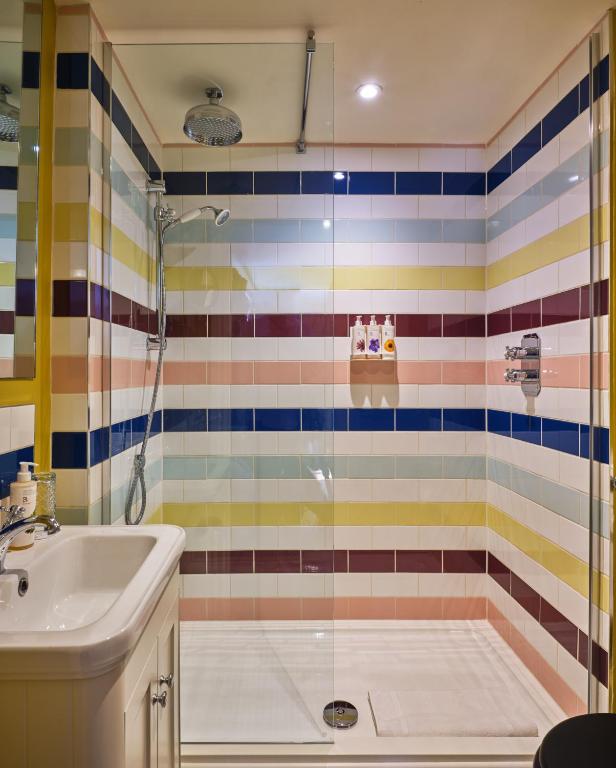
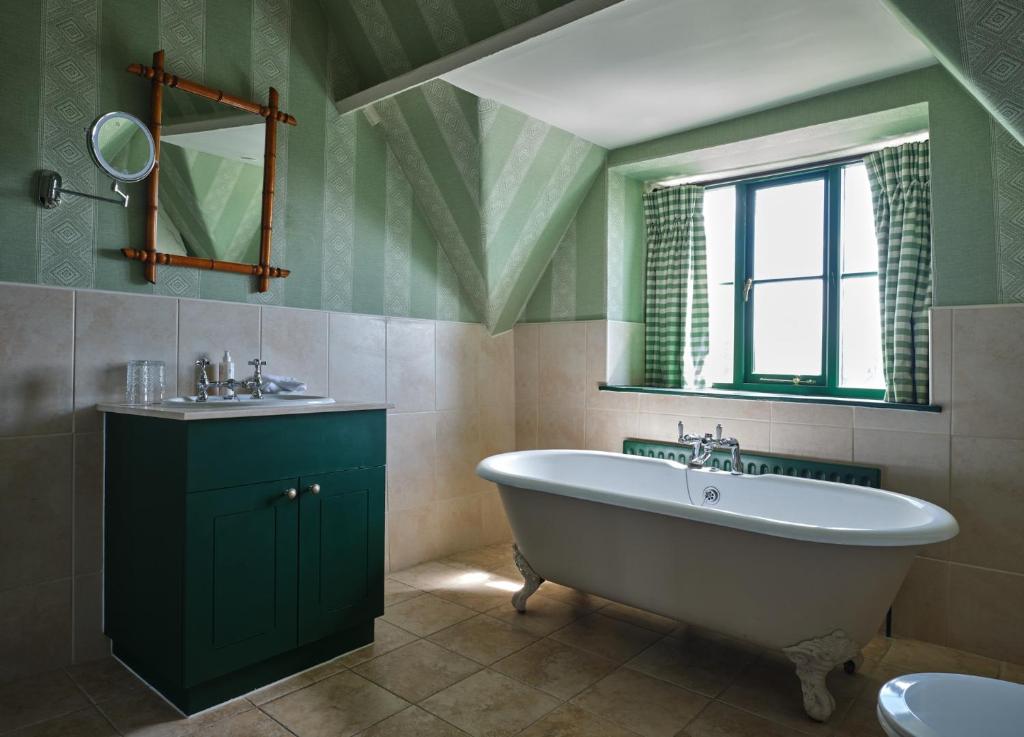
The Old Bell has 34 bedrooms, together with four townhouse suites offering more independent accommodation, and almost inevitable variations in size, shape and character come with occupying a building that has evolved for hundreds of years. Rather than attempting to standardise those quirks away, the design works with them. Wallpapers, textiles and furniture vary from room to room, creating spaces that feel individually composed rather than rolled out from a hotel template. Four-poster beds, generous king-size beds, rich fabrics and carefully chosen antiques add romance without tipping into historical cosplay. Bathrooms are deliberately more indulgent, with large tubs, rainfall showers and brass fittings bringing contemporary comfort into the medieval shell. Some rooms look towards Malmesbury Abbey; others capture the rooftops and honey-coloured stone of the town. What connects them is not a single decorative formula but the sense that each has been allowed to develop its own personality.
English Eccentricity, Courtesy of Texas
There is an appealing contradiction at the heart of The Old Bell. Few hotels could be more deeply embedded in English history, yet it took two Texans to push its character beyond conventional Cotswolds prettiness. Kim and Whit Hanks have approached the hotel with an outsider’s confidence in what to preserve and what not to take too seriously. The result is what might be called English eccentricity with sharper editing: historical references remain, but are punctuated by humour, colour and objects that seem chosen because somebody genuinely loved them. That distinction matters. This is not heritage recreated as a theme. It is an old building continuing to accumulate stories. In a region overflowing with tasteful country-house hotels, The Old Bell feels noticeably more personal.
Abbey Row and the Pleasure of Staying Put
The hotel’s restaurant, Abbey Row, follows a similar philosophy. The setting is richly coloured and theatrical rather than hushed and formal, while the kitchen uses seasonal British ingredients as the foundation for contemporary cooking. Chef Daniel Kerr’s menus remain recognisably English but allow room for modern technique and the occasional broader influence. The tasting menu gives the kitchen more space to play, while the à la carte offering keeps things accessible enough for a relaxed dinner rather than turning the historic setting into a culinary ceremony. Cocktails and a substantial wine list extend the evening, and afternoon tea has become a destination in its own right. It suits the building particularly well: one of those rituals that might easily feel overly quaint elsewhere but seems completely natural in a hotel that has watched British hospitality evolve for 800 years. There are four separate drinking and dining experiences across the property, so the hotel manages to feel sociable without losing the intimacy of an old inn.
Malmesbury Beyond the Front Door
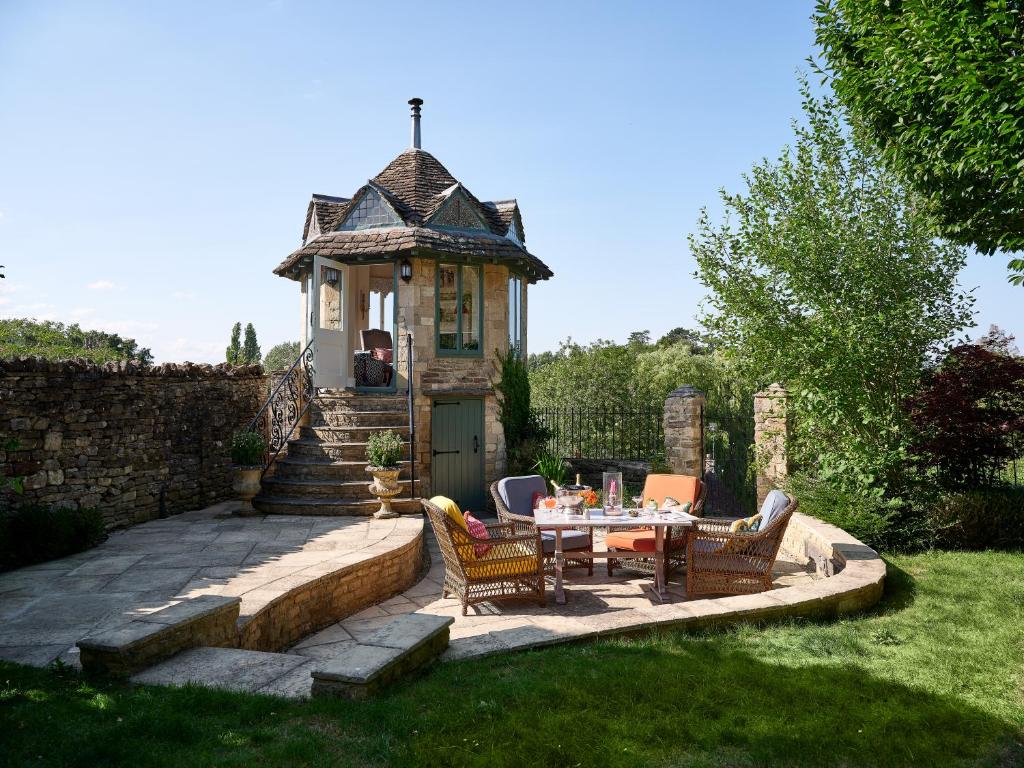
Step outside and The Old Bell immediately gives you Malmesbury at its most atmospheric. The hotel sits directly beside the abbey, whose surviving medieval architecture dominates a town already rich in honey-coloured stone, narrow streets, rivers and fragments of deep English history. Malmesbury rewards walking rather than itinerary-building. The hotel provides routes through the town and surrounding countryside, making it easy to drift between abbey, old streets, riverside paths and shops without much planning. Further afield, the wider Cotswolds opens up quickly. Westonbirt Arboretum and Highgrove are within easy driving distance, while lakes, countryside walks and villages make The Old Bell a useful base without turning it into a conventional rural resort. But the temptation to return early is strong. There is always another fireplace, another drink, another corner of the building that appears to have been waiting several centuries for you to discover it.
A Living Piece of English Hospitality
The great achievement of The Old Bell is not simply that it has survived since 1220. Plenty of historic buildings survive. Far fewer still feel alive. Its age remains visible in stone, proportion and irregularity, but history is never treated as something fragile that guests must tiptoe around. You sit beside it, sleep inside it, eat within it and add another evening to a story already centuries long. That makes The Old Bell more compelling than a beautifully restored old inn. It is an argument for allowing heritage to evolve—colourfully, confidently and with enough humour to stop the past becoming too precious.
Information
At a glance
Opened / Renovated
1220, renovated 2018
Size matters
34 rooms (16-25m2) (172-269 sq ft)
Interior design
owner designed
Bathroom Amenities
Bramley
Featured in
Don't take our word for it


Handpicked worldwide
A carefully curated collection of exceptional boutique and design hotels across the globe.
Design with soul
Architecture, atmosphere and craftsmanship come together in stays with a clear identity.
Hidden, not hyped
Independent boutique hotels you rarely find on mainstream booking platforms.
Travel guidance
Personal recommendations and thoughtful support from people who actually know the places.