


Where to Stay
Discover Menorca through its Hotels
The DNA of Menorca
Where Balearic Heritage Meets Quiet Mediterranean Modernism
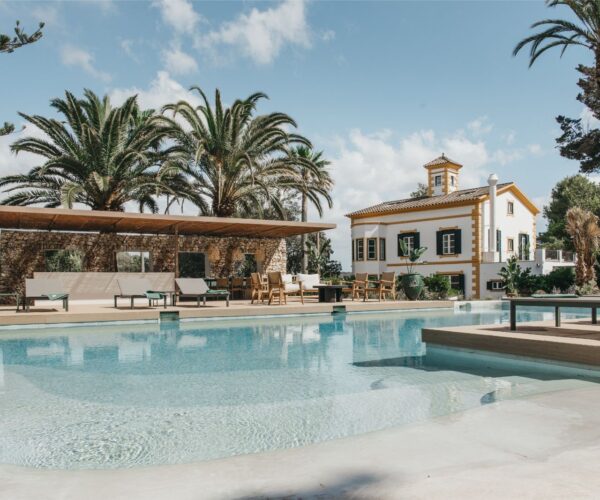
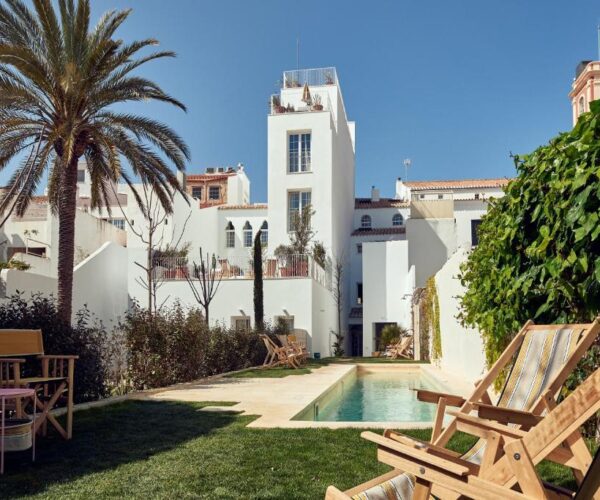
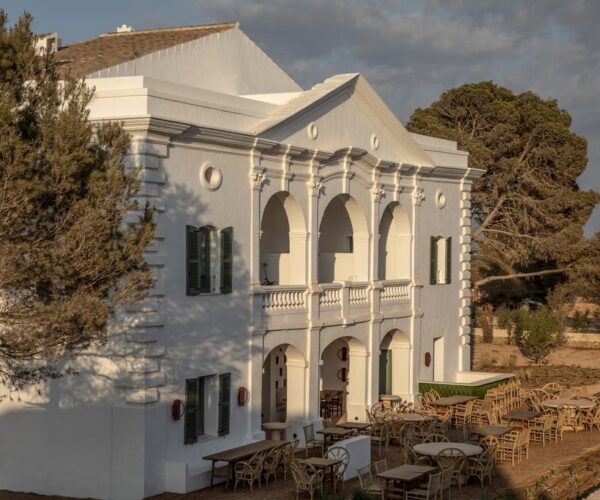
Menorca has always moved at a different pace from its Balearic neighbours. Its landscape of dry-stone walls, whitewashed villages, pine forests and hidden coves has been shaped by centuries of farming and maritime life, while British rule left an unexpected architectural legacy in Mahón and elsewhere on the island. Traditional fincas and sandstone buildings made from local marès now coexist with beautifully restrained contemporary architecture. Protected as a UNESCO Biosphere Reserve since 1993, Menorca has largely avoided the excesses of Mediterranean mass tourism—and that restraint has become one of its greatest strengths.
Food and drink are deeply connected to the island. Mahón cheese, seafood, local olive oil and produce from small farms form the foundations of Menorcan cooking, while lobster stew remains one of its celebrated specialities. Gin is another legacy of the island’s British history, traditionally mixed with lemonade to make a pomada. Alongside old fishing-town restaurants and family-run institutions, a younger generation of chefs is rediscovering local ingredients with a more contemporary approach, while vineyards and regenerative farms are becoming increasingly interesting parts of Menorca’s culinary landscape.
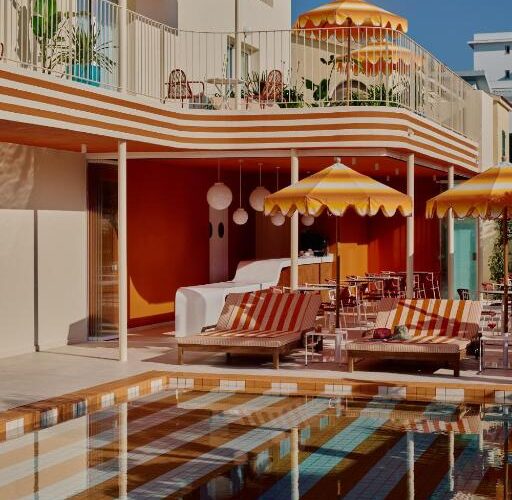
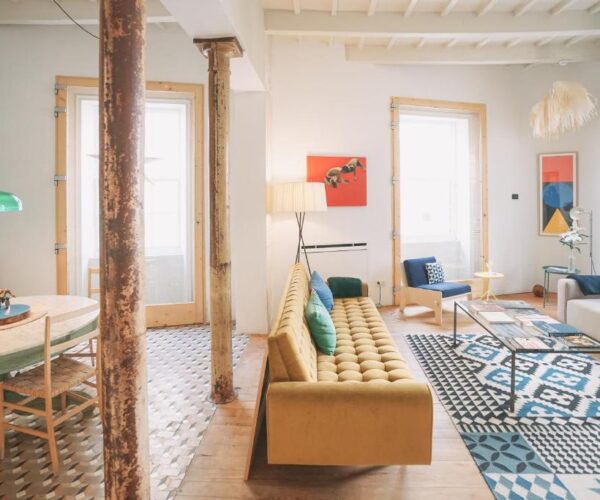
Menorca’s most interesting hotels understand that the island doesn’t need to be reinvented. Restored farmhouses, intimate townhouses and carefully designed rural retreats use local stone, lime plaster, timber and handcrafted furniture to create places that feel inseparable from their surroundings. At DNA Hotels, we curate the places where architecture, food, landscape and island life come together—hotels that capture Menorca’s particular kind of luxury: space, simplicity and the confidence to remain wonderfully different from the rest of the Mediterranean.