Beyond the Obvious
Aparium is proving that great hotels can put overlooked American cities on the map.
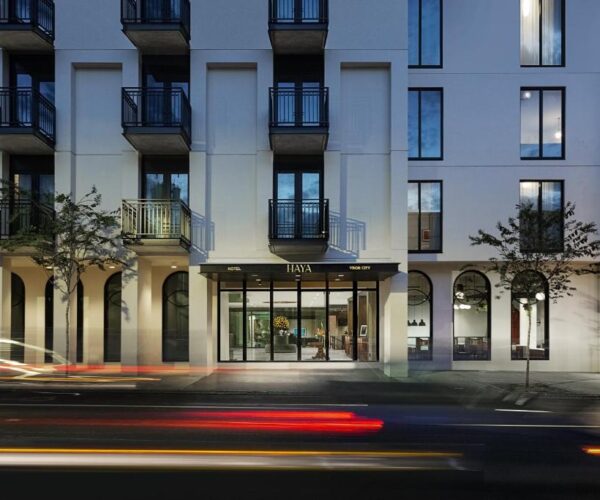
For decades, the American hotel map was reassuringly predictable. New York had the grand hotels and downtown design experiments. Miami had the pools. Los Angeles had Hollywood. Chicago had architecture. Then came Austin, Portland and Nashville. But Des Moines? Omaha? Milwaukee? Aparium Hotel Group thinks we may have been looking in the wrong places. Founded in Chicago in 2012 by hotelier Mario Tricoci, Aparium has built a collection of independent hotels across an America that international travellers — and sometimes Americans themselves — tend to overlook. Detroit, Kansas City, Minneapolis, Milwaukee, Omaha and Des Moines feature alongside places such as Denver and Tampa. Tricoci grew up around hospitality. His father founded the Mario Tricoci salon and spa business, and after law school he entered the hotel world, eventually developing the Elysian in Chicago before launching Aparium. His idea was relatively simple: create hotels with the sophistication of a major-city property, but in places where that kind of independent hospitality was still missing. It is a portfolio that makes an interesting point: sometimes a great hotel doesn’t follow a destination. It helps create one.
Look for the building first
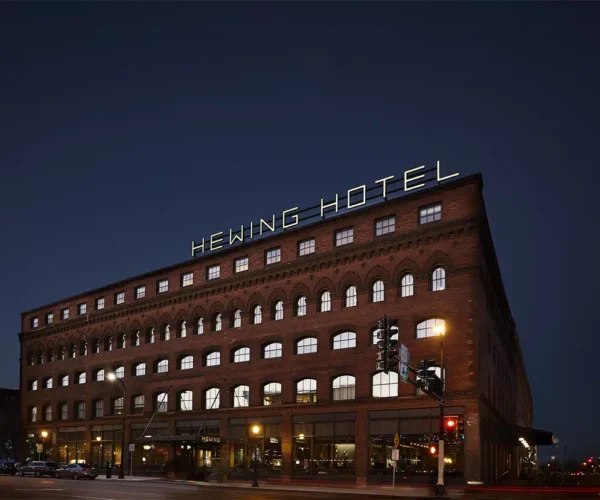
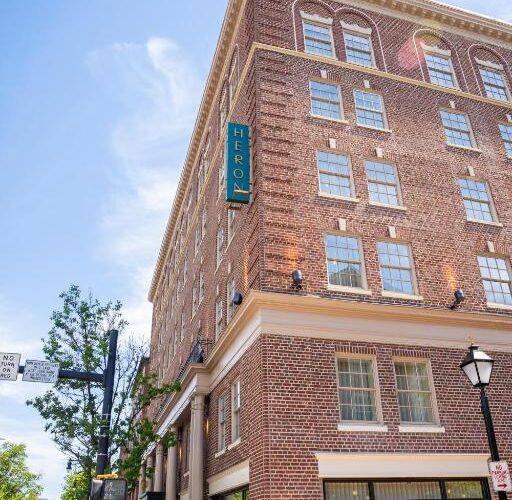
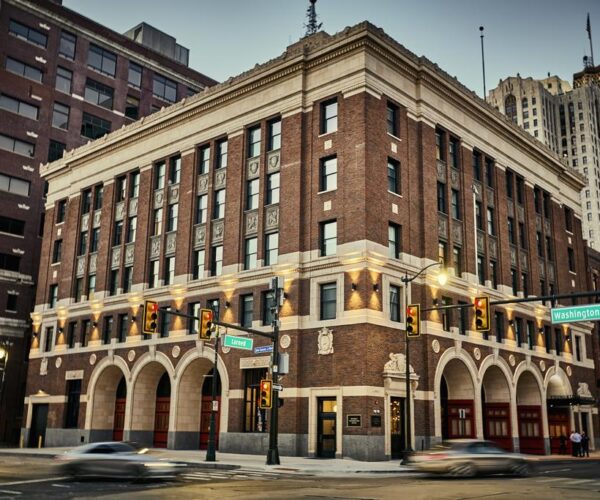
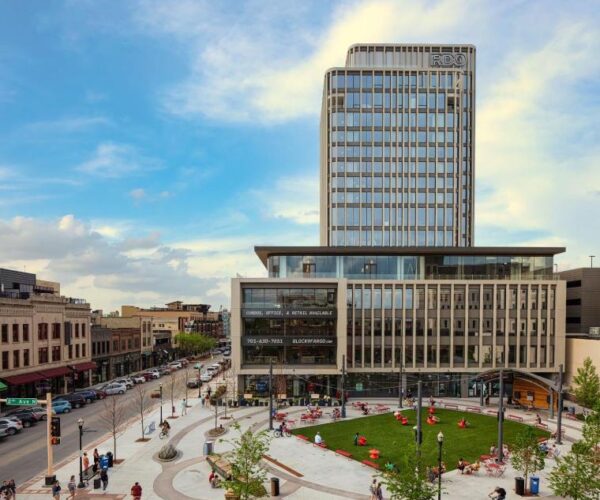
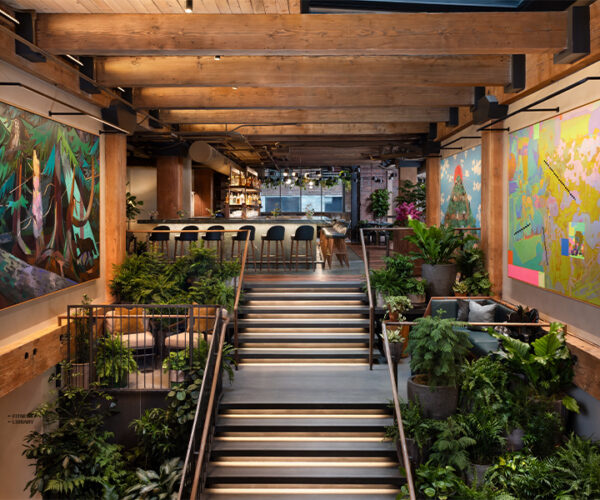
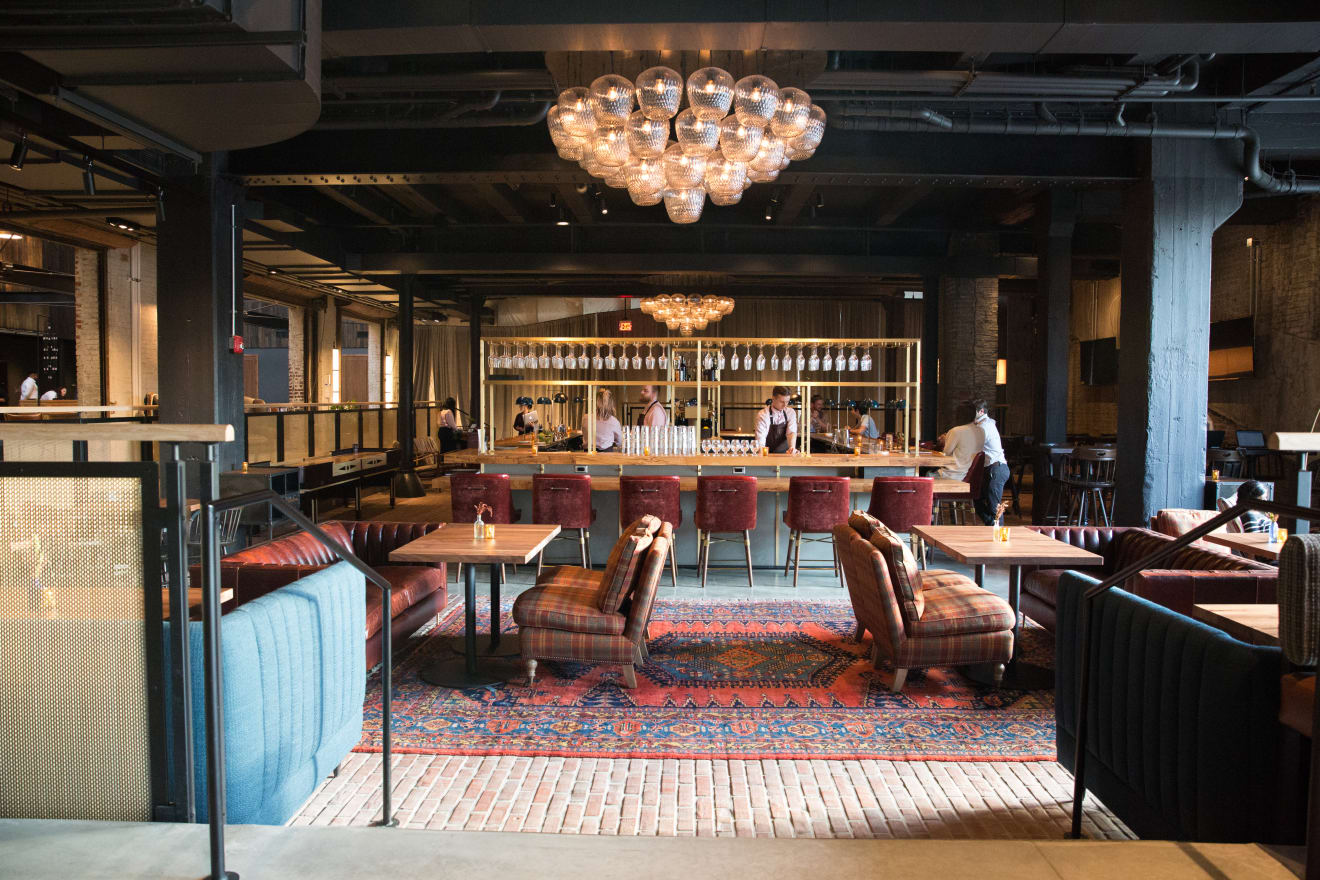
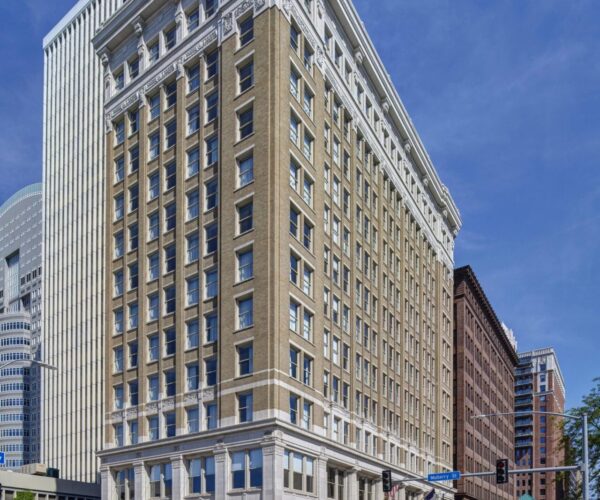
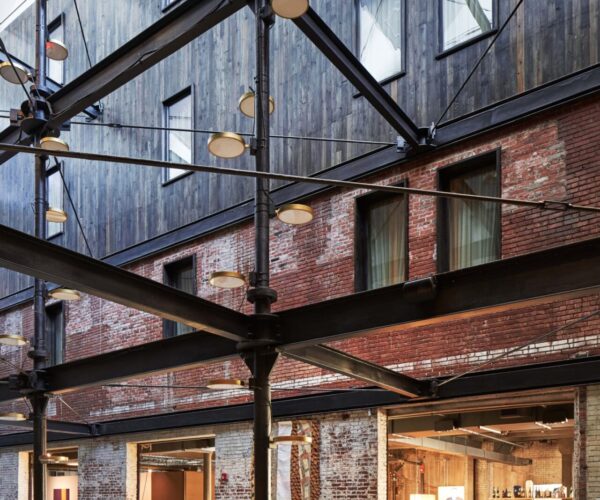
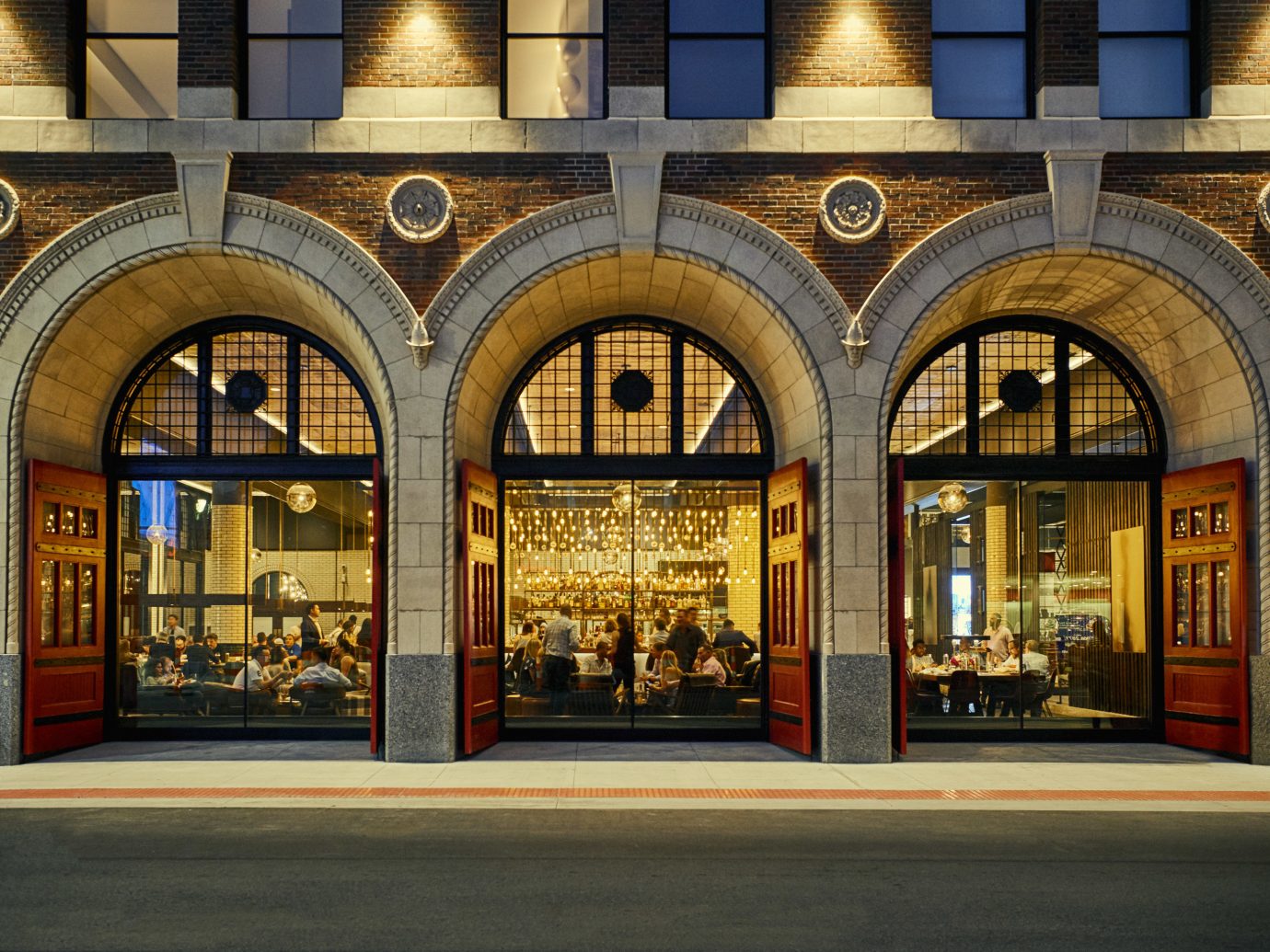
There is something very DNA Hotels about Aparium’s way of finding hotels. Start with the building. In Detroit, the Foundation Hotel occupies the former headquarters of the city’s fire department. Milwaukee’s Iron Horse inhabits a century-old warehouse. Kansas City’s Crossroads Hotel was created from historic buildings in the Crossroads Arts District. In Des Moines, The Surety brought new life to a former office building. These aren’t simply convenient shells for hotel rooms. Their previous lives become part of the experience. Timber beams stay timber beams. Brick is allowed to look old. Industrial proportions aren’t disguised behind acres of beige hospitality design. New interiors sit alongside what was already there, creating hotels that could really only exist in that particular building. That sounds obvious. It isn’t.
The problem with lifestyle hotels
The lifestyle hotel was supposed to be the antidote to the hotel chain. Then everybody copied it. Exposed brick. Local art. A record player somewhere. Edison bulbs. Craft beer. A lobby full of people apparently working on screenplays. Eventually, individuality itself became a formula. Aparium takes a different route. There is no obvious visual template imposed across the portfolio. Instead, individual properties are allowed to develop their own character through local designers, artists, chefs and makers. Tricoci describes the approach as “trans-local”: sophisticated enough to attract someone from New York or London, but sufficiently embedded in its surroundings to make sense to somebody who lives around the corner. That last part matters.
The locals have to come too
One of the easiest ways to spot an interesting hotel is to look at who is sitting at the bar. A hotel can commission all the local artwork it wants, but if nobody from the city actually uses the place, its claim to be part of the neighbourhood starts to feel rather theoretical. Aparium deliberately treats restaurants, bars and public spaces as places for locals as much as hotel guests. Crossroads Hotel in Kansas City is a particularly good example: its XR bar has become part of the social life of the neighbourhood rather than merely somewhere guests wait for an Uber. That changes the hotel itself. Instead of creating a self-contained world protected from the city outside, the boundary becomes porous. Travellers meet locals. Locals appropriate the lobby. Restaurants develop reputations independent of the rooms upstairs. The hotel becomes a piece of city life.
Welcome to the other America
The most fascinating part of the Aparium story may actually be geography. There is enormous freedom in choosing cities where every prime building hasn’t already been turned into a luxury hotel, every neighbourhood hasn’t been focus-grouped and every interesting warehouse hasn’t become a members’ club. Detroit is perhaps the clearest example. The Foundation Hotel opened as the city centre was emerging from decades of decline and redevelopment. Rather than waiting until Detroit had been safely rediscovered, Aparium became part of that rediscovery. The same thinking works elsewhere. Milwaukee isn’t trying to become New York. Omaha doesn’t need to become Austin. Des Moines certainly doesn’t need a hotel pretending it is in Miami. Their relative absence from the conventional luxury circuit is precisely what makes them interesting.
Small cities, serious design
None of this means lowering expectations. Aparium’s argument is almost the opposite: why shouldn’t a hotel in a secondary American city have the architecture, food, interiors and cultural ambition we expect in the world’s major capitals? The company increasingly operates like an independent-hotel curator at scale. It finds buildings with potential, brings together designers, architects, restaurateurs and local collaborators, and then tries not to smooth away everything that made the project interesting in the first place. That becomes harder as a hotel group grows. Independent hotels are easy to romanticise when there is one of them. Maintaining that independence across a collection is something else entirely. Perhaps that is why Aparium is worth watching. Its hotels don’t really share a look. They share an attitude.
Based on the article "Where the cool kids are" which appeared in HOTELS Magazine July/August 2026.
Look beyond the obvious
Where to Stay