


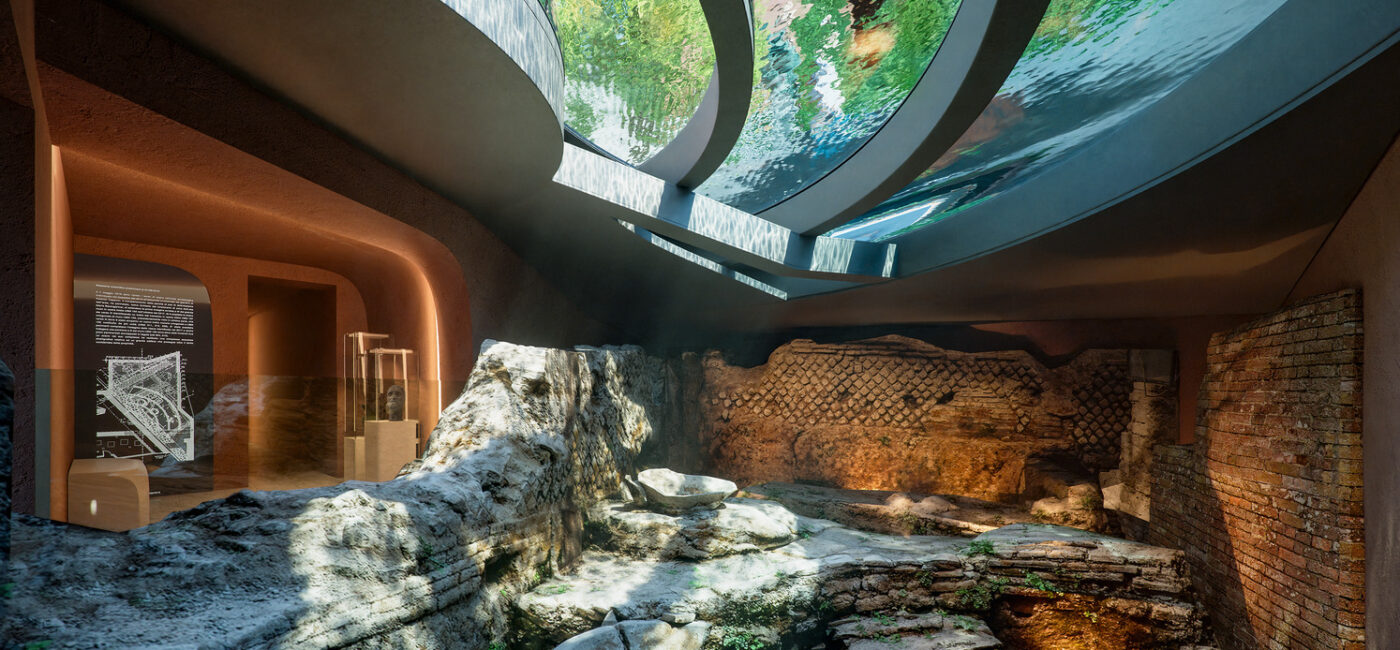
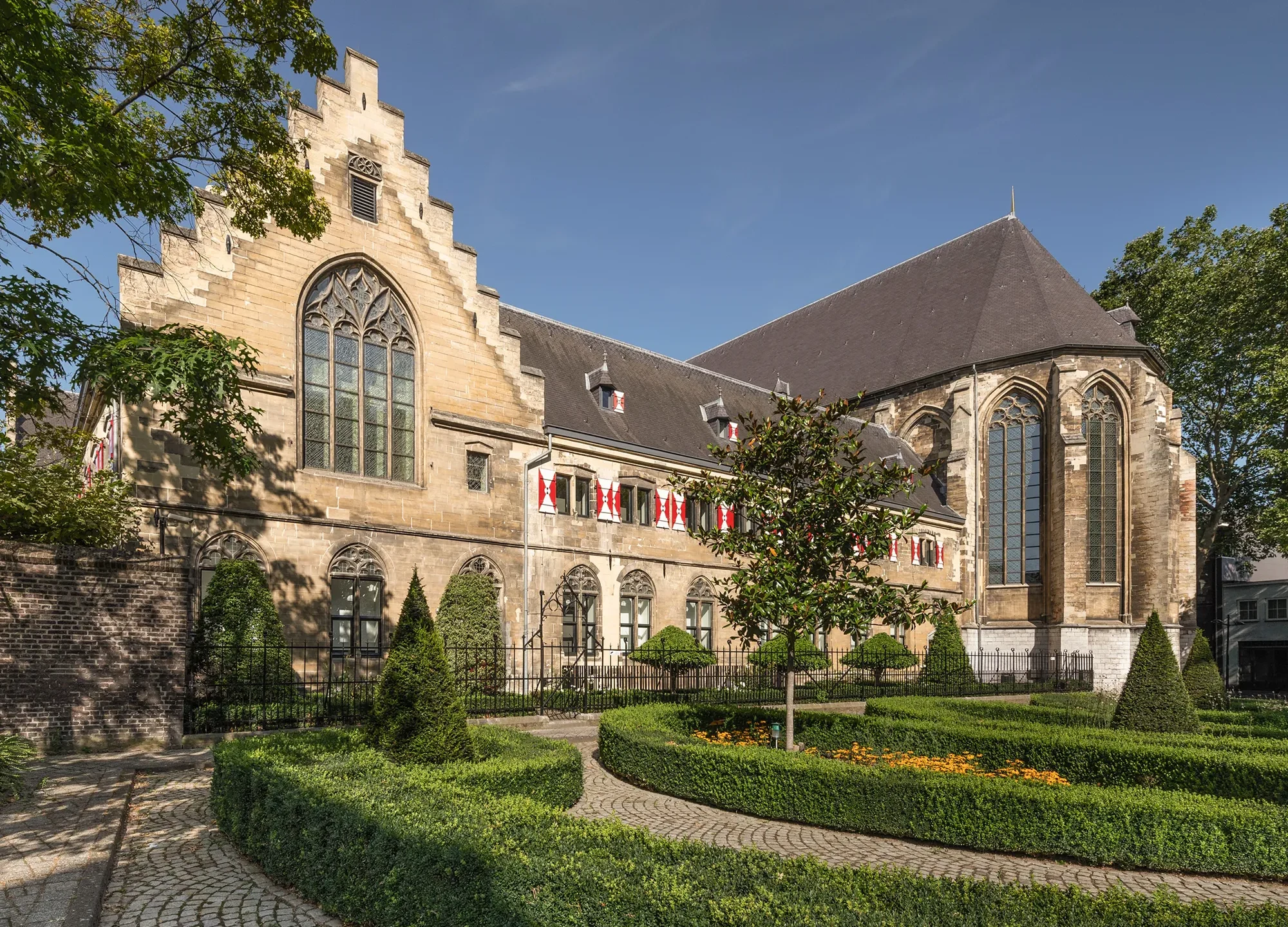
Late-medieval Gothic architecture meets uncompromising contemporary design inside a 15th-century monastery.
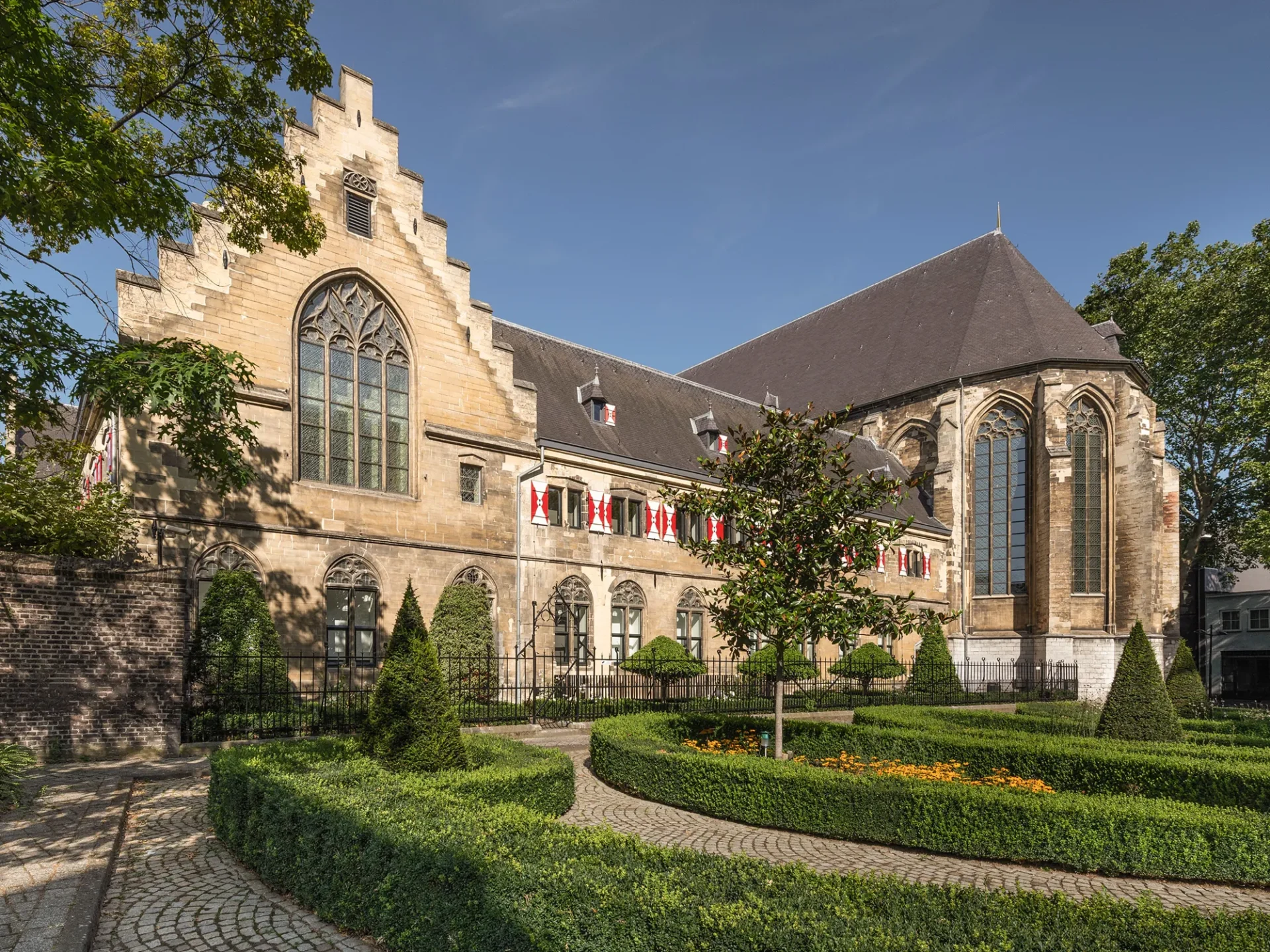
Kruisherenhotel blends late-medieval Gothic architecture with radical contemporary design, modern art and dramatic lighting inside a beautifully transformed Maastricht monastery.

Why DNA Hotels loves it
One of the Netherlands’ most convincing examples of adaptive reuse: a Gothic monastery and church transformed into a contemporary hotel without disguising the original architecture.
Henk Vos’ interiors and Ingo Maurer’s lighting installations create deliberate tension between medieval stone, stained glass and frescoes, and furniture by designers including Le Corbusier, Philippe Starck and Marc Newson.
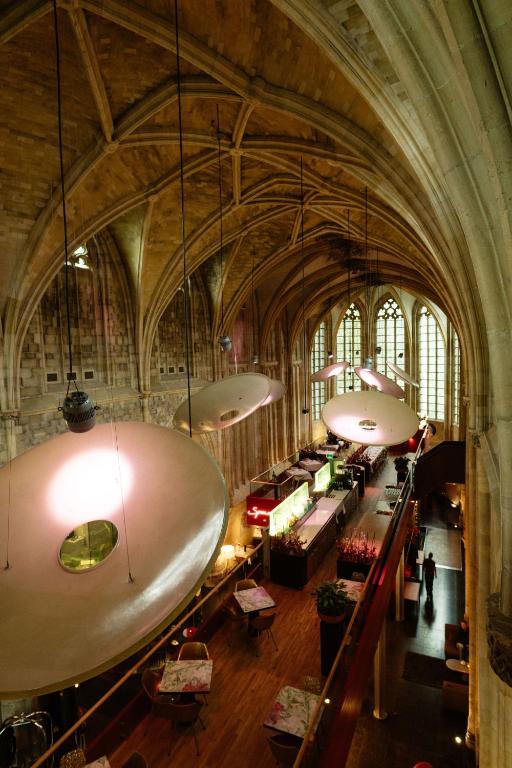
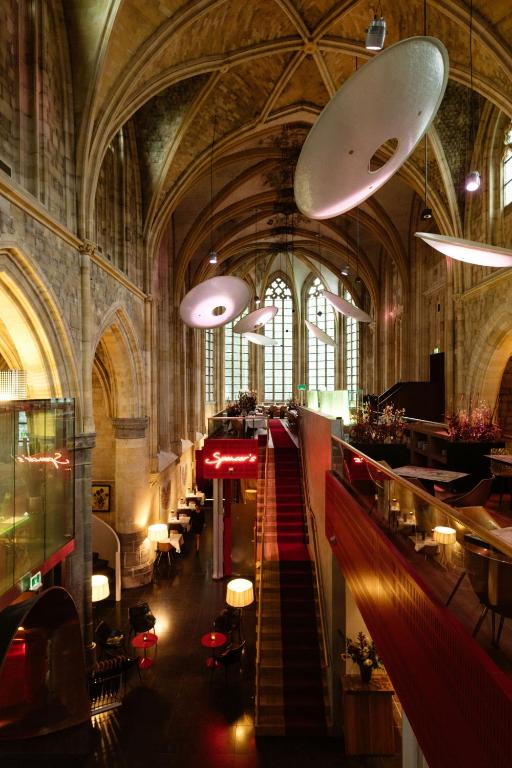
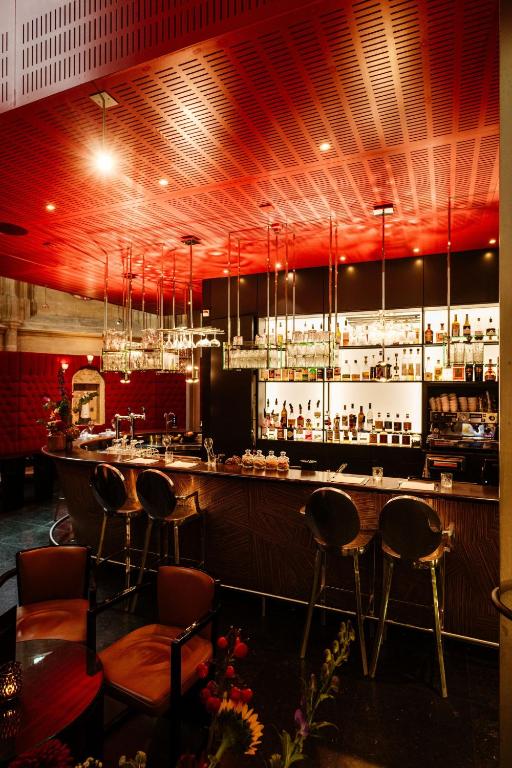
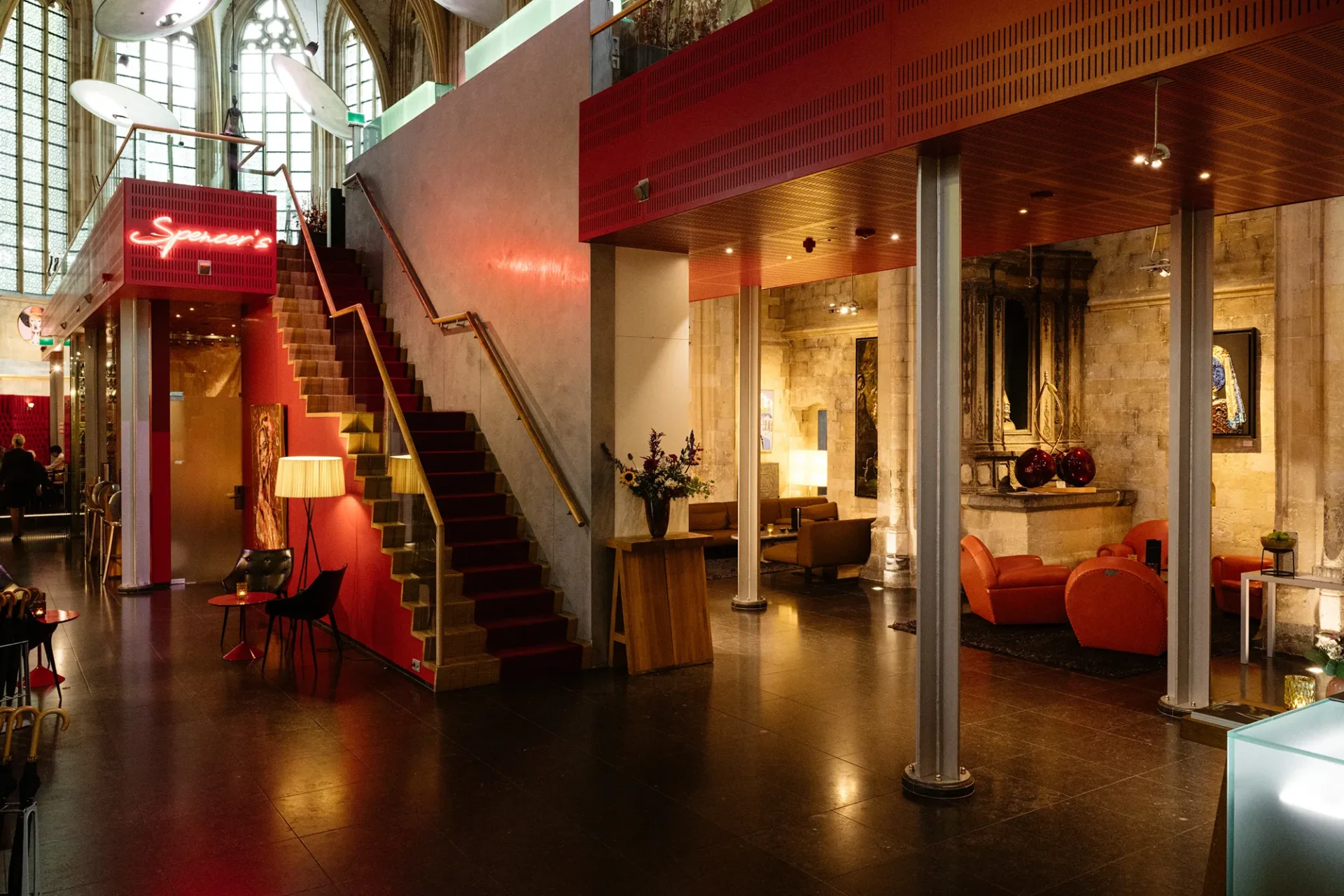
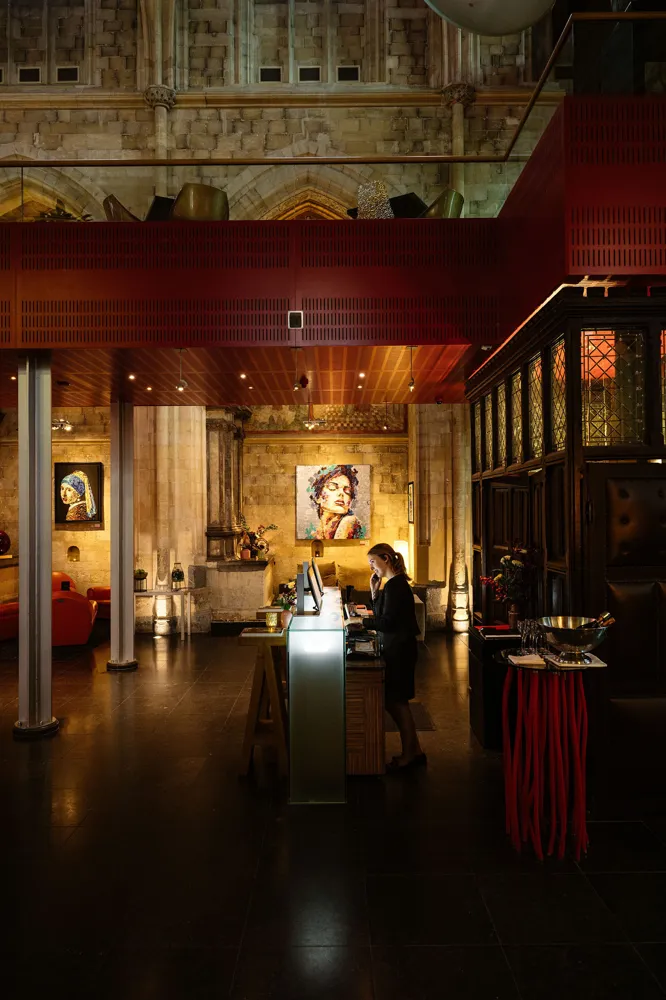
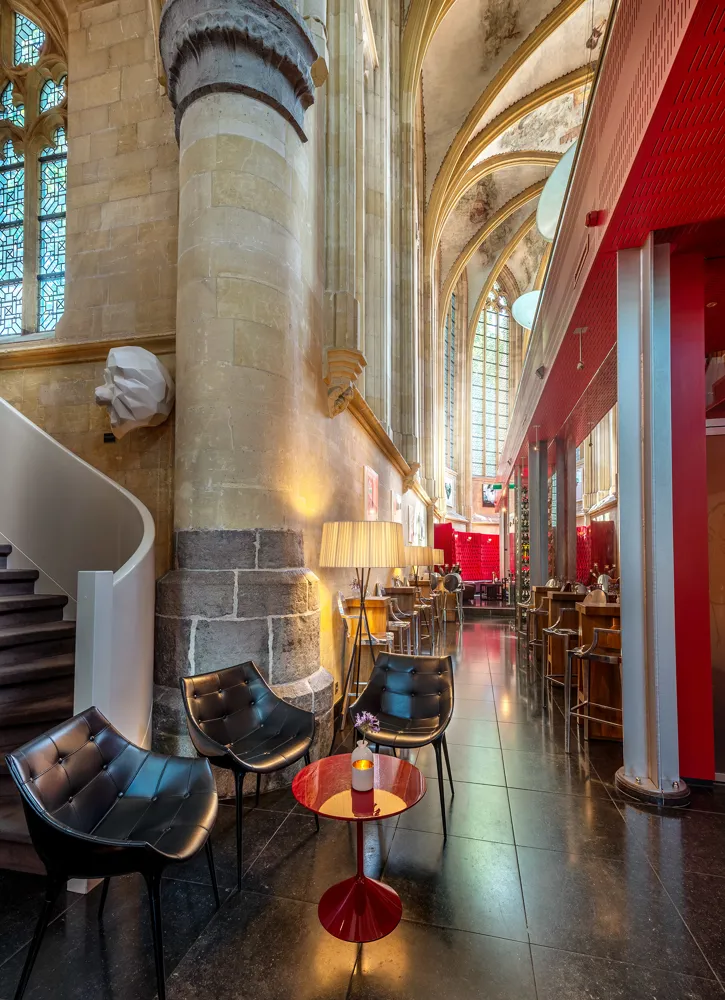
The former church is the extraordinary social heart of the hotel, with reception, bar and restaurant inserted as independent contemporary structures beneath its soaring Gothic vaults.
The Stay
From Monastery to Modern Landmark
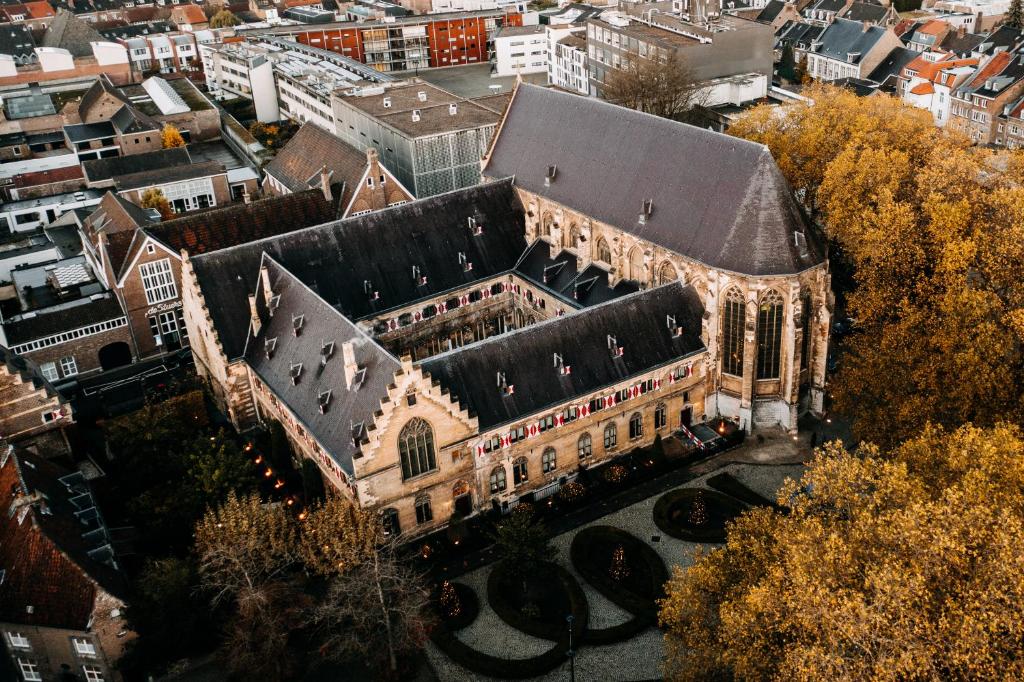
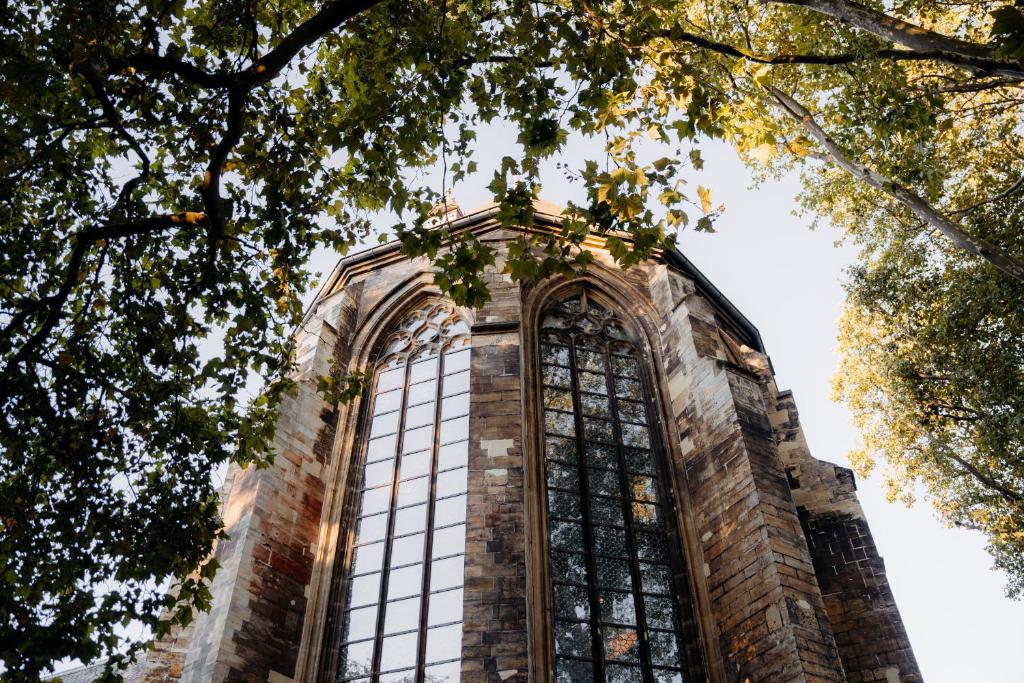
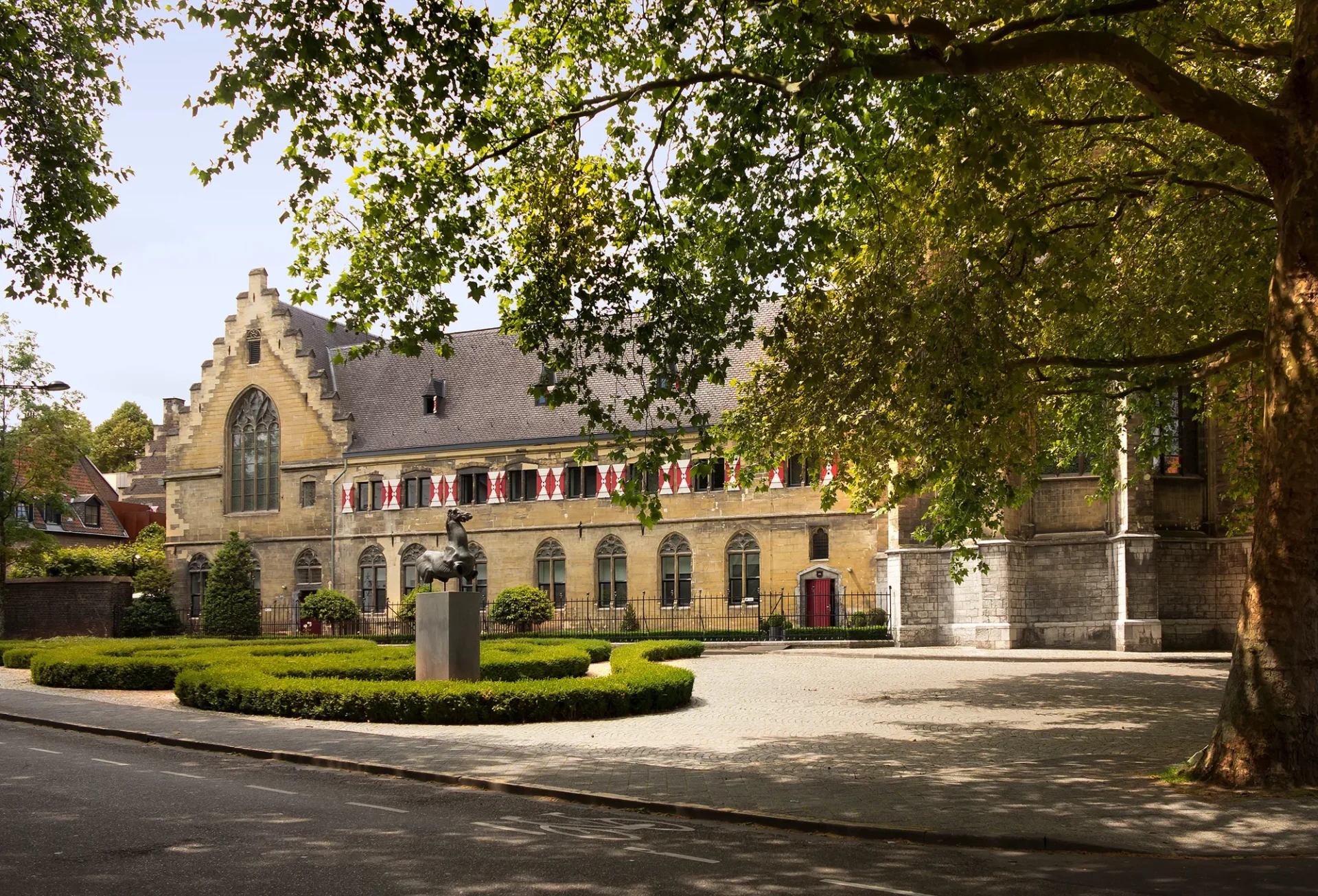
Construction of Maastricht’s Kruisherenklooster began around 1440 after land was donated to the Order of the Holy Cross, or Crutched Friars. By around 1520, the monastery and adjoining Gothic church had taken the form that still defines the complex today. The friars remained here until 1797, when the buildings were confiscated during the French period. What followed was a remarkably varied second life: military barracks and arms storage, an agricultural research station and even storage for opera scenery. By the late 20th century, the complex stood empty once again. Hotelier Camille Oostwegel acquired the buildings in 2000 and embarked on an ambitious restoration. Rather than turning the monastery into a historic replica, the project sought something more radical: preserve the medieval architecture while inserting an unmistakably contemporary hotel within it.
Gothic Architecture, Contemporary Intervention
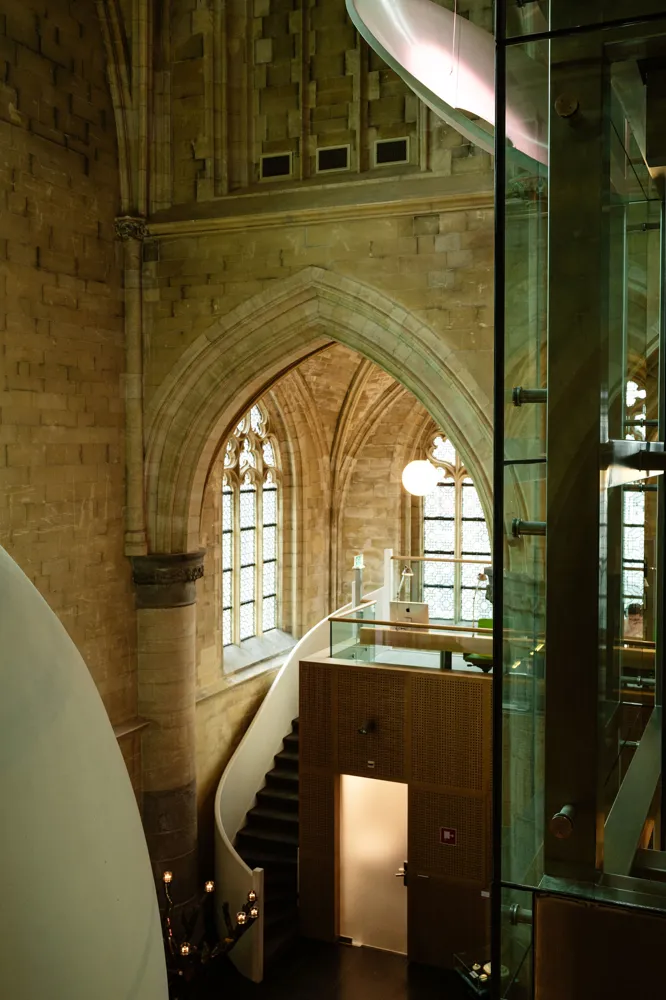
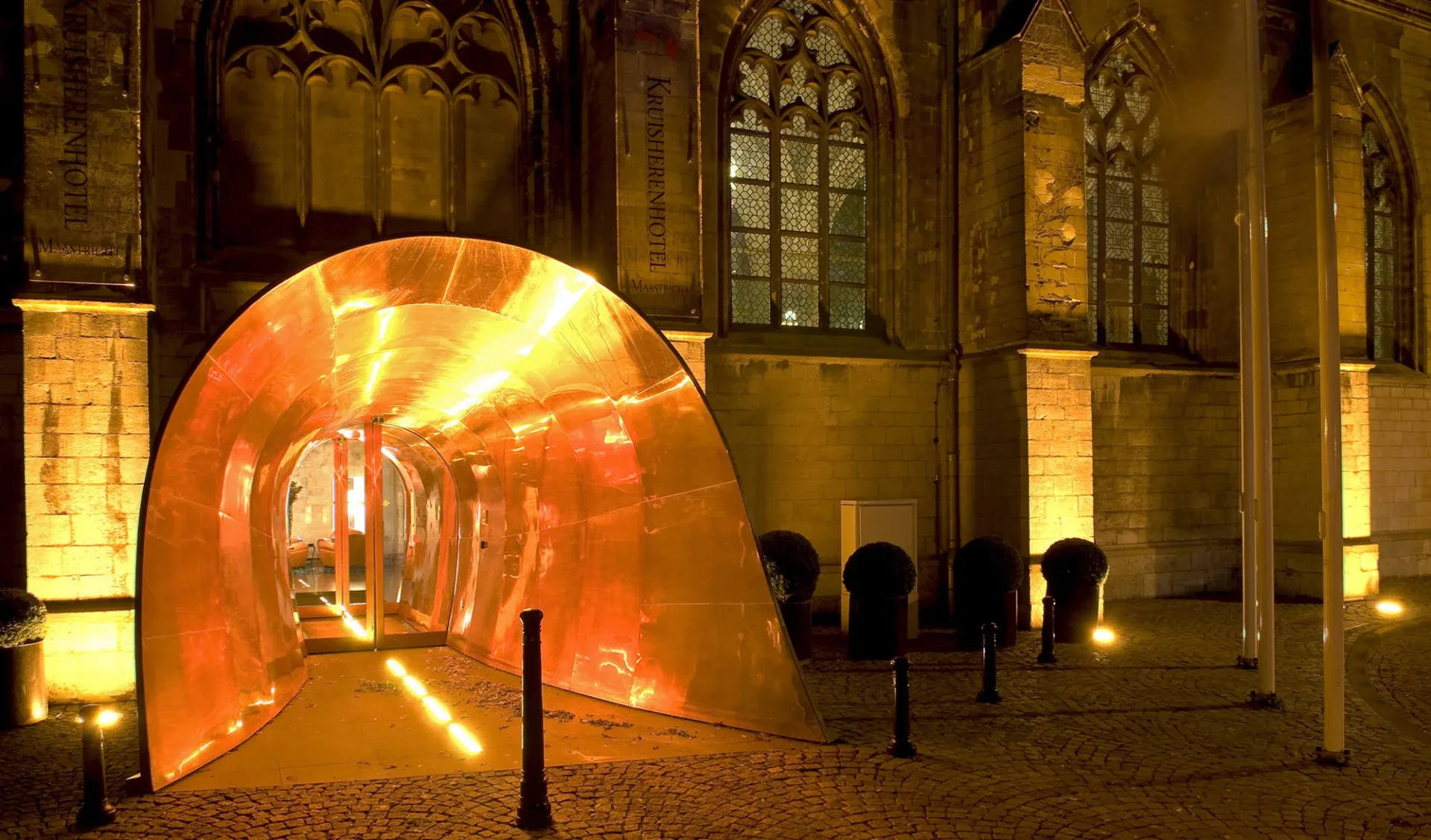
The defining experience comes immediately upon arrival. A sculptural copper entrance tunnel by German lighting designer Ingo Maurer cuts through the historic fabric like a contemporary portal. Its polished interior creates a warm golden glow before releasing guests into the monumental volume of the former church. Inside, almost nothing pretends to be old. Because the church is a protected monument, new elements had to be inserted independently rather than permanently attached to the historic structure. Mezzanines, glass walkways, lifts, reception elements and service spaces therefore operate almost as architecture within architecture — a carefully controlled box-in-box intervention. The result preserves the scale of the church while allowing an entirely new life to unfold inside it.
Dining Beneath the Vaults
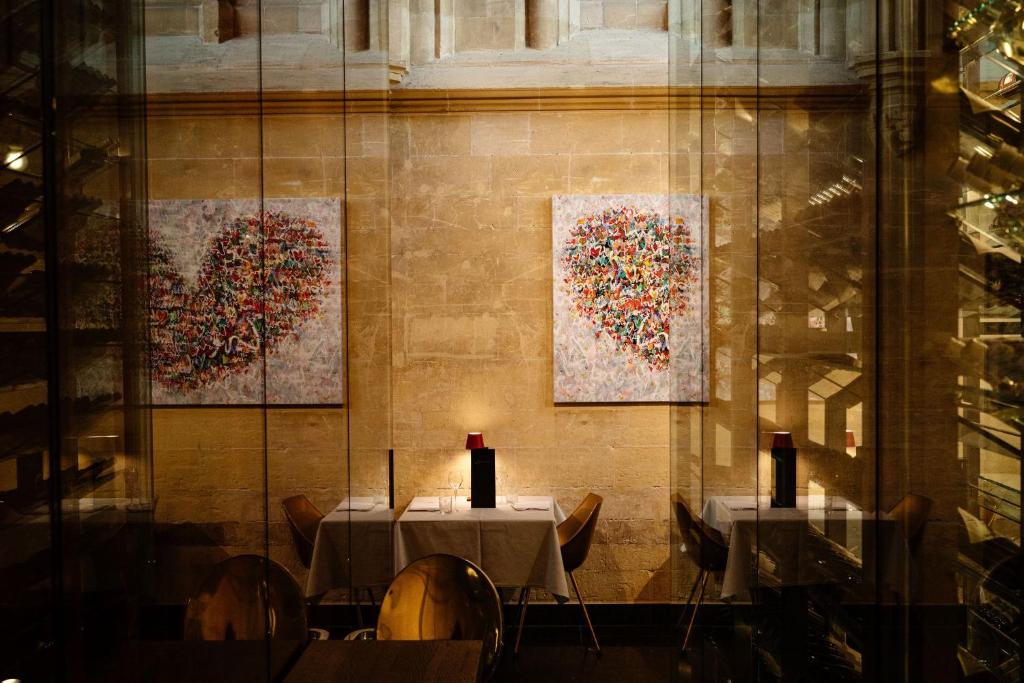
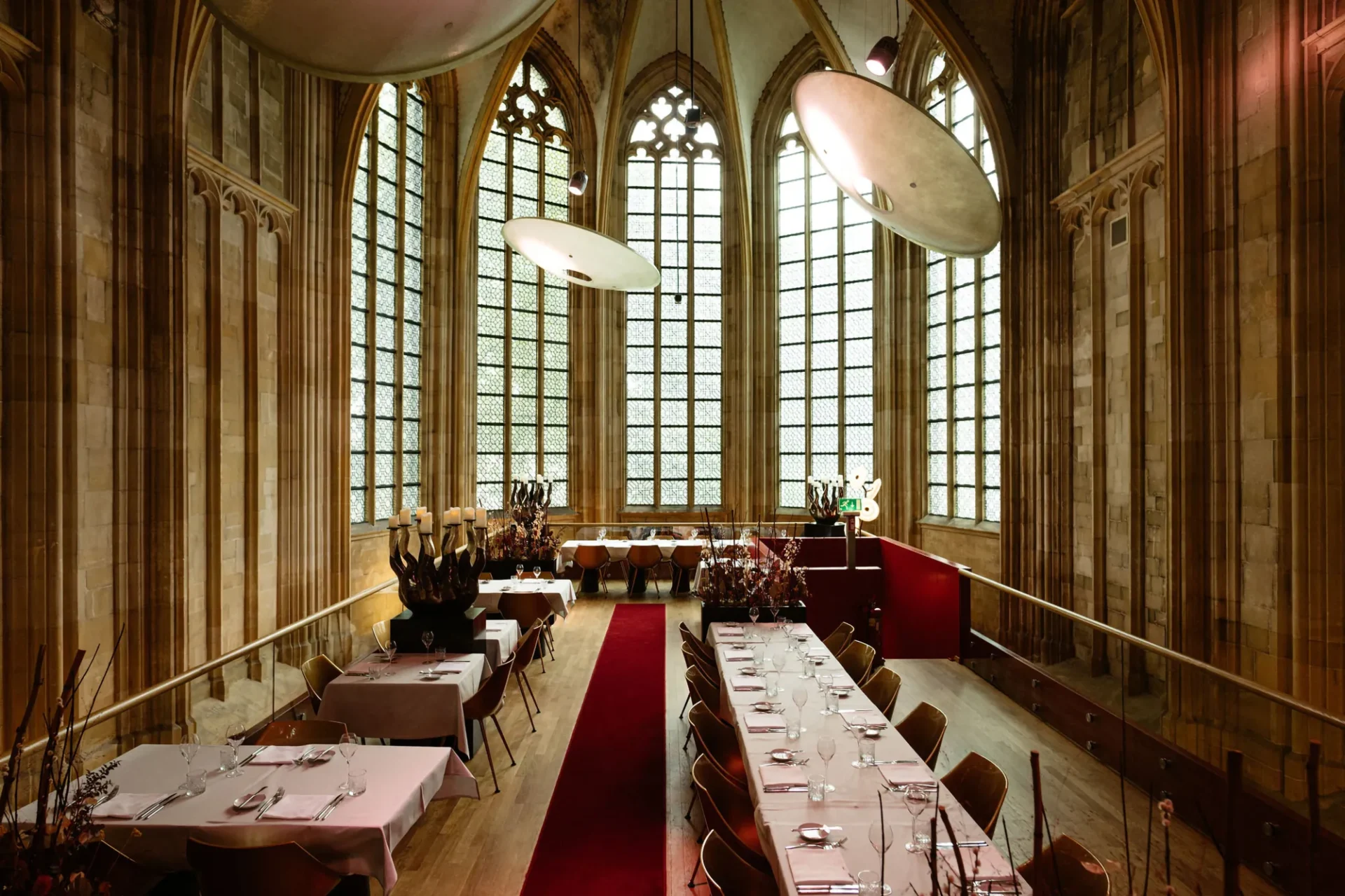
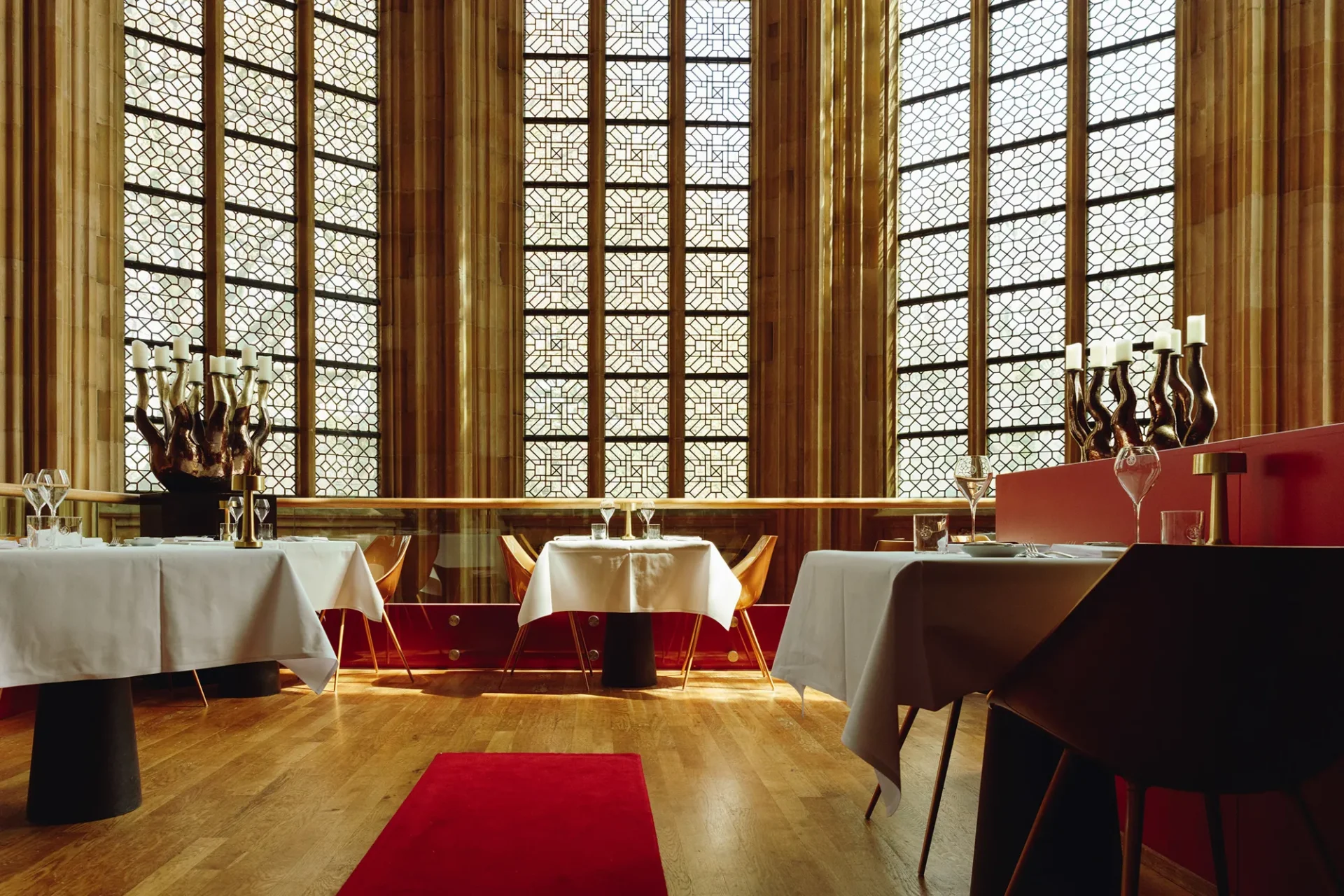
The former nave and choir have become the social centre of the hotel. Spencer’s Restaurant & Bar occupies a dramatic mezzanine suspended within the Gothic church, giving diners close-up views of centuries-old vaulting, wall paintings and stained glass. The restaurant serves French-influenced cuisine with a contemporary approach, while the bar below turns the monumental church interior into an unexpectedly intimate place for lunch, cocktails or wine. A glass wine cellar and wine bar sit within the choir, creating another striking collision between ecclesiastical architecture and contemporary hospitality. When the weather allows, the inner courtyard offers a quieter counterpoint — a cloister garden reinterpreted through modern furniture and Ingo Maurer’s lighting.
Henk Vos and the Art of Contrast
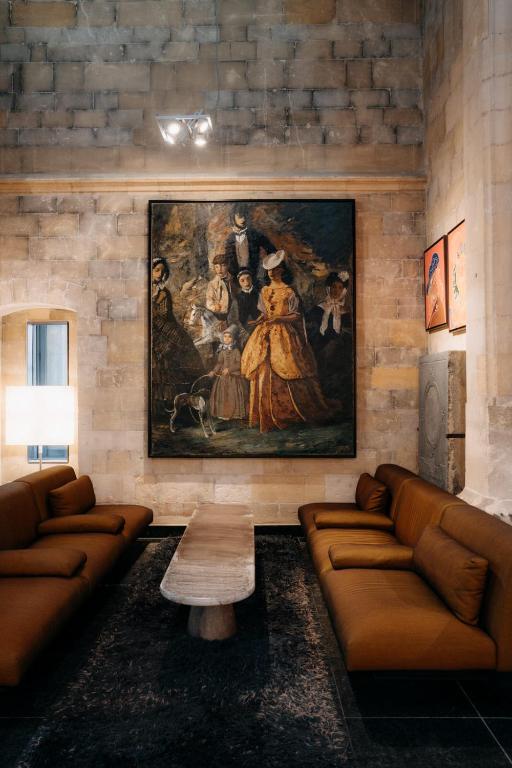
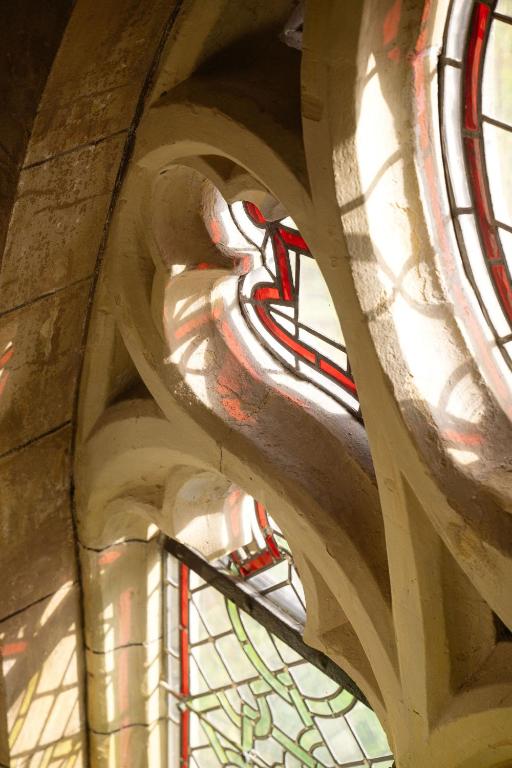
Interior designer Henk Vos deliberately avoided trying to make the new additions disappear. Instead, historic stone, timber, stained glass and original wall and ceiling paintings are set against sleek furniture, glass, steel and contemporary lighting. Pieces by Le Corbusier, Philippe Starck, Marc Newson, Rietveld, Piet Hein Eek and other leading designers turn the hotel into an informal collection of modern design. Maurer’s contribution is equally important. His large-scale lighting installations transform the church at night, while the illuminated courtyard gives the historic cloister an almost theatrical quality. The contrast never tries to reconcile old and new completely. That tension is precisely what gives Kruisherenhotel its character.
Rooms Inside the Monastery
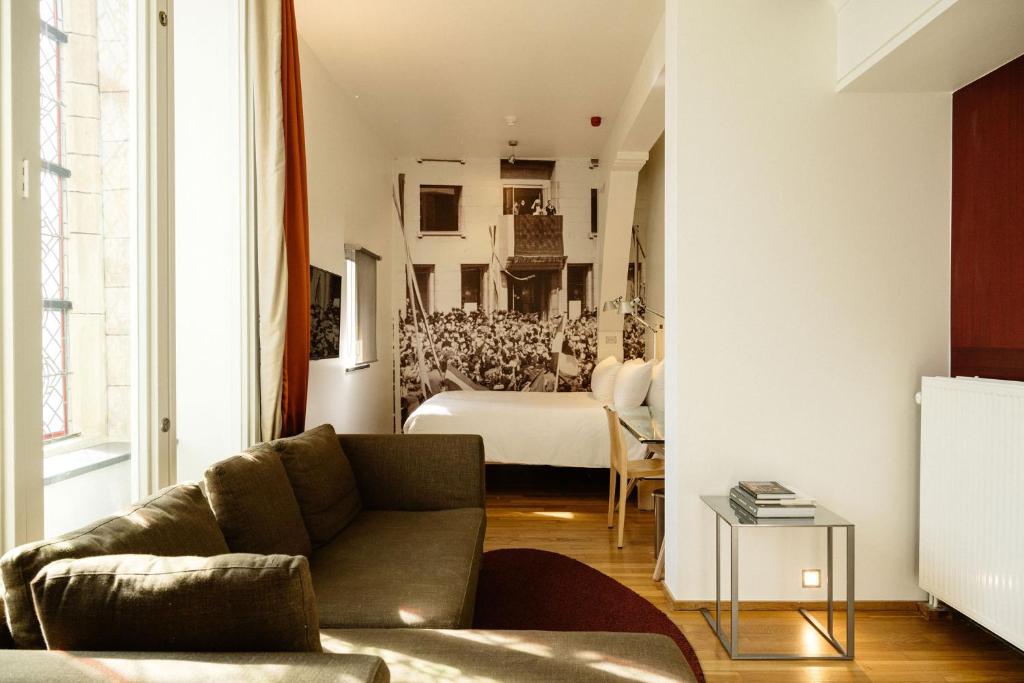
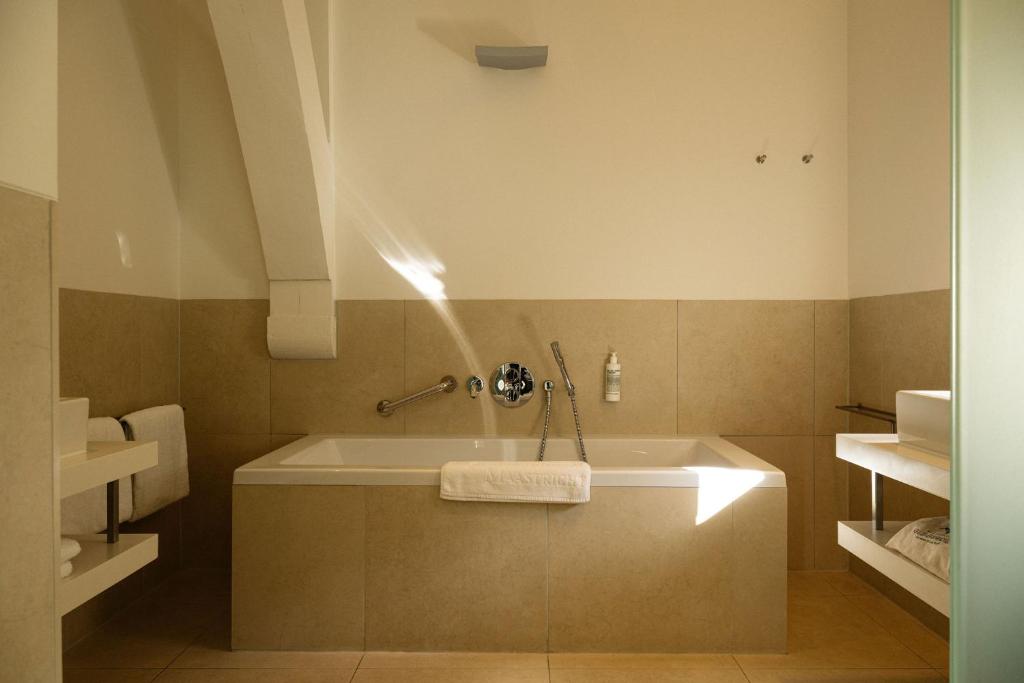
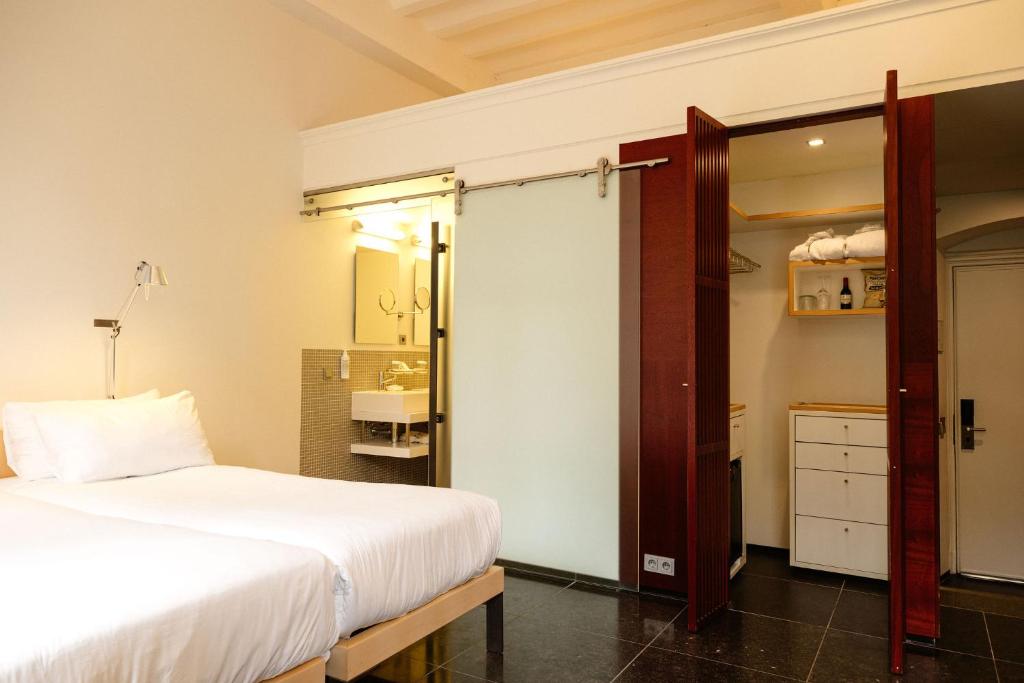
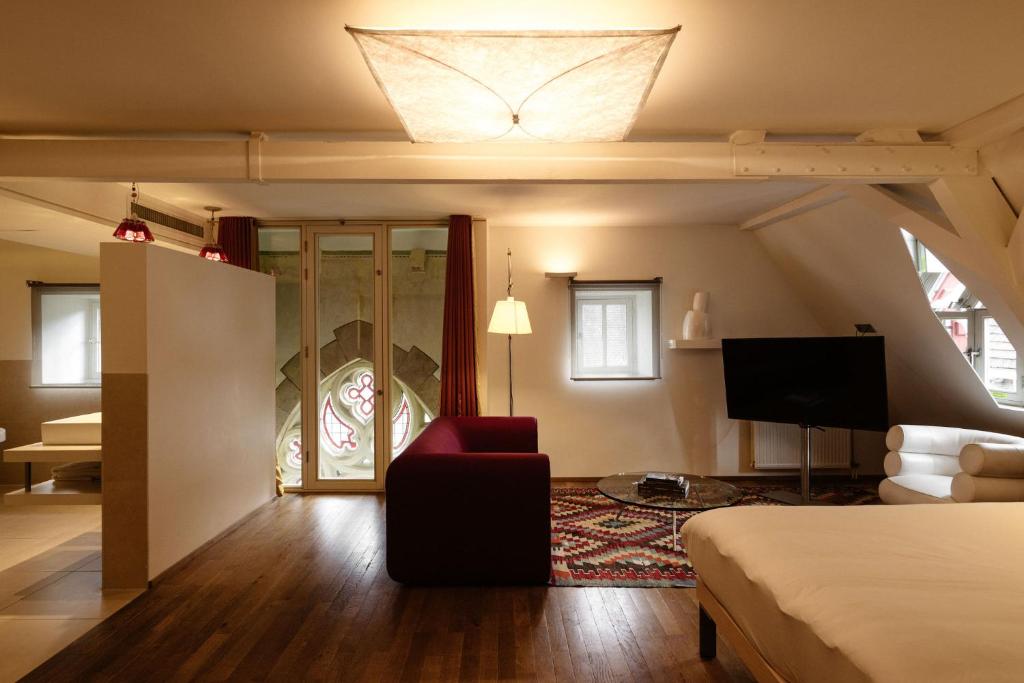
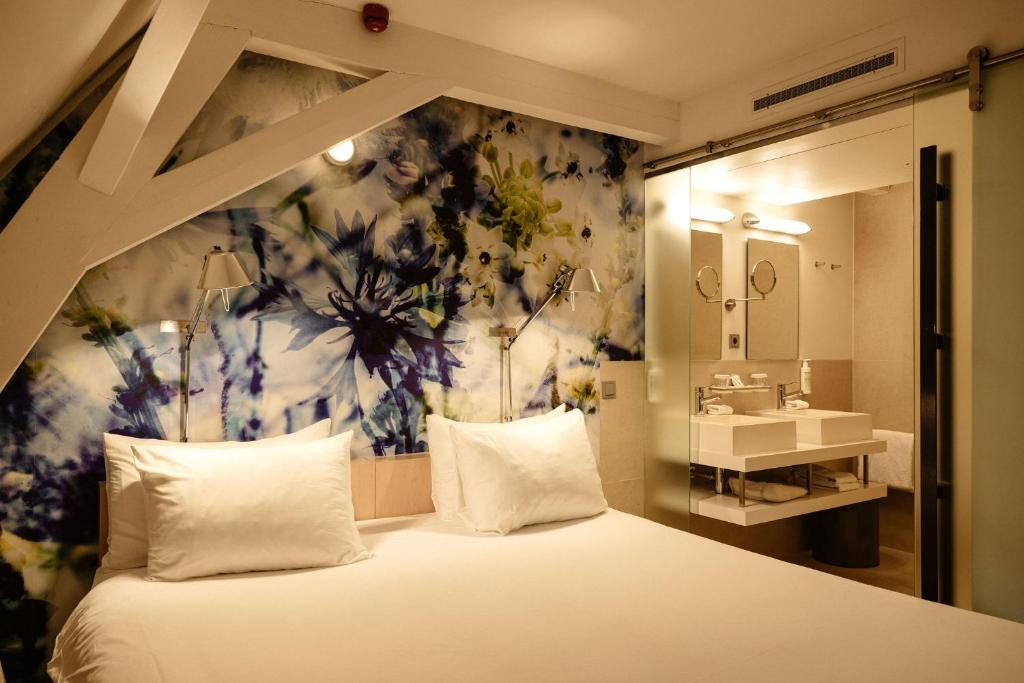
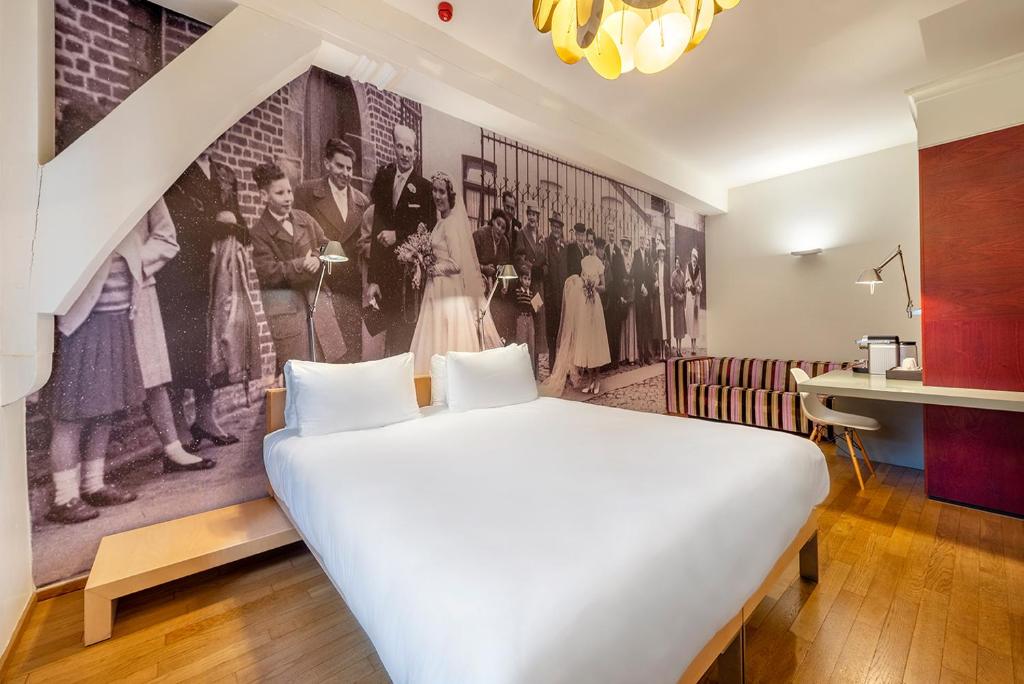
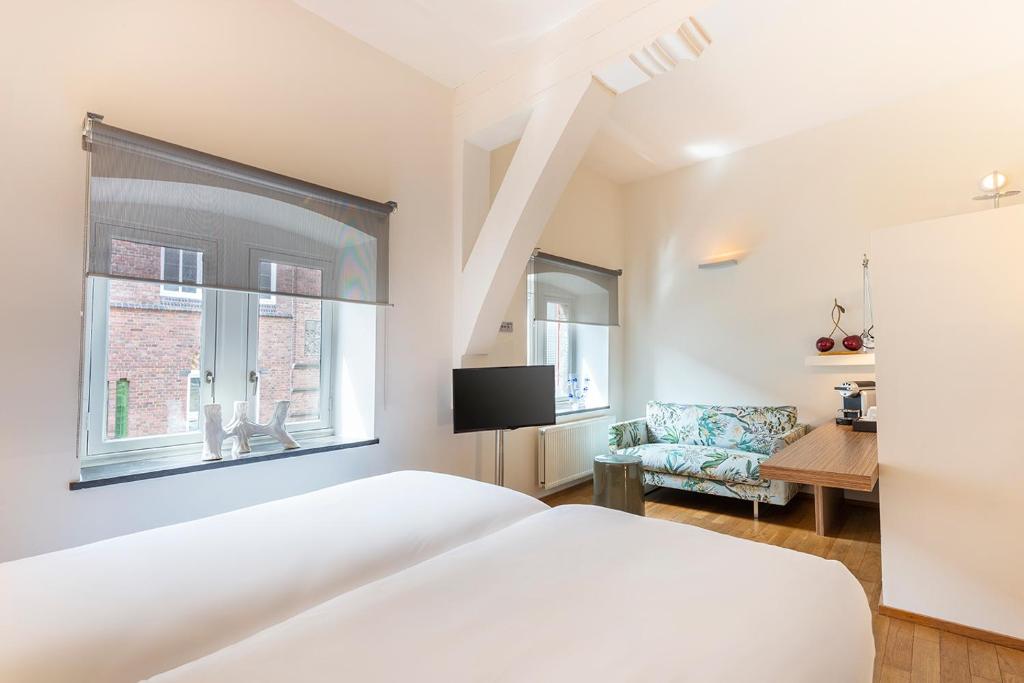
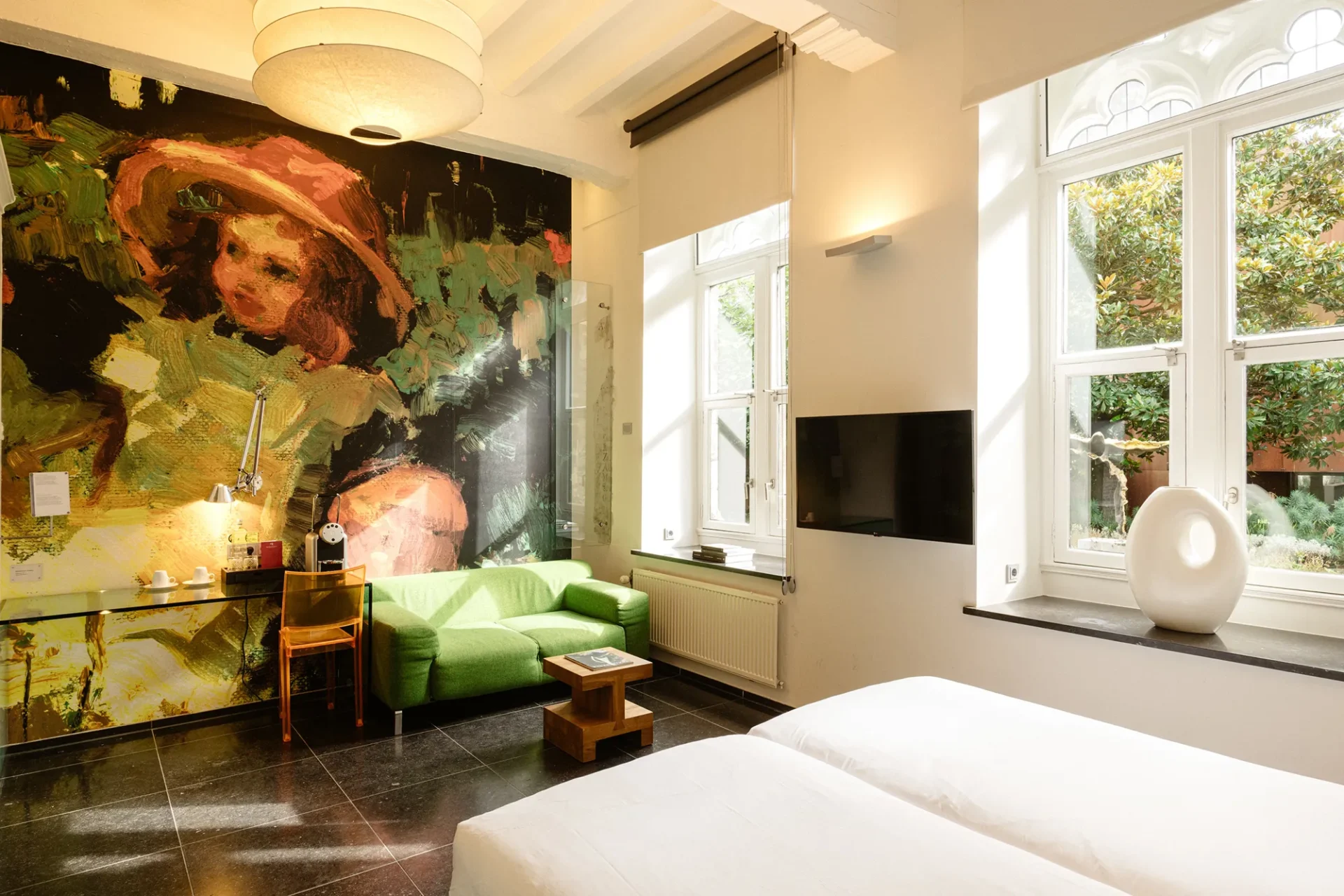
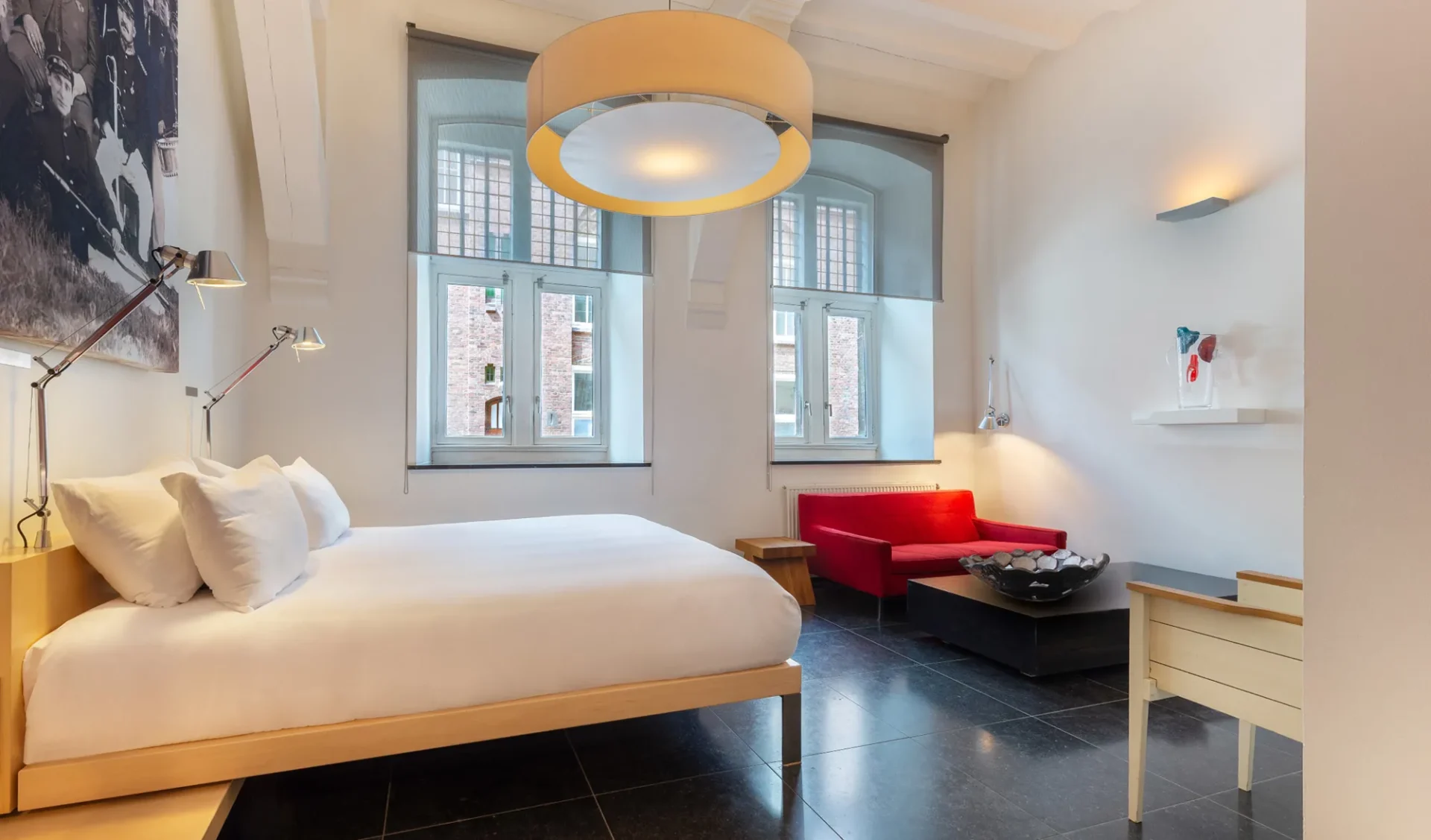
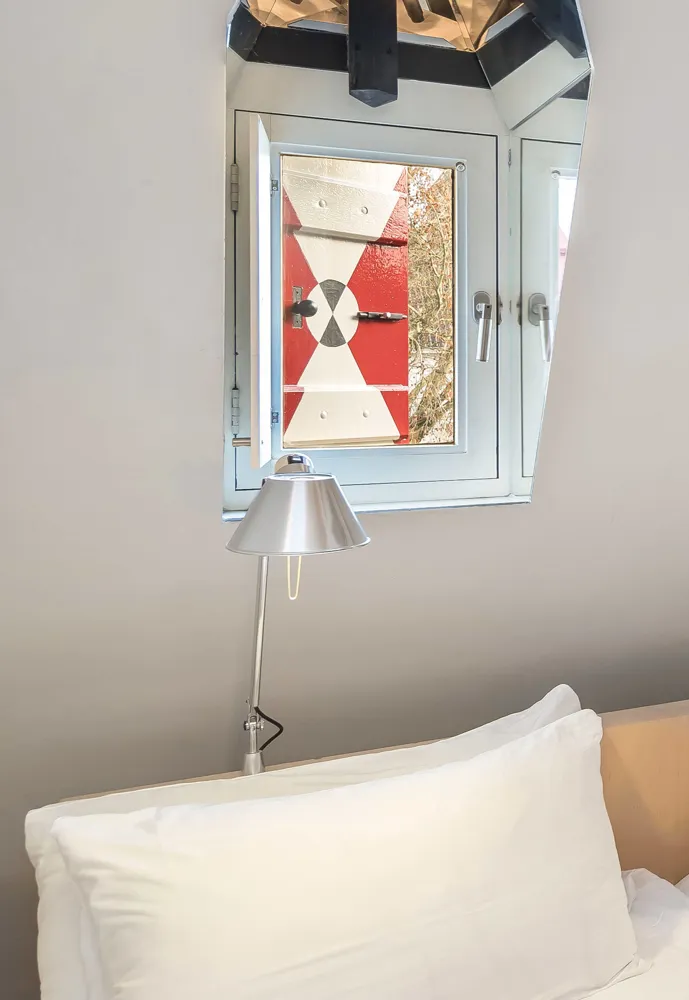
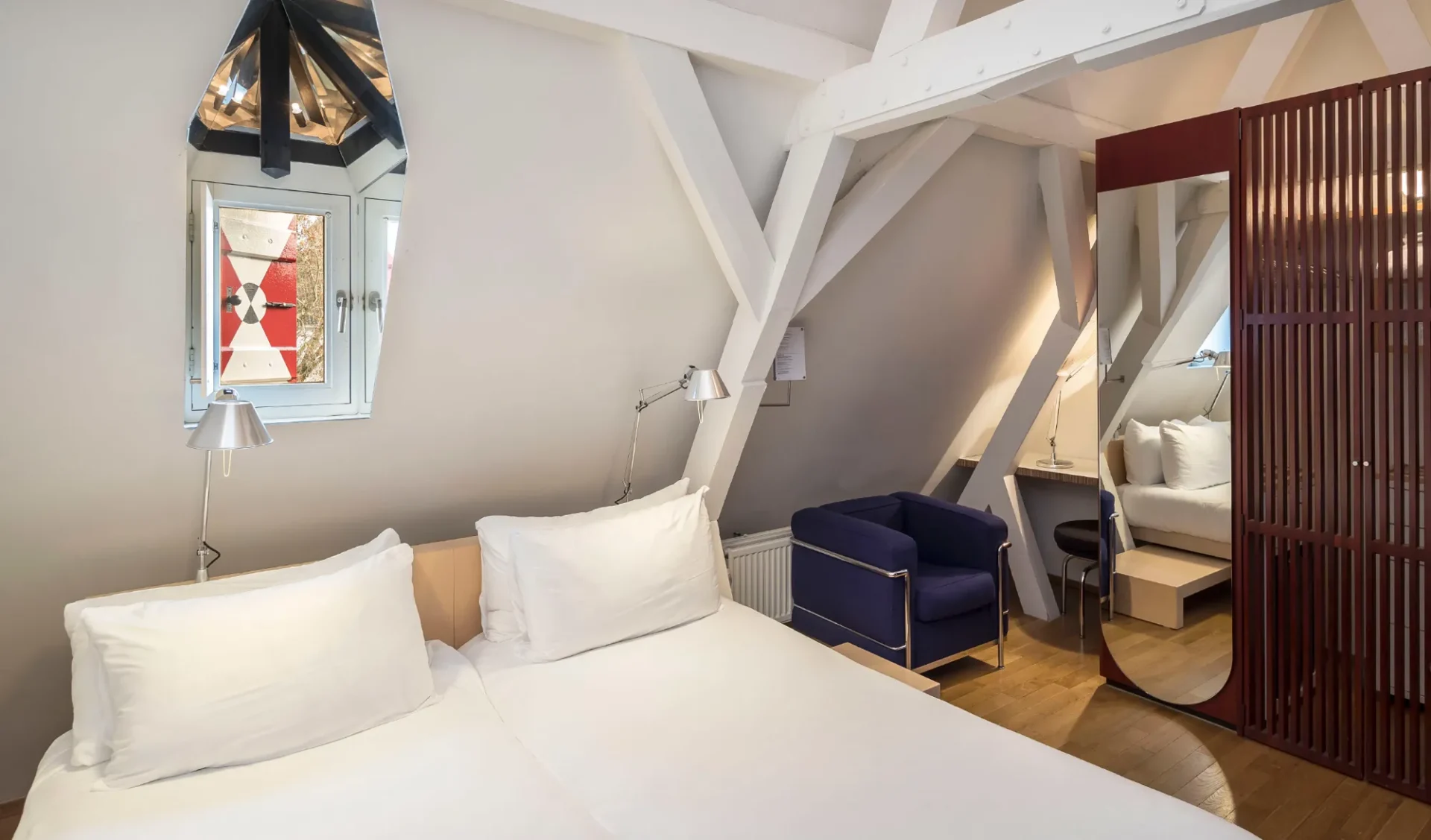
The hotel’s 60 rooms and suites are spread across three distinct parts of the complex. Most occupy the original monastery wings surrounding the cloister. Others are located in the Renaissance House and the contemporary Casa Nova pavilion, whose corten-steel exterior introduces yet another architectural period into the composition. No two rooms are exactly alike. Different layouts, proportions and surviving historical details dictated individual solutions, but the overall language remains contemporary: clean lines, hardwood, glass, carefully selected furniture and a restrained material palette. In some rooms, Gothic windows, heavy stone walls or traces of original decoration become part of the interior rather than something to be concealed. Transparency, space and comfort dominate, but the architecture always has the final word.
Art Across the Centuries
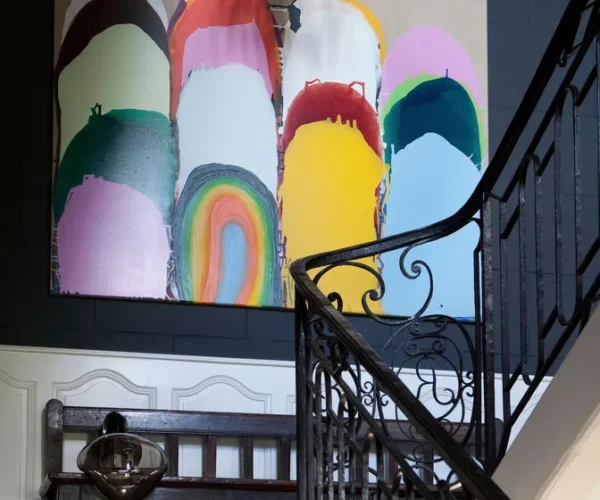
Kruisherenhotel also functions as an evolving art environment. Original medieval sculpture, consoles, frescoes and architectural decoration remain part of the buildings, while the Oostwegel Collection has added historic and contemporary works throughout the monastery. Drawings and watercolours by Maastricht artist Philippe van Gulpen sit alongside works by artists including Charles Eyck, Henri Landier and Paul Odekerken. Temporary exhibitions add another layer, continuing the same conversation that defines the hotel itself: heritage isn’t something preserved behind glass, but something that can coexist with contemporary culture.
A Different Kind of Luxury
What makes Kruisherenhotel exceptional is not simply that it occupies a monastery. Plenty of historic buildings have become hotels. Far fewer have embraced contrast this confidently. There are no faux-medieval bedrooms, no attempt to soften contemporary interventions into something historically anonymous. Instead, Gothic architecture, modern furniture, experimental lighting and hospitality are allowed to occupy the same space on their own terms. Centuries-old religious architecture remains clearly legible. So does the 21st century. And somewhere between the two, Kruisherenhotel became one of Maastricht’s most distinctive places to stay.
Information
At a glance
Architecture
SATIJNplus Architecten
Opened / Renovated
2005
Size matters
60 rooms & suites (22-65m2) (237-700 sq ft)
Interior design
Vos Interieur
Featured in
Don't take our word for it



Handpicked worldwide
A carefully curated collection of exceptional boutique and design hotels across the globe.
Design with soul
Architecture, atmosphere and craftsmanship come together in stays with a clear identity.
Hidden, not hyped
Independent boutique hotels you rarely find on mainstream booking platforms.
Travel guidance
Personal recommendations and thoughtful support from people who actually know the places.