



Where to Stay
Discover Yunnan through its Hotels
The DNA of Yunnan
Where Ancient Chinese Traditions Meet Extraordinary Landscapes and Cultural Diversity
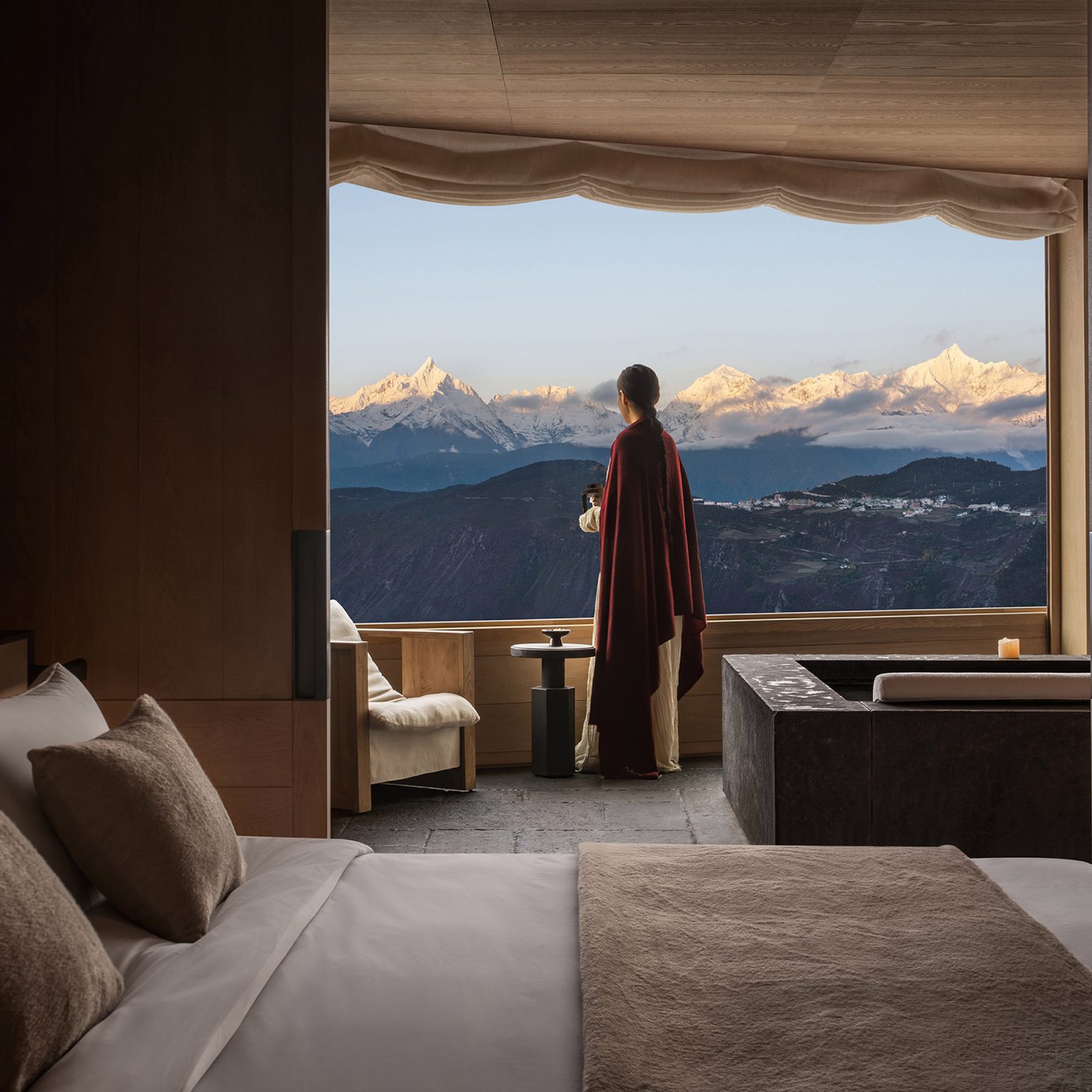
Yunnan is one of China’s most geographically and culturally diverse provinces, stretching from the snow-capped mountains bordering Tibet to the subtropical forests of Southeast Asia. Its landscapes encompass dramatic river gorges, terraced rice fields, high-altitude lakes and historic trading towns along the ancient Tea Horse Road. The UNESCO-listed Old Town of Lijiang, with its intricate waterways and traditional Naxi architecture, and the remarkably preserved streets of Dali reveal a fascinating architectural heritage. Further north, Shangri-La introduces Tibetan monasteries and traditional timber buildings, while the extraordinary rice terraces of Yuanyang demonstrate centuries of agricultural ingenuity. Home to numerous ethnic communities, including the Bai, Naxi, Dai and Yi, Yunnan offers a cultural richness that extends far beyond conventional images of China. Traditional courtyard houses, Buddhist temples and vernacular architecture coexist with an emerging generation of contemporary buildings that reinterpret local materials and craftsmanship.
Food and drink are equally distinctive. Yunnan’s cuisine reflects its remarkable biodiversity and cultural influences, with wild mushrooms, fresh herbs, rice noodles, cured meats and locally grown vegetables playing central roles. The famous crossing-the-bridge noodles originated in the province, while regional specialities range from Tibetan-inspired dishes in the north to the fragrant, spicy flavours of Xishuangbanna in the south. Yunnan is also one of China’s most important tea-producing regions, celebrated for its Pu’er tea and centuries-old tea culture. Increasingly, independent coffee roasters, contemporary restaurants and atmospheric cafés are adding another dimension to historic towns such as Dali and Lijiang.
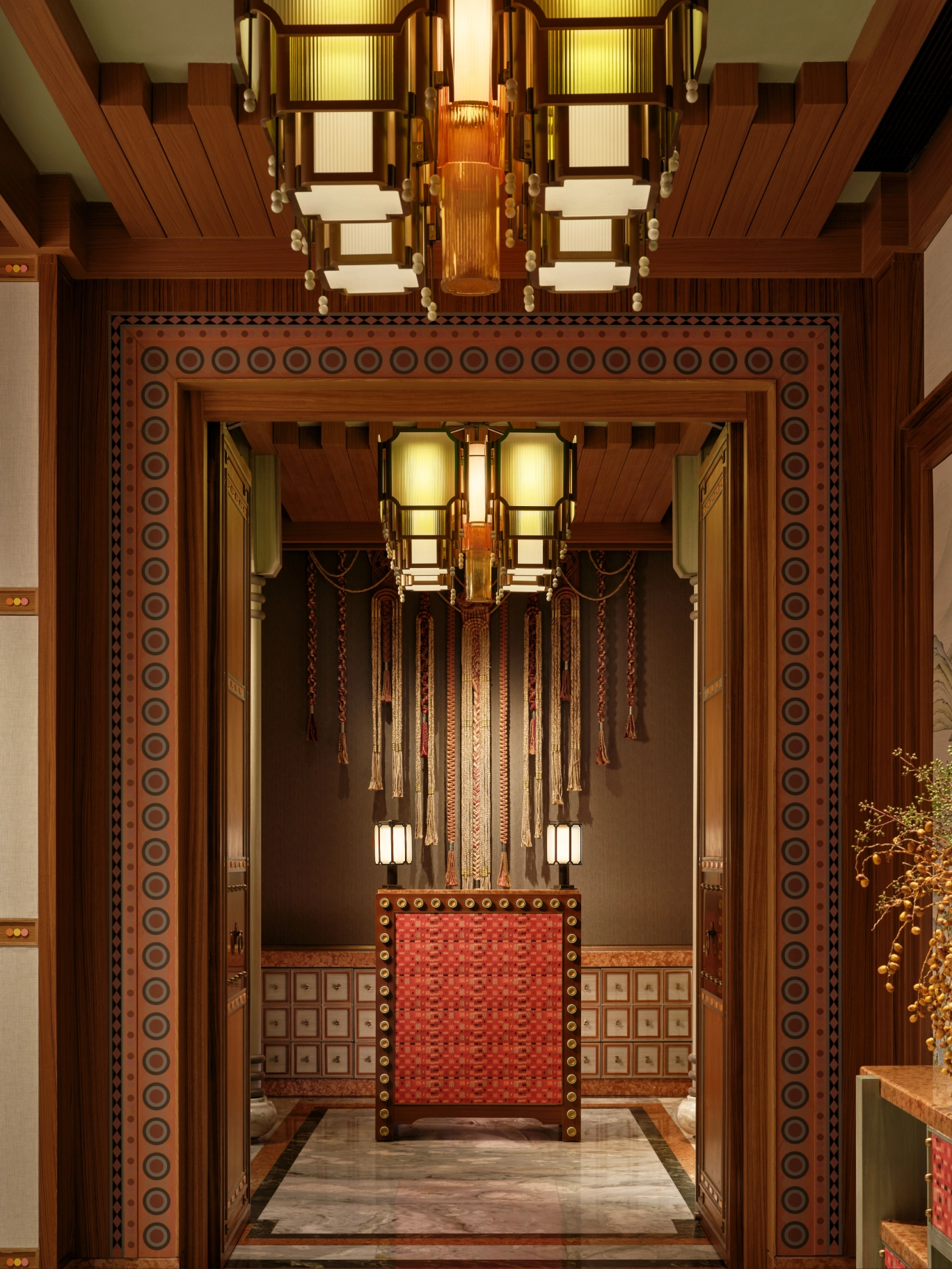
Yunnan’s hospitality landscape is particularly interesting for travellers who value architecture and a strong sense of place. Traditional Bai courtyard residences, restored merchant houses, intimate mountain lodges and contemporary design retreats offer compelling alternatives to conventional luxury hotels. Local stone, timber, rammed earth and traditional craftsmanship frequently shape interiors that respond directly to the surrounding landscape and cultural heritage. At DNA Hotels, we favour properties that interpret these traditions with imagination rather than simply reproducing historical styles. In a province of such extraordinary diversity, the most interesting hotels become part of the journey itself, revealing the architecture, landscapes and cultural identities that make Yunnan one of China’s most fascinating destinations.