


Where to Stay
Boutique & Design Hotels on Lanzarote
The DNA of Lanzarote
Where Volcanic Landscapes Meet César Manrique's Architectural Vision and Atlantic Island Culture
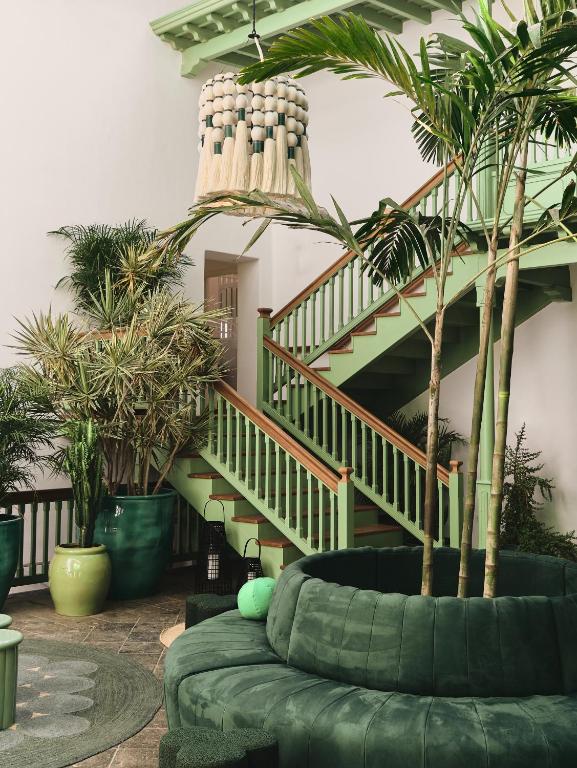
Lanzarote is unlike anywhere else in the Canary Islands. Its extraordinary volcanic landscape, shaped by centuries of eruptions, creates an almost otherworldly setting of black lava fields, ochre mountains, whitewashed villages and dramatic Atlantic coastlines. Much of the island’s distinctive architectural identity is the legacy of artist and architect César Manrique, whose vision helped preserve Lanzarote from the uncontrolled development seen elsewhere in the Canaries. His remarkable interventions, including Jameos del Agua, Mirador del Río and his former home in Tahíche, demonstrate how architecture, art and nature can become inseparable. Traditional low-rise buildings, white façades and green or blue wooden details maintain a remarkably coherent visual identity. Beyond the famous volcanic landscapes of Timanfaya National Park, the island offers historic towns such as Teguise, the vineyards of La Geria and the spectacular beaches of Papagayo. Lanzarote’s appeal lies as much in its architectural restraint and artistic heritage as in its year-round sunshine.
Food and drink reflect the island’s volcanic geography, Atlantic location and distinctive agricultural traditions. The extraordinary vineyards of La Geria, where vines grow in individual hollows dug into black volcanic ash, produce characterful wines, particularly from the Malvasía Volcánica grape. Fresh Atlantic fish, seafood, local goat’s cheese, papas arrugadas and traditional mojo sauces define much of the island’s cuisine. Historic village restaurants, informal seaside terraces and family-run bodegas offer a direct connection to local food culture. Meanwhile, contemporary restaurants, independent cafés and increasingly ambitious wine bars are introducing a more creative approach, particularly in Arrecife, Teguise and the island’s smaller coastal communities.
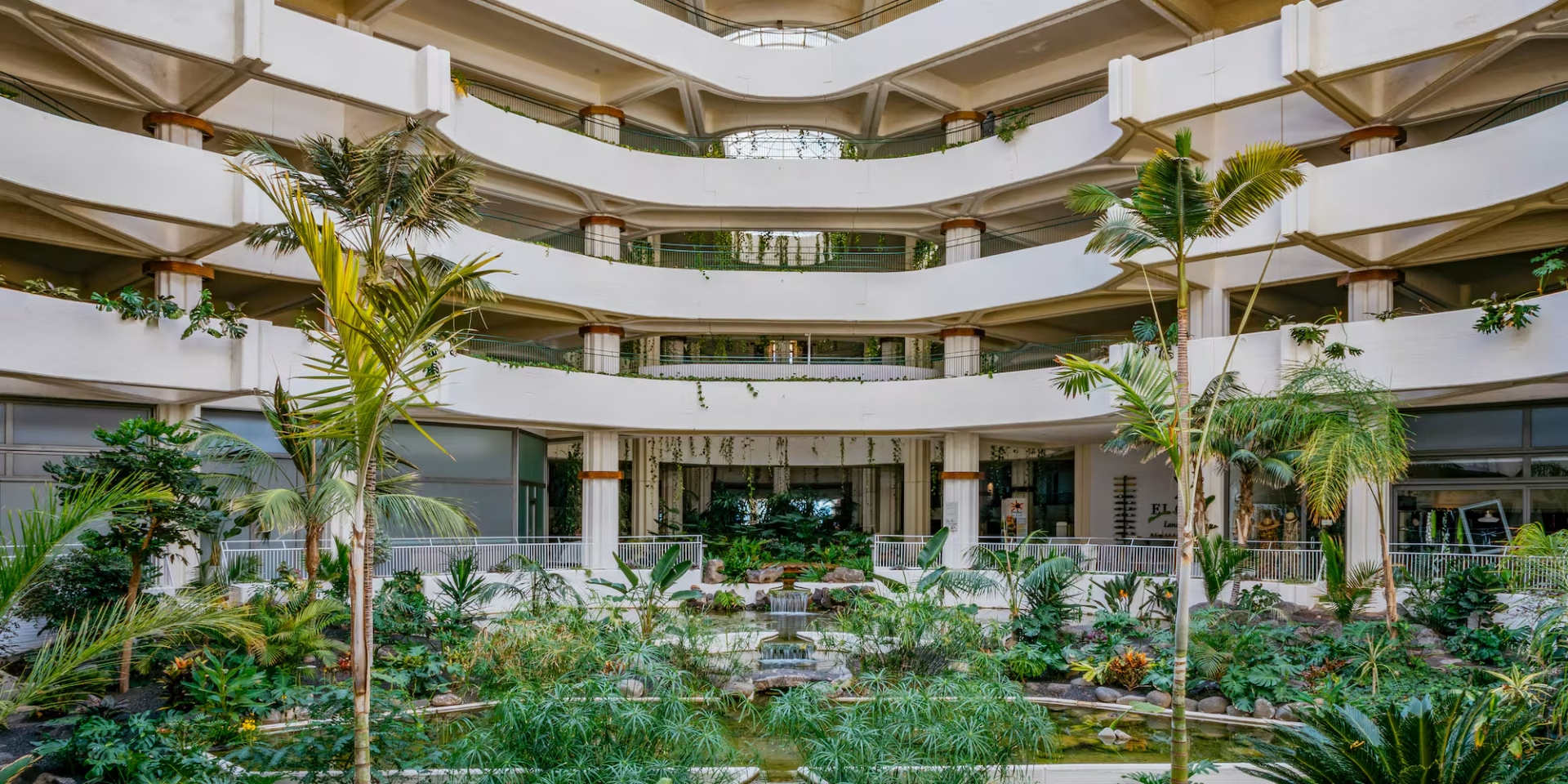
Lanzarote’s hotel landscape is especially interesting when it embraces the architectural principles that make the island so distinctive. Traditional Canarian houses, converted agricultural estates, historic townhouses and contemporary design retreats offer alternatives to the large-scale resorts concentrated along parts of the coast. Whitewashed walls, volcanic stone, sheltered courtyards and carefully framed views often create a strong relationship between architecture and landscape. Some properties draw directly on Manrique’s modernist legacy, while others reinterpret traditional island buildings through minimalist interiors, local craftsmanship and thoughtful restoration. At DNA Hotels, we favour places that respect Lanzarote’s extraordinary visual identity rather than compete with it. On an island where art, architecture and volcanic nature are so closely connected, the most compelling hotels understand that the landscape itself is already spectacular enough.