


Where to Stay
Boutique & Design Hotels in Tampa
The DNA of Tampa
Where Historic Florida Meets a New Gulf Coast Energy
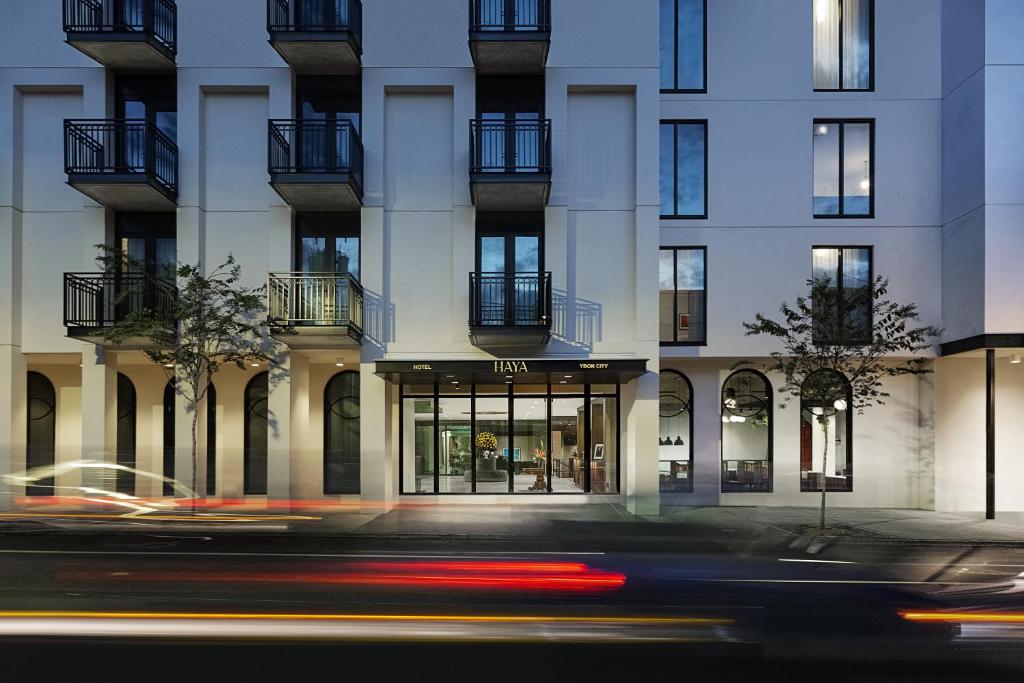
Tampa is a city shaped by water, migration and reinvention. Its most distinctive historic neighbourhood is Ybor City, developed around the cigar industry by Cuban, Spanish and Italian communities and still defined by brick factories, wrought-iron balconies and colourful storefronts. Elsewhere, Mediterranean Revival houses, Mid-Century buildings and old industrial structures sit alongside a rapidly changing downtown and the contemporary architecture of the Riverwalk and Water Street. Tampa Bay itself remains the constant: a broad subtropical landscape of palms, mangroves and waterways that gives the city a character quite different from Florida’s Atlantic coast. Increasingly, thoughtful adaptive reuse and independent creative businesses are giving Tampa an identity beyond sunshine, sports and suburban expansion.
Food and drink reveal the city’s cultural history particularly well. Tampa lays claim to its own version of the Cuban sandwich, traditionally layered with ham, roast pork, Swiss cheese, pickles, mustard and salami—a detail that distinguishes it from Miami’s interpretation. Cuban cafés and historic restaurants remain part of the city, while newer neighbourhood kitchens, breweries, cocktail bars and ambitious restaurants have broadened the scene considerably. Gulf seafood brings grouper, oysters, shrimp and stone crab into the mix, while Tampa’s long cigar-making history survives in Ybor City alongside a growing collection of independent bars and coffee shops.
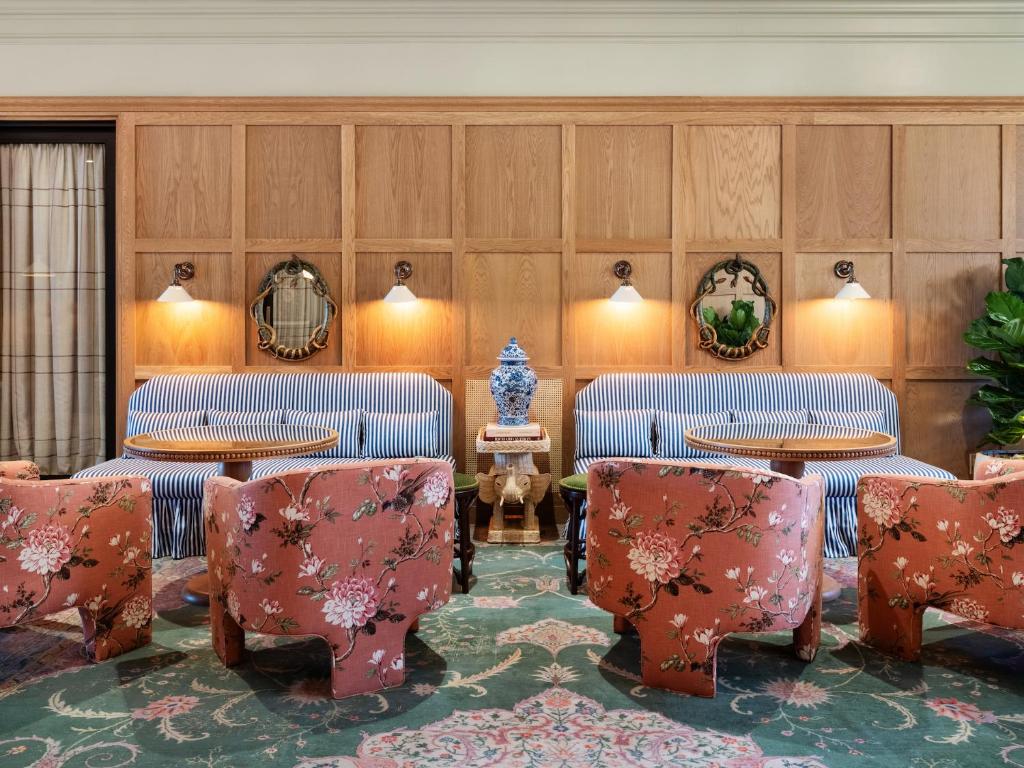
Tampa’s most interesting hotels increasingly reflect the city’s transformation. Historic buildings and revived neighbourhood properties now coexist with contemporary waterfront hotels and design-led stays connected to the city’s evolving restaurant and cultural scene. At DNA Hotels, we curate the places where architecture, food, history and Florida’s Gulf Coast character come together—hotels that reveal a Tampa more layered and creative than its conventional image suggests, with enough Cuban influence and subtropical swagger to keep things interesting.