


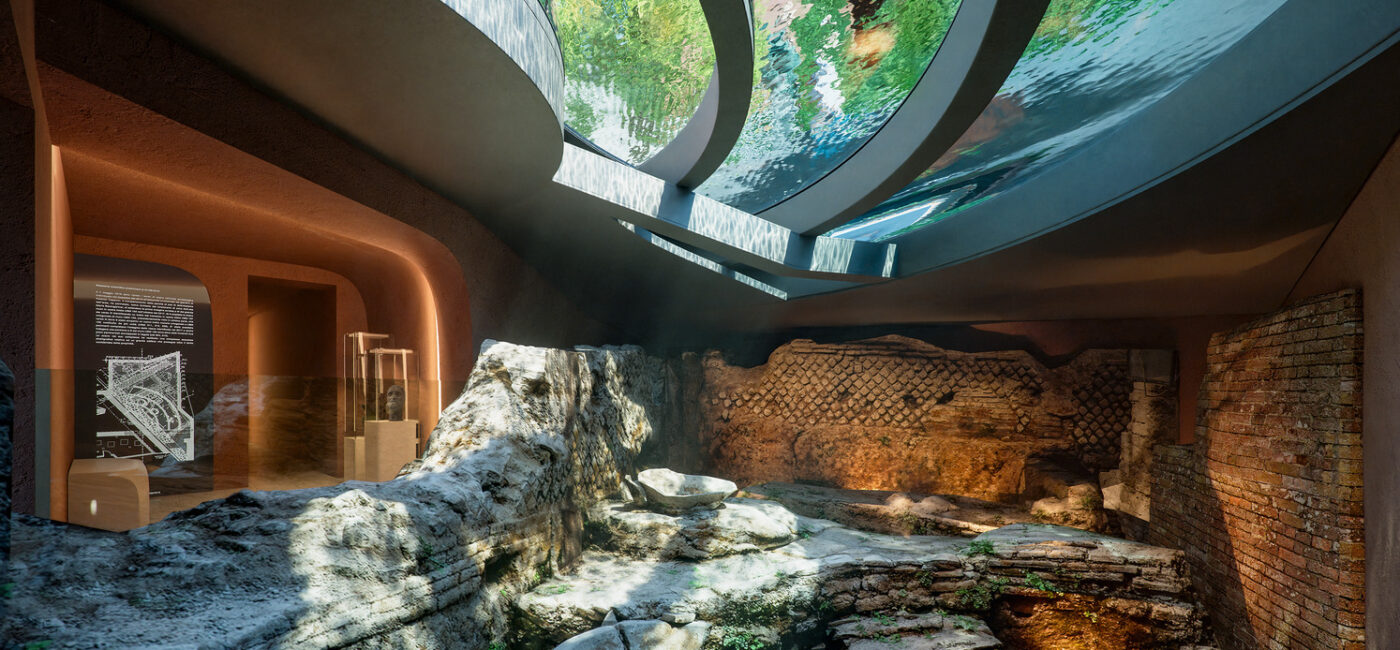
From 717 to The Zetter
The Zetter 717 Amsterdam transforms a historic Prinsengracht residence into an intimate 24-room retreat where layered interiors, canal-house character and residential hospitality feel collected over time.

Why DNA Hotels loves it
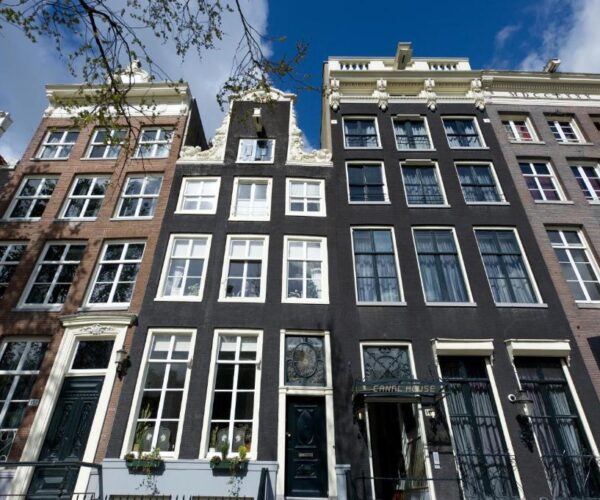
A historic Prinsengracht residence, with an 1810 Empire-style front and elements dating to the 17th century, gives The Zetter an unusually layered architectural setting for its European debut.
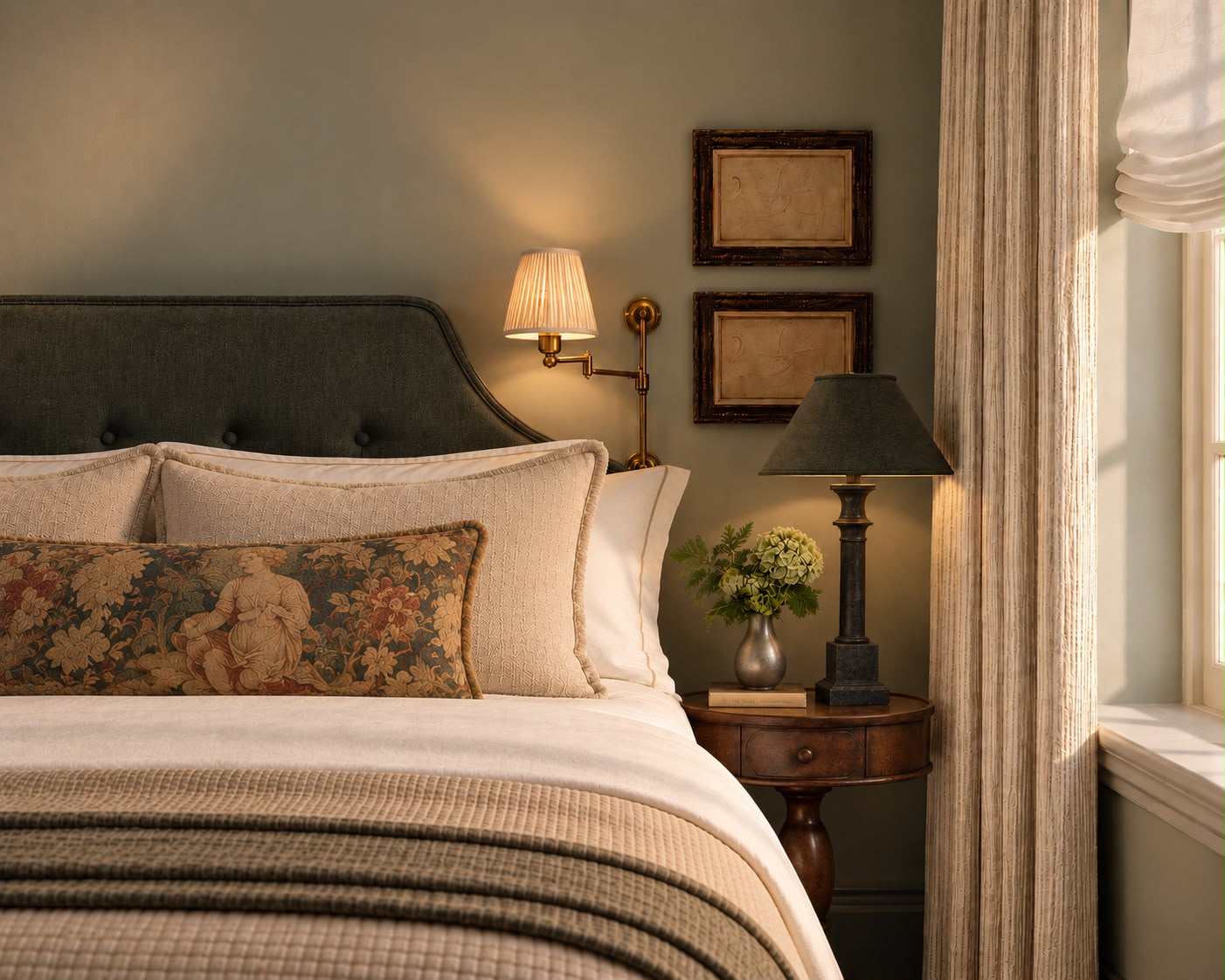
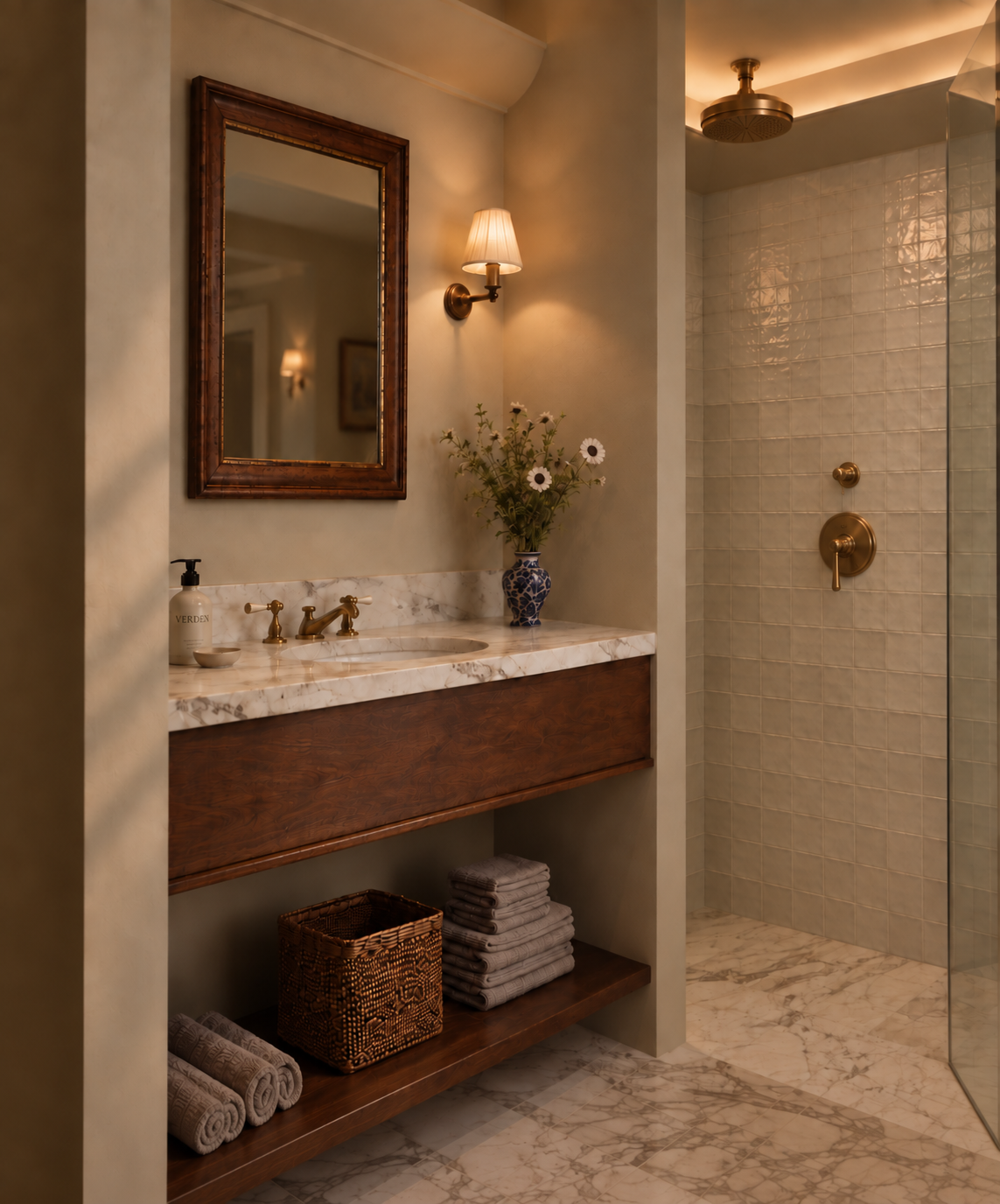
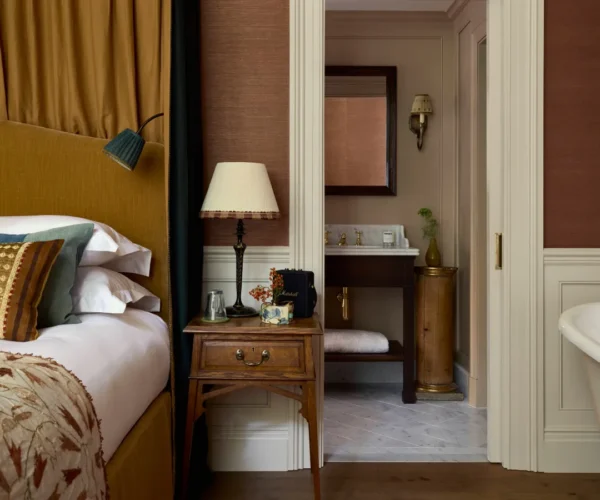
James Thurstan Waterworth and his studio Thurstan are approaching the interiors as a collected home rather than a newly decorated hotel, combining reclaimed timber, aged brass, antique mirrors and richly patterned textiles.
With just 24 individual rooms, a private garden, fireside Library and botanical Garden Room, the hotel promises the intimacy of an Amsterdam canal house rather than the machinery of a conventional five-star hotel.
The Stay
An 1810 Empire-style canal house reimagined by James Thurstan Waterworth as The Zetter’s first address beyond London.
The address is already part of Amsterdam’s hotel history. Set at Prinsengracht 717 in the UNESCO-listed Canal District, the property occupies a historic residence whose principal structure dates from 1810, while parts at the rear reach back to the 17th-century Dutch Golden Age. In January 2027, it begins another chapter as The Zetter 717 Amsterdam, the first hotel from The Zetter Collection outside the UK. Rather than imposing a London identity on the building, the intention is to treat the existing architecture as the starting point. It is an appropriate move for a hotel group built around the idea that its properties should feel more like individual houses than members of a collection.
A Canal House, Collected Over Time
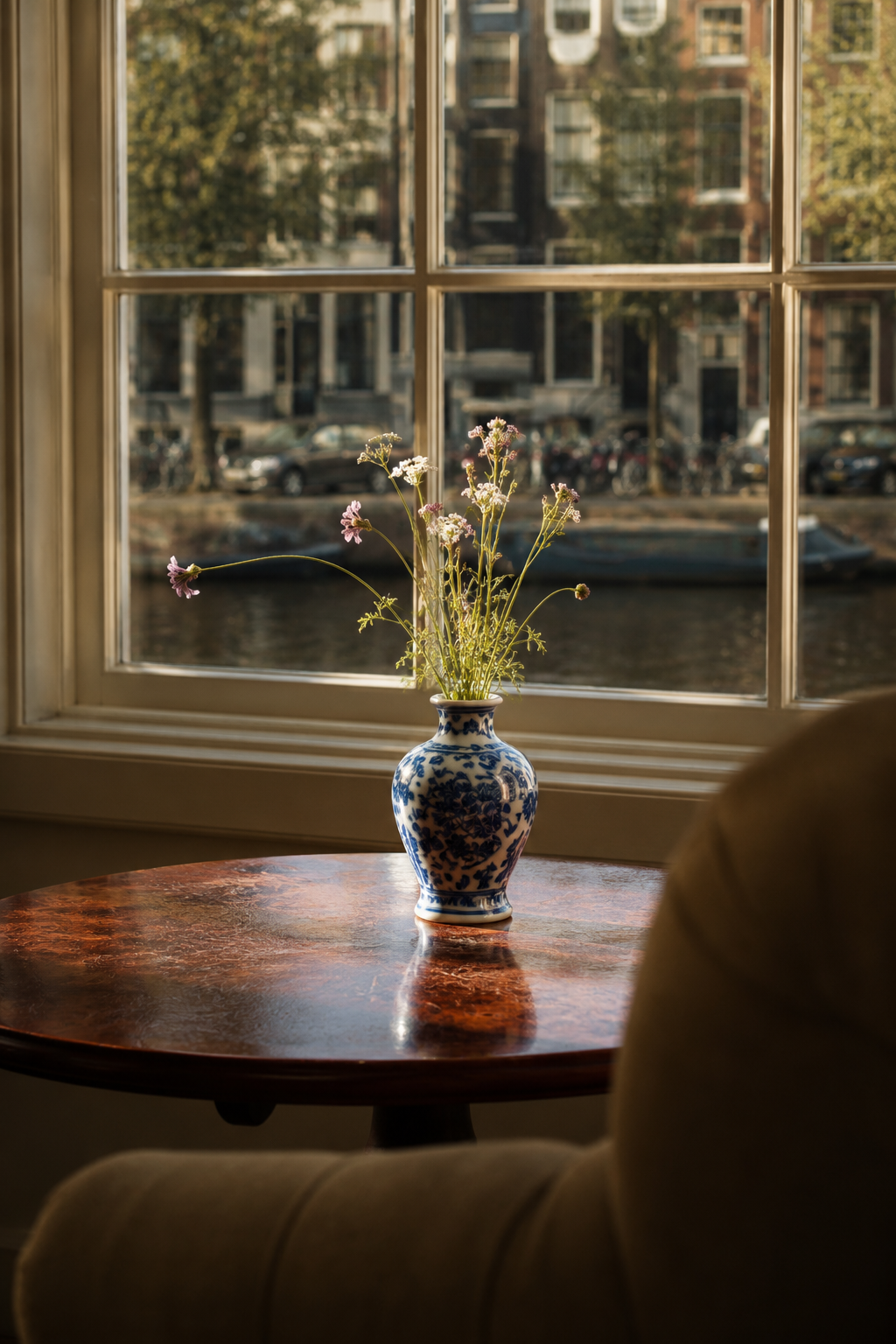
James Thurstan Waterworth, whose studio Thurstan also designed The Zetter Bloomsbury, is responsible for the transformation. His approach deliberately avoids making everything appear new. Reclaimed timber, aged brass, antique mirrors, patterned fabrics, warm woods and collected furniture are layered into the historic rooms, creating the impression that the interiors have accumulated gradually. That suits Amsterdam’s canal houses particularly well. Their character comes from layers: formal street façades concealing rooms, courtyards, gardens and additions assembled over centuries. Here, the design follows rather than fights that complexity.
Twenty-Four Rooms, No Template
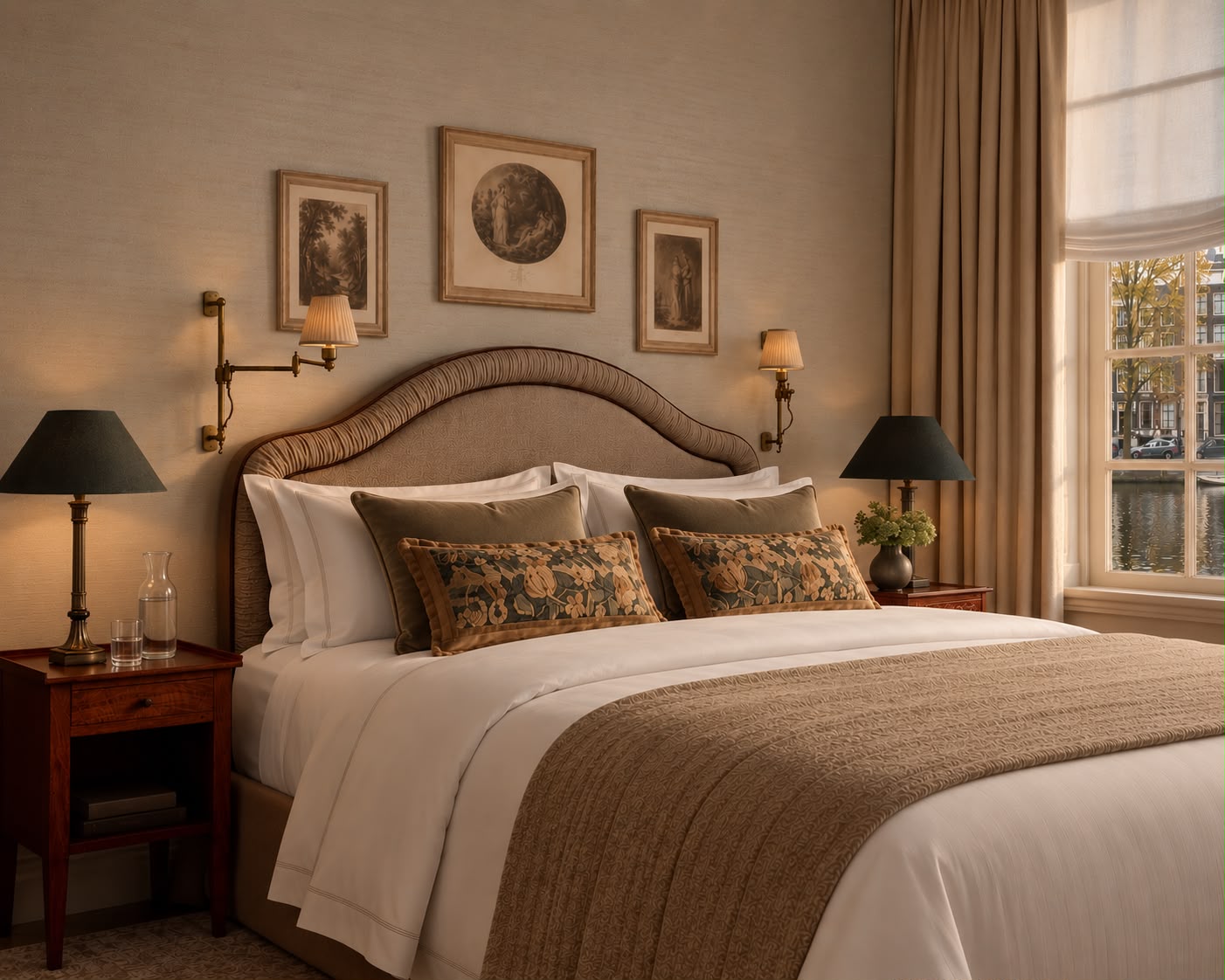
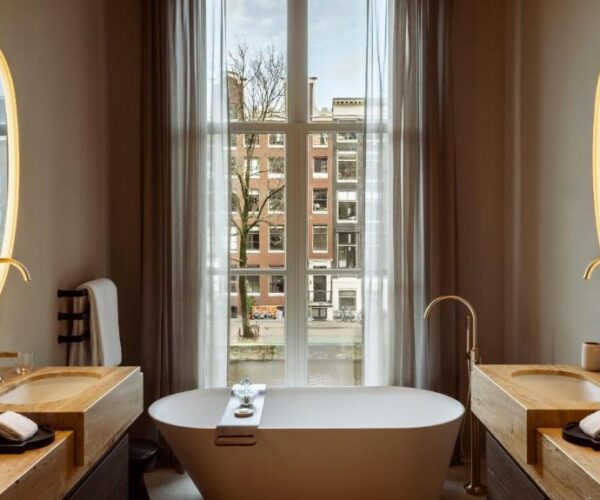
There are only 24 rooms and suites, and the historic building ensures that no two are quite the same. Some overlook Prinsengracht, others face the private garden or quieter internal parts of the house. Rather than forcing those irregular spaces into standard hotel-room plans, Waterworth uses their different proportions and outlooks as part of their identity. Furniture, warm timber, aged metals, patterned textiles and antique-inspired details reinforce the residential atmosphere. From the smaller rooms to the signature suites, the intention is less polished uniformity than the feeling of staying in a particularly well-collected Amsterdam home.
The Library and the Garden
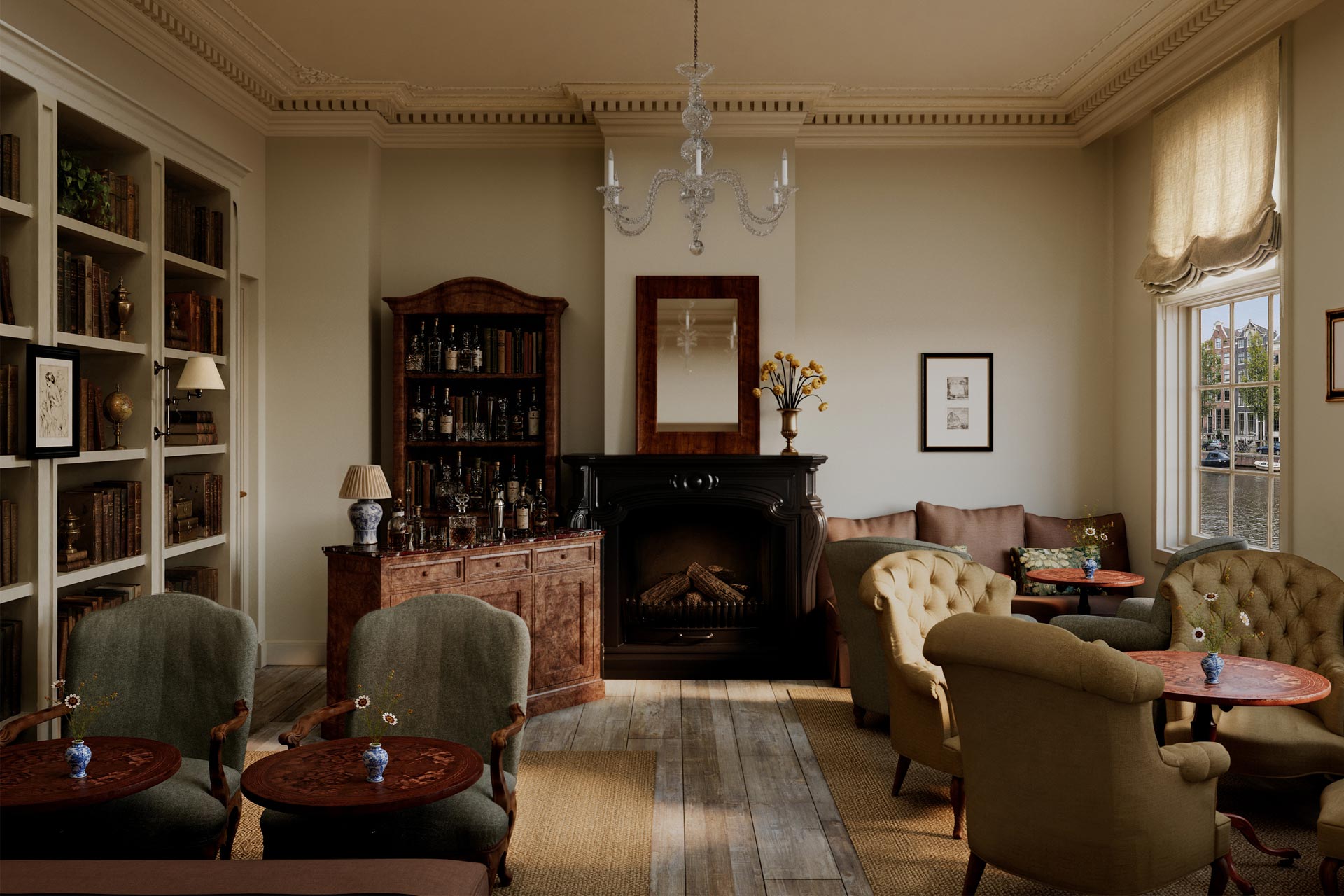
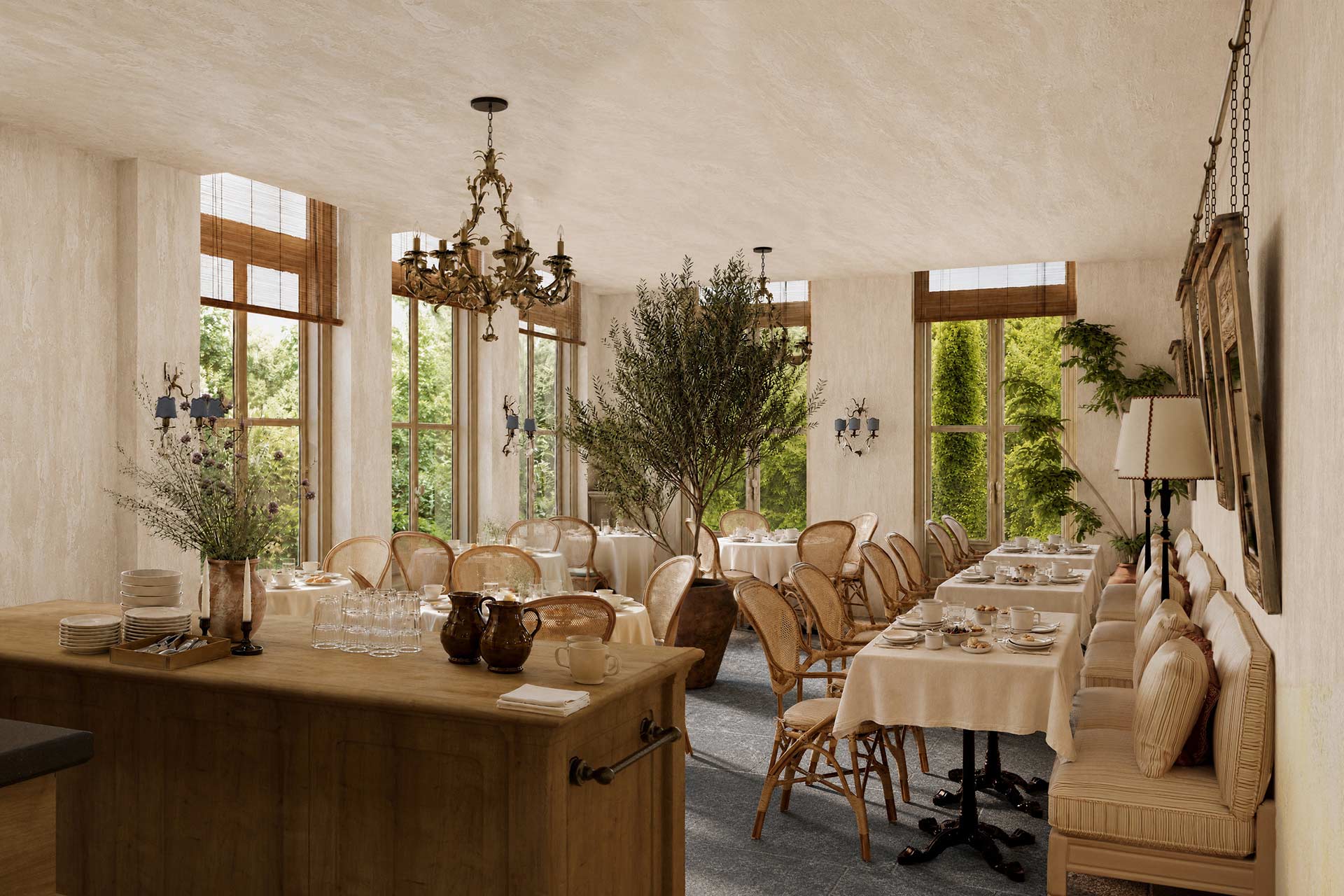
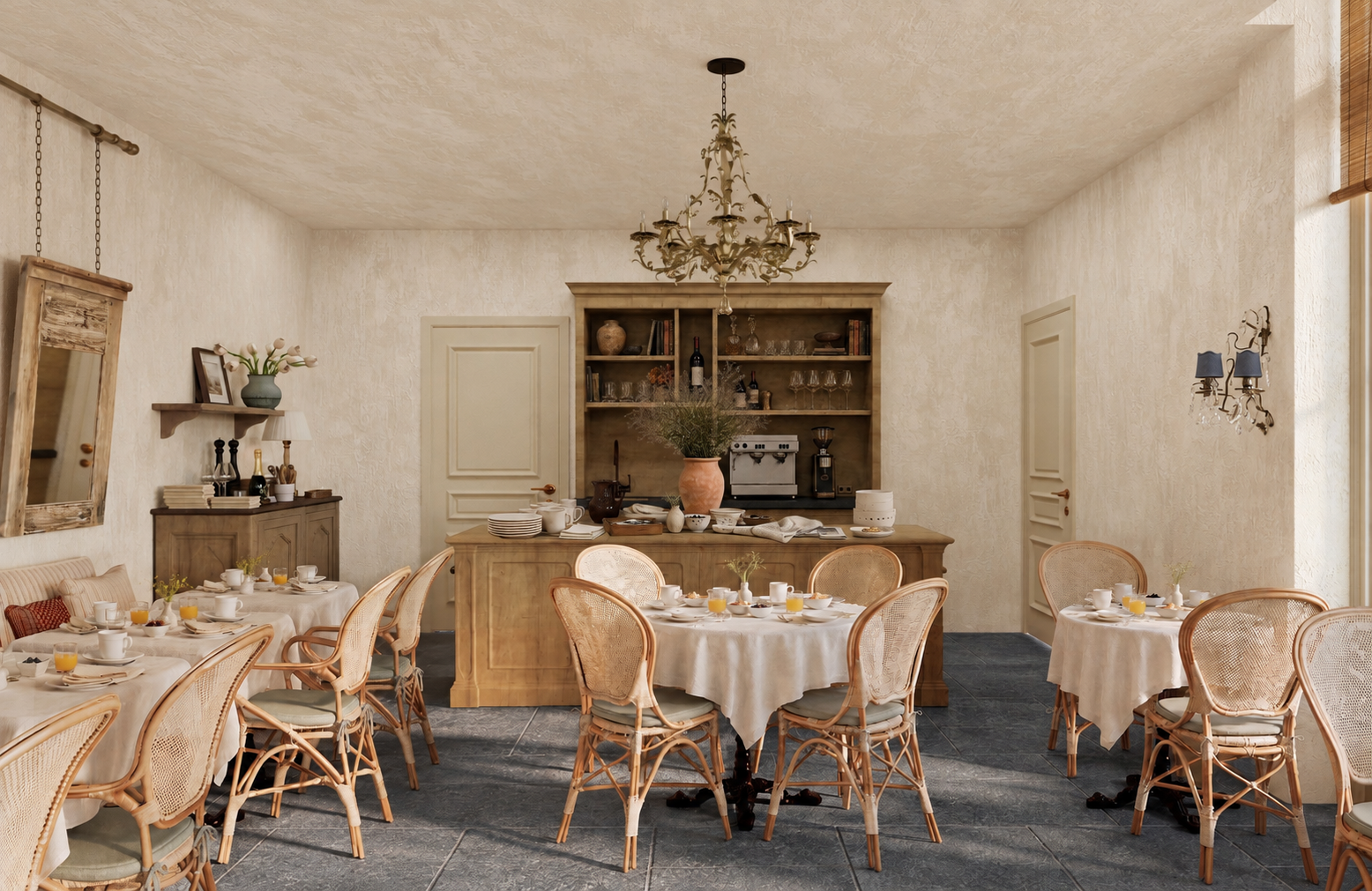
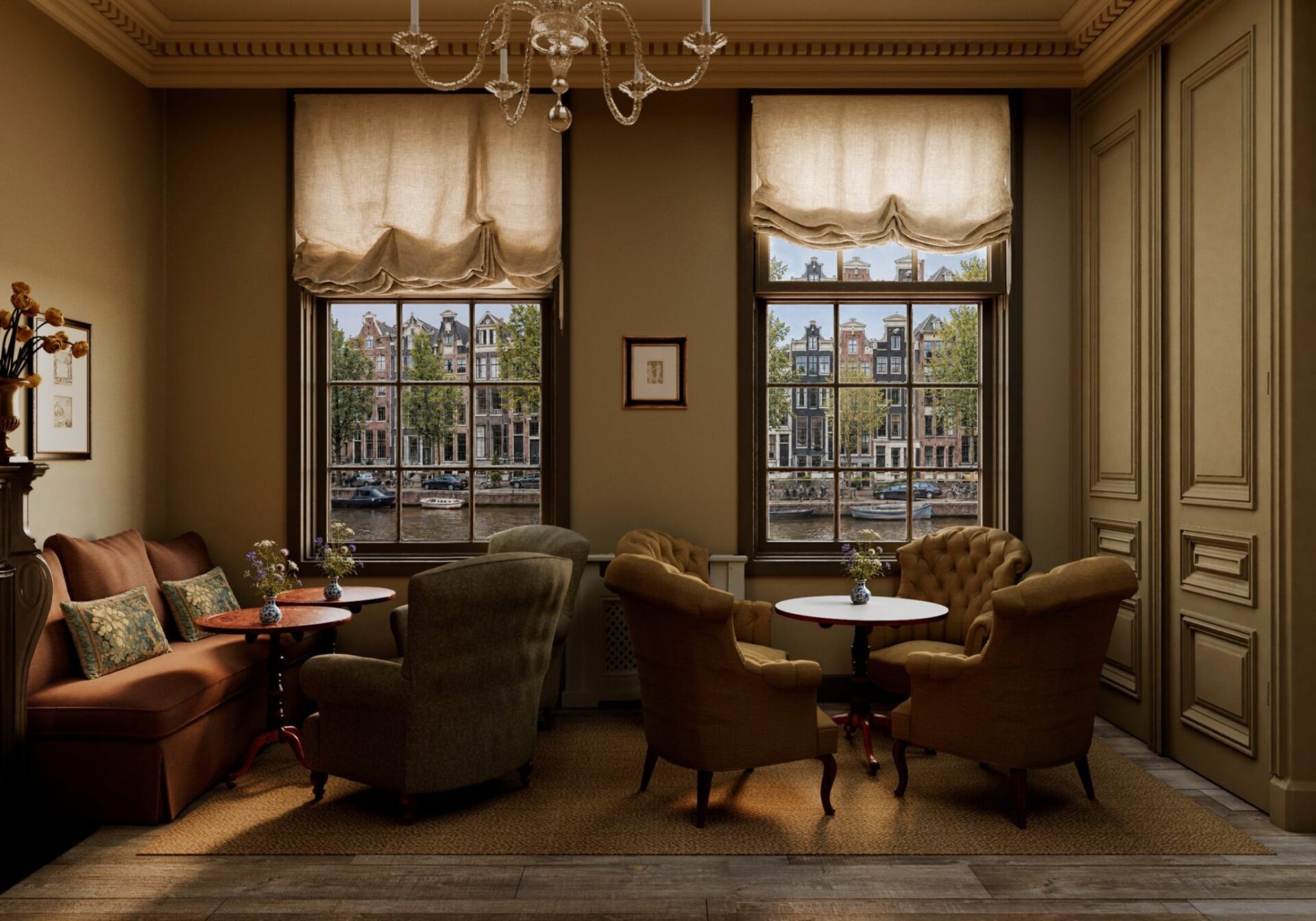
The hotel’s public life revolves around just two rooms. The Library faces Prinsengracht and functions as a guest-only fireside bar, with book-lined walls, reclaimed oak, aged brass and deep rust and burnt-terracotta tones. Coffee in the morning can become a drink in the evening without the room having to change its personality. At the rear, the Garden Room is lighter and greener. Conceived almost as a conservatory, it combines banquette seating, natural textures, aged finishes and a central tree with views into the private garden. Breakfast replaces the formality of a full restaurant, keeping the rhythm deliberately domestic.
Amsterdam Outside the Front Door
The location makes that restraint possible. The Nine Streets, Rijksmuseum, Museumplein, galleries, independent shops and restaurants are all within easy reach, while Prinsengracht itself supplies one of Amsterdam’s defining architectural experiences the moment you step outside. The Zetter therefore doesn’t need to reproduce the city inside the hotel. The building provides the historical connection, while the small scale encourages guests to use 717 as a private address from which to explore Amsterdam.
The Zetter Finds Its Amsterdam House
The most promising thing about The Zetter 717 is that the brand and building appear unusually compatible. The Zetter has built its identity around small hotels, individual rooms, collected interiors and hospitality closer to staying in someone’s house. Prinsengracht 717 already possesses the architectural ingredients for precisely that experience: irregular historic spaces, a discreet entrance, canal views and a private garden hidden behind the façade. Waterworth’s task is therefore not to turn a canal house into something recognisably Zetter. It is to make The Zetter feel as though it might have been living at number 717 all along.
Information
At a glance
Opened / Renovated
1997, renovated 2027
Size matters
24 rooms & suites (15-57m2) (161-614 sq ft)
Interior design
James Thurstan Waterworth
Bathroom Amenities
Verden
Featured in
Don't take our word for it

Handpicked worldwide
A carefully curated collection of exceptional boutique and design hotels across the globe.
Design with soul
Architecture, atmosphere and craftsmanship come together in stays with a clear identity.
Hidden, not hyped
Independent boutique hotels you rarely find on mainstream booking platforms.
Travel guidance
Personal recommendations and thoughtful support from people who actually know the places.