



Where to Stay
Discover Jiangsu through its Hotels
The DNA of Jiangsu
Where Classical Chinese Gardens Meet Imperial Heritage and Contemporary Architectural Ambition
Jiangsu, on China’s eastern coast, is one of the country’s most historically prosperous and culturally sophisticated provinces. Shaped by the Yangtze River, the Grand Canal and centuries of trade, its landscape combines historic water towns, classical gardens, imperial monuments and rapidly developing modern cities. Nanjing, a former imperial capital, offers ancient city walls, monumental Republican-era architecture and significant cultural institutions. Suzhou is celebrated for its UNESCO-listed classical gardens, elegant canals and traditional silk industry, while nearby Tongli and other historic water towns preserve whitewashed houses, stone bridges and intimate waterways. Yangzhou adds another layer of refined garden architecture and scholarly heritage. Yet Jiangsu is equally interesting for its contemporary ambitions, from the striking Suzhou Museum designed by I. M. Pei to the extraordinary architectural experimentation of Nanjing and the futuristic skyline of Suzhou Industrial Park. Few Chinese provinces illustrate the relationship between traditional craftsmanship and modern urban development quite so vividly.
Food and drink reflect Jiangsu’s long-standing reputation for refined cuisine. One of China’s great culinary traditions, Jiangsu cooking emphasises seasonal ingredients, delicate flavours and meticulous preparation. Nanjing is famous for its salted duck, while Suzhou celebrates freshwater fish, delicate pastries and dishes influenced by the agricultural abundance of the Yangtze Delta. Yangzhou is particularly renowned for its elaborate breakfasts, traditional teahouses and celebrated fried rice. Historic food markets, atmospheric canal-side restaurants and family-run establishments coexist with contemporary dining concepts, independent coffee shops and increasingly sophisticated cocktail bars. Tea culture remains an important part of everyday life, especially in the province’s historic garden cities.
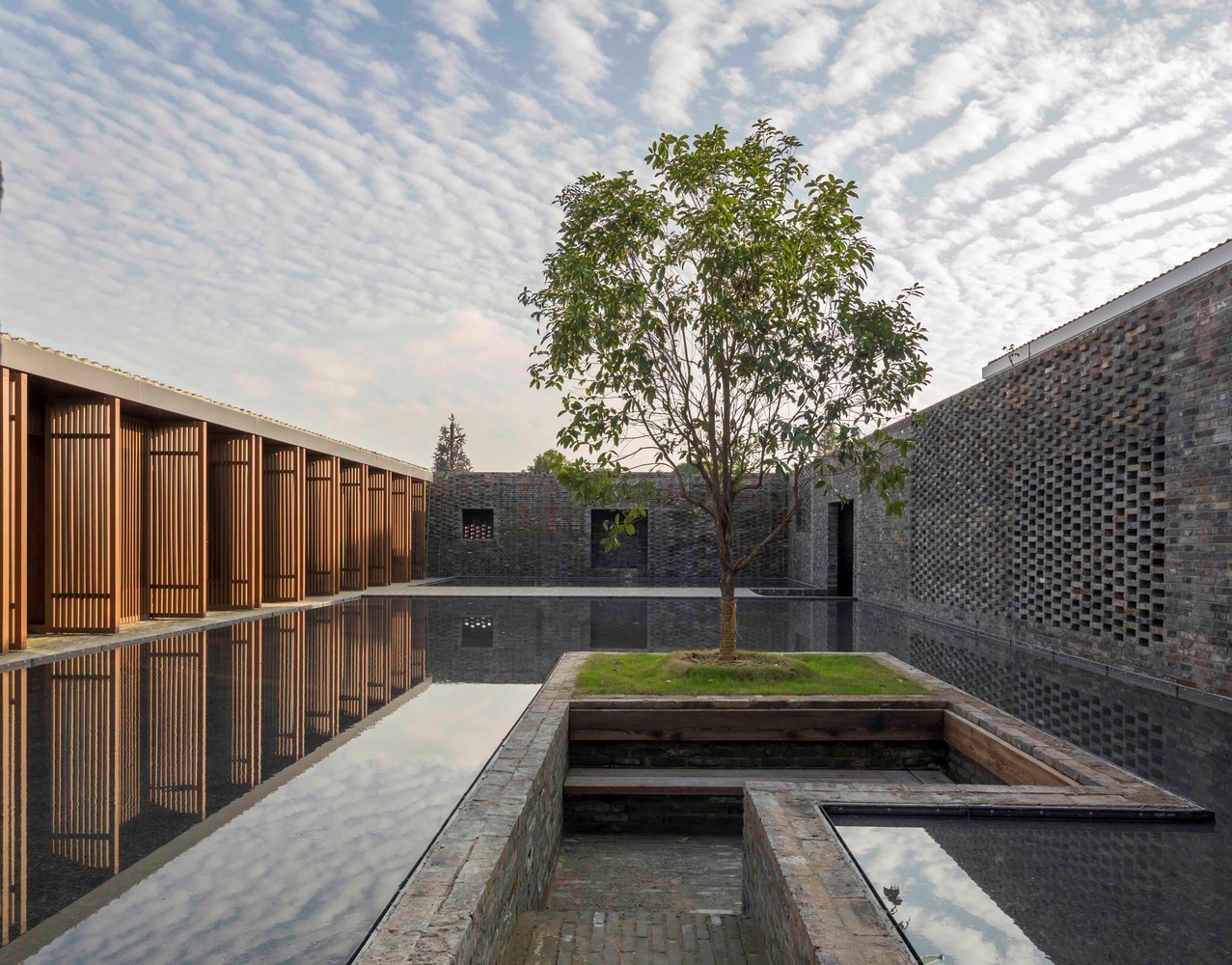
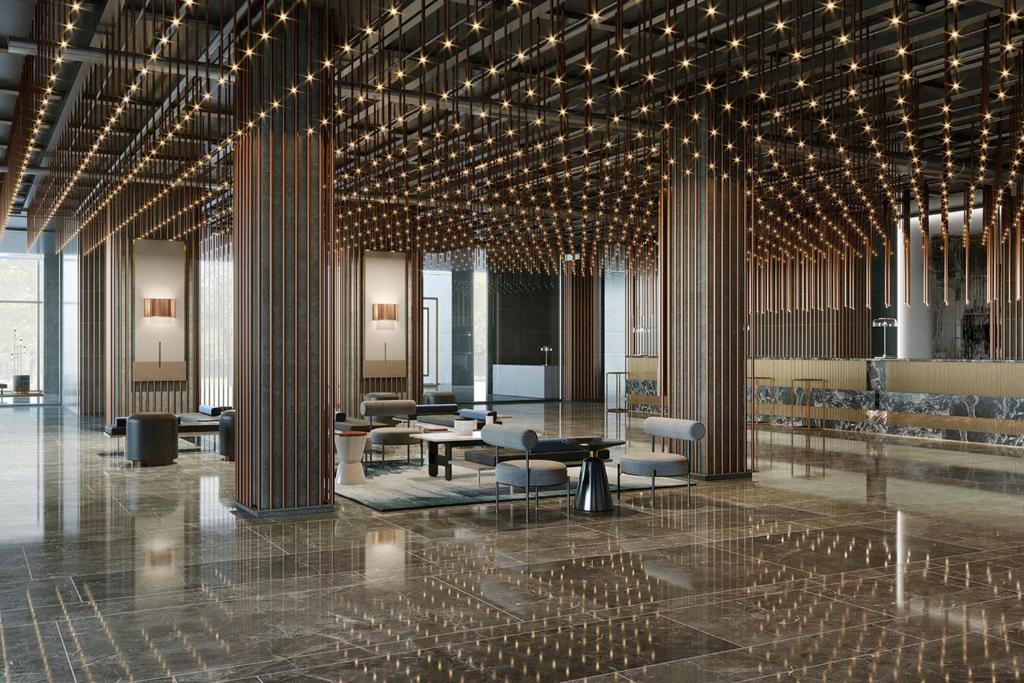
Jiangsu’s hotel landscape reflects its remarkable architectural diversity. Restored merchant residences, traditional courtyard houses and historic buildings overlooking ancient canals provide a compelling contrast to contemporary design hotels and ambitious architectural projects. In Suzhou and the surrounding water towns, the most interesting properties often reinterpret classical Chinese garden design through carefully framed views, intimate courtyards, natural materials and restrained interiors. Elsewhere, converted industrial buildings and contemporary urban hotels reveal a more experimental approach to hospitality. At DNA Hotels, we favour places that express Jiangsu’s cultural identity through architecture, craftsmanship and a meaningful relationship with their surroundings. In a province where centuries-old traditions coexist with some of China’s most ambitious contemporary development, the most compelling hotels offer a fascinating perspective on both past and present.