



Where to Stay
Discover Extremadura through its Hotels

The DNA of Extremadura
Where Roman Heritage Meets Medieval Grandeur and Spain's Untamed Landscapes
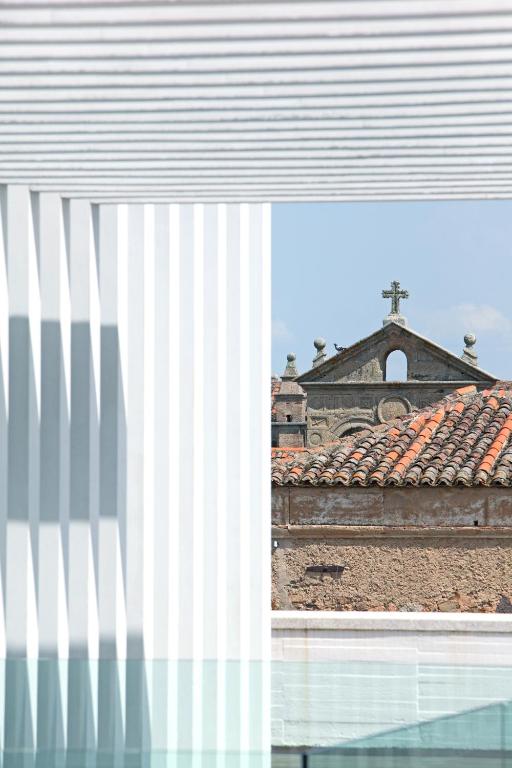
Extremadura is one of Spain’s most historically fascinating and least urbanised regions, stretching from the mountains of the north to the vast plains and dehesa landscapes bordering Portugal. Its architectural heritage is extraordinary. Mérida, once the Roman capital of Lusitania, preserves an impressive collection of ancient monuments, including its magnificent Roman theatre, amphitheatre and aqueducts. Cáceres offers one of Europe’s most atmospheric medieval old towns, with fortified palaces, Renaissance mansions and narrow stone streets that appear remarkably untouched by time. Trujillo, birthplace of several Spanish conquistadors, is equally impressive, its monumental Plaza Mayor surrounded by aristocratic residences and historic churches. Further north, the Monfragüe National Park and the dramatic landscapes of the Jerte Valley reveal a wilder side of Spain, while the monasteries of Guadalupe and Yuste add remarkable religious and architectural heritage. Extremadura remains refreshingly free from the large-scale tourism that has transformed many other Spanish regions.
Food and drink are deeply connected to the land. The region is celebrated for its jamón ibérico de bellota, produced from free-ranging Iberian pigs feeding on acorns beneath the holm oaks of the dehesa. Traditional cheeses such as Torta del Casar, smoked paprika from La Vera, exceptional olive oils and hearty regional dishes reflect a cuisine built around local ingredients and centuries-old agricultural traditions. Historic taverns, family-run restaurants and contemporary interpretations of Extremaduran cooking offer plenty of culinary discoveries. The region’s wines, particularly those from Ribera del Guadiana, are gaining recognition, while Cáceres and Mérida have developed increasingly interesting restaurant and bar scenes.
Extremadura’s most compelling hotels often occupy buildings with remarkable histories. Former monasteries, Renaissance palaces, historic convents, traditional farmhouses and aristocratic residences provide extraordinary settings for sensitive restoration and contemporary design. Thick stone walls, vaulted ceilings, secluded courtyards and centuries-old architectural details create an atmosphere that modern construction would struggle to reproduce. Elsewhere, rural properties embrace the region’s expansive landscapes through understated architecture, natural materials and a close connection to the surrounding countryside. At DNA Hotels, we favour places that preserve this strong sense of identity while introducing thoughtful contemporary hospitality. Extremadura offers a particularly rewarding alternative to Spain’s better-known destinations, where architectural heritage, authentic regional culture and the quiet beauty of the landscape remain remarkably intact.