


A California Original Returns
Hotel El Roblar revives a historic 1919 Spanish Mission Revival landmark in Ojai, where Ramin Shamshiri combines Monterey-style furniture, dark timber, leather, antique rugs and vintage lighting with eclectic Californian art, natural-history curiosities and nostalgic Old Hollywood glamour.

Why DNA Hotels loves it
A remarkable six-year restoration of Ojai's oldest hotel, originally opened in 1919, preserving its Spanish Mission Revival character while introducing the richly layered interiors of Ramin Shamshiri.
An extraordinary collection of vintage furniture, Californian art, natural-history curiosities and handcrafted details, assembled by a creative team with connections to New York's legendary Bowery Hotel.
A wonderfully atmospheric retreat with secluded garden bungalows, a nostalgic swimming pool, lively restaurants and two resident giant tortoises, all surrounded by the mountains of the Ojai Valley.
The Stay
Spanish Revival Architecture, Old Hollywood Nostalgia, and the Eccentric Spirit of Ojai
Some hotels are inseparable from the places they inhabit. Hotel El Roblar is one of them. Originally opened in 1919, the hotel was part of the ambitious transformation of Ojai undertaken by glass magnate Edward Drummond Libbey, who helped establish the town’s distinctive Spanish Mission Revival architectural identity. For decades, the property served different purposes, most notably as The Oaks at Ojai, a wellness retreat that eventually closed following the devastating Thomas Fire in 2017. Now, after an extensive six-year restoration, El Roblar has returned to its original name and purpose as a 50-room boutique hotel. The people behind its revival make for an unusually interesting group: Eric Goode, the filmmaker, conservationist and hospitality entrepreneur associated with New York’s Bowery Hotel; acclaimed interior designer Ramin Shamshiri; restaurateur Warner Ebbink; and filmmaker Jeremy McBride. Their ambition was not to create another fashionable California resort. Instead, they wanted to bring back a hotel that felt as though it had always belonged to Ojai. The result is a wonderfully eccentric interpretation of old California hospitality, combining historical architecture, vintage glamour, local craftsmanship and a generous dose of personality.
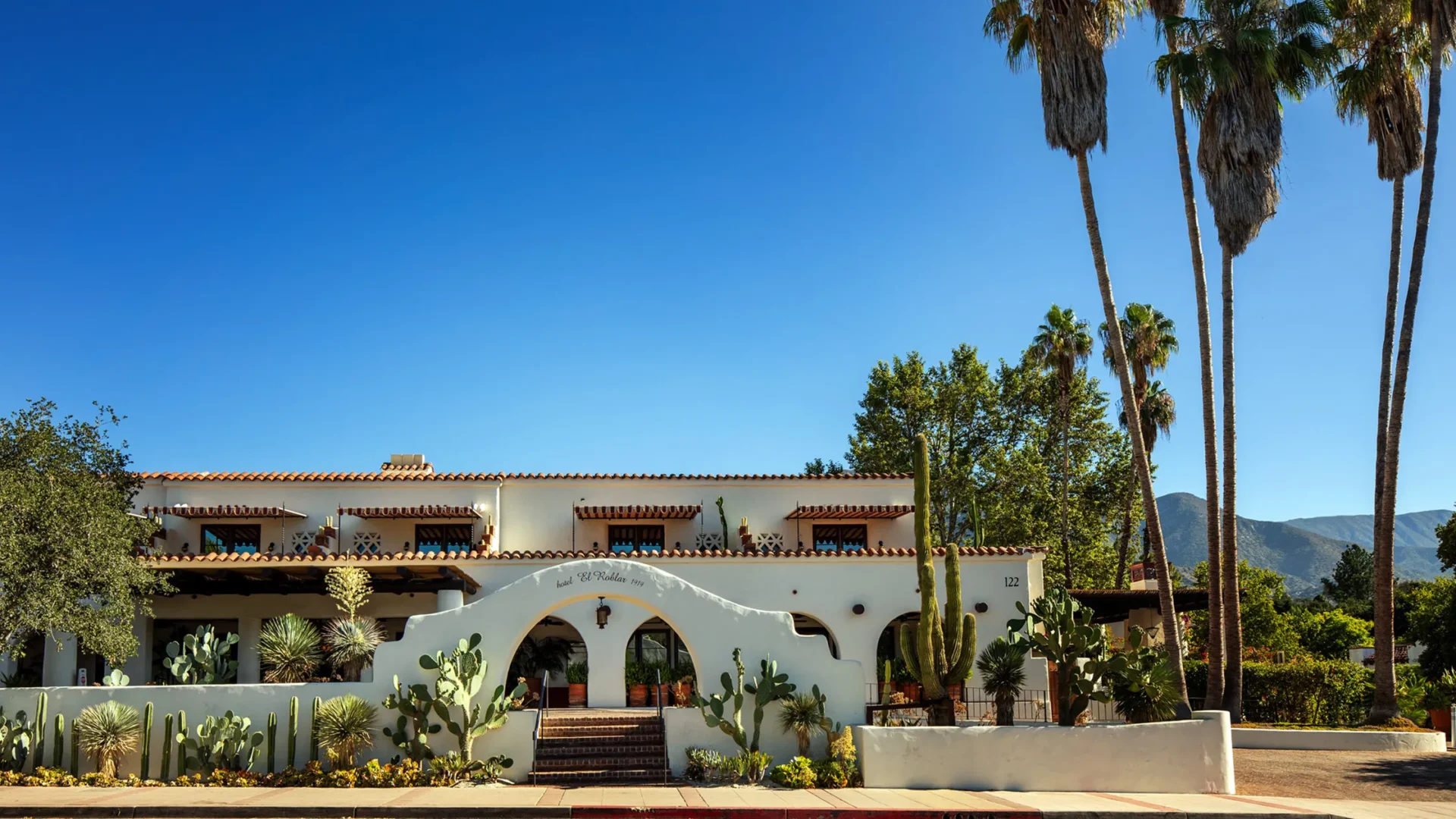
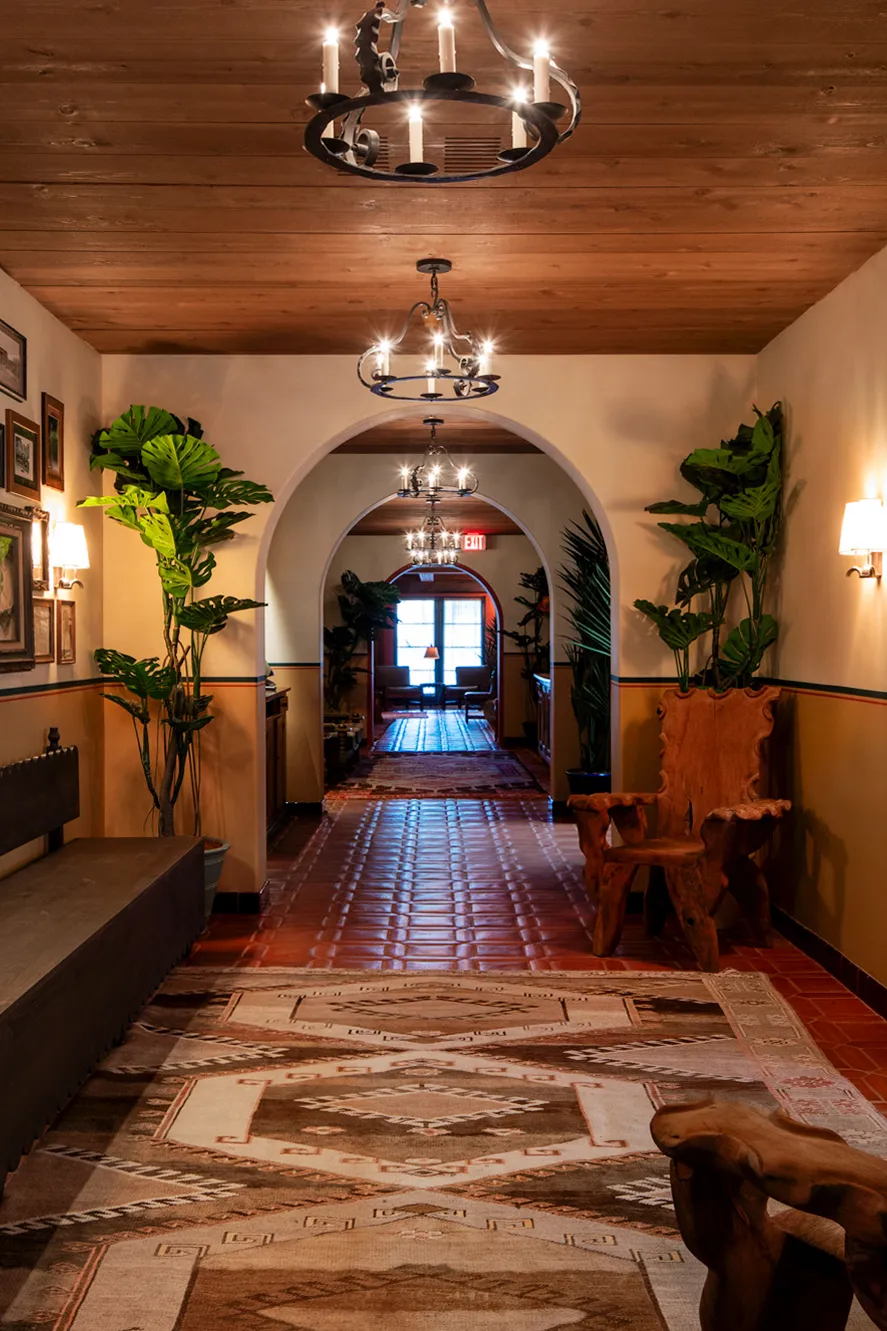
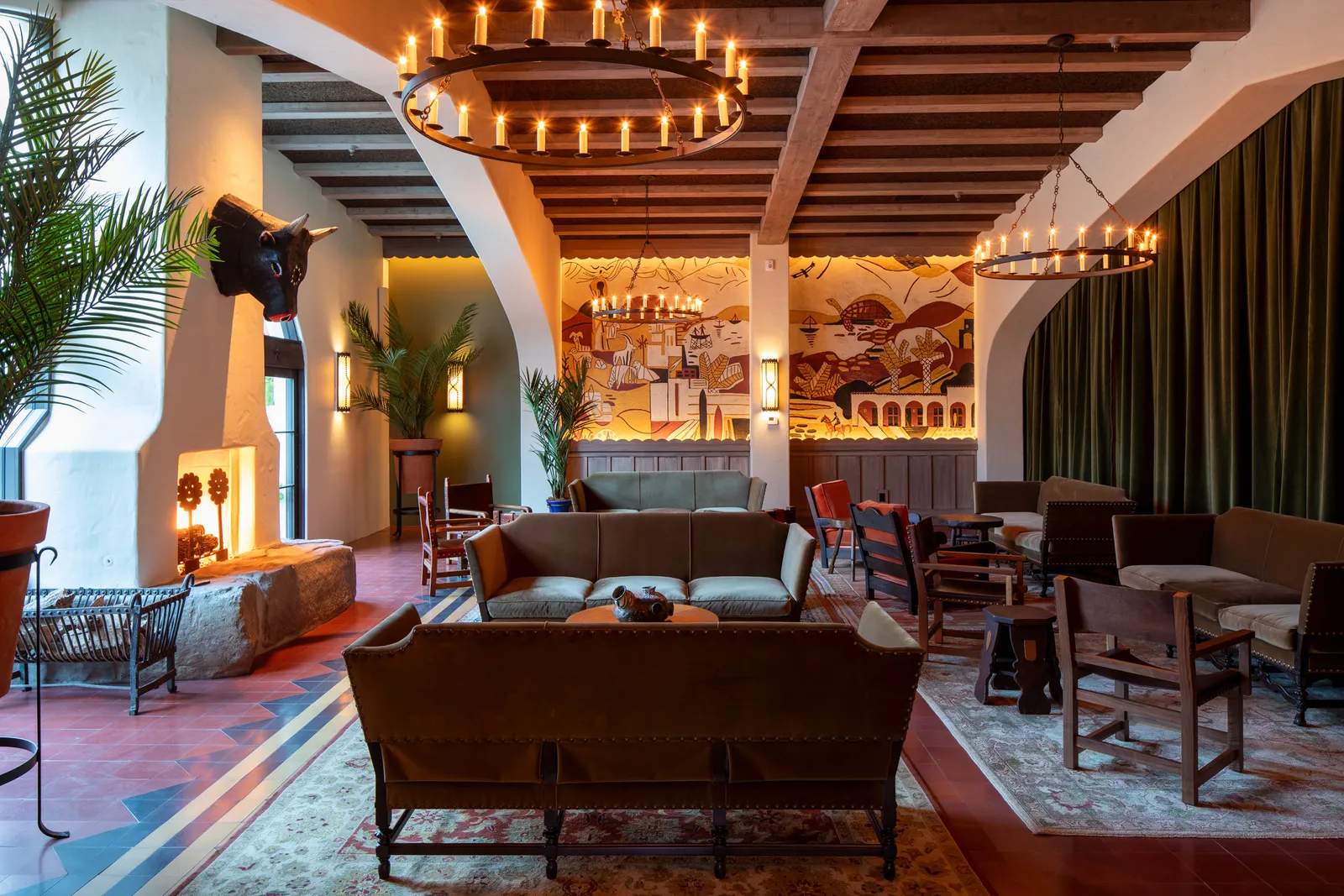
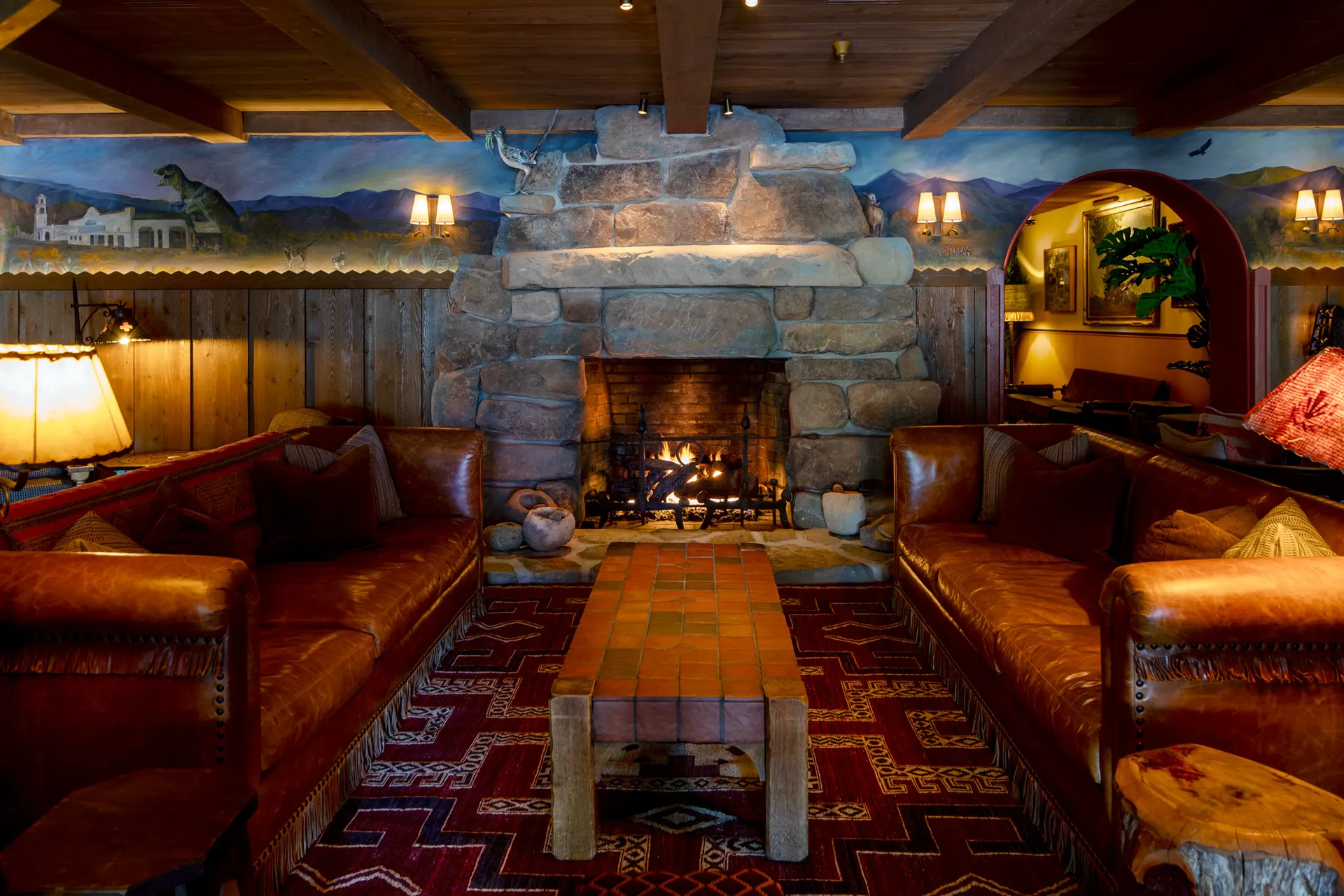
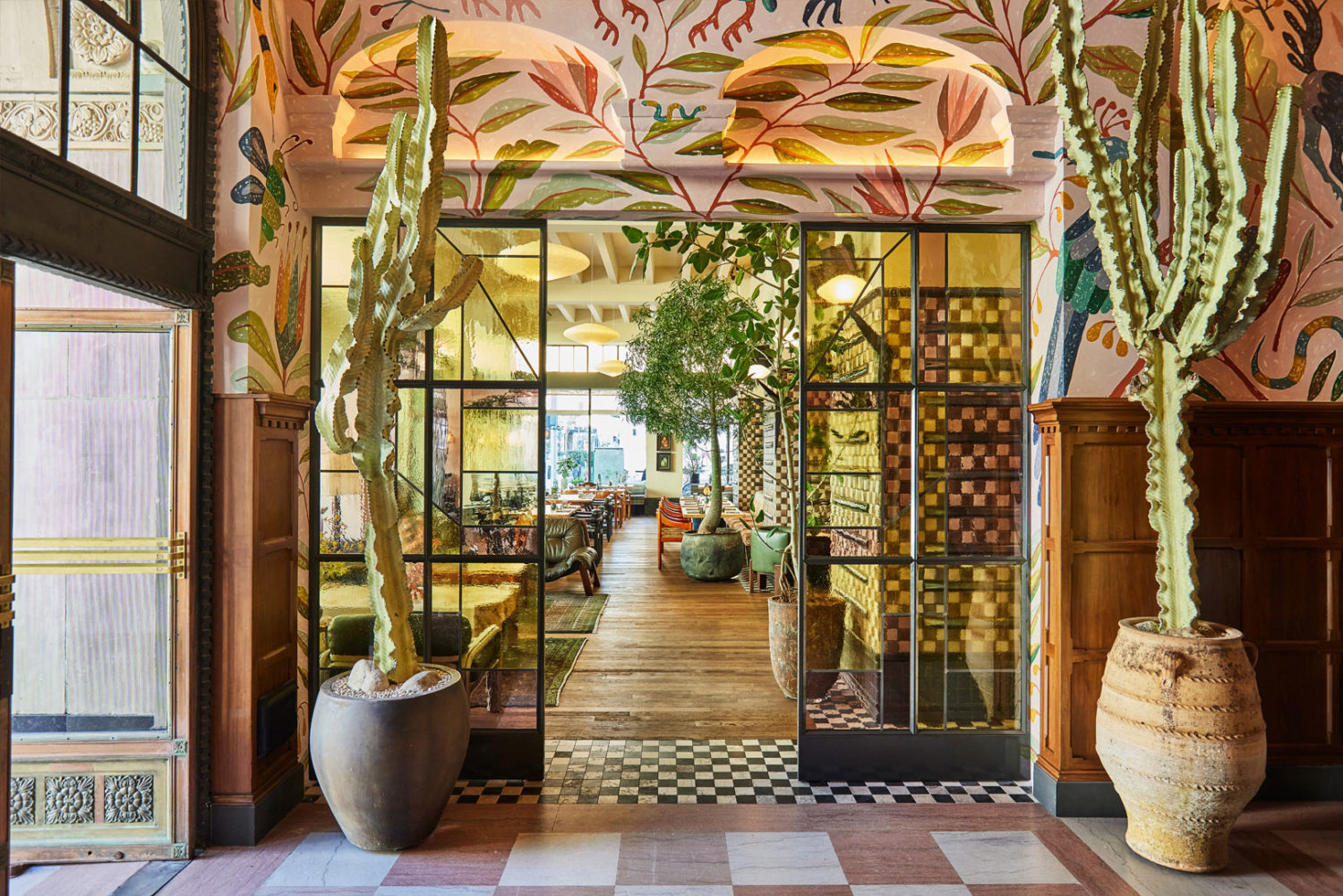
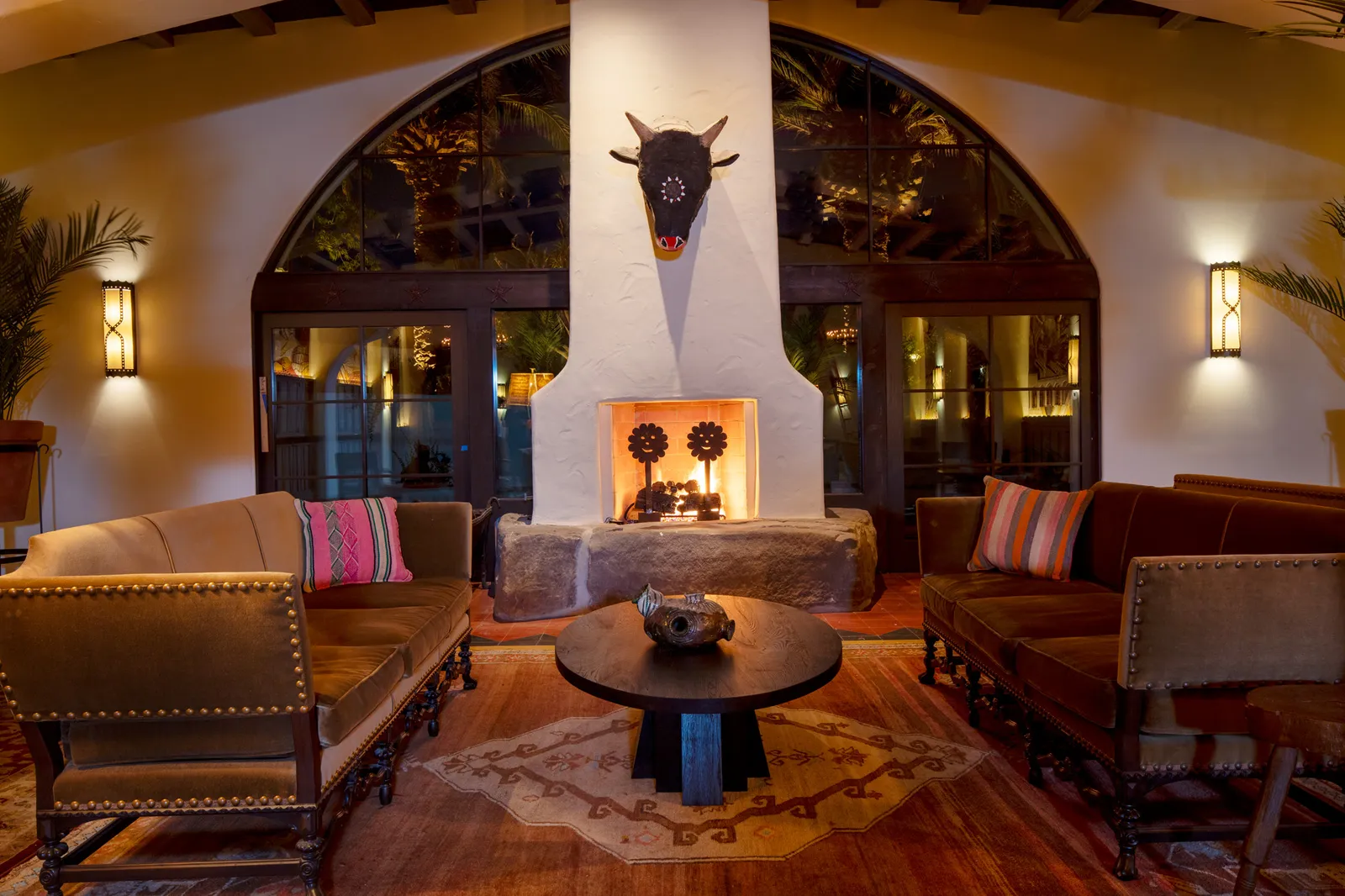
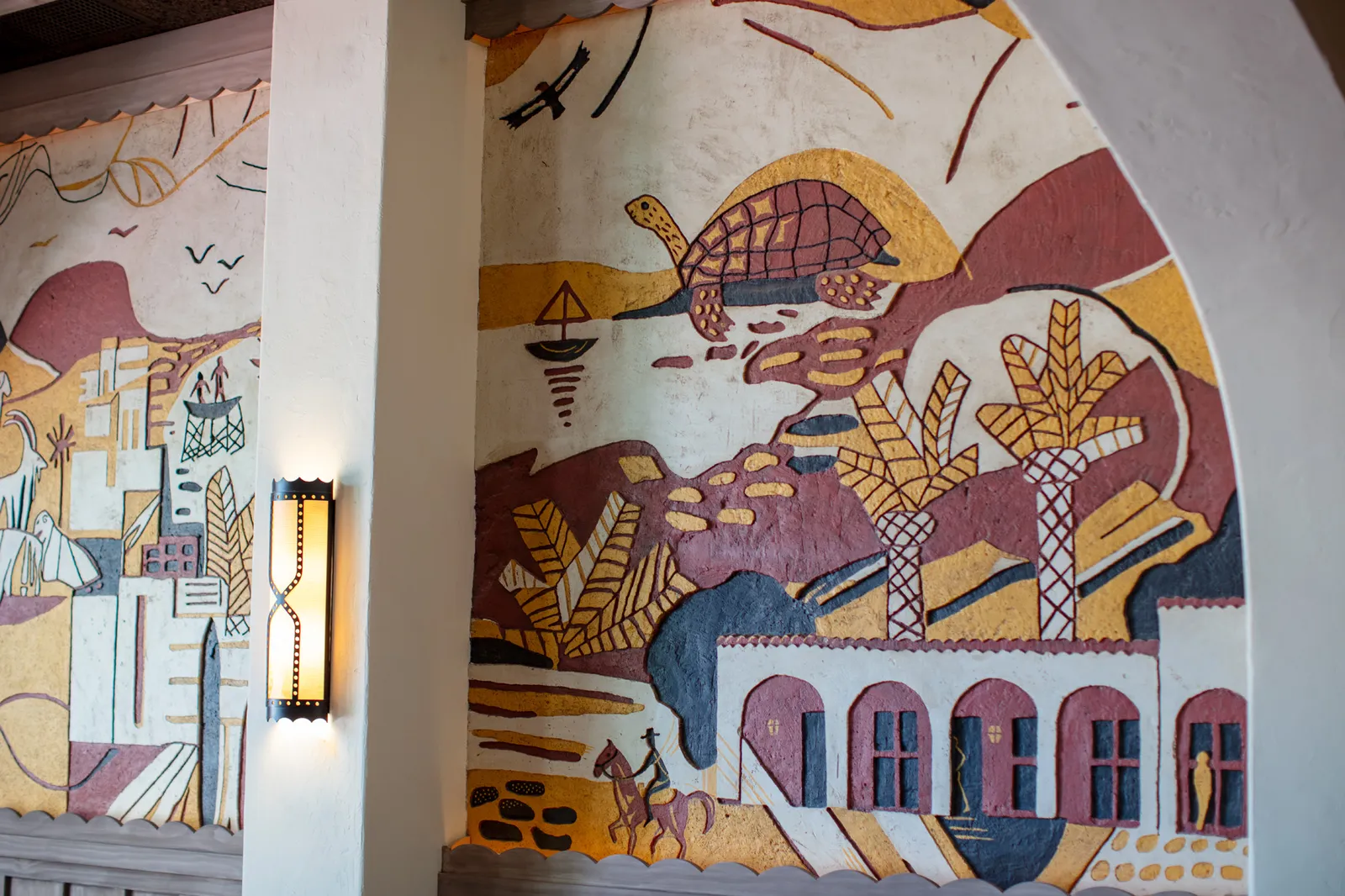
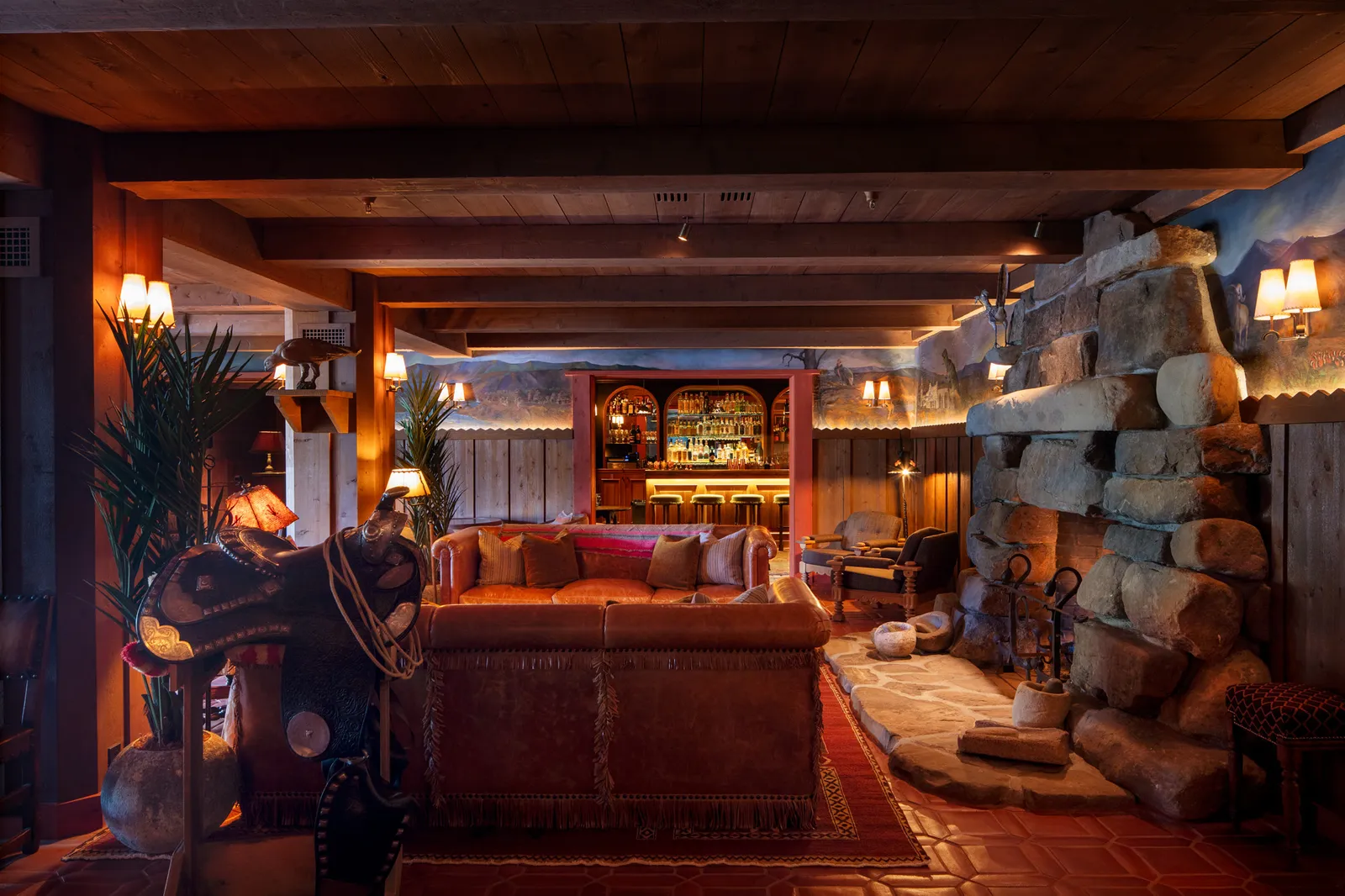
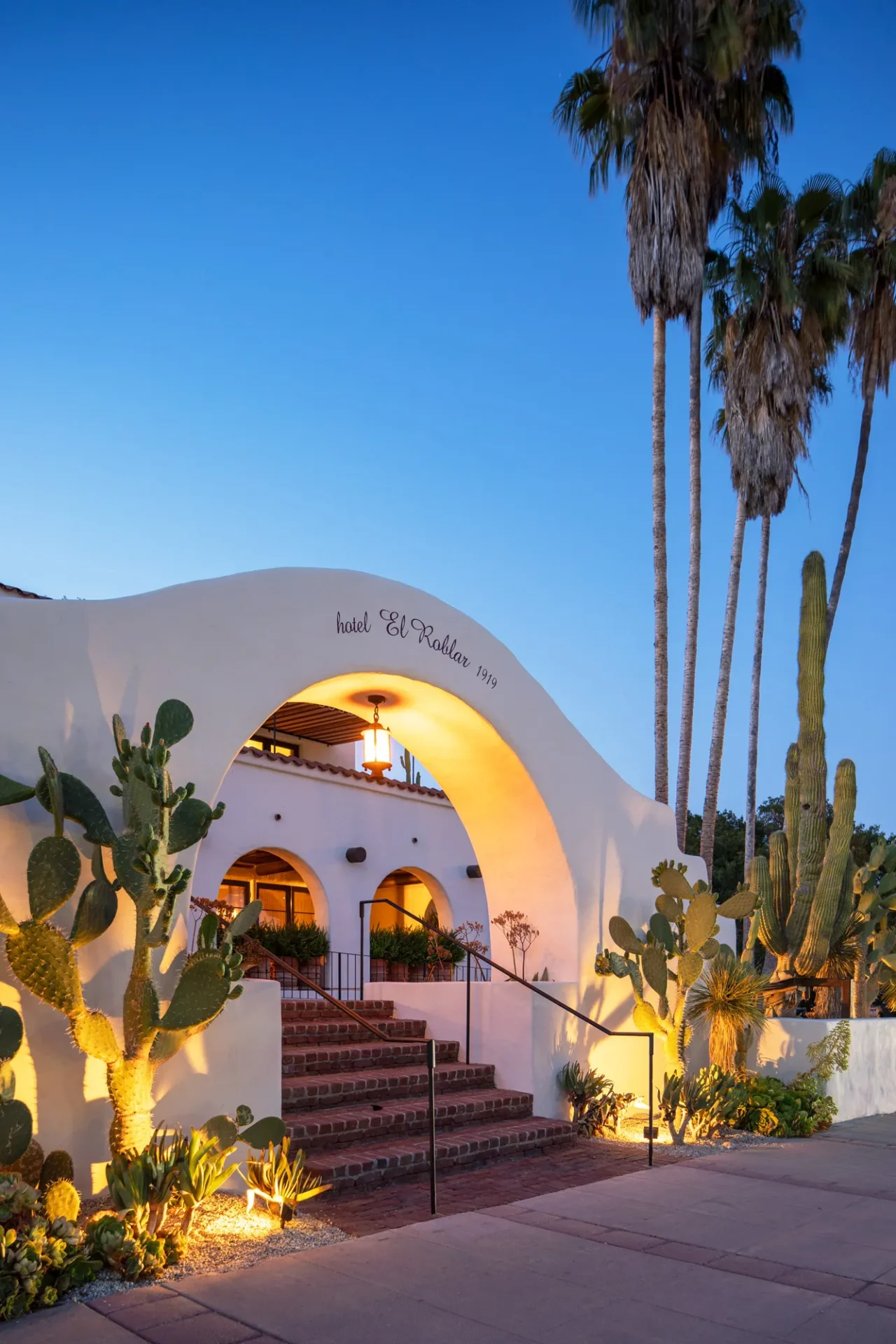
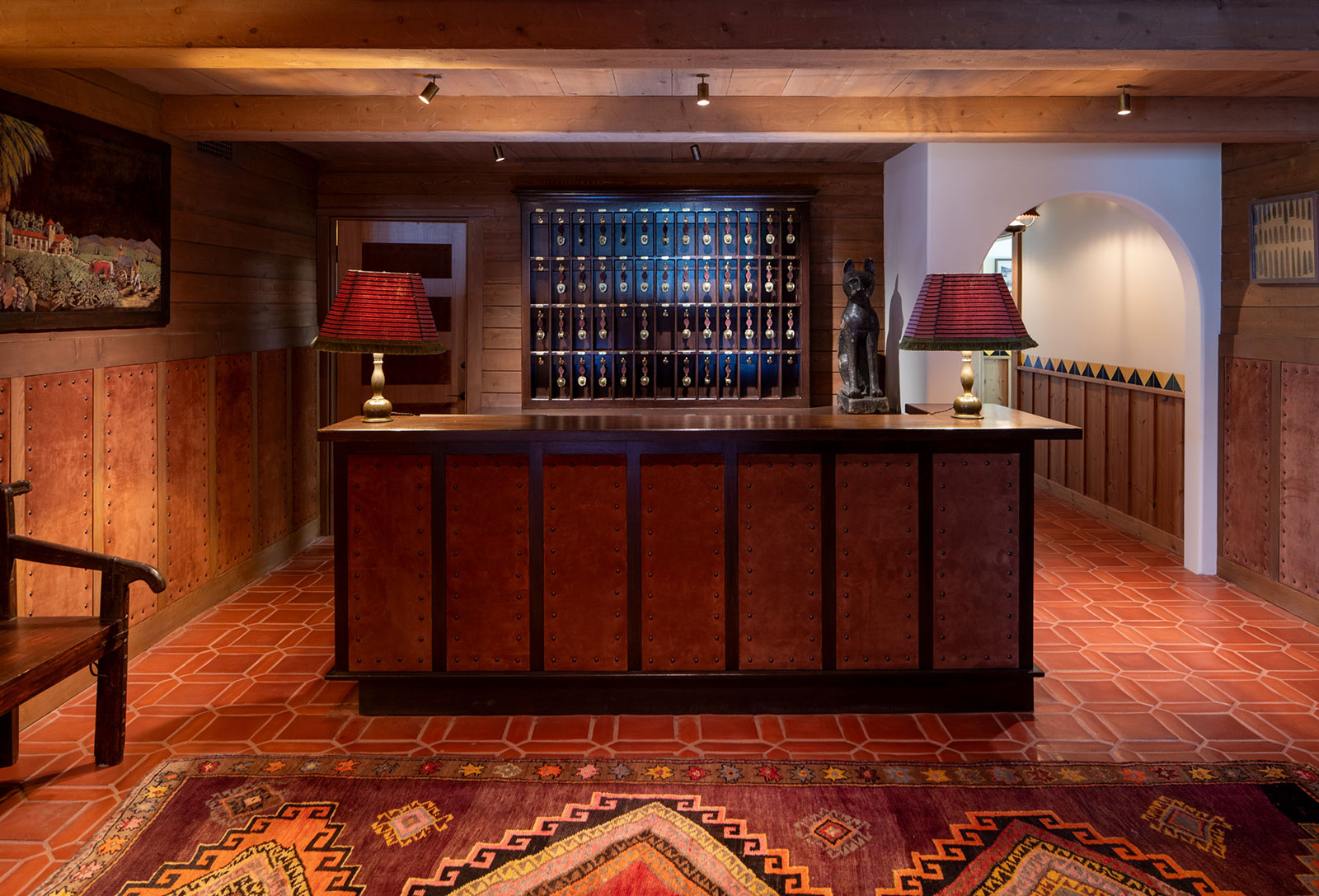
The restoration began with the building’s original 1919 architectural drawings, providing an important reference for bringing back its historic identity. The distinctive Mission-style entrance archway remains a defining feature, while the lobby’s monumental stone fireplace was meticulously reconstructed using archival photographs. Much of the building required rebuilding, yet the finished result feels reassuringly established rather than newly manufactured. Ramin Shamshiri, founder of Studio Shamshiri and formerly a partner at Commune, has approached the interiors with a sensitivity to Californian history and a collector’s instinct for interesting objects. Monterey-style furniture, dark timber, leather upholstery, antique rugs, traditional ironwork and vintage lighting create an atmosphere reminiscent of a sophisticated early-twentieth-century country club. Lighting designer Sean O’Connor helped establish the hotel’s particularly intimate evening atmosphere, favouring lamps, wall sconces and picture lights over conventional overhead illumination. The lobby is especially memorable. Leather sofas gather around the enormous fireplace, while an extraordinary mural by artist Stefano Castronovo illustrates the natural history and mythology of the Ojai Valley. Local landmarks, Indigenous history, wildlife and even a Tyrannosaurus rex appear across its walls. It is an unexpected combination, but one that perfectly captures El Roblar’s refusal to take itself too seriously.
Art and antiques are fundamental to El Roblar’s identity. More than 1,000 objects and artworks have been assembled throughout the property, sourced from local estate sales, antique dealers and the personal collections of its owners. Western landscapes, wildlife illustrations, historical photographs, Native American artefacts and curious natural-history objects appear alongside vintage furniture and contemporary artistic commissions. An informal Ojai Hall of Fame celebrates some of the town’s most interesting residents and regular visitors, including mountaineers, artists, writers and environmental pioneers. The Mariposa Ballroom contains an elaborate carved relief depicting the region’s flora and fauna, carefully restored by local craftspeople. Mexican artisans contributed decorative tiles, terracotta pots and traditional ironwork, reinforcing the architectural connections between Southern California and Mexico. The result is a hotel that feels less like a professionally decorated hospitality project and more like the accumulated possessions of several exceptionally interesting people. Everywhere you look, there is something worth examining.
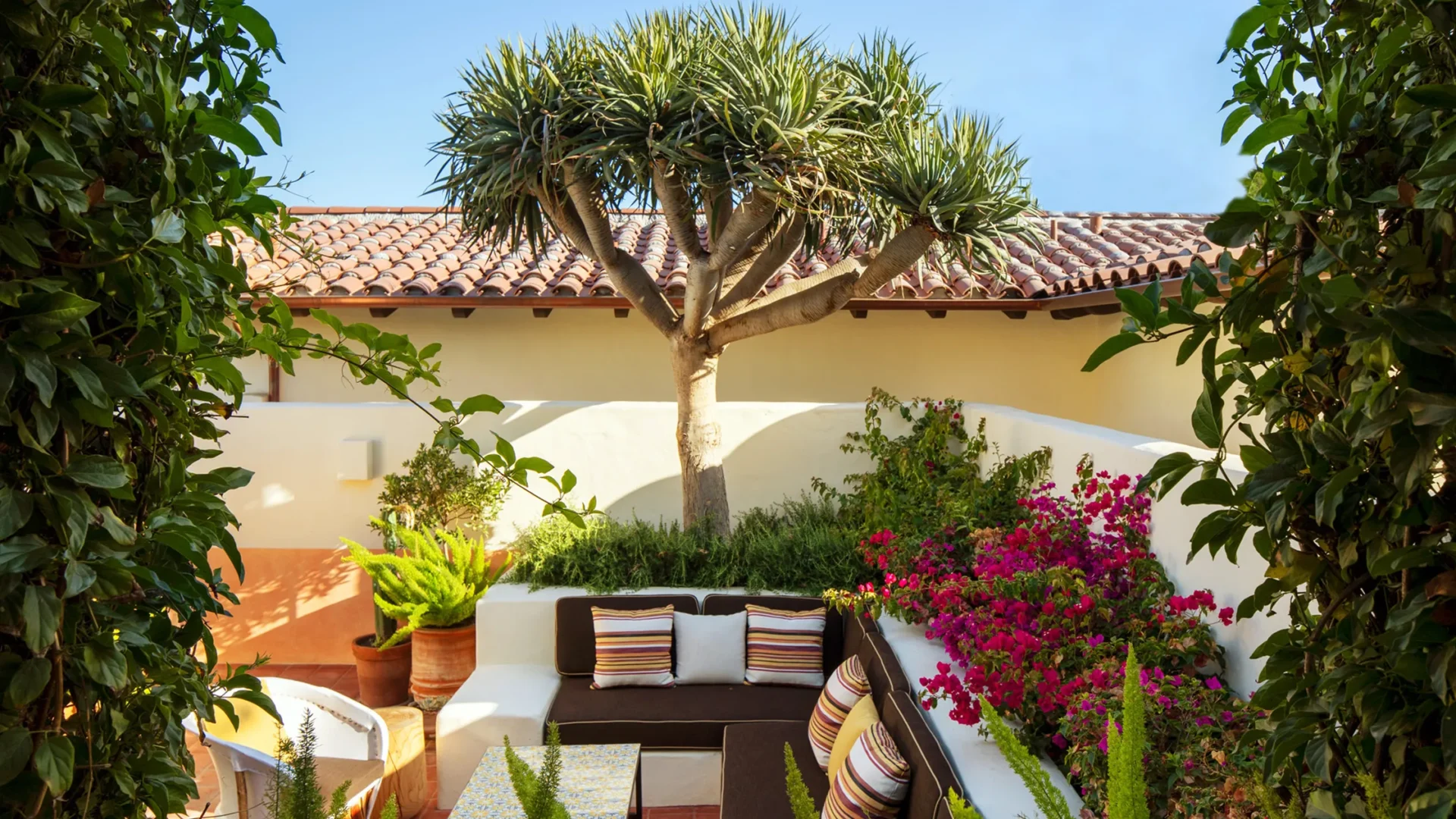
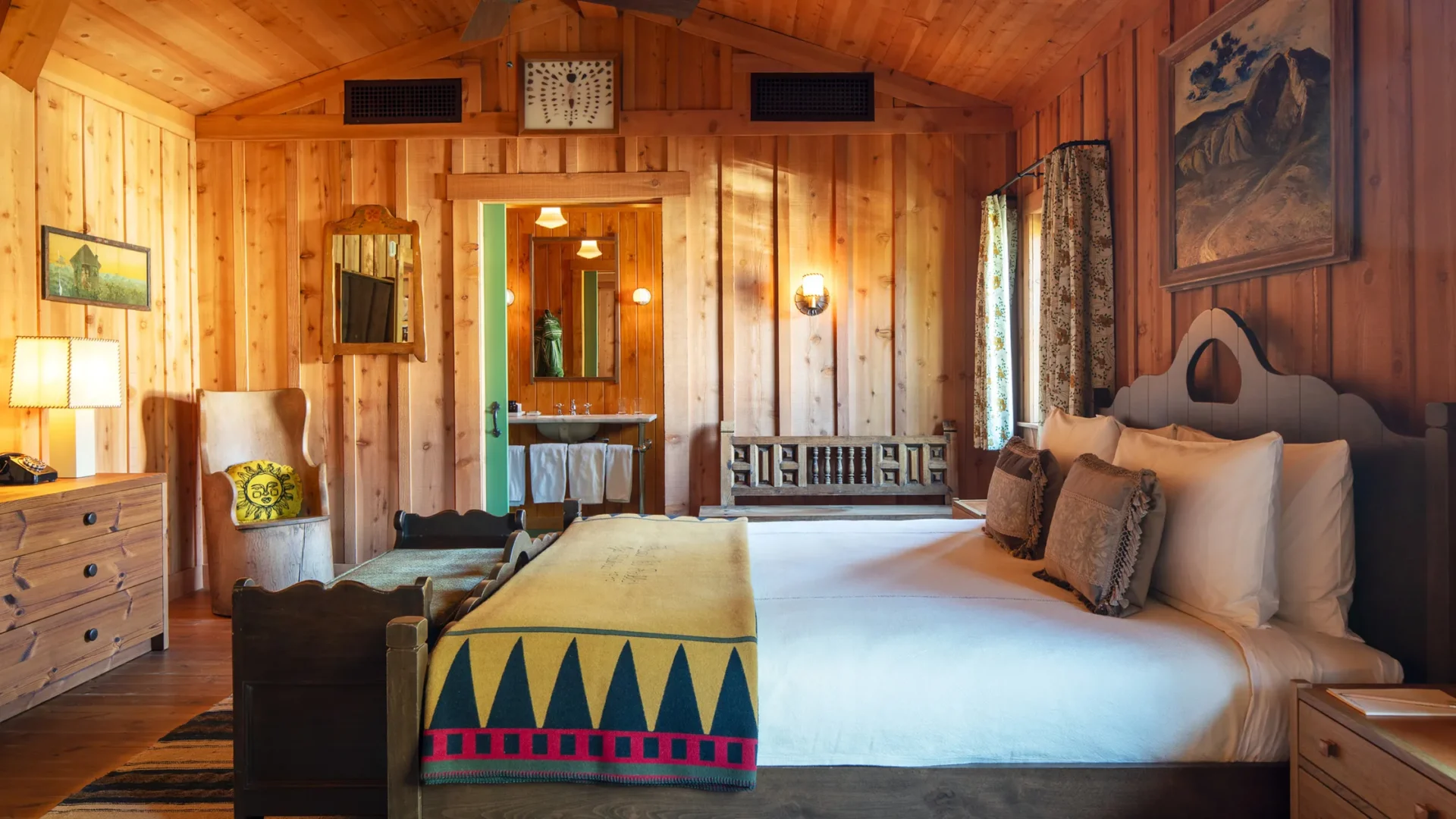
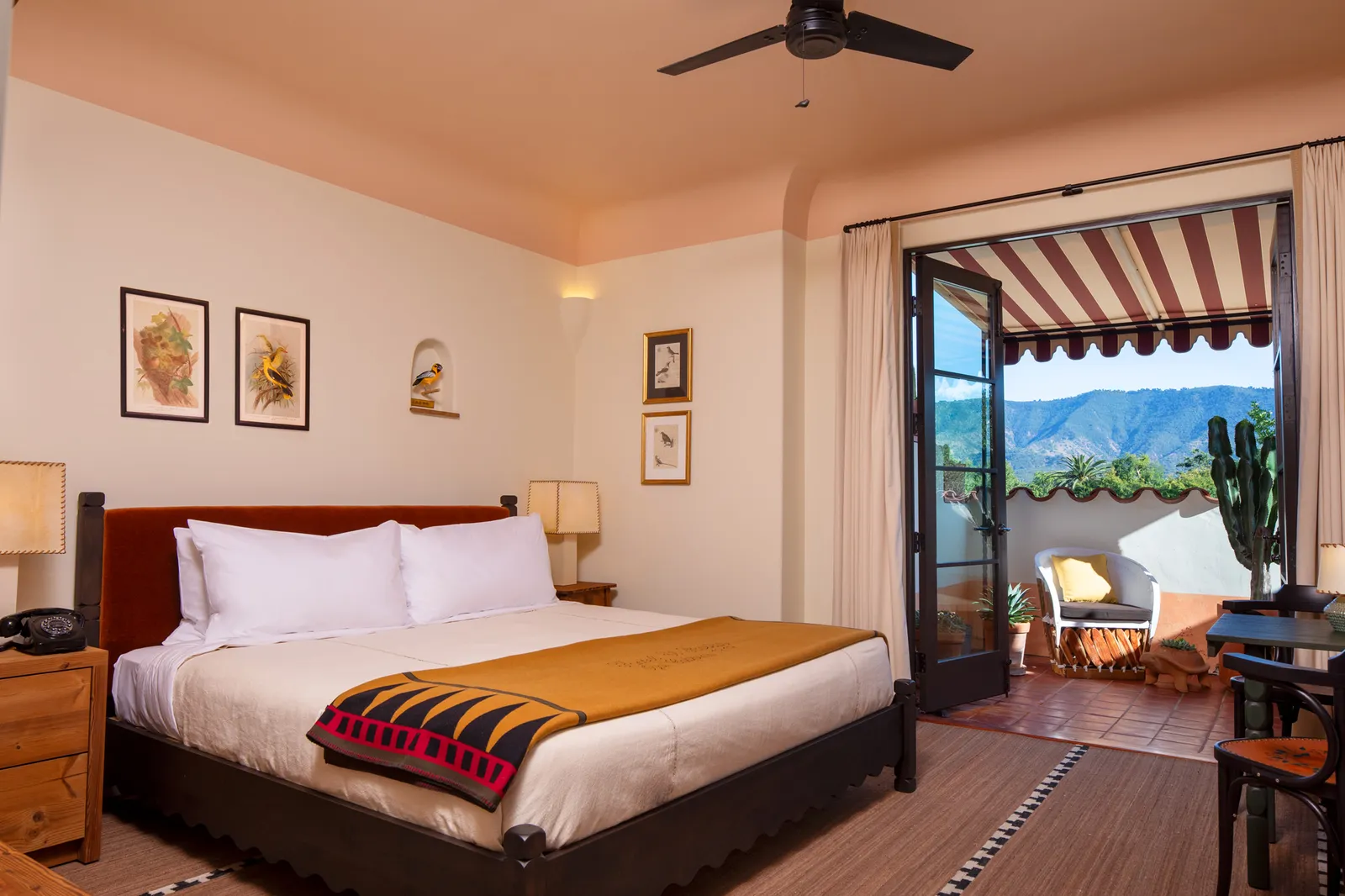
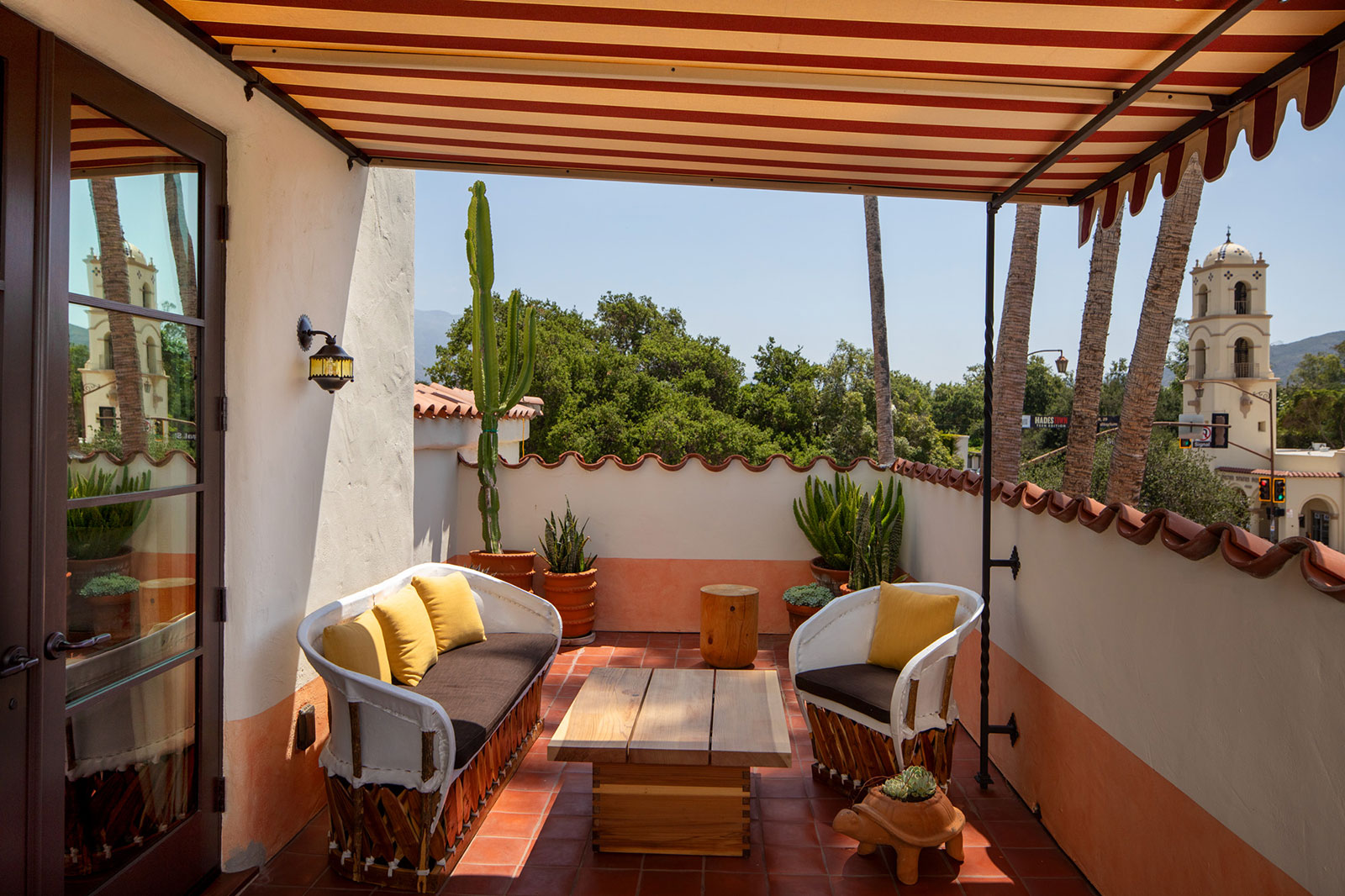
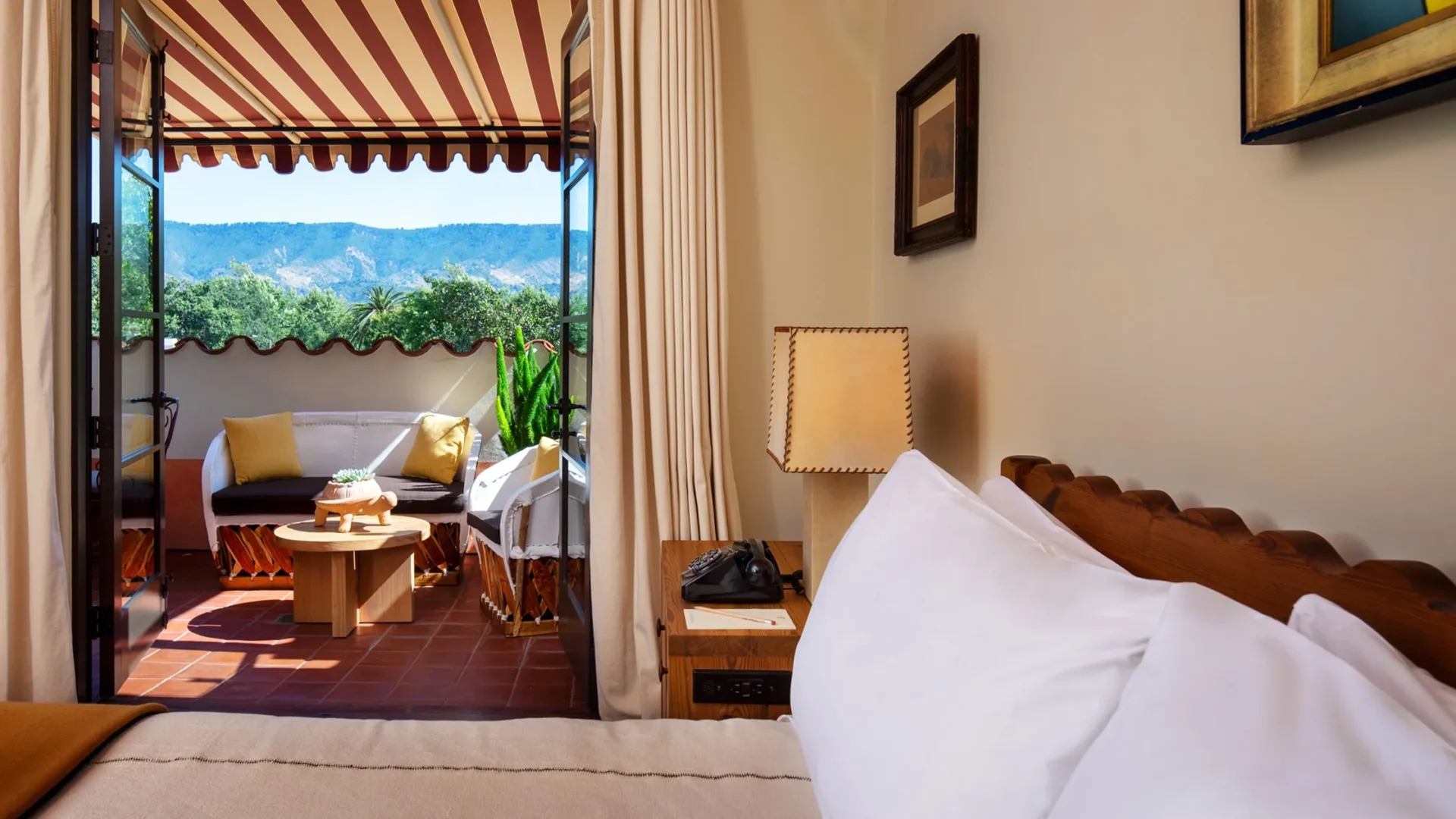
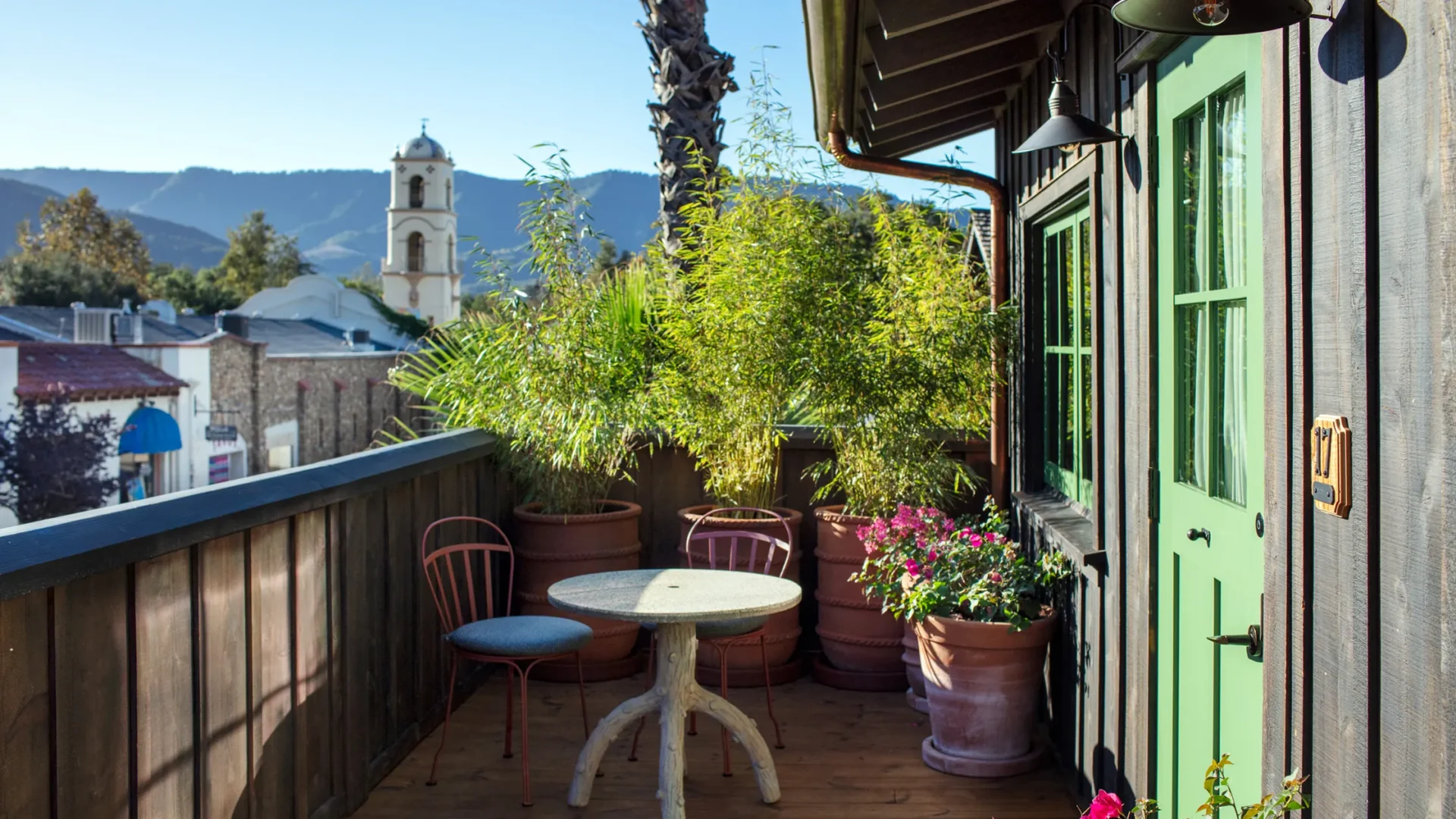
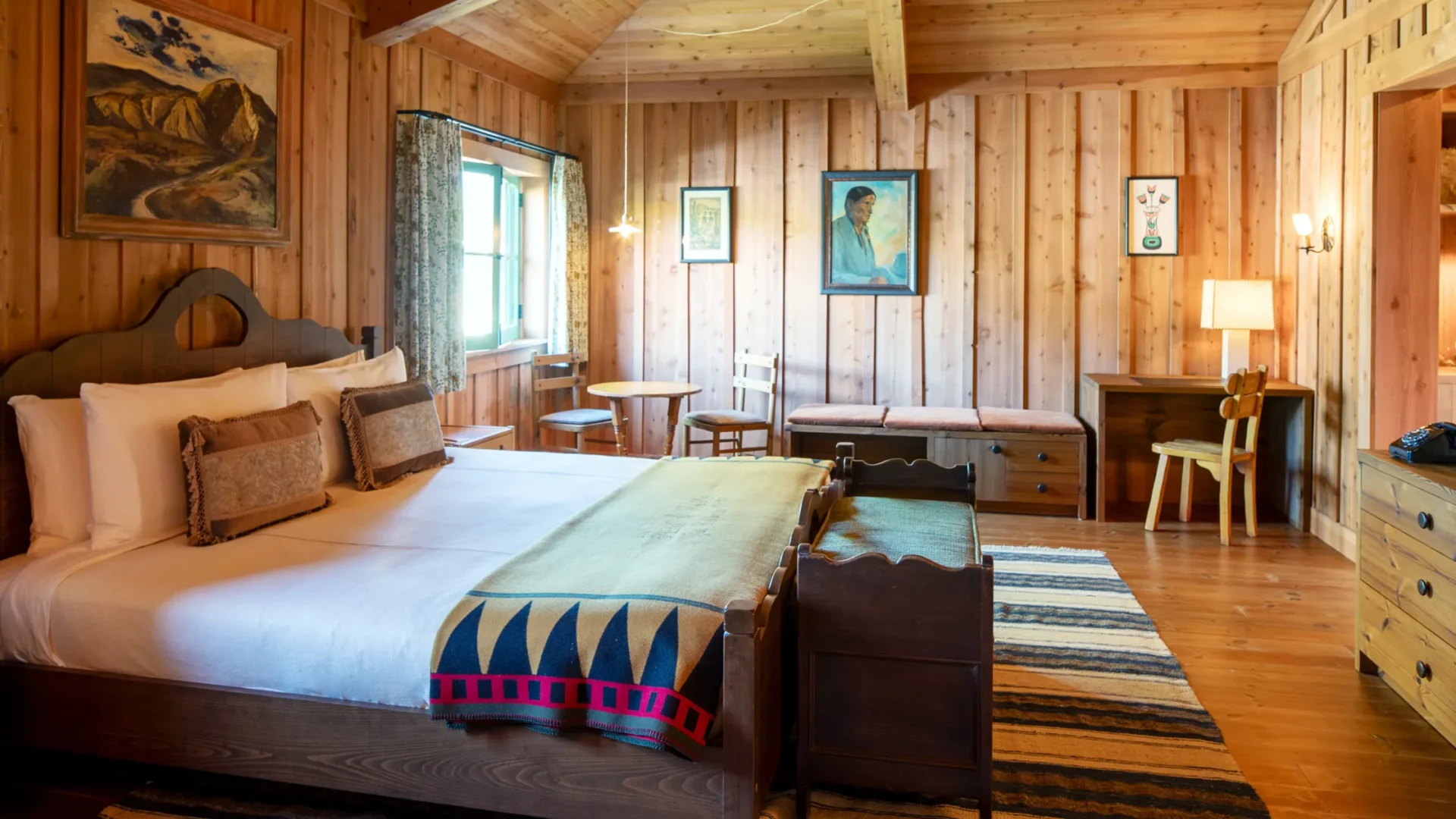
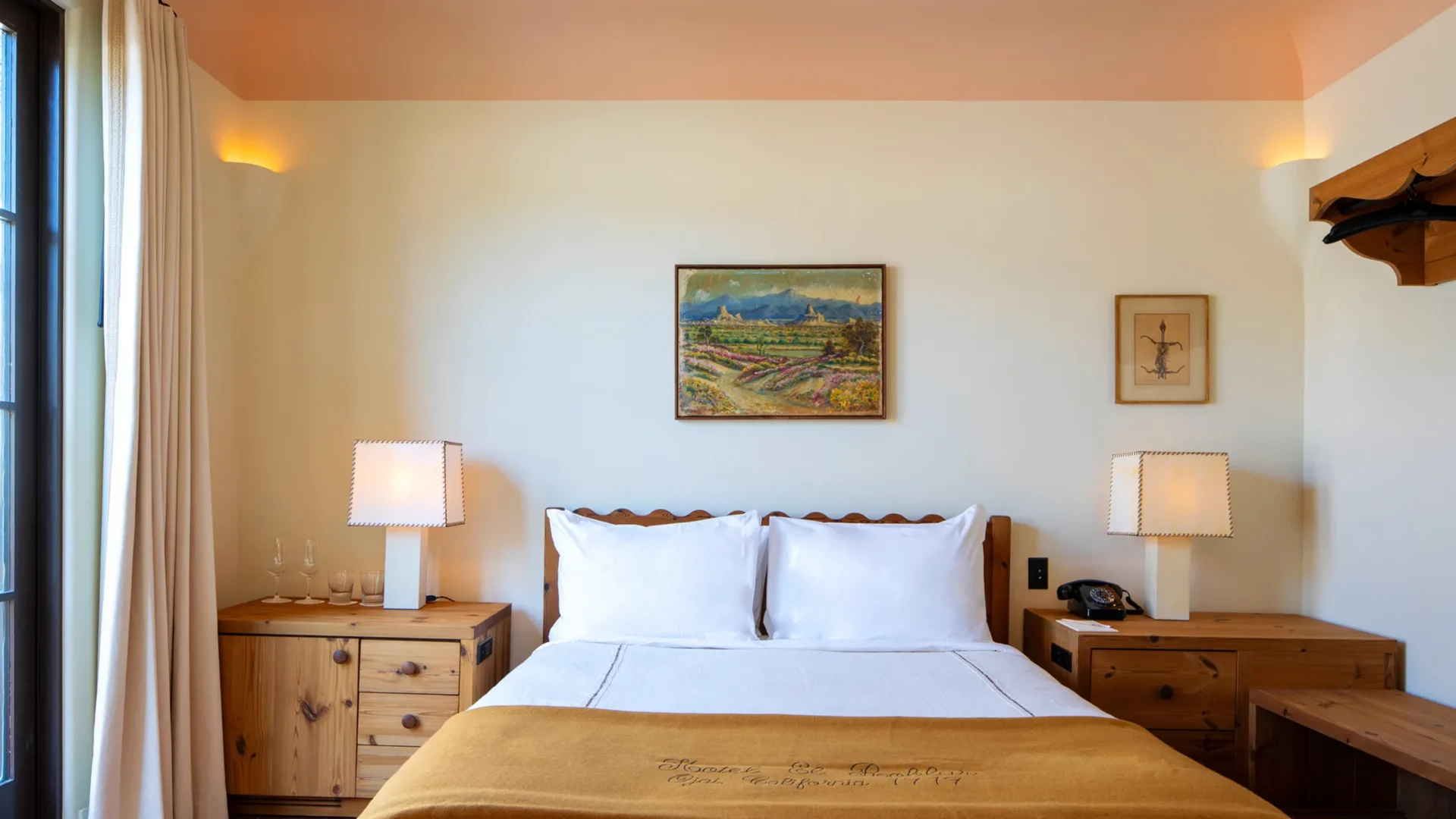
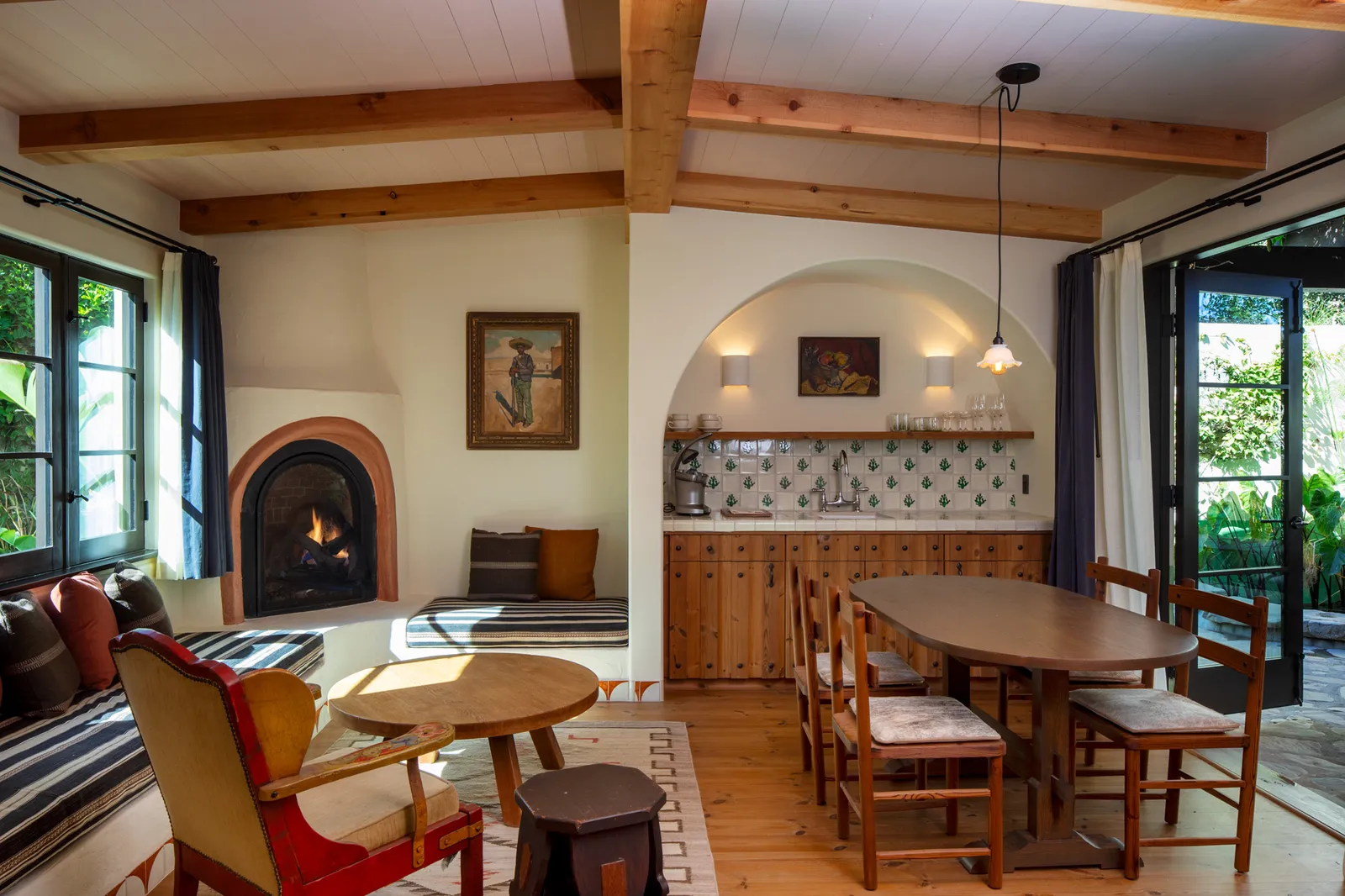
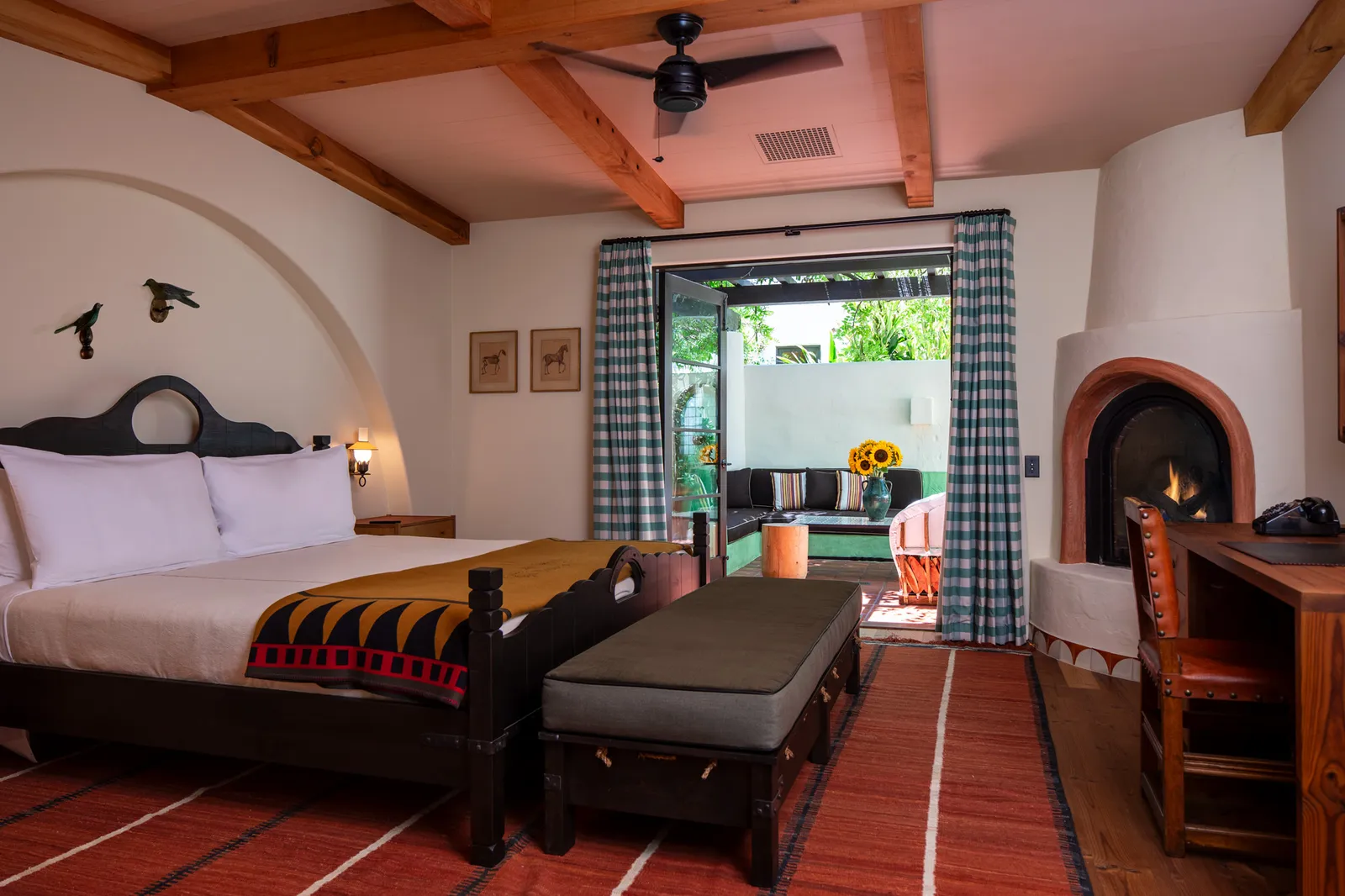
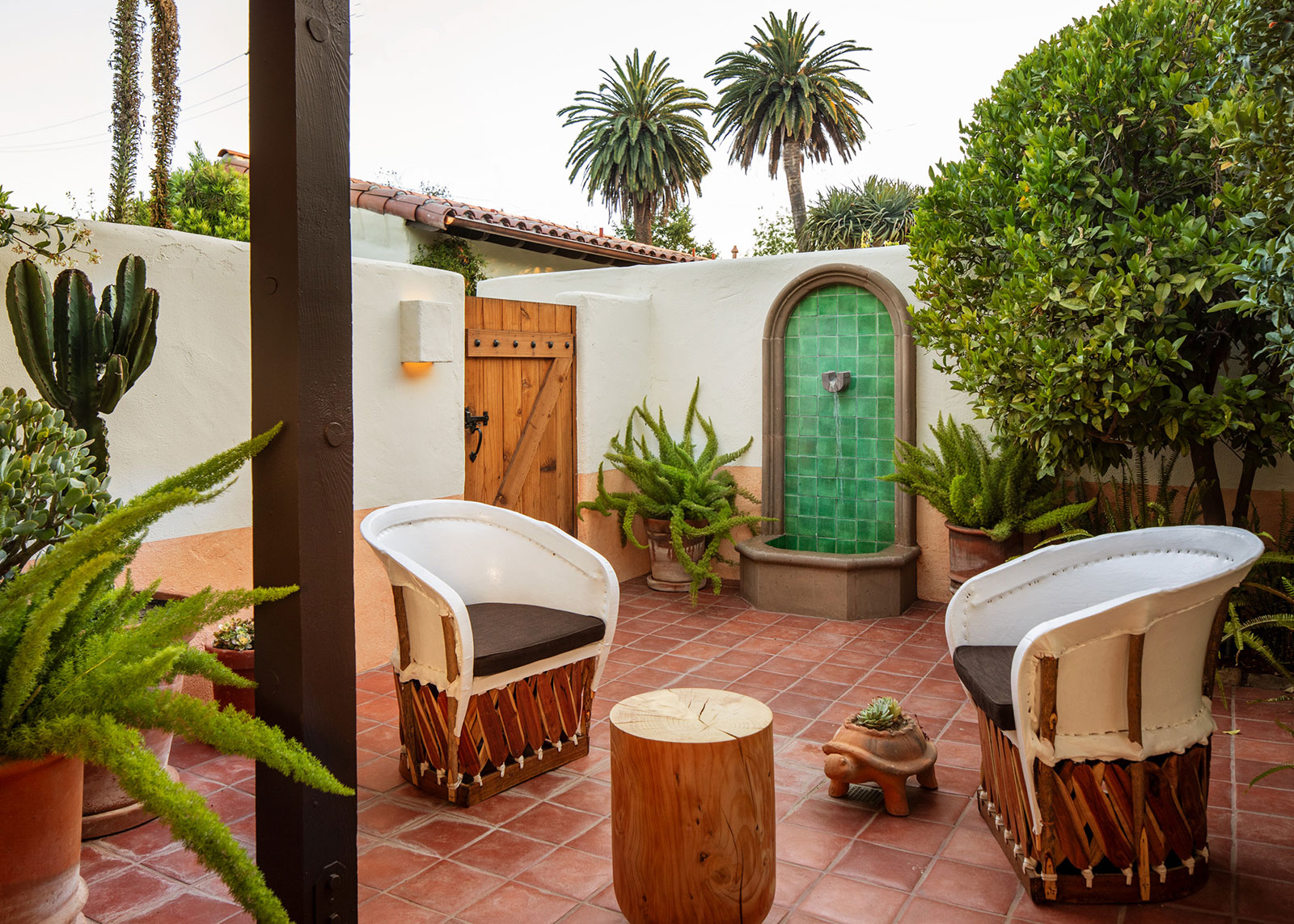
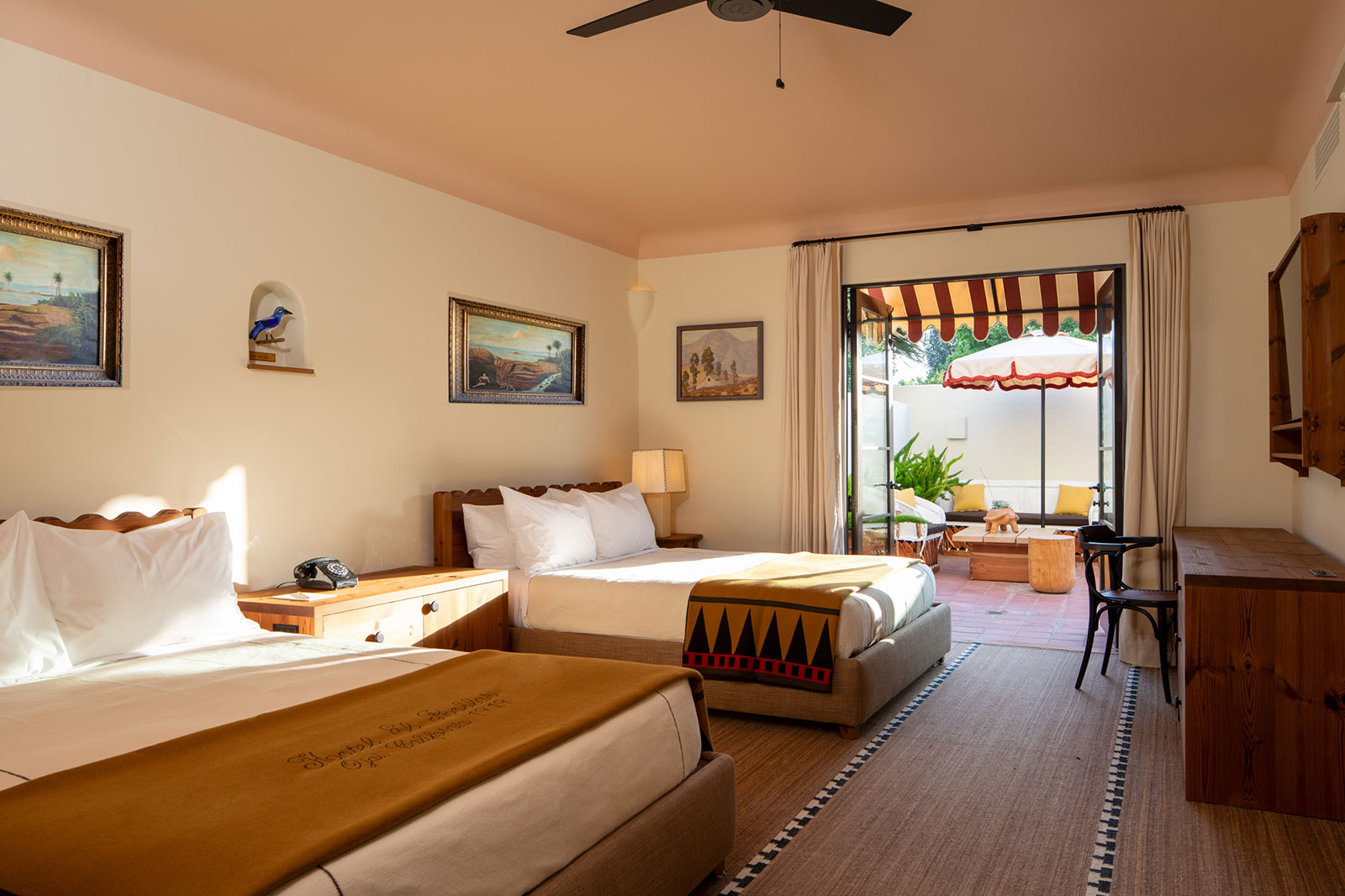
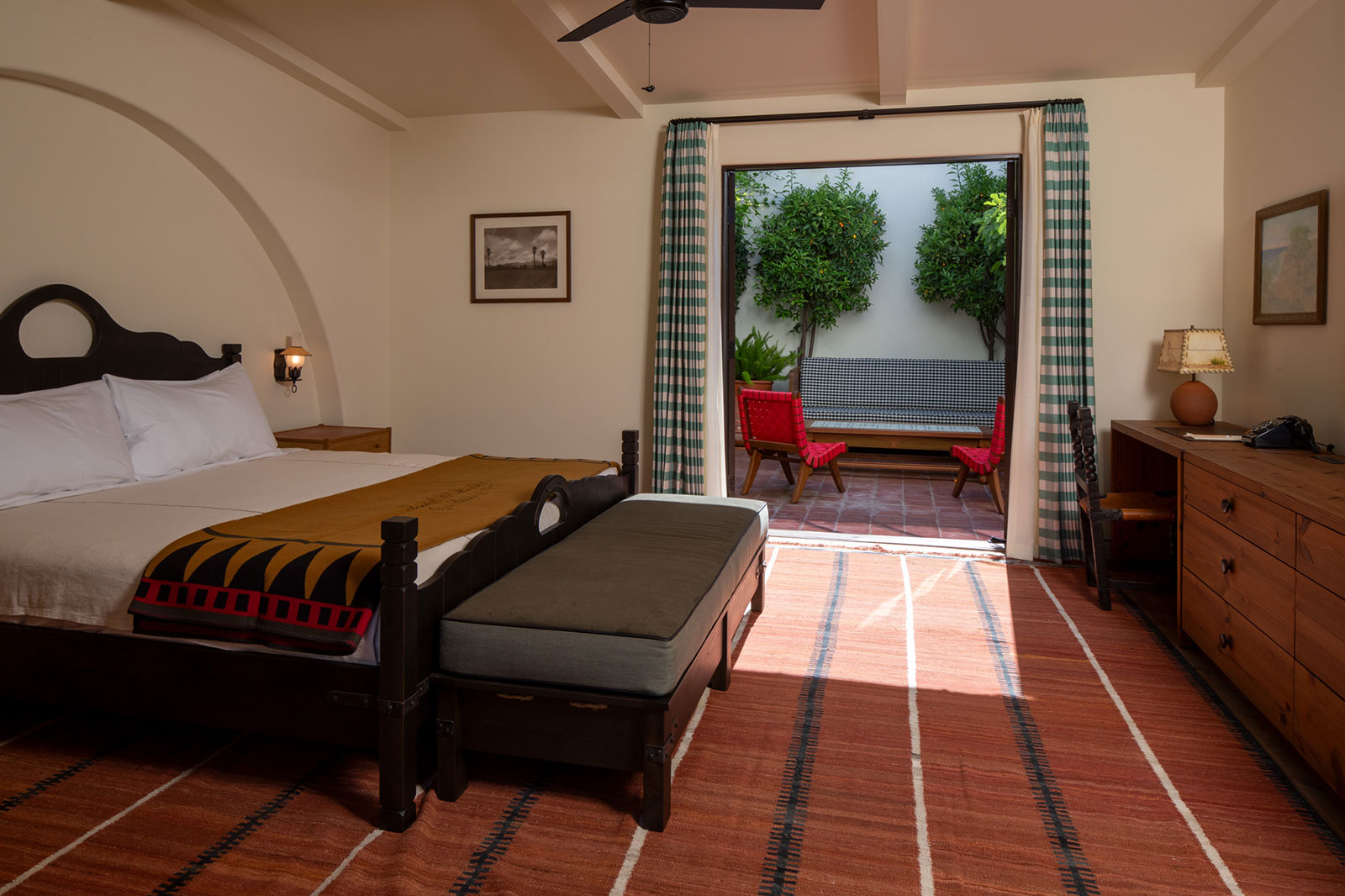
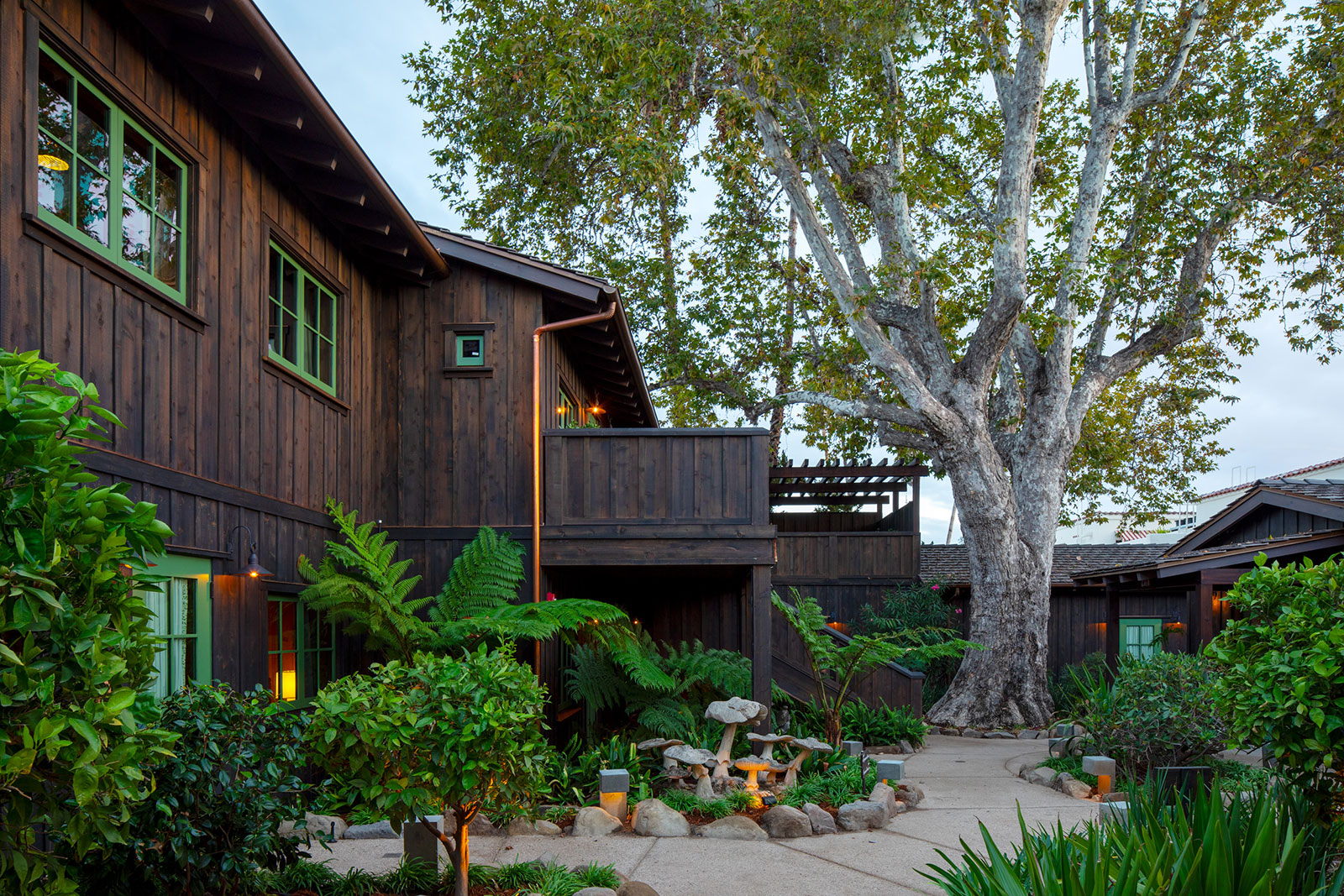
Accommodation is divided between 31 guestrooms in the original main building, 11 private bungalows and eight additional rooms in the newly constructed Sycamore House. Each offers a slightly different interpretation of the hotel’s aesthetic. The main building combines traditional architectural details with warm colours, vintage-inspired furniture, patterned tiles and views across the gardens or historic Ojai Avenue. Many rooms have private balconies or terraces, allowing guests to enjoy the valley’s famously gentle climate. The bungalows offer a more secluded experience. Set among the landscaped gardens, they feature private patios, comfortable sitting areas and fireplaces, with some incorporating small water features. Bungalow 11 even has its own koi pond. The Sycamore House introduces a somewhat moodier atmosphere, with darker timber interiors and a more rustic, cabin-like character. Throughout the property, details have been selected to reinforce a sense of place. Custom-embroidered Pendleton blankets, hand-carved birds, vintage-style telephones, Mexican ceramic tiles and beautifully made striped bathrobes contribute to the nostalgic atmosphere. Some bungalow minibars even include fresh local oranges and traditional metal citrus presses. It is the kind of thoughtful detail that makes a hotel feel personal rather than predictable.
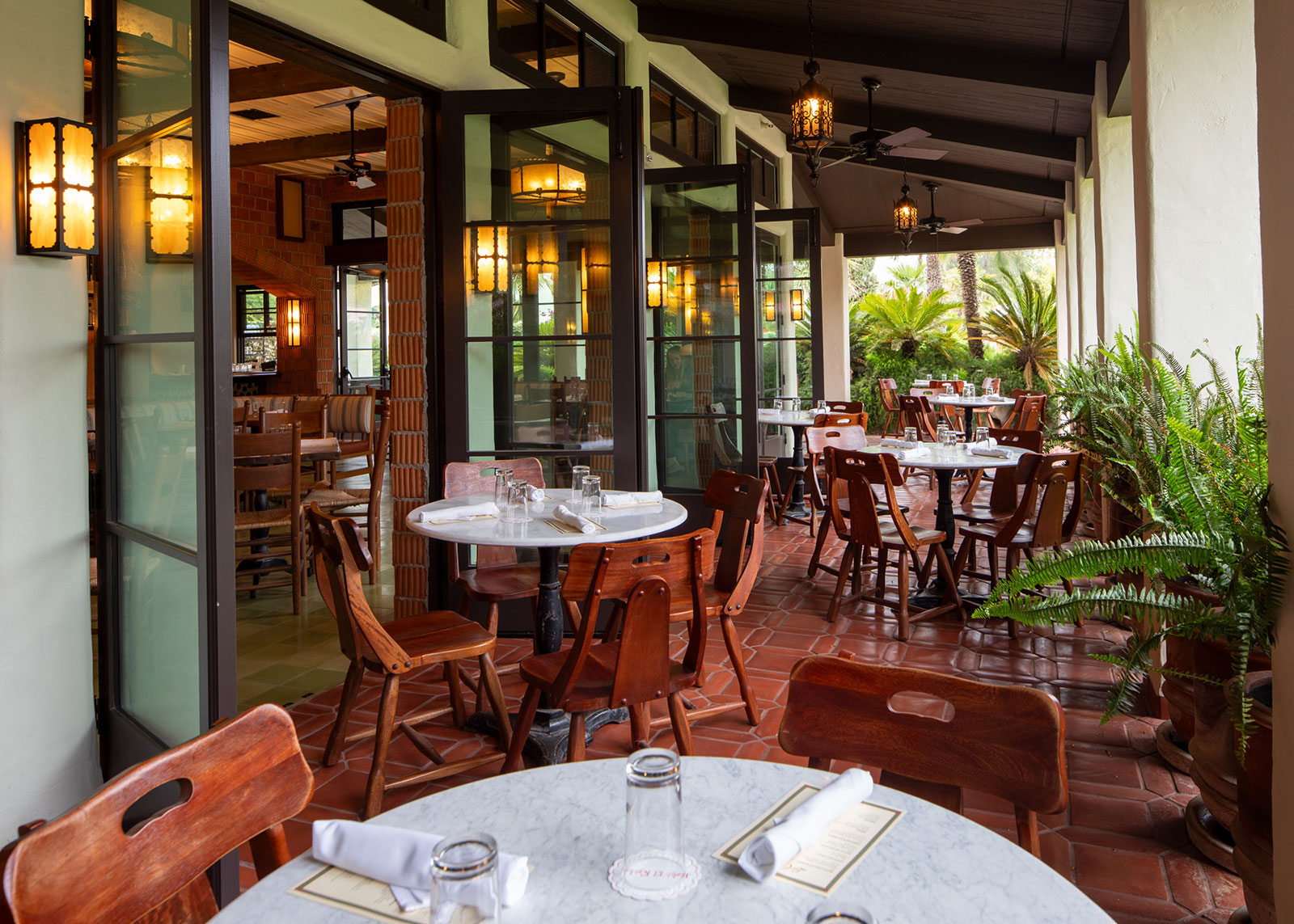
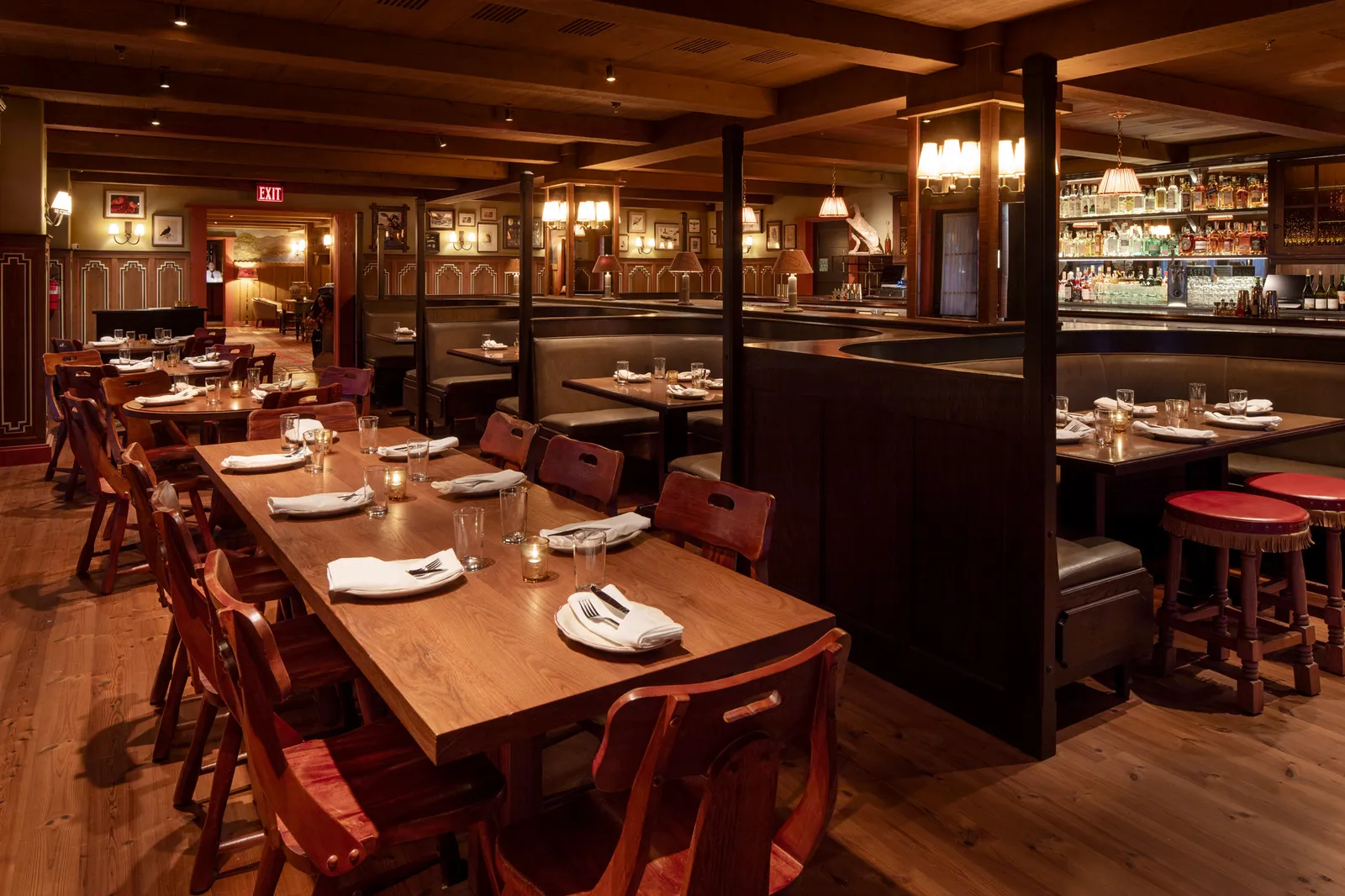
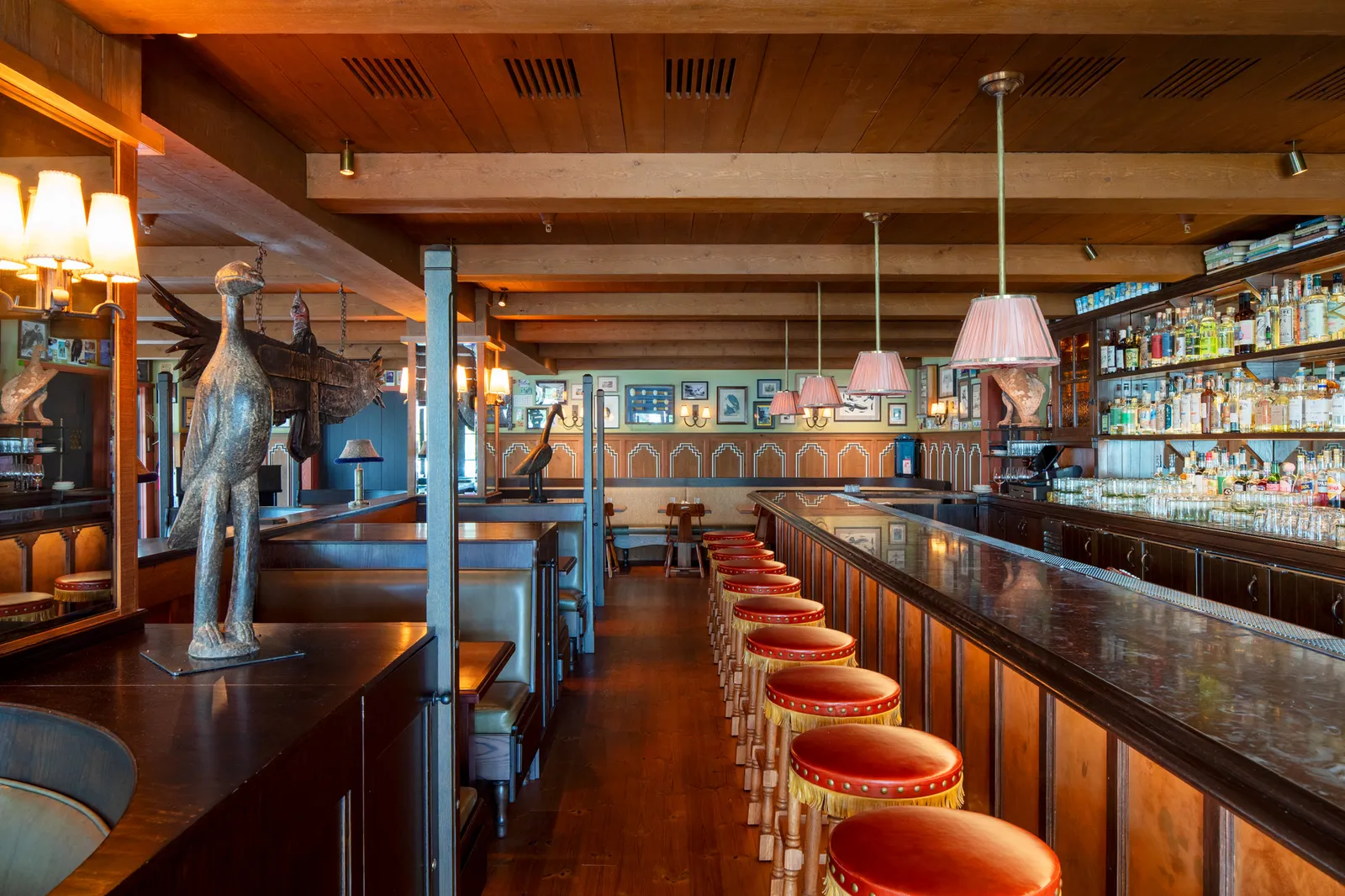
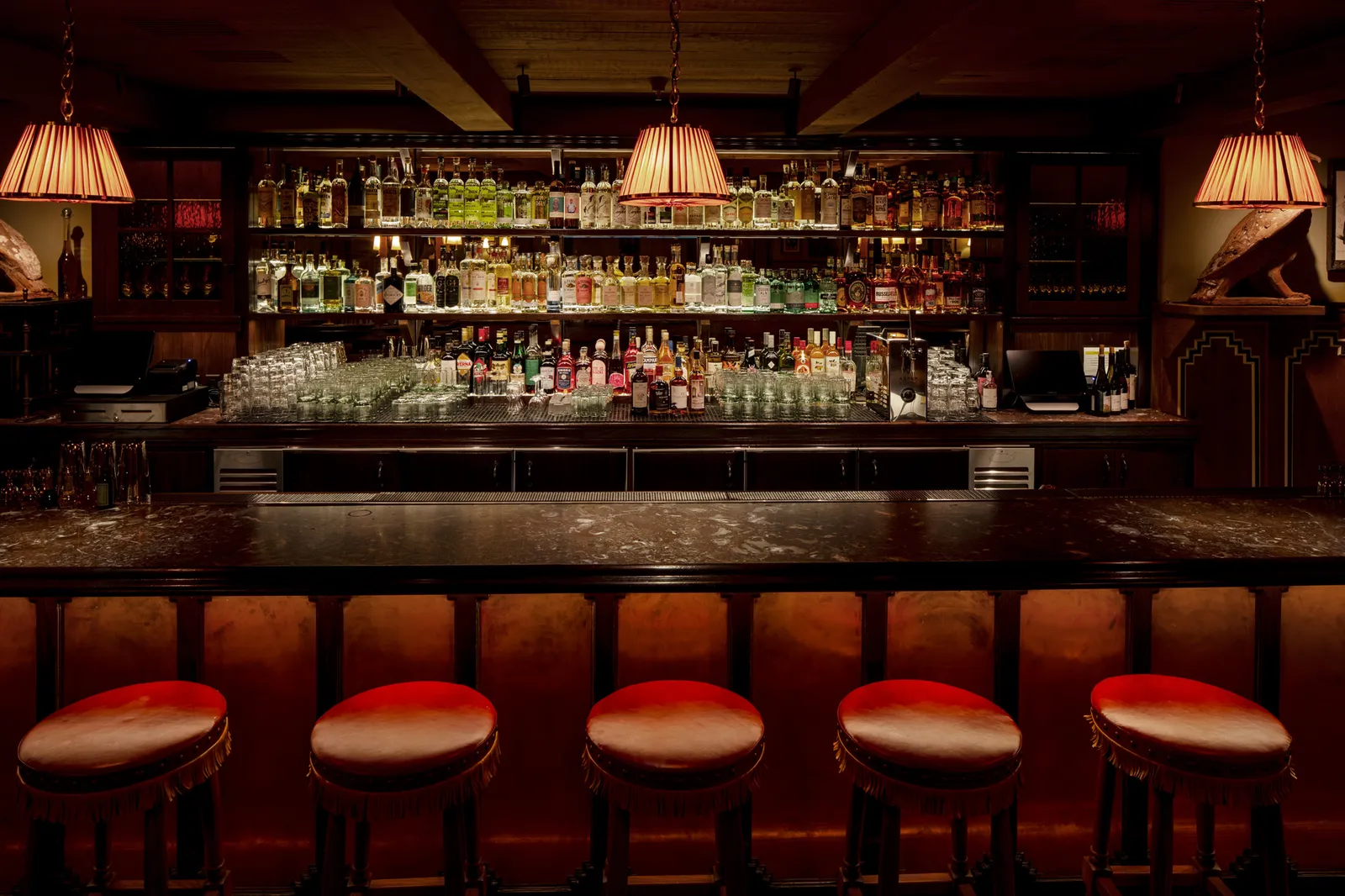
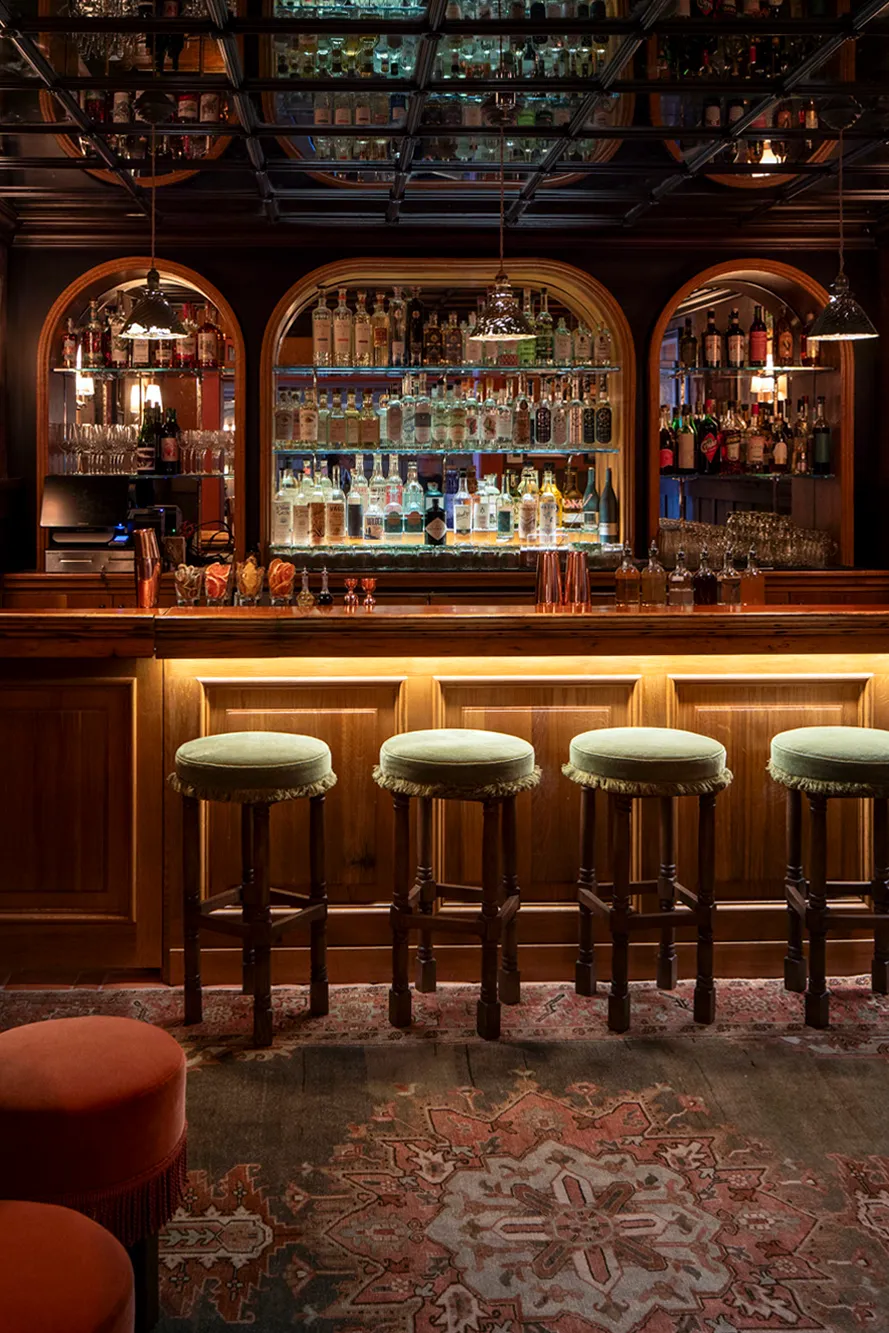
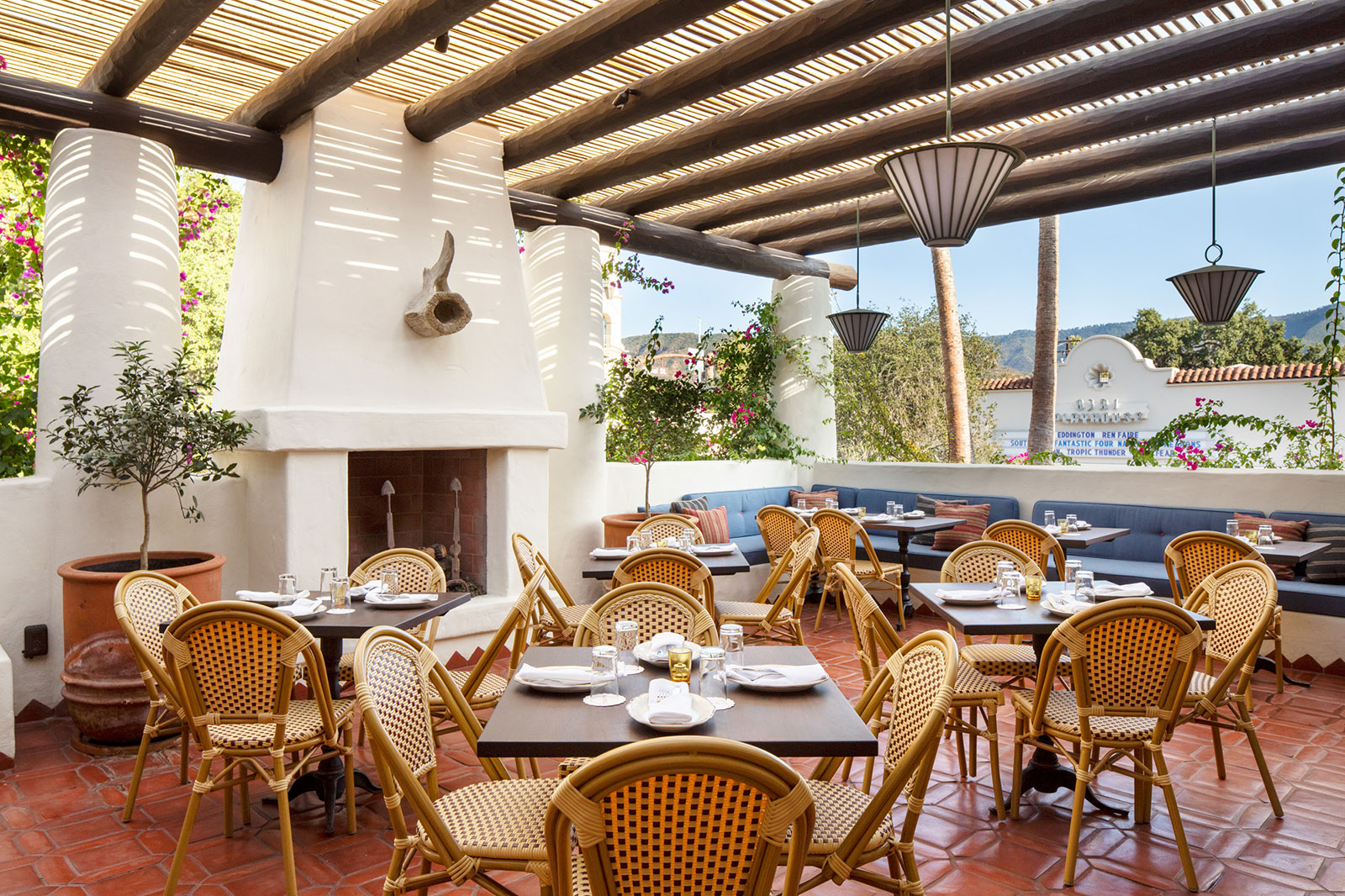
Food and drink play an important role in reconnecting El Roblar with the local community. Chef Brandon Boudet, known for his work with Southern California restaurants including Little Dom’s, oversees the hotel’s dining programme. The Condor Bar & Grill is the atmospheric centrepiece. Dark timber, intimate booths and an extraordinary collection of bird-related artworks give the restaurant the character of an eccentric natural-history club. The name celebrates the endangered California condor, whose conservation remains closely connected to the nearby Sespe Wilderness. Vintage illustrations, old banknotes, bird skulls and historical ephemera fill the walls, creating a setting that is both theatrical and surprisingly cosy. The menu draws on California’s culinary traditions, incorporating Mexican influences, seasonal produce, fresh seafood and cooking over a Santa Maria-style wood-fired grill. Elsewhere, La Cocina provides a more relaxed setting for breakfast and lunch, overlooking the gardens and serving everything from pastries and fruit to traditional Mexican-inspired breakfast dishes. For cocktails, the intimate Snug Bar beside the lobby fireplace is particularly appealing. As evening arrives, locals and hotel guests gather around the bar and restaurant, restoring something of El Roblar’s original role as a social meeting place for Ojai.
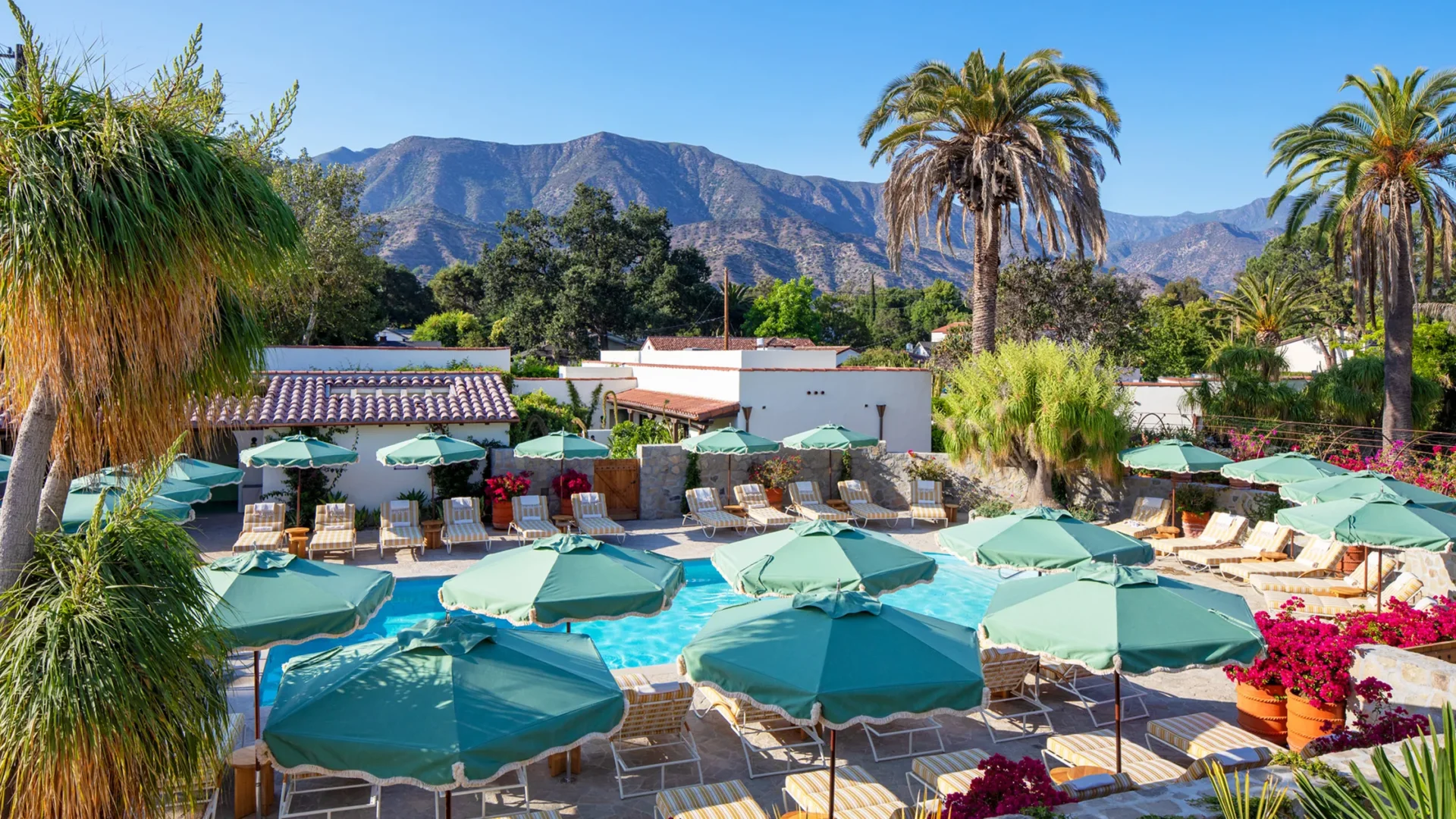
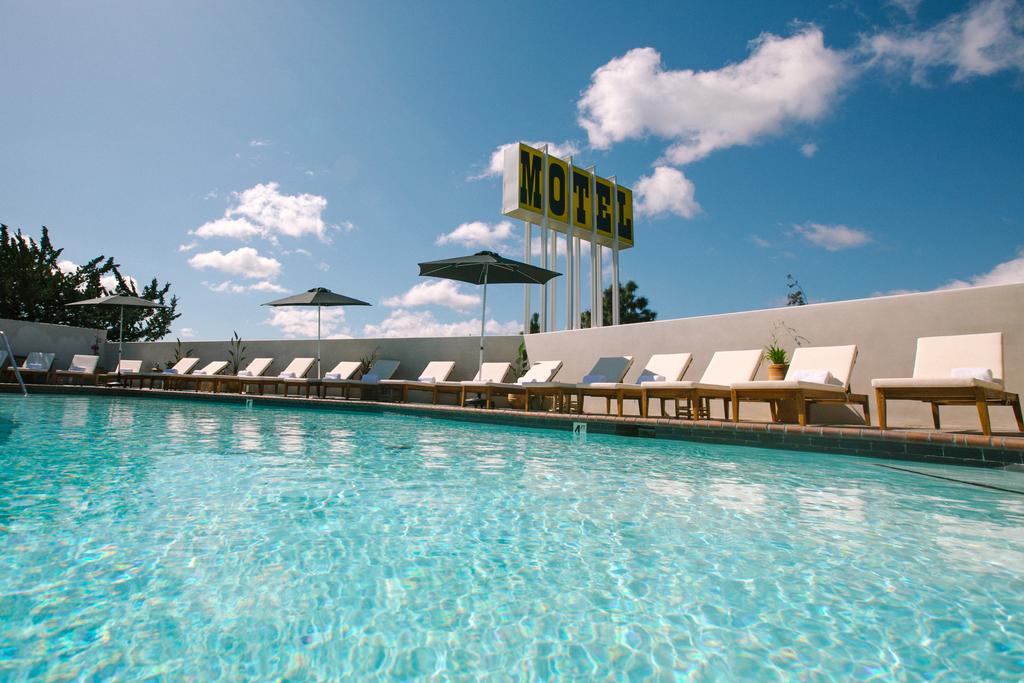
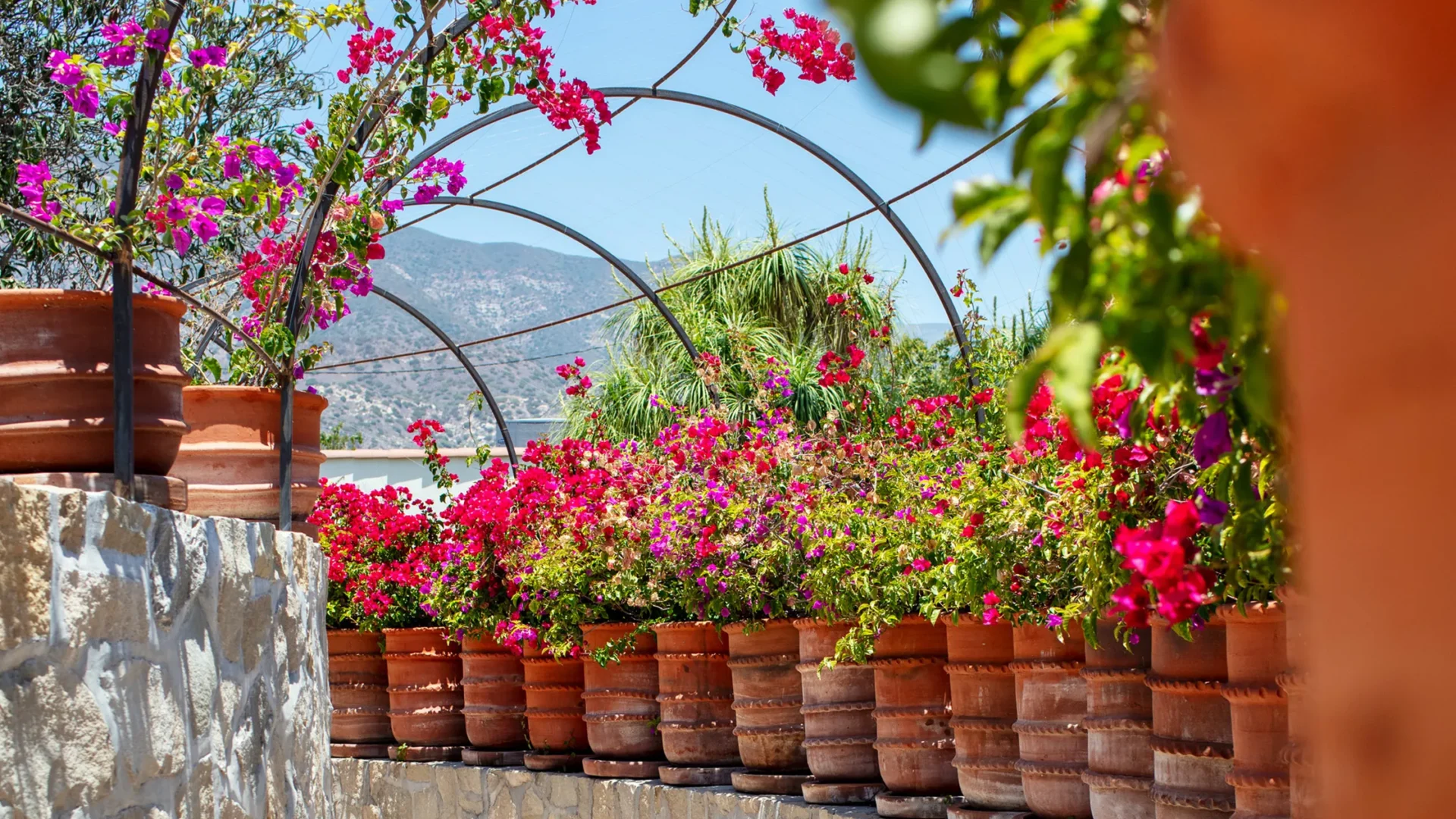
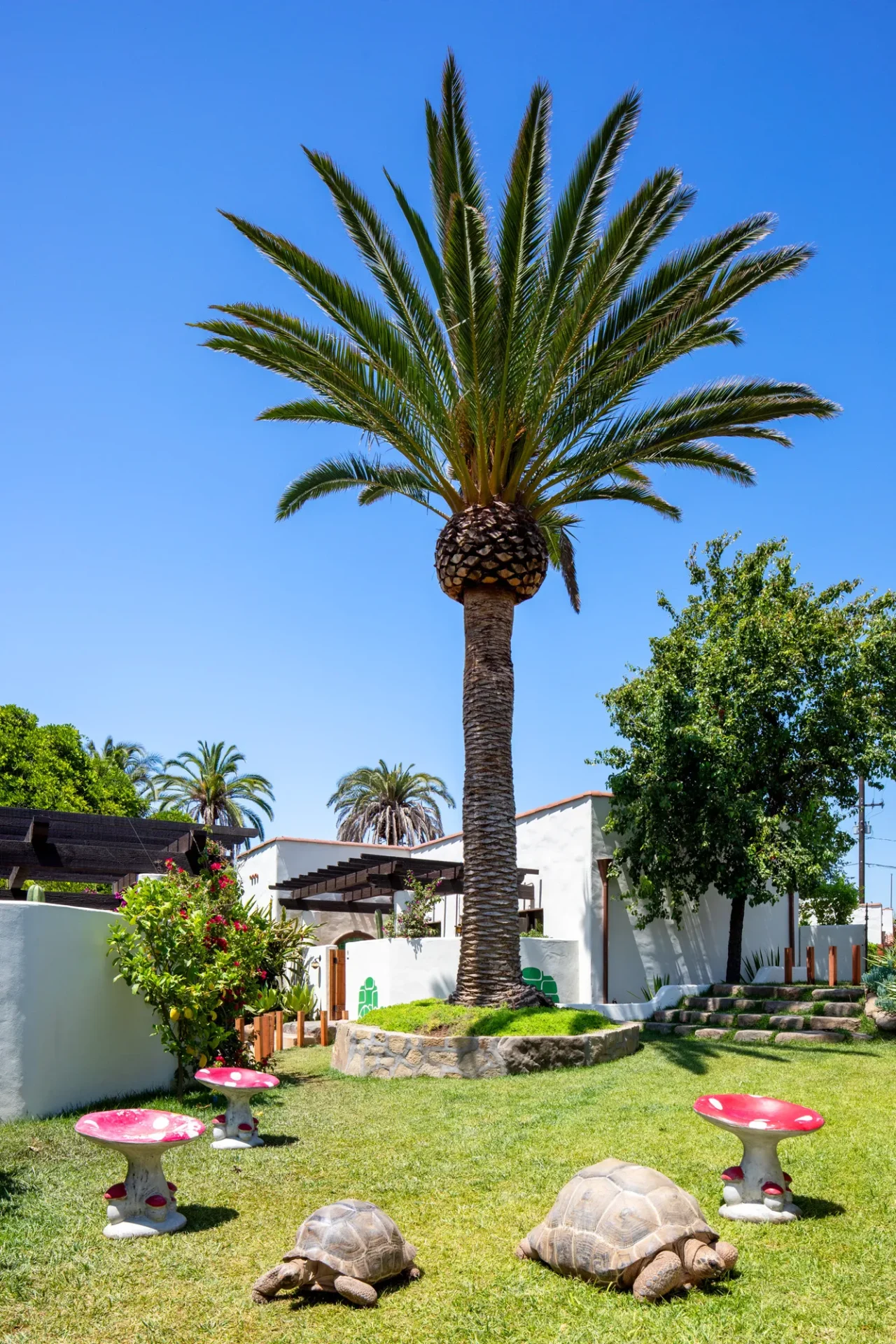
Beyond the historic building, El Roblar’s two-acre grounds provide another reason to linger. Palms, bougainvillea, agave, terracotta planters and traditional fountains establish a distinctly Californian landscape, with the Topatopa Mountains rising in the distance. The swimming pool could almost belong to a particularly glamorous 1950s motel. Striped loungers, fringed umbrellas, private cabanas and colourful planting create an atmosphere of relaxed nostalgia, while the surrounding gardens provide welcome privacy. Late afternoon is especially beautiful, when the mountains begin to take on the pink and lavender tones that have made Ojai’s sunsets famous. The hotel’s most unusual residents are also found in the gardens. Abra and Cadabra, two giant Aldabra tortoises from Eric Goode’s nearby Turtle Conservancy, have become unlikely local celebrities. Their presence is more than a charming eccentricity. Conservation is an important part of Goode’s work, and guests can arrange visits to the conservancy to learn about its efforts to protect endangered turtles and tortoises. A small gym and complimentary bicycles complete the current facilities, while a dedicated spa is planned for 2027. For now, the emphasis remains firmly on swimming, exploring and doing very little indeed.
Ojai has always attracted an unconventional mix of artists, writers, musicians, environmentalists, spiritual seekers and Hollywood personalities looking for somewhere less conspicuous than Los Angeles. Located around 90 minutes northwest of the city, the small town occupies a beautiful valley surrounded by the Los Padres National Forest and the Topatopa Mountains. Its distinctive east-west orientation contributes to the celebrated Pink Moment, when the mountains glow in the final light of the day. The town centre retains an unusually independent character, with historic Spanish Revival architecture, small galleries, vintage shops, cafés and restaurants. El Roblar sits directly on Ojai Avenue, making much of the town accessible on foot. Across the street, the beautifully restored Ojai Playhouse continues the tradition of independent cinema, while nearby Libbey Bowl hosts concerts and cultural events. Bart’s Books, the famous open-air bookshop, is another local institution worth discovering. Beyond town, hiking trails, citrus groves, mountain landscapes and quiet country roads provide plenty of opportunities to explore the valley. What makes El Roblar particularly successful is how naturally it fits into this environment. Its Spanish Revival architecture, collected interiors, eccentric artworks and conservation connections reflect different aspects of Ojai’s identity without reducing the town to a decorative theme. There is nostalgia here, certainly, but also a genuine sense of community and contemporary creativity. El Roblar feels like the sort of place where an Old Hollywood actor, an environmental activist and a contemporary artist might all find themselves sharing a drink beside the fireplace. And somehow, nobody would find that particularly unusual.
Information
At a glance
Opened / Renovated
1919, renovated 2025
Size matters
50 rooms, including 11 suites (22-57m2) (245-615 sq ft)
Interior design
Studio Shamshiri
The Small Print
adult-only: 18 y.o. and over (see hotel policy)
Featured in
Don't take our word for it

Handpicked worldwide
A carefully curated collection of exceptional boutique and design hotels across the globe.
Design with soul
Architecture, atmosphere and craftsmanship come together in stays with a clear identity.
Hidden, not hyped
Independent boutique hotels you rarely find on mainstream booking platforms.
Travel guidance
Personal recommendations and thoughtful support from people who actually know the places.