


A Fortress Above the Atlantic
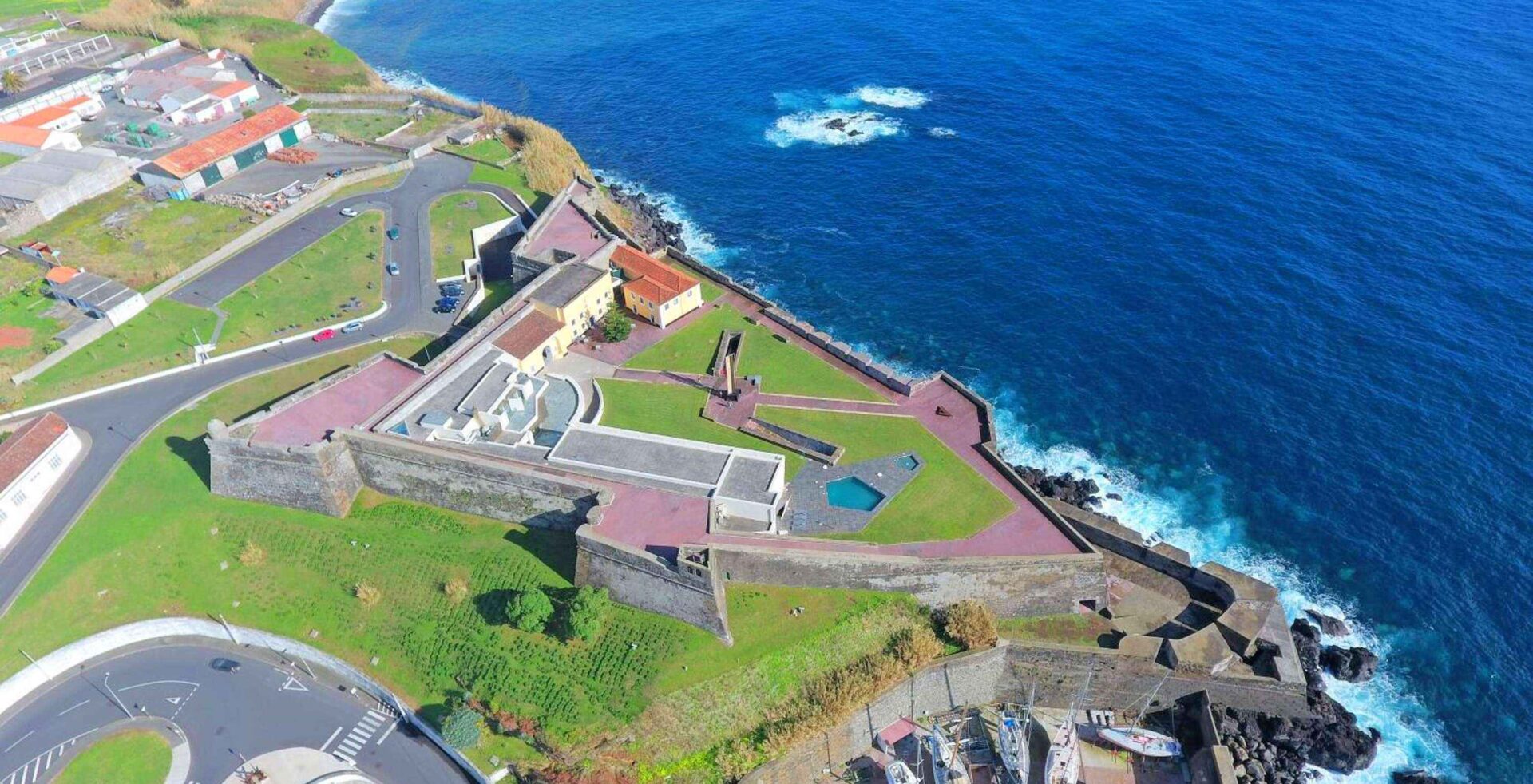
Pousada Forte Angra do Heroísmo transforms a 16th-century Atlantic fortress into a distinctive heritage hotel, where Isabel Santos combines monumental volcanic stone walls, historic vaulted interiors and military architecture with minimalist contemporary additions, restrained furnishings and spectacular ocean views.

Why DNA Hotels loves it
A remarkable transformation of the 16th-century São Sebastião Fortress into a contemporary heritage hotel, preserving one of the Azores' most important military landmarks.
A sensitive architectural intervention by Isabel Santos, combining historic volcanic stone fortifications with minimalist contemporary structures carefully concealed within the fortress walls.
A spectacular Atlantic setting overlooking the harbour of UNESCO-listed Angra do Heroísmo, with an ocean-facing swimming pool, historic interiors and a strong connection to Terceira's maritime heritage.
The Stay
Sixteenth-Century Fortifications Meet Contemporary Design Above the Atlantic
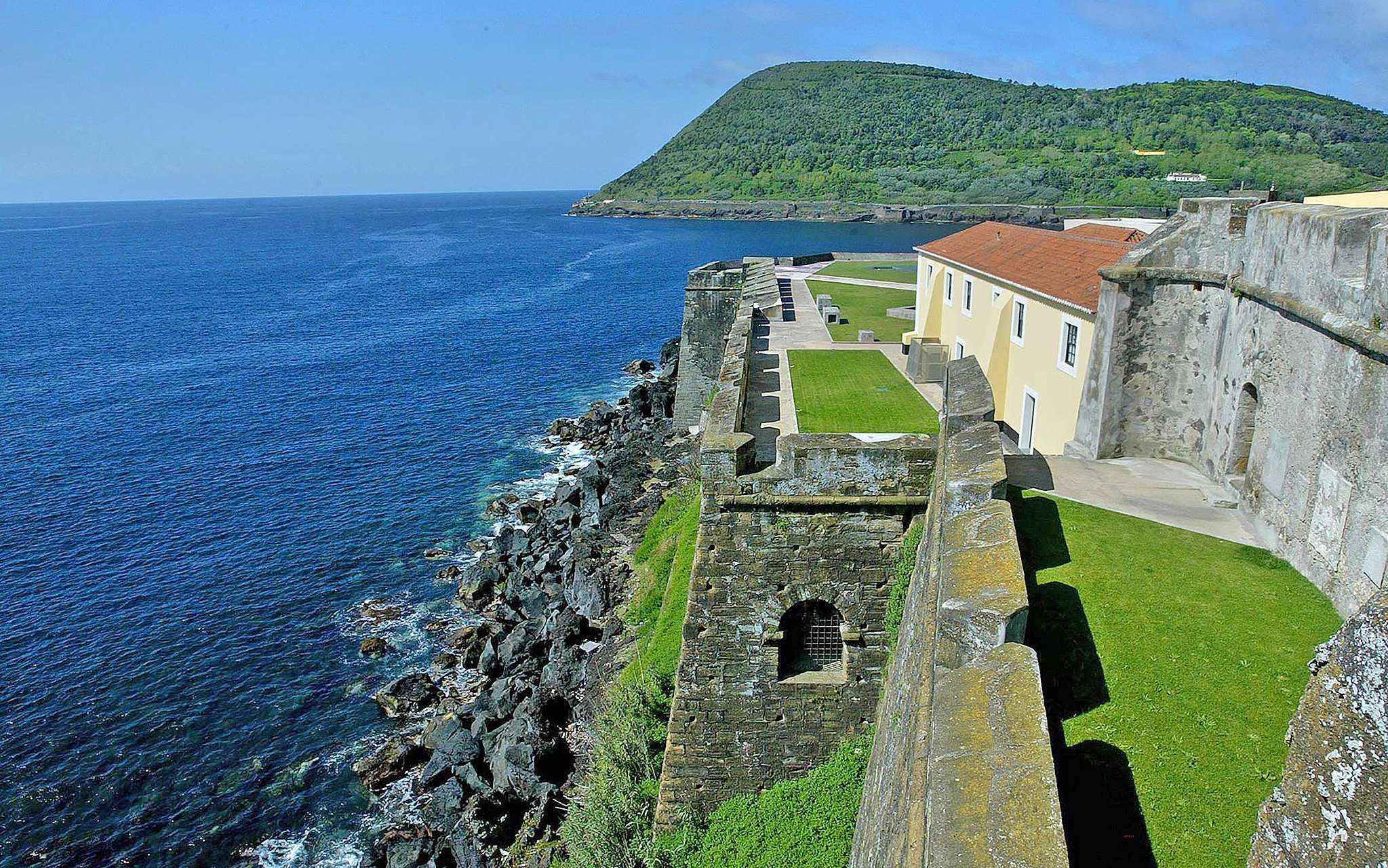
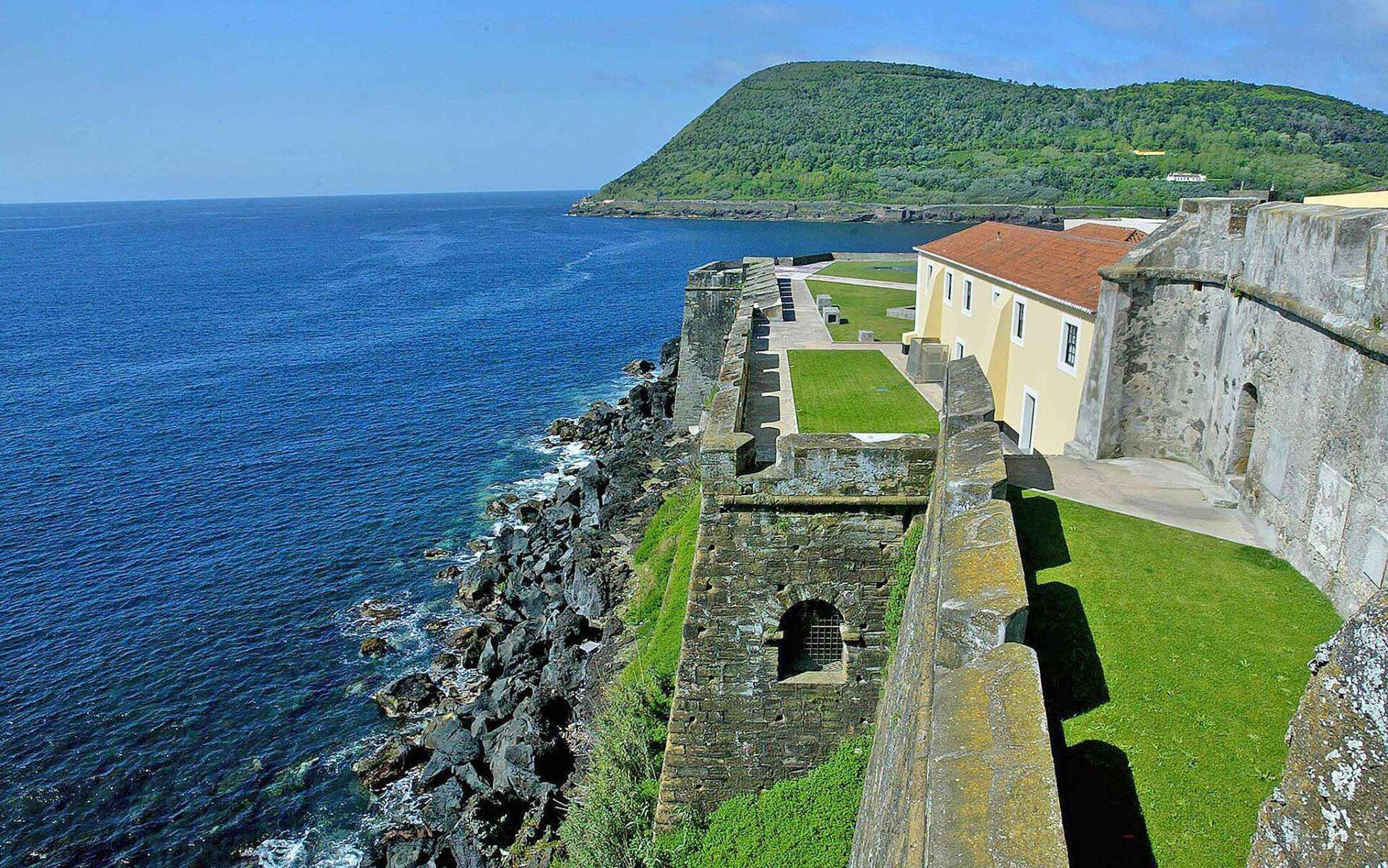
Few hotels in the Azores have a setting quite as dramatic as Pousada Forte Angra do Heroísmo. Occupying the historic São Sebastião Fortress, perched above the Atlantic Ocean on the island of Terceira, this remarkable property combines four centuries of military history with contemporary Portuguese hospitality. The fortress stands at the edge of Angra do Heroísmo, the only town in the Azores whose historic centre has been designated a UNESCO World Heritage Site, a distinction awarded in 1983. Built during the 16th century to protect one of the Atlantic’s most strategically important harbours, São Sebastião played a significant role in defending Portuguese maritime interests. Its cannons famously helped prevent the English privateer Sir Francis Drake from entering the harbour in 1589. Today, the formidable stone walls offer protection from something considerably less threatening: the Atlantic breeze.
Military Heritage, Contemporary Architecture
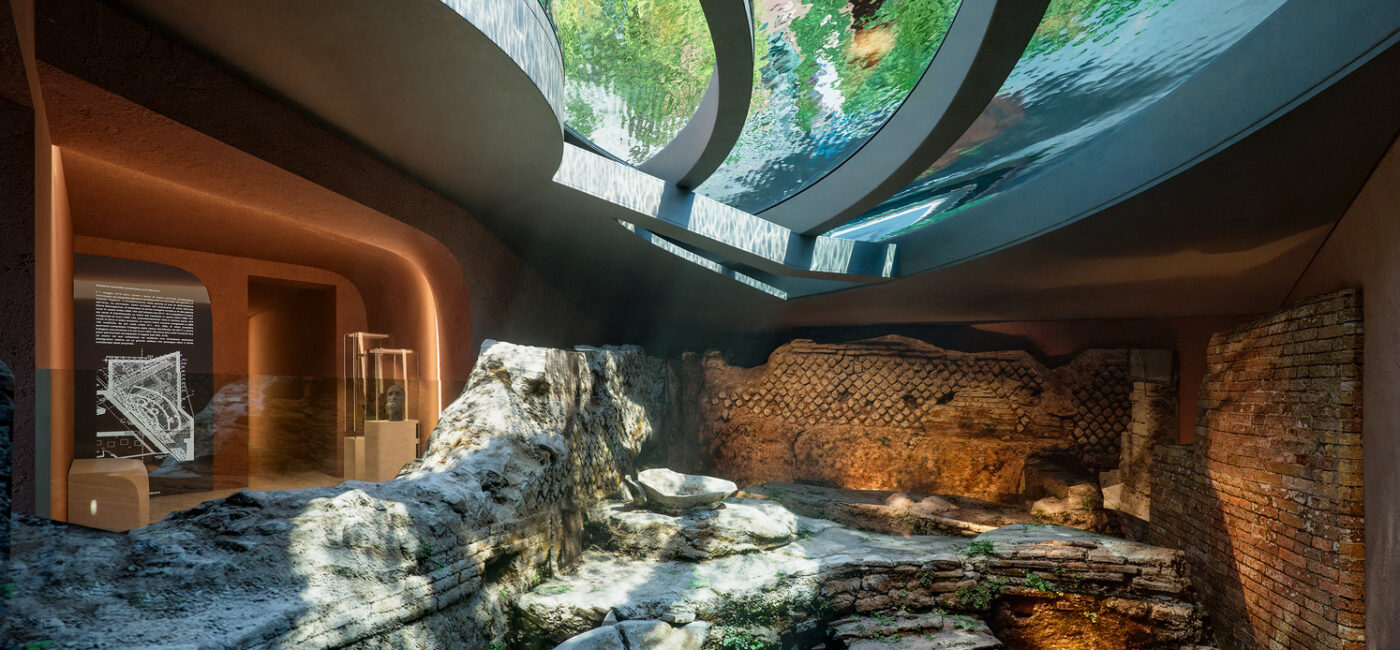
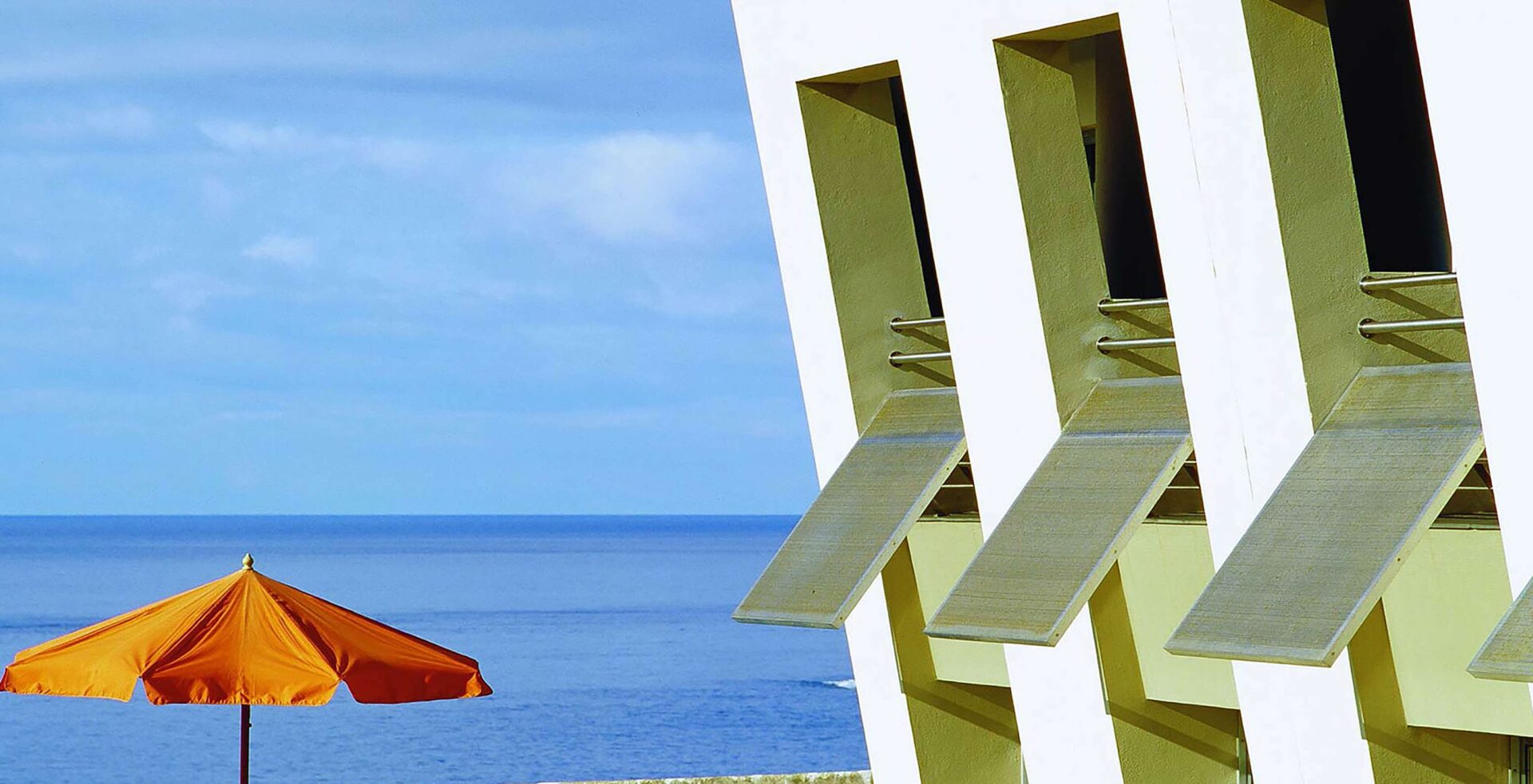
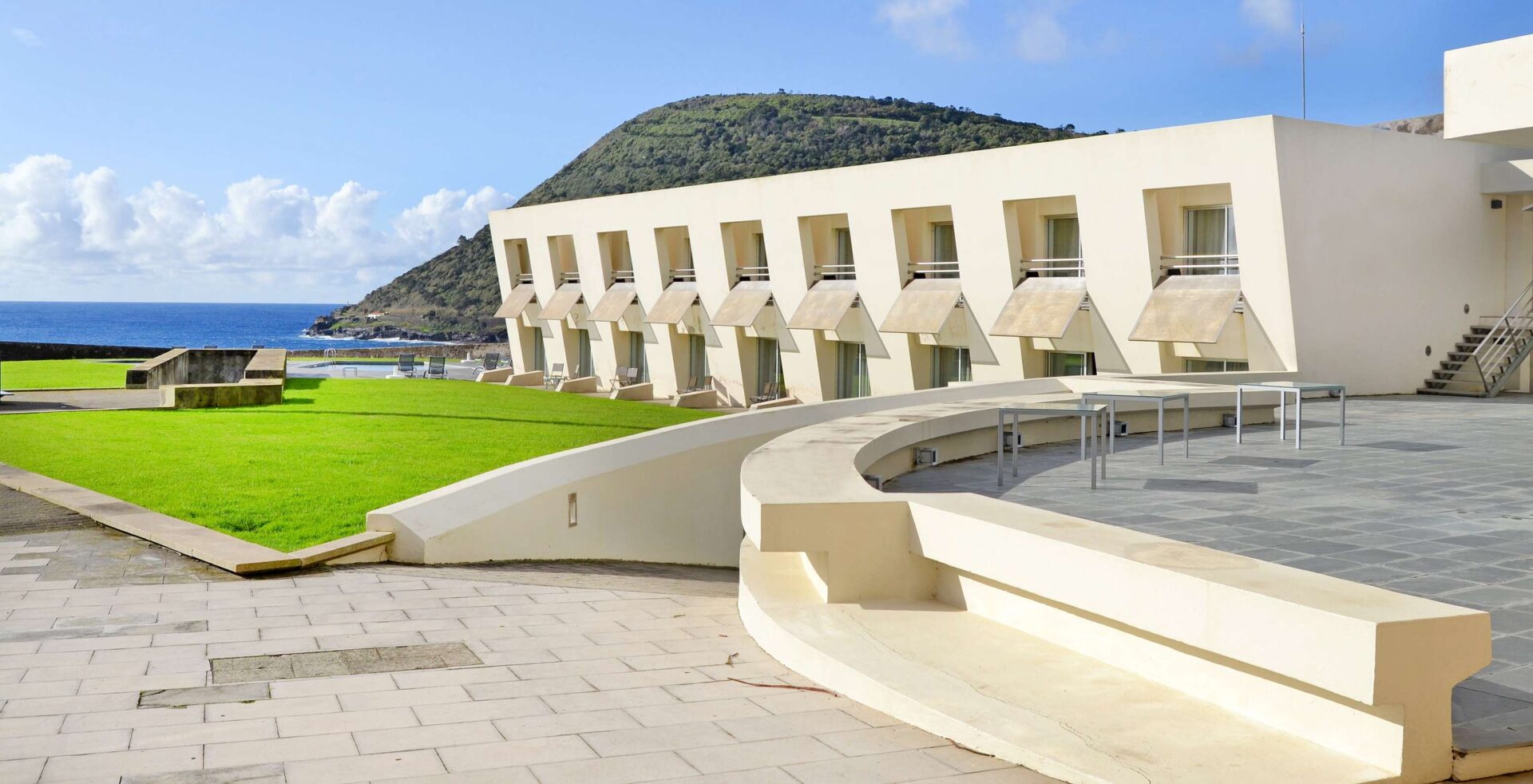
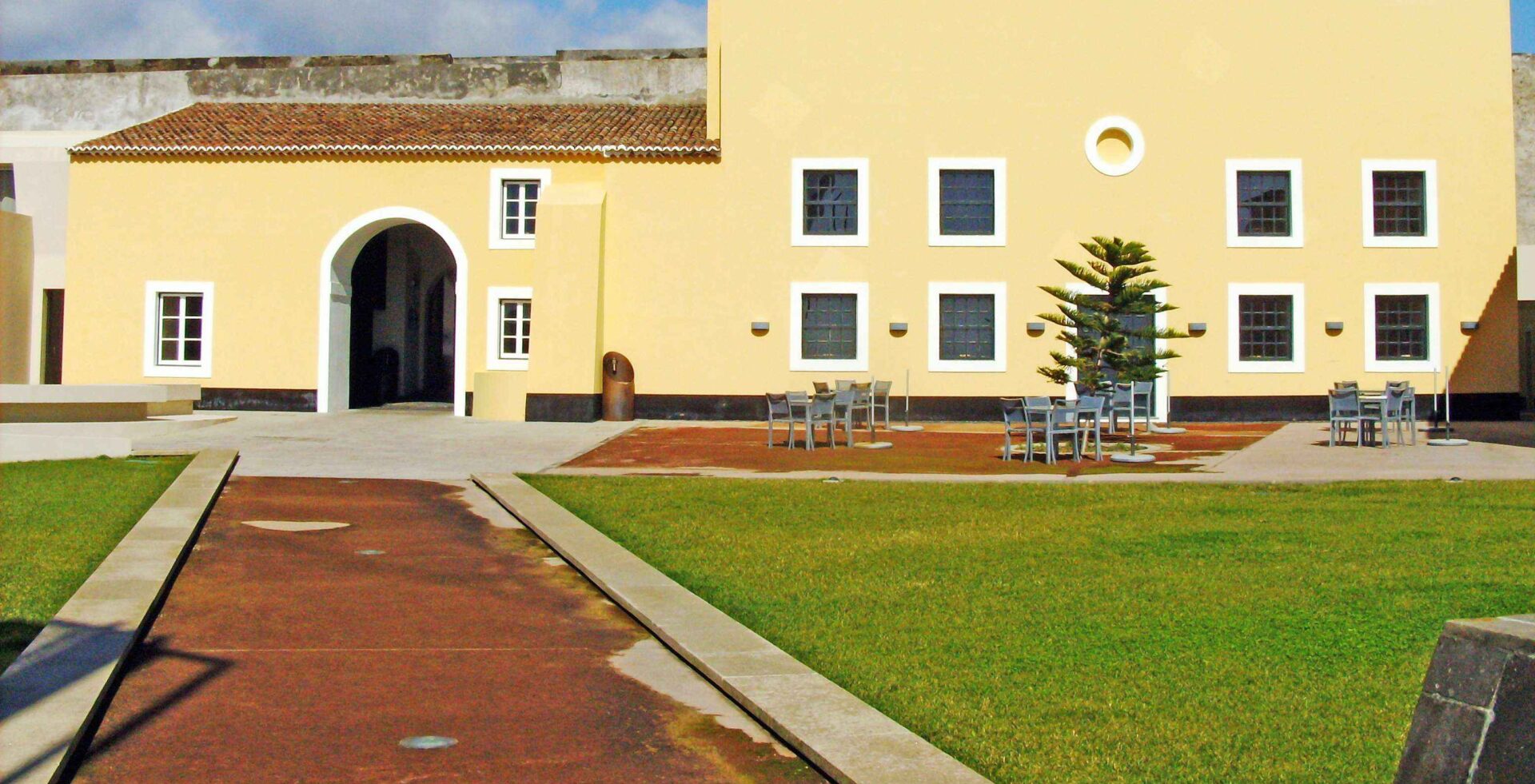
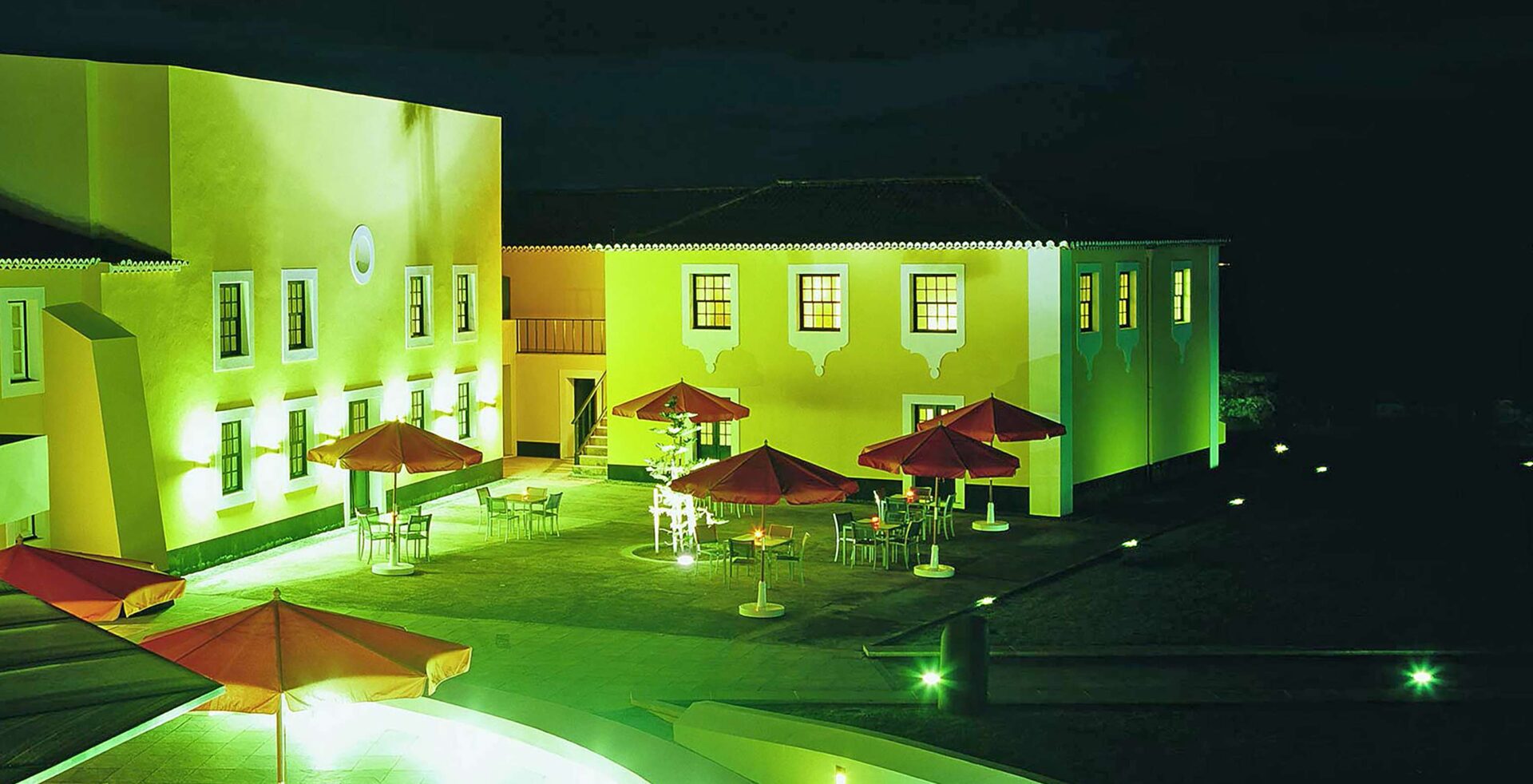
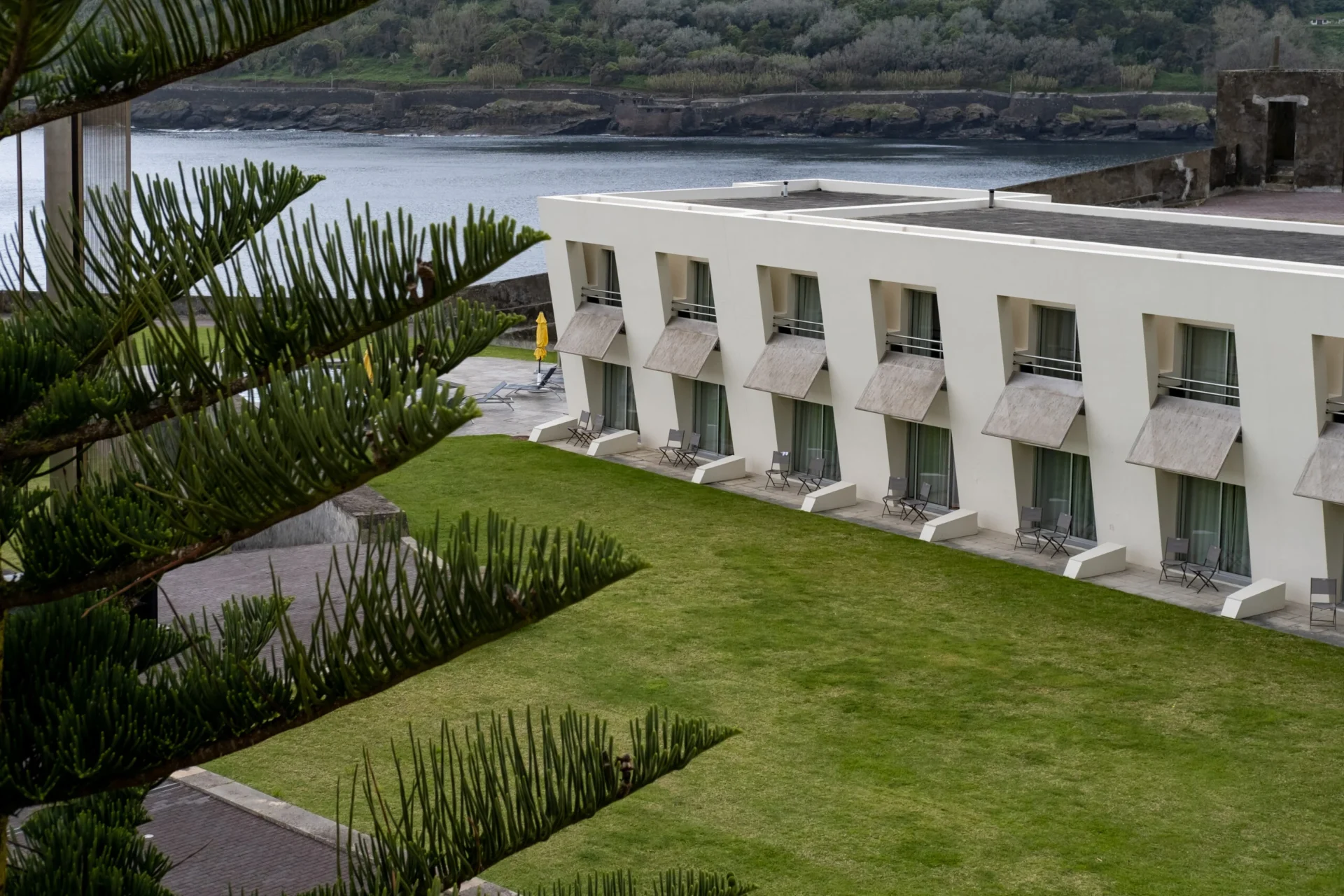
The fortress’s transformation into a hotel was entrusted to Portuguese architect Isabel Santos, who approached the project with considerable respect for the building’s historical significance. Following approximately three years of restoration and an investment of seven million euros, the pousada opened in 2006 as part of Portugal’s collection of historic hotels. The architectural challenge was to introduce contemporary accommodation without compromising the fortress’s unmistakable silhouette. Santos achieved this by restoring existing buildings within the fortifications and introducing a new wing whose clean, geometric lines remain concealed behind the original defensive walls. From outside, São Sebastião retains its imposing military character. Inside, contemporary architecture creates a striking contrast with the centuries-old masonry. Sections of the original stone walls are incorporated into the interiors, allowing guests to experience the building’s history without sacrificing modern comfort. The result is a particularly successful example of adaptive reuse, where contemporary design enhances rather than competes with the historic structure.
Sleeping Within the Fortress Walls
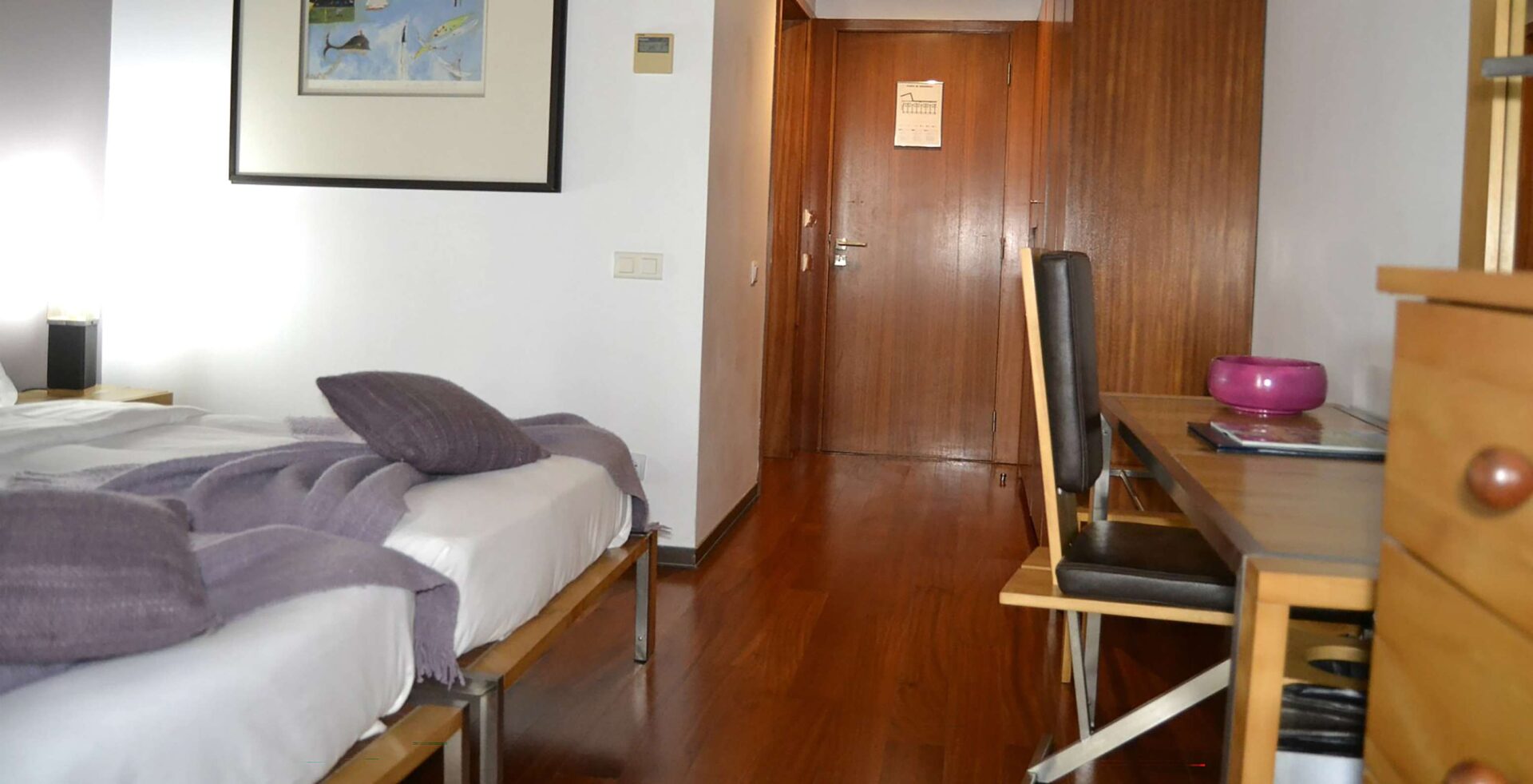
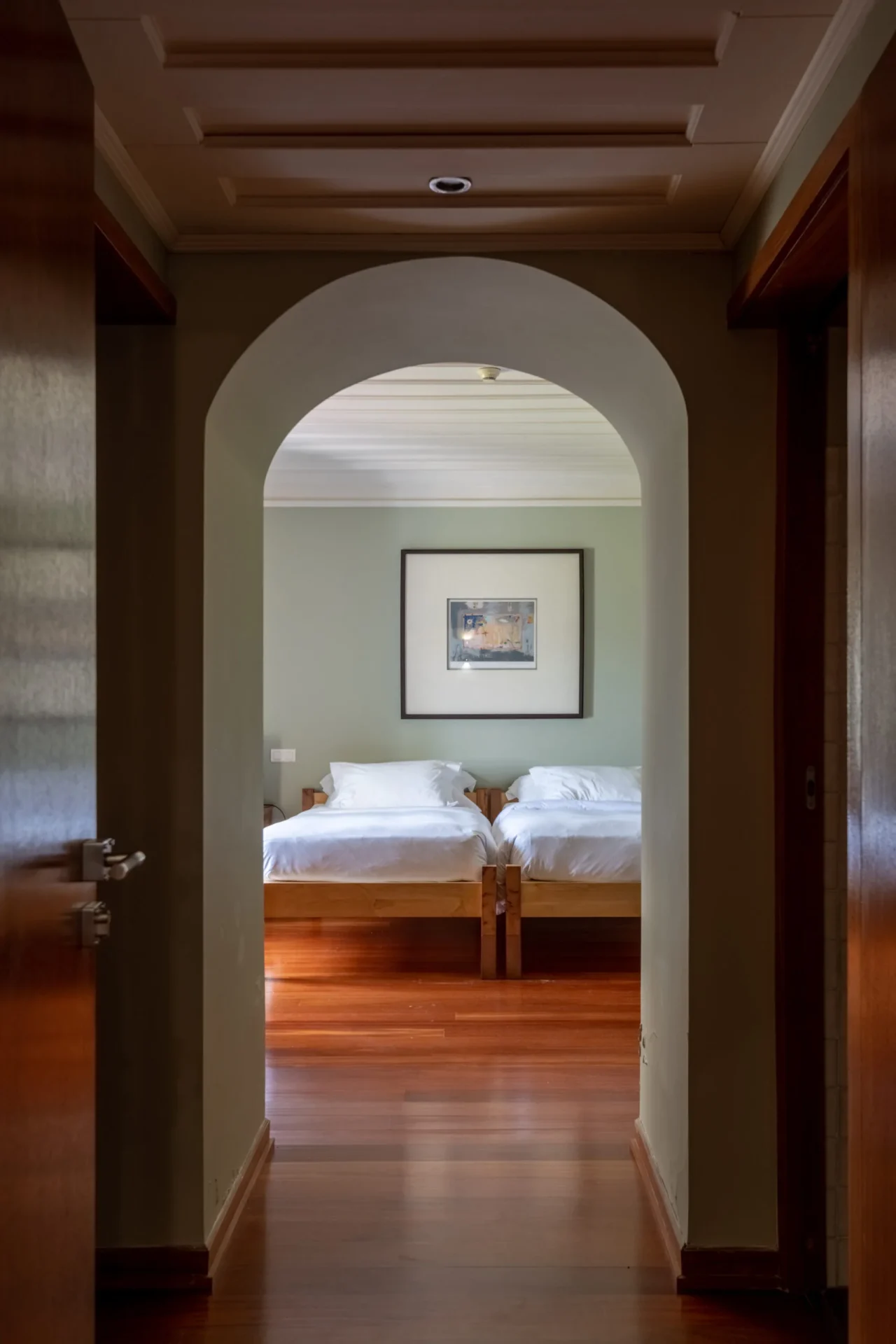
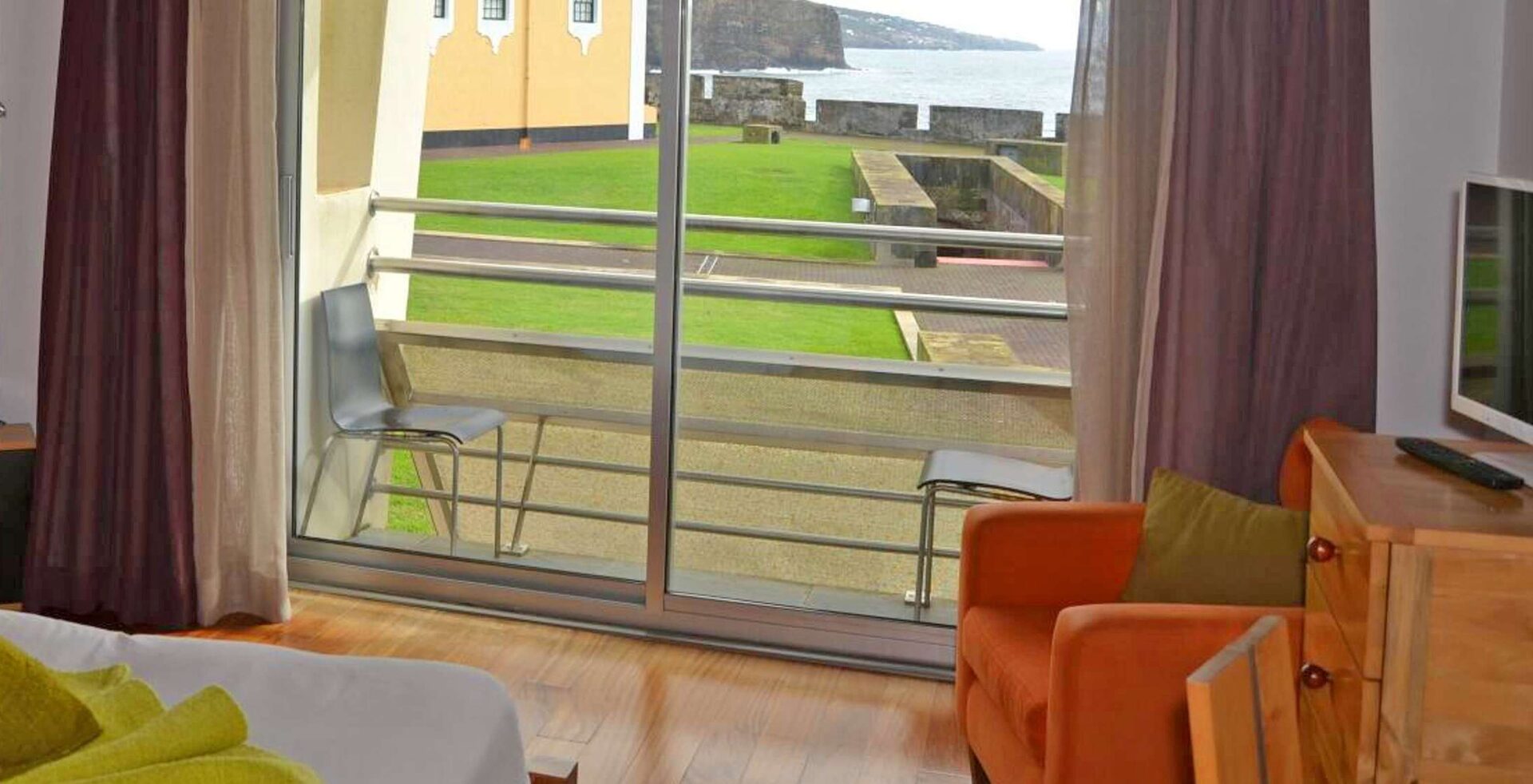
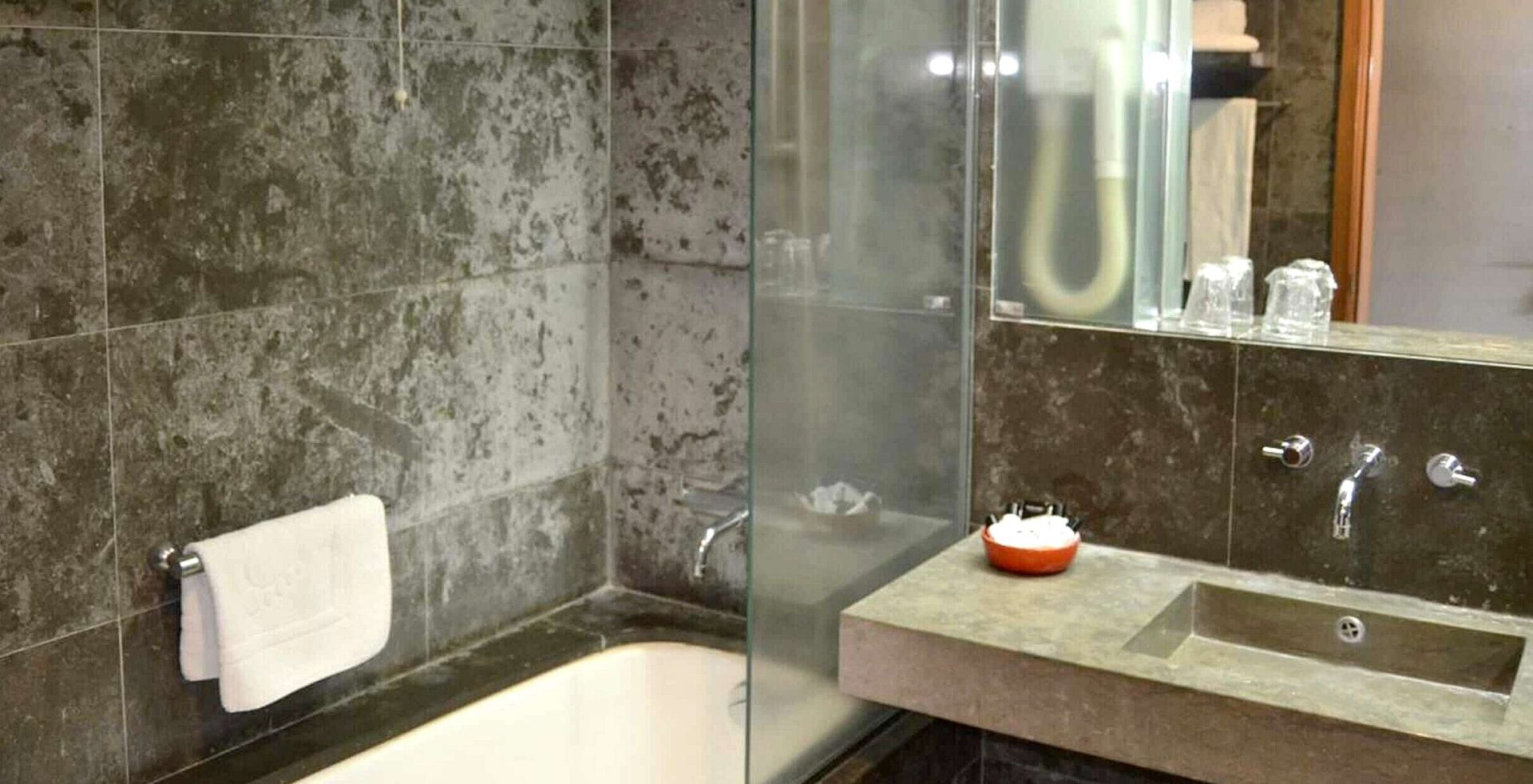
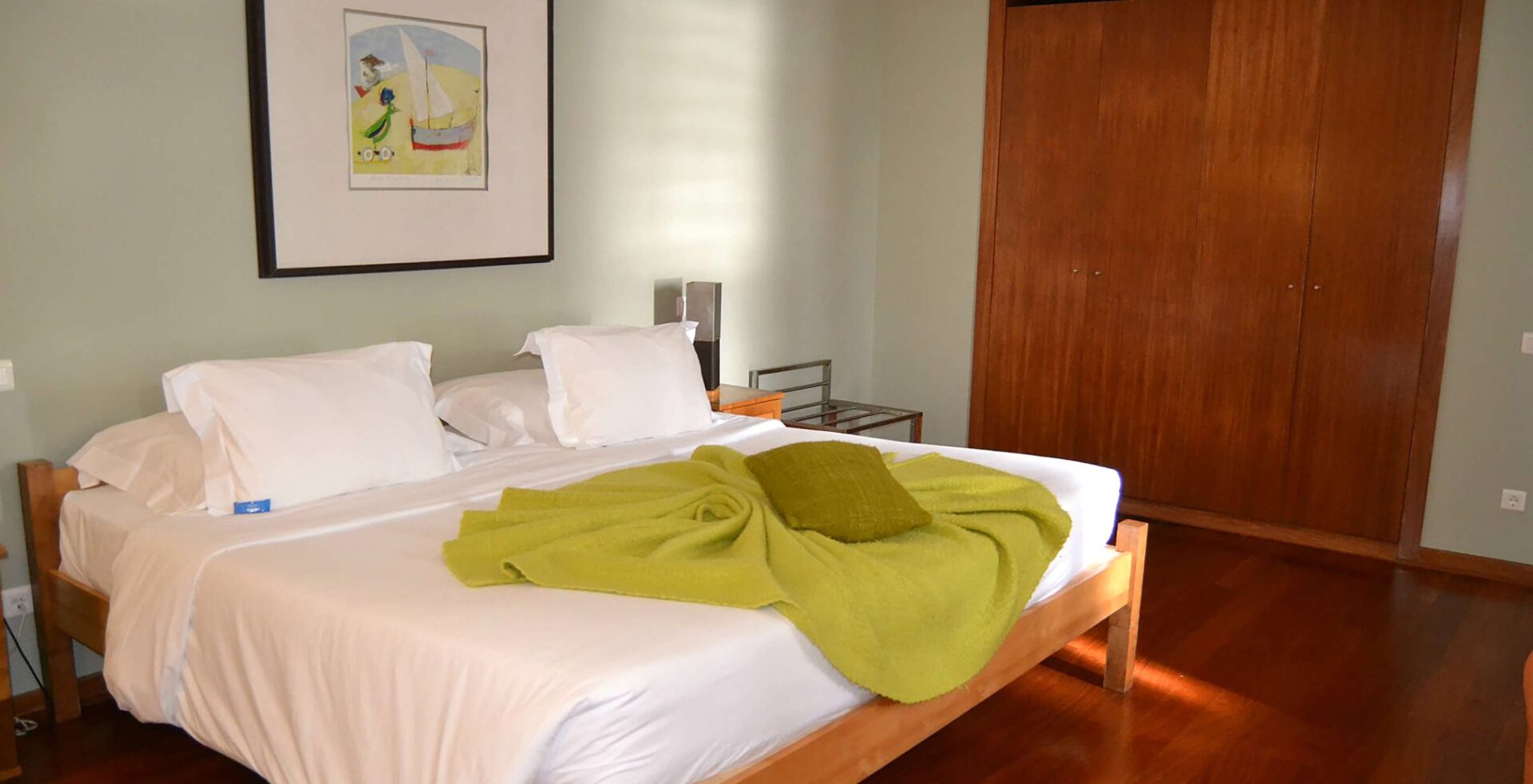
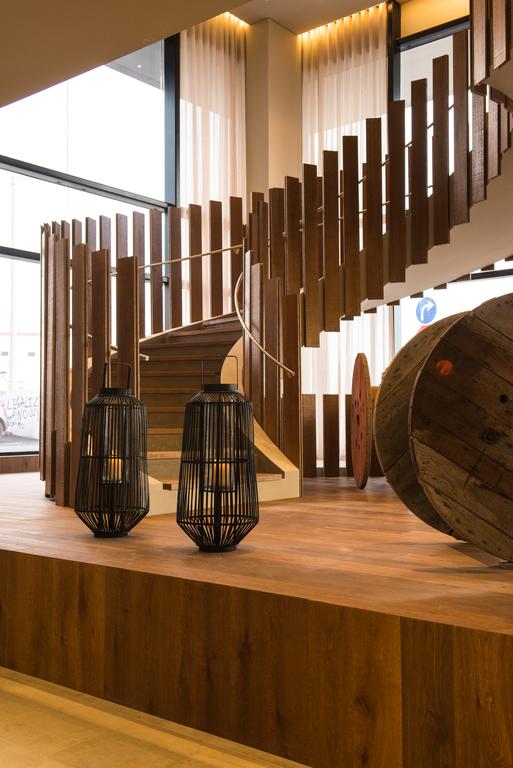
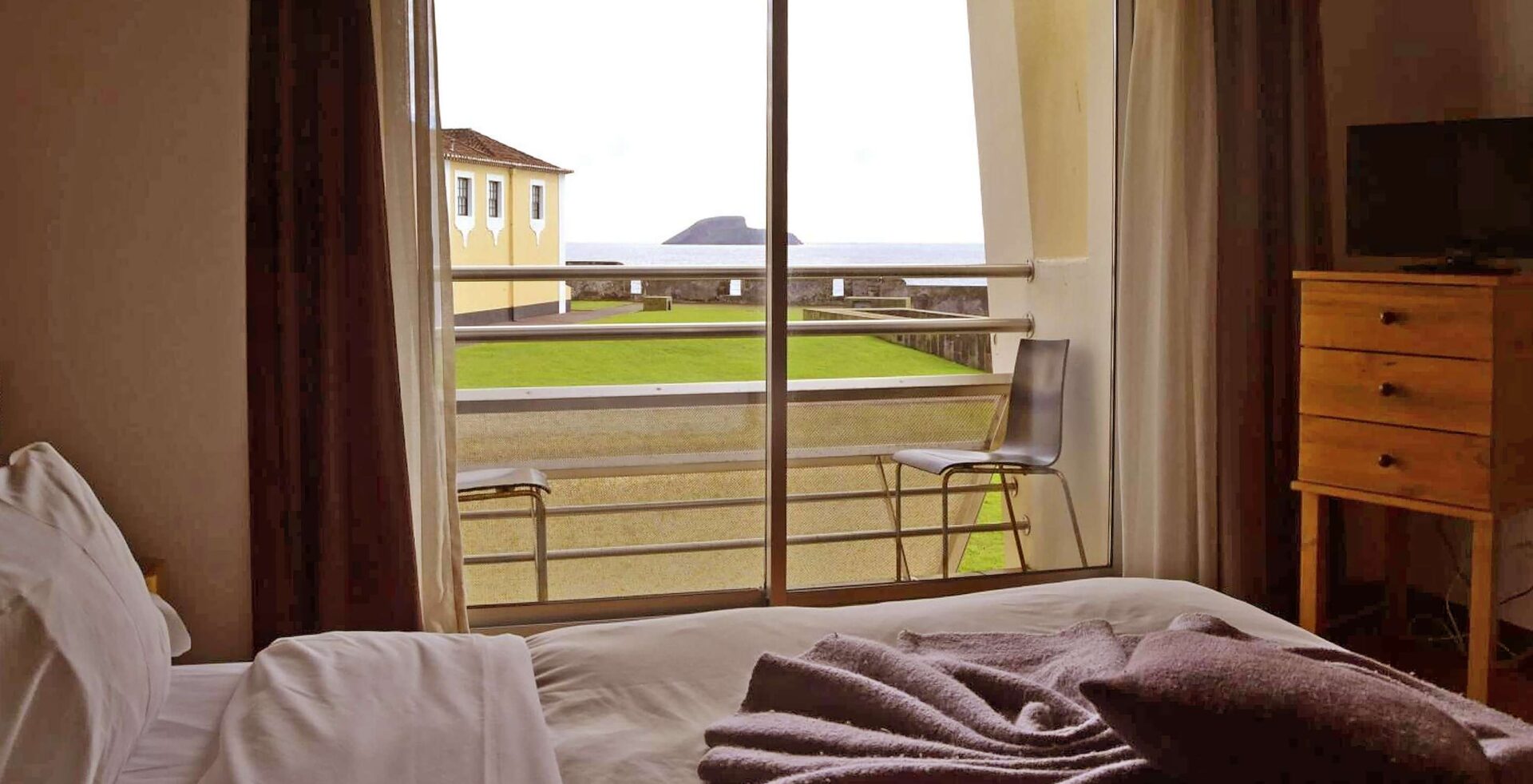
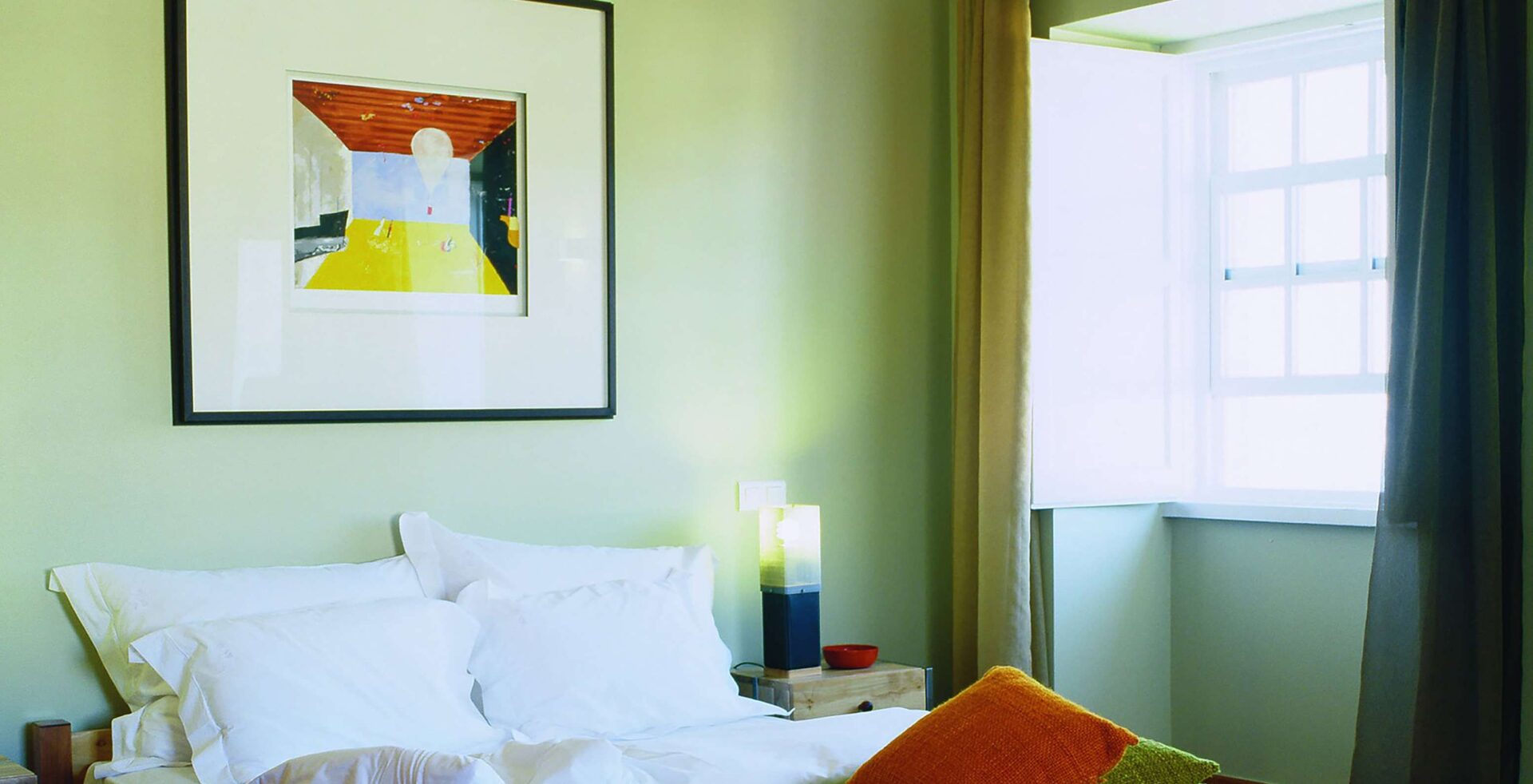
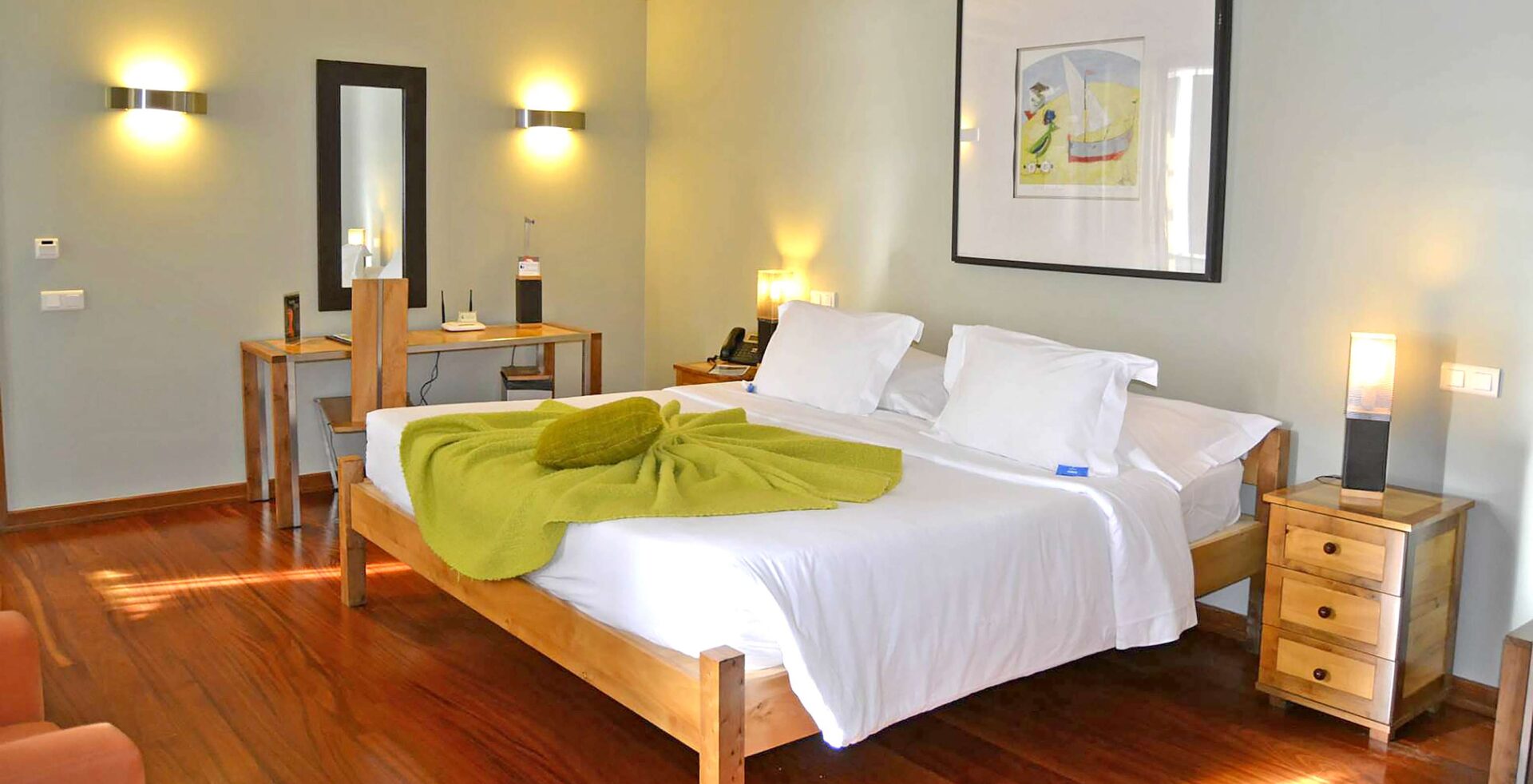
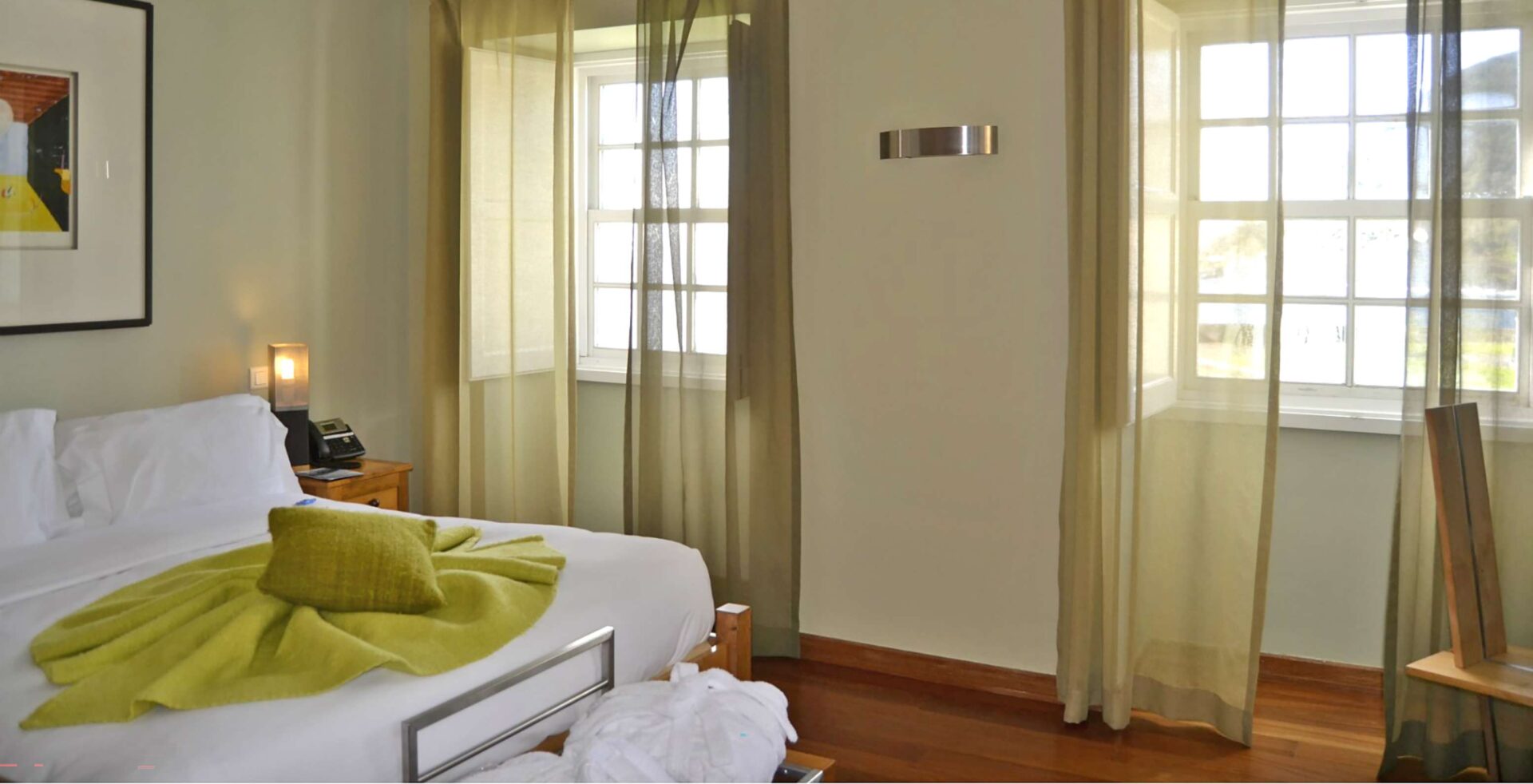
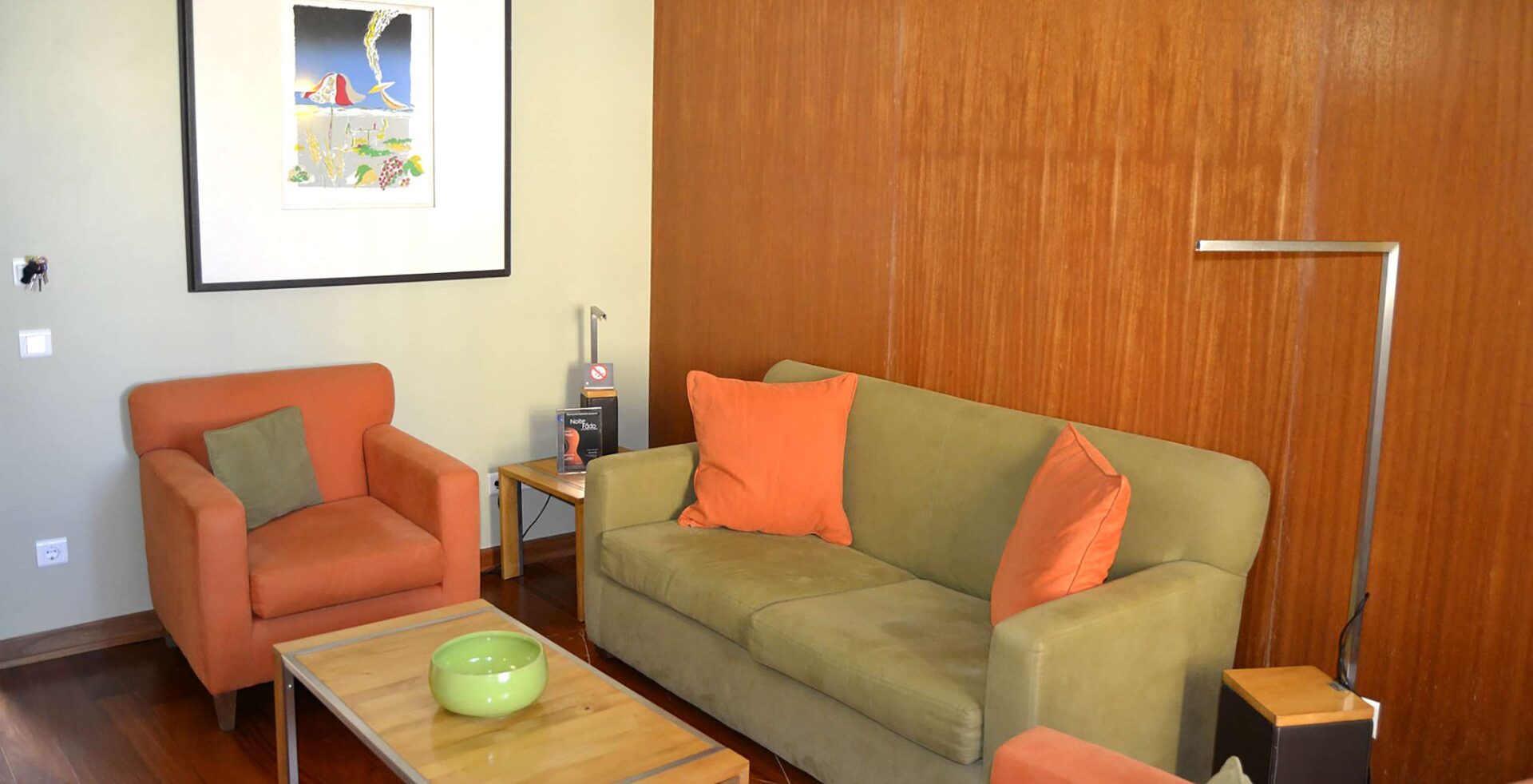
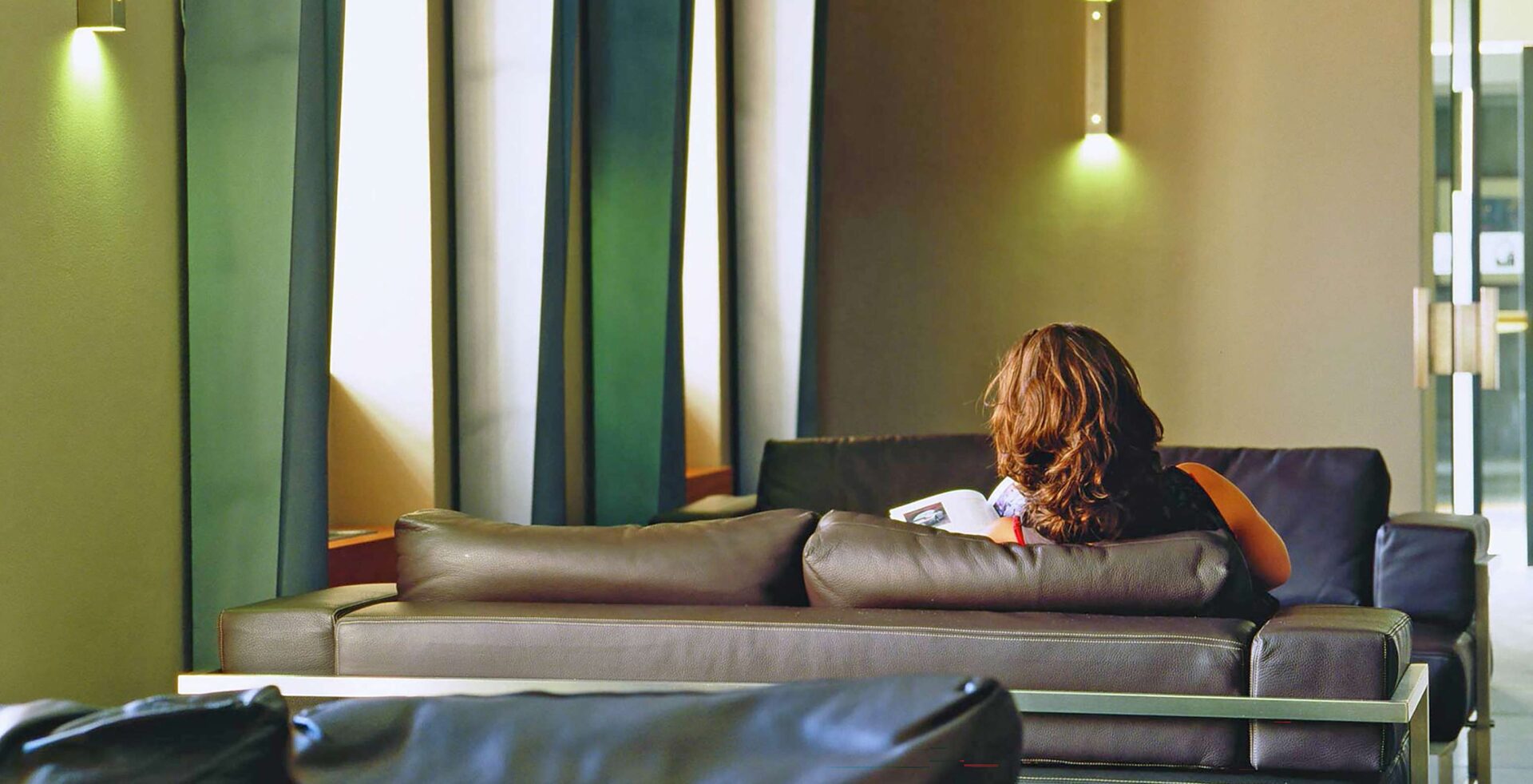
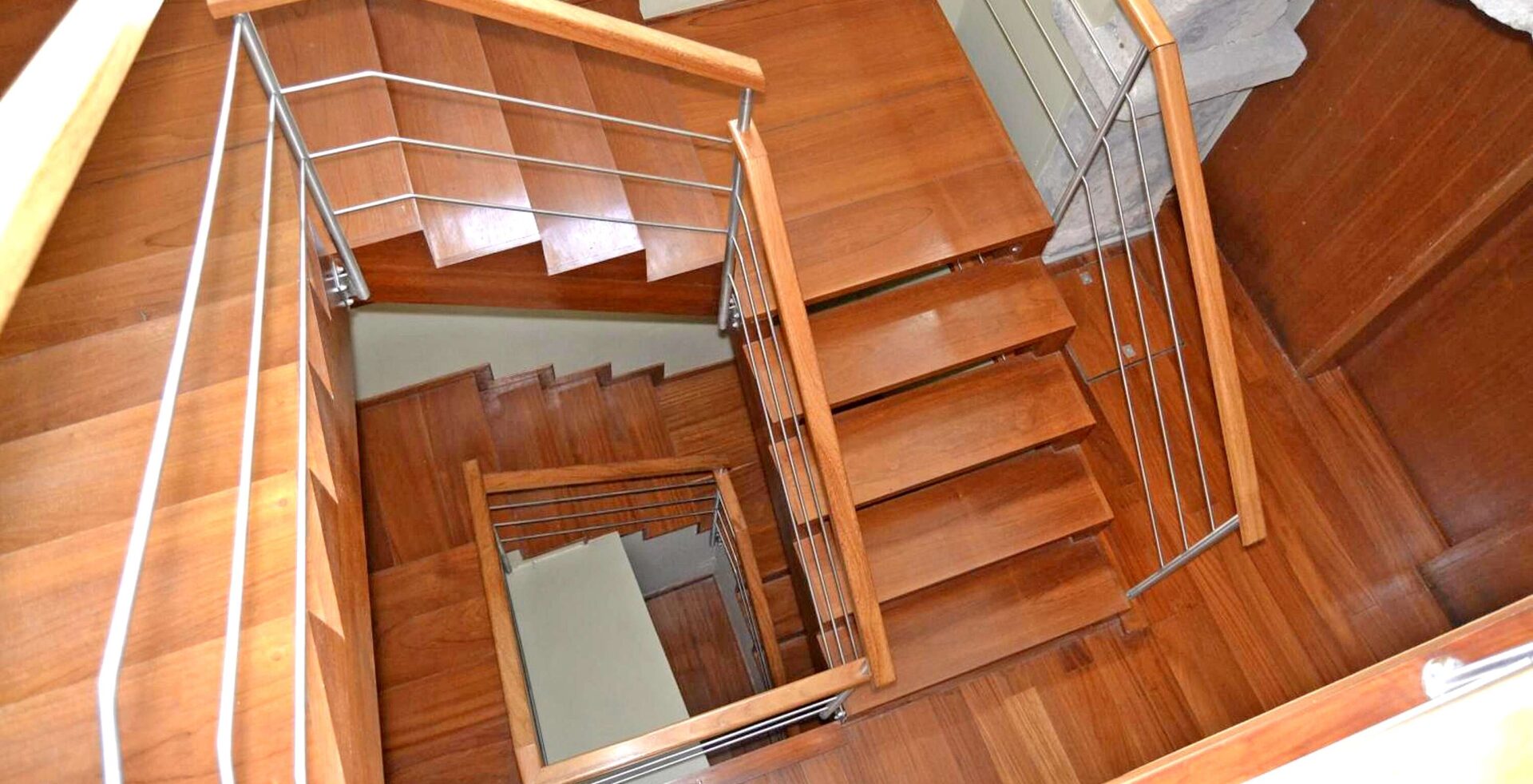
Accommodation is divided between restored historic buildings and the contemporary extension, creating an interesting dialogue between past and present. The original structures house 20 guestrooms alongside several communal areas, while the newer wing introduces additional accommodation with a more modern architectural character. Interiors are deliberately restrained, with simple furnishings, neutral tones and clean lines that allow the fortress’s stonework and unusual proportions to remain the main attraction. Depending on their position, rooms offer views across the Atlantic, the historic harbour or the fortress itself. The contrast between thick defensive walls and contemporary interiors gives the hotel a distinctive atmosphere, particularly when compared with more conventional seaside accommodation. This is a place where the architecture provides much of the experience, and where centuries of maritime history are never far from view.
Cannons, Stone Vaults and Atlantic Views
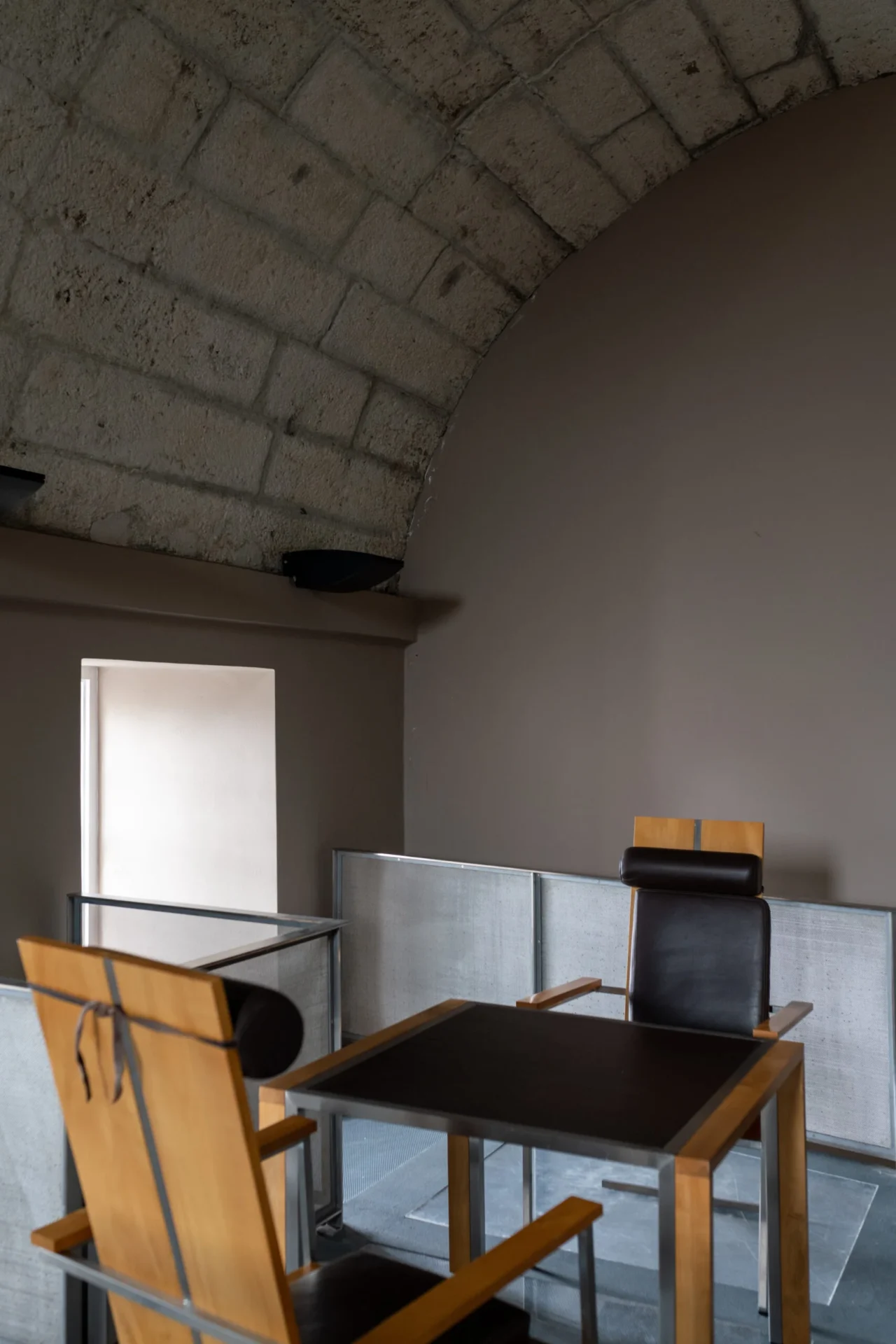
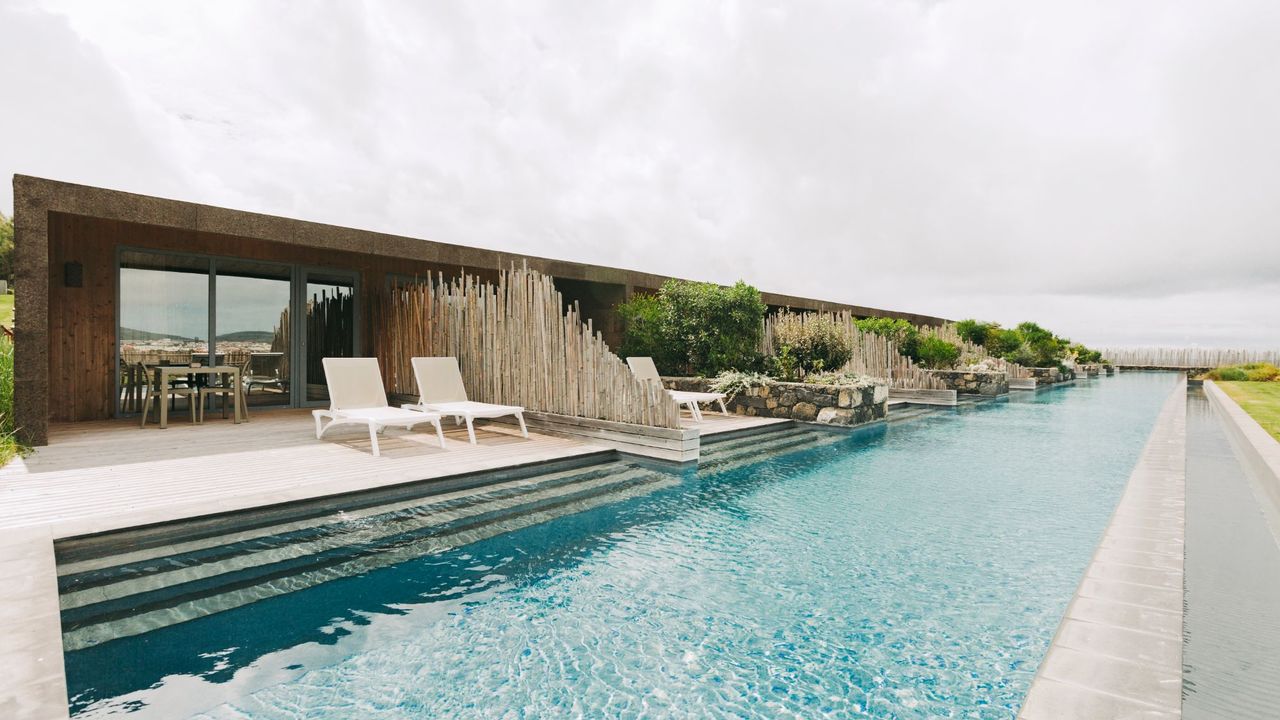
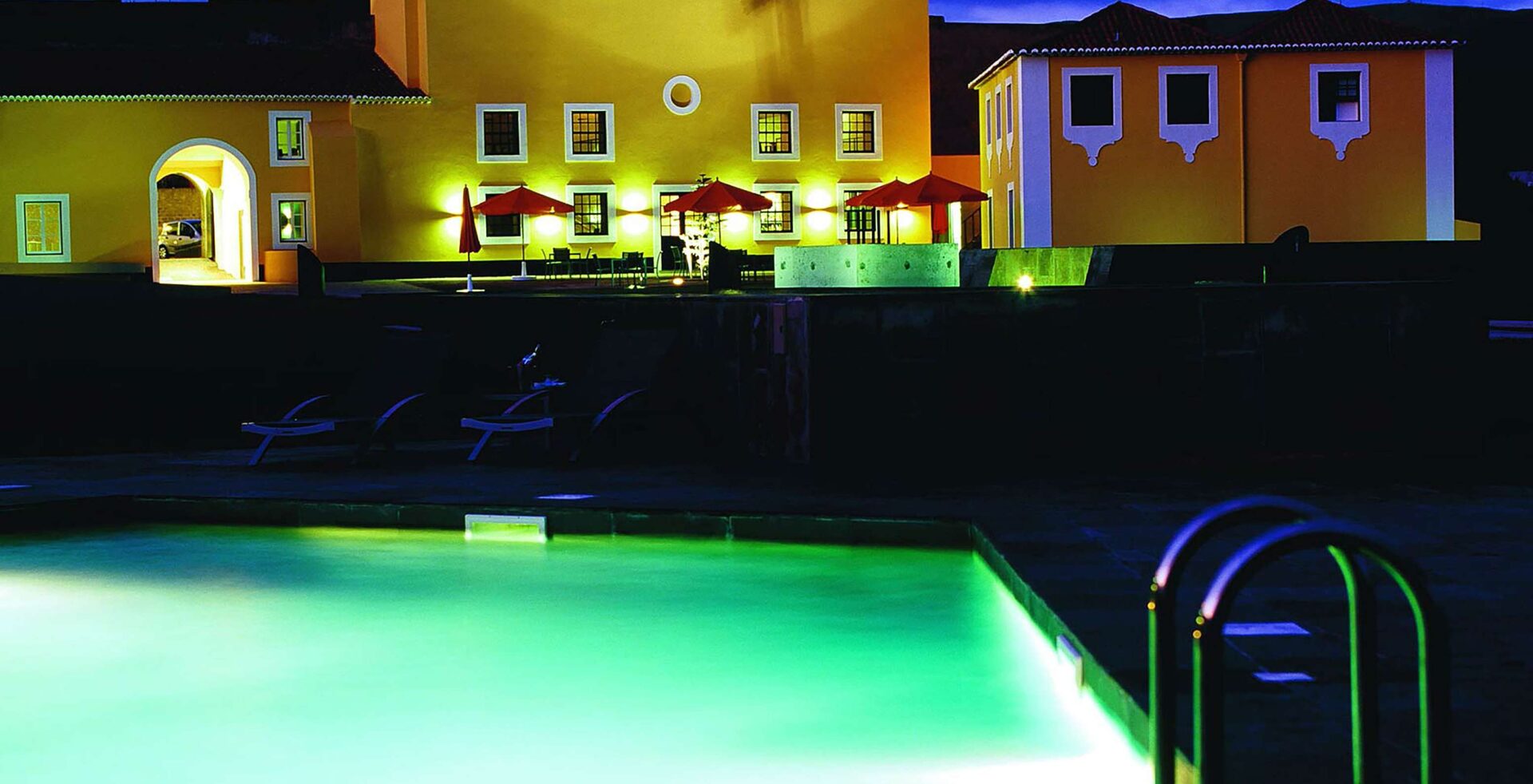
The fortress’s original military architecture continues to define its public spaces. Particularly impressive is the Sala dos Canhões, or Cannon Hall, where a vaulted stone ceiling recalls the building’s defensive origins. Subtle contemporary lighting emphasises the historic masonry, creating an atmospheric setting for gatherings and events. Elsewhere, quieter communal spaces include a small library maintained through contributions from guests and travellers. It is a particularly appealing refuge on those occasional grey Atlantic days for which the Azores are well known. Outside, the historic ramparts and terraces provide uninterrupted views across the ocean and towards Angra’s harbour. The swimming pool, positioned within the fortress grounds, offers an altogether more leisurely interpretation of the building’s strategic location. From here, the Atlantic stretches towards the horizon, with the possibility of spotting dolphins or even whales offshore. Few former military installations have adapted quite so successfully to the pleasures of doing very little.
The Flavours of Terceira
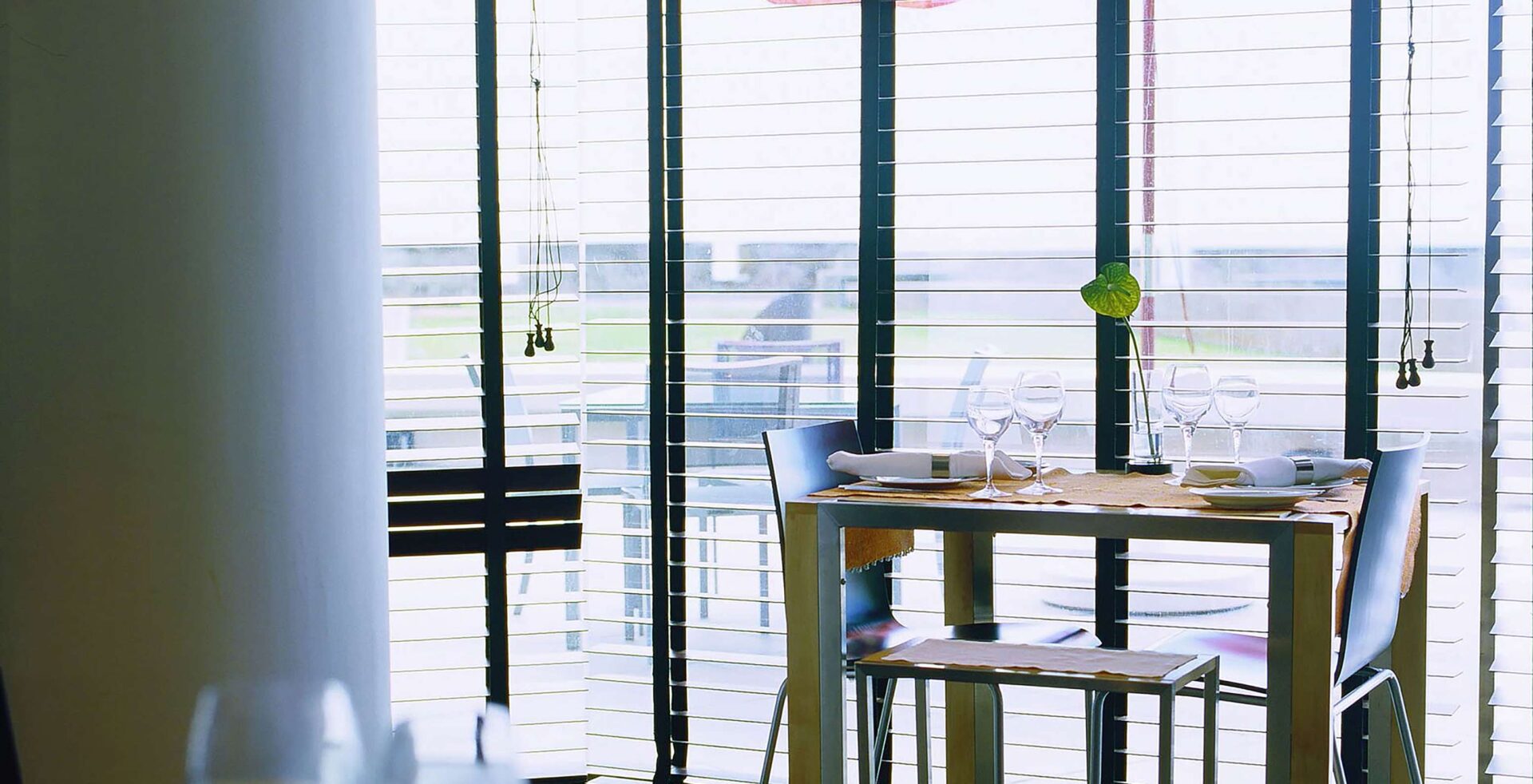
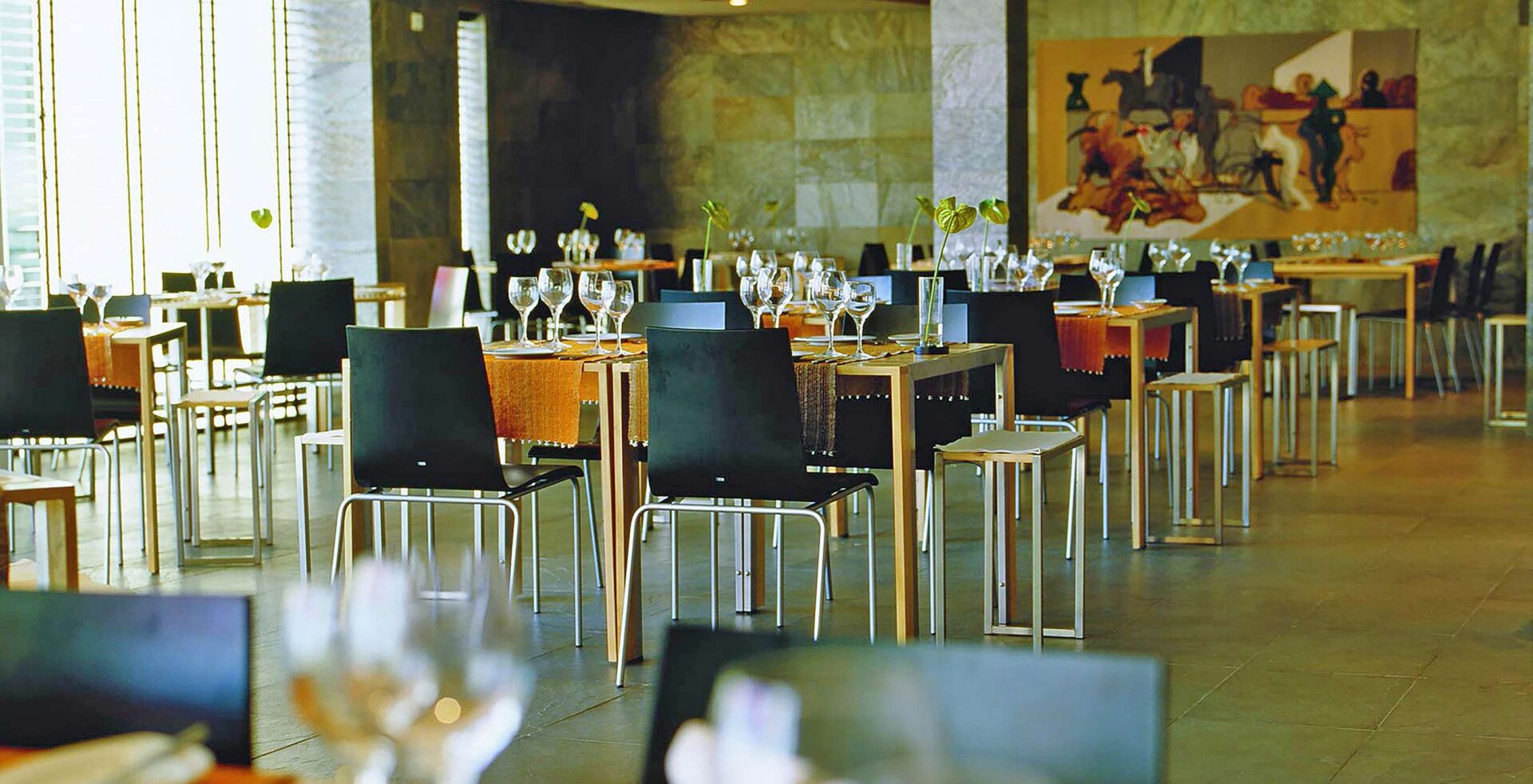
The hotel’s restaurant reflects Terceira’s close relationship with the Atlantic, with regional Portuguese cuisine and local seafood forming an important part of the menu. Fresh fish, traditional island specialities and ingredients from the surrounding countryside provide a culinary introduction to the Azores. Terceira’s food culture combines maritime traditions with the agricultural heritage of its fertile volcanic landscape, producing distinctive cheeses, meat dishes and locally grown vegetables. Dining within the fortress adds another dimension to the experience, particularly when the changing Atlantic light transforms the historic stonework and surrounding coastline. It is a setting that requires little embellishment.
Angra do Heroísmo and the Age of Exploration
The location is one of the pousada’s greatest attractions. Angra do Heroísmo developed into an important Atlantic port during Portugal’s Age of Exploration, serving as a vital stopping point for ships travelling between Europe, Africa, Asia and the Americas. Its historic centre remains an exceptionally well-preserved collection of Renaissance streets, colourful façades, churches, palaces and maritime architecture. The town’s UNESCO designation recognises this extraordinary urban heritage and its importance in the history of Atlantic navigation. From the fortress, the old town is within easy reach, making it possible to explore its historic streets, cafés, gardens and waterfront on foot. Beyond Angra, Terceira reveals an entirely different landscape of volcanic hills, green pastures, dramatic coastal cliffs and small traditional villages. The island’s volcanic interior, including the remarkable Algar do Carvão lava tube, offers a fascinating contrast to the maritime history of its capital. Pousada Forte Angra do Heroísmo brings these different identities together in one extraordinary location. Its historic architecture tells the story of Portugal’s Atlantic ambitions, while the contemporary restoration offers a quiet, design-conscious place to experience the Azores today. A fortress built to keep visitors out has become one of the island’s most intriguing places to welcome them in.
Information
At a glance
Architecture
Isabel Santos
Opened / Renovated
2006
Size matters
29 rooms (20m2) (215 sq ft)
Bathroom Amenities
custom
Handpicked worldwide
A carefully curated collection of exceptional boutique and design hotels across the globe.
Design with soul
Architecture, atmosphere and craftsmanship come together in stays with a clear identity.
Hidden, not hyped
Independent boutique hotels you rarely find on mainstream booking platforms.
Travel guidance
Personal recommendations and thoughtful support from people who actually know the places.