


A Ryokan with a Contemporary Soul
Hanamurasaki reimagines a century-old ryokan overlooking Japan’s forested Kakusenkei Gorge, where Shinichiro Ogata’s Simplicity studio combines smooth mortar, dark timber, washi paper, natural stone and sculptural furniture with contemporary Japanese art, handcrafted ceramics and lacquerware, creating five exceptional minimalist suites and a serene tea salon alongside traditional tatami rooms and natural hot spring baths.

Why DNA Hotels loves it
A 125-year-old family-run ryokan reinventing traditional Japanese hospitality through contemporary architecture, art and design, without losing its deeply rooted cultural identity.
Five exceptional suites by Shinichiro Ogata's Simplicity studio, alongside a beautifully minimalist tea salon and a bespoke furniture collection inspired by traditional Japanese craftsmanship.
A spectacular setting above the forested Kakusenkei Gorge, with natural hot spring baths, refined seasonal kaiseki cuisine and an unusually strong connection to the artists and artisans of Ishikawa.
The Stay
Six Generations of Japanese Hospitality, Reimagined Through Contemporary Design and Craftsmanship
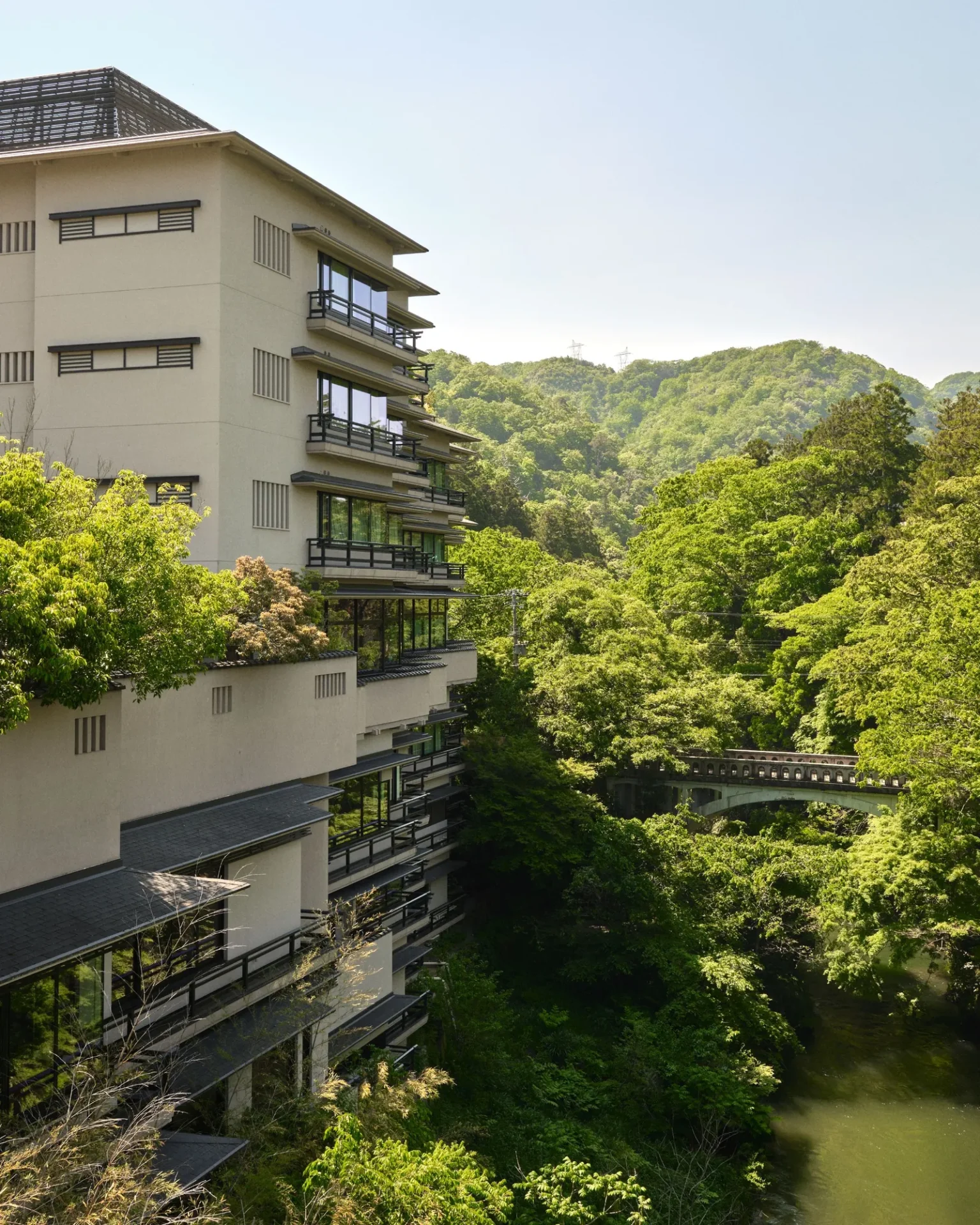
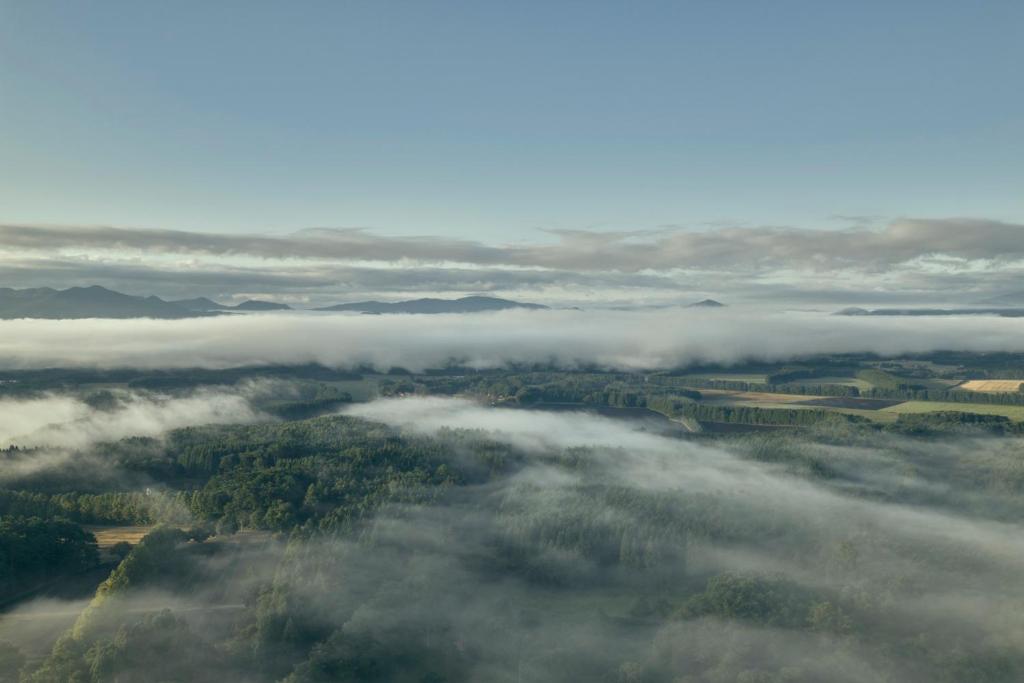
Japan’s traditional ryokan are often celebrated for preserving the past. Hanamurasaki, overlooking the forested Kakusenkei Gorge in Yamanaka Onsen, is more interested in what happens when tradition continues to evolve. Founded in 1902, the family-run inn is now in its sixth generation, with Kohei Yamada and his wife Manami introducing a distinctly contemporary perspective to more than a century of Japanese hospitality. The setting remains wonderfully traditional: mountains, ancient forests, a rushing river and mineral-rich hot springs that have attracted visitors to Yamanaka Onsen for over 1,300 years. Yet behind the understated entrance, Hanamurasaki reveals an unexpected world of contemporary art, minimalist architecture and carefully curated craftsmanship. The ambition is not simply to create a luxurious ryokan, but something closer to a cultural salon where Japanese heritage and contemporary creativity meet.
Japanese Minimalism, Beautifully Reinterpreted
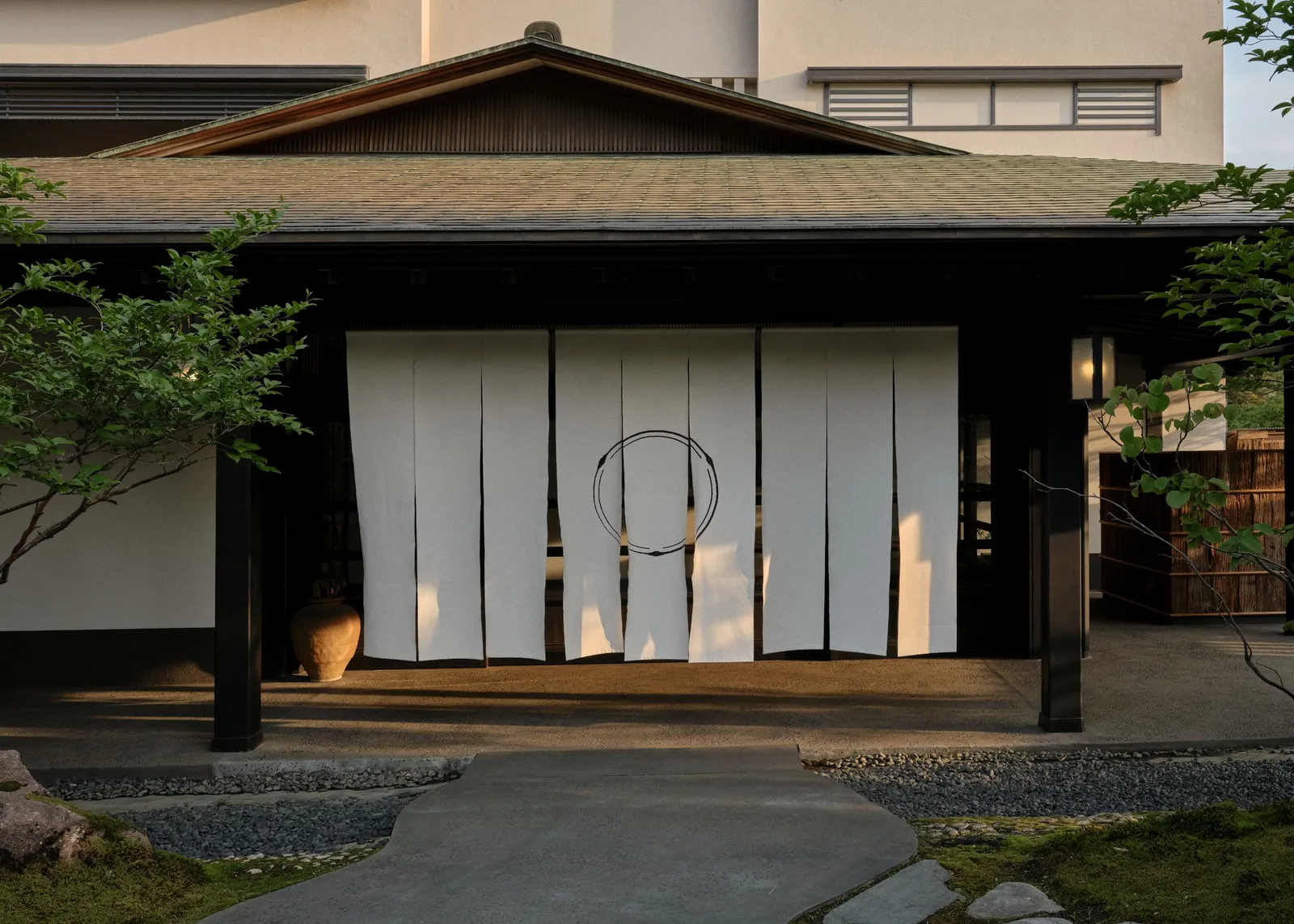
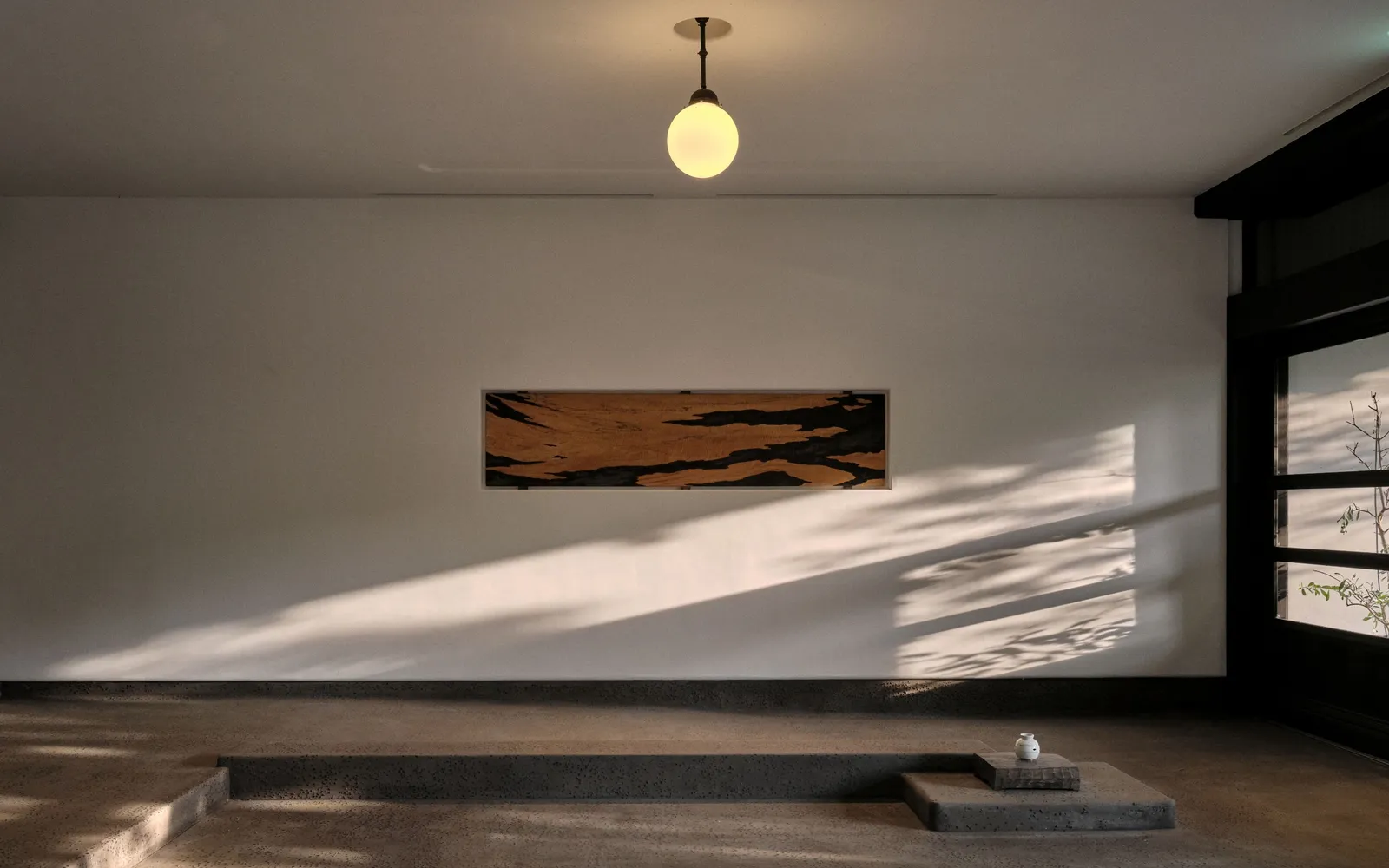
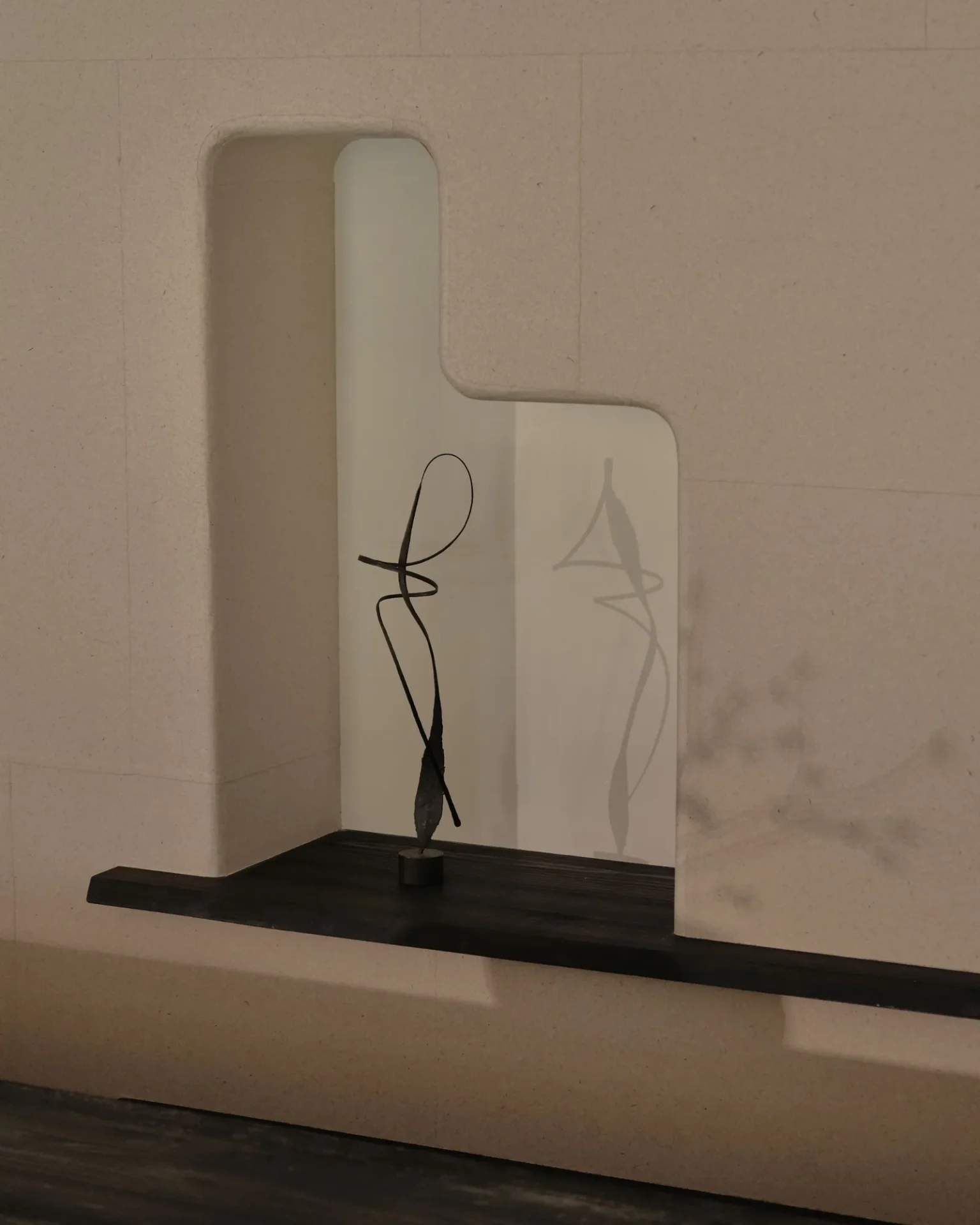
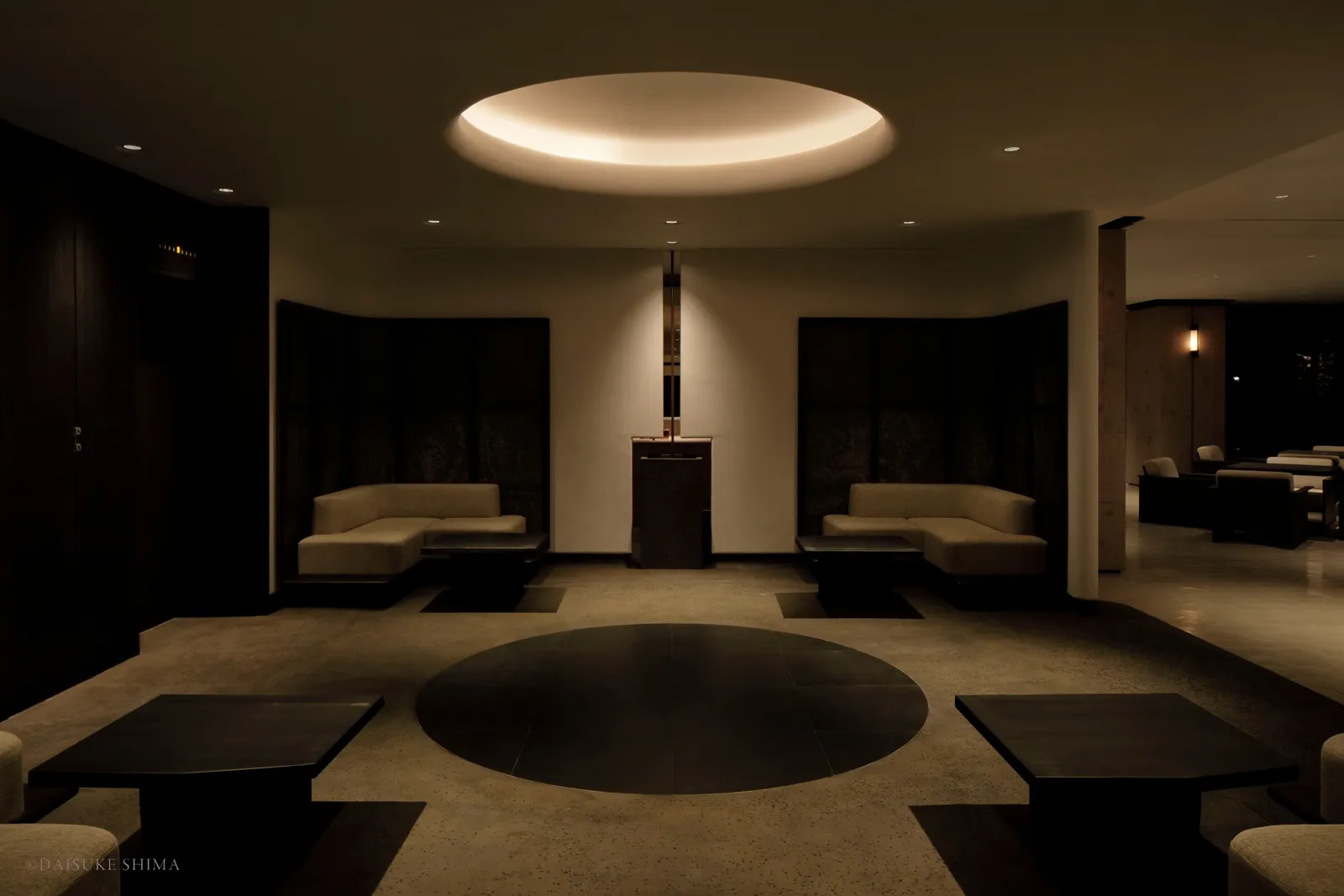
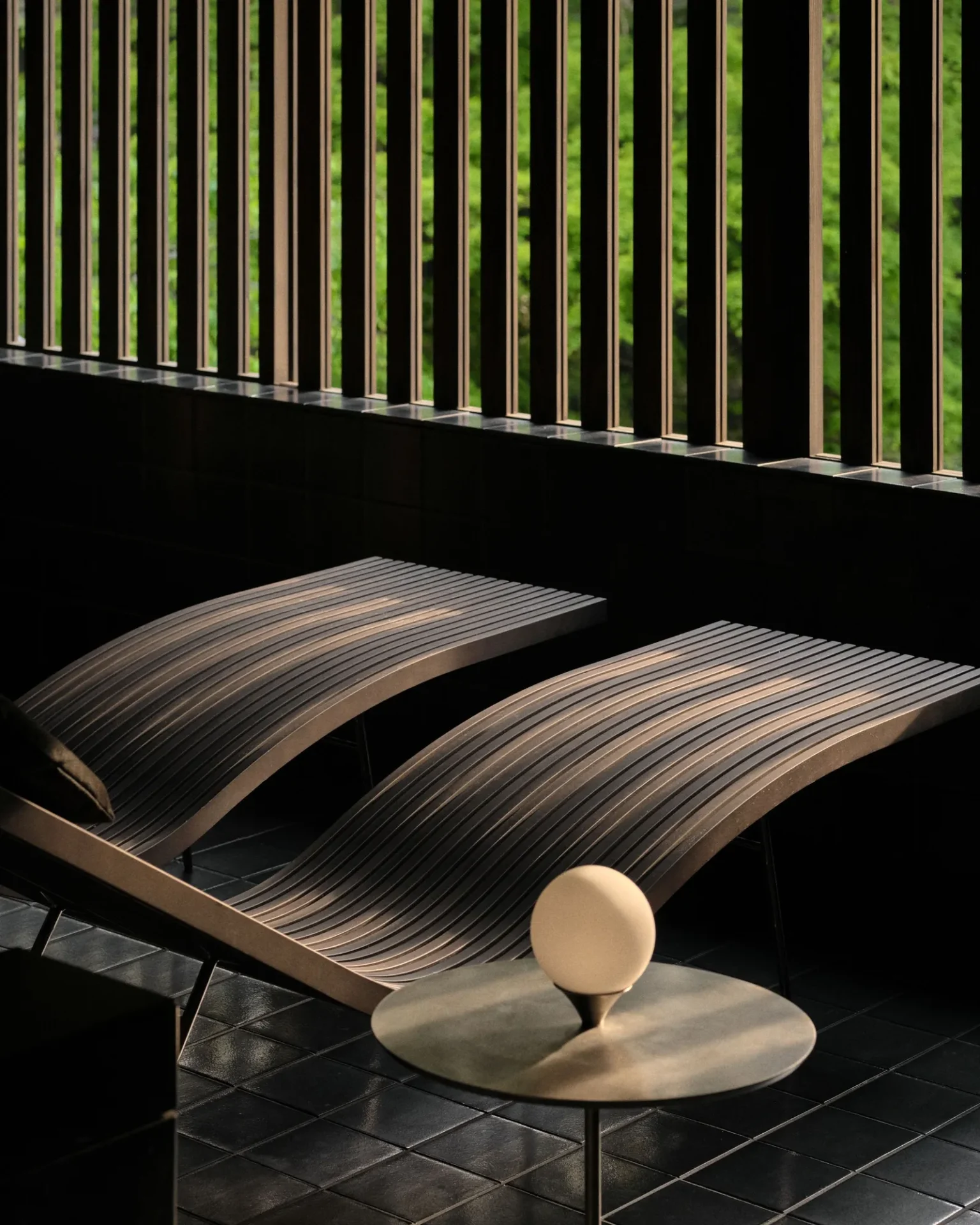
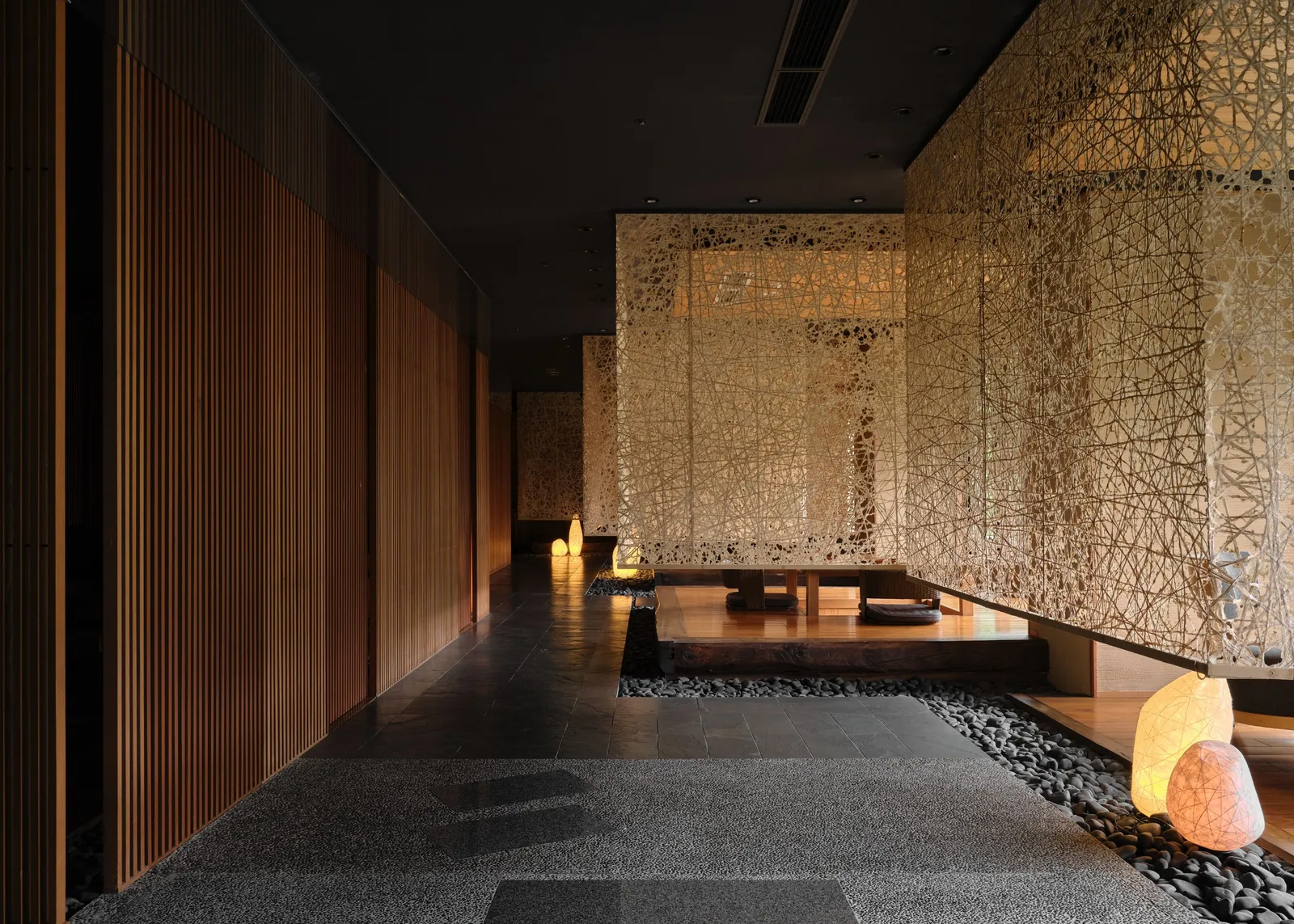
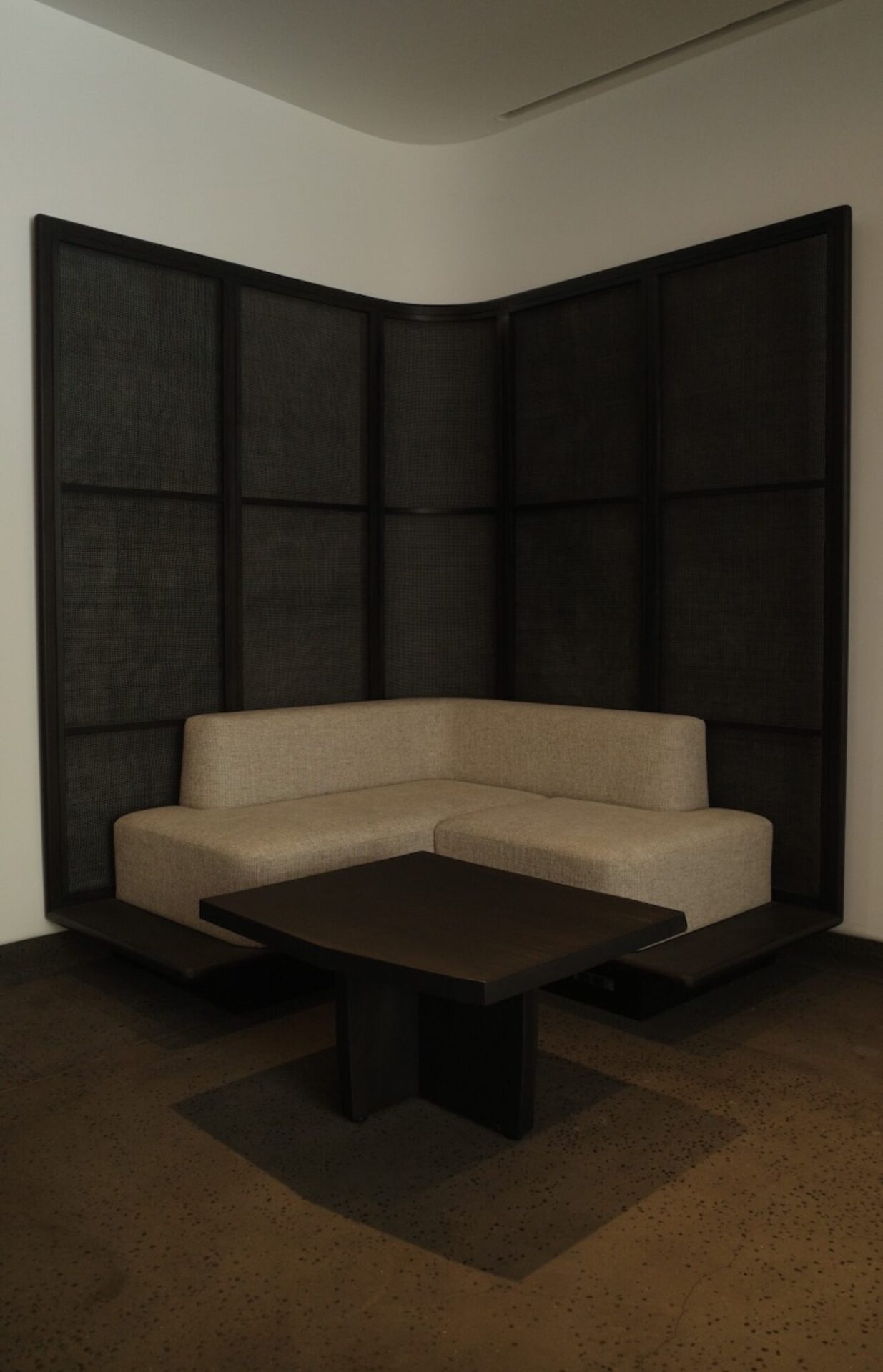
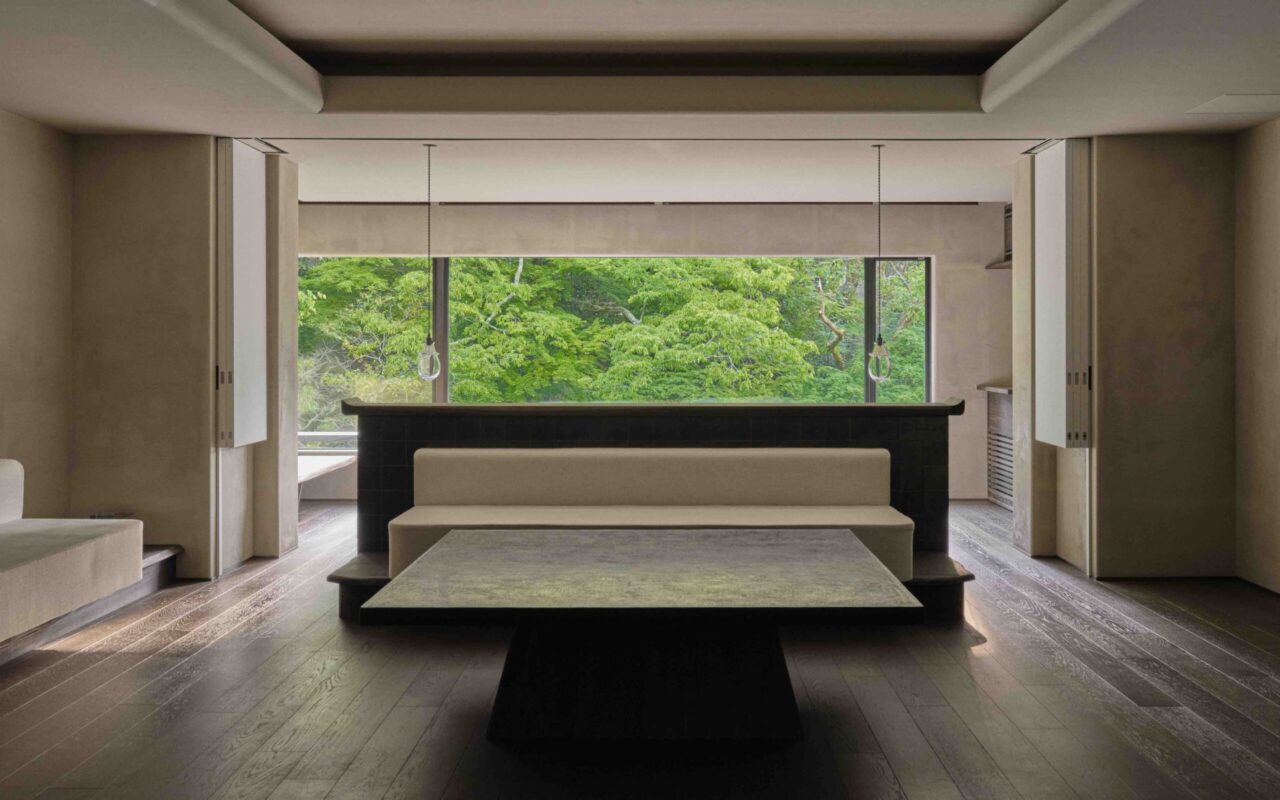
The transformation begins at the entrance, where a white noren curtain leads into a serene interior of stone, pale walls and carefully composed artworks. A striking wood and lacquer installation by artist Eiko Tanaka introduces the region’s celebrated craft traditions, while subtle incense establishes an atmosphere of quiet contemplation. The most significant architectural interventions are by Simplicity, the Tokyo design studio founded by Shinichiro Ogata. Known for its refined interpretation of Japanese aesthetics, the studio has created five contemporary suites and the hotel’s exceptional tea salon. Smooth mortar surfaces, dark timber, washi paper, stone and softly curved architectural forms establish a restrained material language. Contemporary artworks are integrated throughout, including glass installations by Rui Sasaki, lacquer pieces by Akihiko Sugita and works by regional ceramicists and craftspeople. The effect is minimal but never cold, with texture, light and shadow providing much of the visual interest.
Twenty-Five Rooms, Five Exceptional Suites
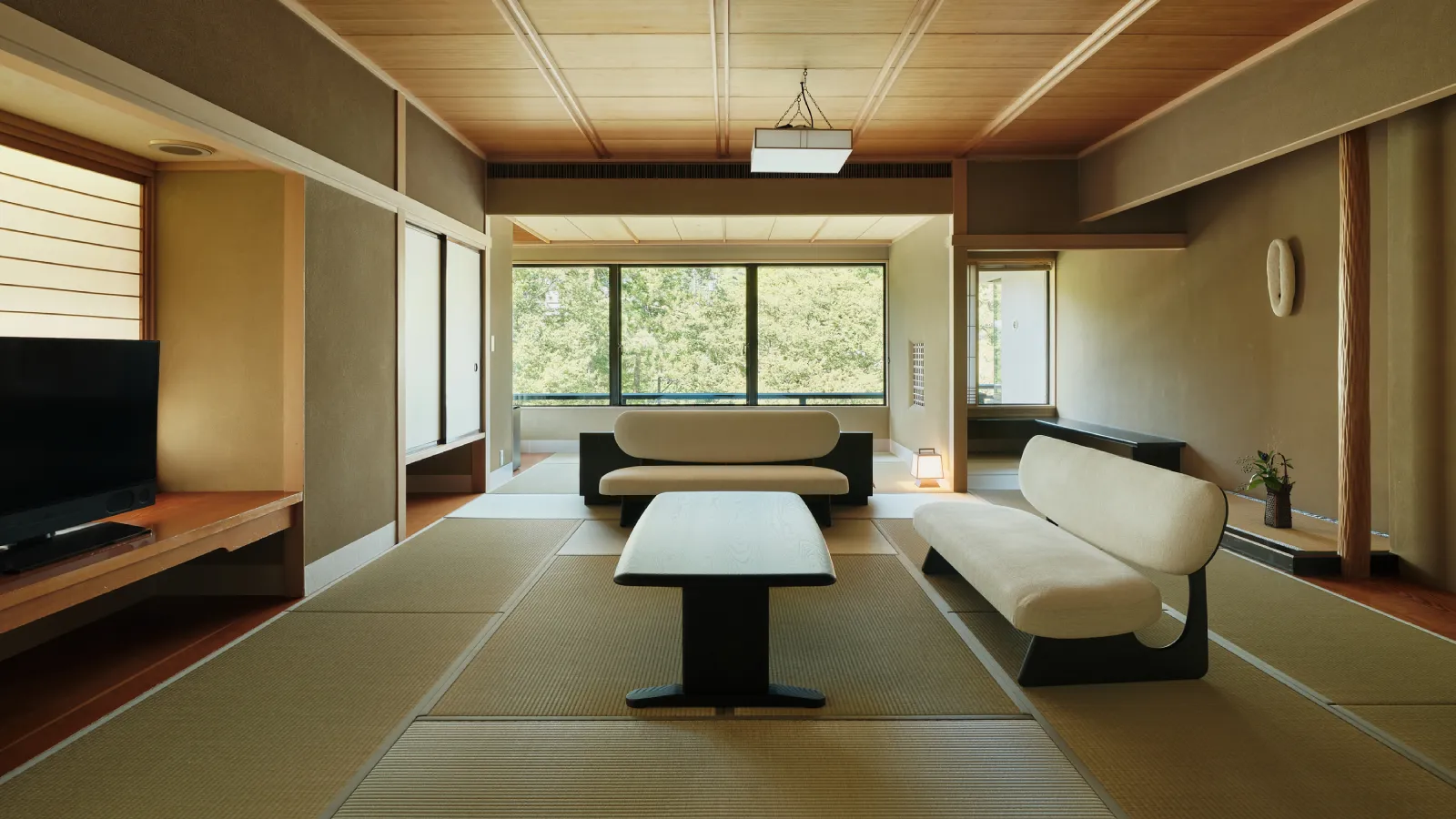
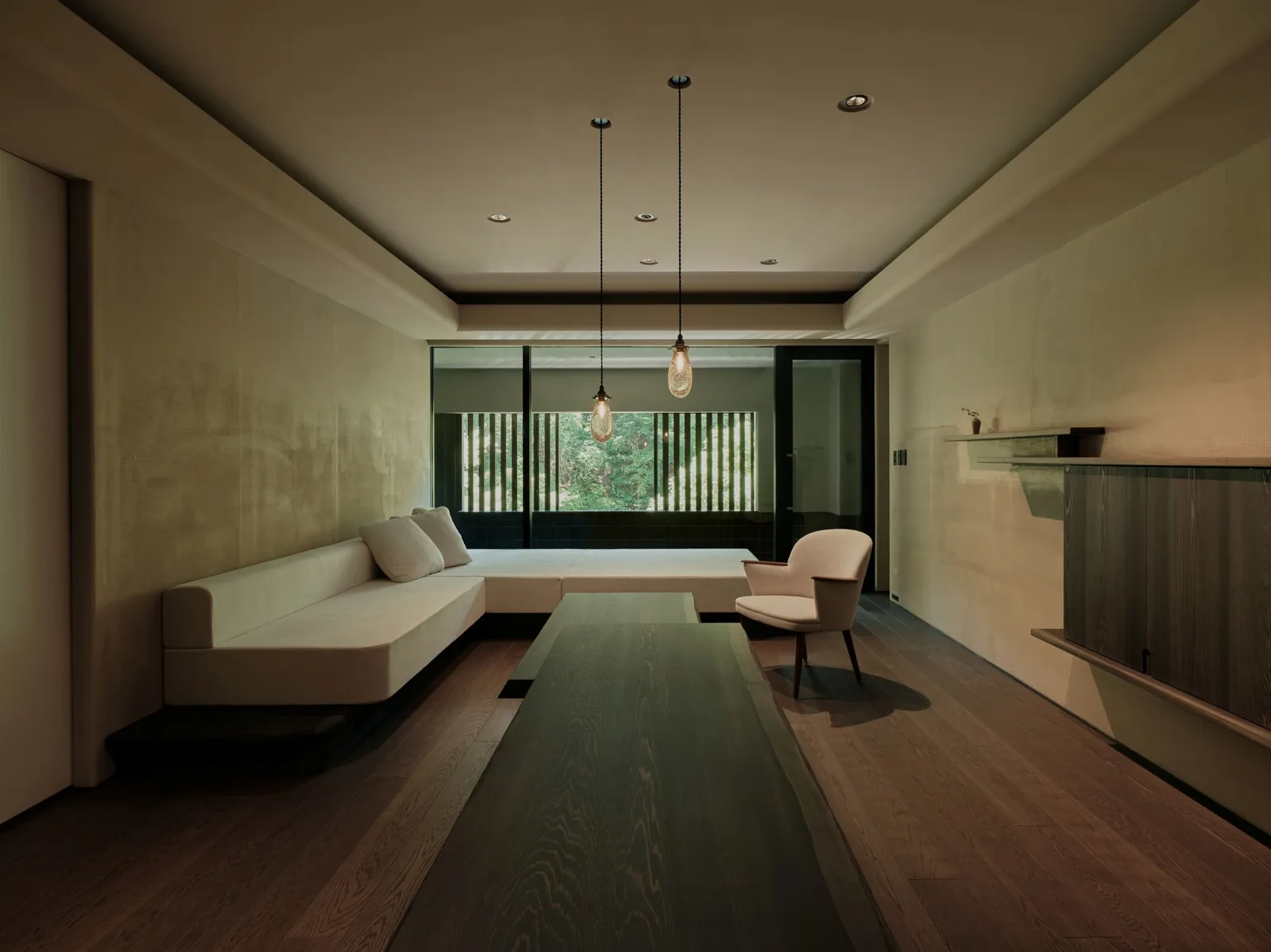
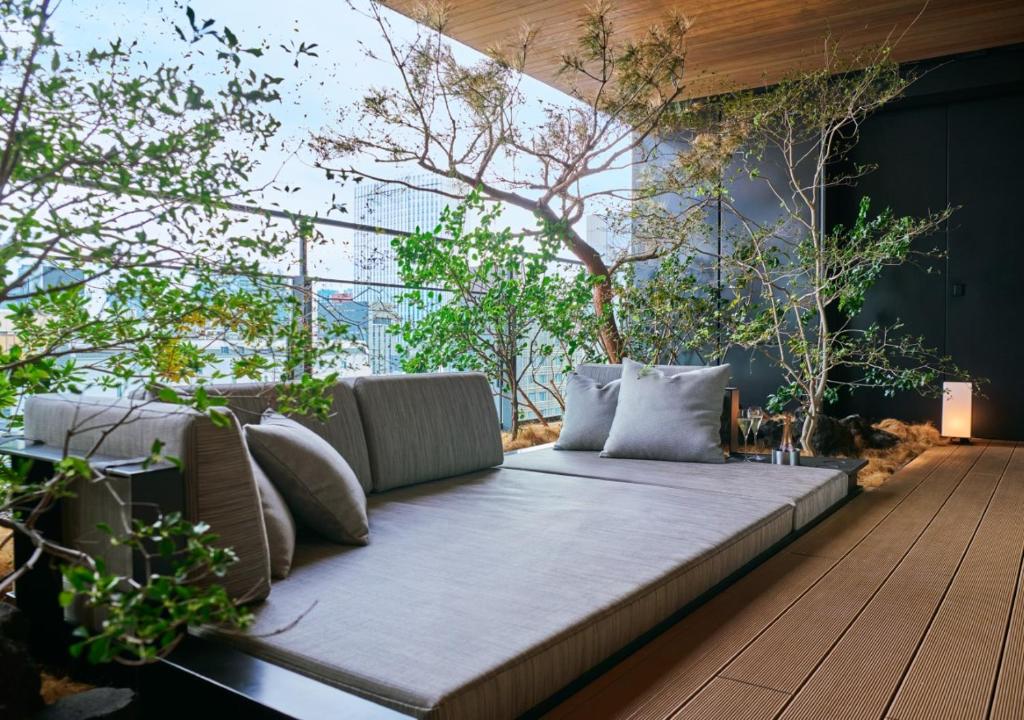
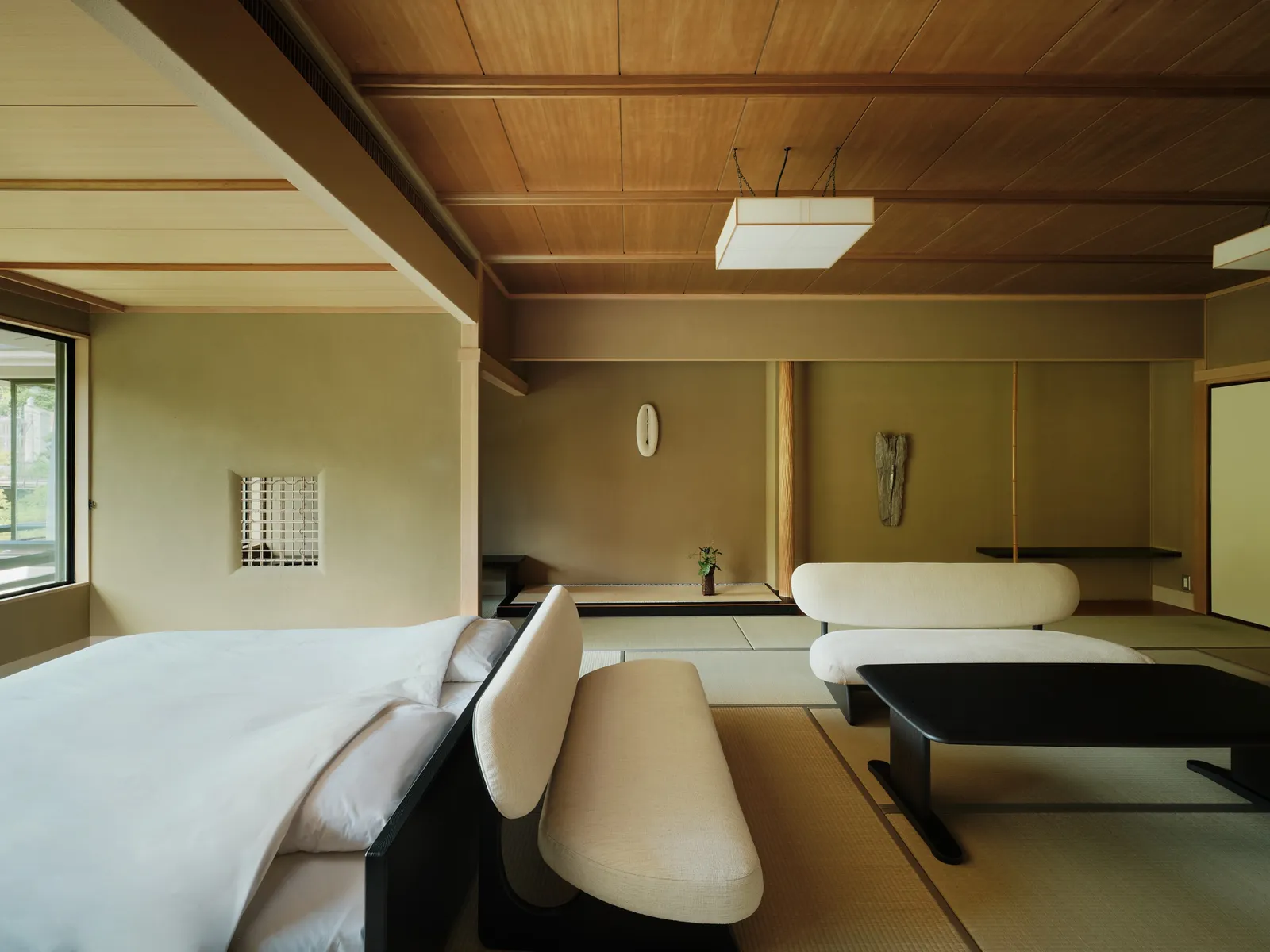
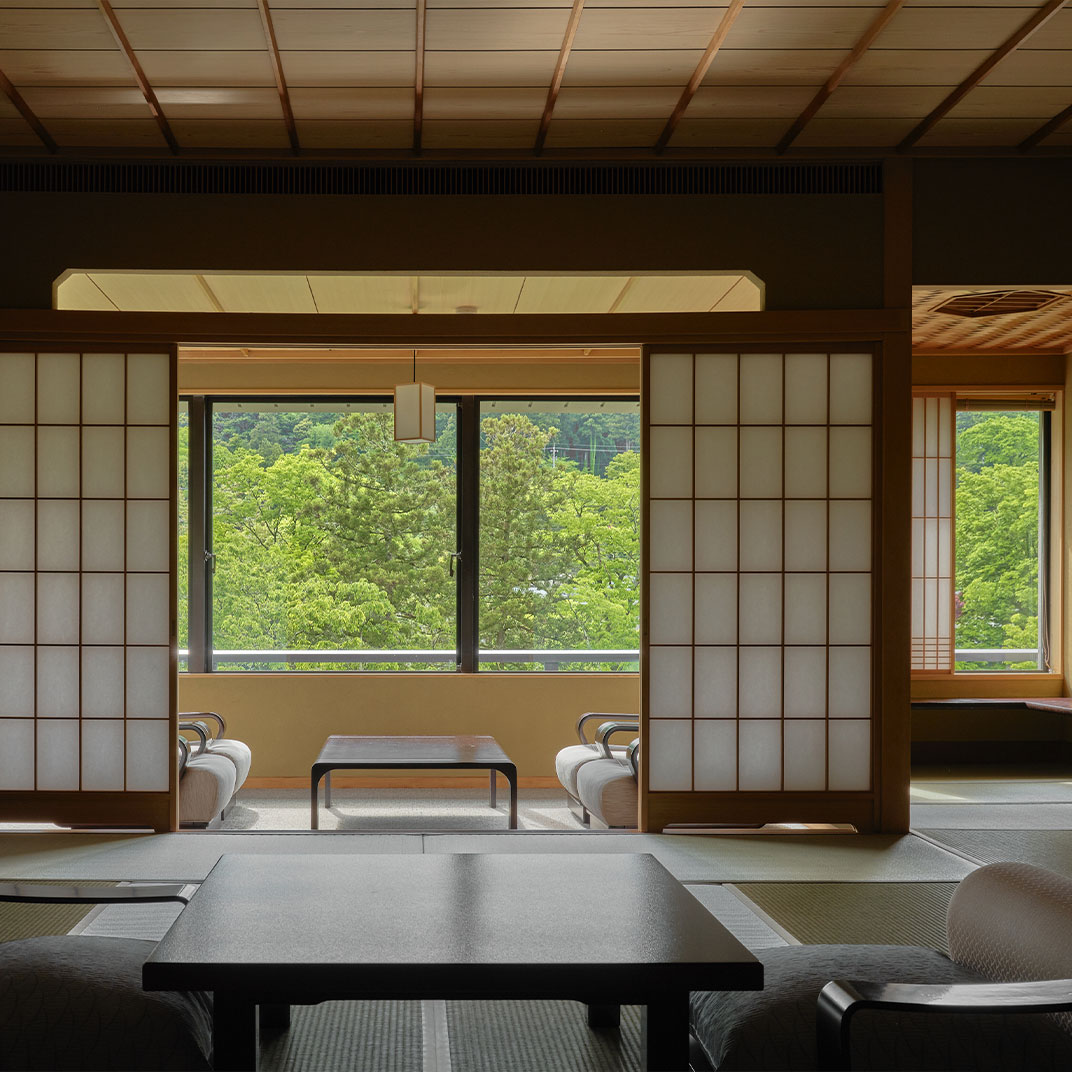
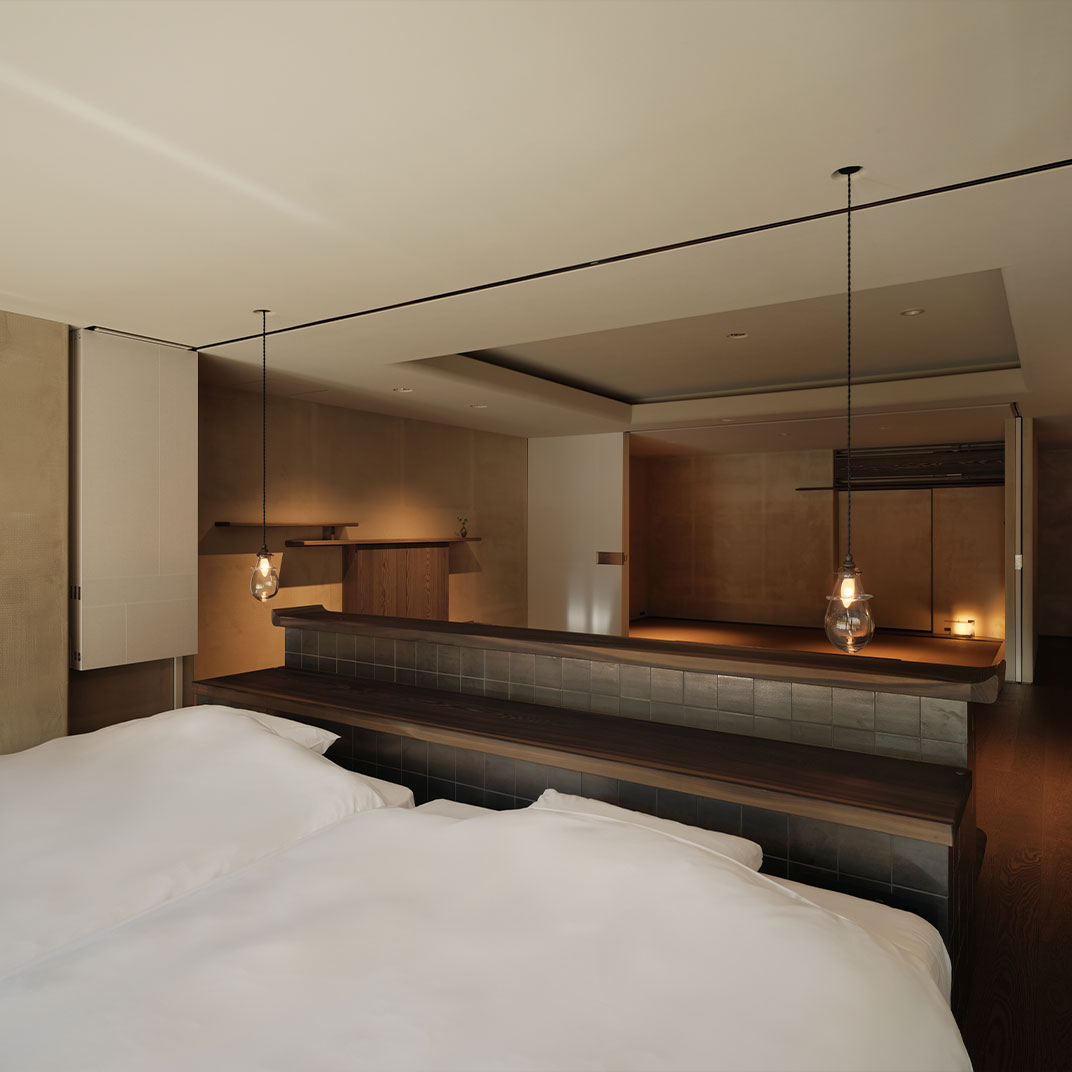
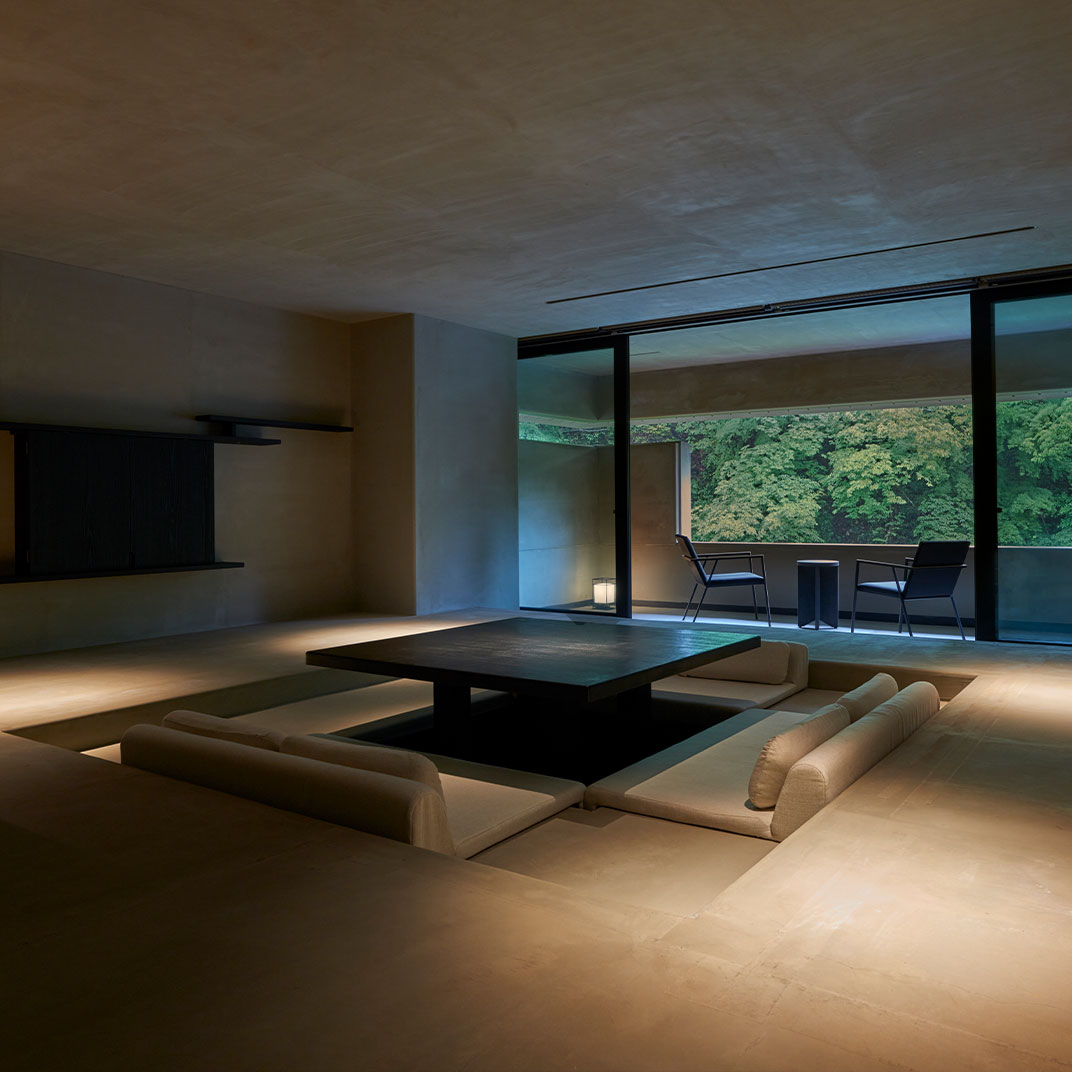
Hanamurasaki has just 25 guestrooms, all overlooking the dramatic Kakusenkei Gorge. Traditional Japanese rooms retain their tatami floors and familiar ryokan atmosphere, although many have recently been updated with Suminobi, a bespoke furniture collection developed specifically for the hotel. Low sofas, streamlined beds and softly curved forms introduce contemporary comfort while respecting the horizontal proportions of traditional Japanese interiors. The five Simplicity-designed suites take the concept considerably further. Spacious and beautifully composed, they combine Western-style beds with sculptural furniture, natural materials and carefully selected artworks. The Modern Suites feature flowing mortar surfaces, sunken seating areas and private hot spring baths, while the Art Suites introduce distinctive details such as luminous glass installations, lacquered tables and monumental ceramic bathtubs. Some suites also include private saunas. Throughout, the design feels deeply considered, with every material and object contributing to an atmosphere of understated sophistication.
Tea as an Art Form
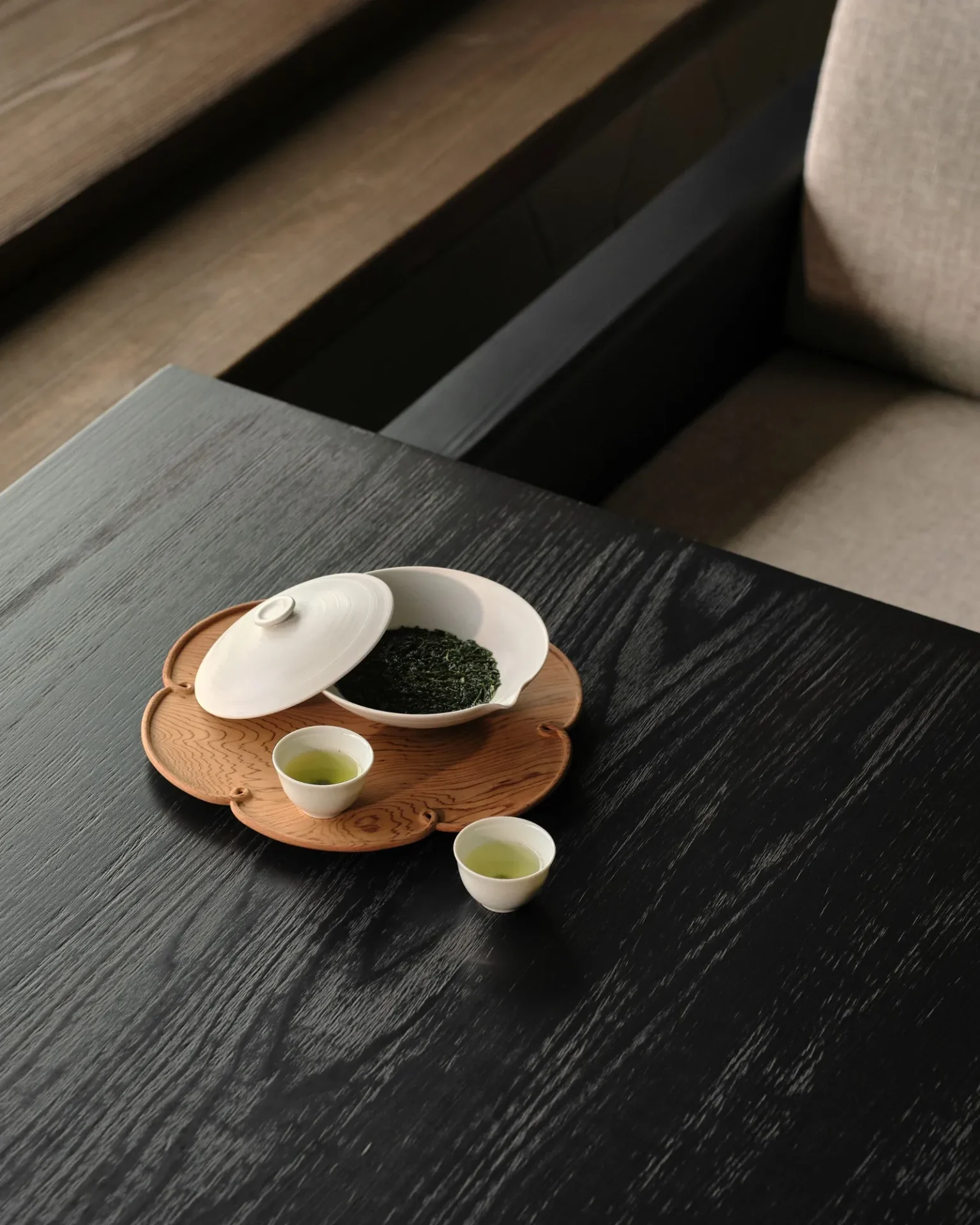
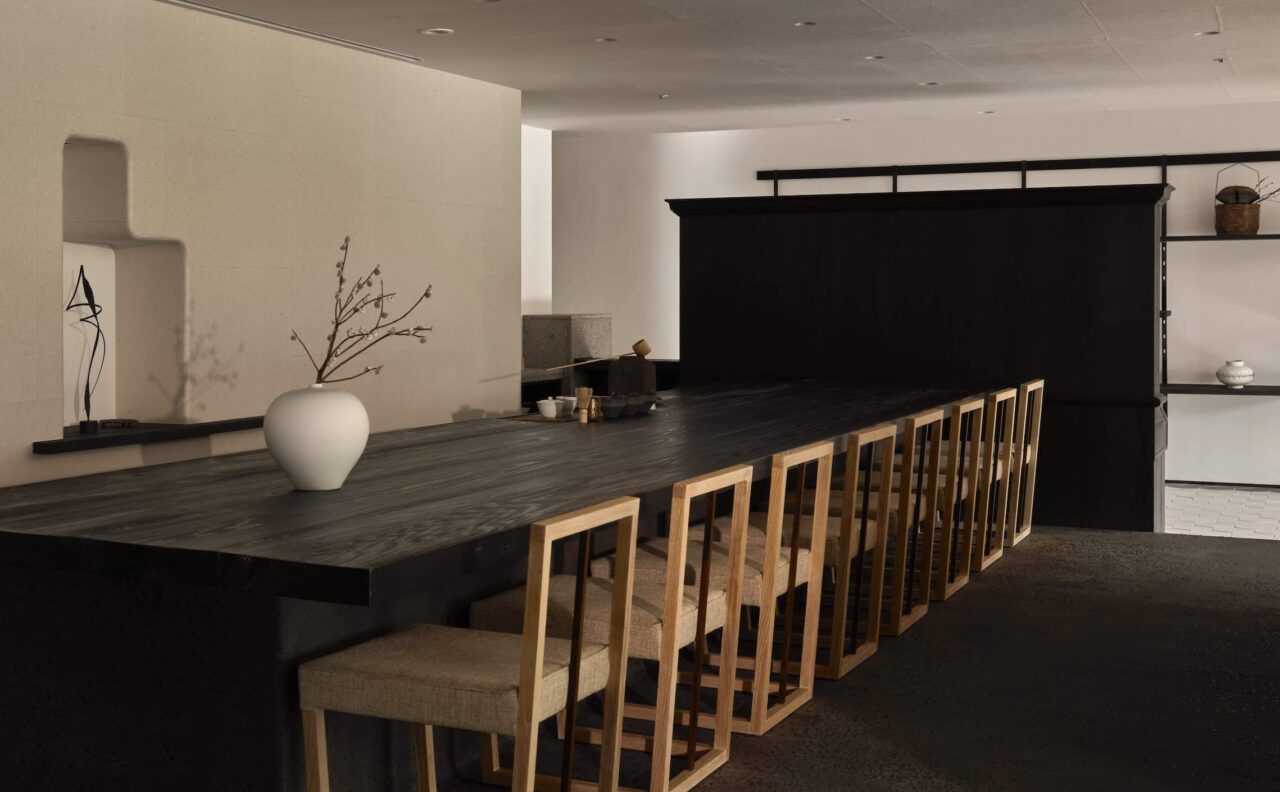
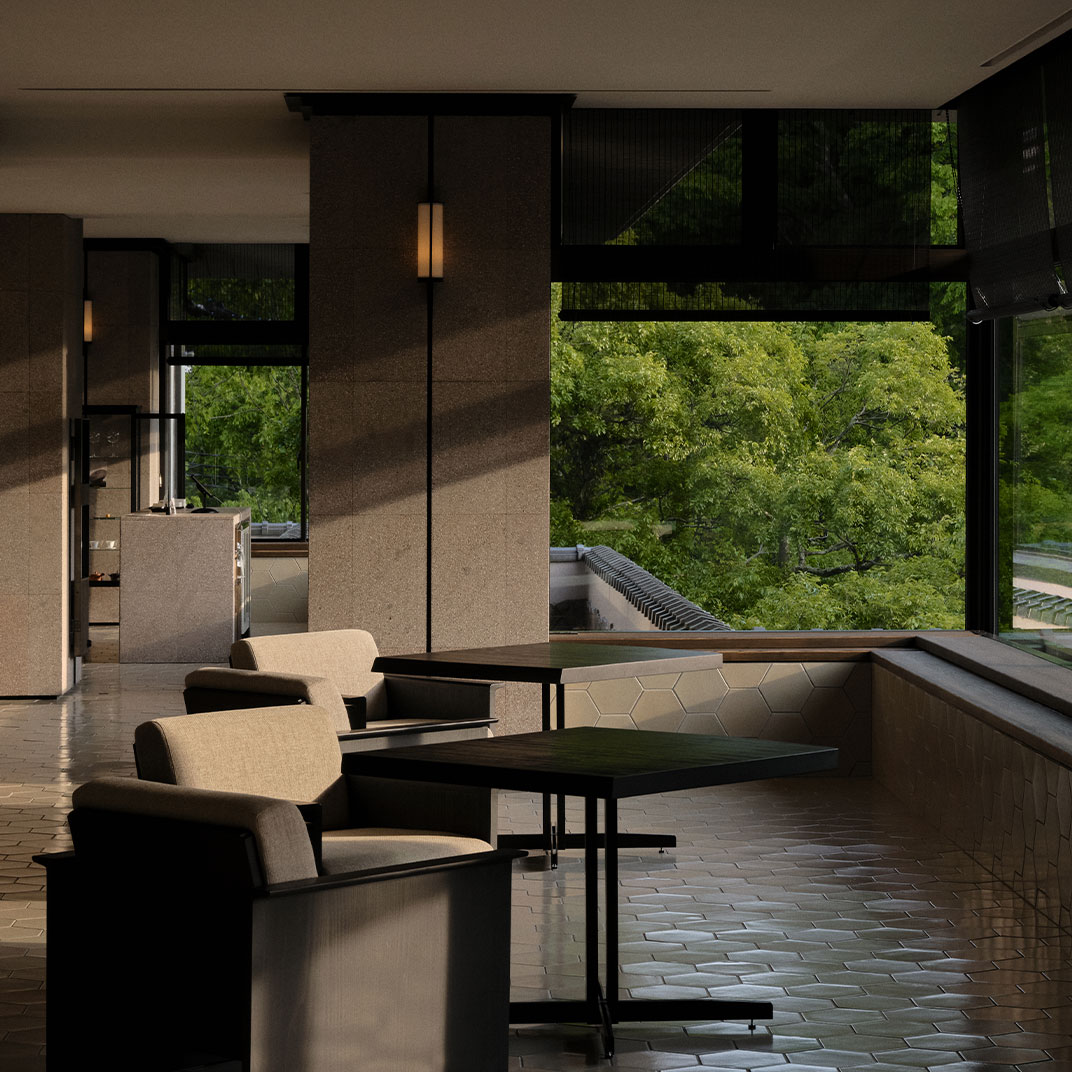
One of Hanamurasaki’s most memorable spaces is Sabo, the contemporary tea salon designed by Simplicity. Soft white curves, hexagonal floor tiles, dark timber furniture and expansive windows framing the surrounding forest create an almost meditative atmosphere. The tea programme, developed with Japanese tea specialist Shinya Sakurai of SABOE, explores both regional and wider Japanese tea traditions. Particular attention is given to Kaga bōcha, the roasted twig tea for which the region is famous, alongside carefully selected green and black teas. Afternoon tea is presented on bespoke ceramics, accompanied by inventive seasonal delicacies that reinterpret traditional Japanese flavours. For those who prefer something stronger, the menu also includes creative tea-based cocktails. It is a beautiful example of how a centuries-old ritual can feel entirely contemporary without losing its cultural significance.
Kaiseki, Art, and the Flavours of Ishikawa
Dining is another essential part of the Hanamurasaki experience. The restaurant serves seasonal kaiseki, the traditional Japanese multi-course cuisine that celebrates ingredients, craftsmanship and the changing seasons. Produce from Ishikawa’s mountains and coastline forms the foundation of carefully composed dishes, with regional seafood, vegetables, Noto beef and locally brewed sake taking centre stage. Winter brings the celebrated snow crab season, while vegetarian menus and à la carte options offer a degree of flexibility unusual among traditional ryokan. The dining room itself is a work of art, featuring dramatic washi paper installations by Kyoto artist Eriko Horiki and windows overlooking the gorge. The presentation is refined without becoming unnecessarily formal, reflecting the hotel’s broader philosophy of respecting tradition while allowing room for new interpretations.
Hot Springs Above the Gorge
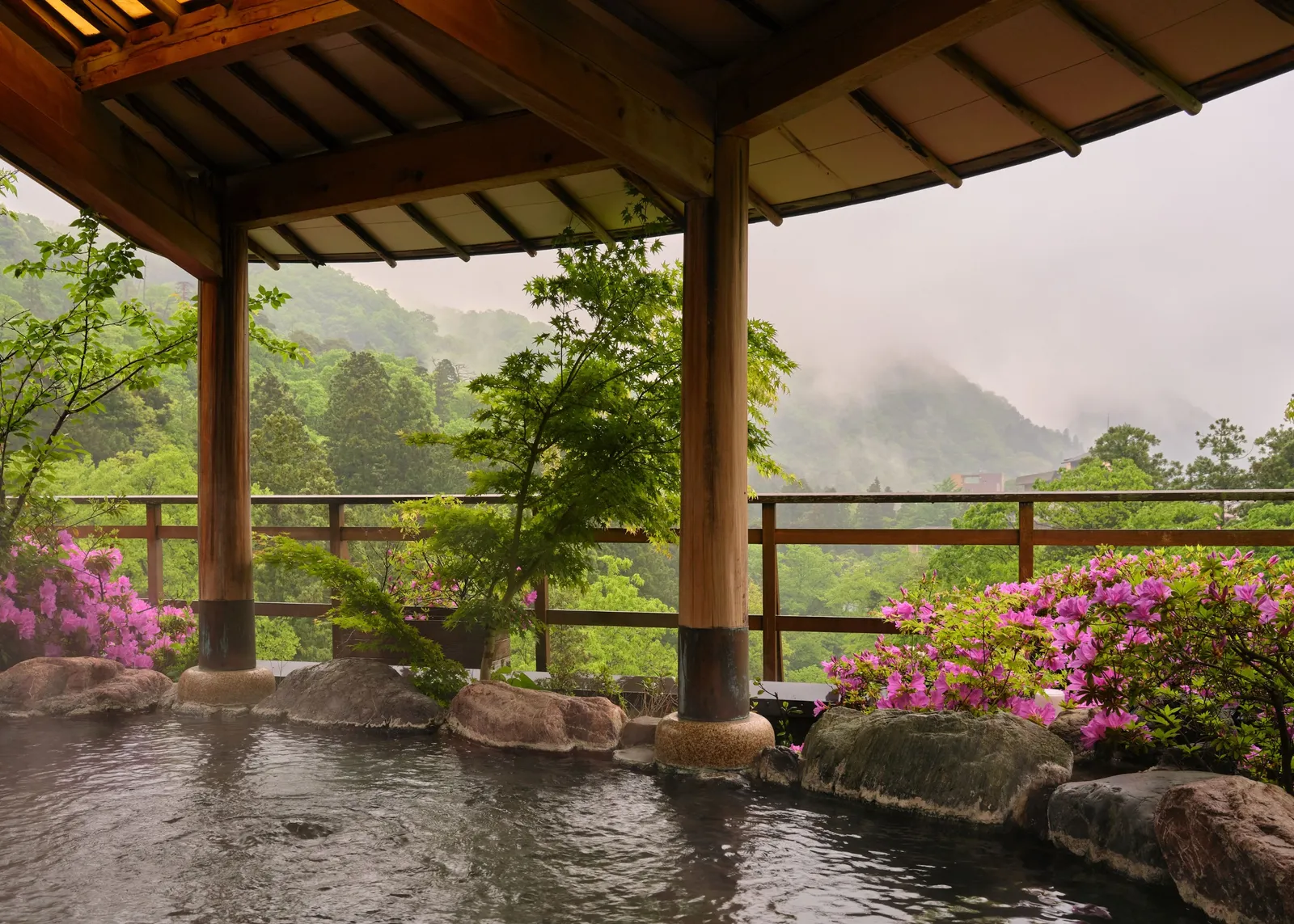
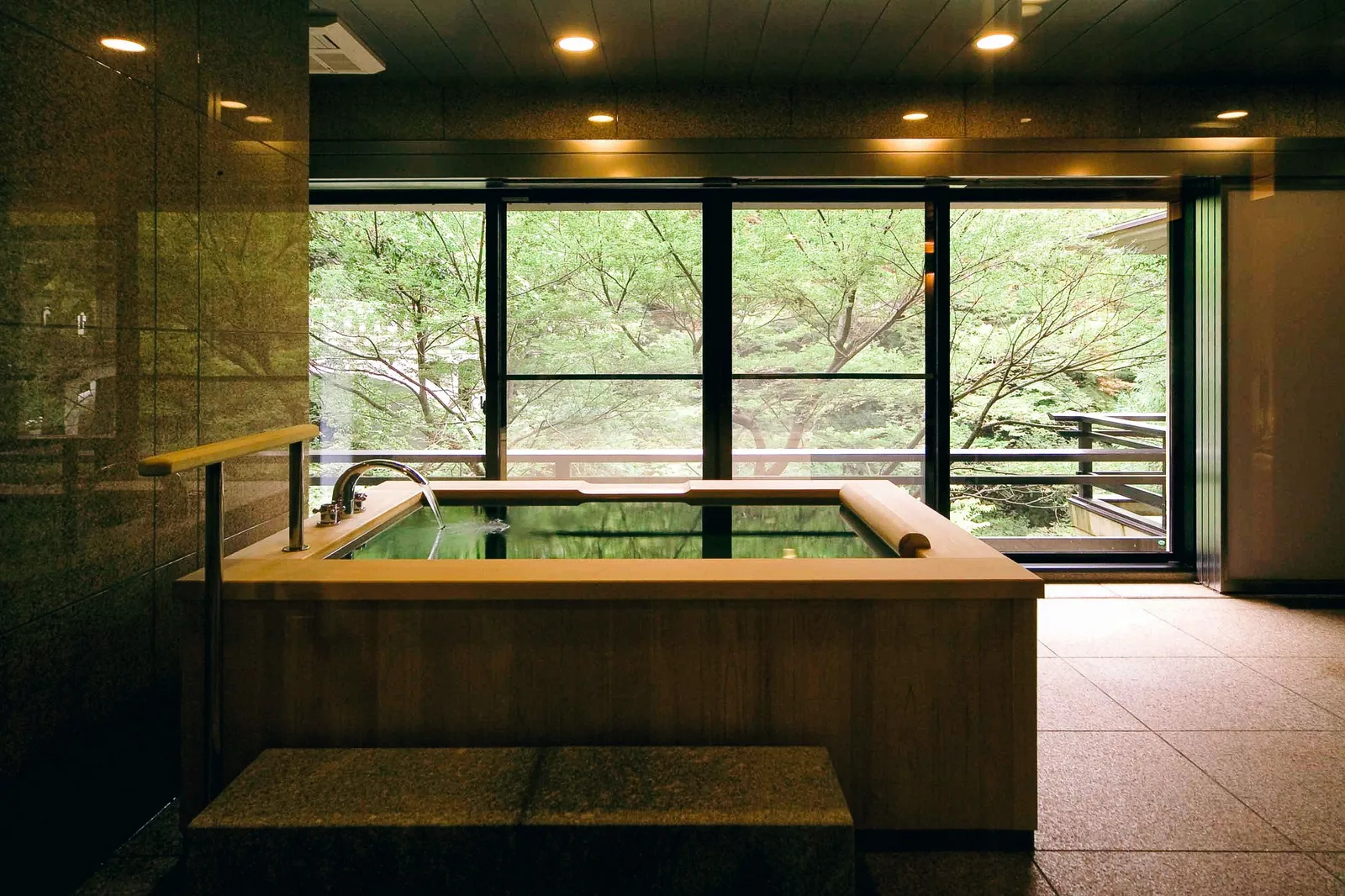
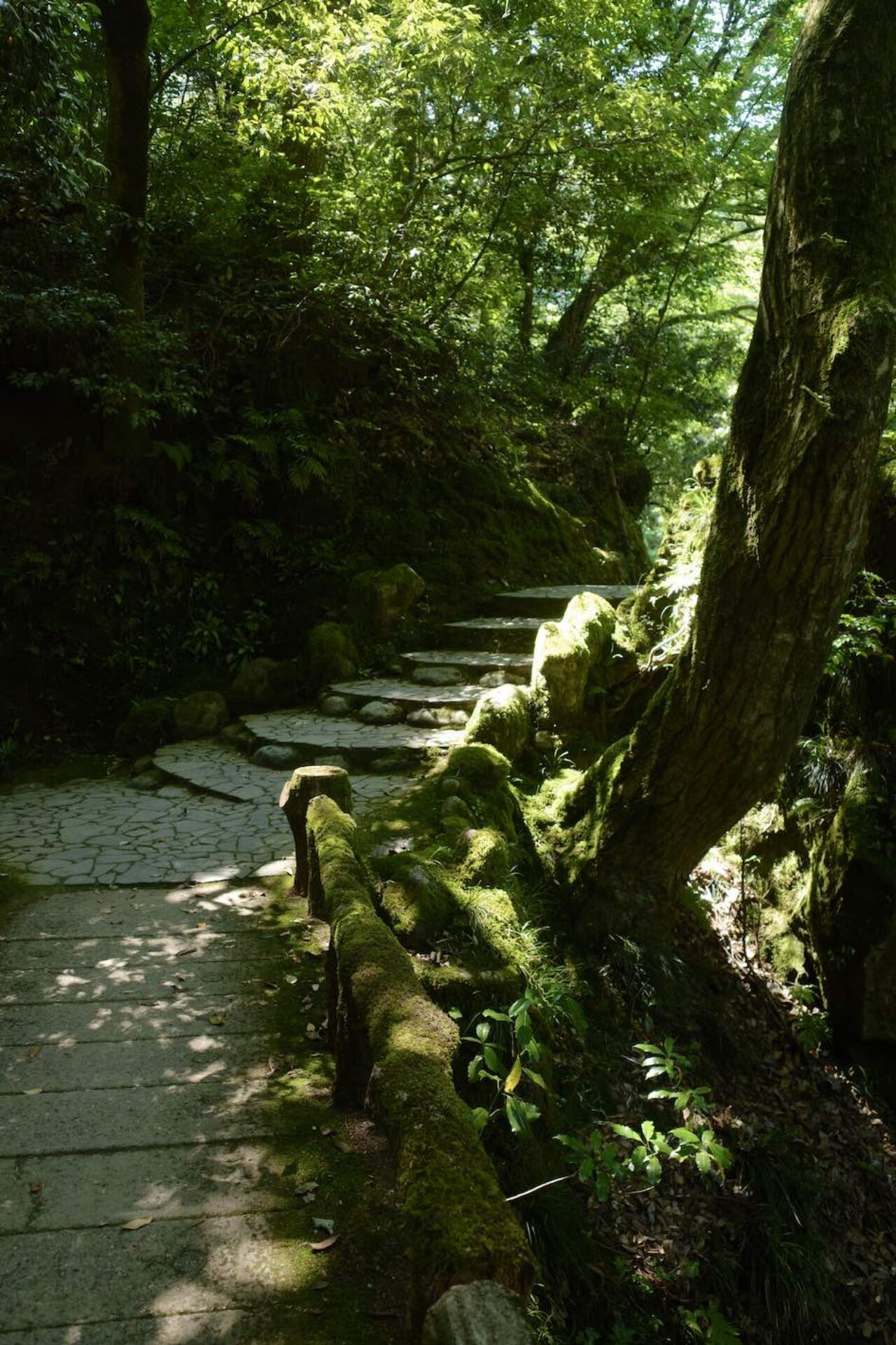
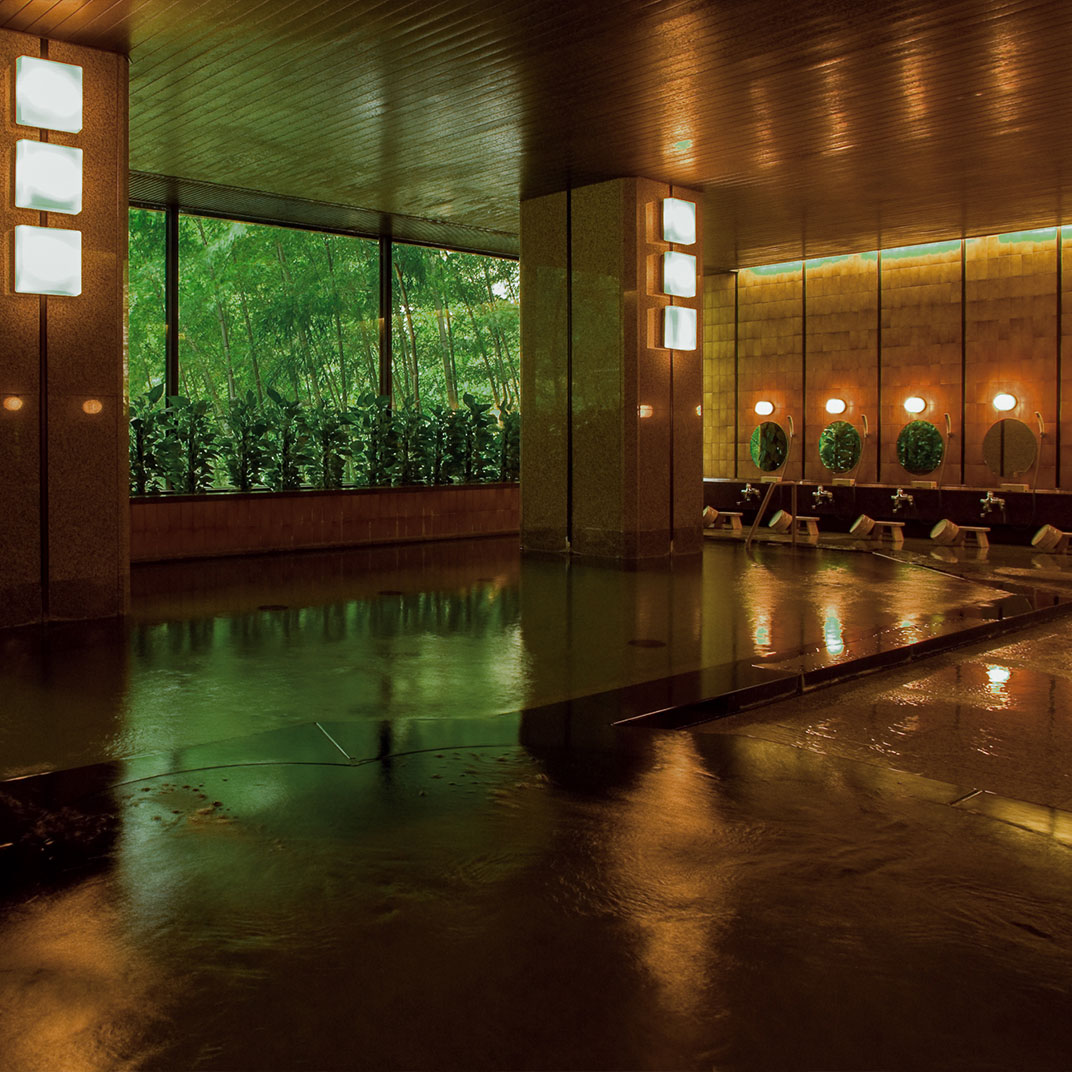
Yamanaka Onsen’s natural hot springs remain central to the experience. Hanamurasaki offers communal bathing facilities alongside private baths in selected suites, where guests can soak in mineral-rich water while looking towards the surrounding forest. The combination of flowing water, mountain air and changing seasonal scenery creates an atmosphere that no elaborate wellness concept could easily reproduce. Beyond the baths, the Kakusenkei Gorge offers one of the region’s most beautiful walking routes, following the Daishoji River past moss-covered rocks, traditional bridges and dense woodland. In spring, fresh greenery transforms the valley; autumn brings extraordinary colours, while winter occasionally covers the landscape in snow. The ryokan’s position directly above the gorge makes nature an inseparable part of the stay.
A Living Gallery of Japanese Craftsmanship
What truly distinguishes Hanamurasaki is the personal vision of Kohei and Manami Yamada. Their interest in contemporary art and regional craftsmanship extends well beyond the hotel’s interiors. Through collaborations with local lacquerware artists, ceramicists, woodworkers and designers, they are creating an evolving platform for Japanese creativity. Guests can participate in workshops, visit traditional studios or join personally curated tours exploring the region’s artistic heritage. The couple have also established Yamadart, a contemporary art gallery in nearby Kanazawa, further connecting the ryokan to Japan’s creative community. This commitment gives Hanamurasaki a cultural depth that is rare even among Japan’s most sophisticated luxury retreats. Rather than presenting tradition as something frozen in time, the hotel allows it to evolve through new materials, ideas and artistic collaborations. Six generations after its founding, Hanamurasaki is still very much a work in progress. And that is precisely what makes it so interesting.
Information
At a glance
Opened / Renovated
1902, current building: 1984, renovated 2022
Size matters
25 rooms, including 5 suites (80-143m2) (861-1,539 sq ft)
Interior design
Simplicity

Handpicked worldwide
A carefully curated collection of exceptional boutique and design hotels across the globe.
Design with soul
Architecture, atmosphere and craftsmanship come together in stays with a clear identity.
Hidden, not hyped
Independent boutique hotels you rarely find on mainstream booking platforms.
Travel guidance
Personal recommendations and thoughtful support from people who actually know the places.