



A Purple Surprise in the Hills of Bandung
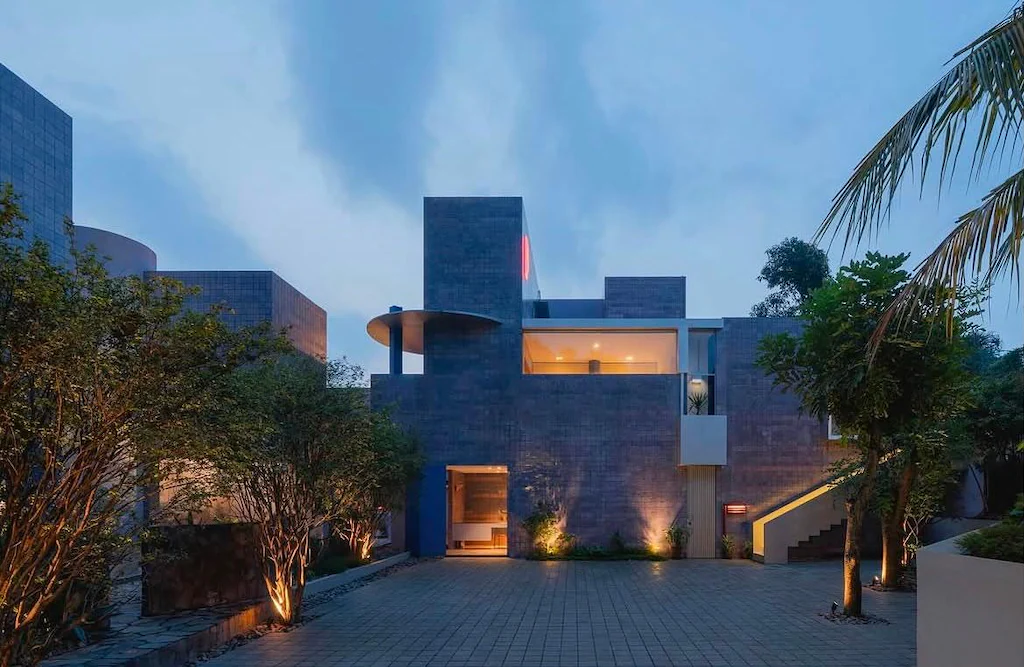
PLAATS Hotel in Bandung combines a striking purple-tiled façade, neighbourhood-inspired architecture and 14 individually designed rooms with Indonesian art, private jacuzzis and vinyl record players.

Why DNA Hotels loves it
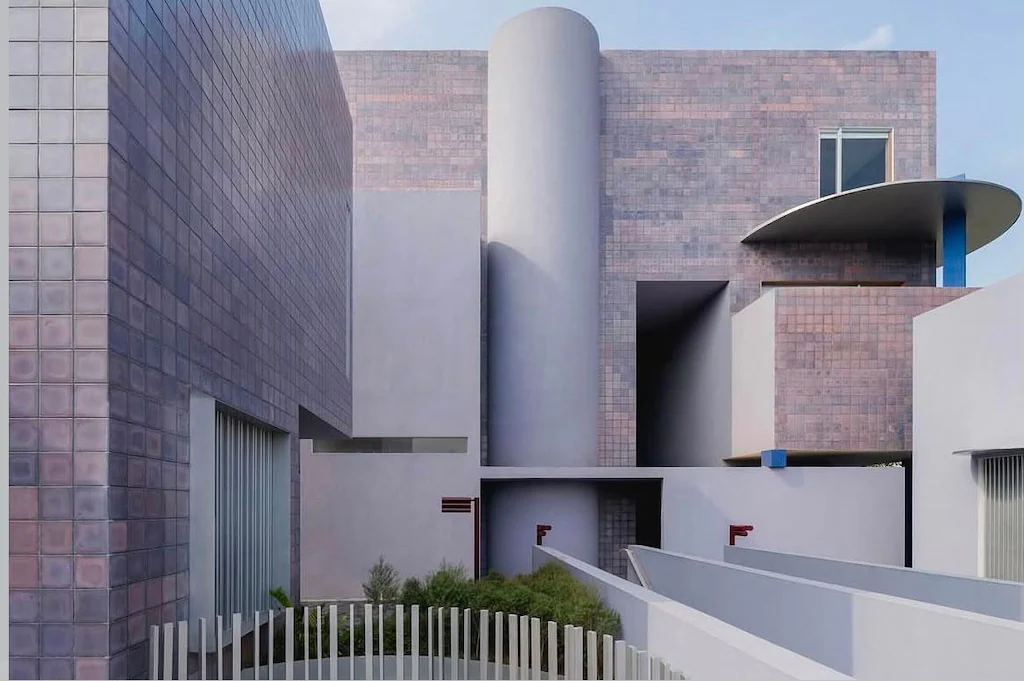
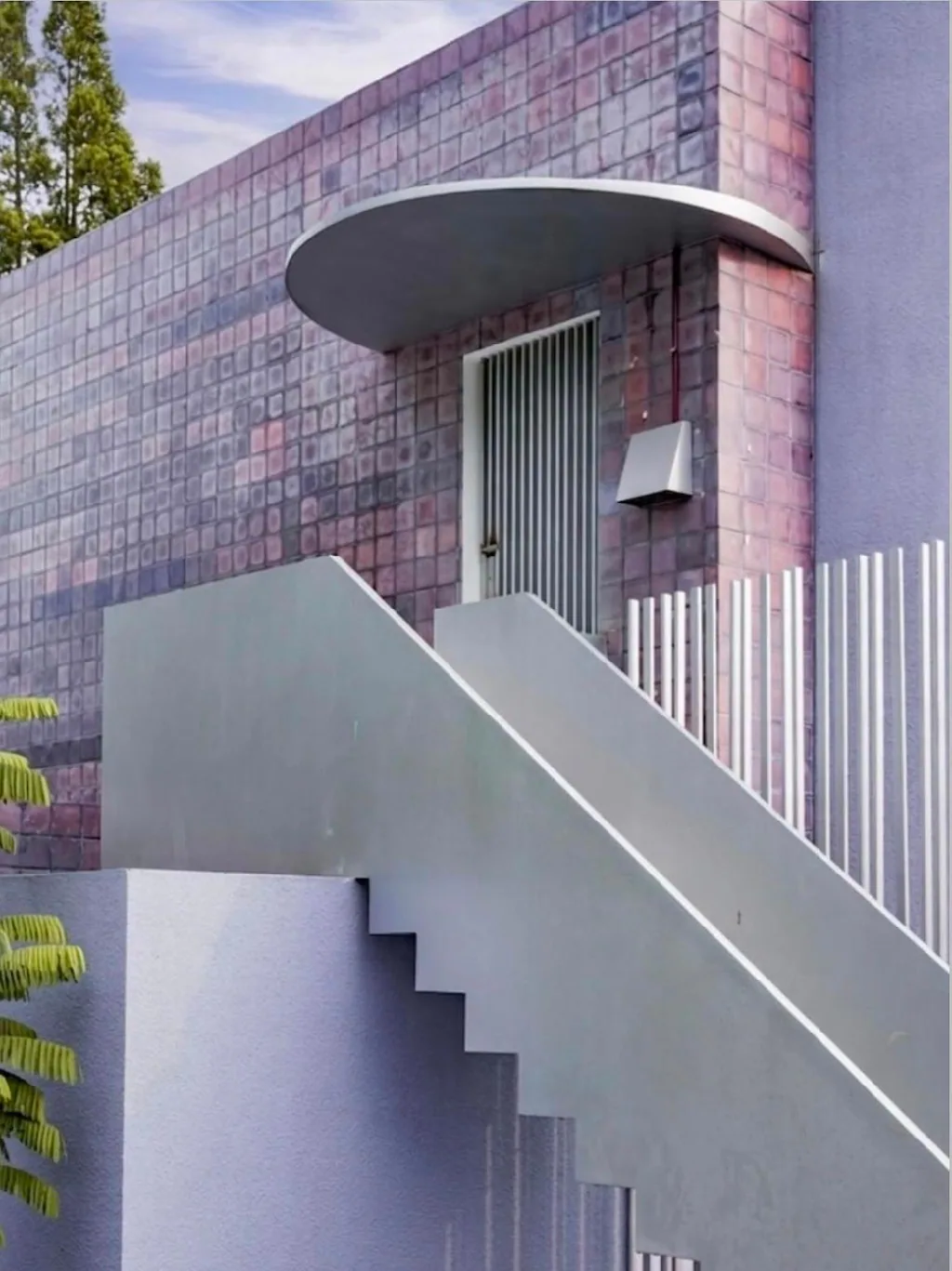
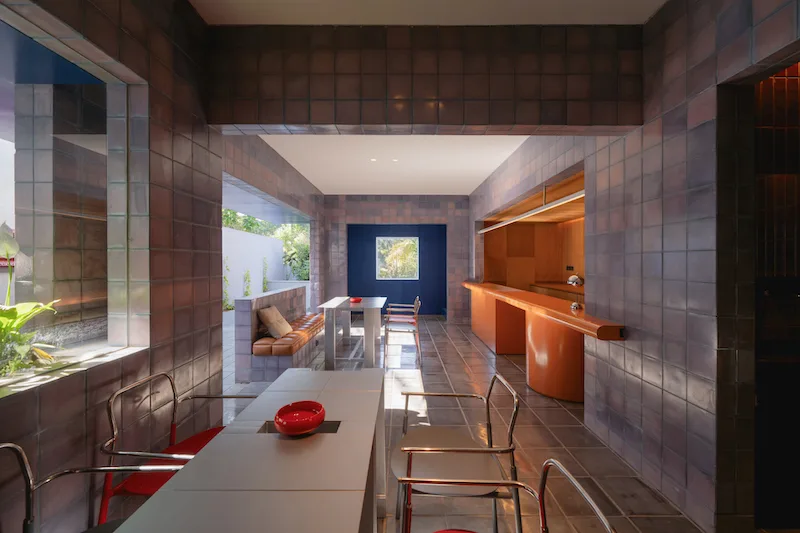
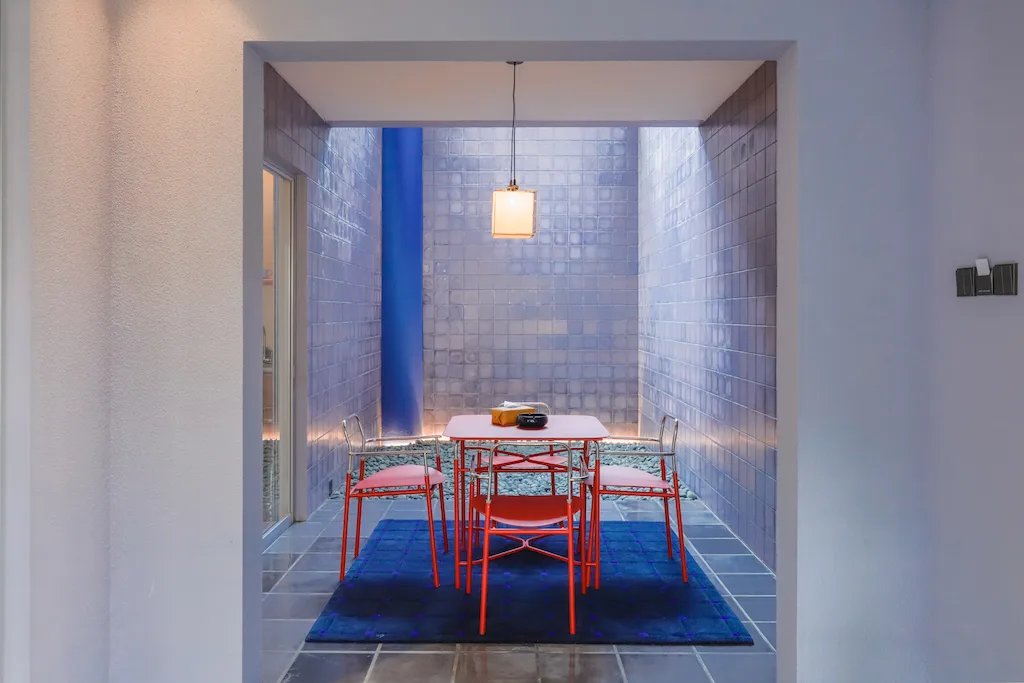
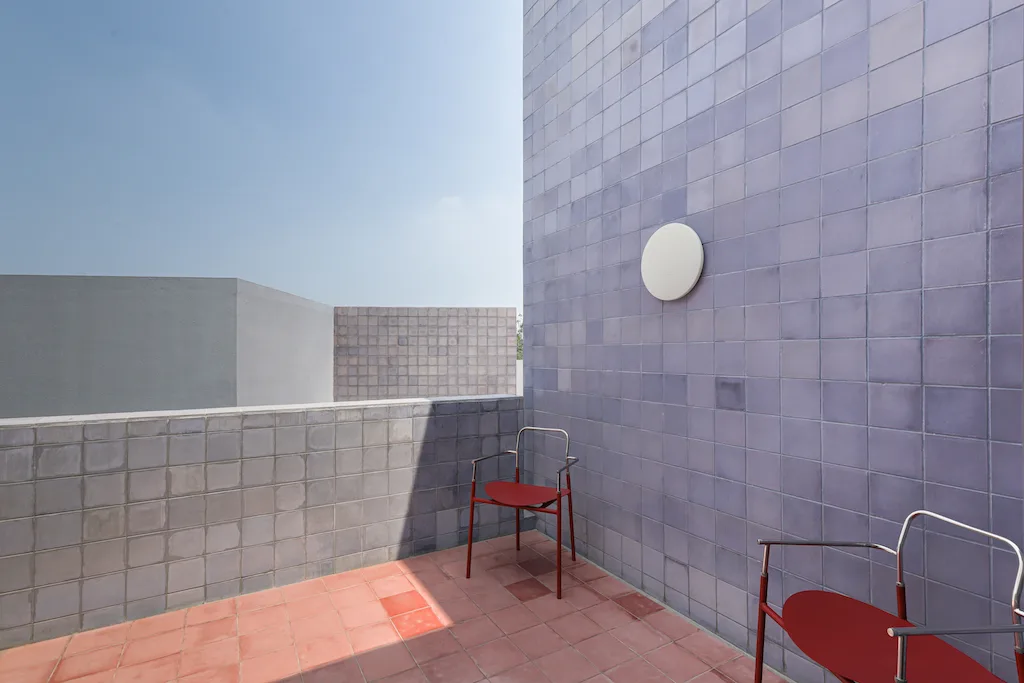
n inventive architectural concept by Indonesian studio FFFAAARRR, with a purple tiled façade referencing Bandung's identity as the Flower City and a building that follows the contours of its hillside setting.
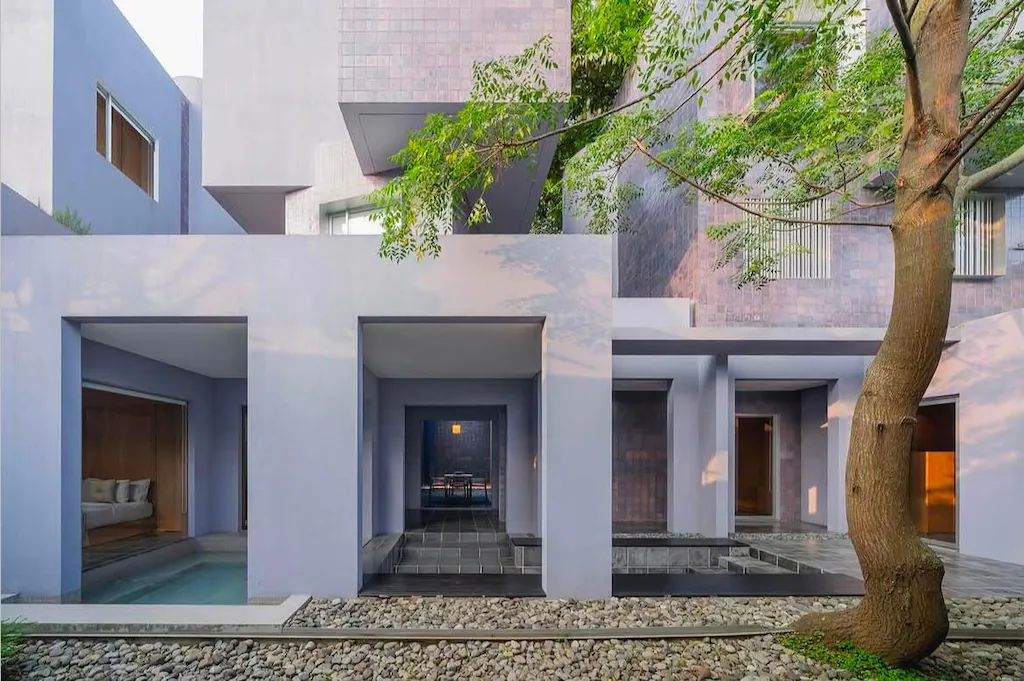
Fourteen individually configured rooms arranged like a three-dimensional jigsaw puzzle, connected by open-air alleyways inspired by the gang of traditional Indonesian neighbourhoods.
A refreshing alternative to conventional tropical boutique hotels, with locally sourced furnishings, Indonesian art, private jacuzzis, vinyl record players and an emphasis on independence rather than elaborate hotel facilities.
The Stay
Purple Tiles, Urban Alleyways and a Different Take on the Boutique Hotel
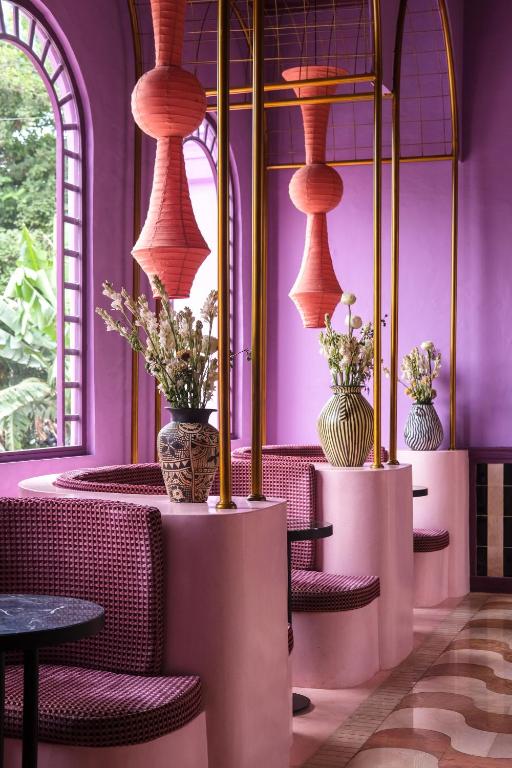
Bandung has long been one of Indonesia’s more interesting cities for architecture and design. Its Dutch colonial heritage, Art Deco buildings, creative industries and cooler mountain climate give it a character quite different from Jakarta’s relentless urban intensity. In Ciumbuleuit, a leafy neighbourhood in the hills north of the city centre, PLAATS Hotel introduces another architectural curiosity. The façade is purple. Not a discreet lavender accent or a fashionable pastel, but an entire composition of tinted concrete tiles inspired by Bandung’s nickname, Kota Kembang, the Flower City. Behind this colourful exterior lies a clever exercise in spatial planning, conceived by Indonesian architecture and interior design studio FFFAAARRR for hospitality group Maja Family. With just 14 rooms, PLAATS is small enough to experiment with ideas that would be considerably more difficult to implement in a conventional hotel.
A Hotel Designed Like a Neighbourhood
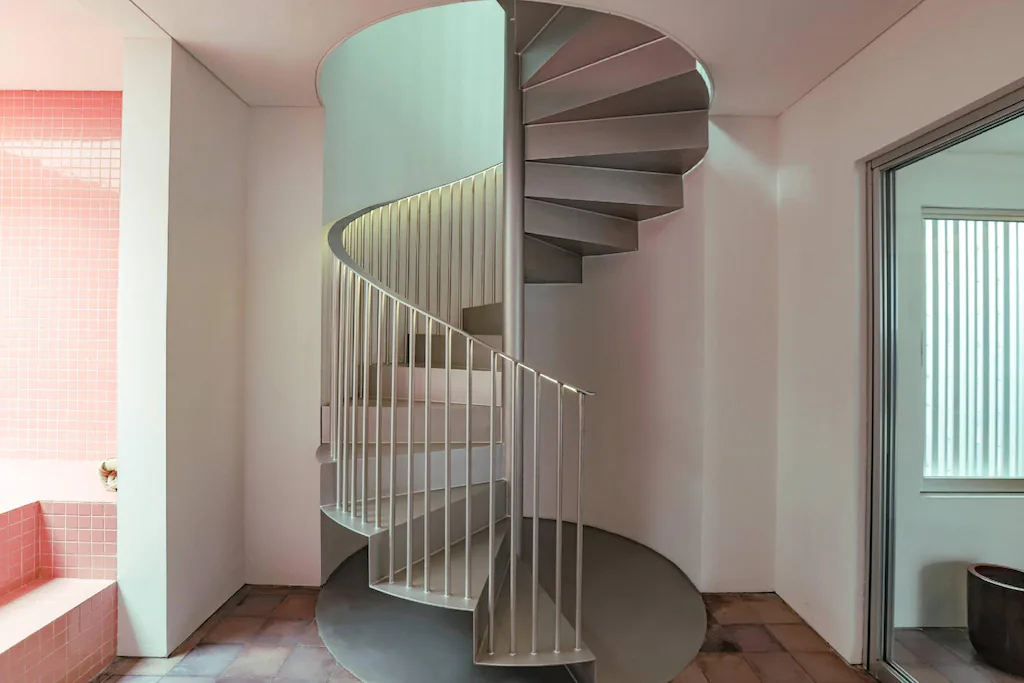
Rather than arranging identical rooms along enclosed corridors, the architects have taken inspiration from the narrow alleyways, or gang, found in densely populated Indonesian neighbourhoods. Guests move through open-air passages, turn corners and arrive at individual entrances, almost as though navigating a miniature village. It is a clever response to a compact, irregular hillside site. The building follows the natural contours of Ciumbuleuit, its different volumes fitting together like pieces of a three-dimensional puzzle. The architects worked with a recurring square-based grid, including a 3 × 3 planning module that allows individual rooms to take on different configurations without losing the coherence of the overall building. The result is a hotel that feels less like a single structure and more like a collection of small urban dwellings.
Fourteen Rooms, No Standard Formula
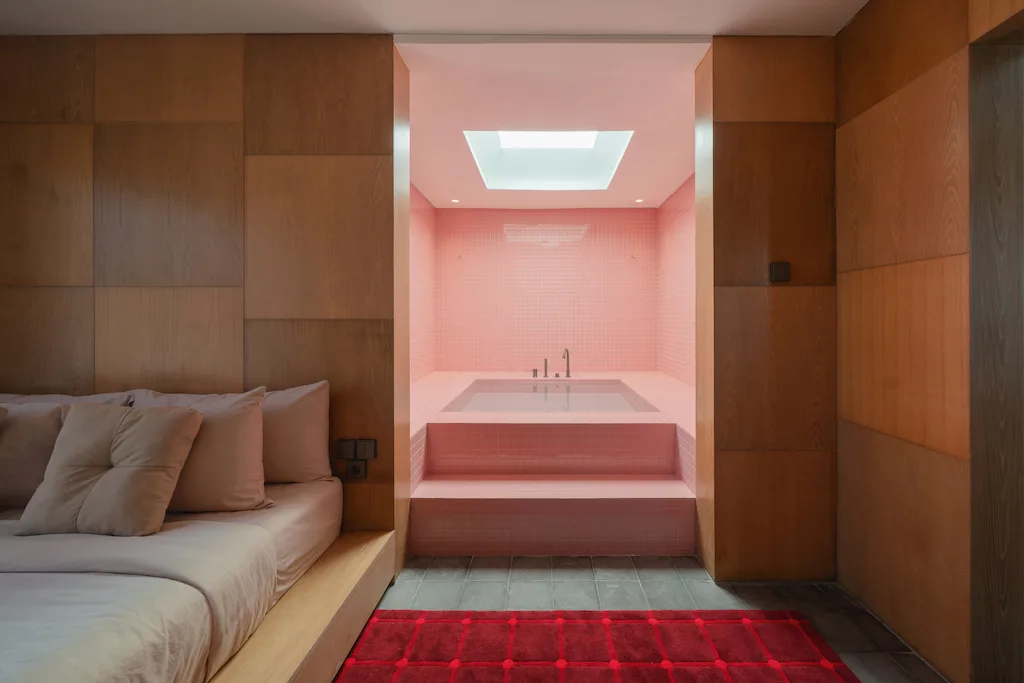
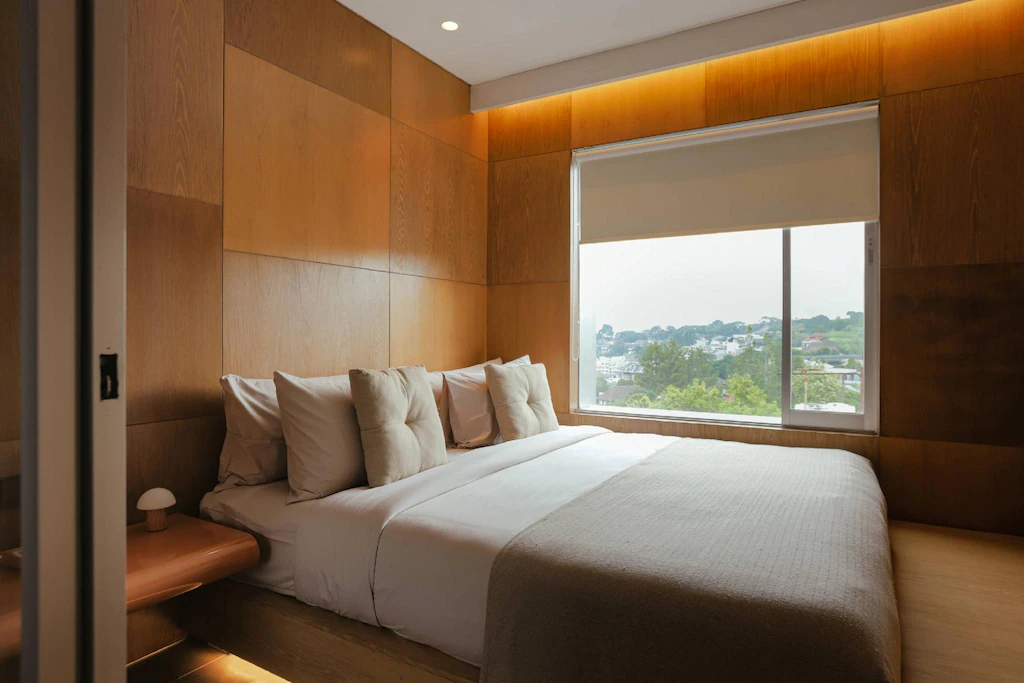
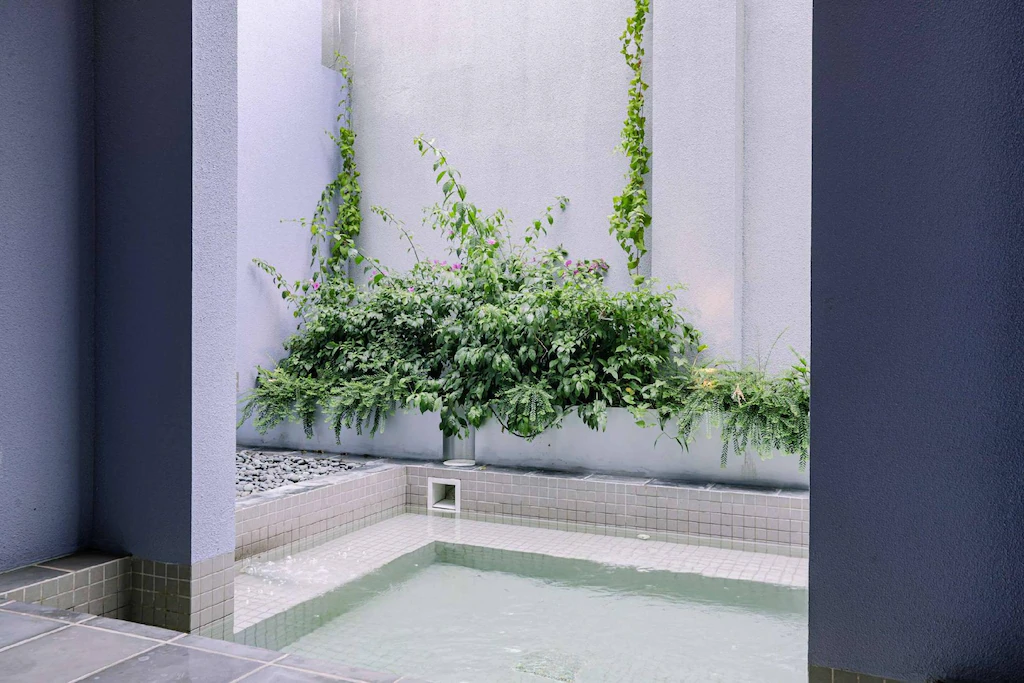
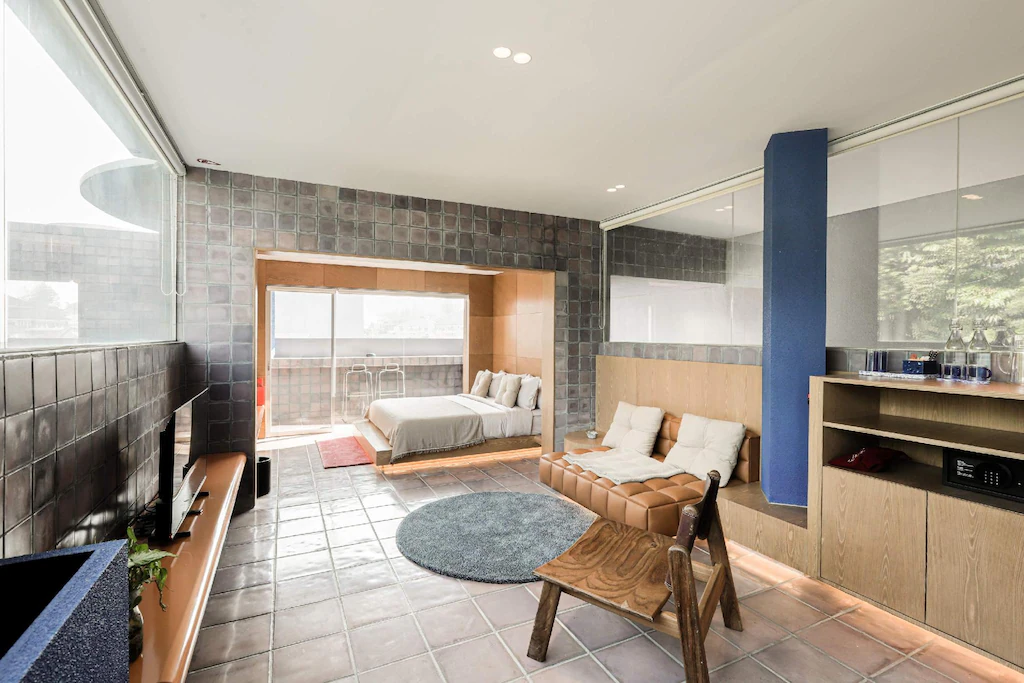
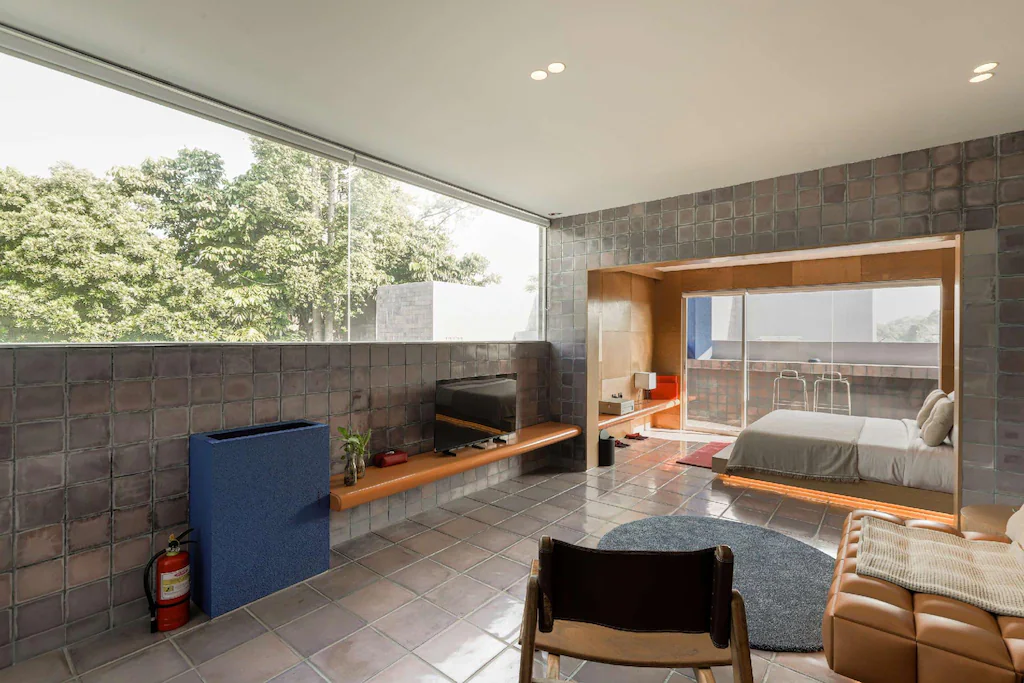
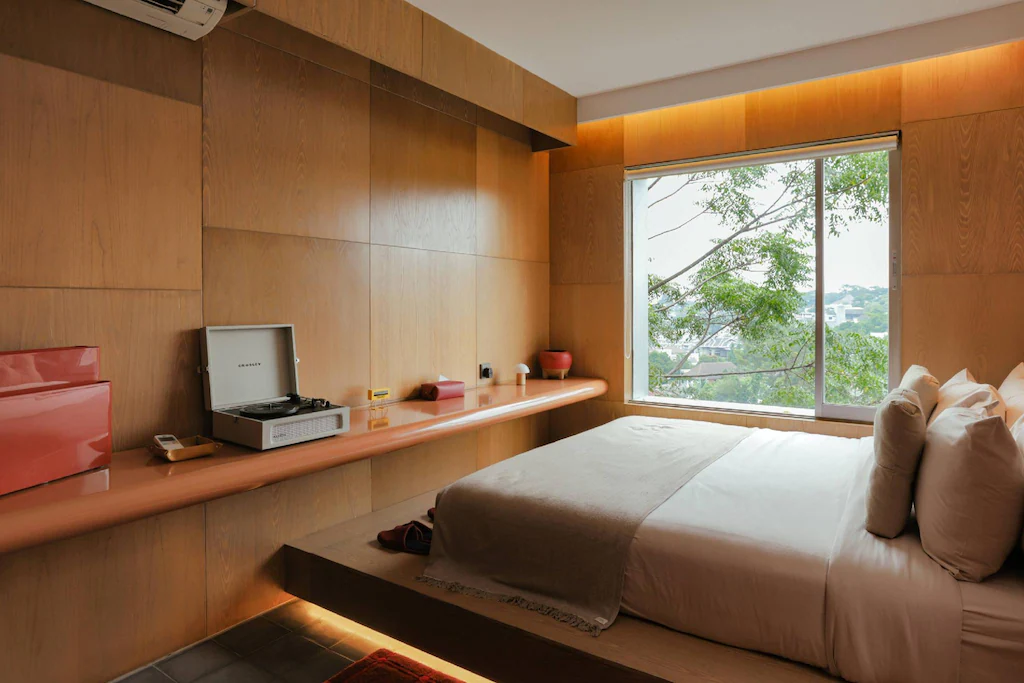
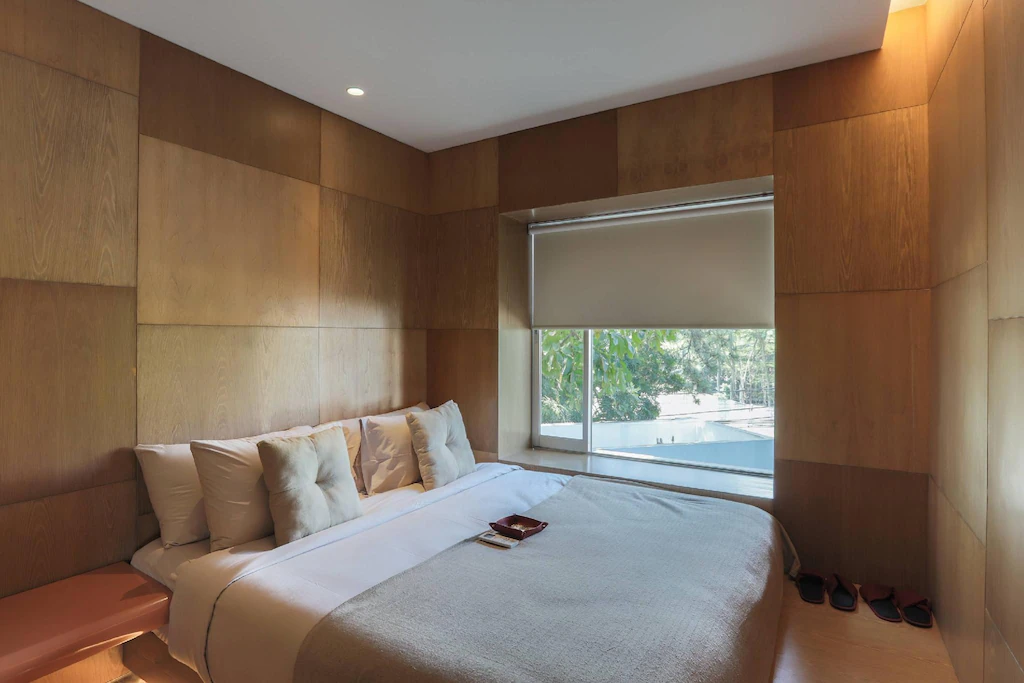
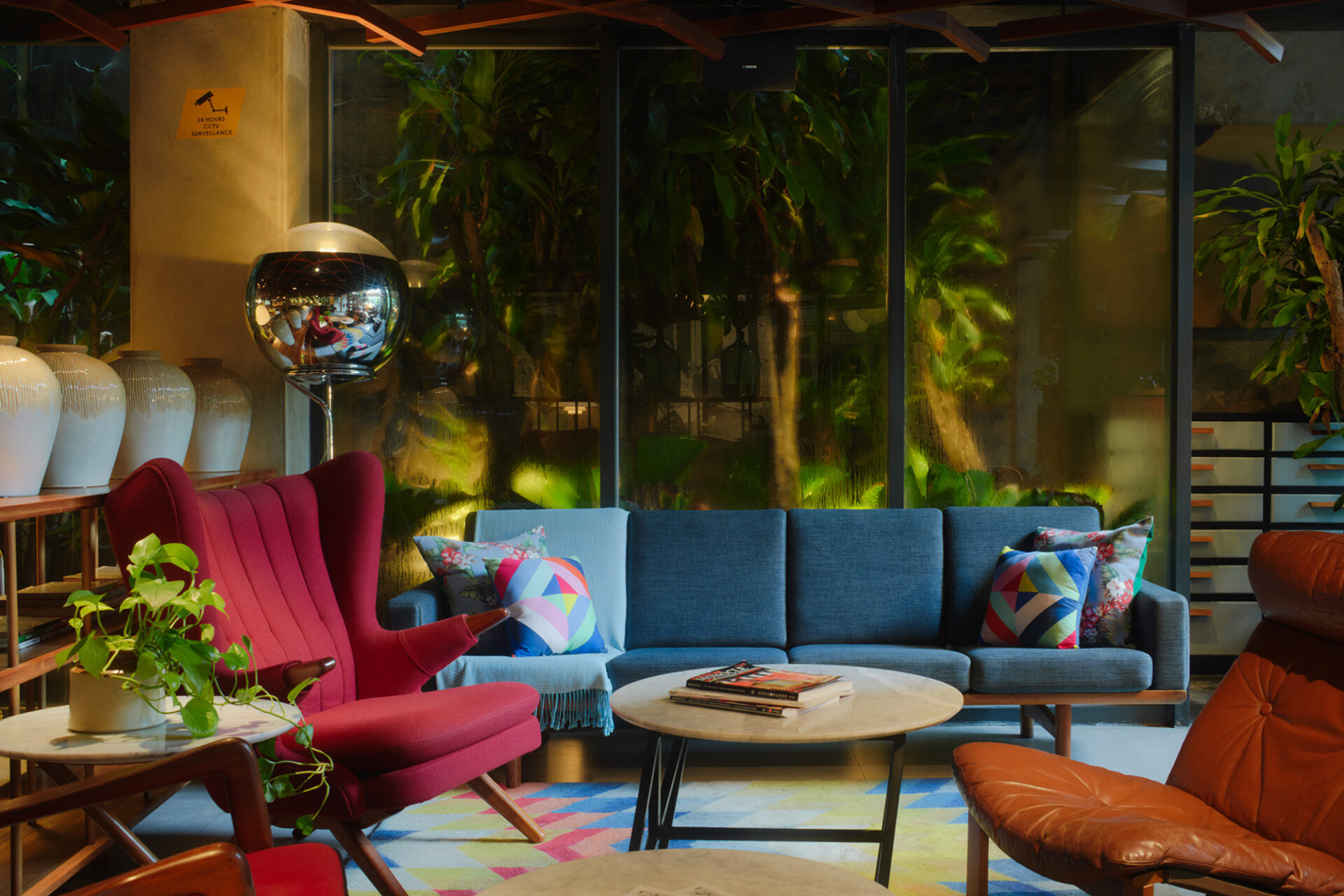
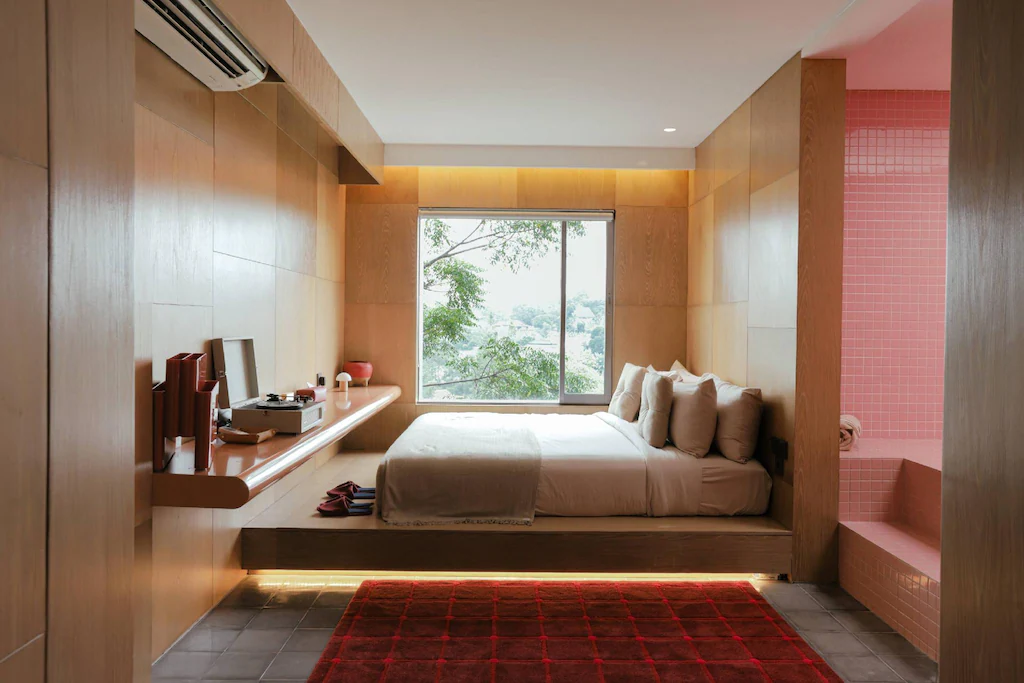
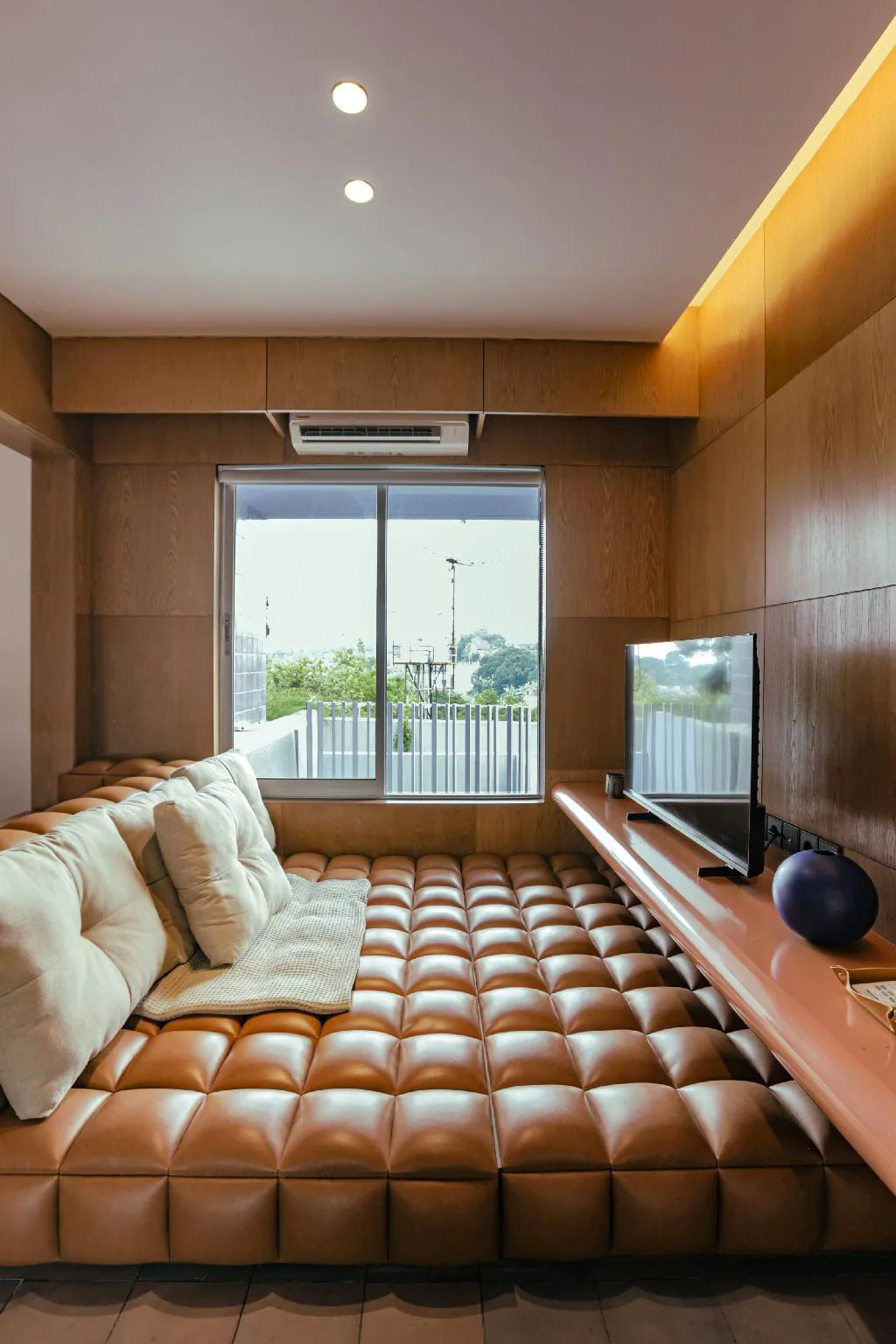
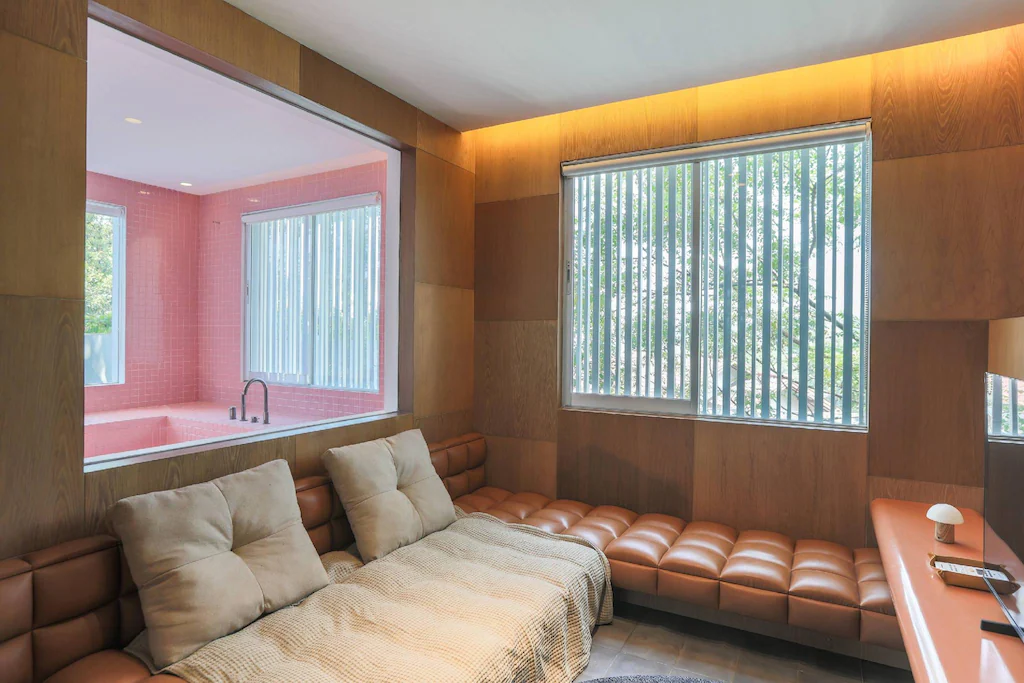
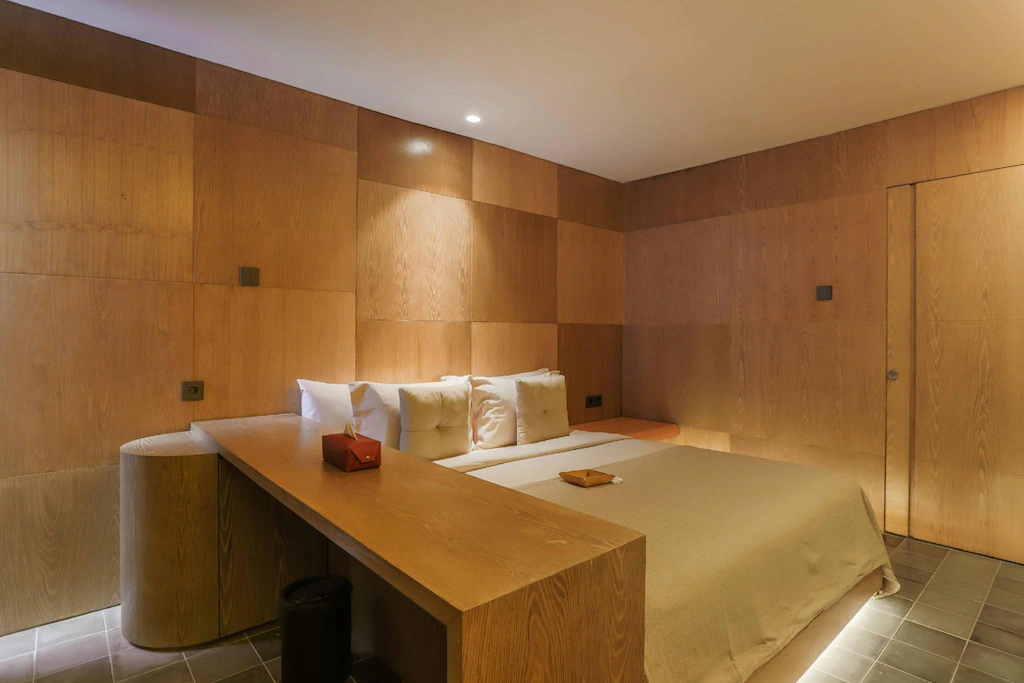
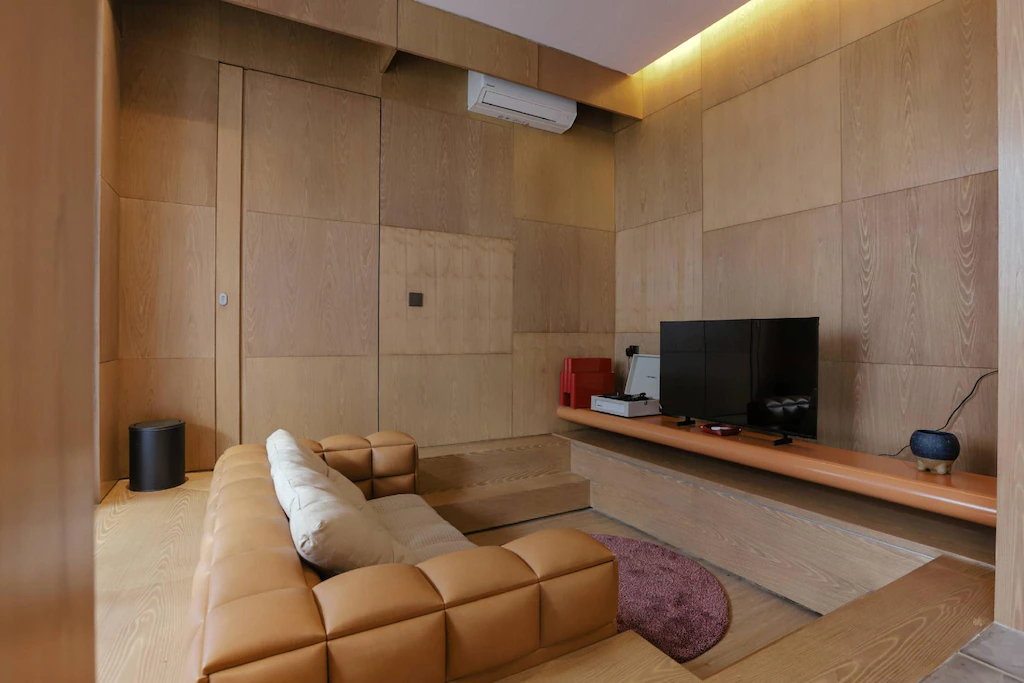
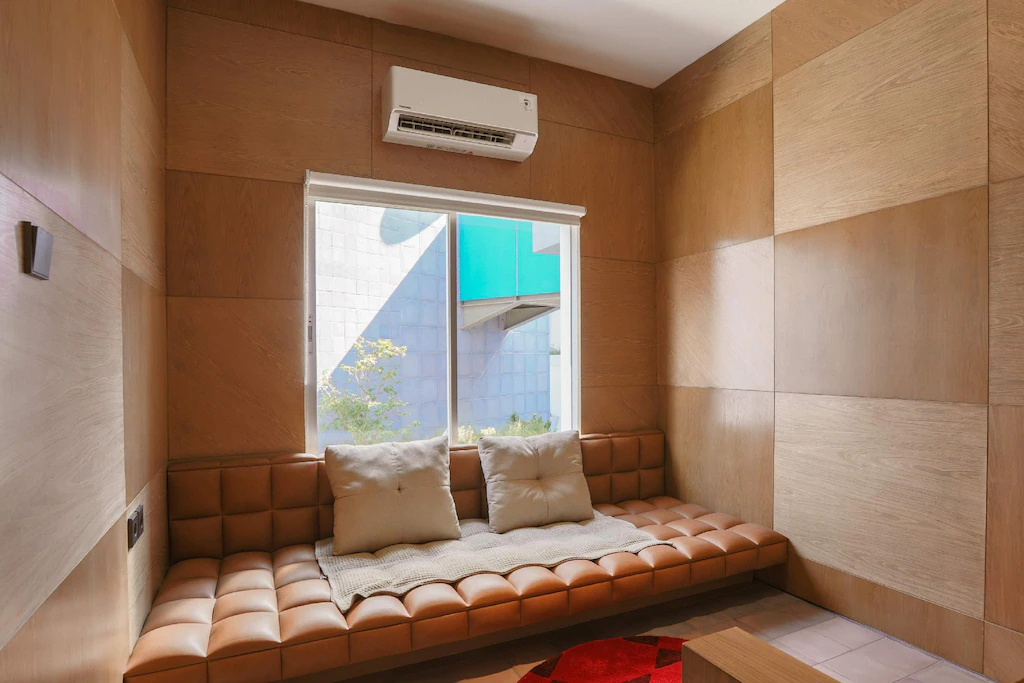
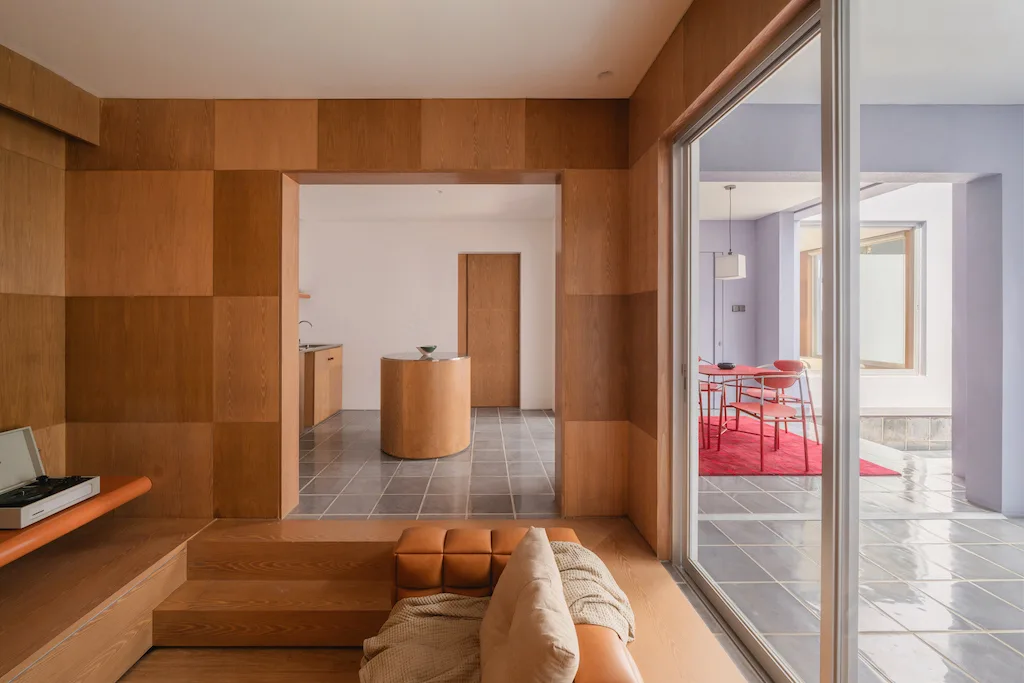
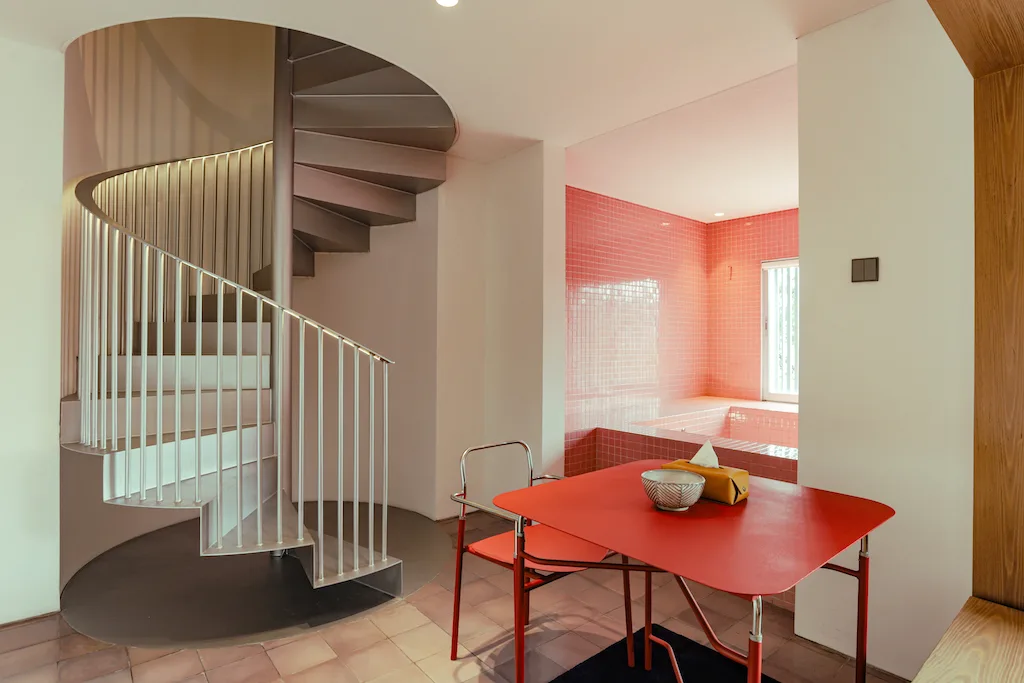
Each of the 14 rooms has a different layout and character. Some incorporate lofts, others private jacuzzis, while accommodation ranges from intimate spaces for couples to configurations with as many as three bedrooms. Inside, the atmosphere is warmer and more residential than the striking exterior might suggest. Textured surfaces, comfortable furnishings, Indonesian artworks and locally made objects provide a sense of place without turning the rooms into miniature design exhibitions. Ceramics and mosaics appear throughout, referencing materials familiar from Indonesian domestic interiors. Selected sustainable and upcycled elements add another layer to the hotel’s locally rooted approach. And every room comes with a vinyl record player. A small analogue pleasure in a hotel otherwise designed around considerable independence.
The Pleasure of Doing Very Little
PLAATS operates under the philosophy Vacation Often, which is a rather appealing idea in a country where escaping the city can sometimes involve hours of traffic. The proposition is simple: a holiday does not necessarily require a long journey, an elaborate itinerary or even more than one night. Self-check-in reinforces this sense of independence. Guests arrive on their own terms, without the formalities of a conventional hotel reception. There is no attempt to recreate the facilities of a large resort. Instead, the emphasis is on private space, comfort and the small pleasures of taking time away from everyday routines. A long bath, a record on the turntable, perhaps an afternoon spent doing absolutely nothing. Not every hotel needs an extensive programme of activities to justify its existence.
Bandung Beyond the City Centre
Ciumbuleuit sits in the greener, cooler northern part of Bandung, close enough to the city’s restaurants, cafés and creative neighbourhoods without being immersed in its busiest streets. Bandung itself is worth exploring for its unusual architectural heritage. During the Dutch colonial period, the city developed into an important centre of modern architecture, with Art Deco and early modernist buildings that still distinguish it from many other Indonesian cities. Today, that tradition continues through independent architecture studios, fashion labels, galleries and a thriving café culture. PLAATS belongs to this contemporary Bandung rather than following an international boutique hotel formula.
A Small Hotel With Its Own Ideas
What makes PLAATS worth discovering is not simply its unusual appearance, but the way it reinterprets the familiar experience of living in an Indonesian neighbourhood. The architects have turned a challenging hillside site into something intimate and individual, while the owners have resisted the temptation to fill every available space with conventional hotel amenities. It is also a welcome departure from the increasingly predictable aesthetic of tropical boutique hotels. No obligatory beige minimalism, no endless rattan and no attempt to make everything look like a Balinese villa. Instead, PLAATS offers an urban, independent and slightly eccentric alternative. And in a city with a long tradition of architectural experimentation, a purple hotel seems entirely appropriate.
Information
At a glance
Architecture
FFFAAARRR
Opened / Renovated
2026
Size matters
14 units (27-102m2) (291-1,098 sq ft)
Interior design
FFFAAARRR
Featured in
Don't take our word for it
Handpicked worldwide
A carefully curated collection of exceptional boutique and design hotels across the globe.
Design with soul
Architecture, atmosphere and craftsmanship come together in stays with a clear identity.
Hidden, not hyped
Independent boutique hotels you rarely find on mainstream booking platforms.
Travel guidance
Personal recommendations and thoughtful support from people who actually know the places.