


Where the Road Ends
Hotel Madrisa in Austria’s Montafon valley combines 1906 Art Nouveau grandeur, four generations of family hospitality and farm-to-table gastronomy in an authentic Alpine retreat.

Why DNA Hotels loves it
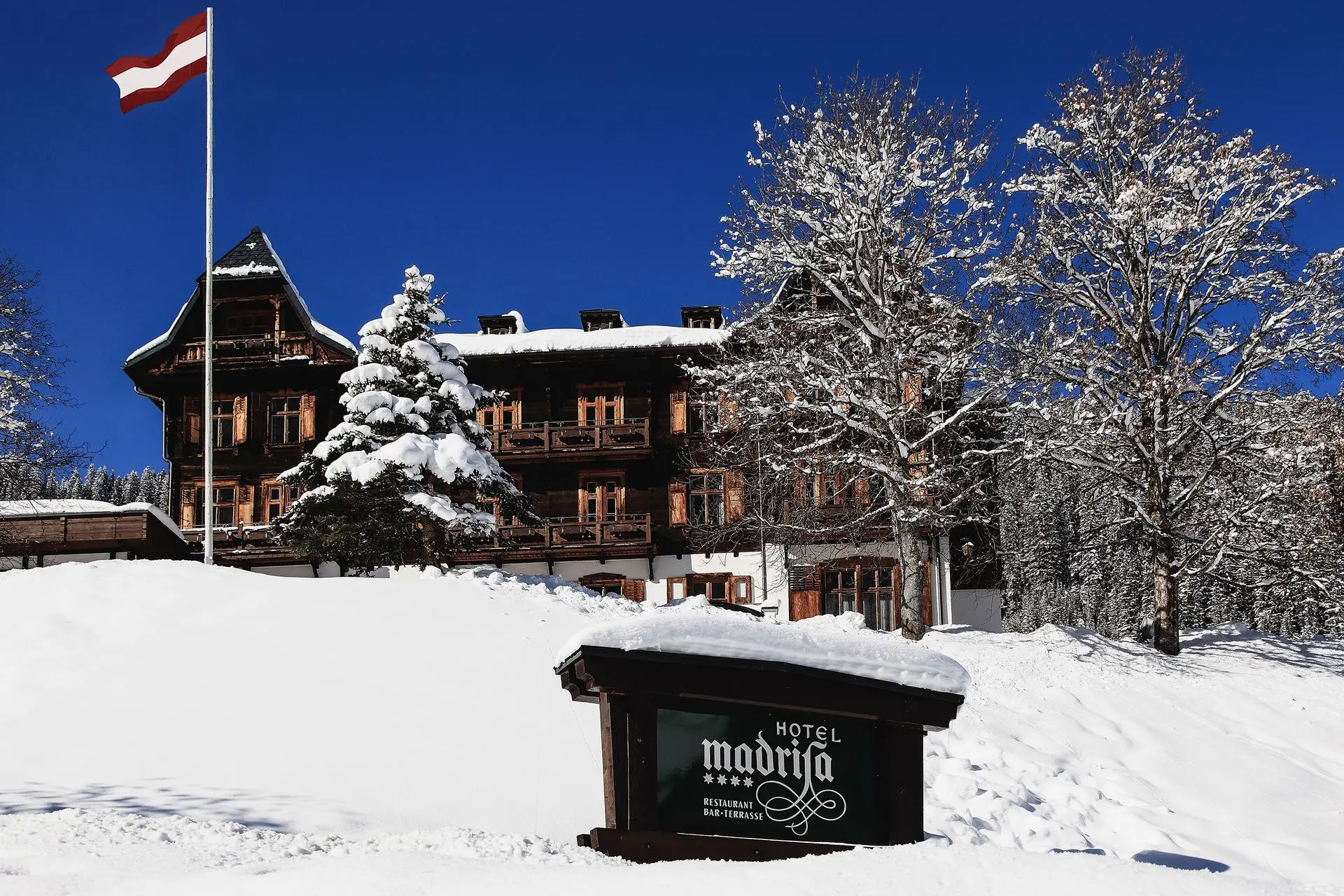
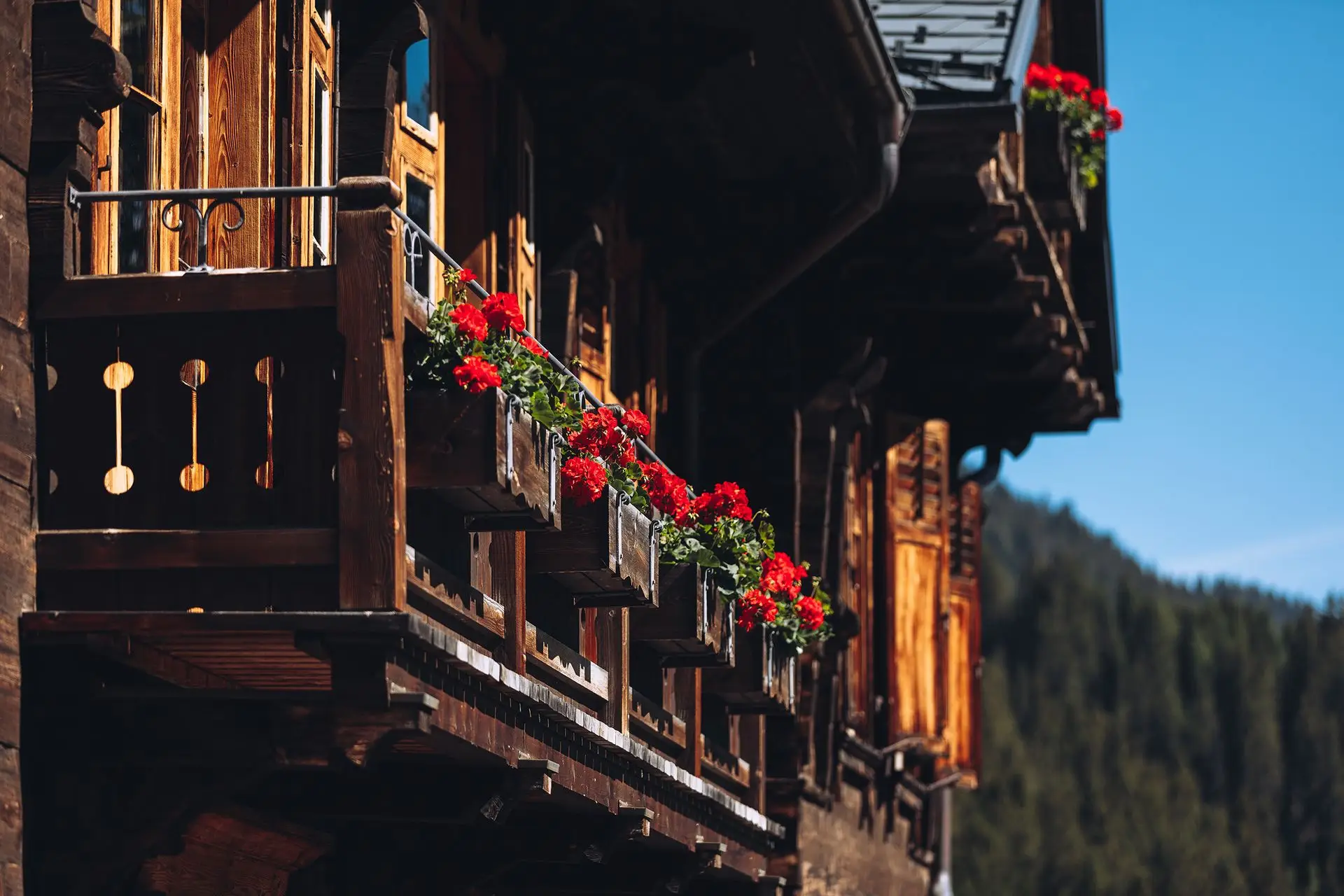
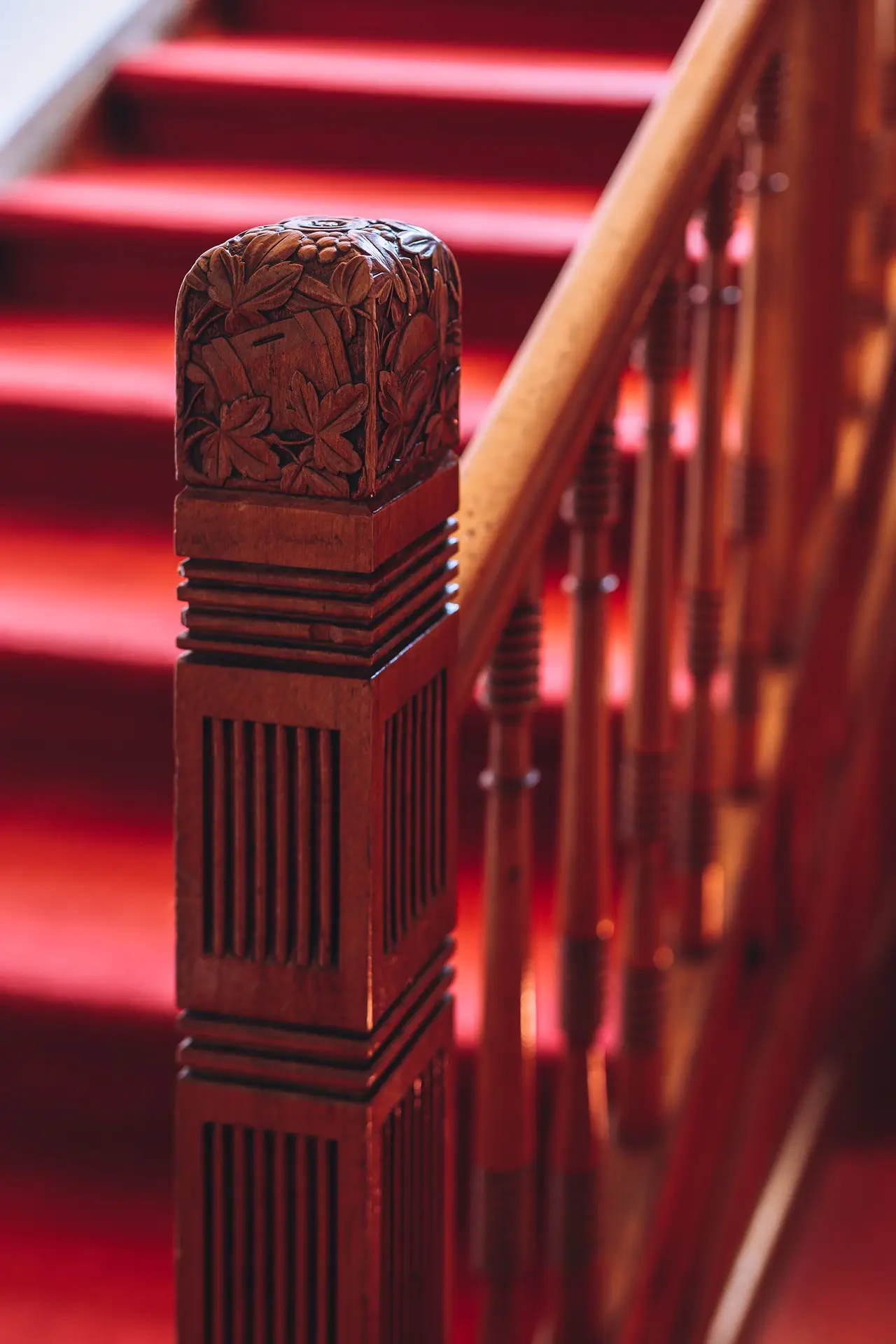
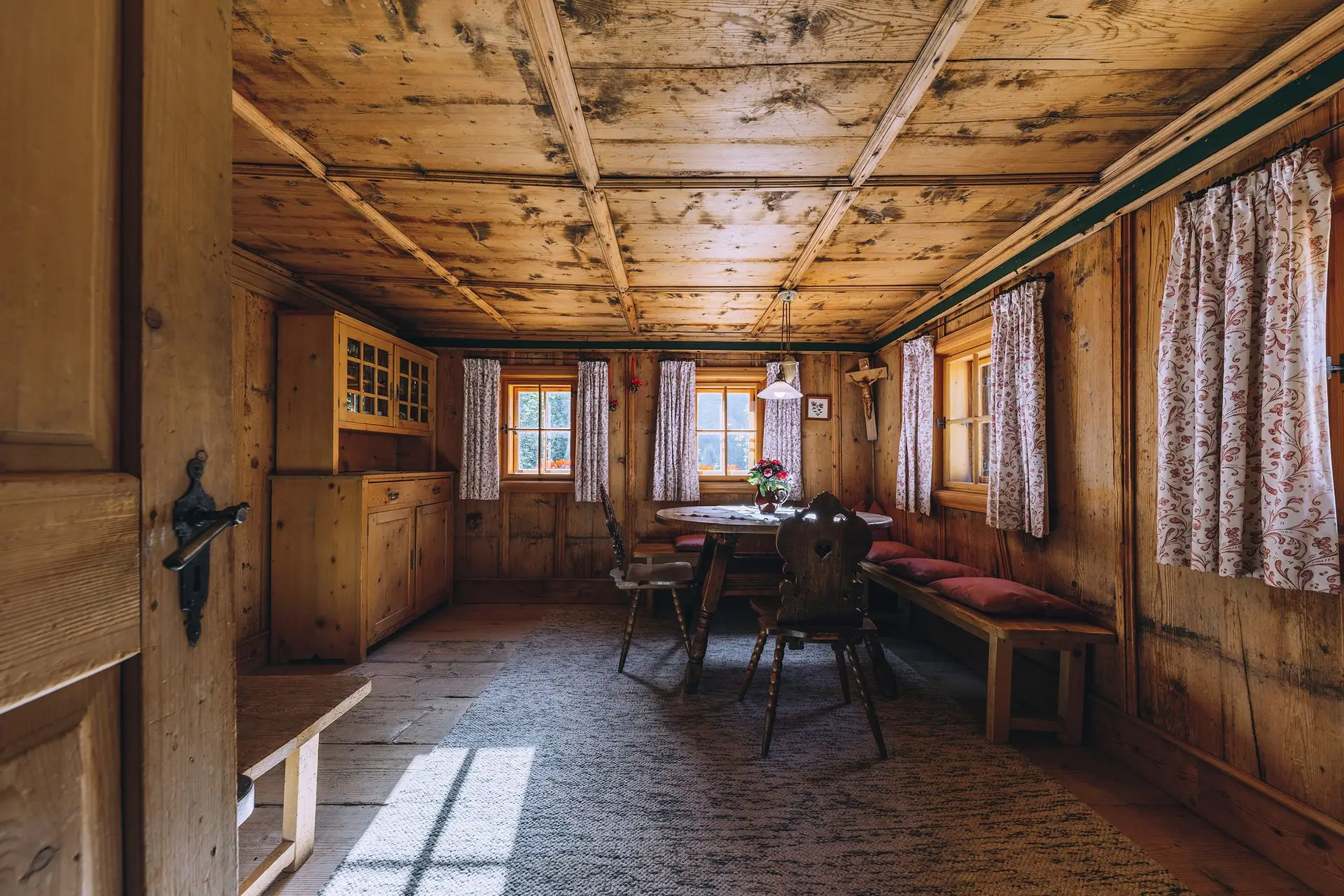
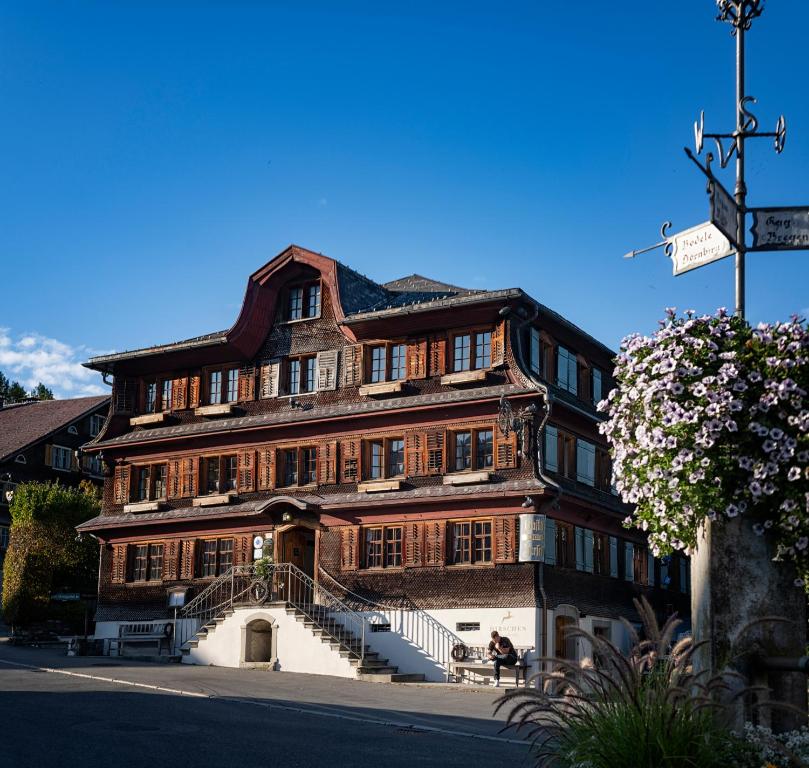
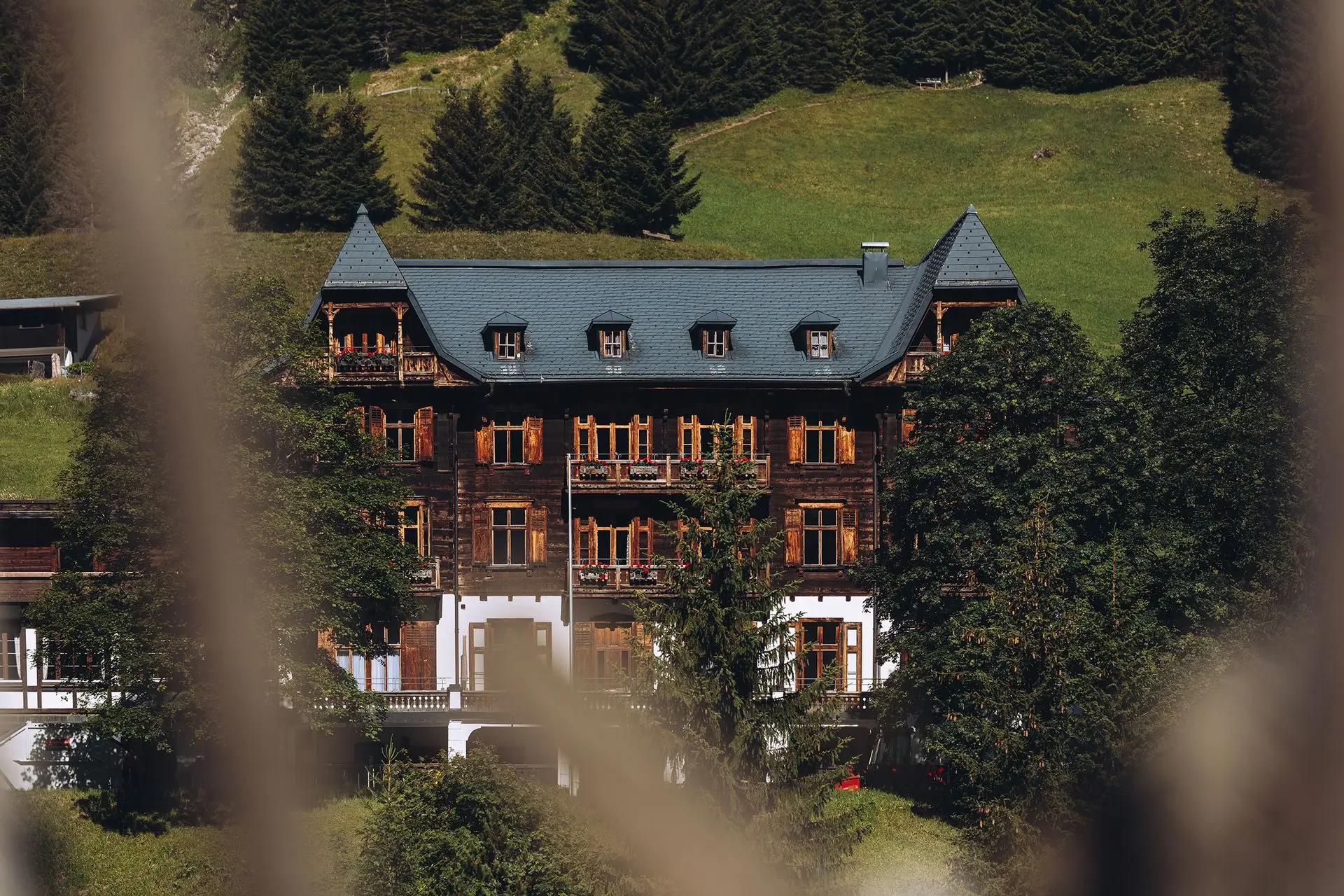
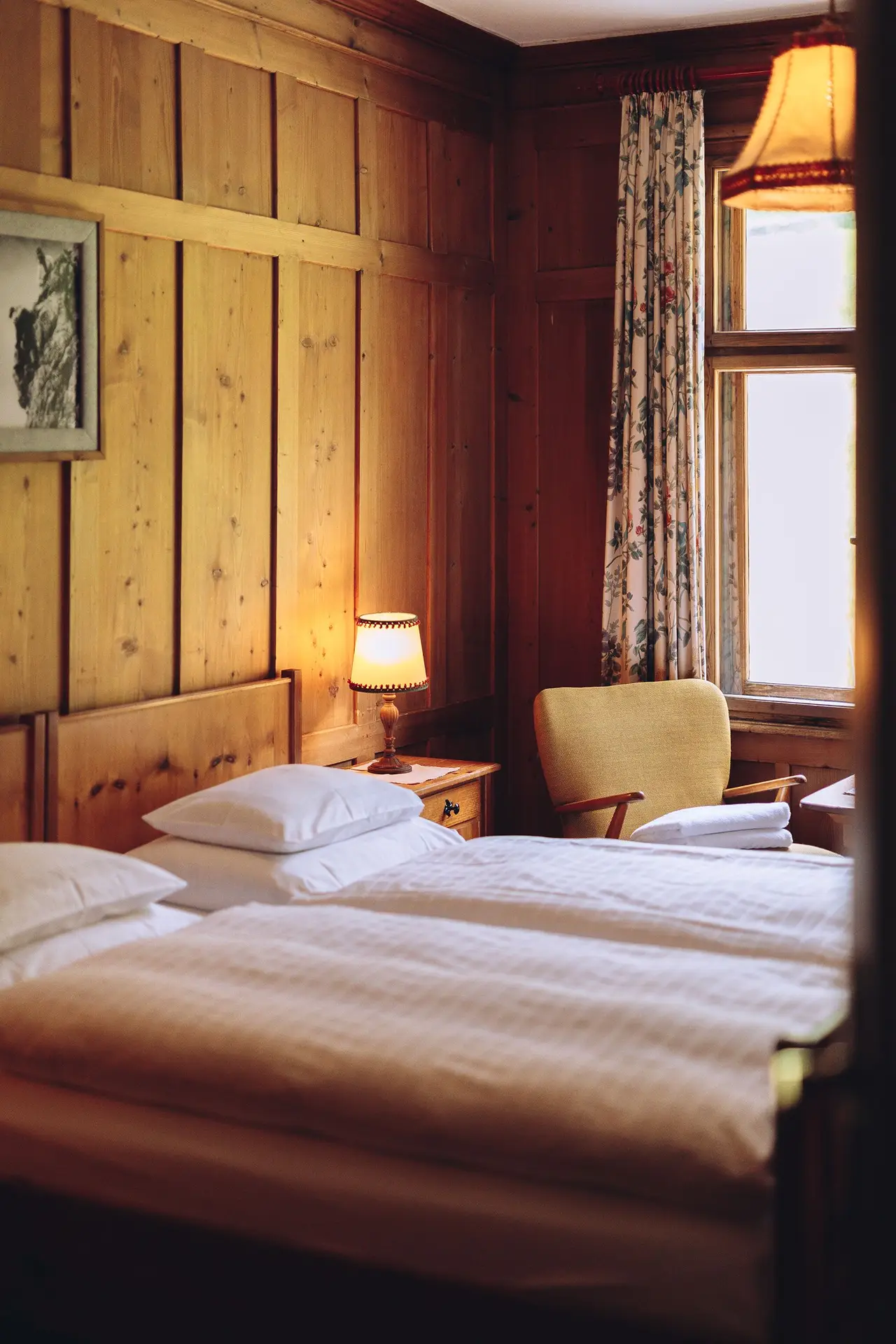
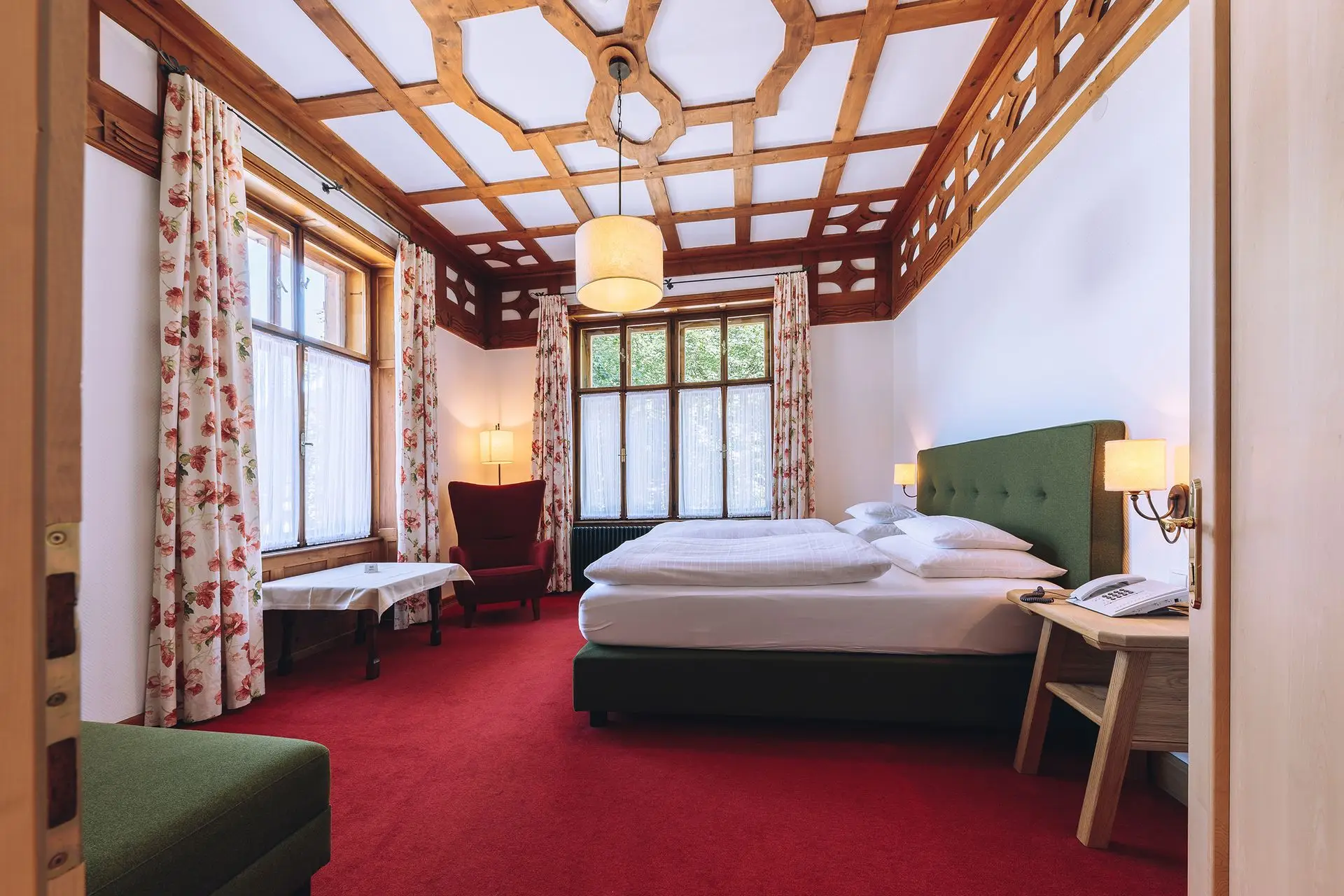
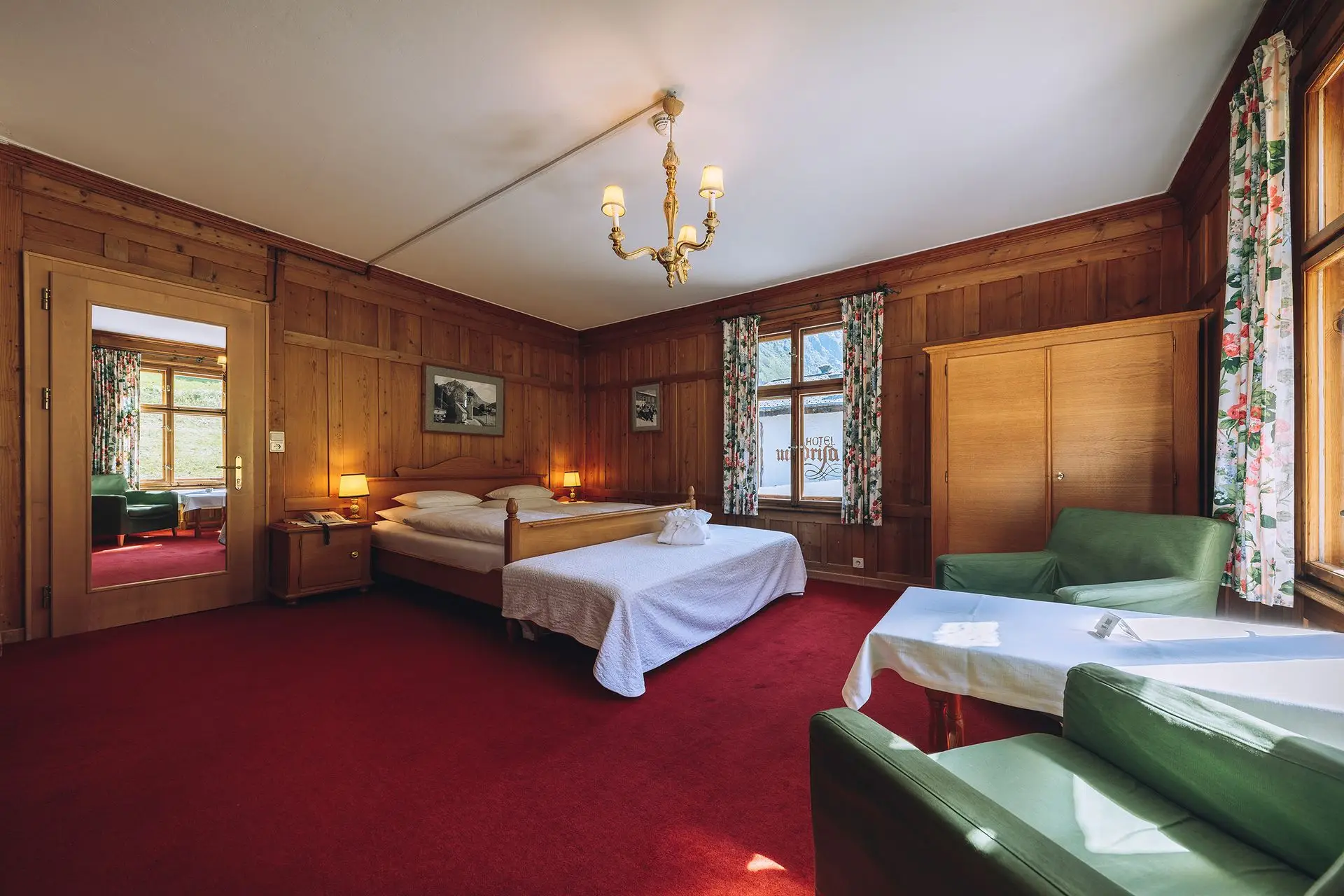
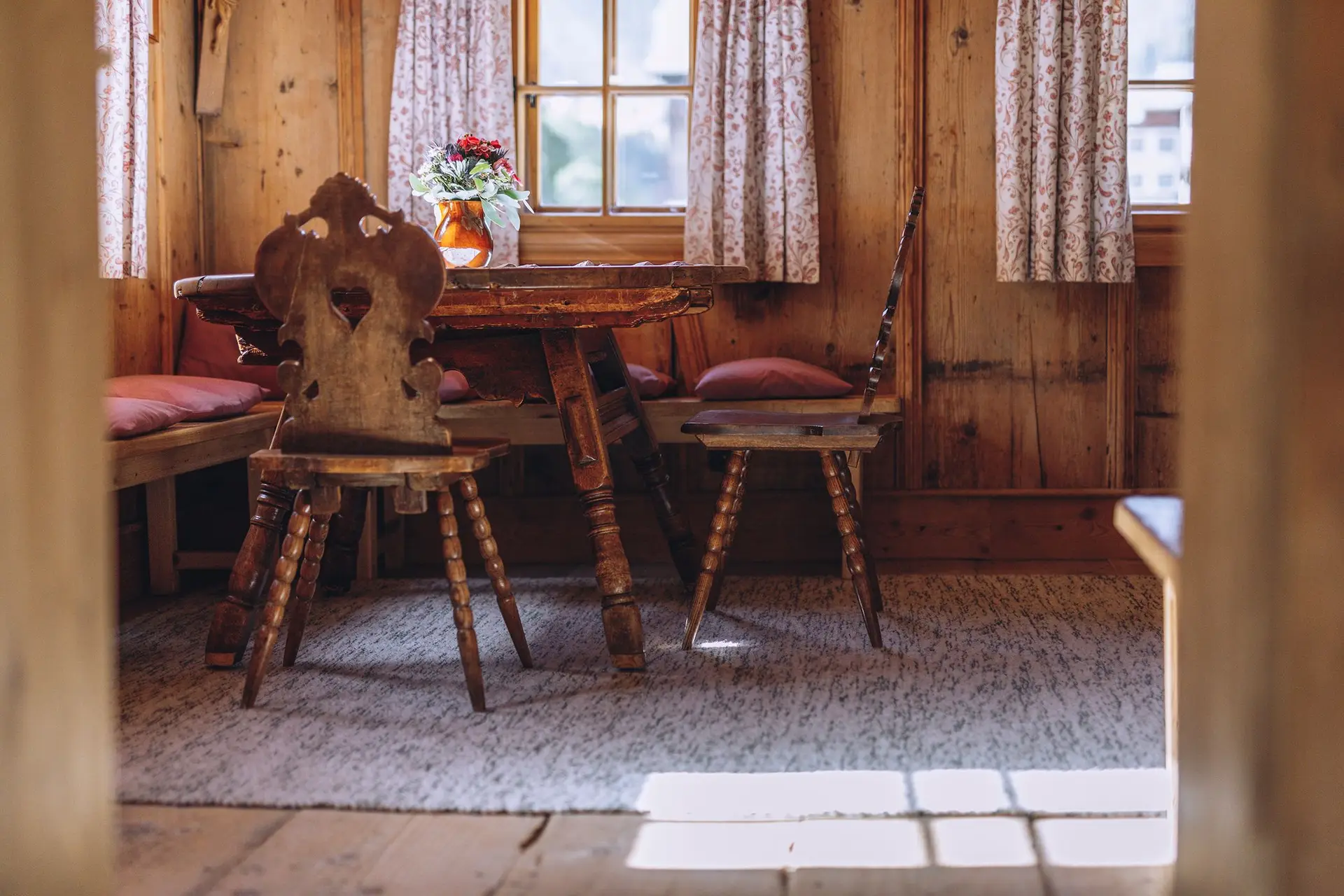
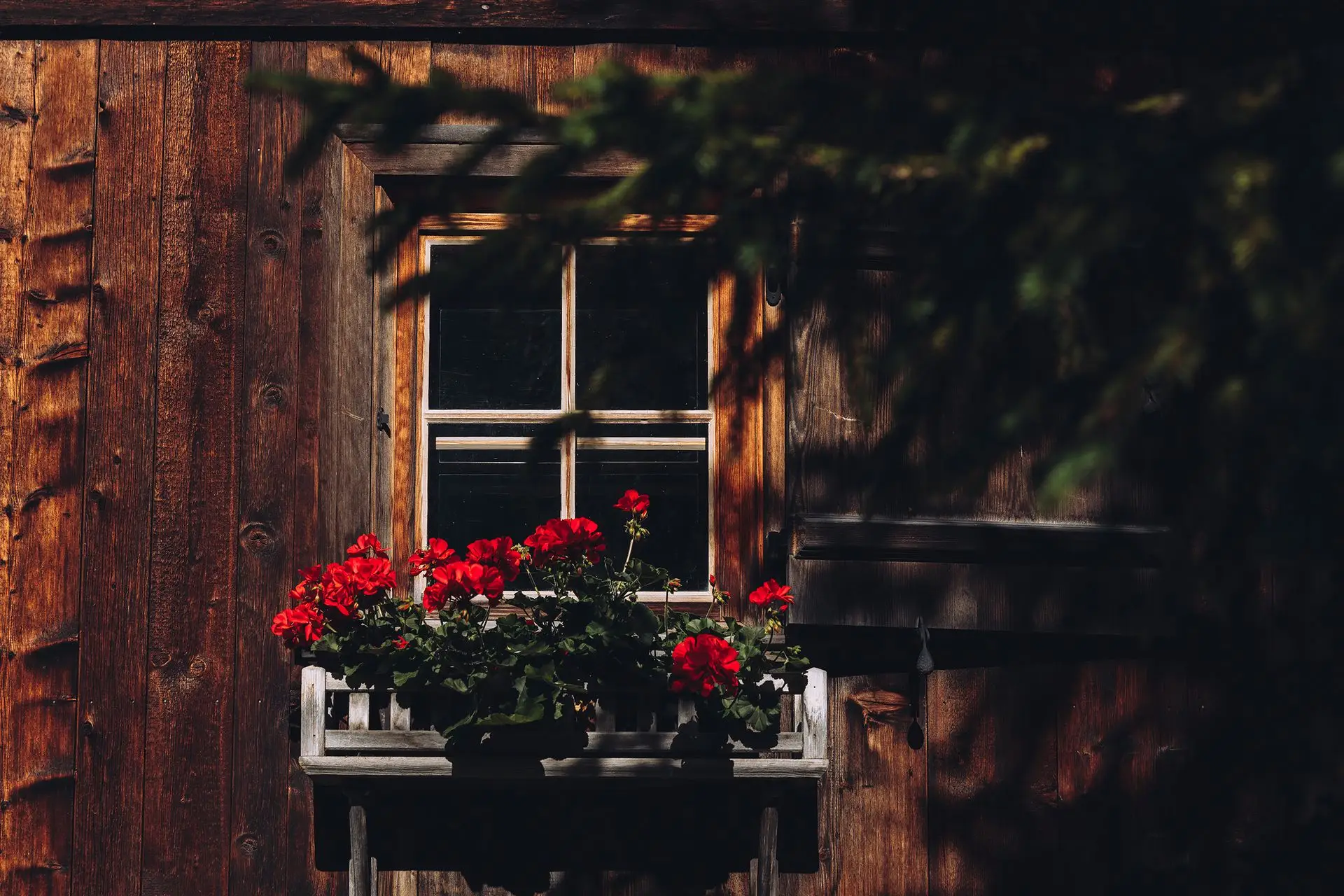
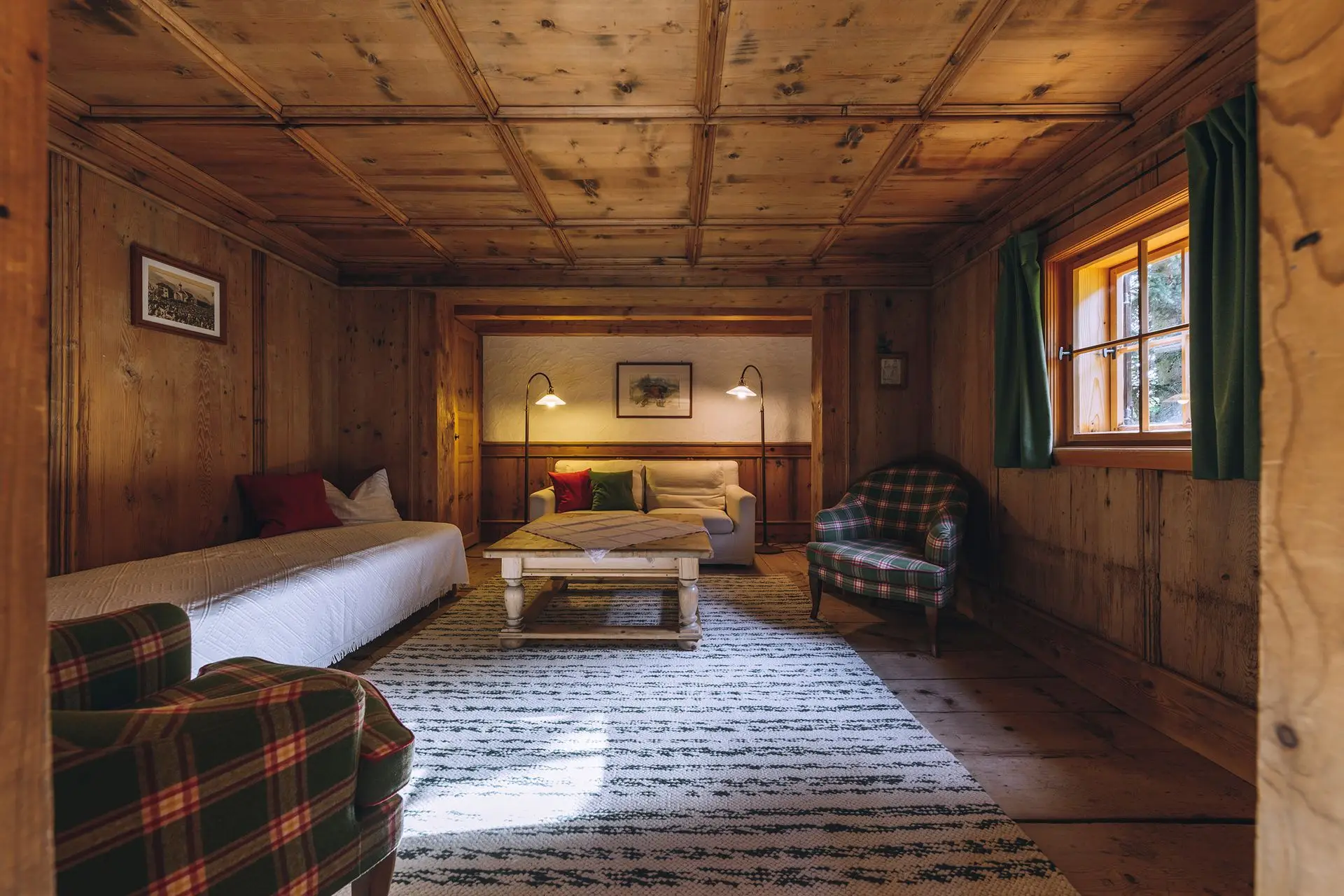
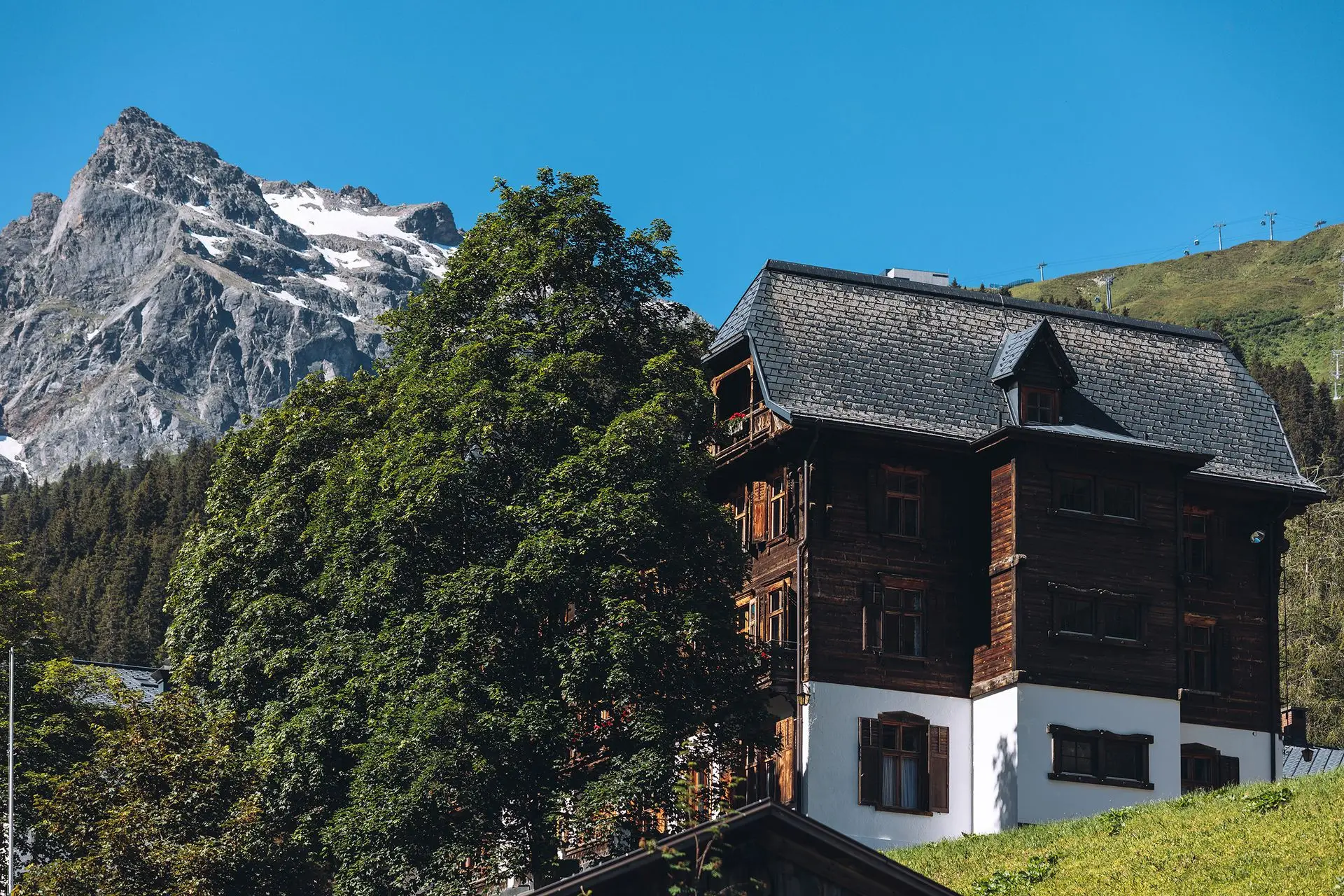
A genuine survivor from the golden age of Alpine tourism, built in 1906 with an imposing dark timber Art Nouveau façade and historic interiors that have escaped the fashionable urge to modernise everything.
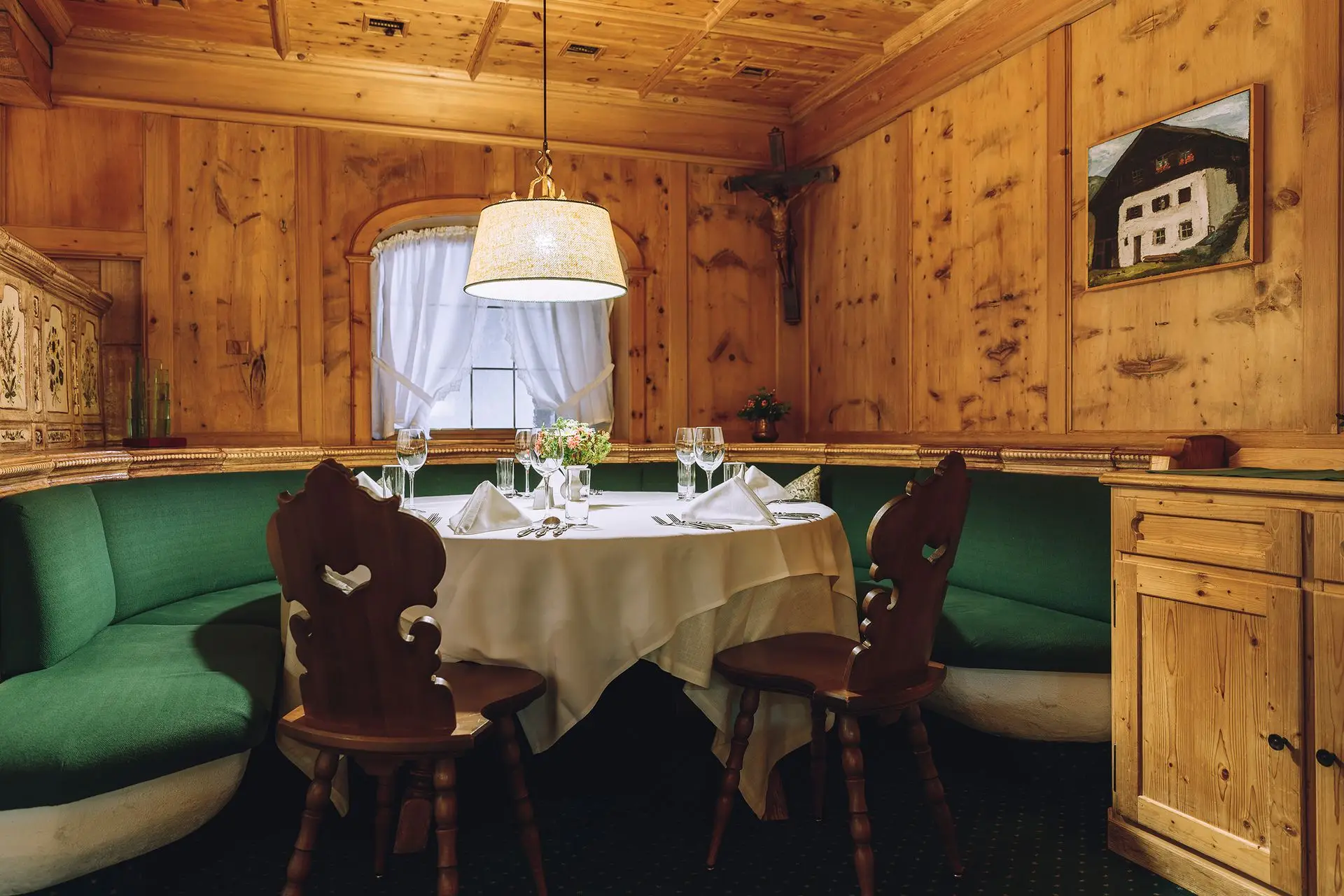
Four generations of the Rhomberg family have shaped the hotel since the 1930s, maintaining its traditional character while introducing contemporary gastronomy, more intimate dining spaces and a club room for rather less traditional Alpine evenings.
A serious commitment to regional food, with beef and lamb from the family's own organic farm, traditional Montafon cheeses, local game and ambitious five-course dinners that go well beyond the usual mountain hotel repertoire.
The Stay
Art Nouveau, Four Generations and a Rather Civilised End of the Road
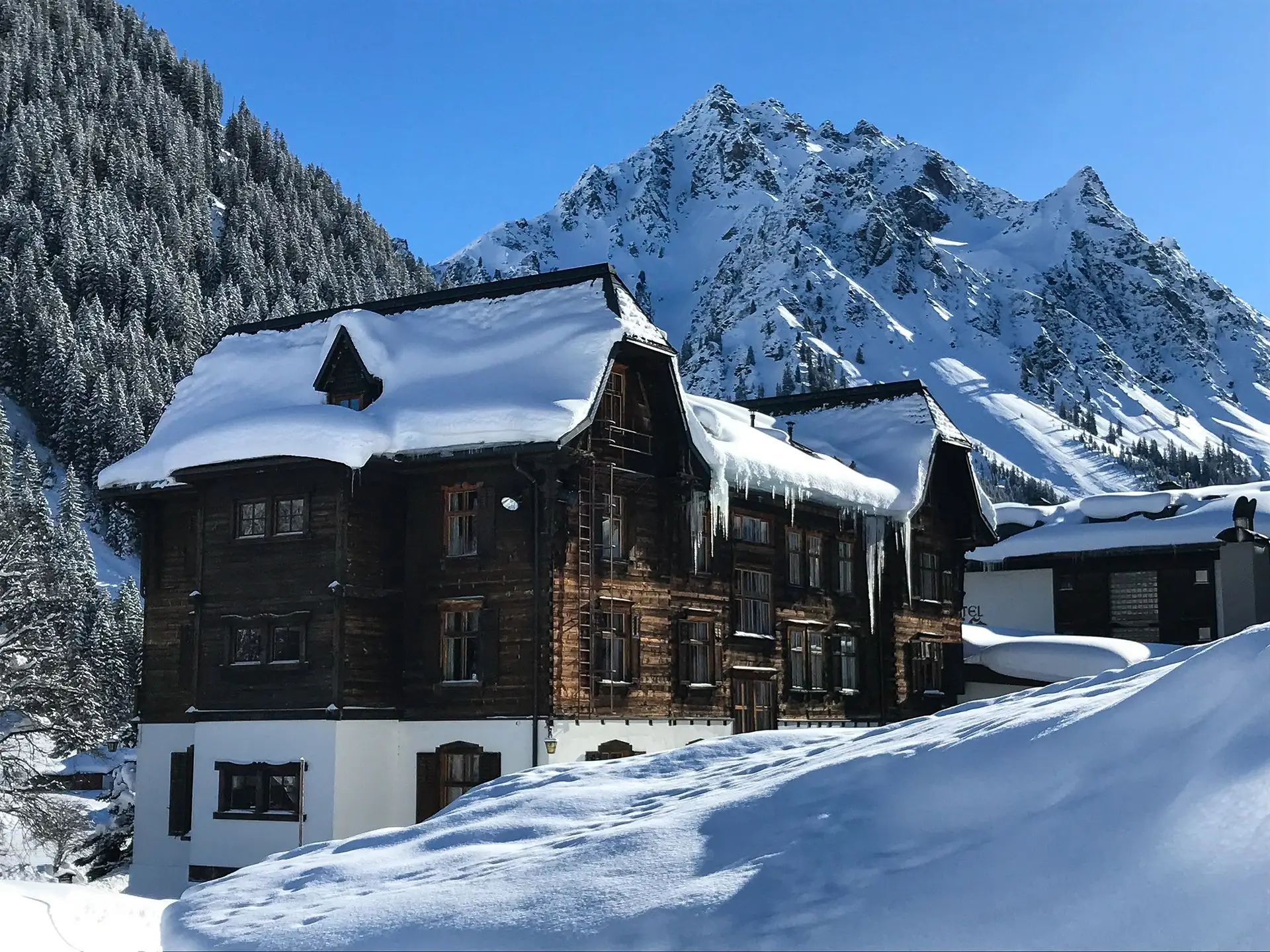
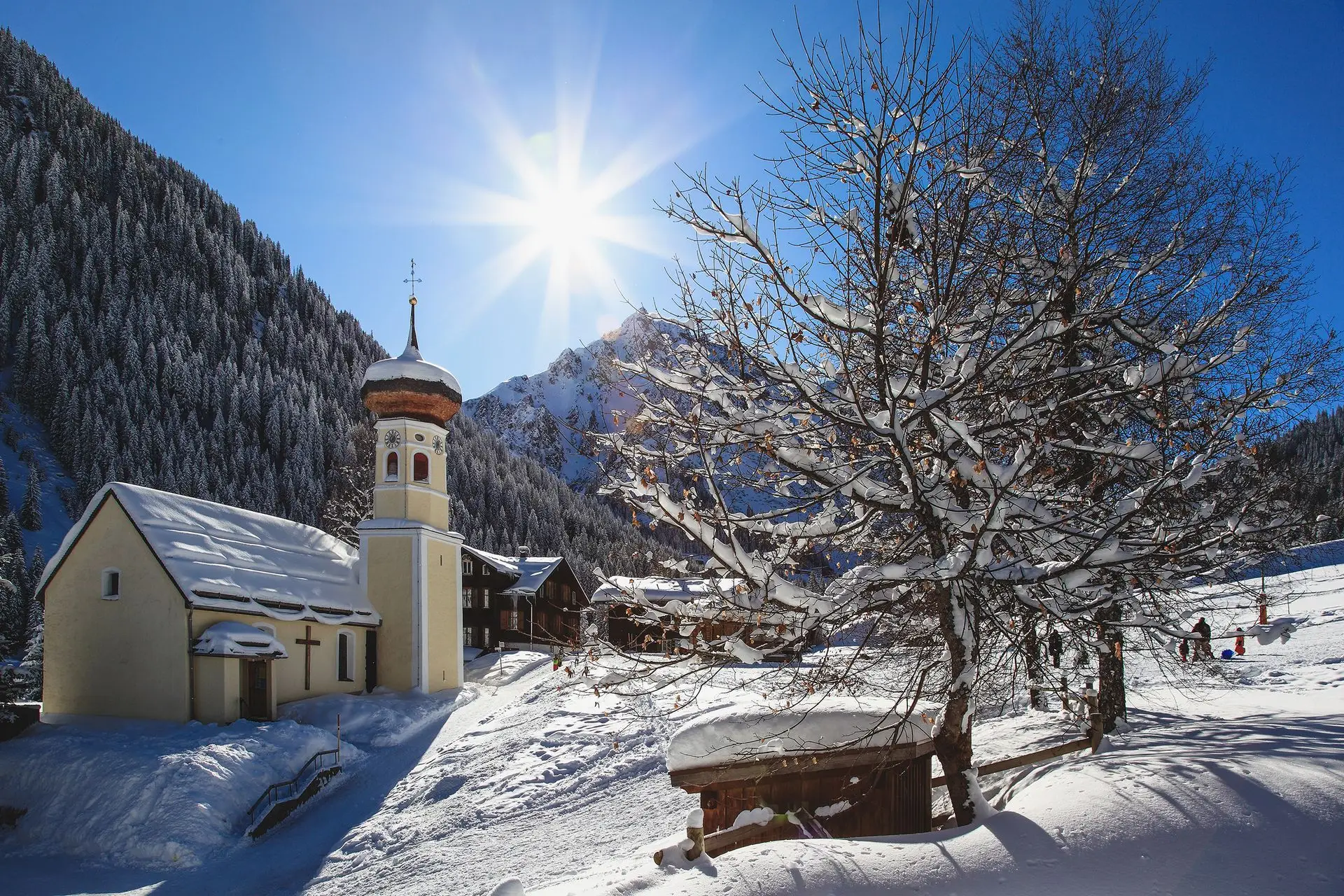
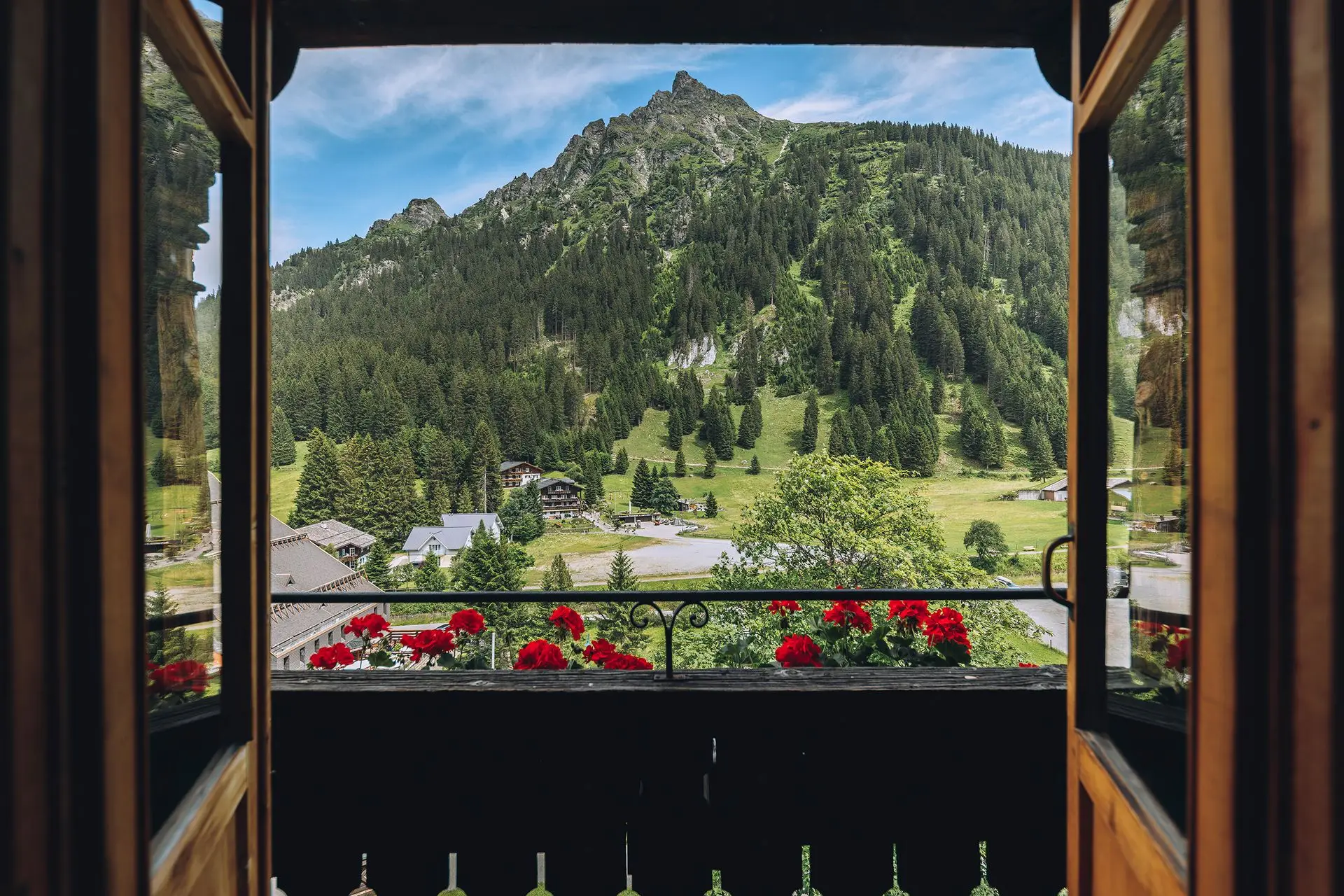
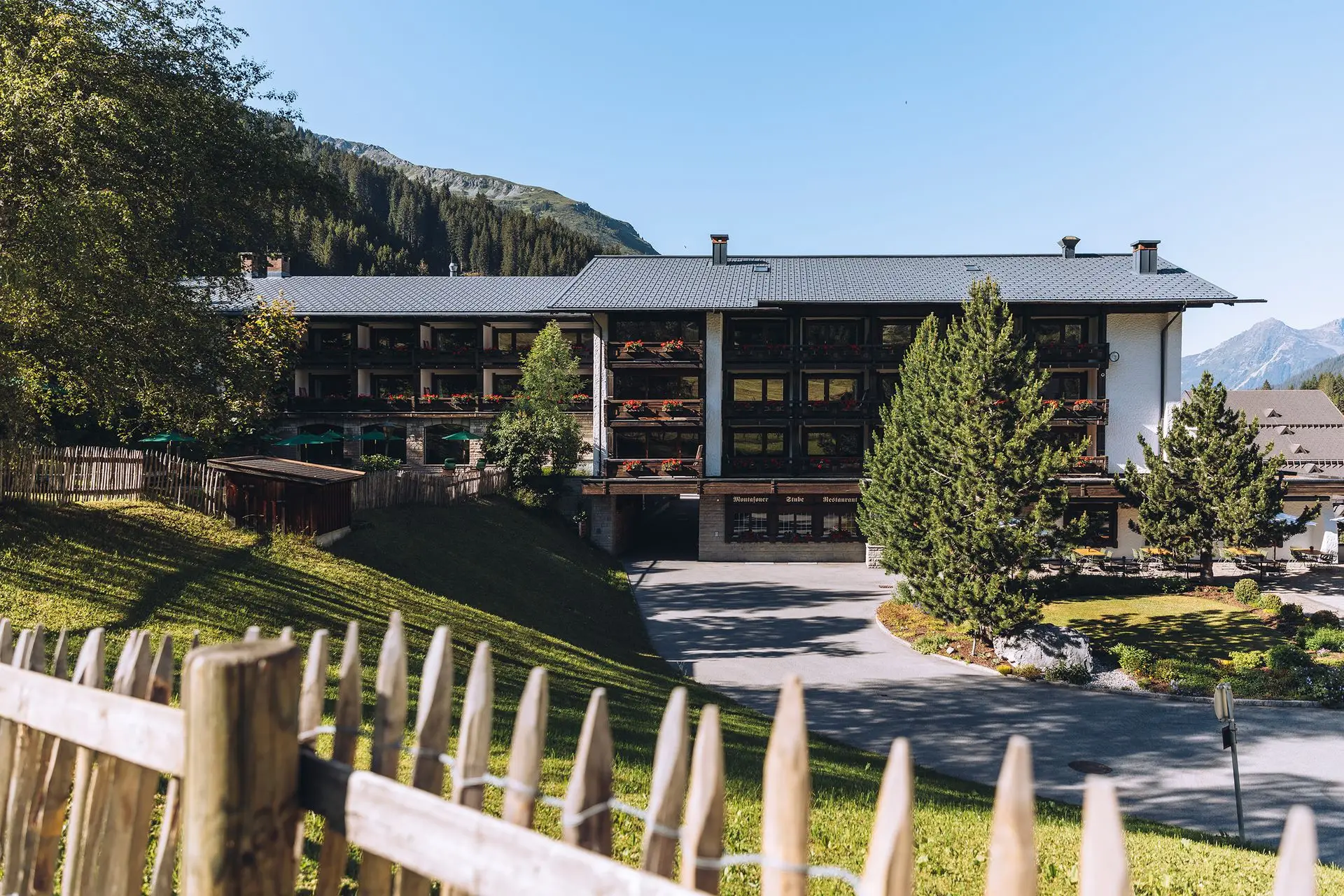
Austria has no shortage of Alpine hotels. Some have been around for a century or more. Others are brand-new but have gone to considerable trouble to look as though they have. Hotel Madrisa belongs firmly to the first category. In Gargellen, the highest village in Vorarlberg’s Montafon valley, the road comes to an end at 1,450 metres. Beyond the village lie the Rätikon and Silvretta mountains, the Swiss border and a network of old smuggling routes into Graubünden. Just before the Schafbergbahn cable car stands Madrisa, its imposing dark wooden façade looking remarkably confident for a building that has been welcoming mountain visitors since 1906. Named after the 2,826-metre Madrisa peak, the hotel dates from an era when skiing was still a fashionable pursuit for the privileged few, rather than an annual family holiday involving expensive equipment, lift queues and questionable après-ski music. There is something rather appealing about a hotel that remembers those days without insisting that its guests behave accordingly.
A Century of Alpine Hospitality
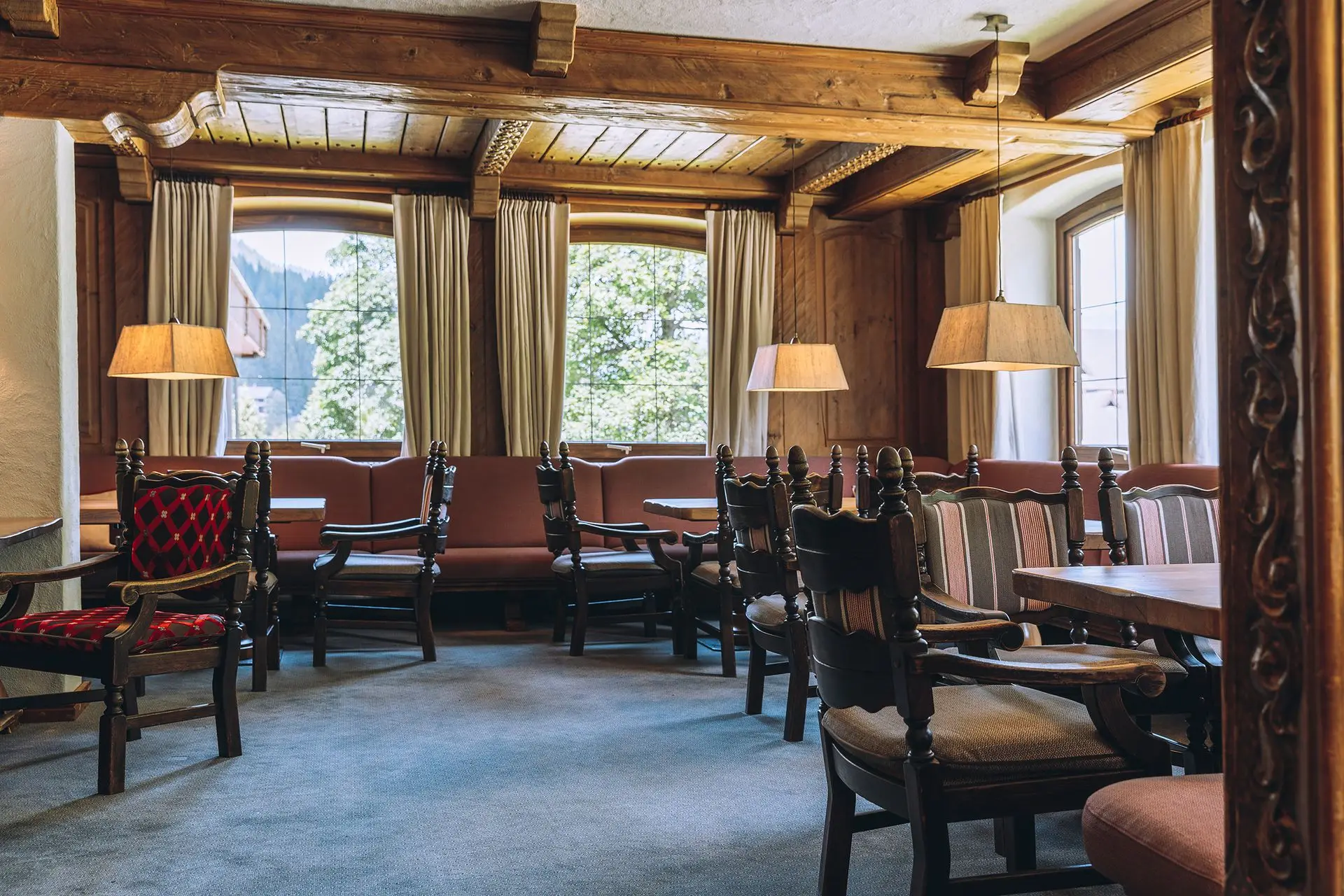
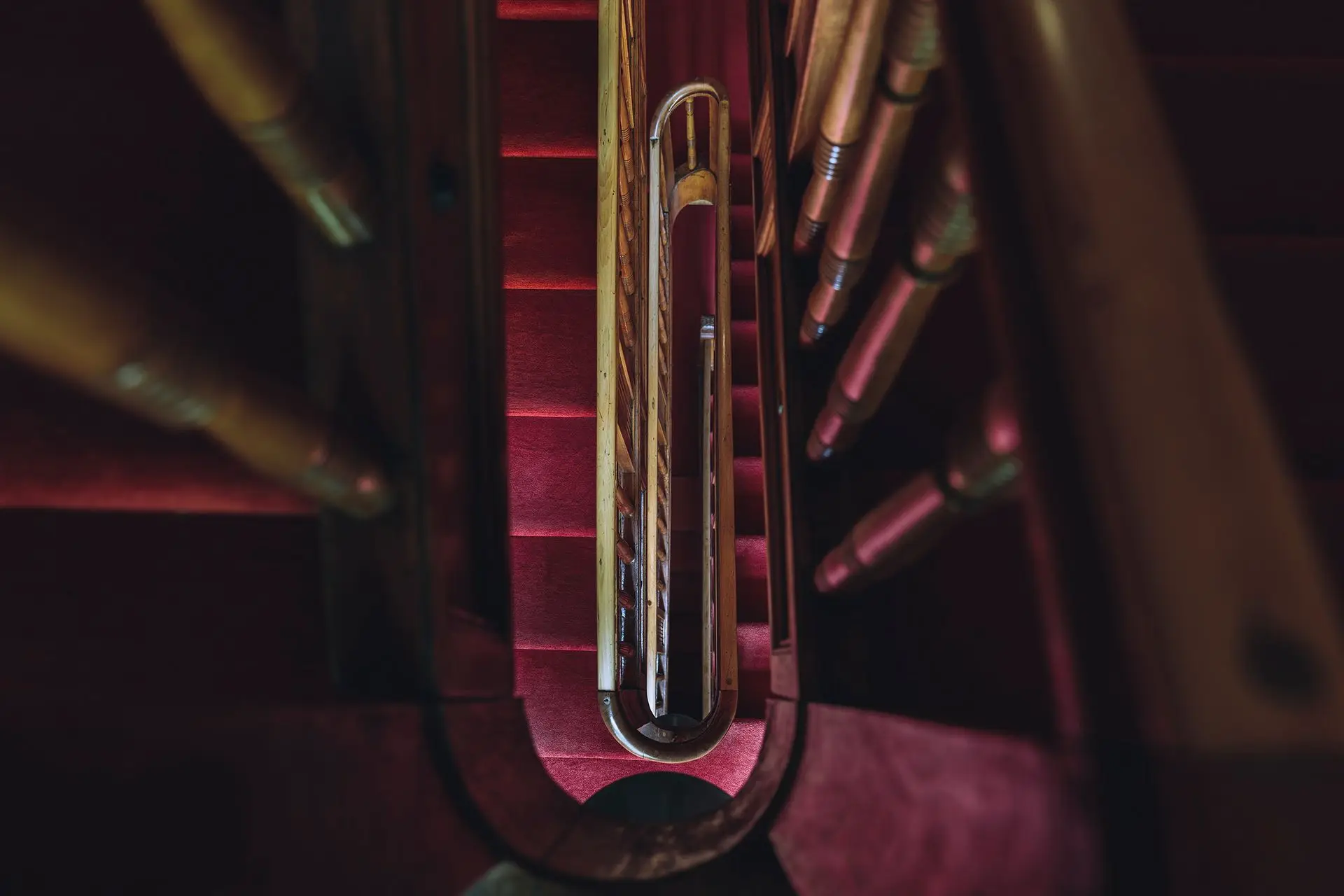
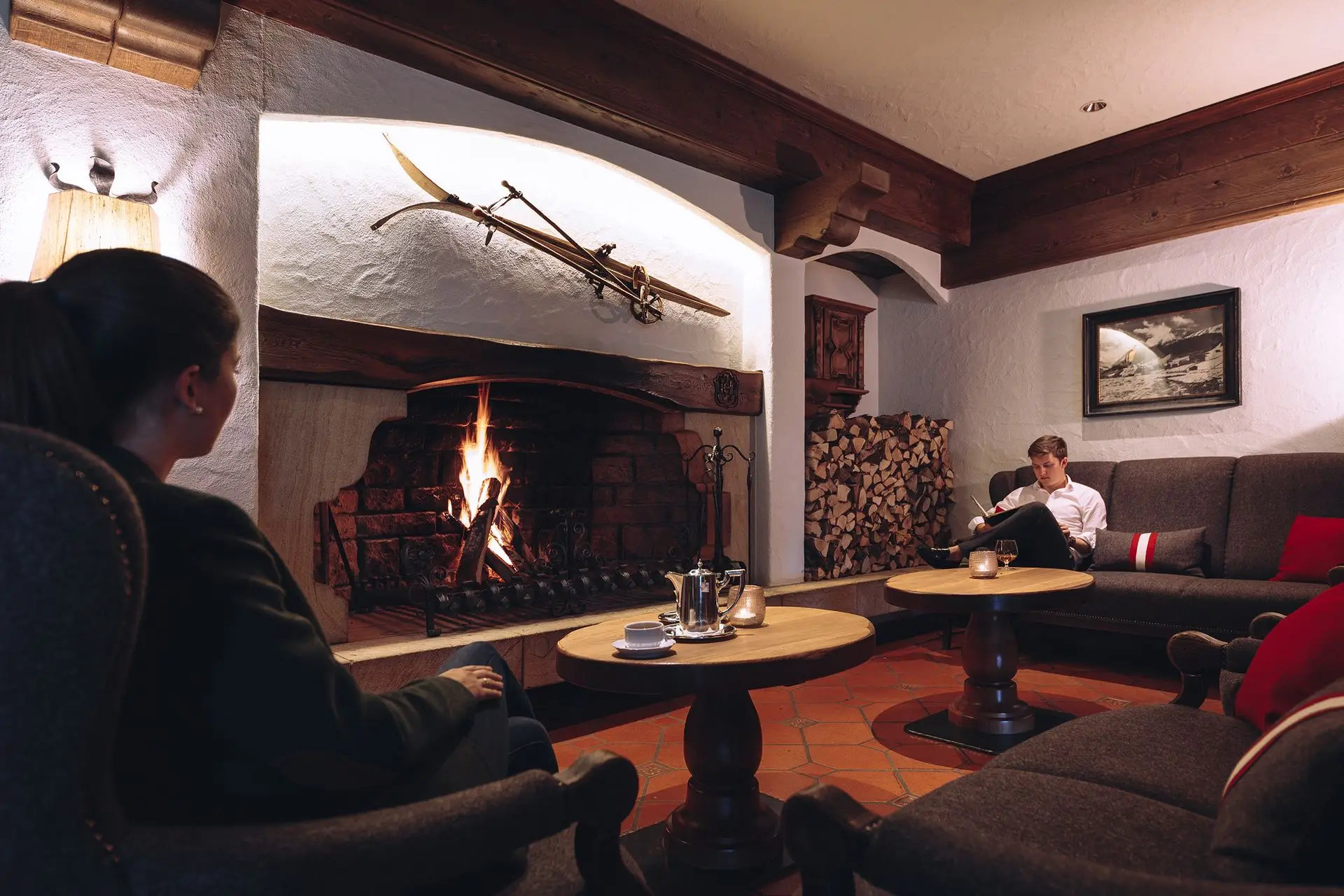
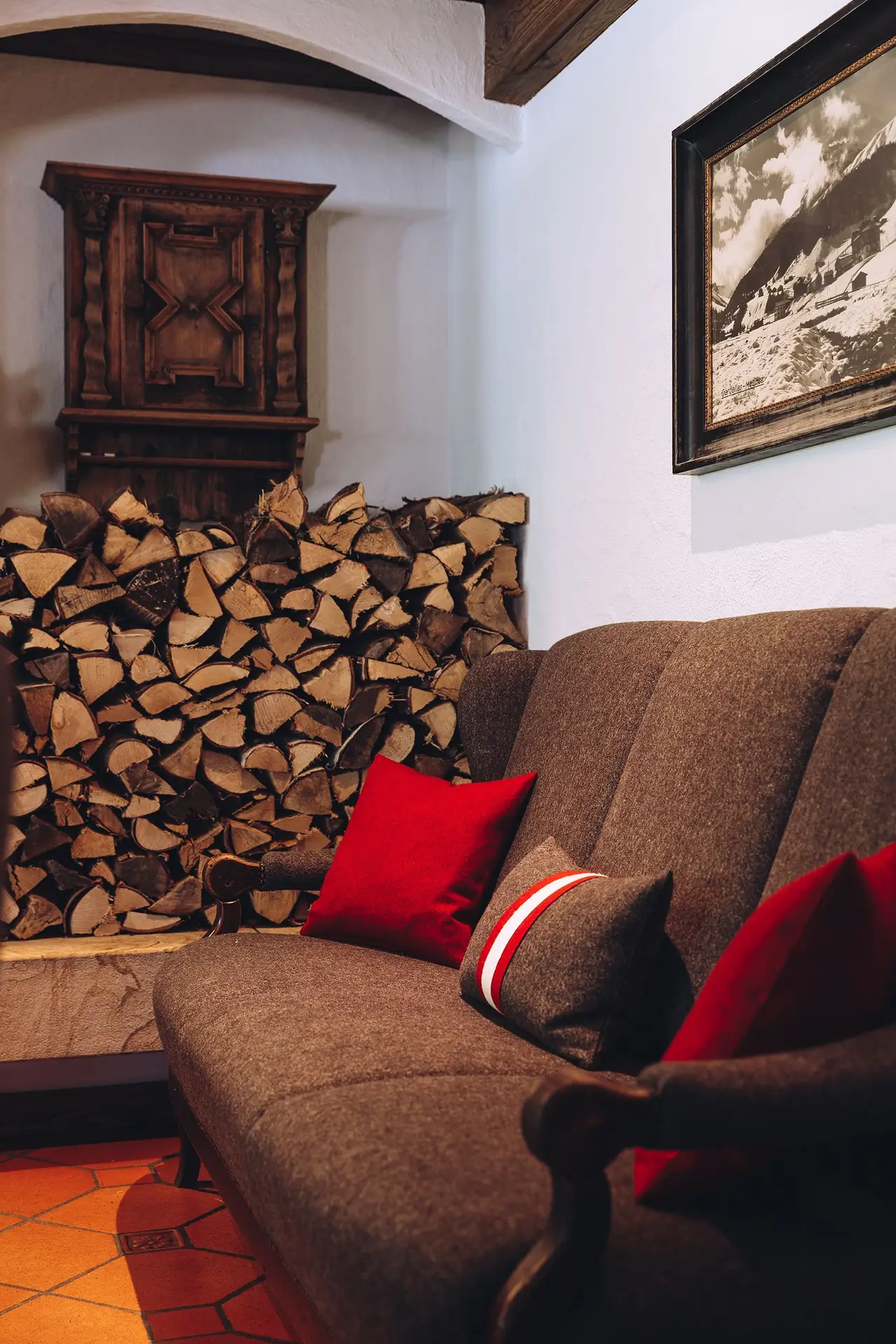
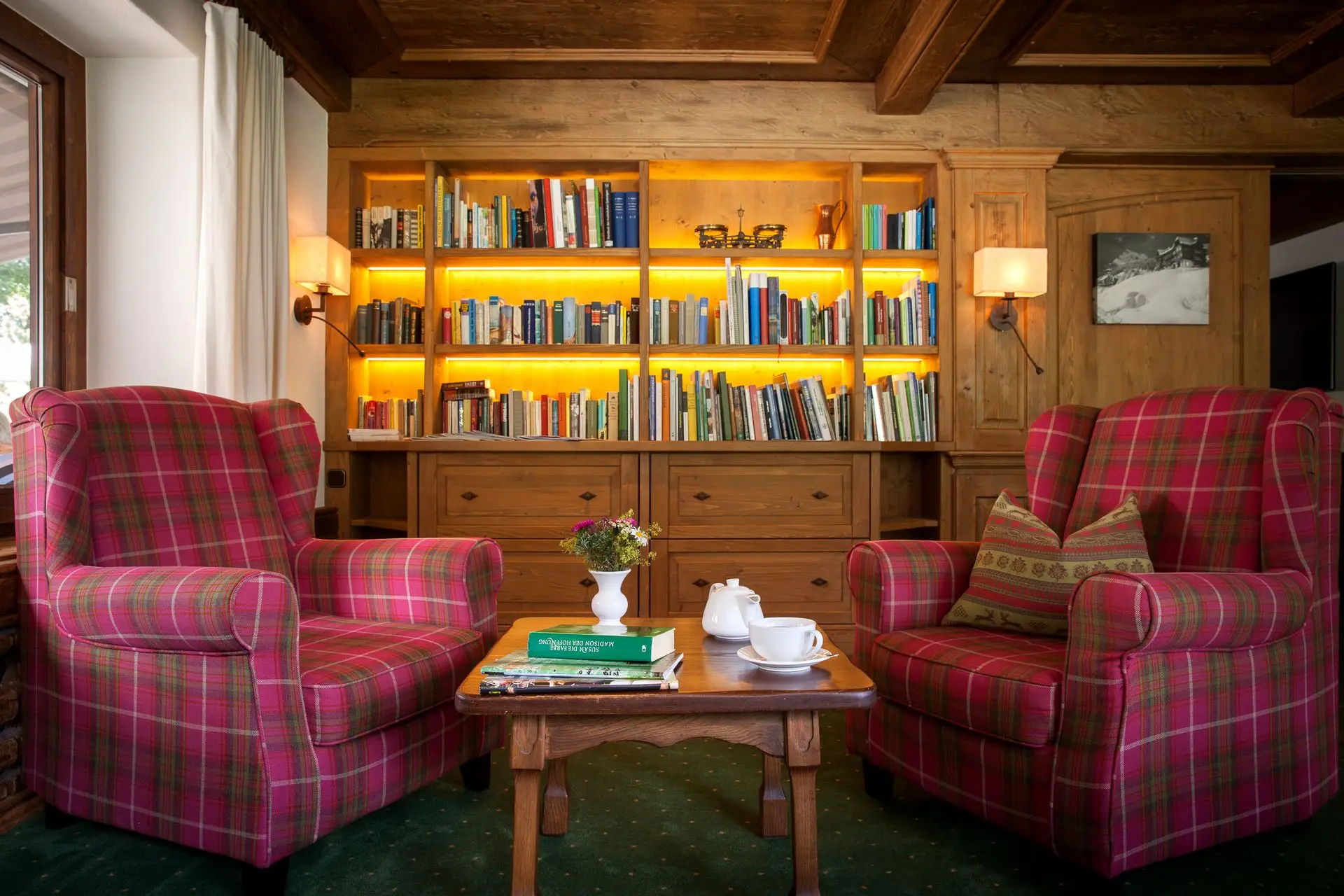
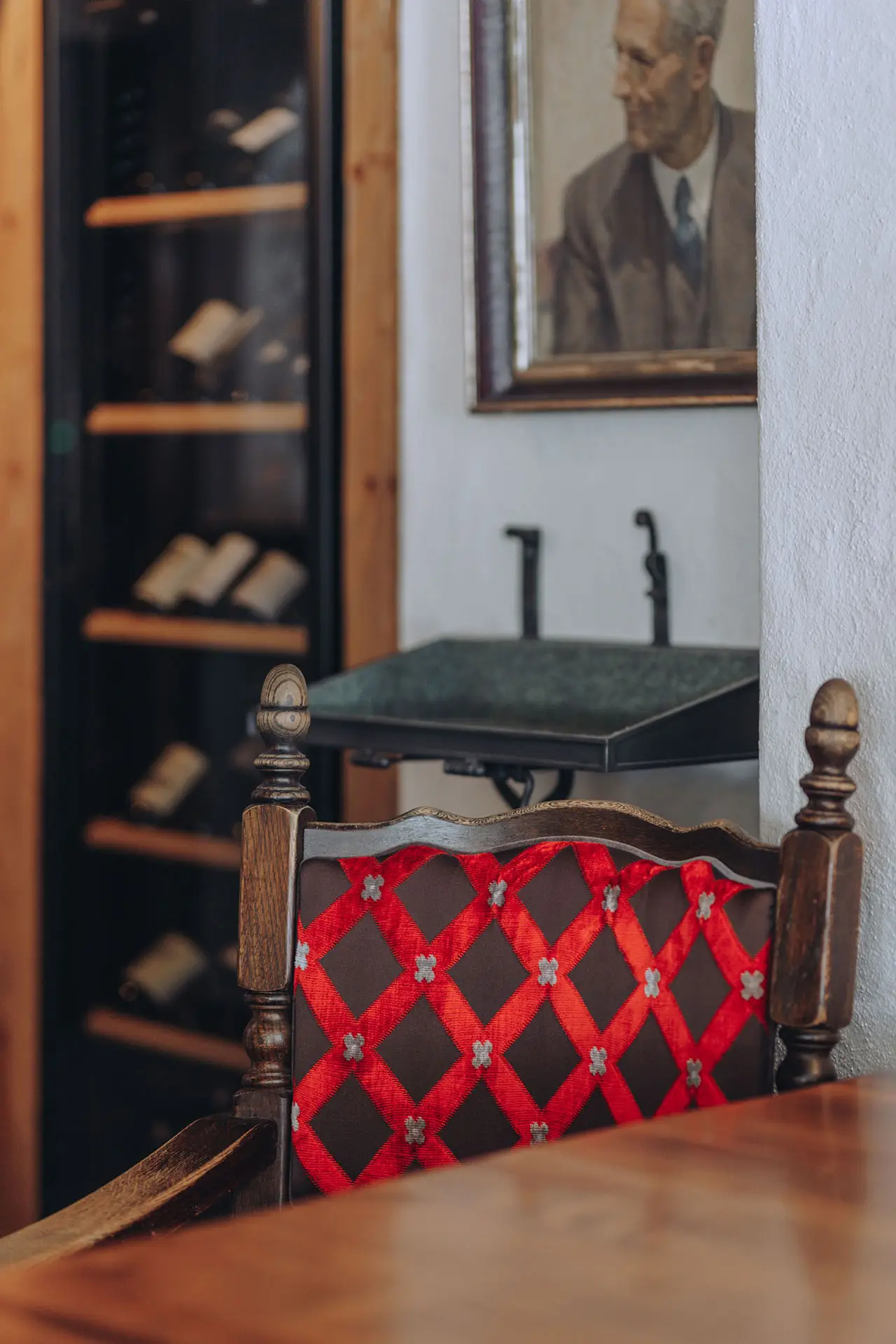
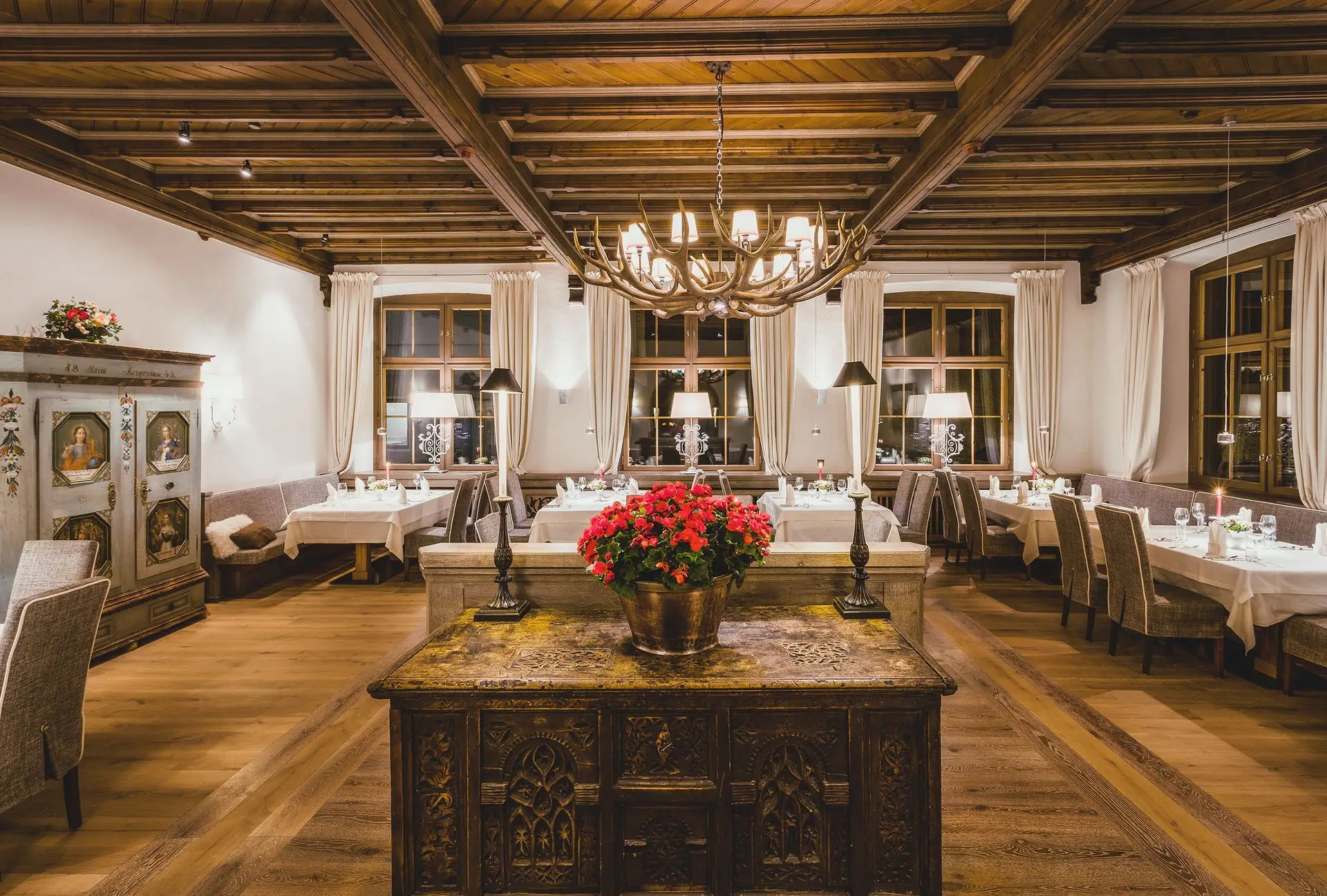
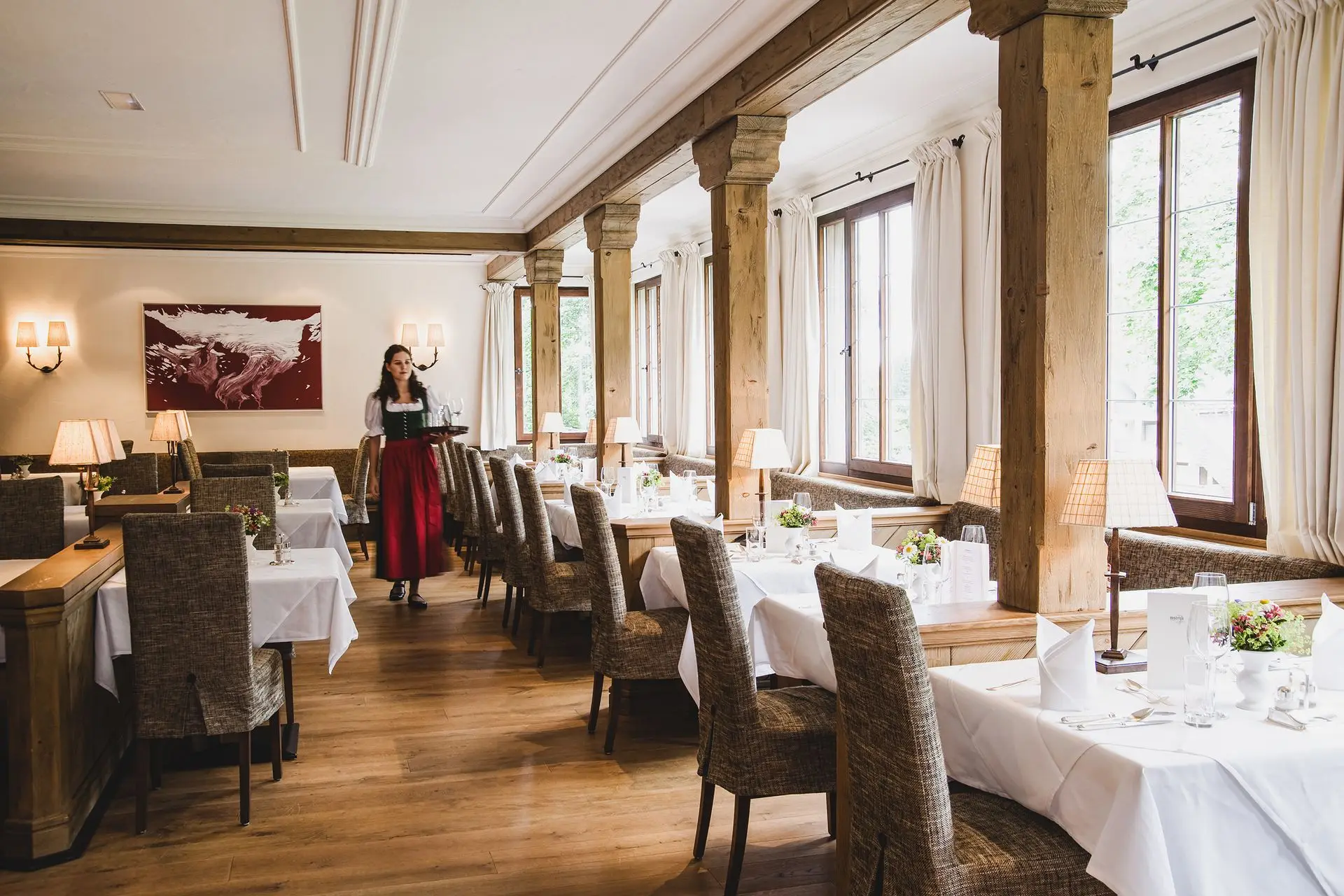
The Rhomberg family has owned Madrisa since the 1930s, and four generations have left their mark. Bertram Rhomberg, whose portrait still hangs in the rustic bar, established the family tradition. His wife Midy had the practical idea of installing a small ski lift, allowing guests to ski directly to and from the hotel. Today, Monika Rhomberg and her children Johanna and Paul continue the story. The architecture remains one of Madrisa’s greatest assets. Its Art Nouveau heritage is visible in the elaborate timberwork, generous proportions and historic public rooms, recalling a period when Alpine hotels were designed to impress as much as accommodate. Fortunately, the family has resisted the temptation to turn everything into a contemporary interpretation of mountain chic. There have been changes, of course. The dining room now combines warm oak with intimate alcoves, while the younger generation has embraced the downstairs club room, where evenings can continue long after the last dinner plates have disappeared. This is not a hotel preserved under glass. It is a family business that has simply kept going, adapting where necessary and retaining what was worth keeping. Some regular guests first arrived with their parents and now return with their own children. That probably says more about Madrisa than any hotel award could.
The Montafon on a Plate
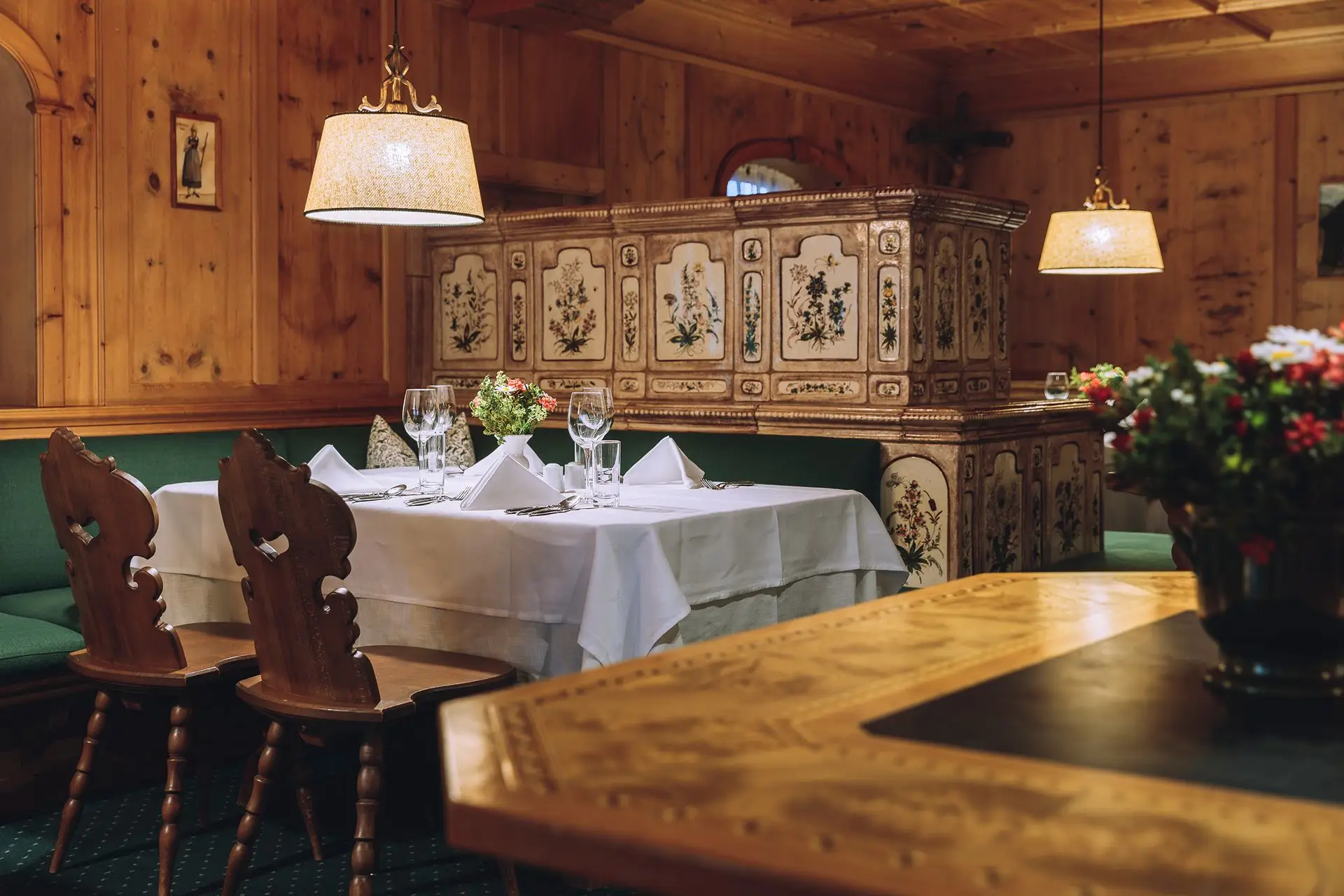
One of the most interesting aspects of Madrisa is that its commitment to local food begins well before anything reaches the kitchen. Johanna Rhomberg also runs the family’s organic farm, where cattle and other livestock are raised according to traditional Alpine agricultural practices. The Grauvieh cattle spend their summers on high mountain pastures, and the family’s own beef and lamb feature on the hotel menu. The kitchen also works with local hunters, fishermen, dairies and farmers. Among the regional specialities is Sura Kees, the traditional sour-milk cheese of the Montafon, alongside mountain cheeses from nearby Alpine dairies. In an age when almost every hotel restaurant claims to be sustainable, seasonal and locally sourced, it is refreshing to encounter one where the family actually owns the farm. Chef Zdenek Cepera brings a more ambitious culinary dimension to these ingredients, combining Austrian traditions with international influences. Dinner is a changing five-course affair, with a weekly gala evening and a wine cellar to explore afterwards. The kitchen has earned two Gault & Millau toques and two Falstaff forks. There is no contradiction between traditional mountain cooking and contemporary gastronomy. Madrisa makes a convincing case for having both.
The Other Side of Alpine Life
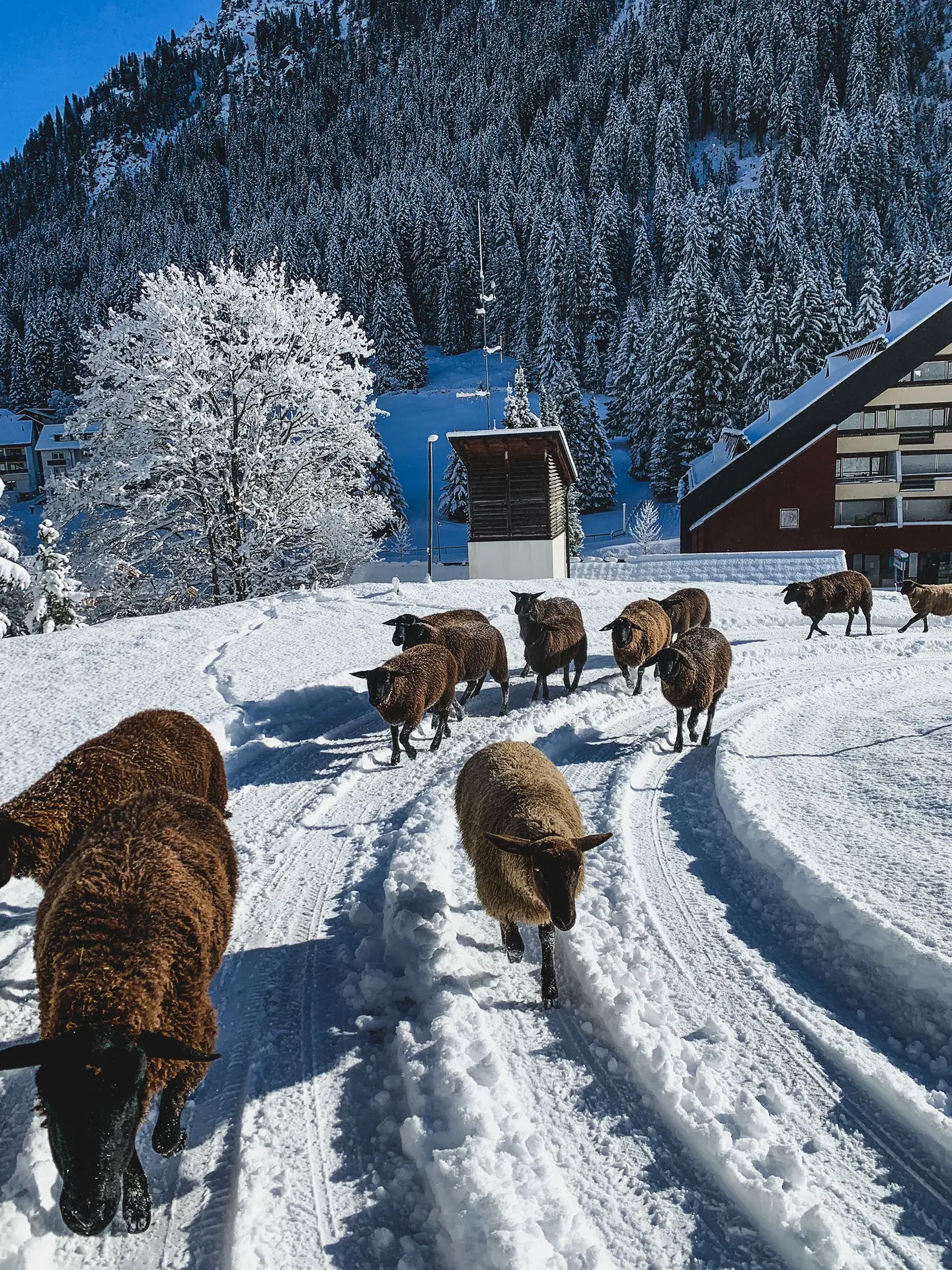
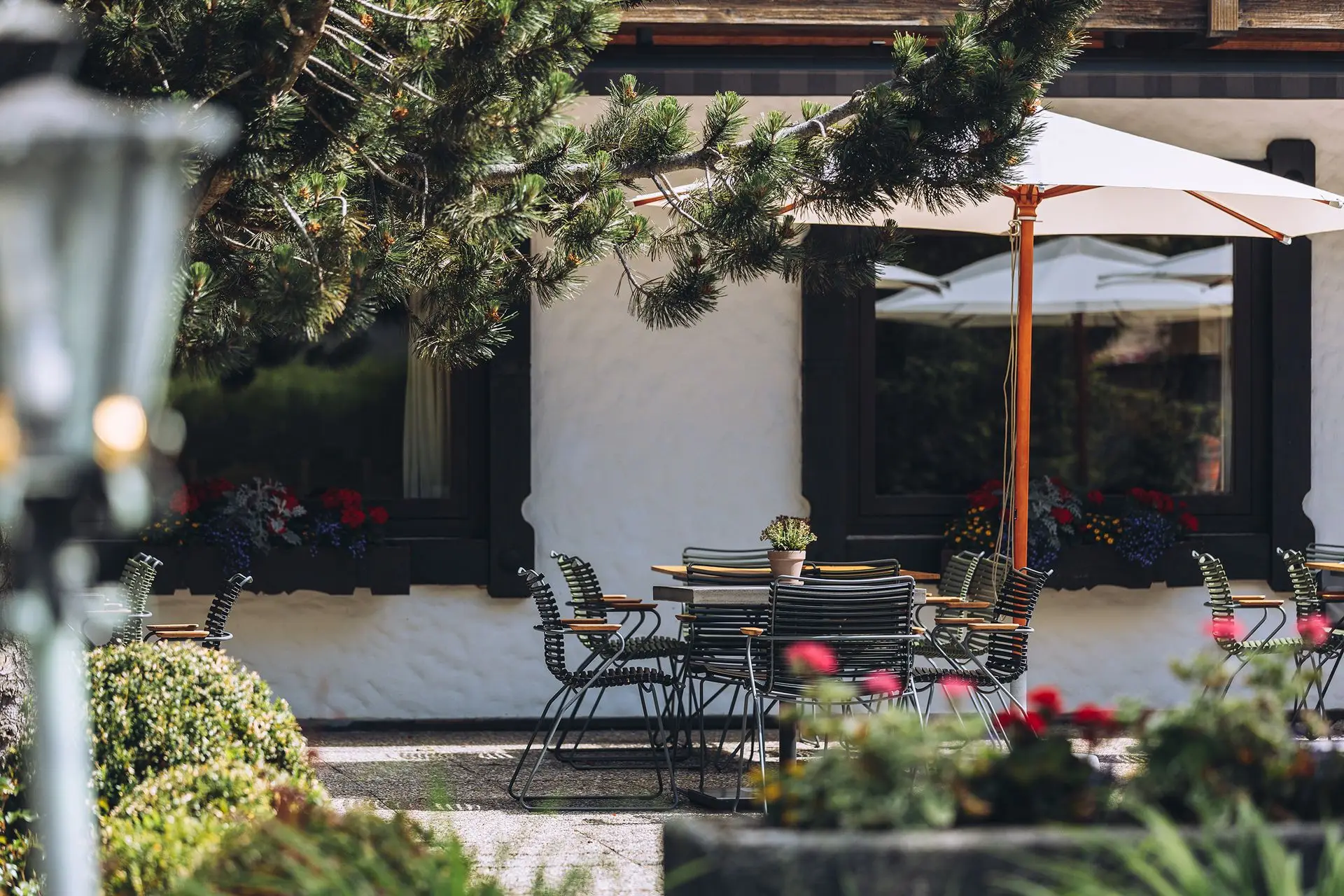
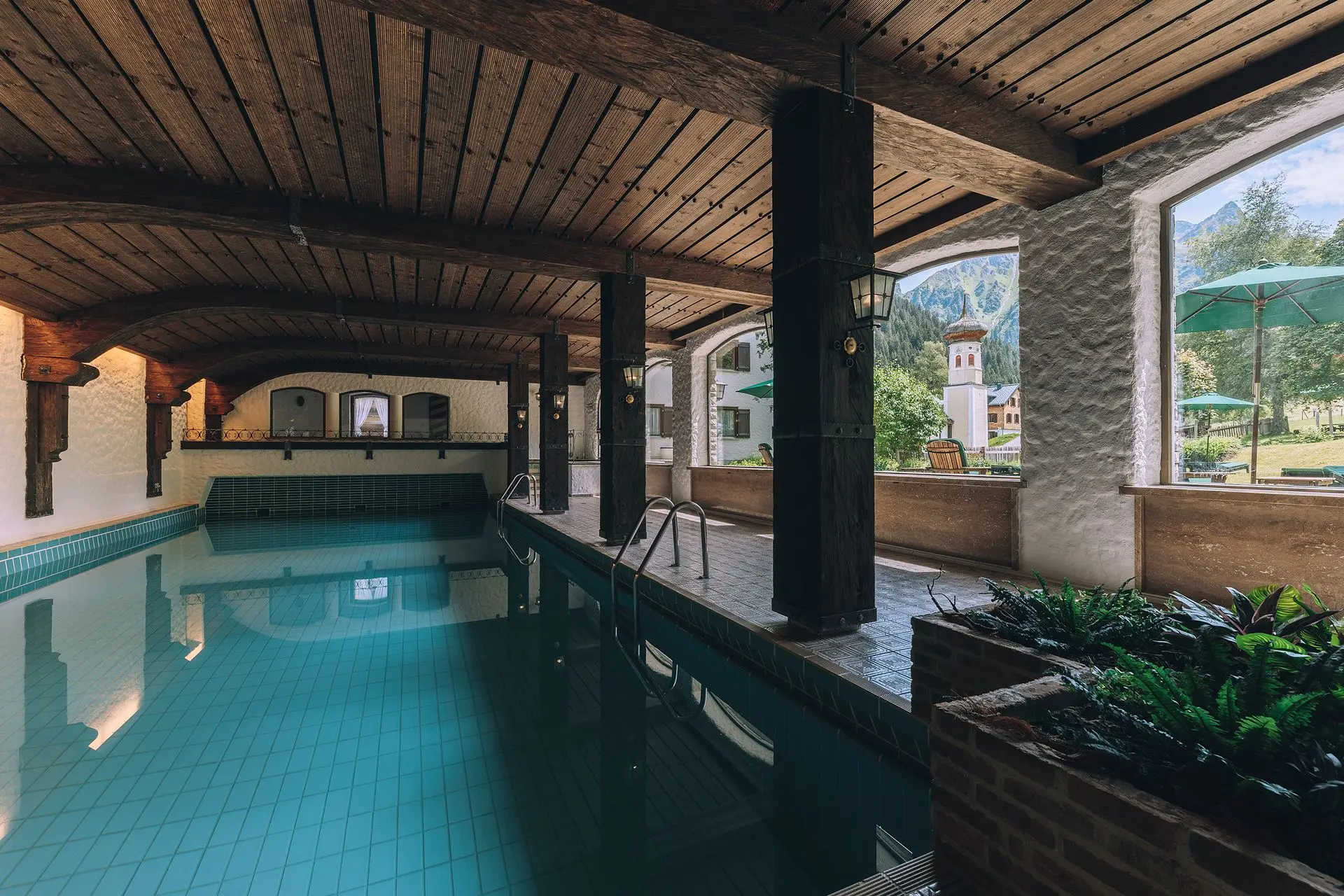
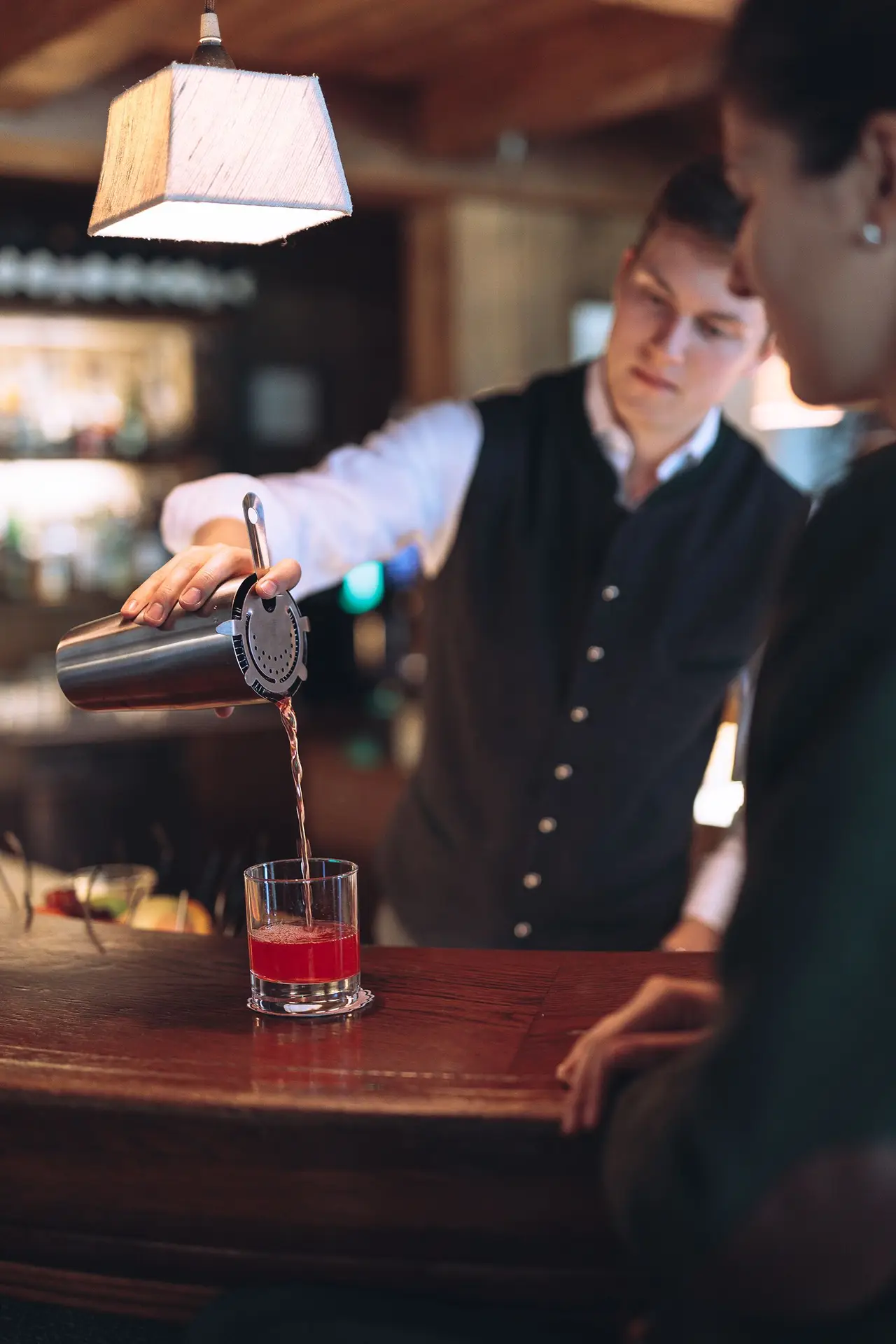
Gargellen is a rather different proposition from Austria’s larger ski resorts. There is no through traffic, no sprawling resort centre and little reason to come here unless the mountains are actually your destination. In winter, the Schafbergbahn provides access to the ski slopes. In summer, the surrounding landscape opens up for hiking, cycling and exploring the old smugglers’ paths towards Switzerland. The hotel terrace overlooks the Rätikon and Silvretta peaks, offering a perfectly acceptable alternative to all that physical activity. Coffee and homemade cake in the afternoon, a glass of wine as the sun disappears behind the mountains, perhaps a digestif by the fireplace after dinner. The bar also offers a rather appropriate local curiosity: Gargellen Gin, created to celebrate the mountain rescue service’s 90th anniversary and flavoured with blueberries, Swiss stone pine and mountain hay. It sounds considerably more appealing than most attempts to put the taste of a destination into a bottle. And then there is that downstairs club room. Apparently, even in a village at the end of the road, there is room for a little nightlife.
The Real Thing
What makes Madrisa interesting is not that it offers a particularly new interpretation of Alpine hospitality. Quite the opposite. It belongs to a generation of mountain hotels that helped establish the very idea of the Alpine holiday, long before wellness resorts, designer chalets and lifestyle brands discovered the commercial potential of mountain scenery. Its architecture, family history and agricultural connections are not decorative elements assembled to create an identity. They are the identity. The Rhombergs have kept the hotel relevant without sacrificing the qualities that made it worth preserving in the first place. For anyone who appreciates the old grand hotels of the Alps, Madrisa is a reminder that not every historic property needs a radical reinvention. Sometimes the most interesting thing a hotel can do is remain itself.
Information
At a glance
Opened / Renovated
1906
Size matters
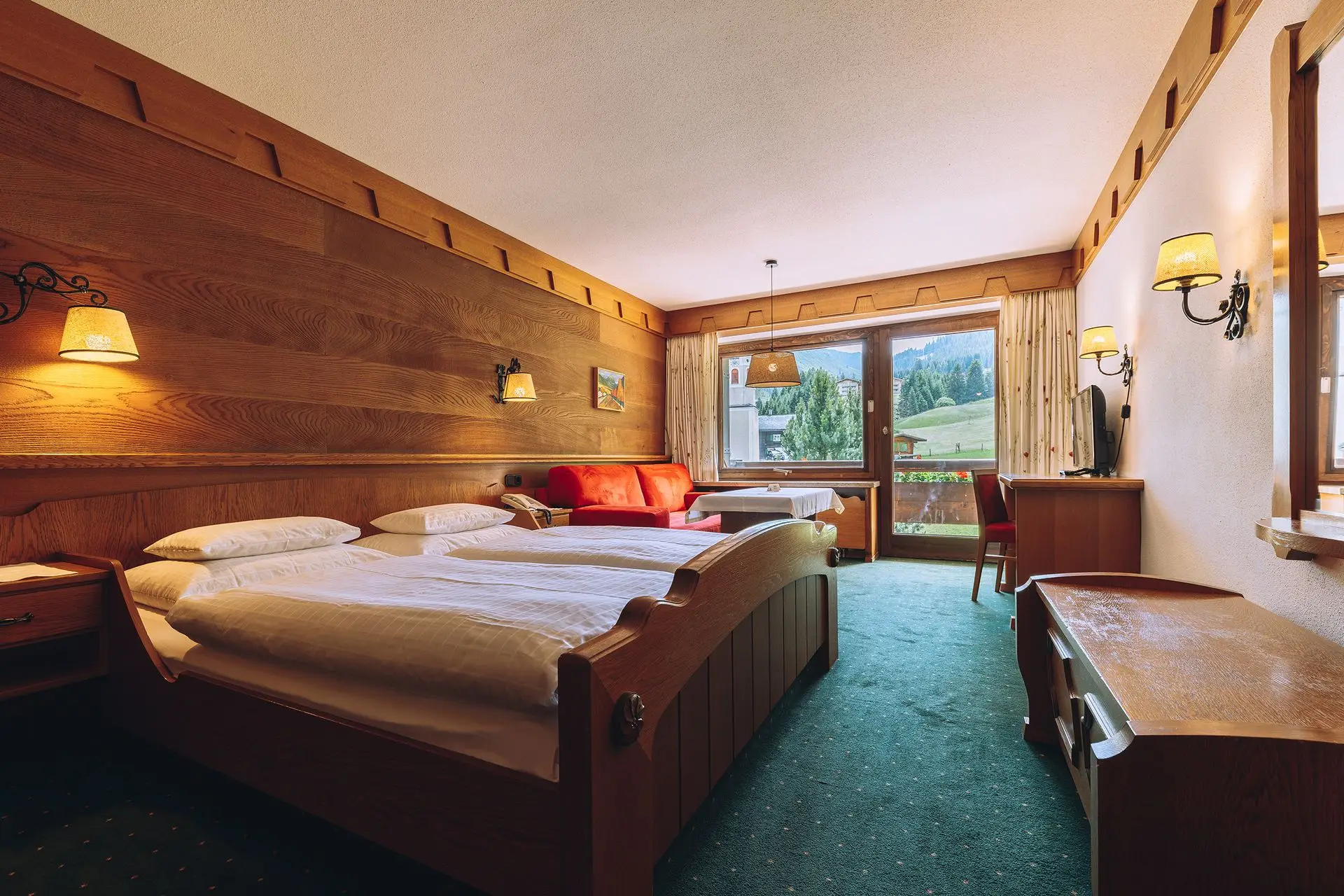
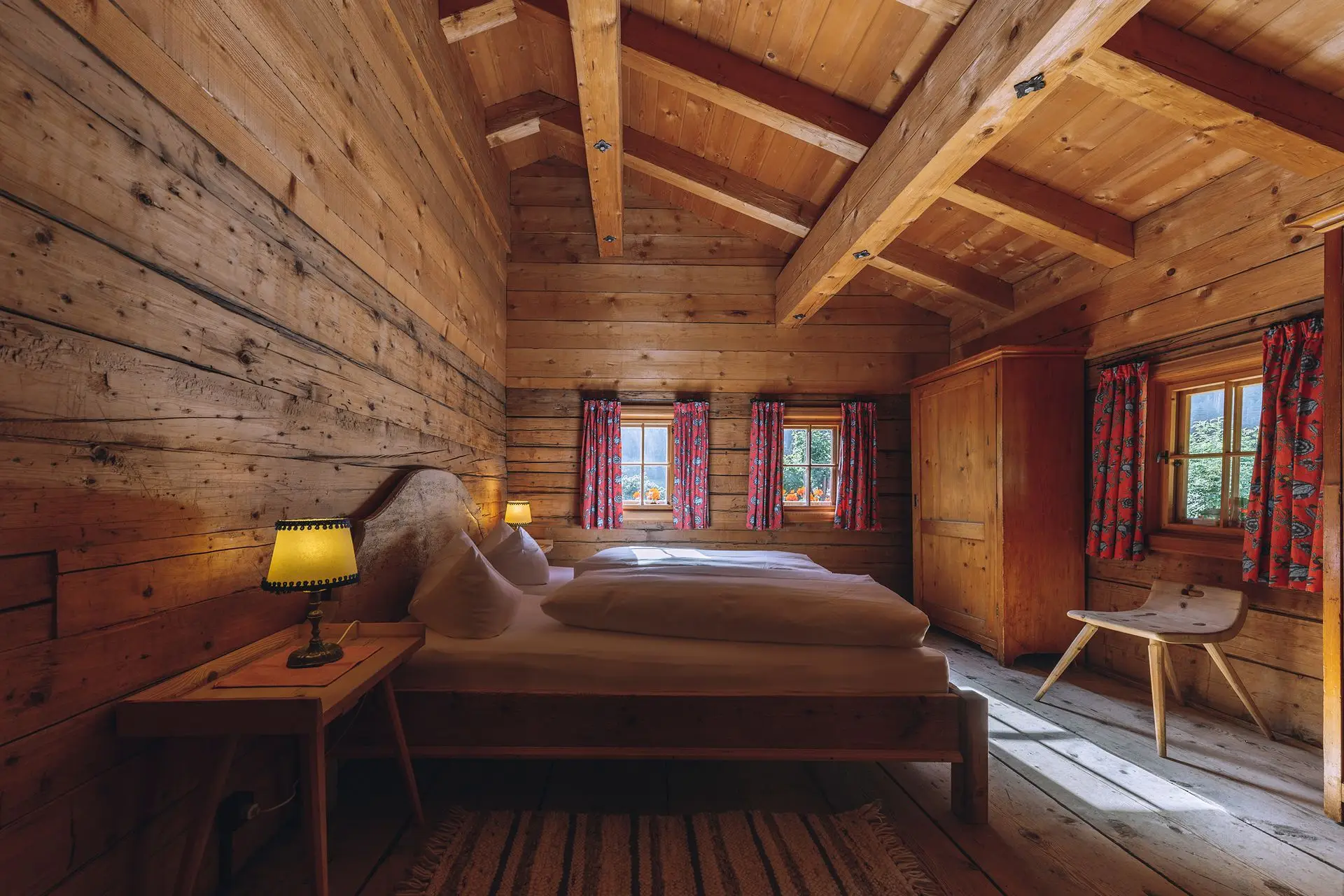
60 rooms & suites
Featured in
Don't take our word for it

Handpicked worldwide
A carefully curated collection of exceptional boutique and design hotels across the globe.
Design with soul
Architecture, atmosphere and craftsmanship come together in stays with a clear identity.
Hidden, not hyped
Independent boutique hotels you rarely find on mainstream booking platforms.
Travel guidance
Personal recommendations and thoughtful support from people who actually know the places.