


A Little Cocteau in the Norman Countryside
An 1886 Anglo-Norman château transformed into an artistic country retreat, with mythological frescoes, bespoke interiors, poetry-covered walls, seasonal gastronomy and a swimming pool turned into art.

Why DNA Hotels loves it
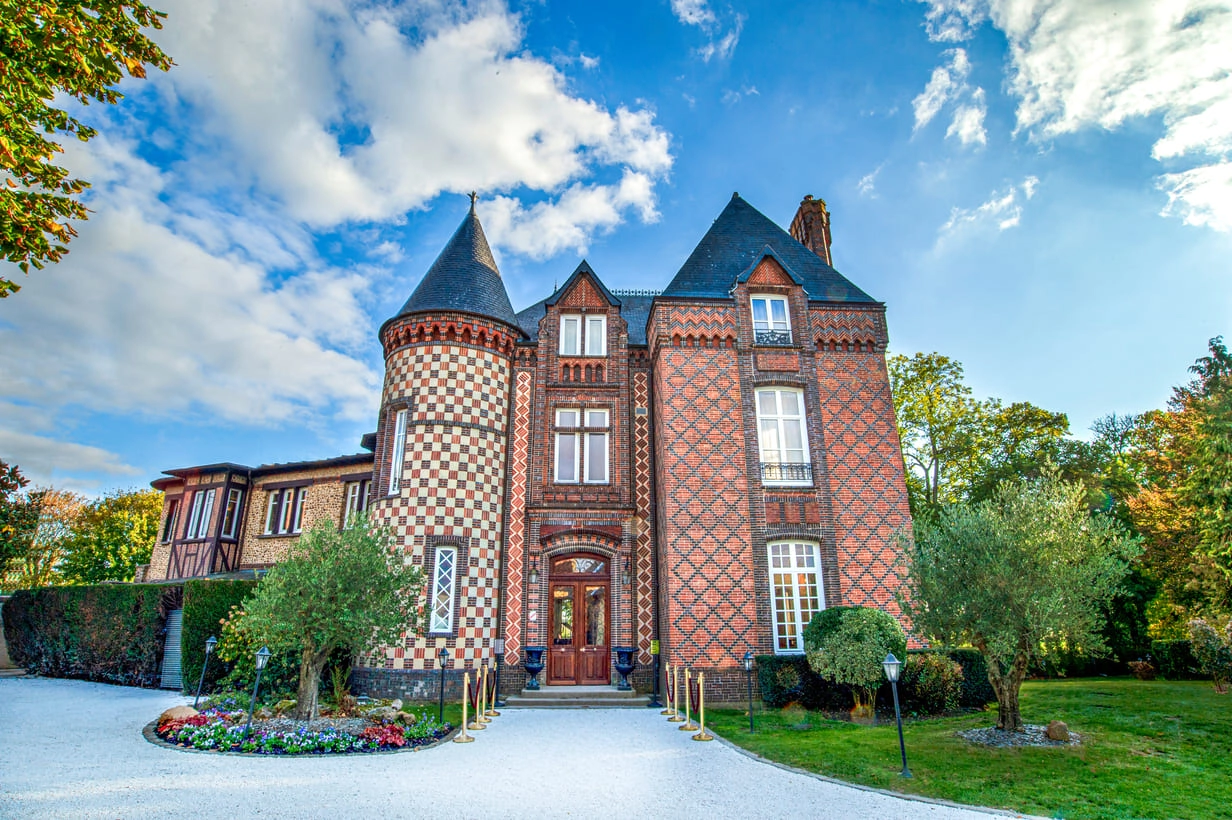
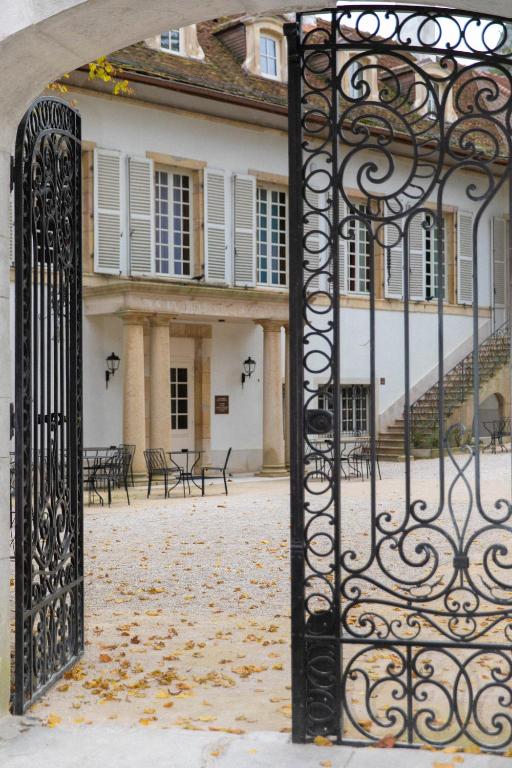
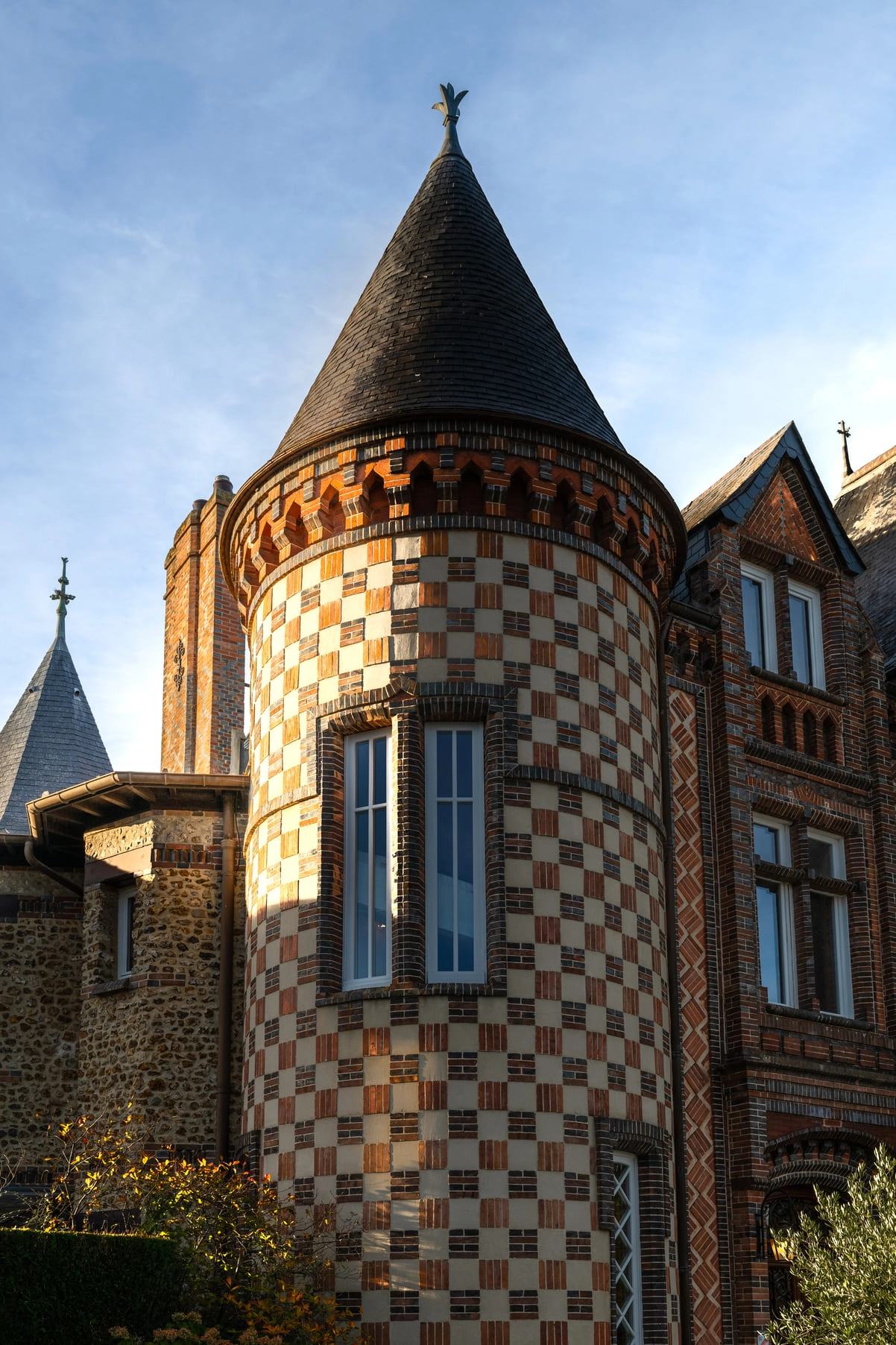
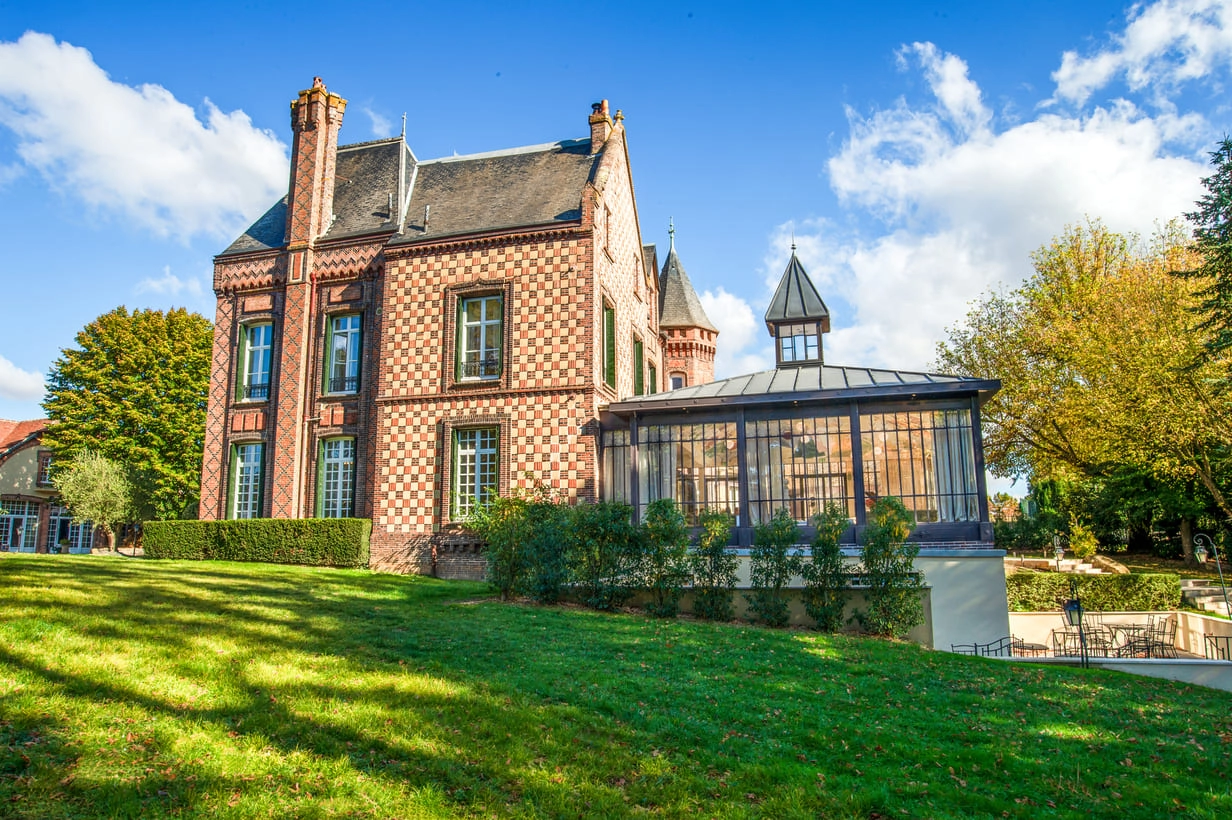
An 1886 Anglo-Norman château with red-brick façades, turrets and a remarkable glass conservatory, transformed from a historic country hotel into an intimate retreat where art takes centre stage.
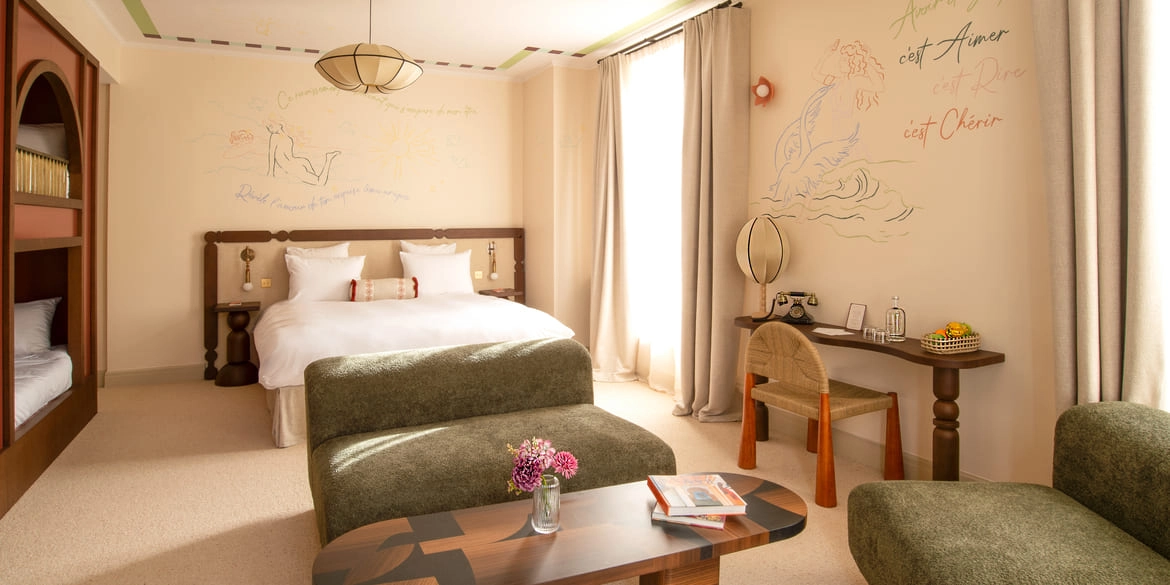
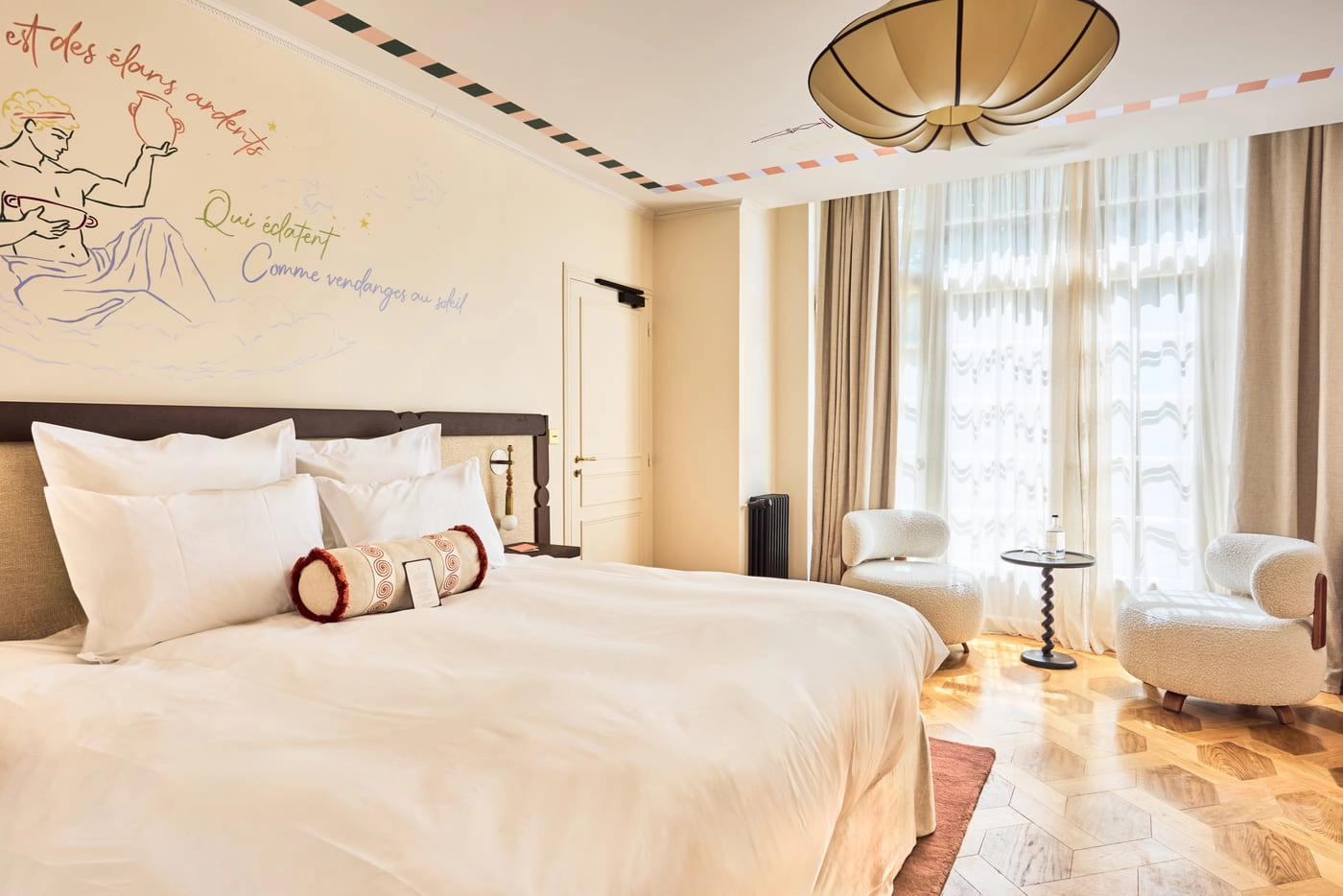
A highly personal decorative project by owner Camille Omerin, bringing together seven artists, elaborate mythological frescoes, poetry-covered walls and bespoke furniture inspired by everything from Napoleon III to Jean Cocteau.
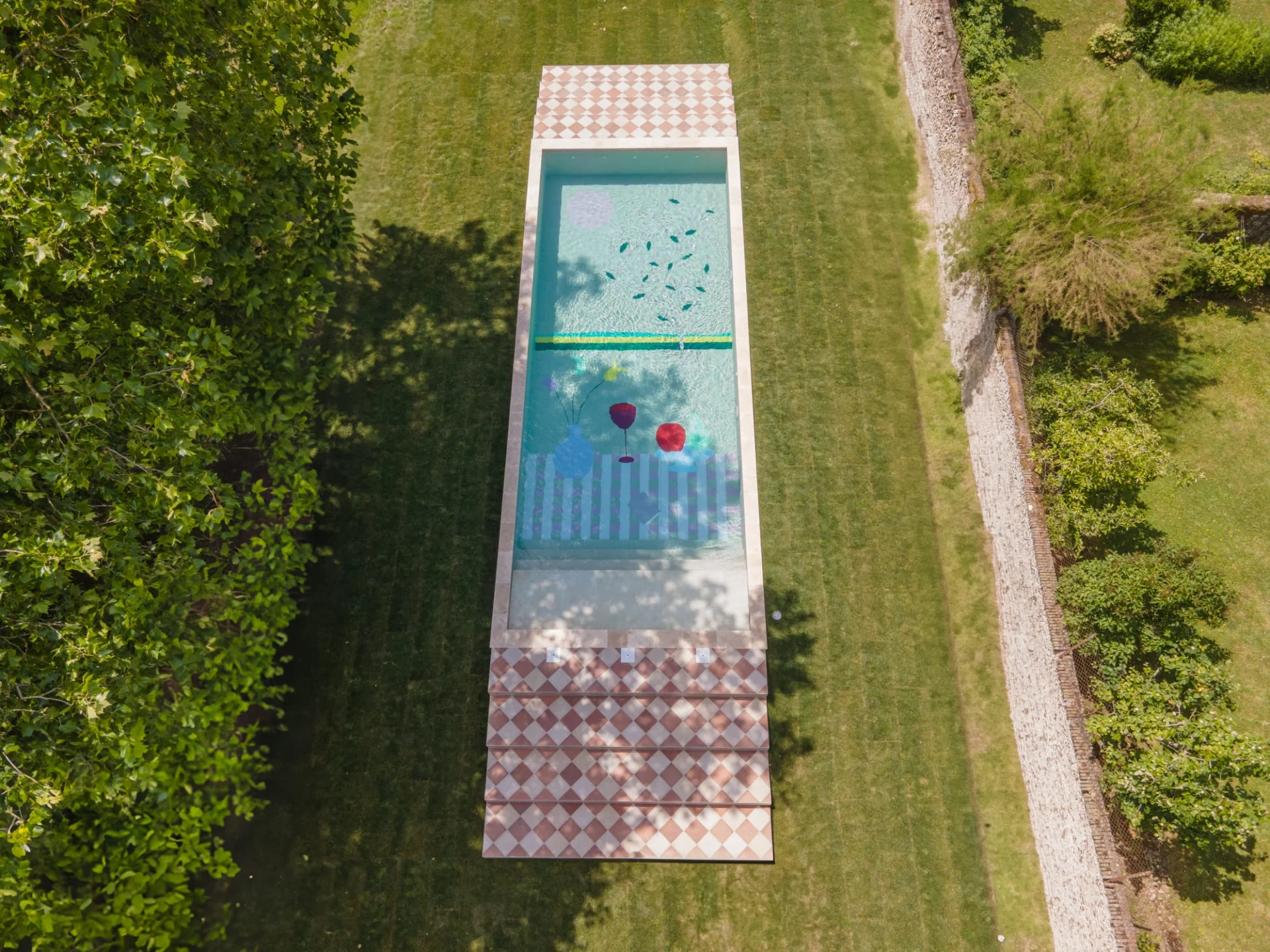
Restaurant Patiné's seasonal Norman cuisine, an outdoor swimming pool transformed into a colourful artwork by Ben Arpéa, and a garden spa surrounded by mature trees, all within easy reach of Paris.
The Stay
An Anglo-Norman Château, a Little Jean Cocteau and the Art of Dreaming
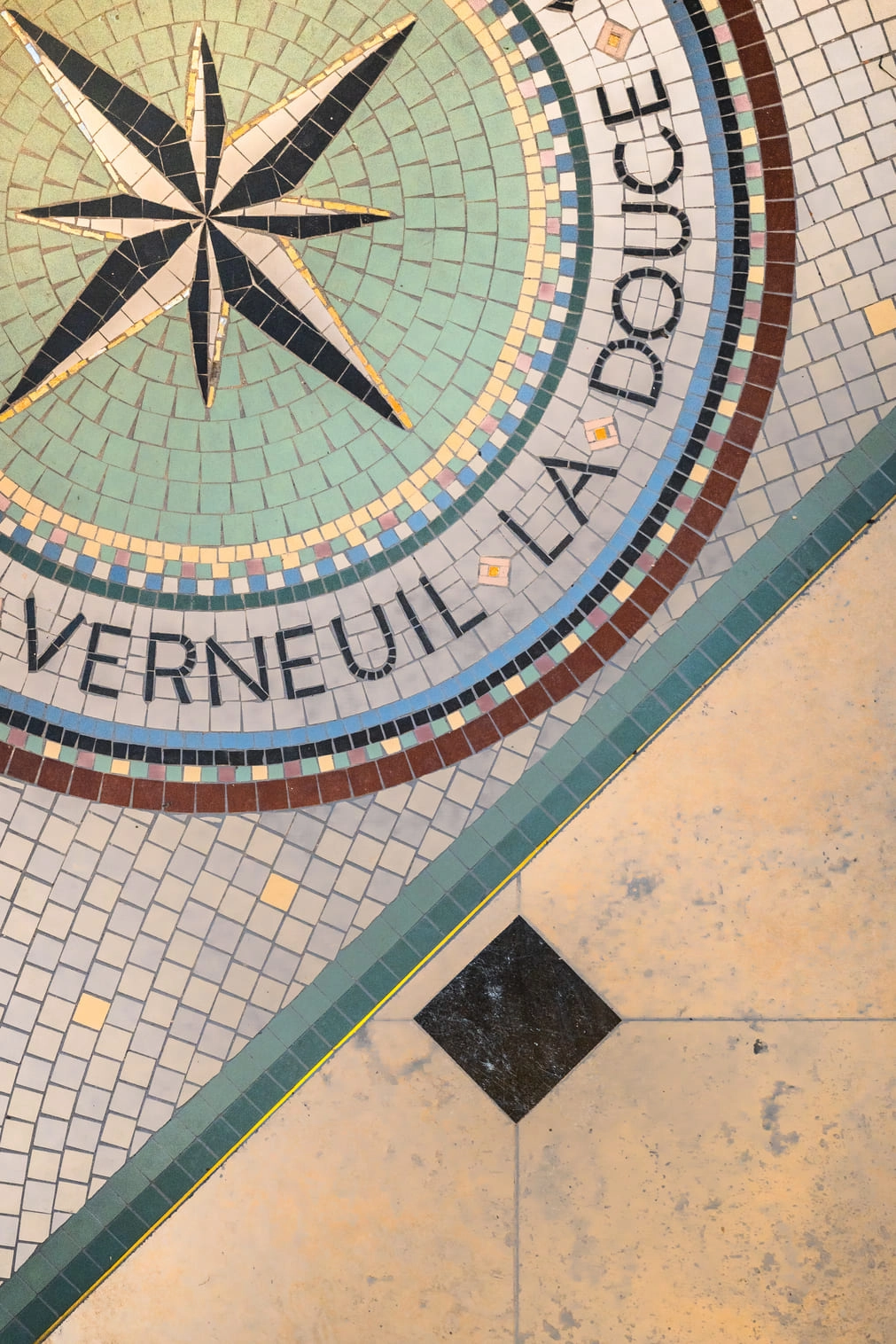
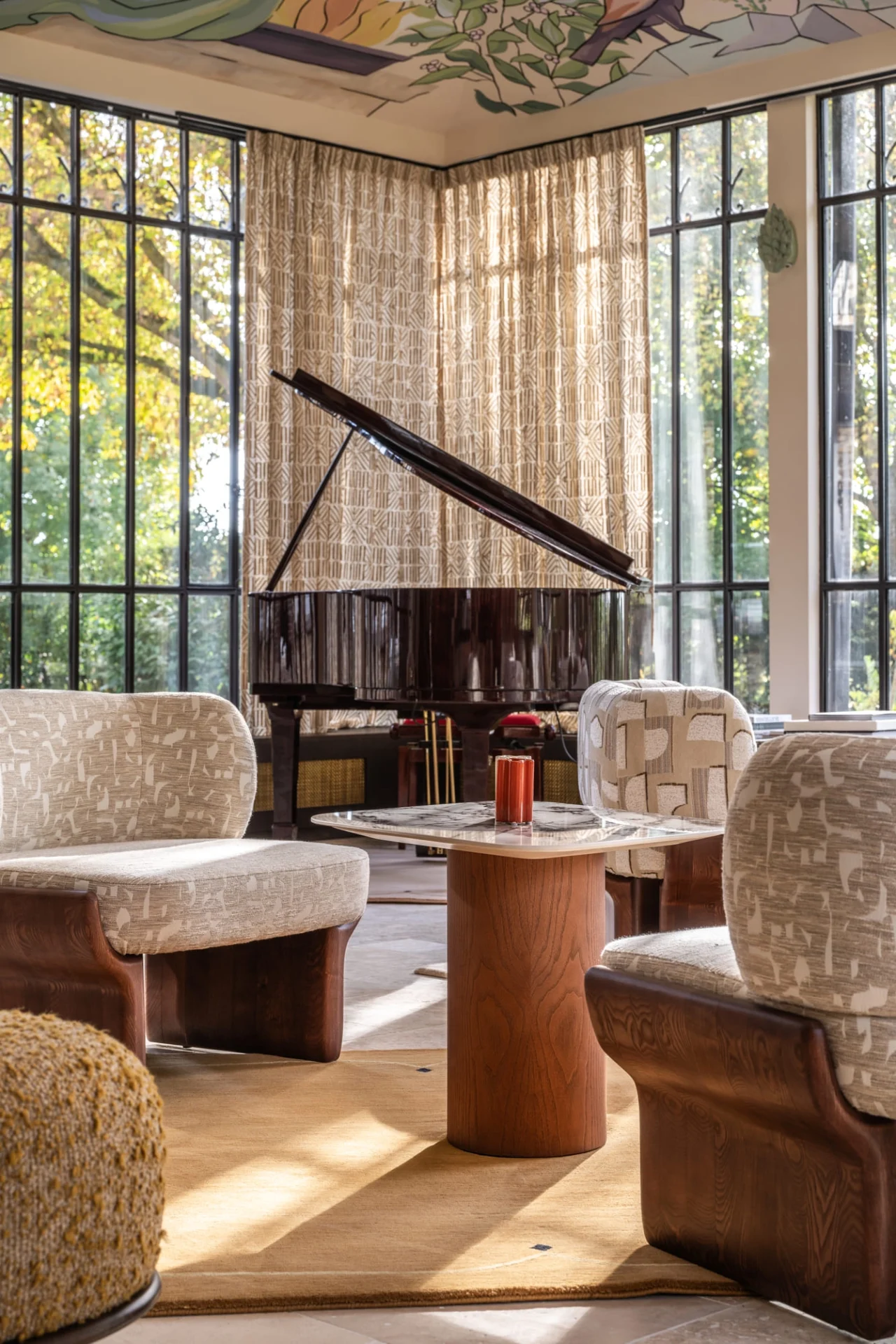
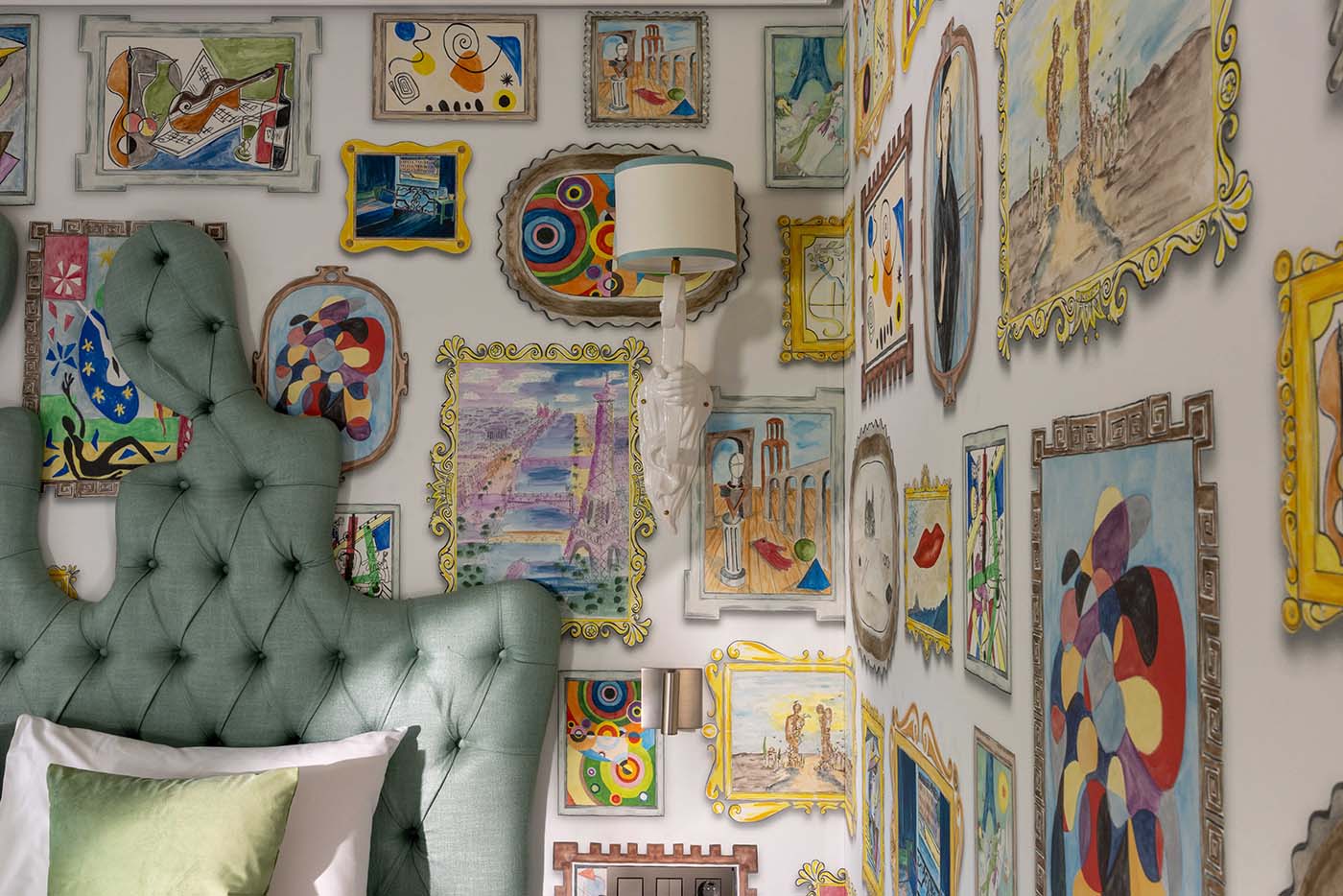
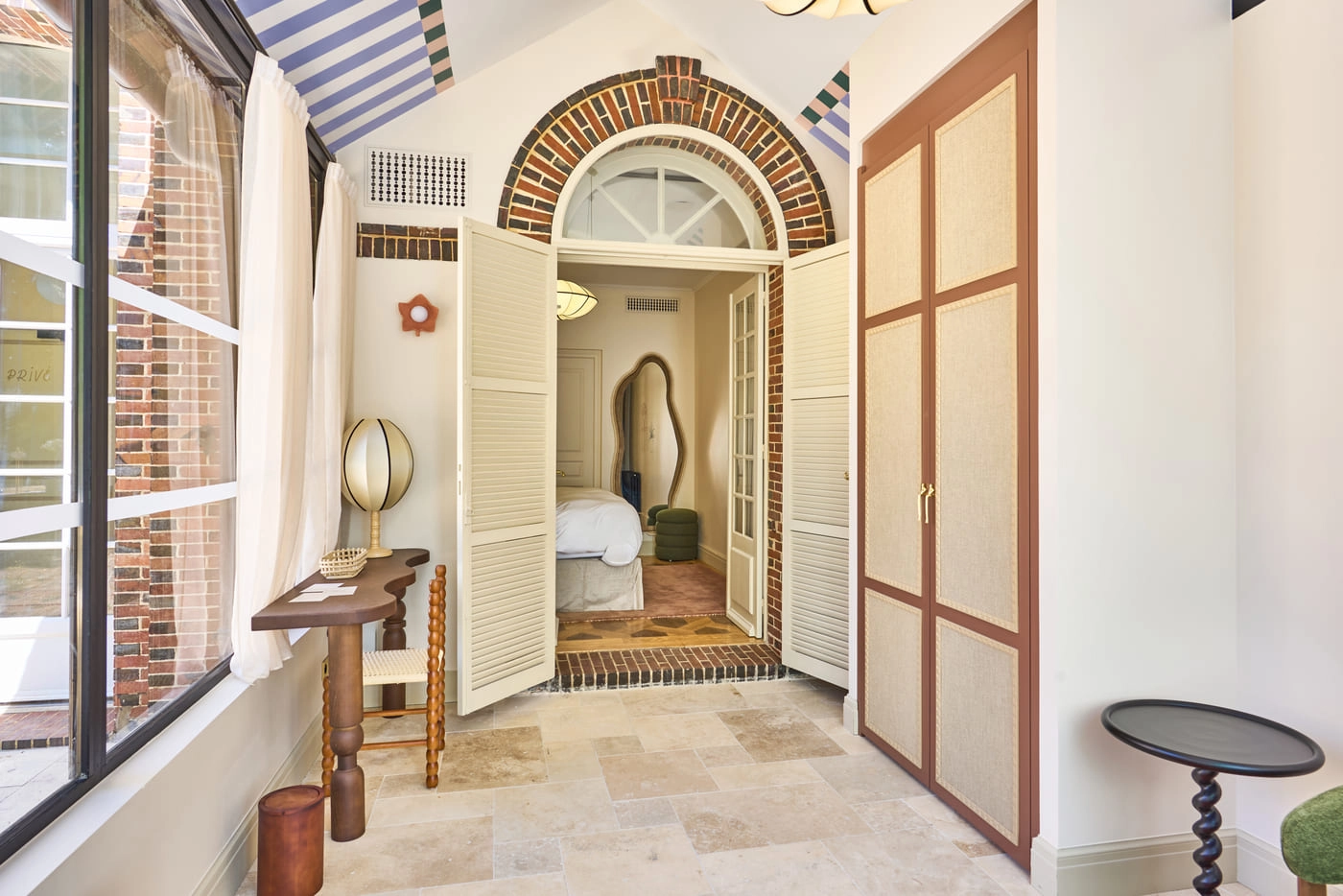
Jean Cocteau once covered the walls of Villa Santo Sospir on the French Riviera with drawings of mythological figures, transforming an elegant private residence into something between a home and a work of art. More than seventy years later, Parisian entrepreneur Camille Omerin has taken a little inspiration from that idea and brought it to an Anglo-Norman château in the countryside west of Paris. At Verneuil la douce, walls are covered in poetry, mythological characters populate the ceilings, and even the swimming pool has become a canvas for contemporary art. The setting is a rather handsome château dating from 1886, with red-brick façades, turrets and a large glass conservatory overlooking gardens shaded by centuries-old trees. The building already had a distinguished hospitality history. Previously known as Le Clos, it was once a respected regional institution and among the earliest members of Relais & Châteaux, attracting an established clientele that included families visiting children at the nearby École des Roches. Omerin, whose background lies in fashion and interior design, saw an opportunity to create something rather different from another tastefully restored French country hotel. She assembled a group of artists and craftspeople, commissioned furniture of her own design and spent more than two years transforming the interiors. The result is part château hotel, part artistic experiment, with considerably more imagination than the usual collection of antique furniture and contemporary paintings.
When the Walls Become the Art
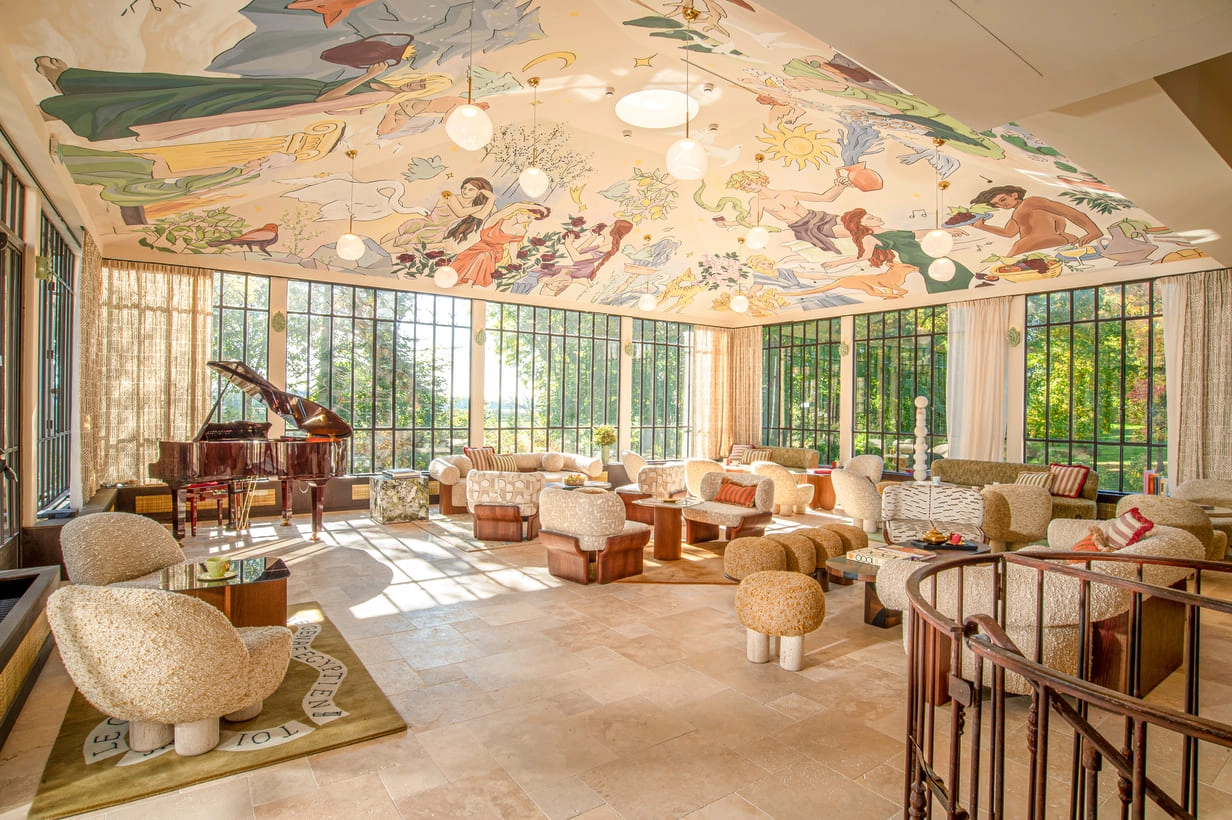
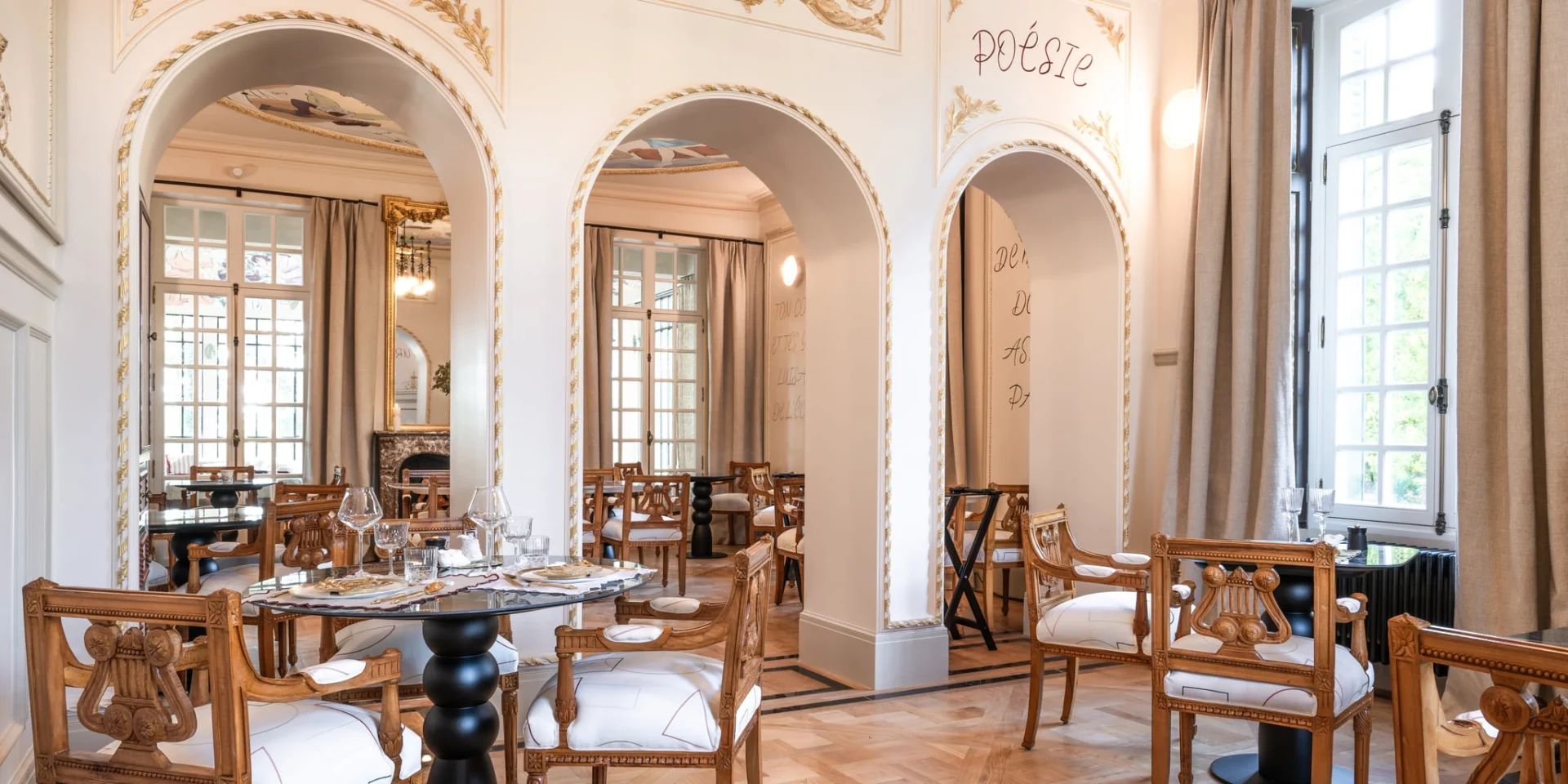
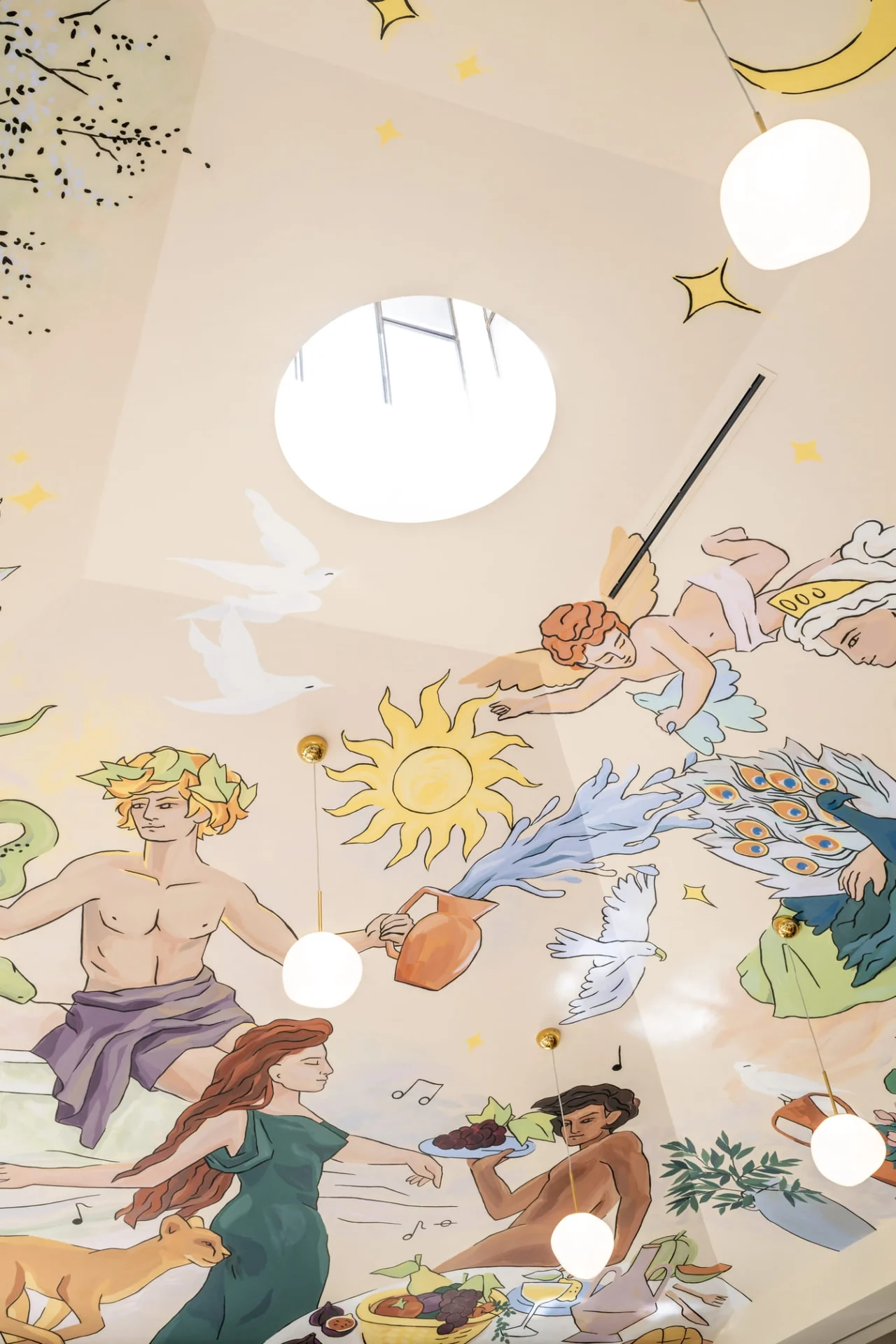
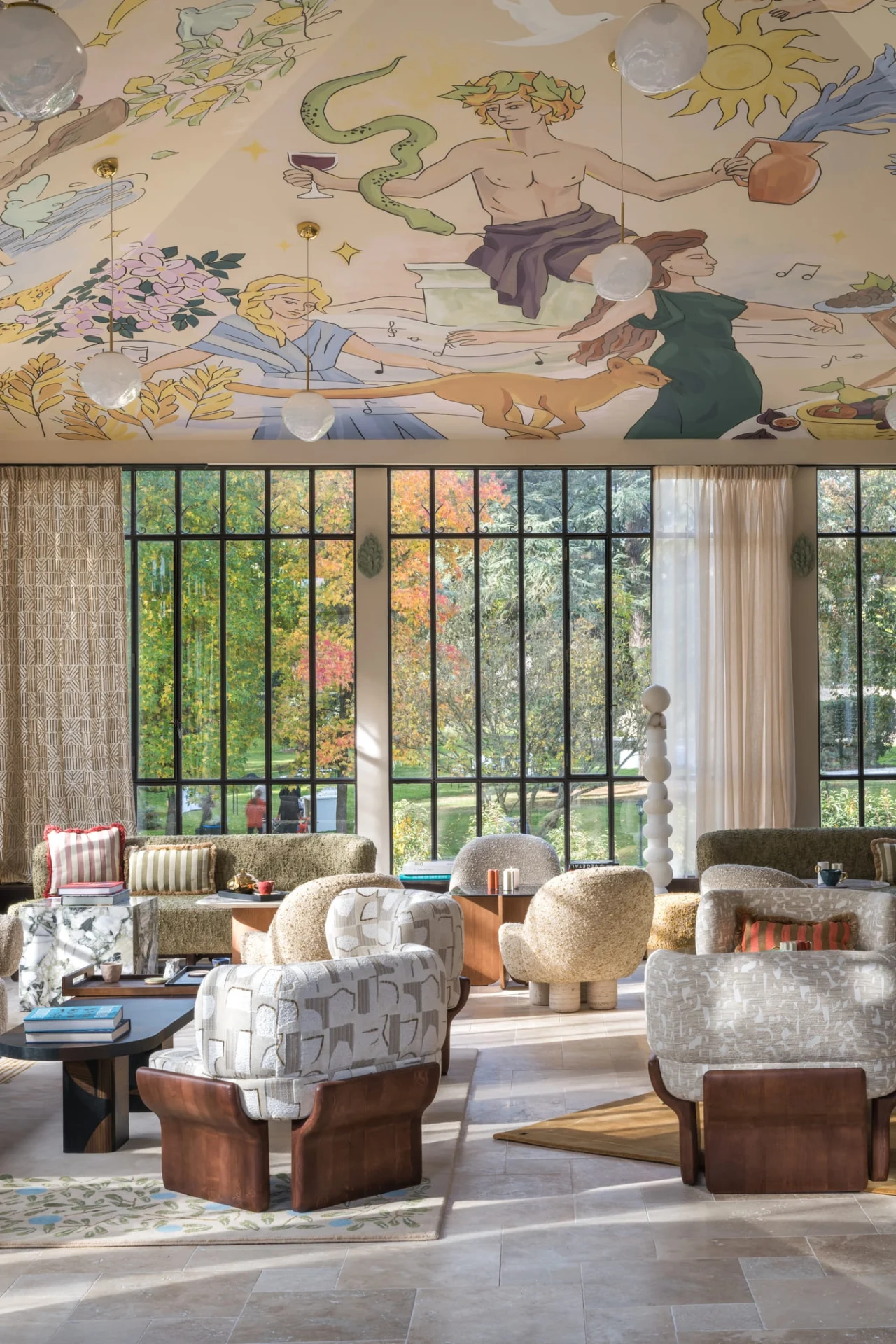
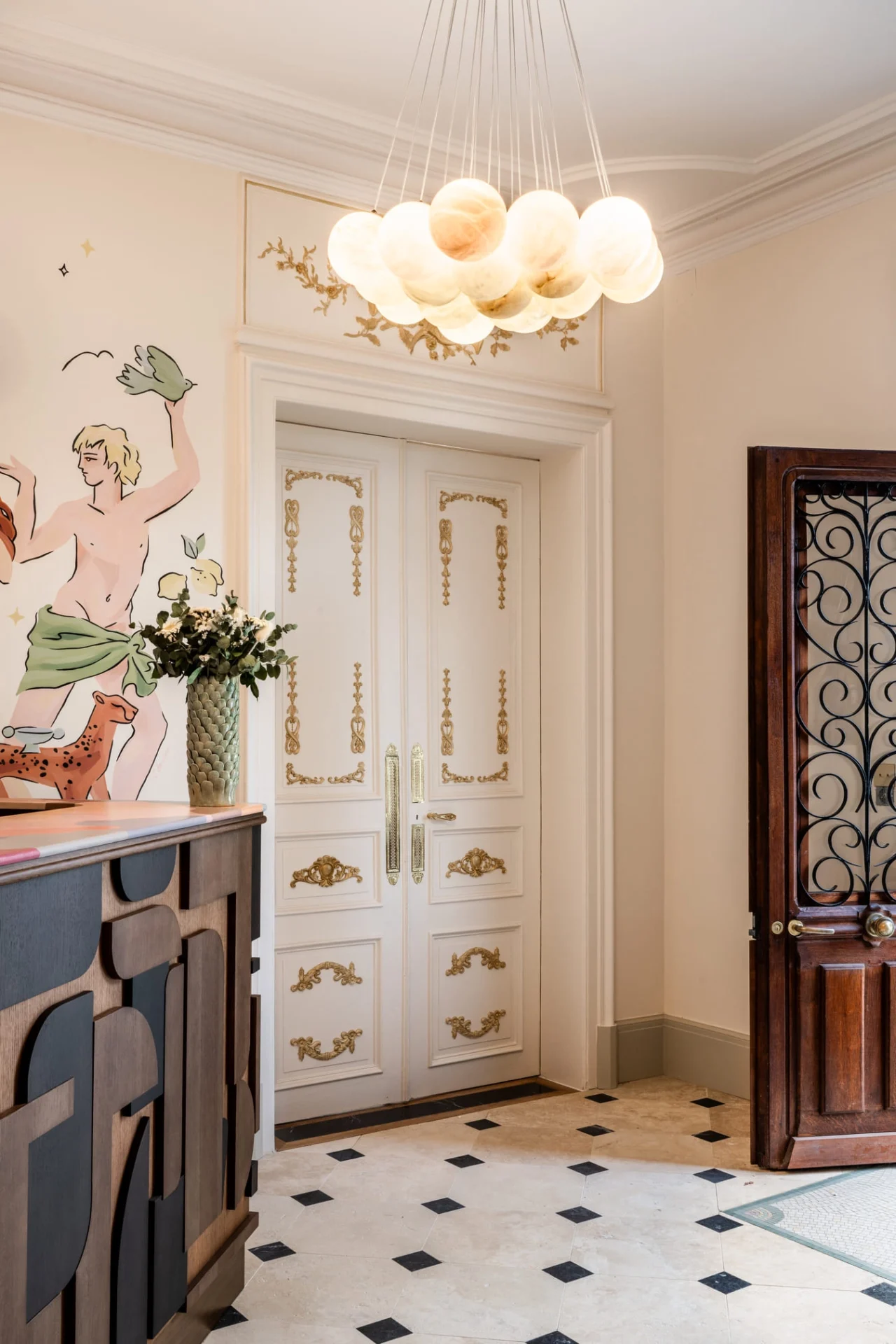
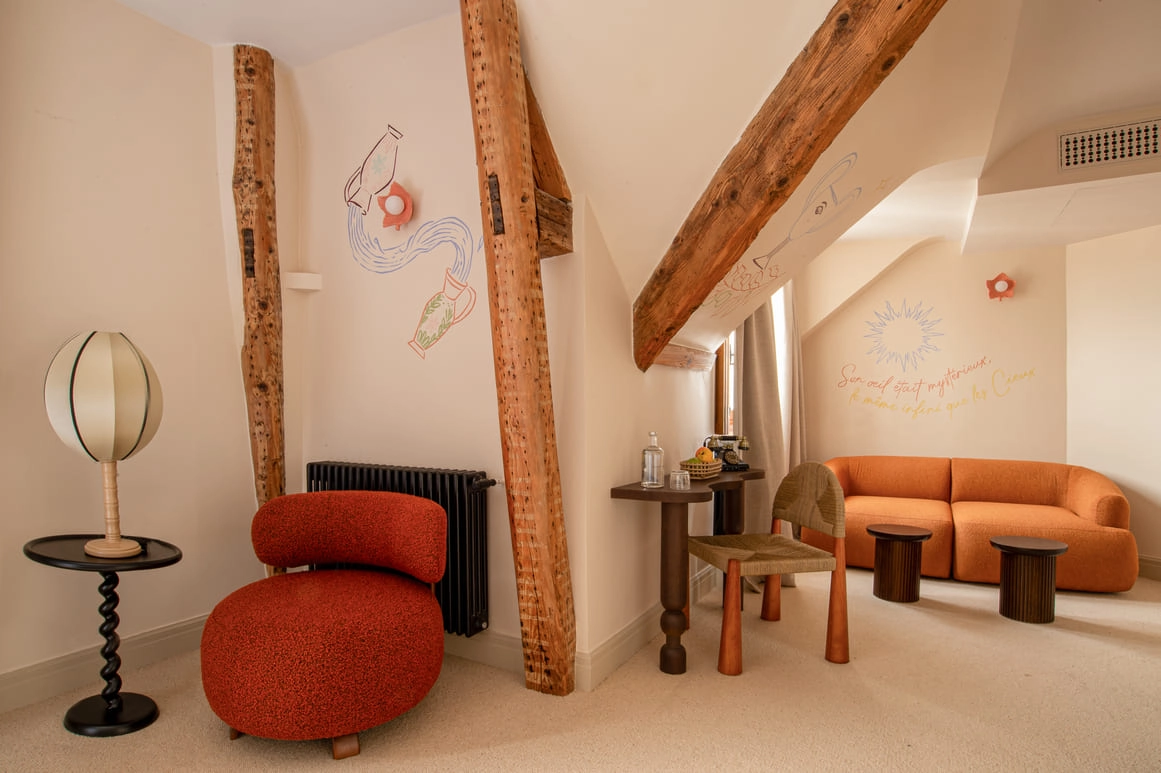
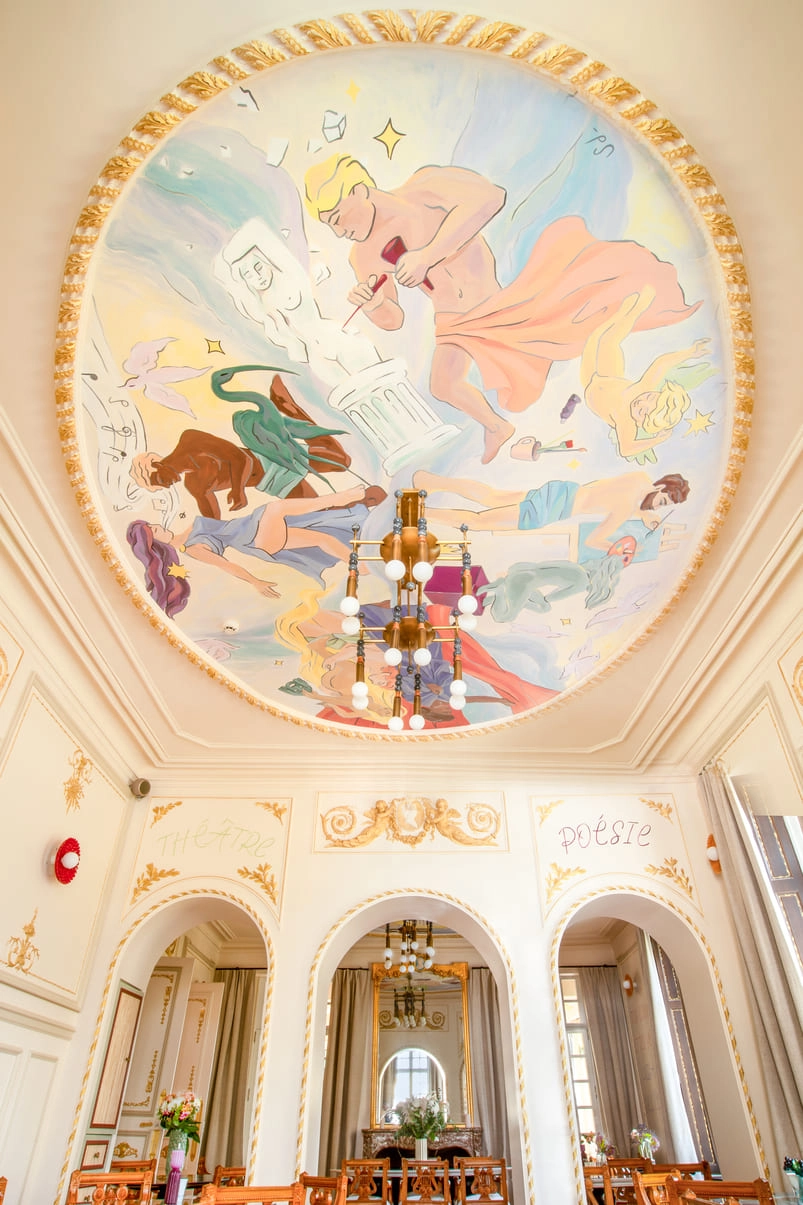
Omerin’s fascination with decorative painting began while renovating her own Paris apartment, where she discovered how dramatically murals could change the character of an interior. For Verneuil la Douce, she invited a group of artists to create works specifically for the property, drawing inspiration from classical mythology, poetry and the decorative traditions of French interiors. The most prominent contribution comes from illustrator and muralist Ségolène Derudder. Her work extends across the entrance, restaurant and Glassroom conservatory, introducing mythological figures, references to antiquity and the changing seasons. Look upwards in the dining room and you might discover a blue-haired cherub playing the violin. Elsewhere, classical figures and whimsical details appear among decorative architectural elements. The result is more imaginative than the conventional combination of period furniture and contemporary paintings. Here, the artwork is part of the architecture rather than something hung on the walls afterwards.
A House Designed Down to the Smallest Detail
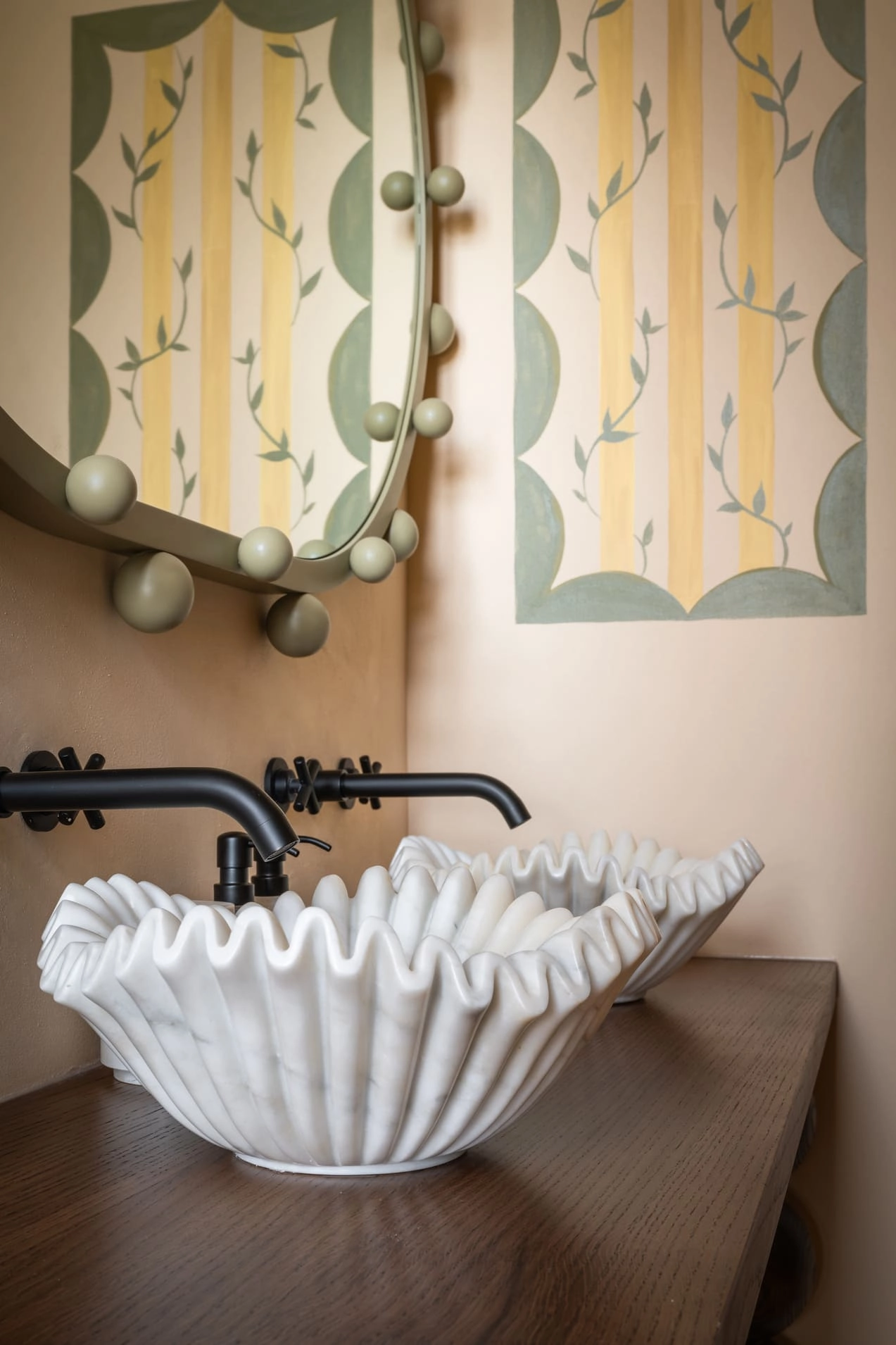
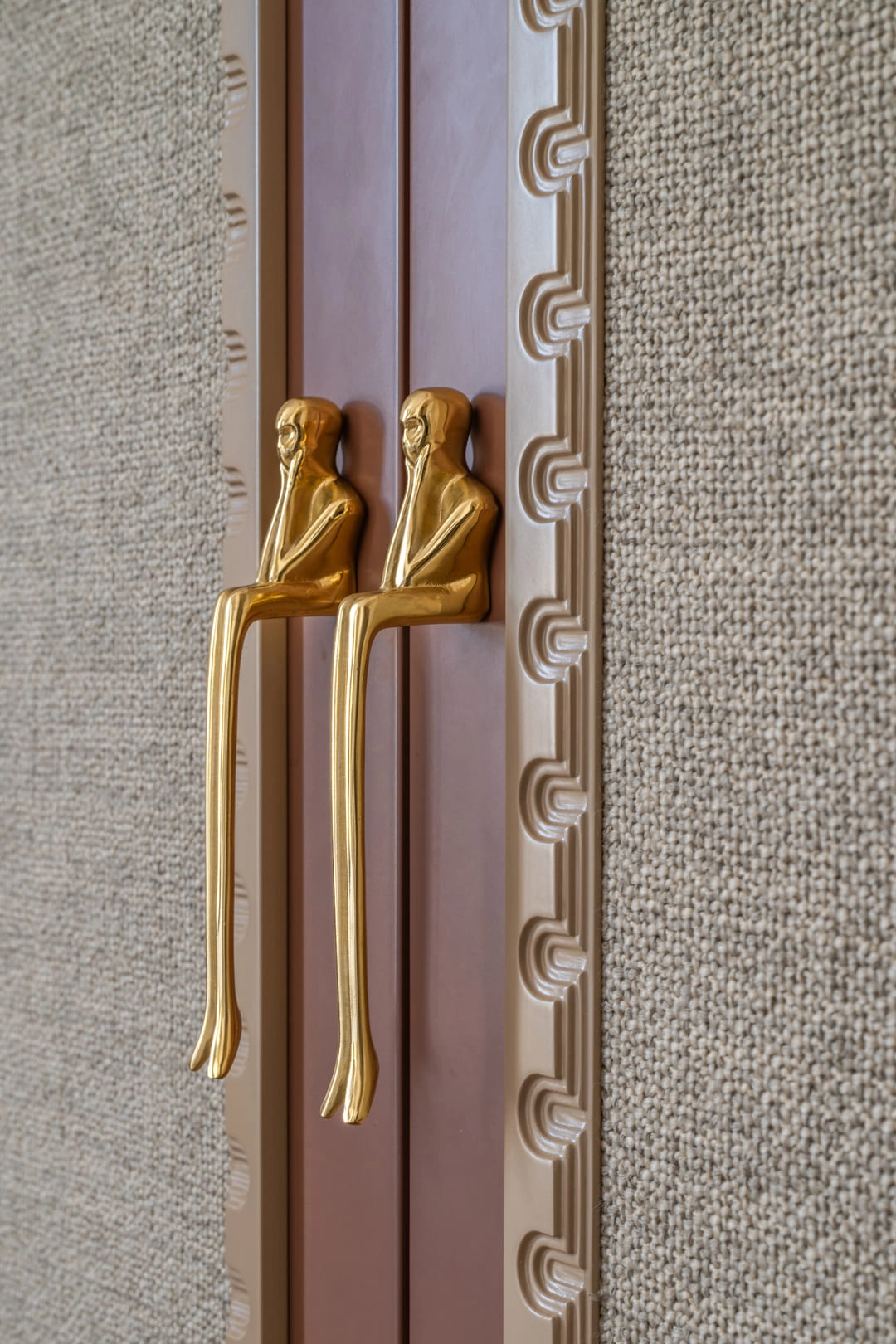
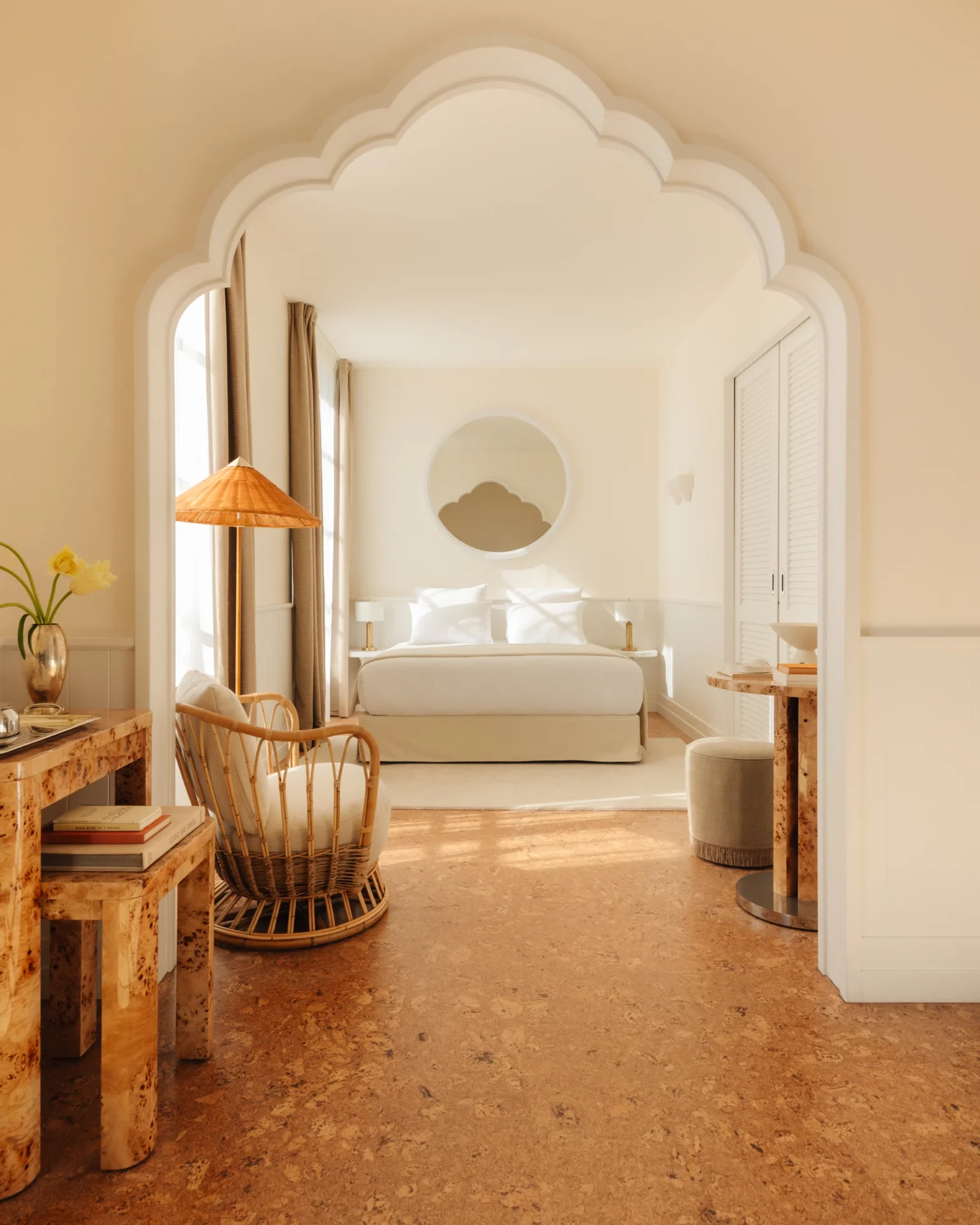
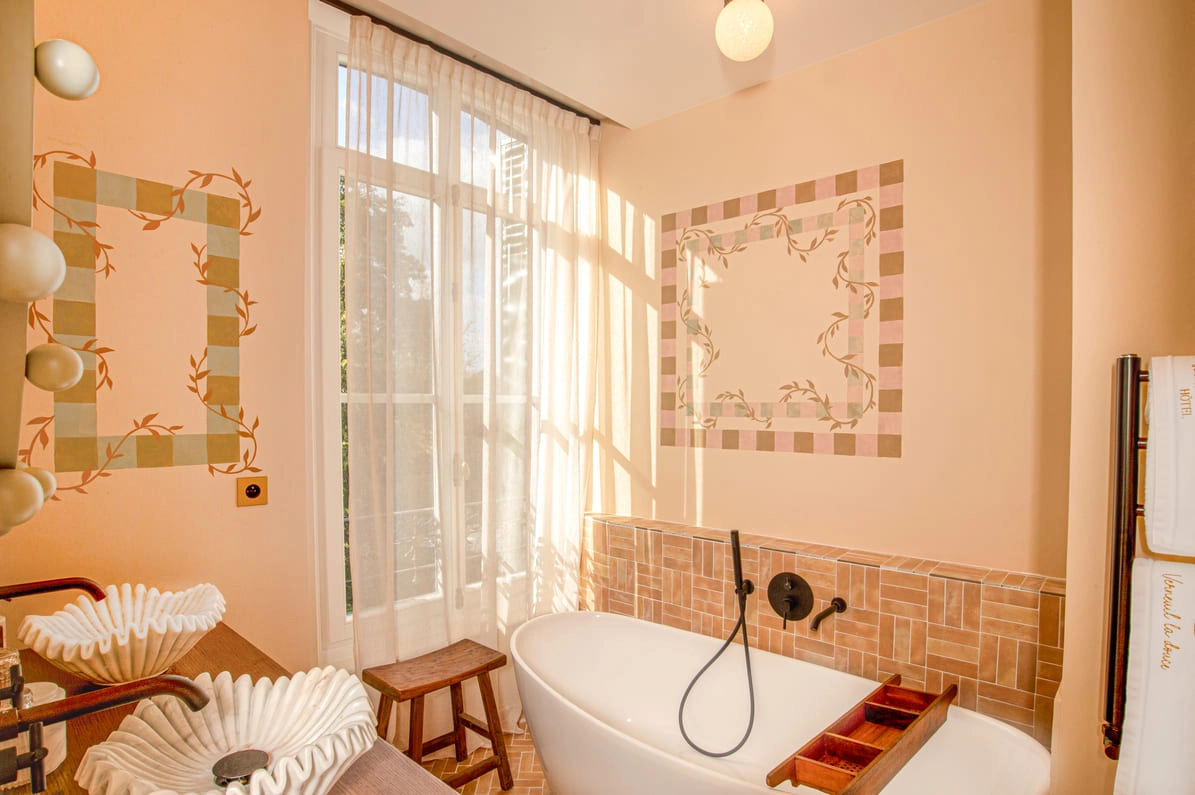
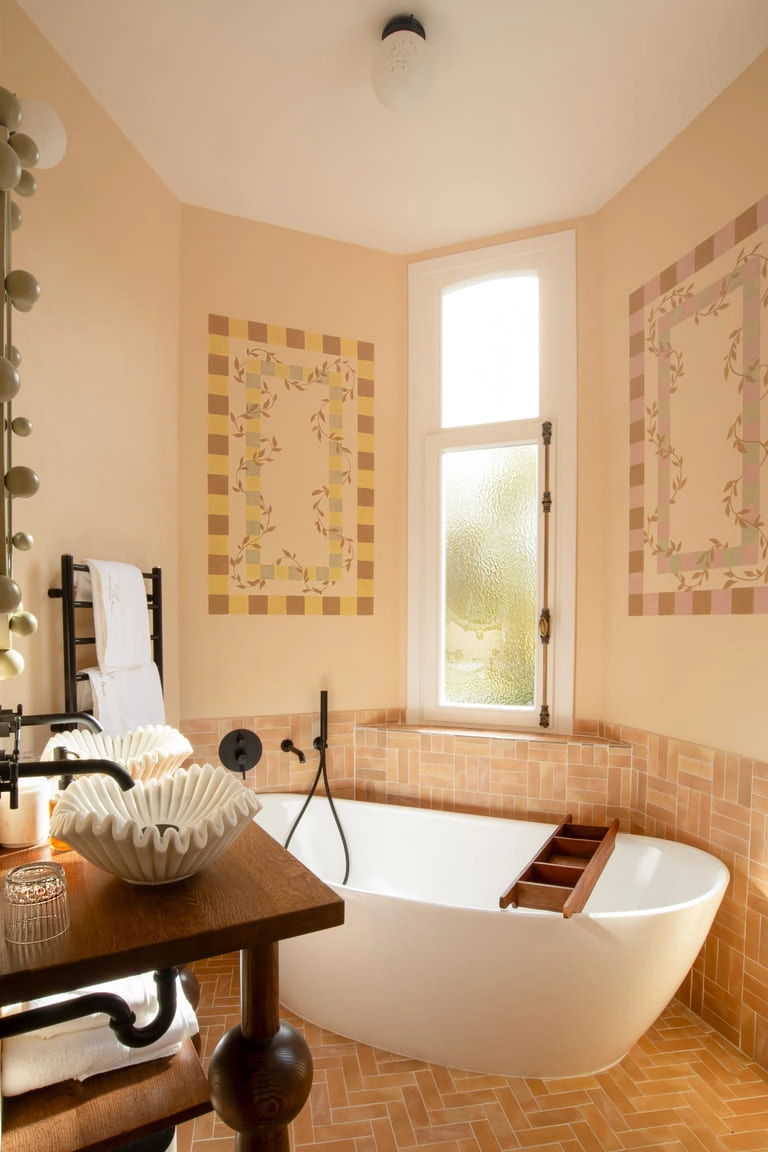
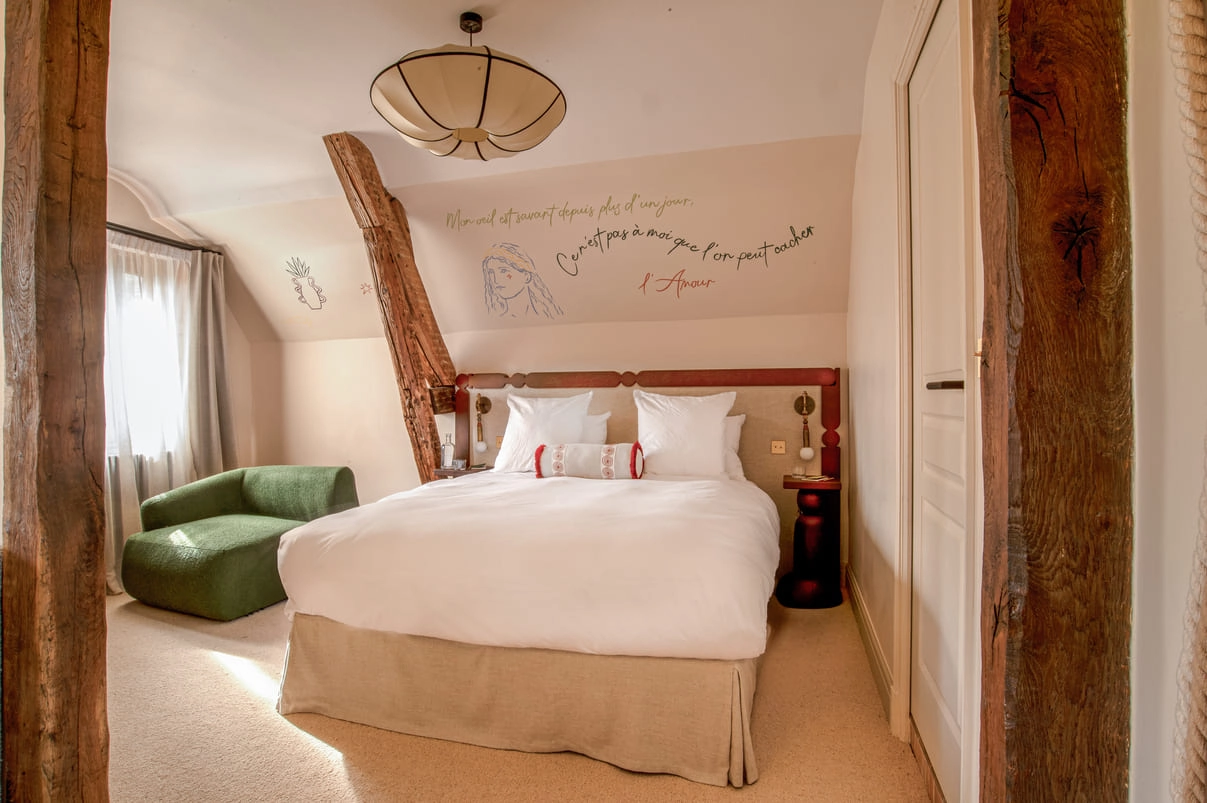
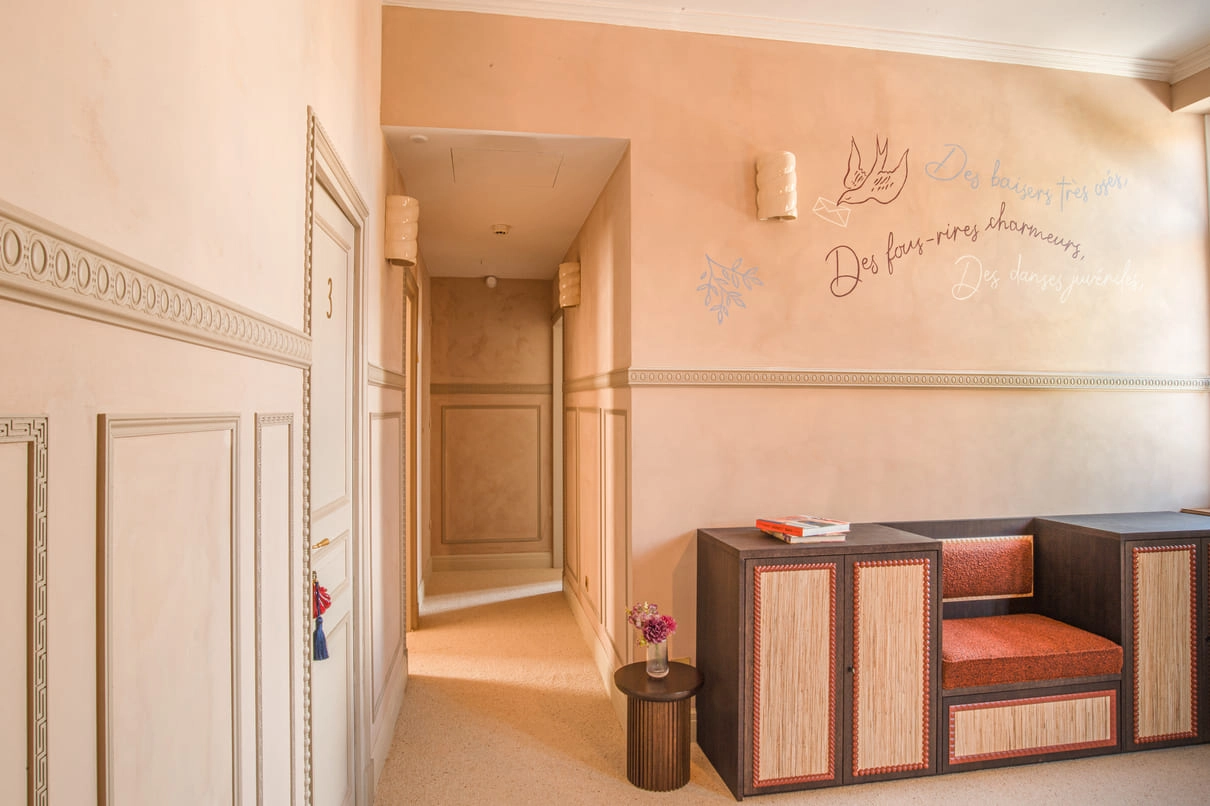
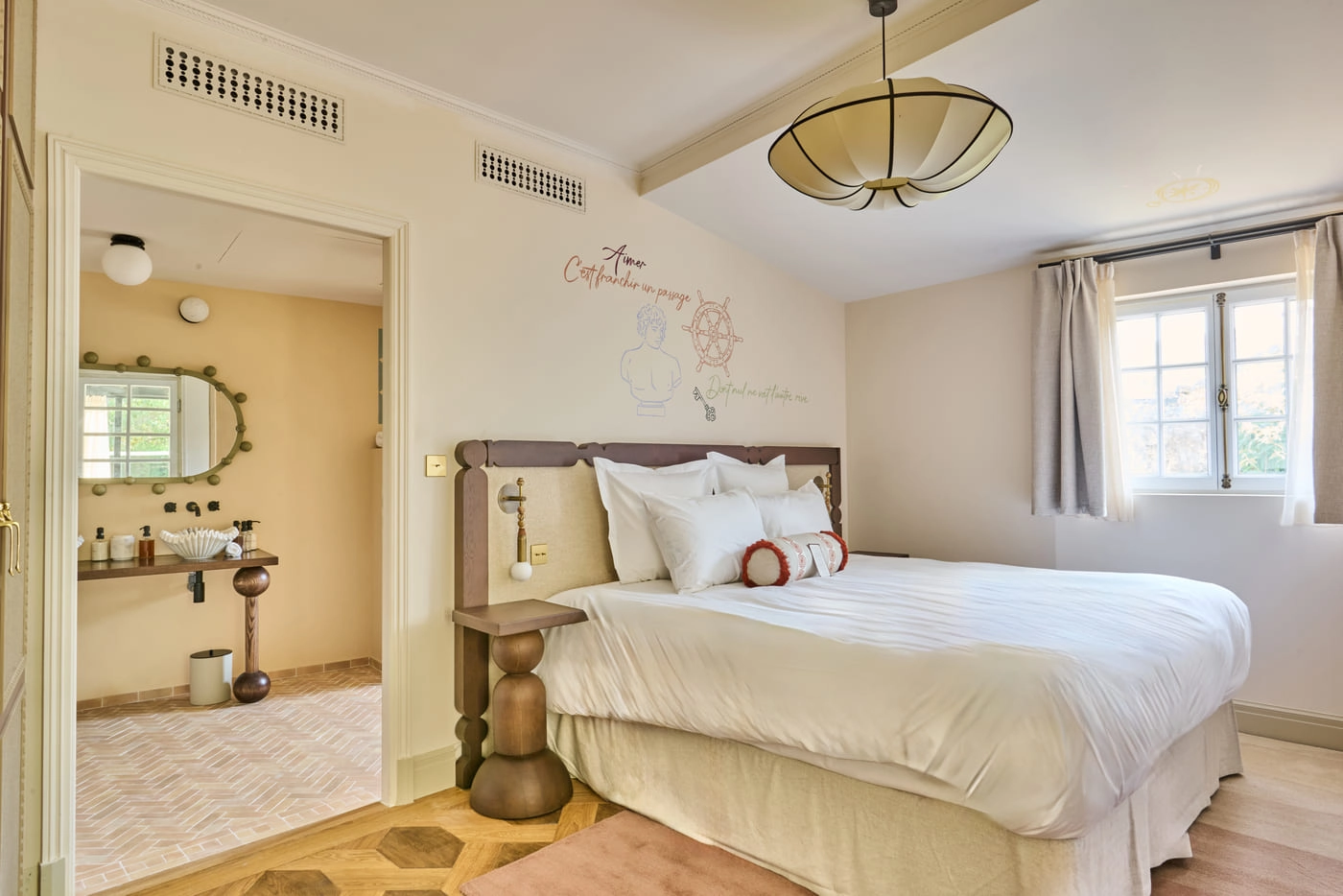
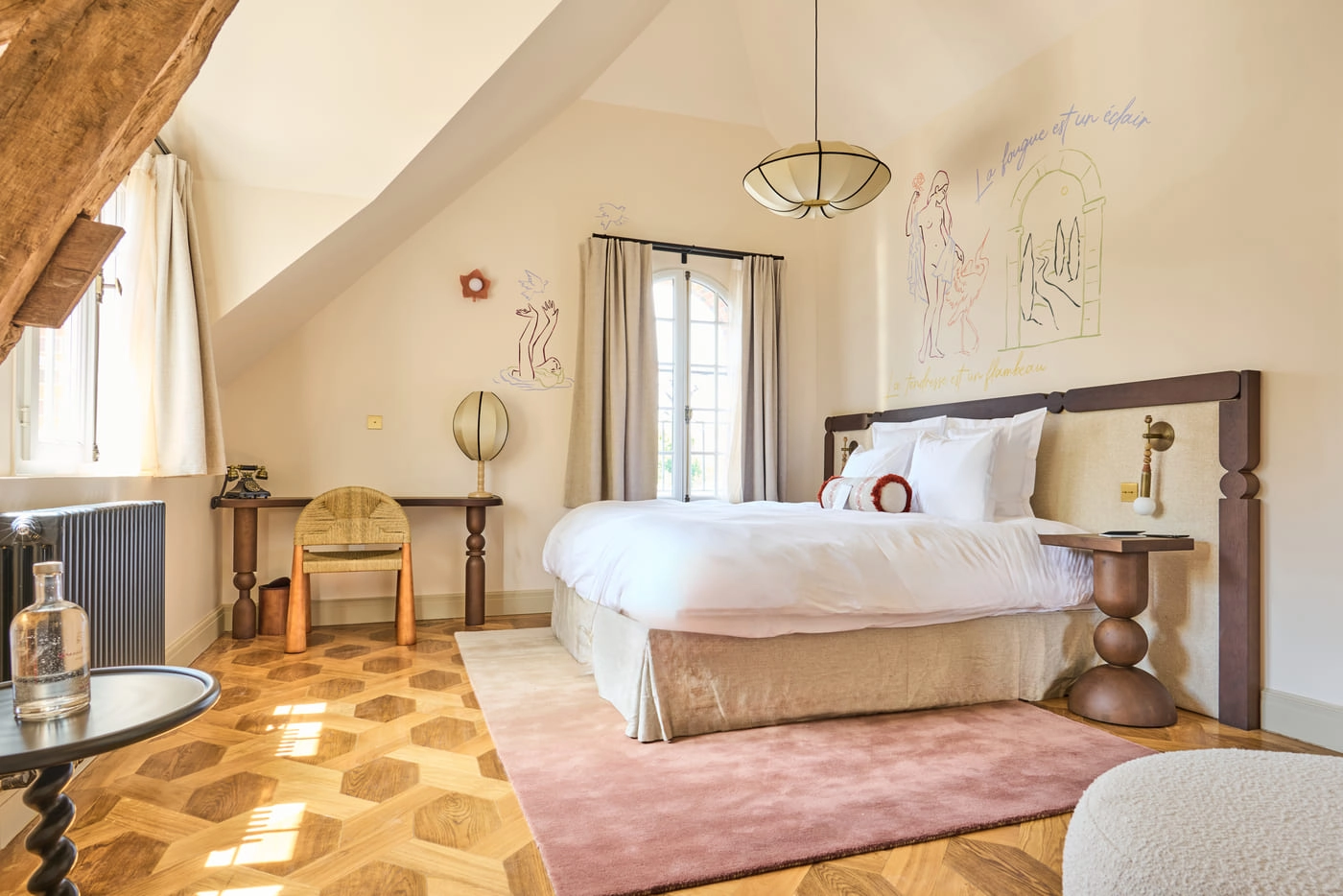
Omerin has approached the interiors with the enthusiasm of someone creating a personal residence rather than following a hotel brand manual. She designed many of the furnishings herself, including Napoleon III-inspired dining chairs, bedroom headboards, desks and coffee tables. Custom fabrics by Maison Thevenon and Pierre Frey sit alongside marble fireplaces, decorative woodwork and ceramics commissioned from specialist workshops. The references move freely between different periods, but the overall atmosphere remains surprisingly coherent. The guestrooms and suites occupy the historic château and an adjoining building, with soft colours, individual furnishings and poetic inscriptions bringing a quieter interpretation of the artistic concept. Some bathrooms feature hand-painted murals by Margot Gillot, who works with traditional materials such as lime and casein. Others introduce playful details, including shell-shaped basins and handcrafted terracotta tiles. The Eden Suite even has its own conservatory. There is considerable attention to detail, although thankfully not everything has been designed to shout for attention.
A Swimming Pool Becomes a Painting
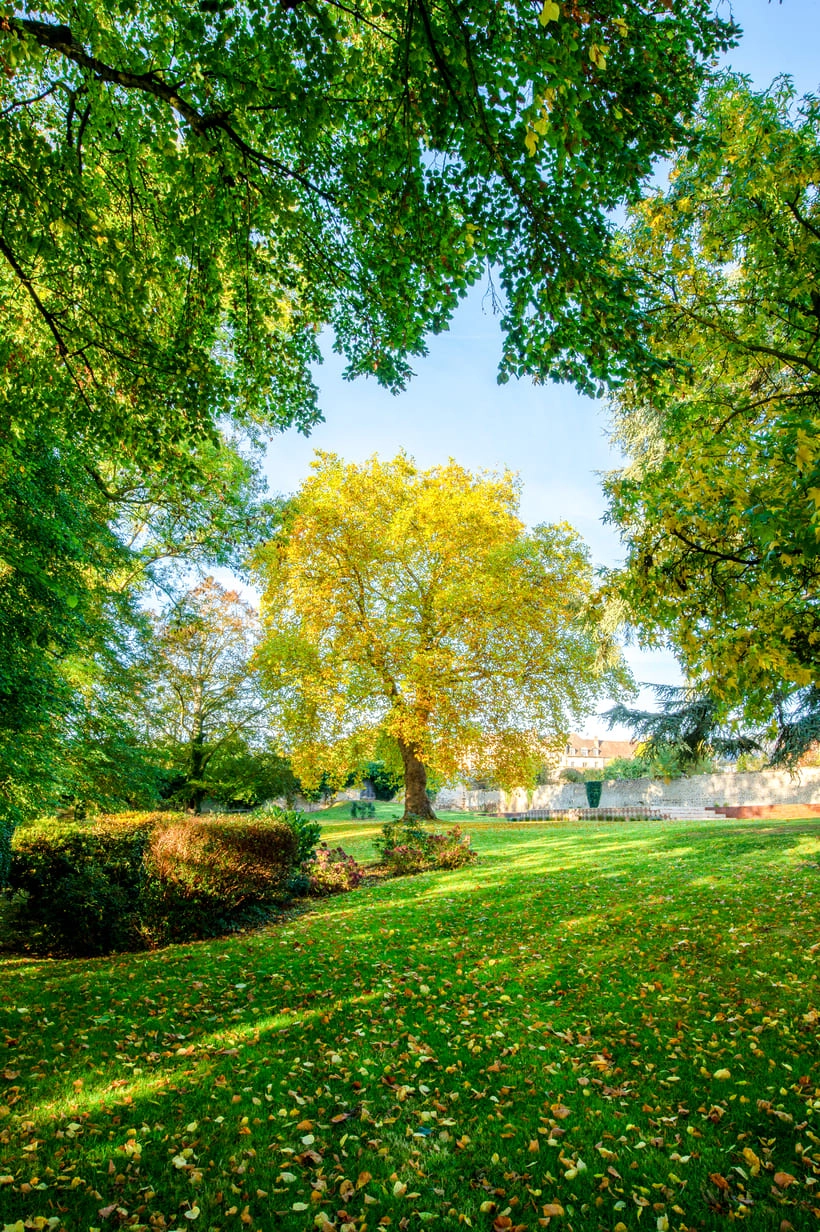
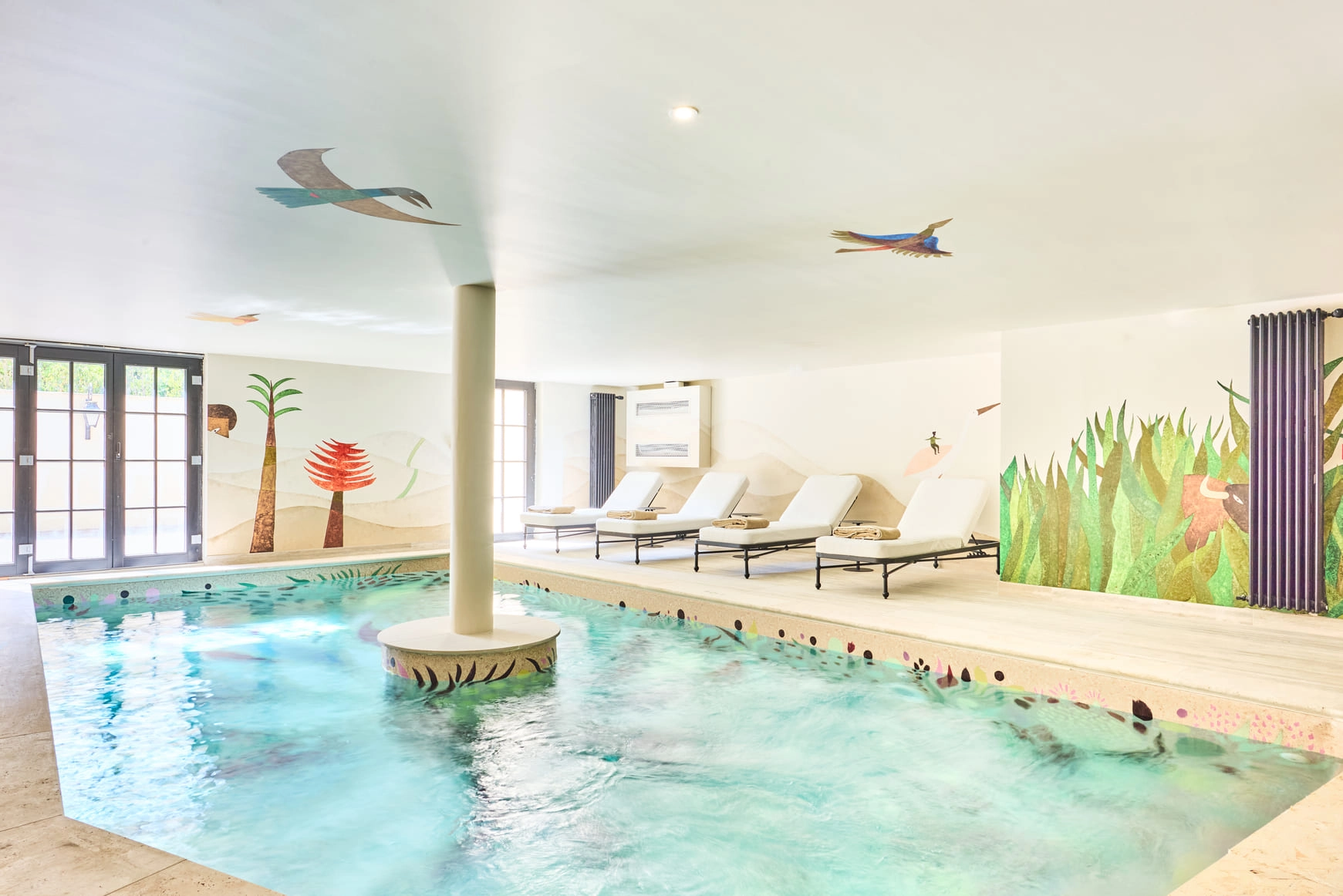
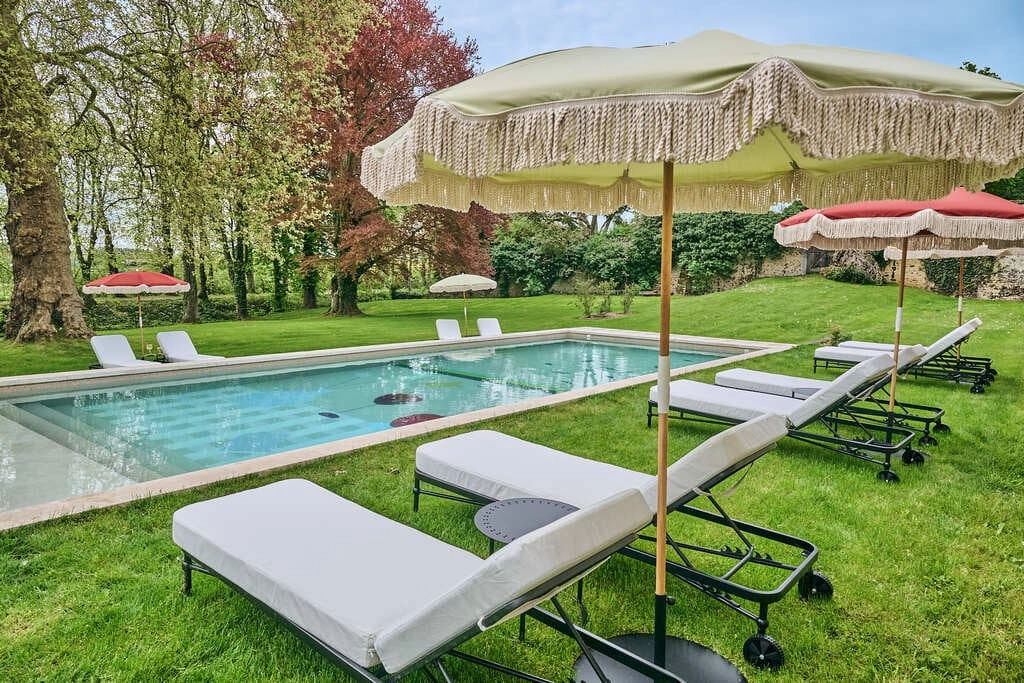
The gardens provide another opportunity for artistic intervention. Beneath mature trees, including plane trees more than two centuries old, the outdoor heated swimming pool contains a colourful work by French artist Ben Arpéa. Entitled Un printemps en Normandie, it transforms the pool floor into an exuberant composition inspired by springtime. It is a rather appealing idea: instead of adding another sculpture to the garden, make the swimming pool itself the artwork. The surrounding grounds offer a more conventional kind of country-house pleasure, with lawns, flowering shrubs and quiet places to sit beneath the trees. An indoor pool and intimate spa provide an alternative when the Norman weather becomes less cooperative, with a sauna, steam room and treatments associated with French beauty brand Holidermie. The artistic programme also extends into these spaces, although the hotel has introduced some facilities in stages following its renovation.
Normandy on the Menu
The restaurant, Patiné, takes its inspiration from the agricultural abundance of Normandy rather than the decorative ambitions of the hotel. Chef Cyril Coutin, whose background includes working with Bernard Loiseau and Gérard Vié, builds his menus around seasonal ingredients and produce sourced from local suppliers. The market in Verneuil’s historic centre plays an important role, with Coutin selecting ingredients according to what is available rather than insisting on an unchanging repertoire. The cooking is contemporary French, with regional influences and a degree of refinement appropriate to the surroundings. The dining room is another of Derudder’s artistic compositions, where mythological imagery, original marble fireplaces and decorative architectural details provide a rather unusual setting for dinner. Even the menus have received attention: they are presented inside Gallimard books. A small detail, perhaps, but entirely consistent with Omerin’s enthusiasm for bringing different creative disciplines together. For something less formal, the Glassroom serves coffee, light dishes and cocktails beneath its painted ceiling, with large windows overlooking the gardens.
An Artistic Escape from Paris
Verneuil d’Avre et d’Iton is a historic Norman town with medieval streets, churches and a traditional market, far enough from Paris to feel like a proper escape without requiring an elaborate journey. The surrounding Eure countryside offers villages, rivers and gentle landscapes, while the Perche region, Chartres and Giverny provide possibilities for longer excursions. But the hotel is clearly designed to encourage guests to spend a considerable amount of time within its grounds. There is even a children’s club, the Little Artist’s Workshop, which introduces younger guests to creative activities rather than treating them as an inconvenience to the grown-ups. It is an appropriate extension of the hotel’s philosophy.
More Than Another Pretty Château
What makes Verneuil la Douce interesting is not simply the restoration of a handsome nineteenth-century building. The real distinction lies in Camille Omerin’s decision to make art the organising principle of the entire project. Instead of relying on an inherited collection or filling the rooms with fashionable contemporary pieces, she has commissioned artists to create work that belongs specifically to this place. The result is eclectic, sometimes whimsical and occasionally rather theatrical, but unmistakably personal. There is also something refreshing about a country hotel that does not feel obliged to choose between historic elegance and contemporary creativity. Verneuil la Douce manages to accommodate both, with a little mythology, a good deal of poetry and a swimming pool that looks like a painting. Jean Cocteau might have approved.
Information
At a glance
Opened / Renovated
2025 (previously Le Clos)
Size matters
17 rooms & suites (20-50m2) (215-538 sq ft)
Interior design
owner designed
Featured in
Don't take our word for it

Handpicked worldwide
A carefully curated collection of exceptional boutique and design hotels across the globe.
Design with soul
Architecture, atmosphere and craftsmanship come together in stays with a clear identity.
Hidden, not hyped
Independent boutique hotels you rarely find on mainstream booking platforms.
Travel guidance
Personal recommendations and thoughtful support from people who actually know the places.