


When Hotels Were Allowed to Be Extraordinary
A spectacular 1970s Brutalist resort by Fernando Higueras and César Manrique, where monumental concrete architecture meets tropical atriums, volcanic gardens, original artworks and an extraordinary lagoon pool.

Why DNA Hotels loves it
An extraordinary 1970s architectural experiment by Fernando Higueras and César Manrique, two friends who transformed their shared fascination with Lanzarote into one of Spain's most remarkable resort buildings.
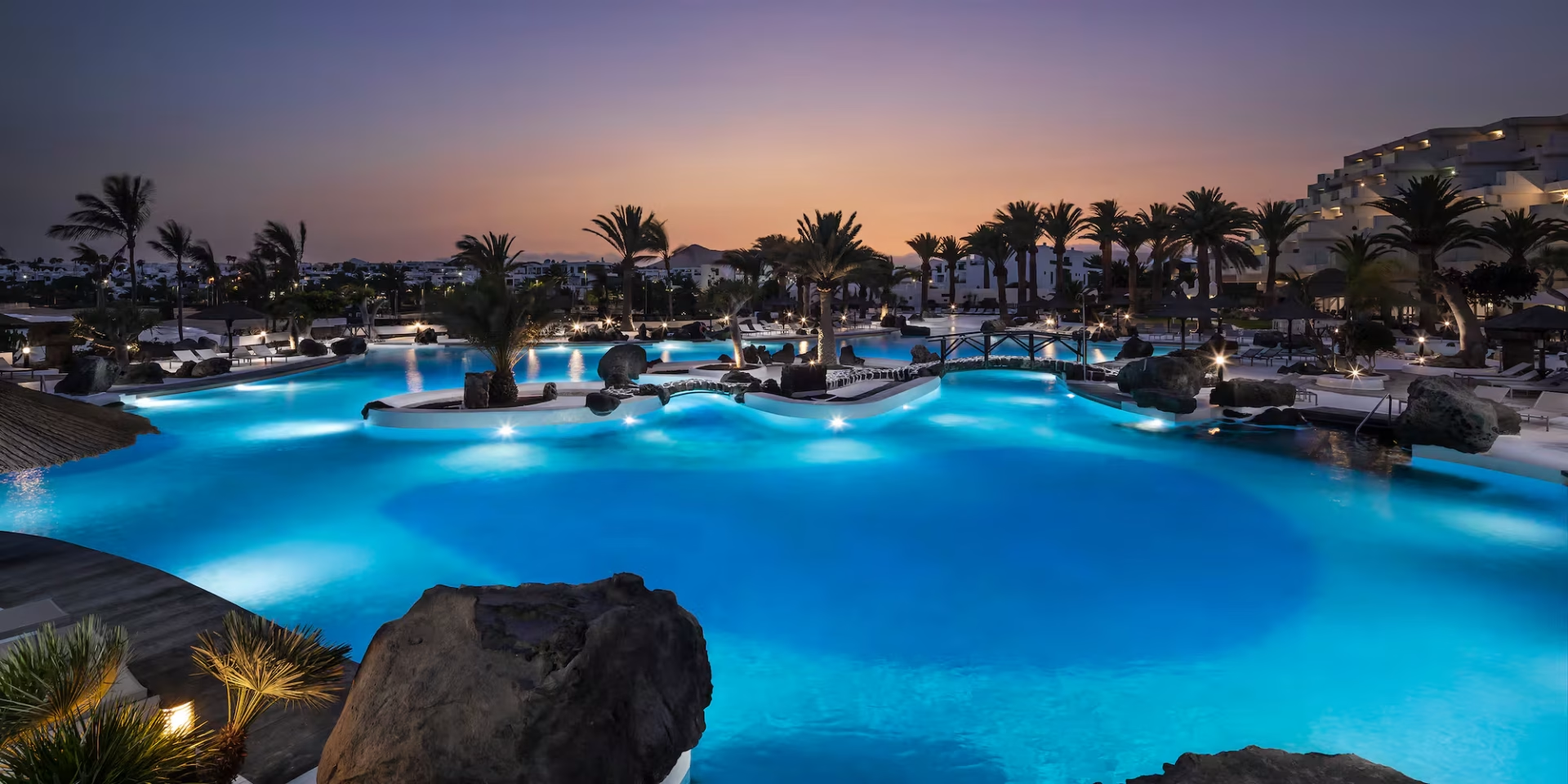
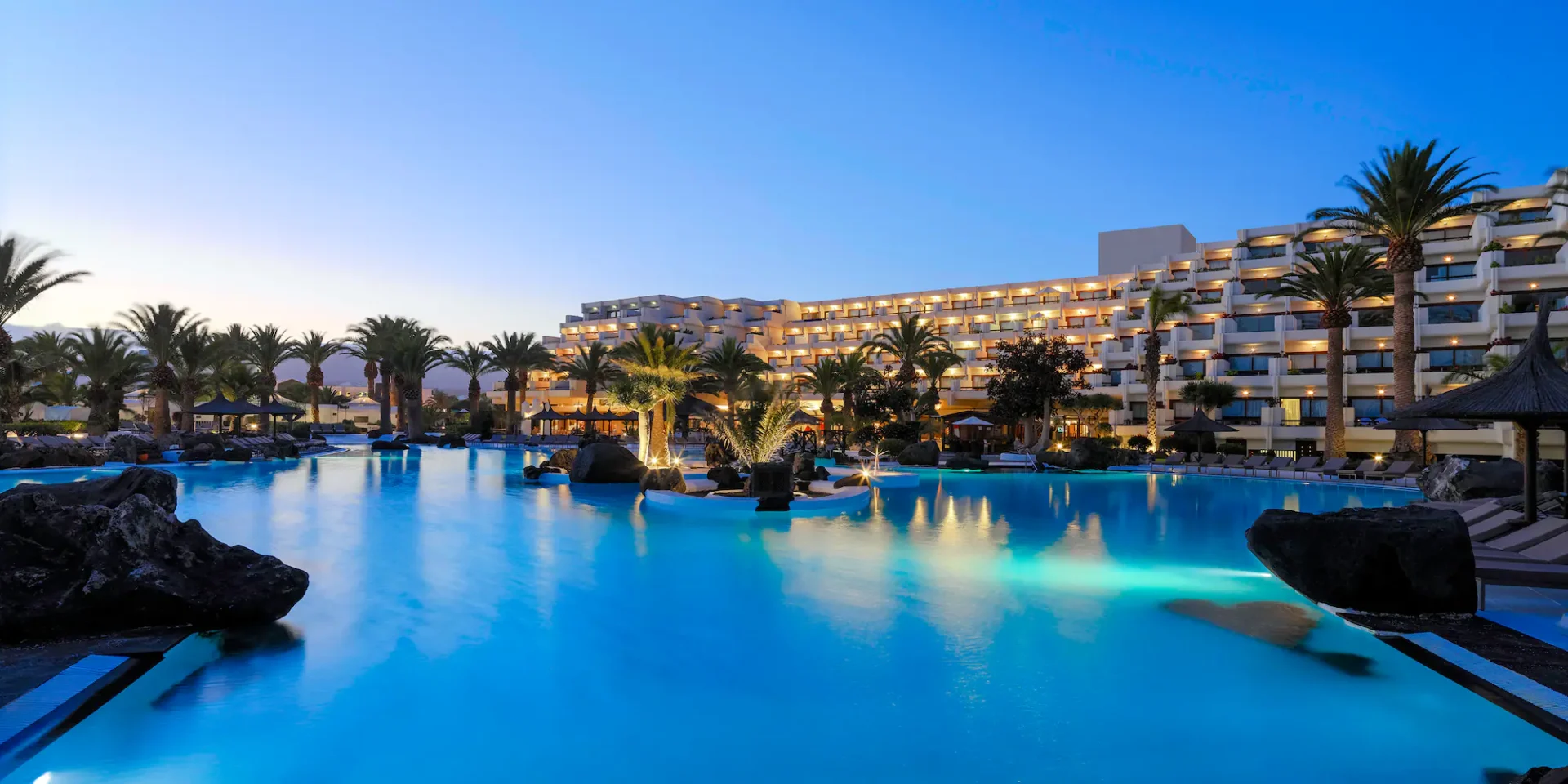
Monumental Brutalist architecture softened by tropical atriums, sculptural staircases, original Manrique murals and a spectacular 1,800-square-metre lagoon pool winding through volcanic gardens.
A protected architectural landmark given a thoughtful contemporary makeover, with understated interiors, ambitious Canarian gastronomy and an adults-only resort concept that makes the most of its extraordinary setting.
The Stay
Brutalist Utopia, Volcanic Landscapes and the Beautiful Excess of the 1970s
Somewhere along the way, the hotel industry became rather sensible. Architects were given brand manuals, designers were instructed to create timeless interiors, and the most adventurous feature of a new resort became an infinity pool. Fortunately, nobody told Fernando Higueras and César Manrique. In the 1970s, the Spanish architect and the Lanzarote-born artist created Hotel Las Salinas, an astonishing concrete structure overlooking the Atlantic, with enormous tropical gardens growing through its interior and a swimming pool that looks as though it belongs in a prehistoric landscape. The story began in the early 1960s, when Higueras walked into a Madrid gallery to have some watercolours framed. Manrique noticed the paintings, asked to meet their creator and discovered someone who shared his belief that architecture, art and nature should never be treated as separate disciplines. Their friendship eventually produced one of the most ambitious resort hotels of its generation. Conceived in 1973 and completed in 1977, Las Salinas was built when Lanzarote was only beginning to establish itself as an international holiday destination. Rather than importing the usual Mediterranean resort formula, Higueras and Manrique created something unmistakably connected to the island. Today, following a substantial renovation, the hotel operates as Paradisus Salinas Lanzarote, part of Meliá’s luxury all-inclusive collection. The name has changed. The architecture remains gloriously uncompromising.
Concrete, Geometry and a Tropical Jungle
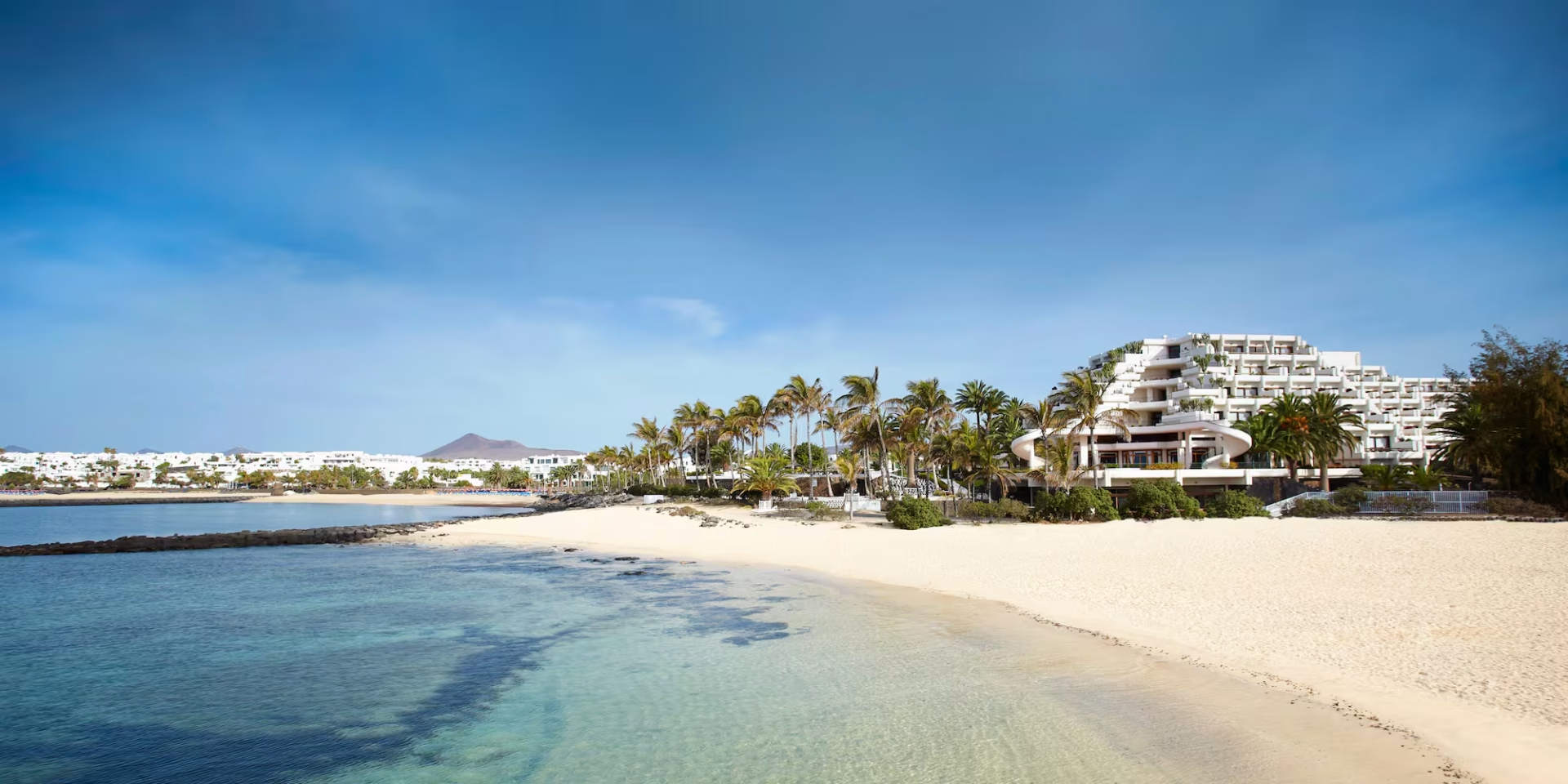
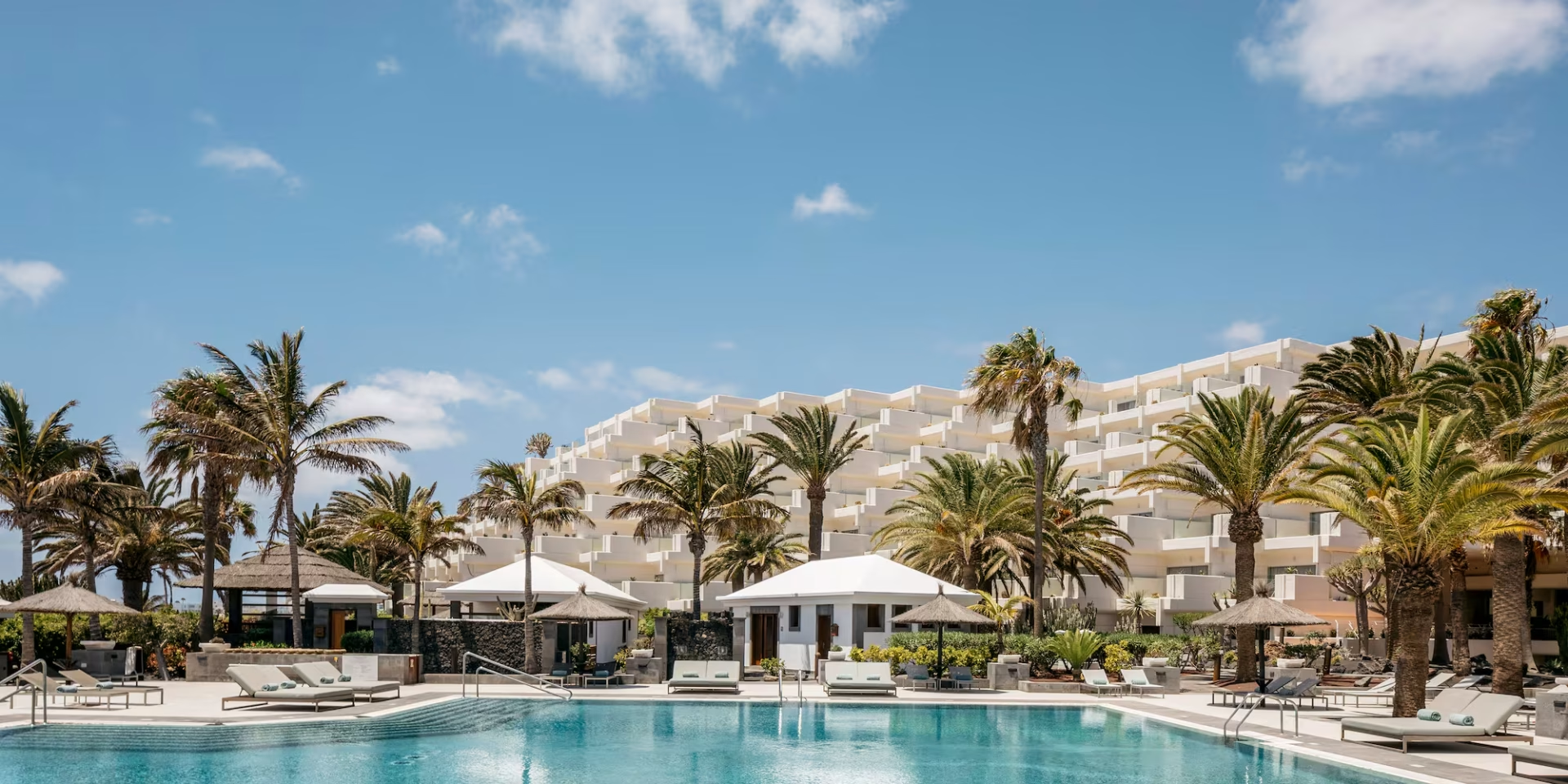
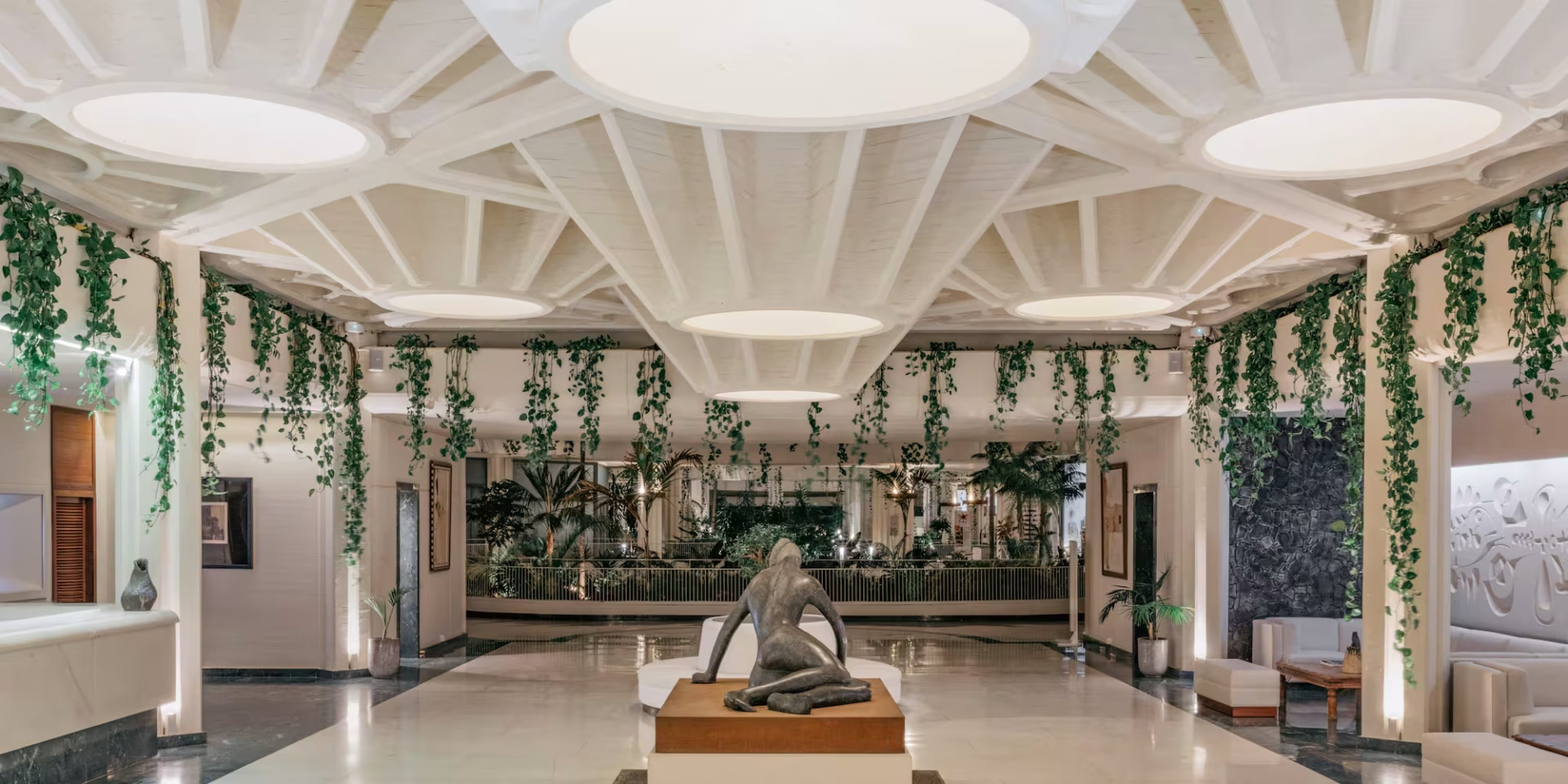
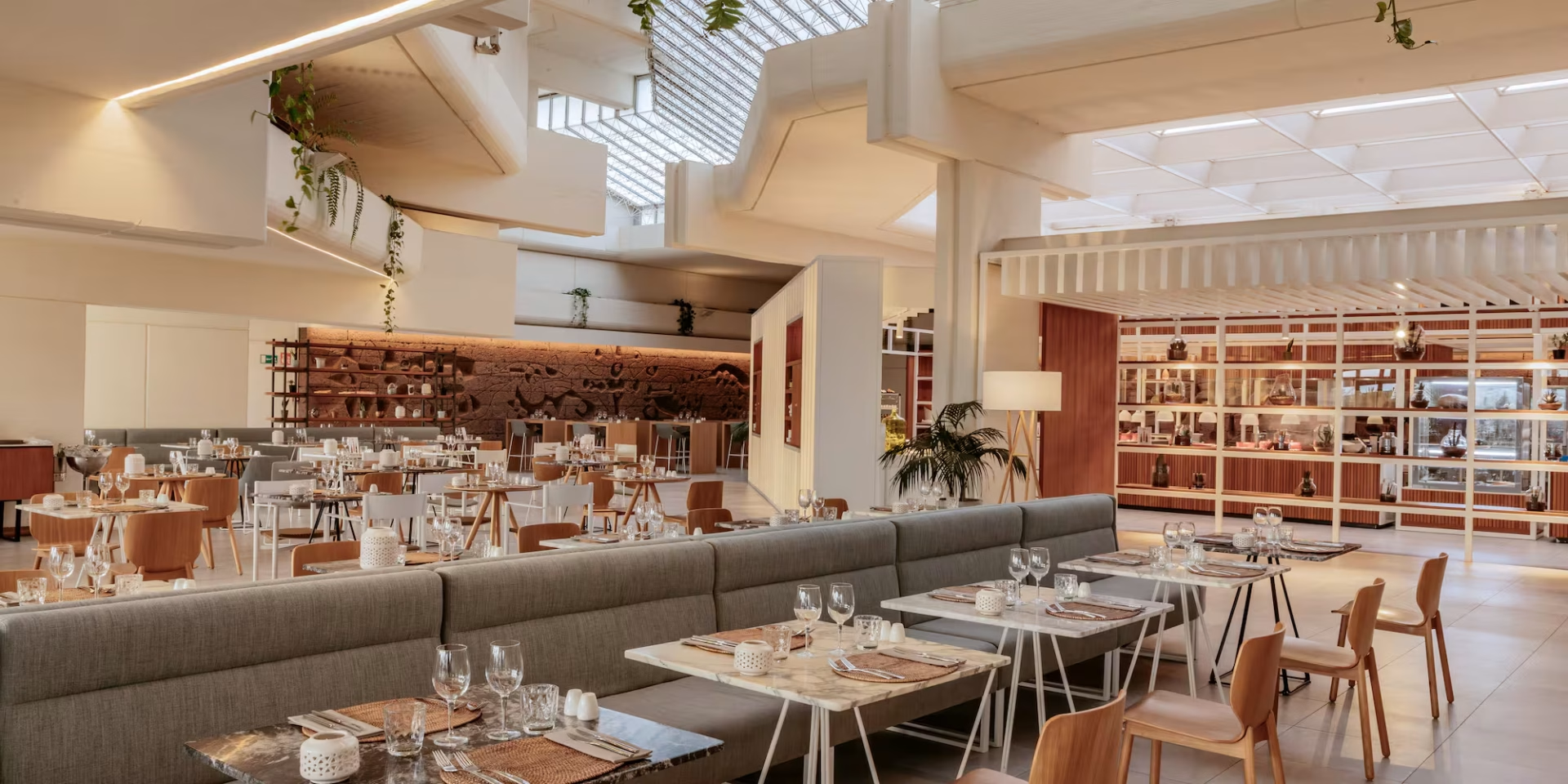
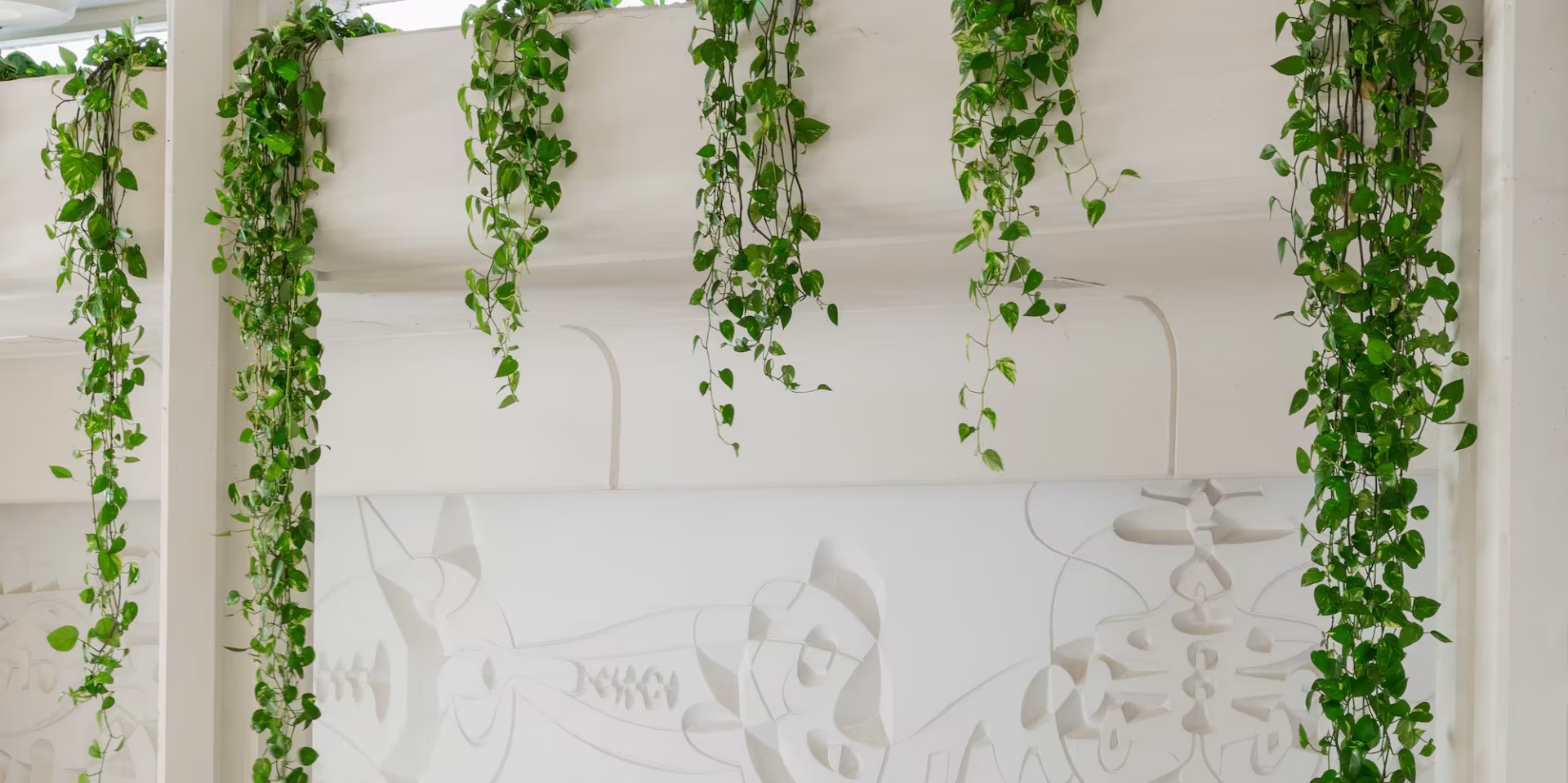
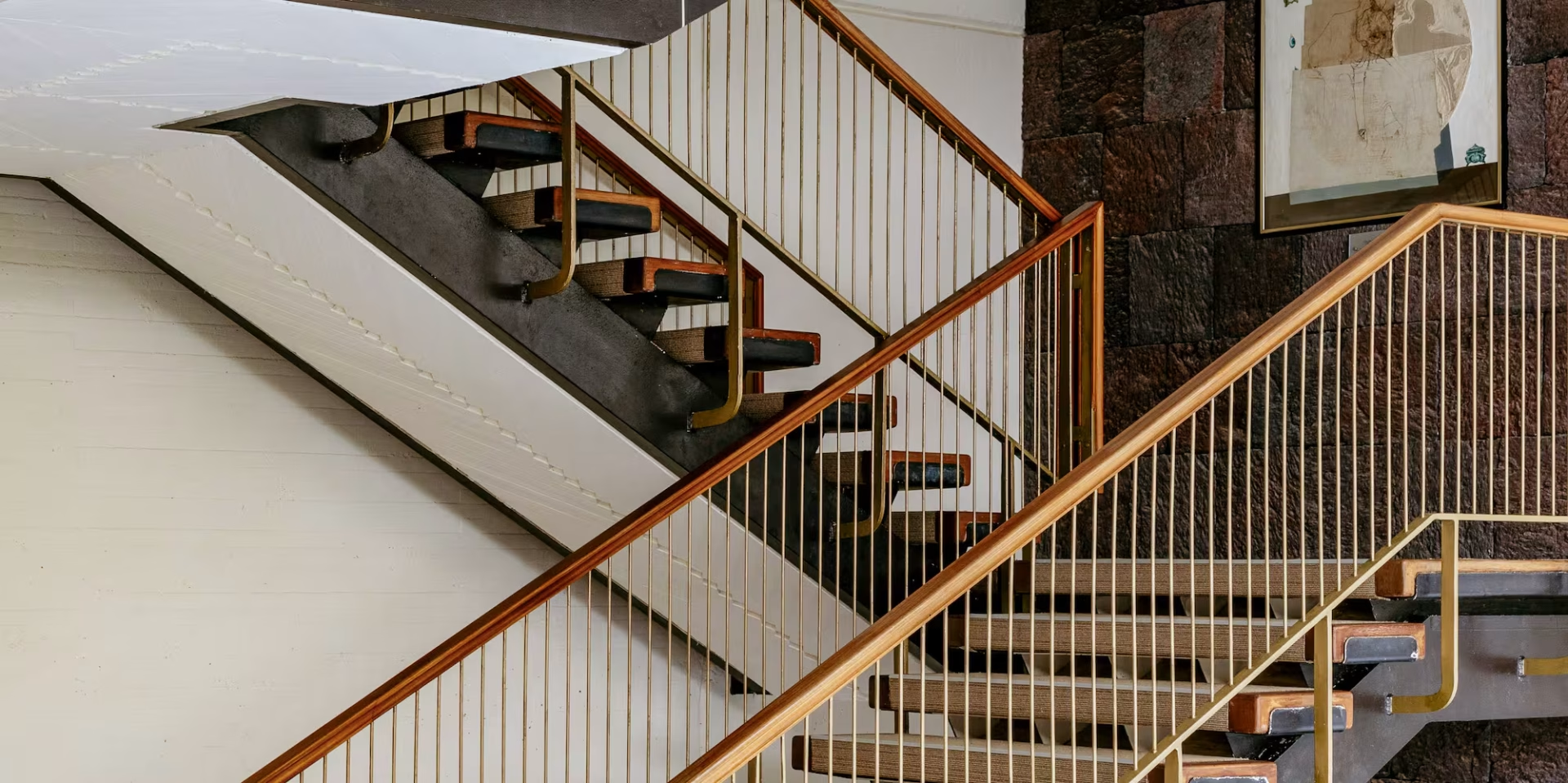
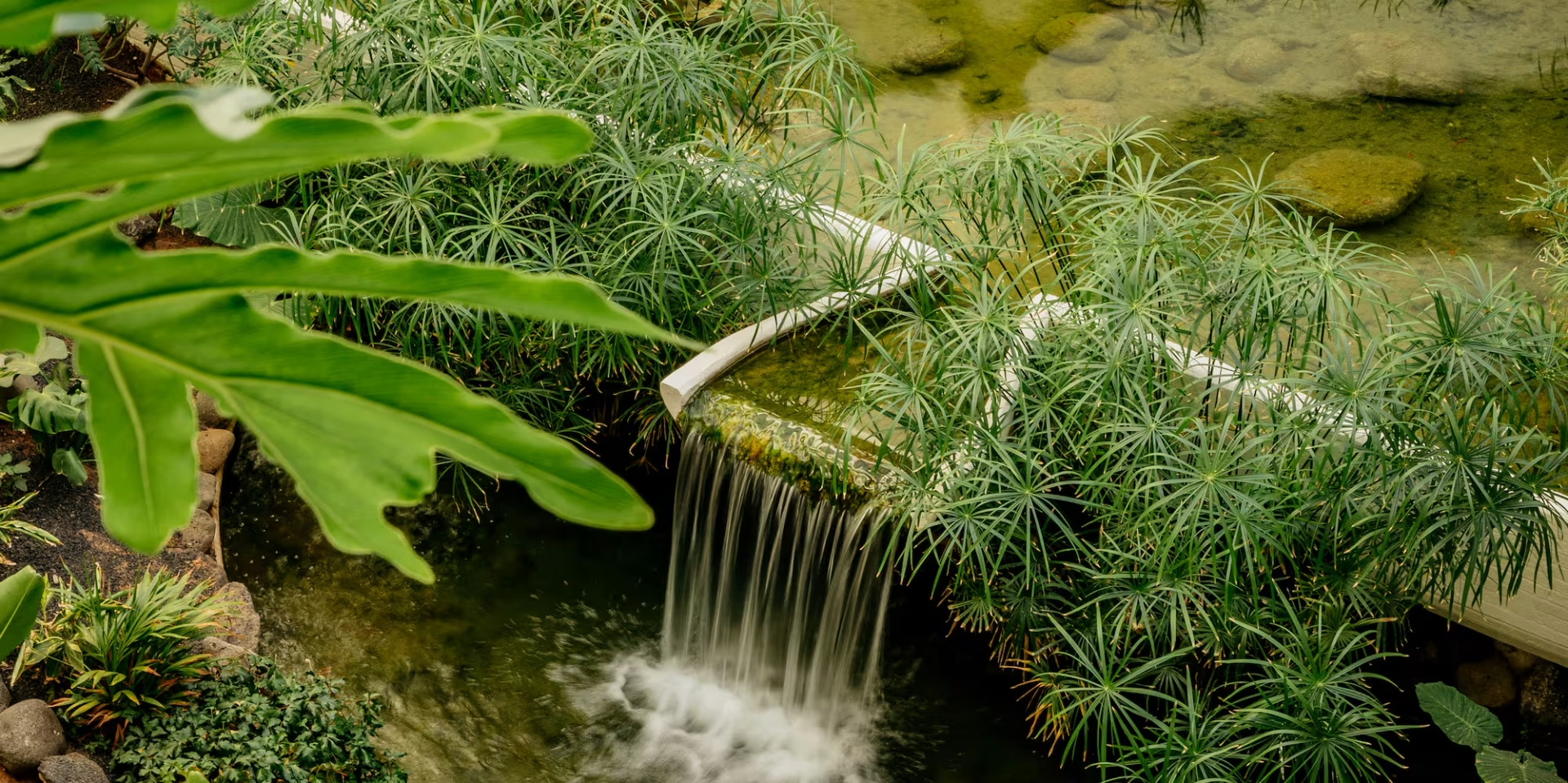
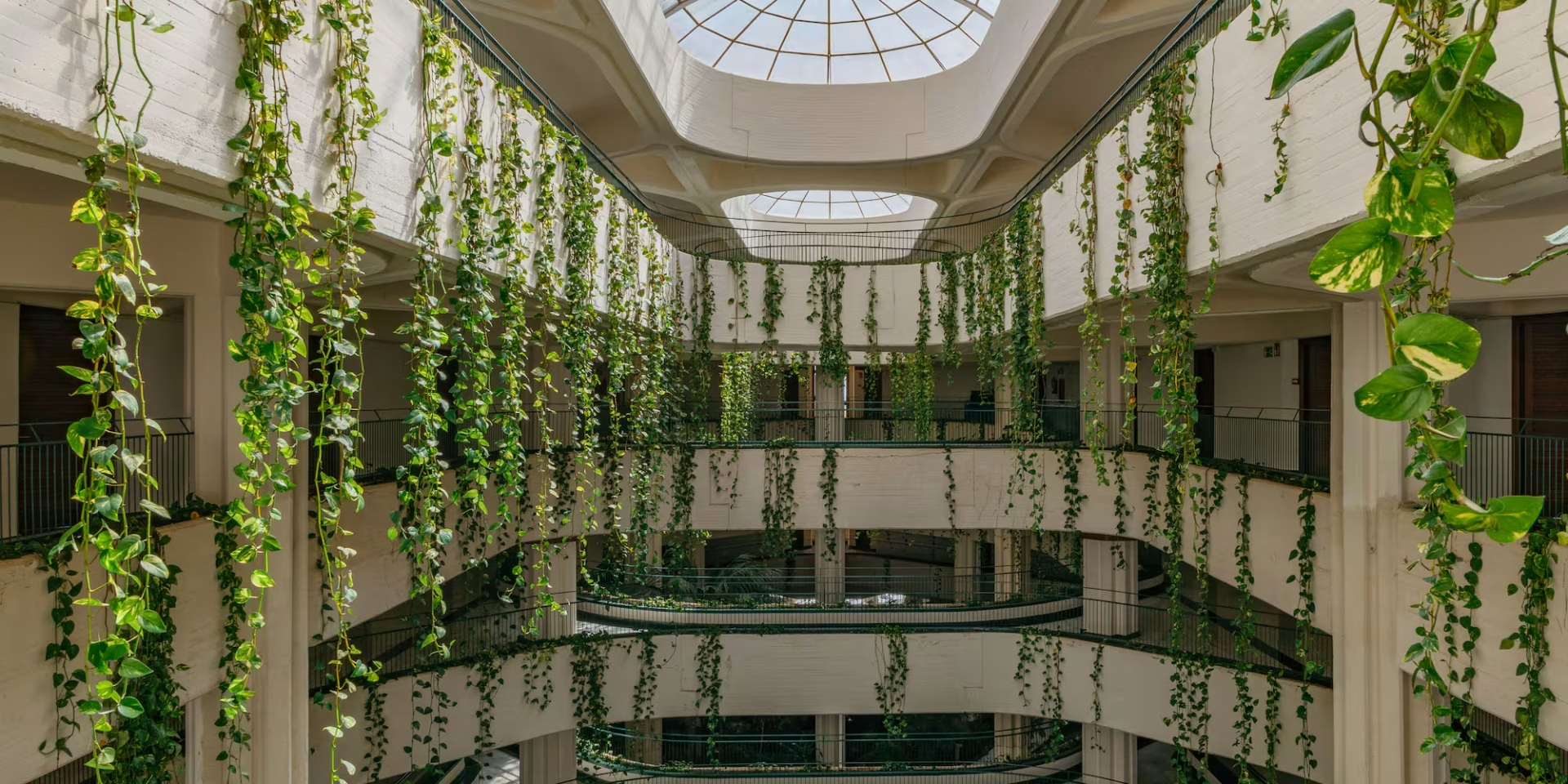
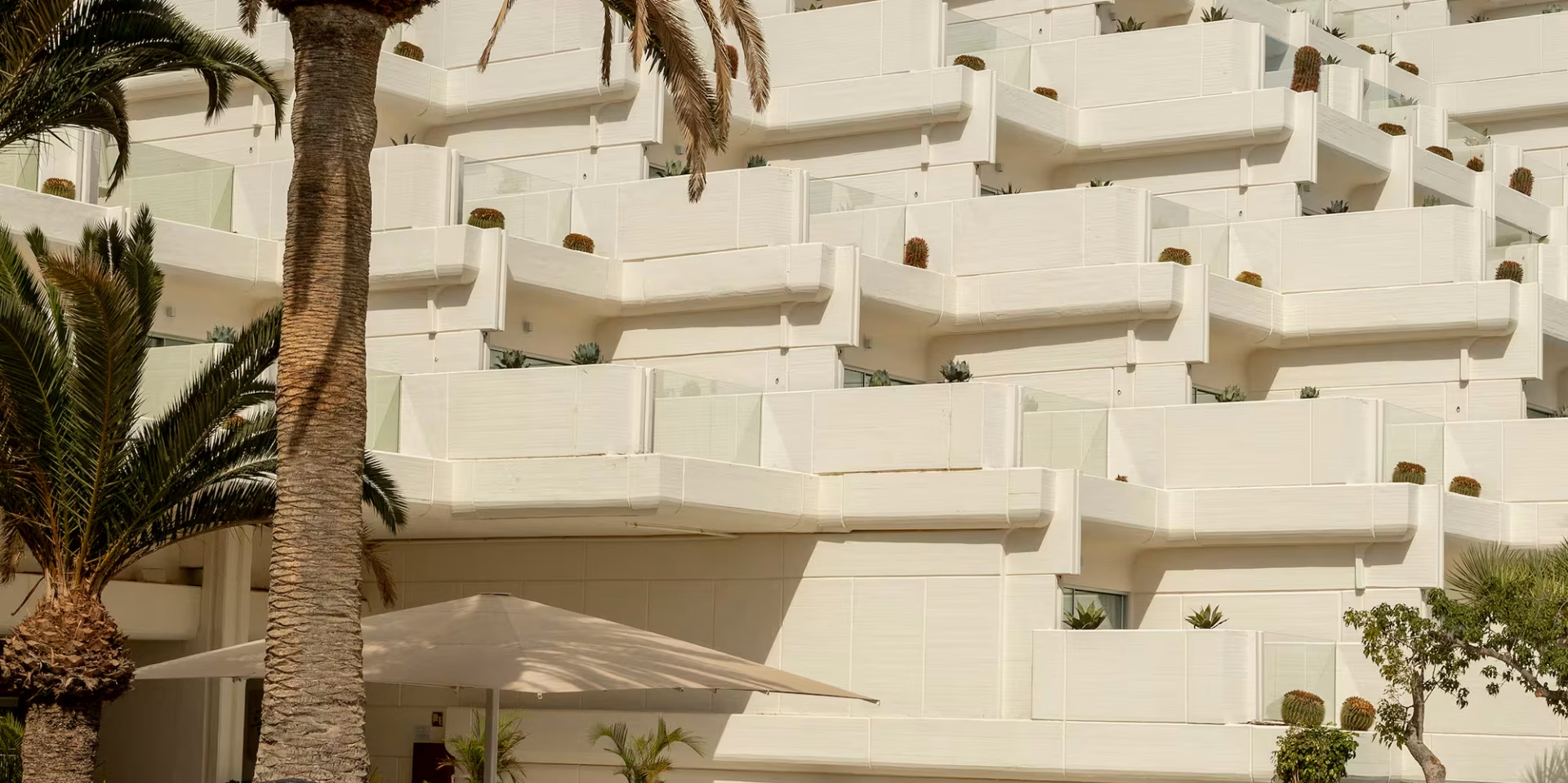
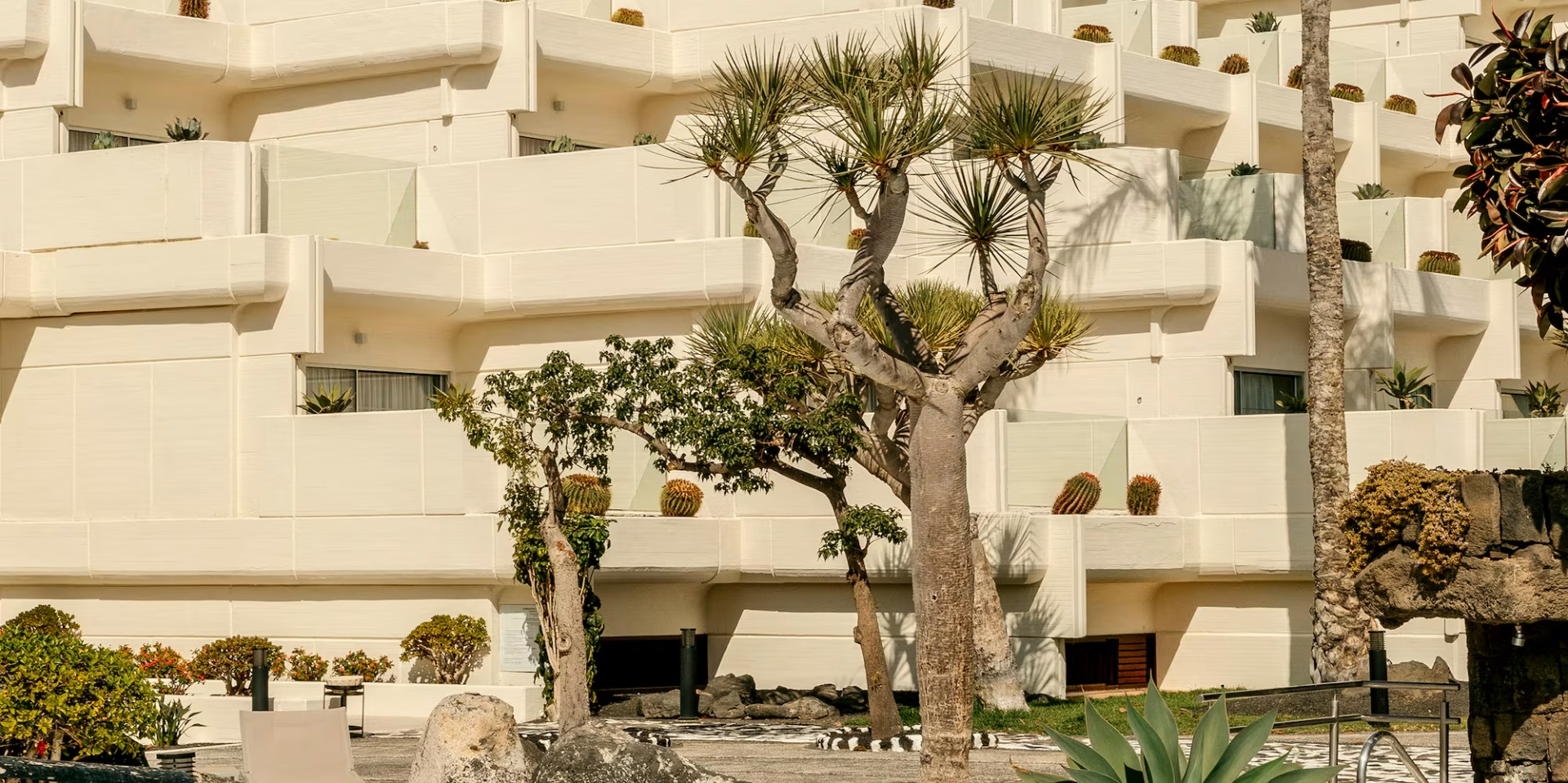
Higueras was not an architect who believed in doing things by halves. His Y-shaped building spreads across the coastline in stepped white concrete terraces, with deep balconies creating an almost honeycomb-like façade. The geometry provides shade, privacy and protection from Lanzarote’s persistent winds, while the relatively low-rise structure follows the landscape rather than towering above it. Inside, things become considerably more theatrical. Enormous concrete ceilings rise above vast atriums filled with palm trees, hanging gardens and waterfalls. Sculptural staircases and marble walkways wind around the vegetation, illuminated by natural light from above. The contrast is extraordinary. Brutalism is usually associated with uncompromising concrete, but here it becomes the framework for something almost wildly romantic. Higueras created a monumental shelter. Nature, with considerable assistance from Manrique, appears to have taken over.
César Manrique’s Otherworldly Paradise
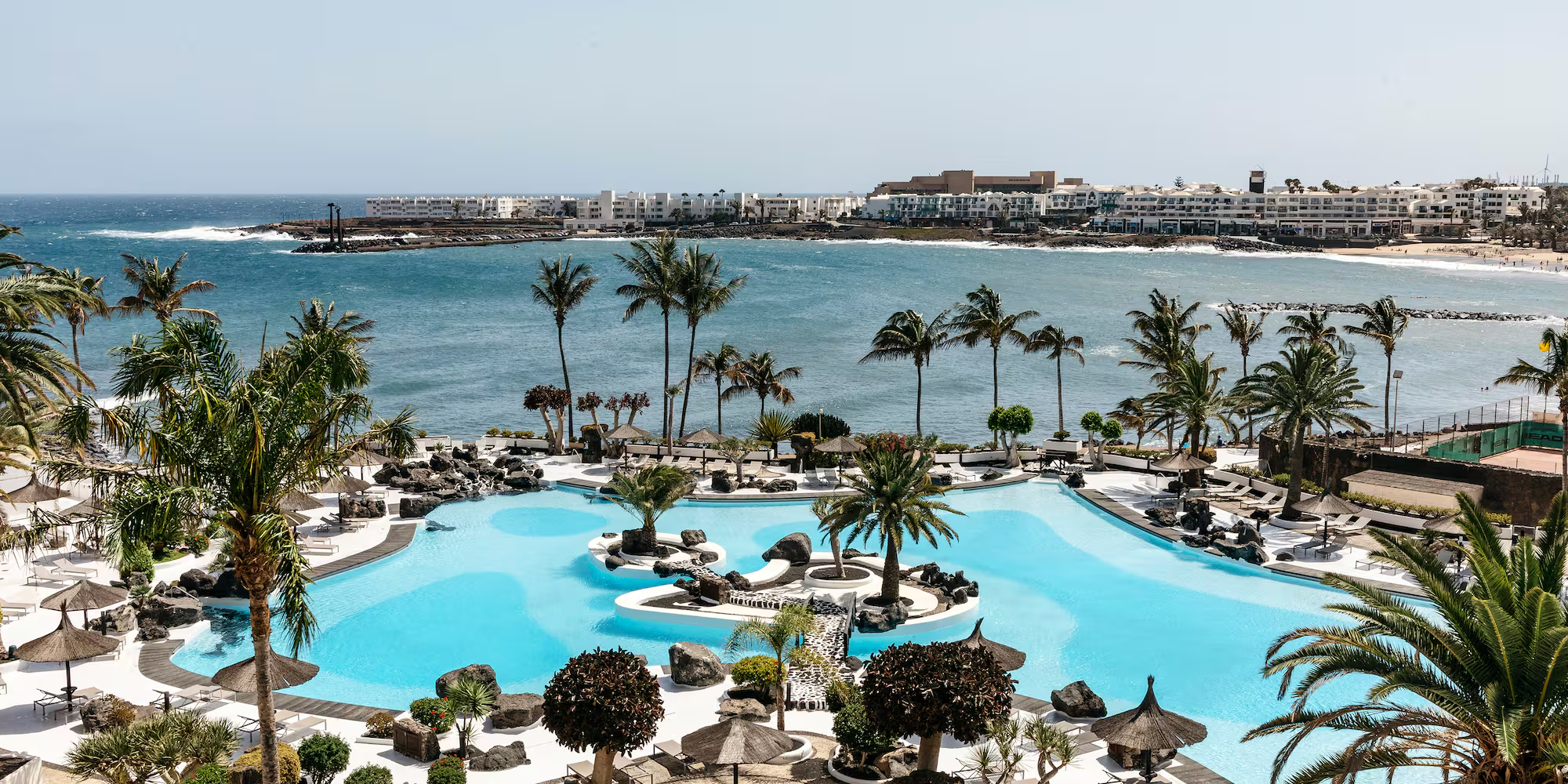
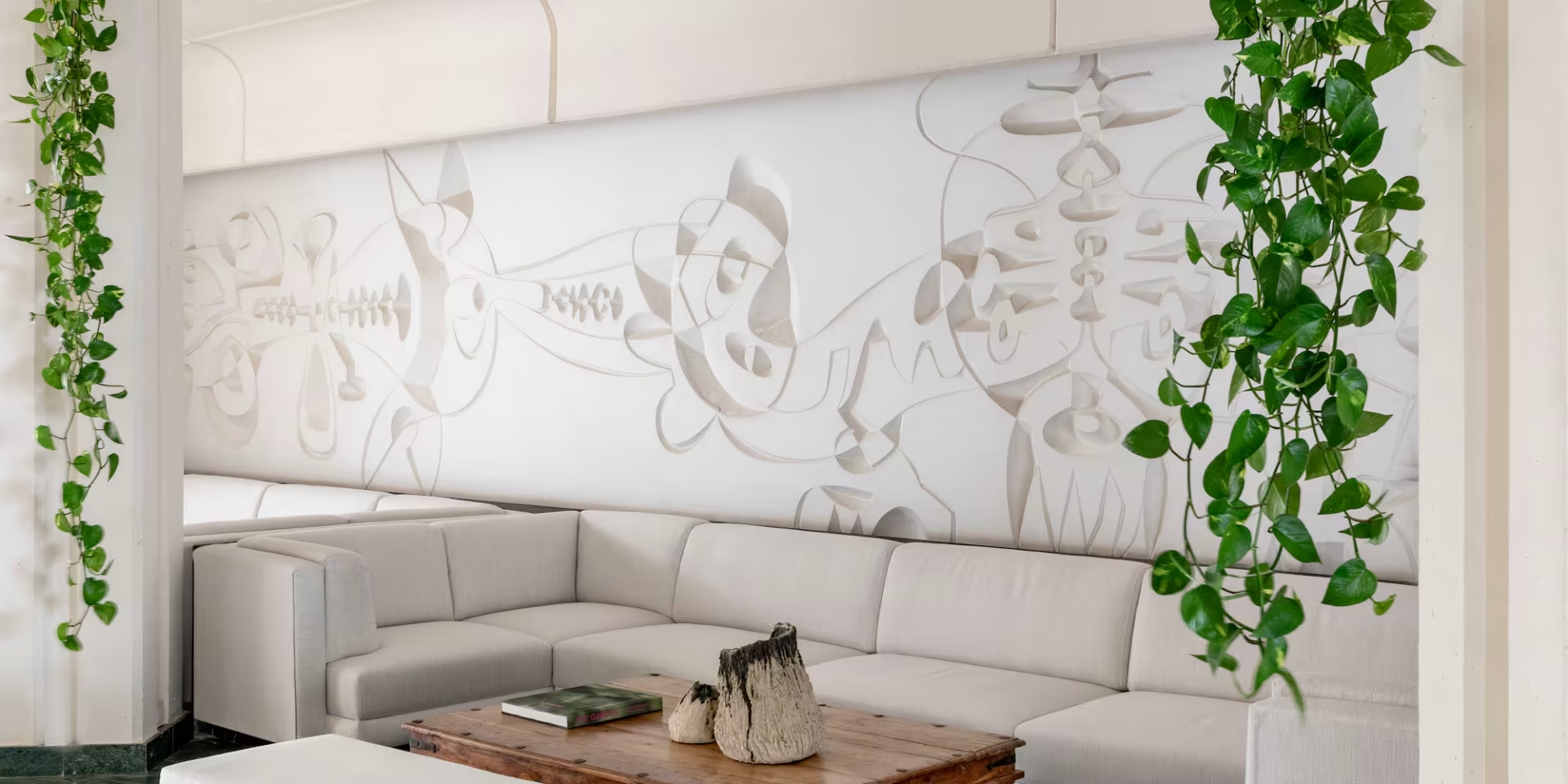
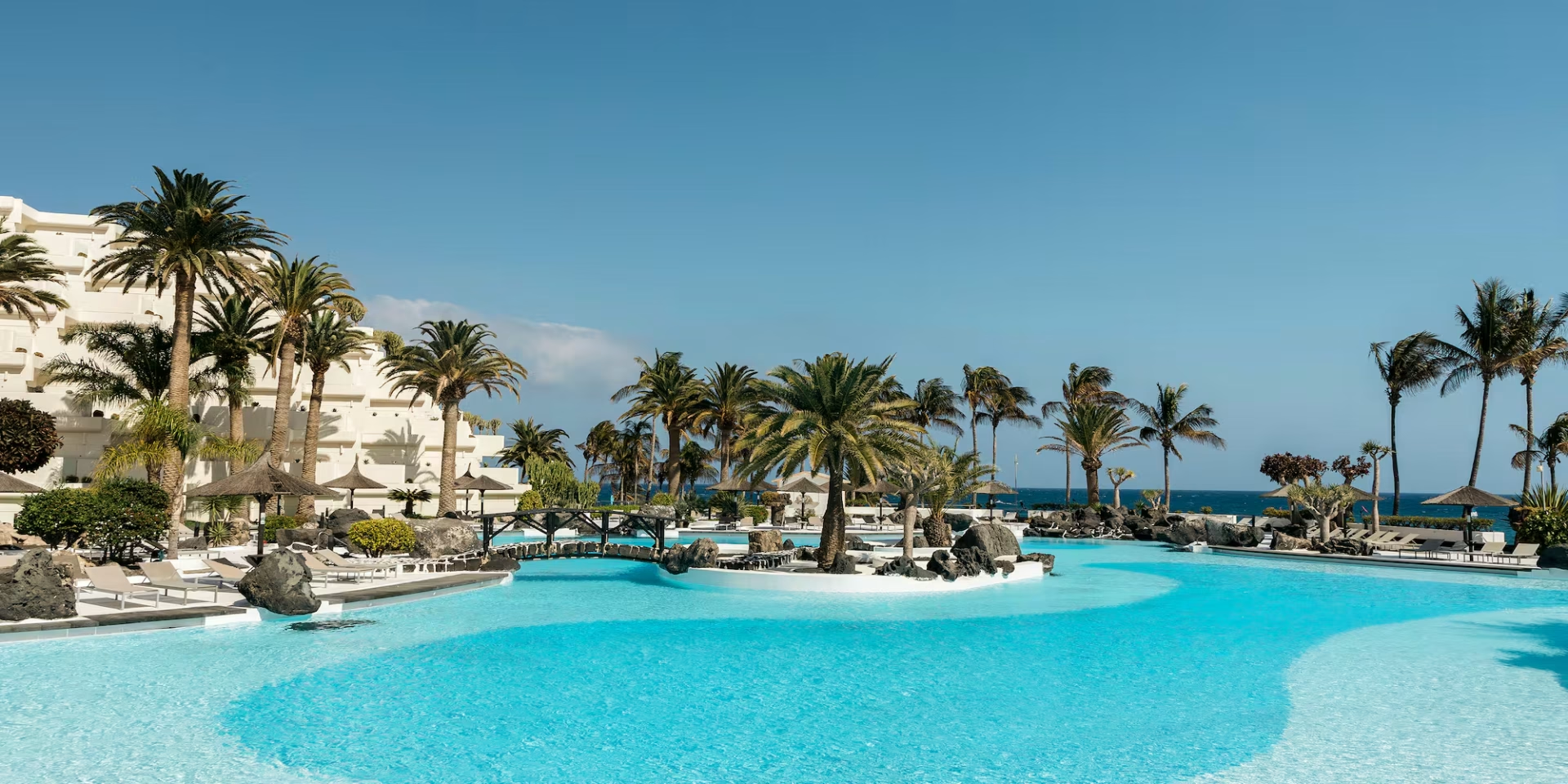
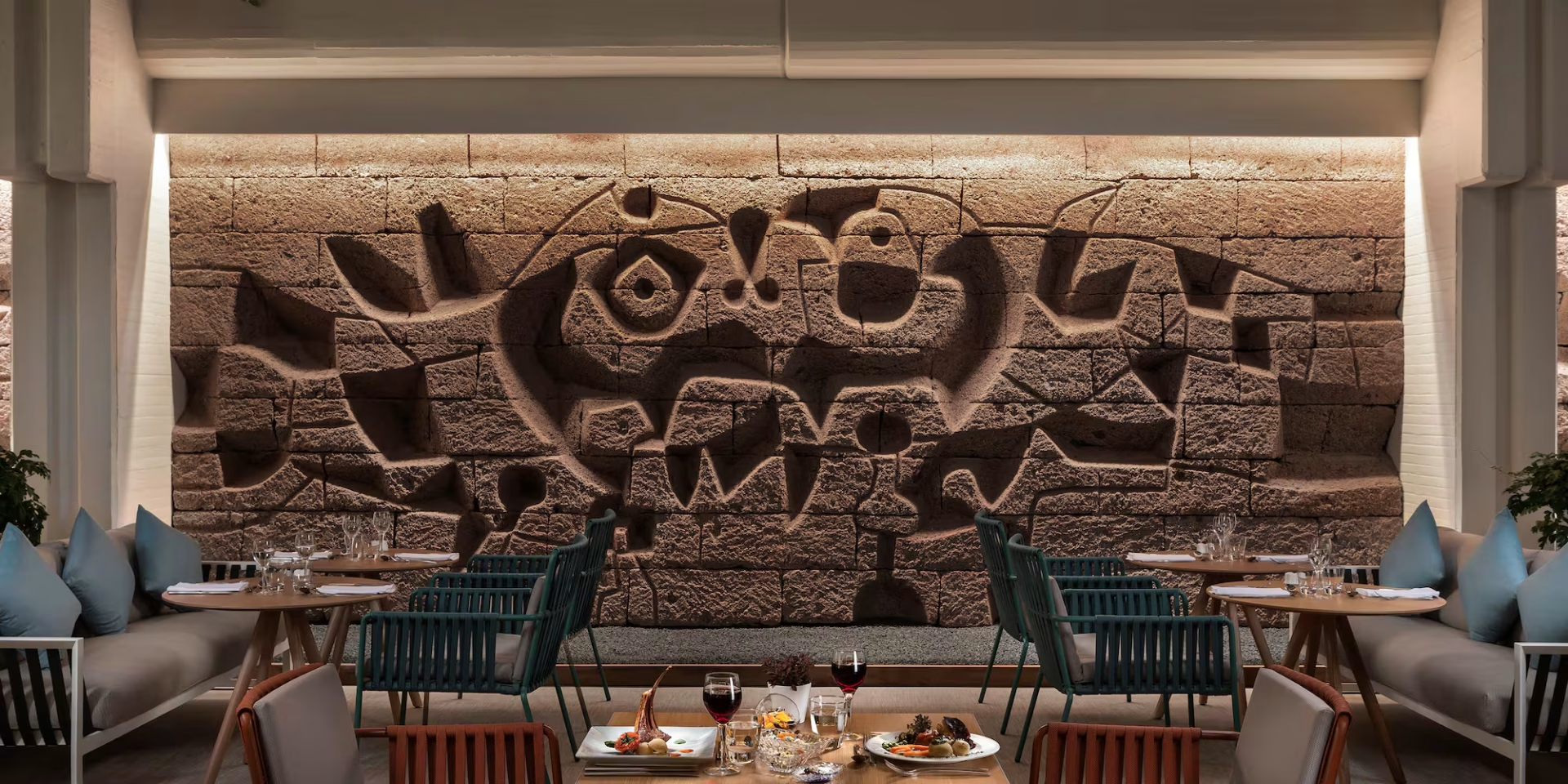
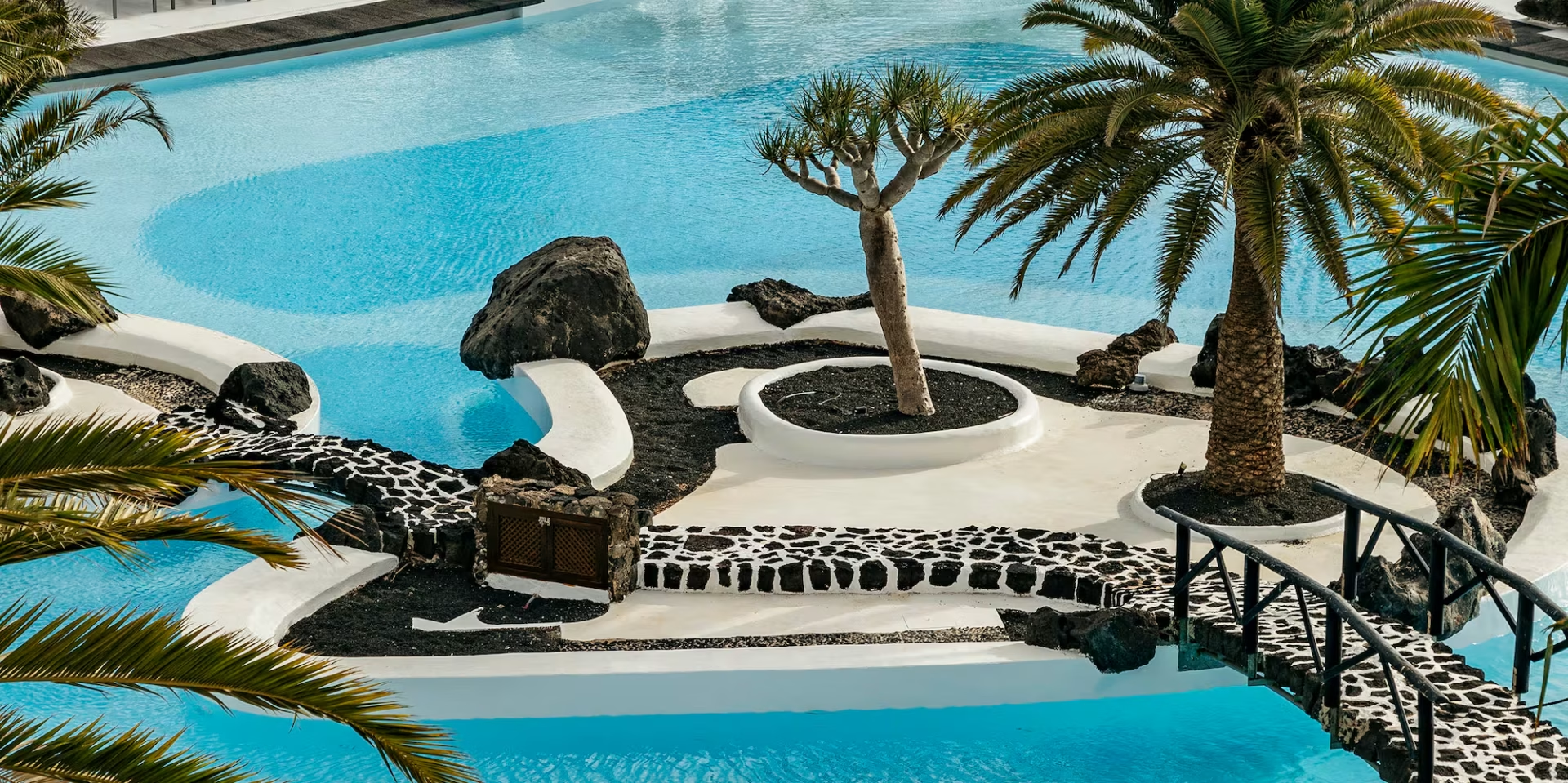
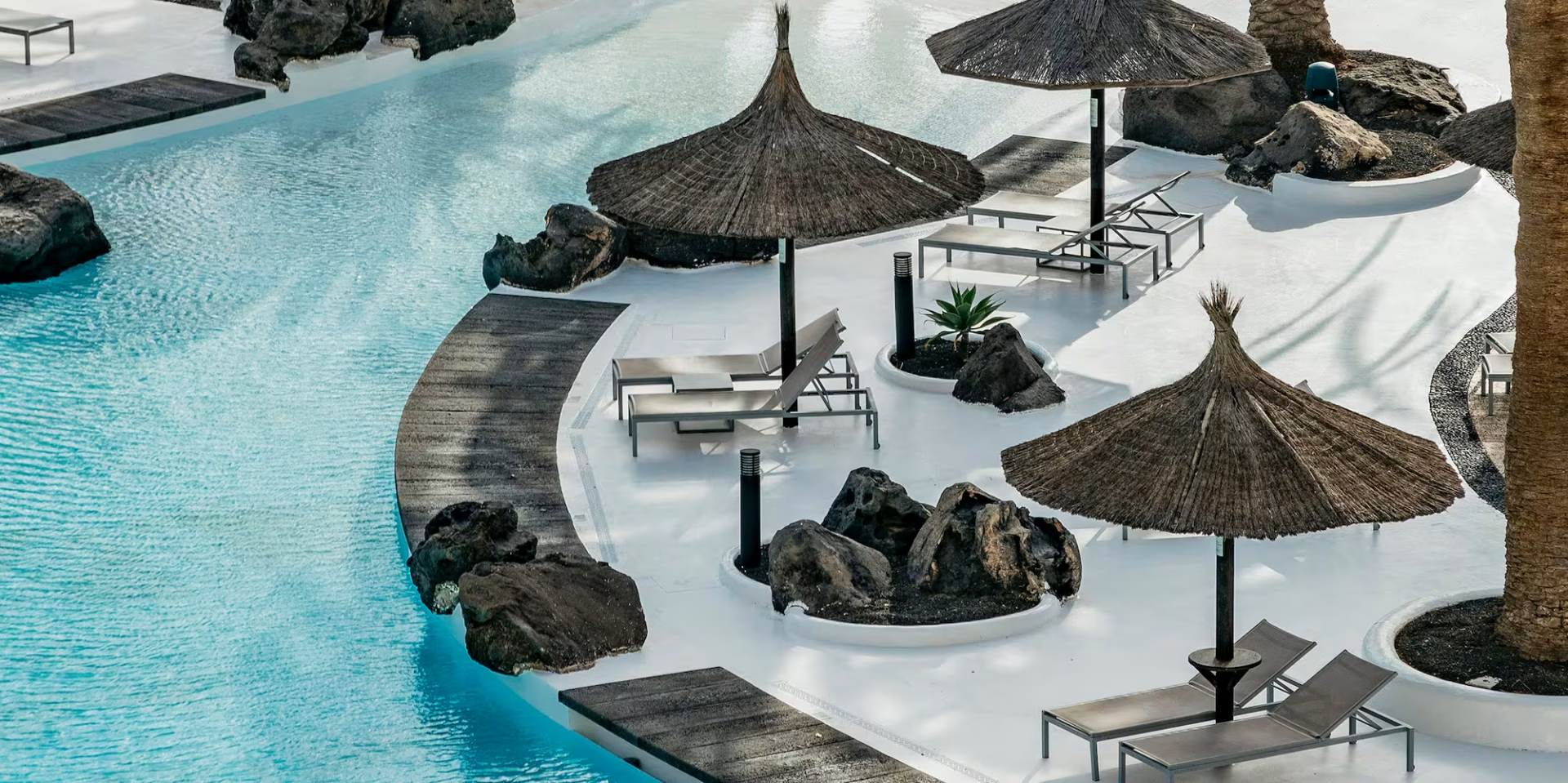
Manrique’s most spectacular contribution is the 1,800-square-metre lagoon pool, winding through volcanic stone, tropical vegetation and small bridges in a composition recalling his celebrated work at Jameos del Agua. Palms, hibiscus, cacti and dragon trees provide a lush contrast to the white concrete terraces, while his murals and sculptures introduce mysterious figures and organic forms, some carved directly into reddish volcanic stone. Works by other Canarian artists, including Pepe Dámaso, add to the collection. Manrique treated the building, gardens, water and sculpture as parts of a single composition, rather than decorating an already completed hotel. His influence extended far beyond Las Salinas. At a time when much of Spain’s coastline was surrendering to speculative development, he championed architecture that respected Lanzarote’s volcanic geology, traditional buildings and distinctive visual identity. Las Salinas belongs to that philosophy, albeit on a rather more extravagant scale.
Seventies Architecture, Without the Seventies Kitsch
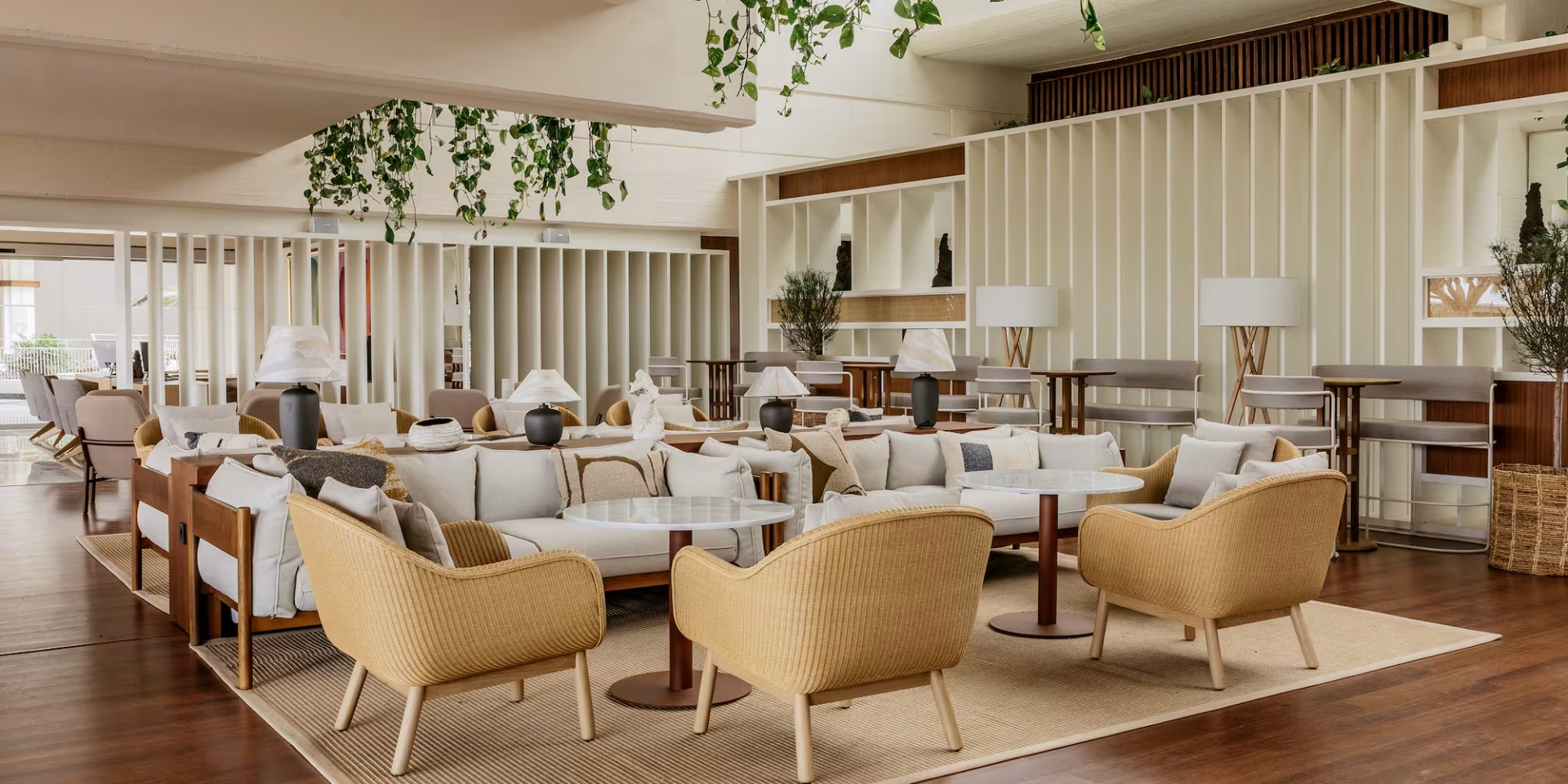
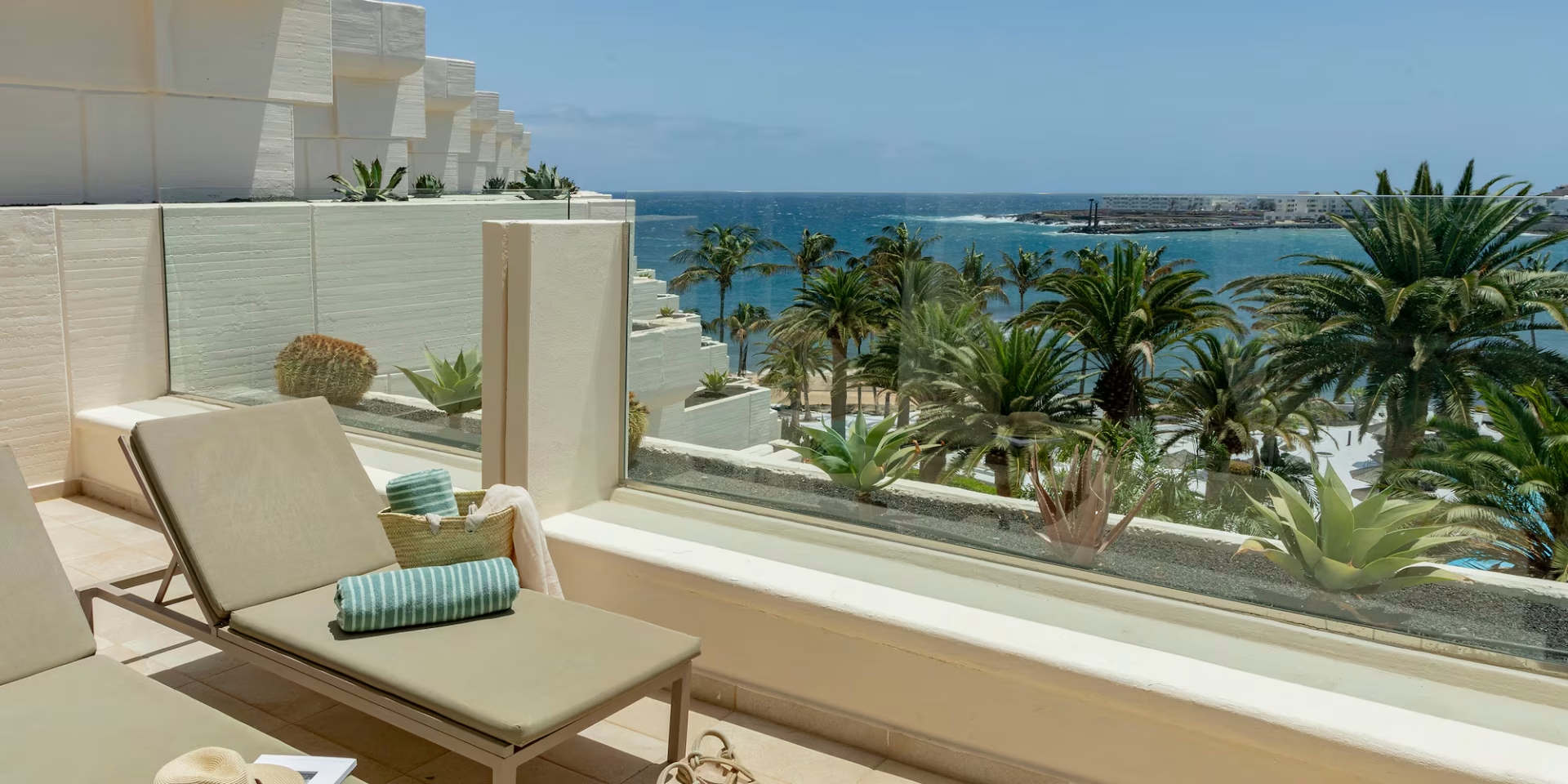
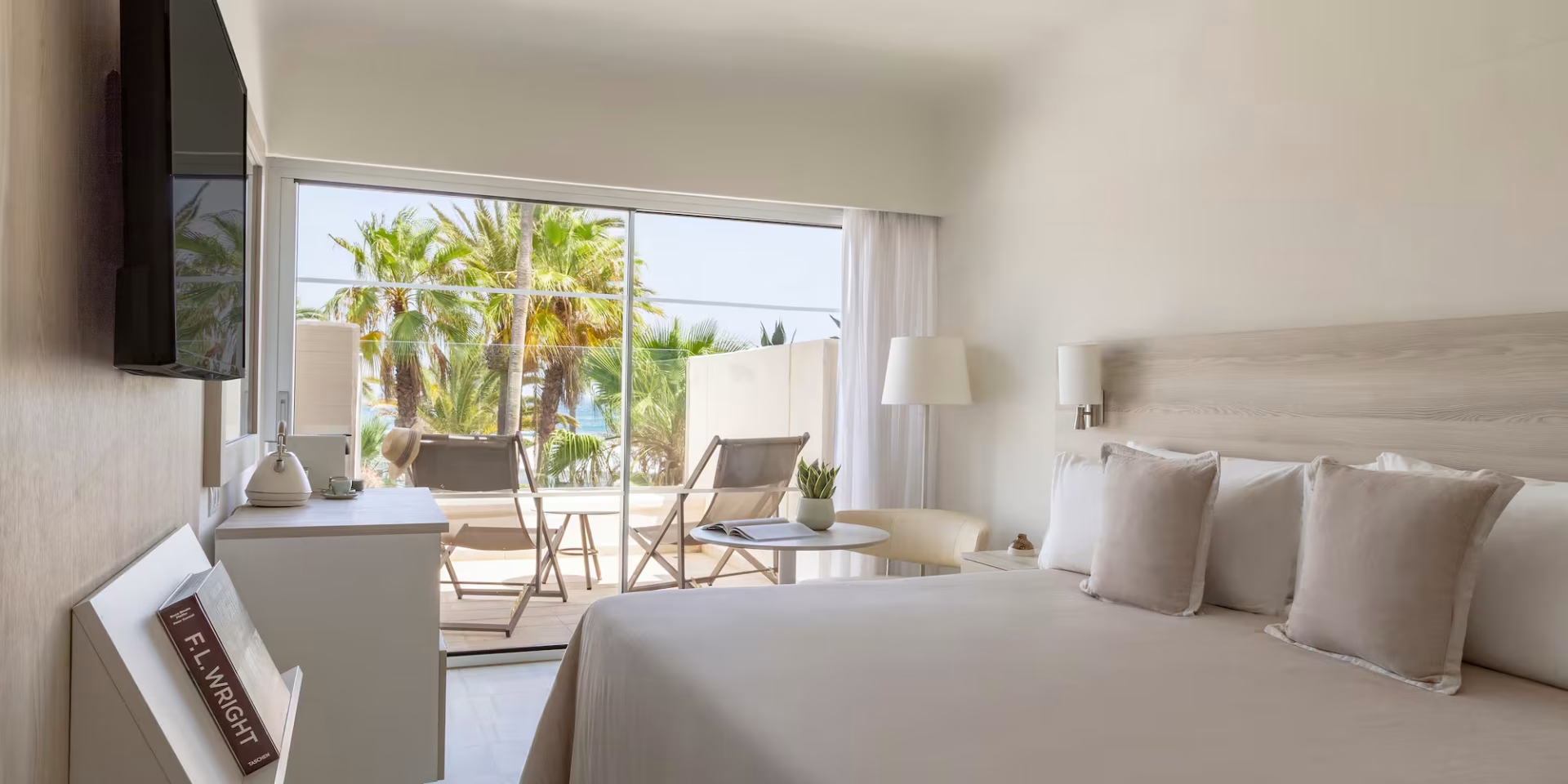
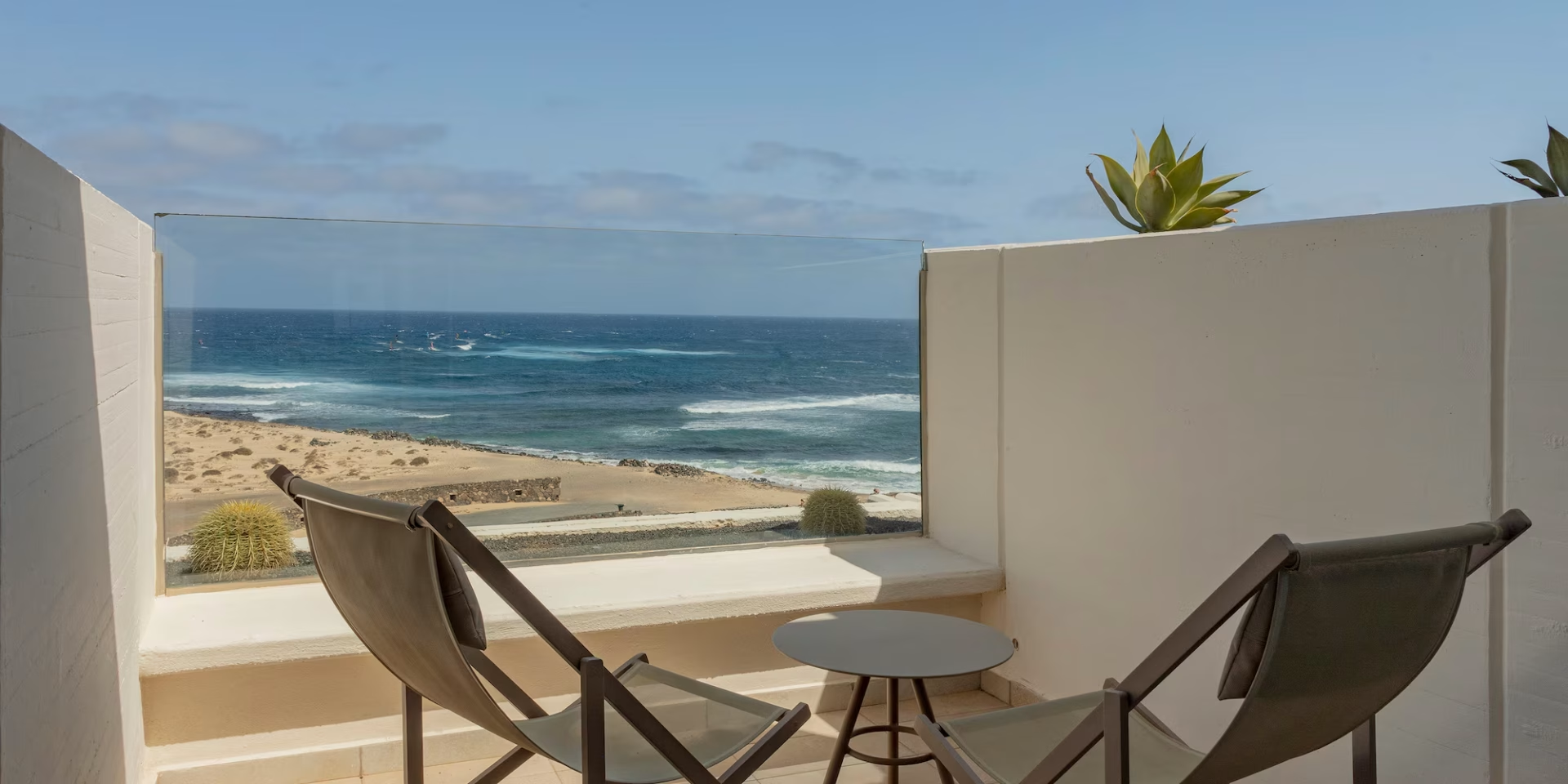
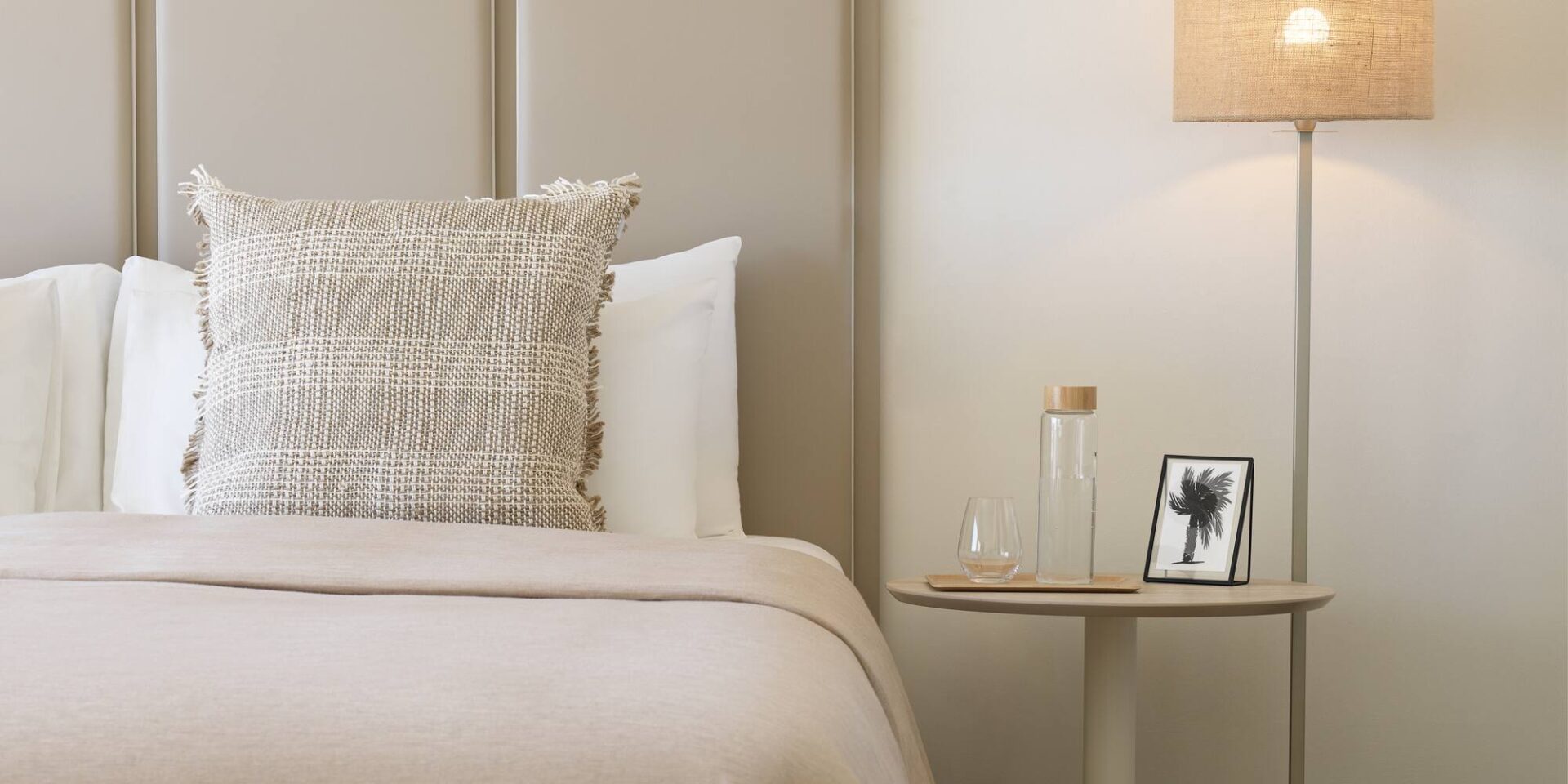
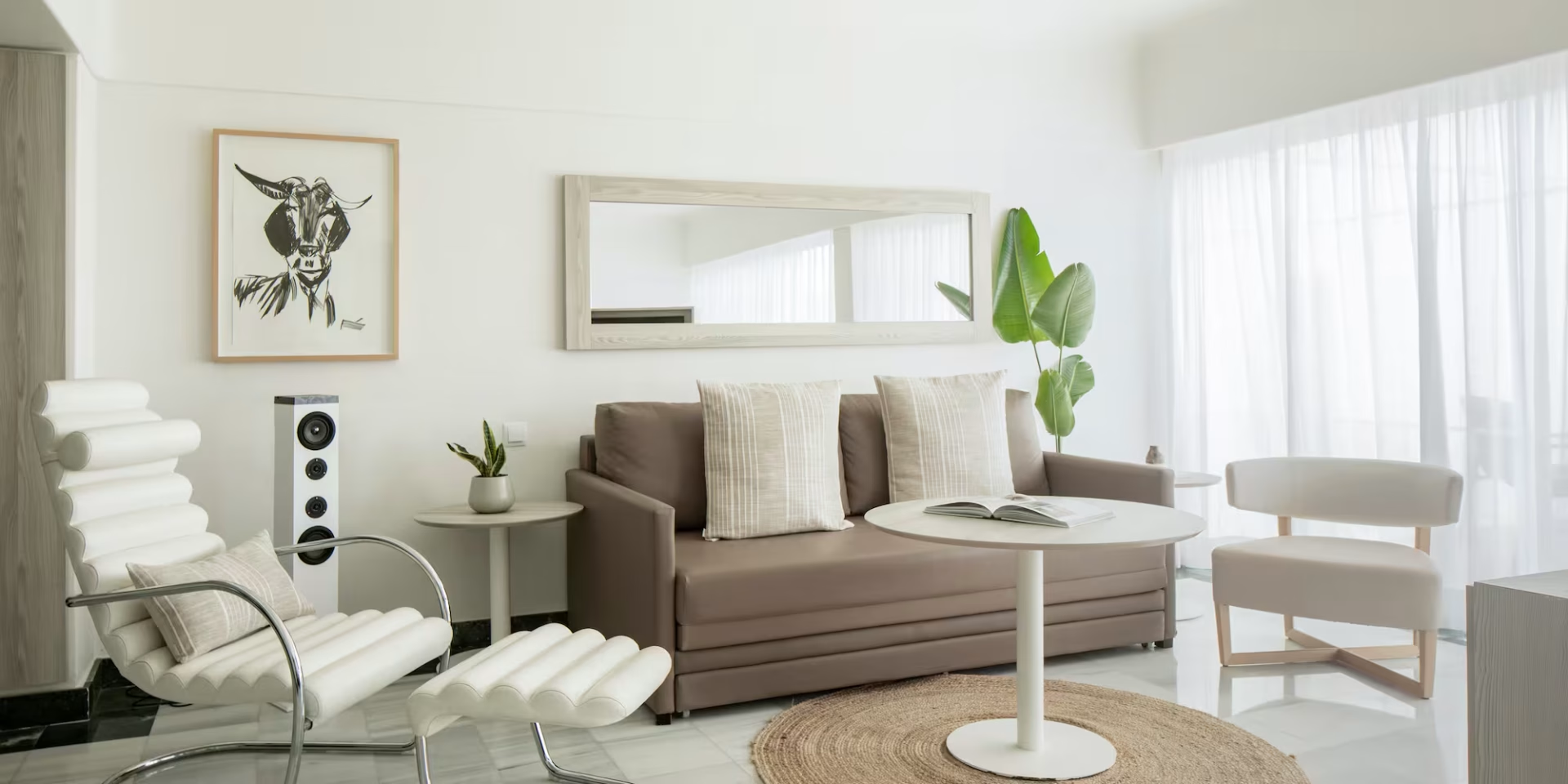
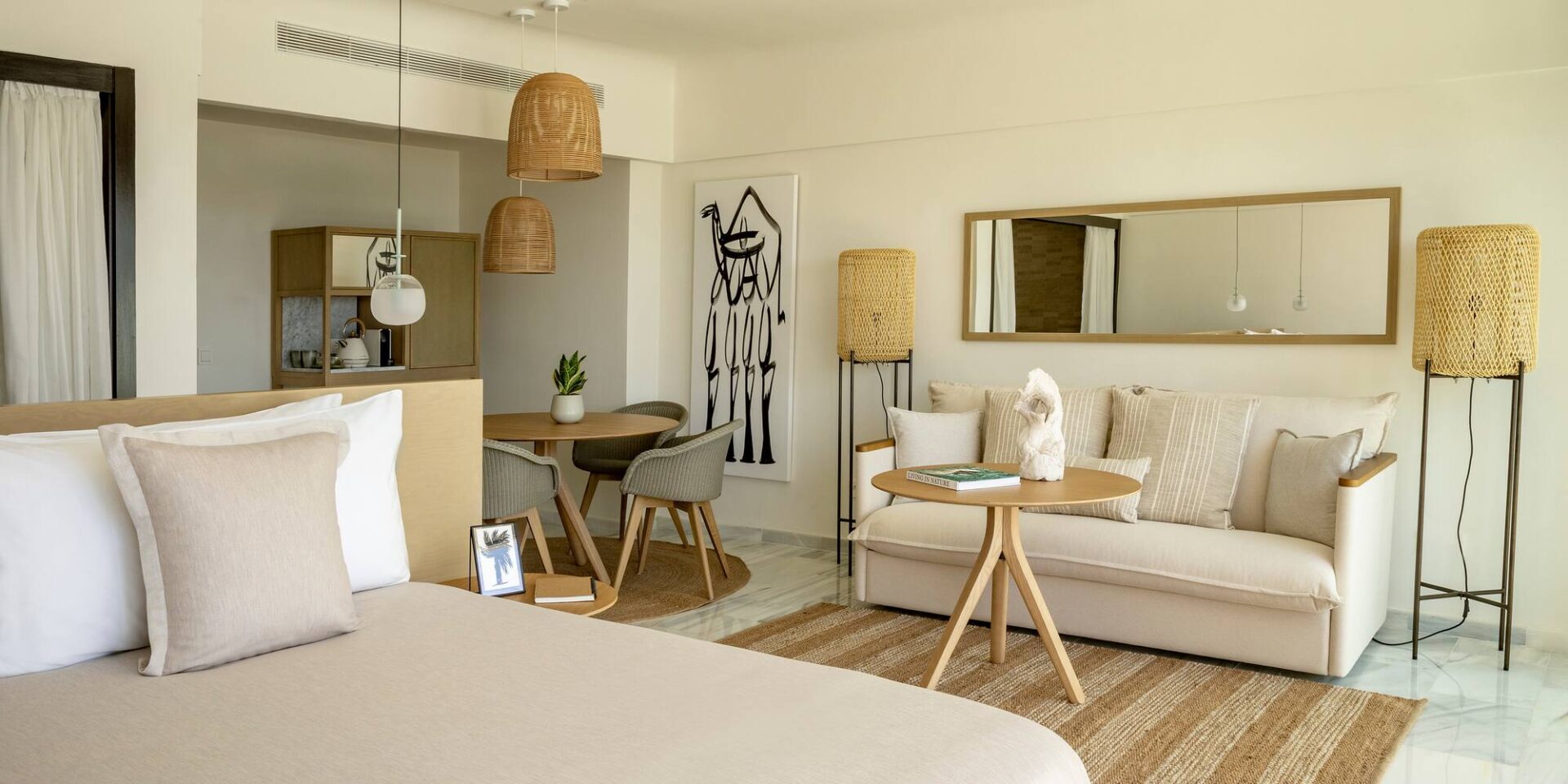
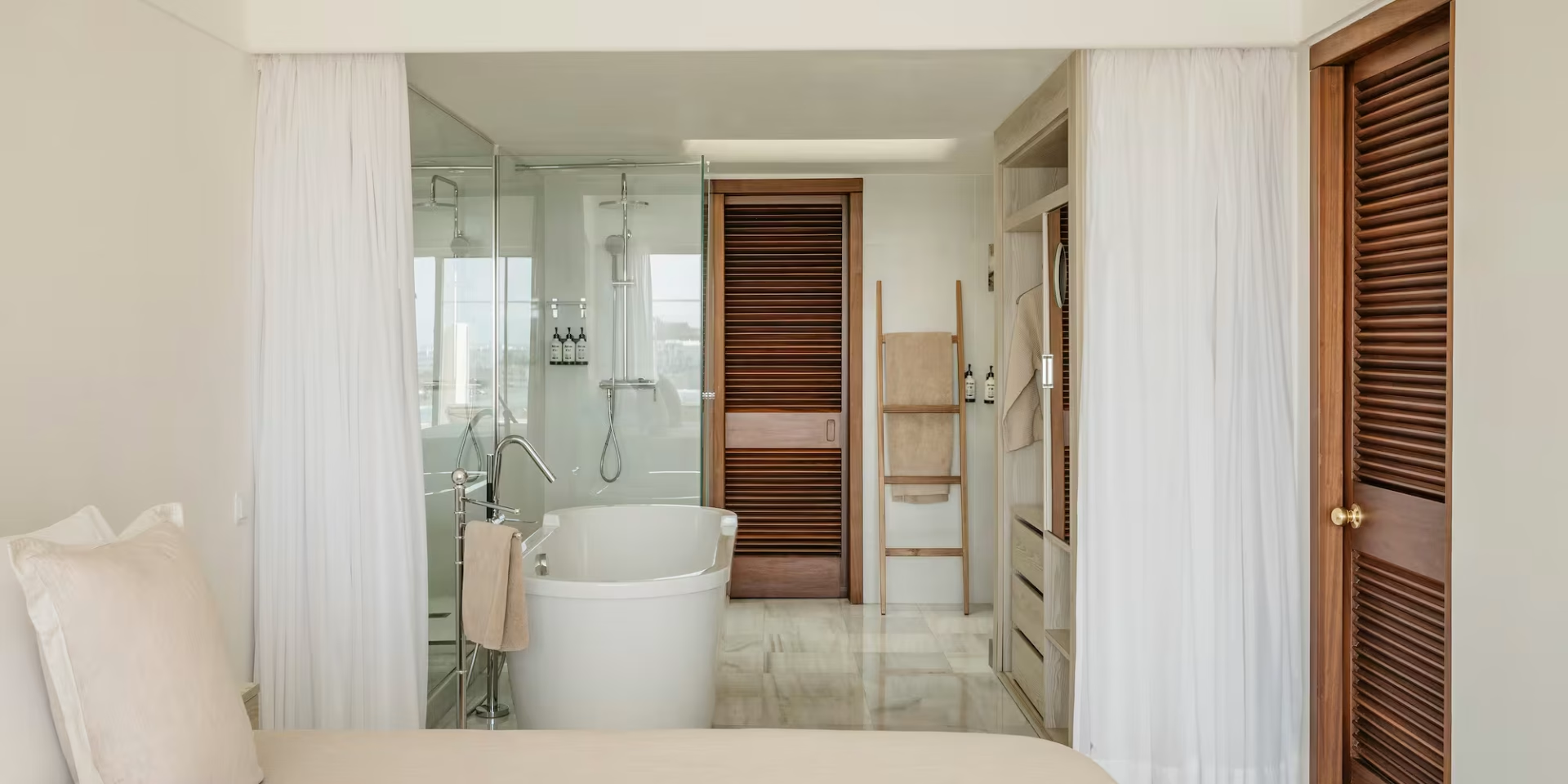
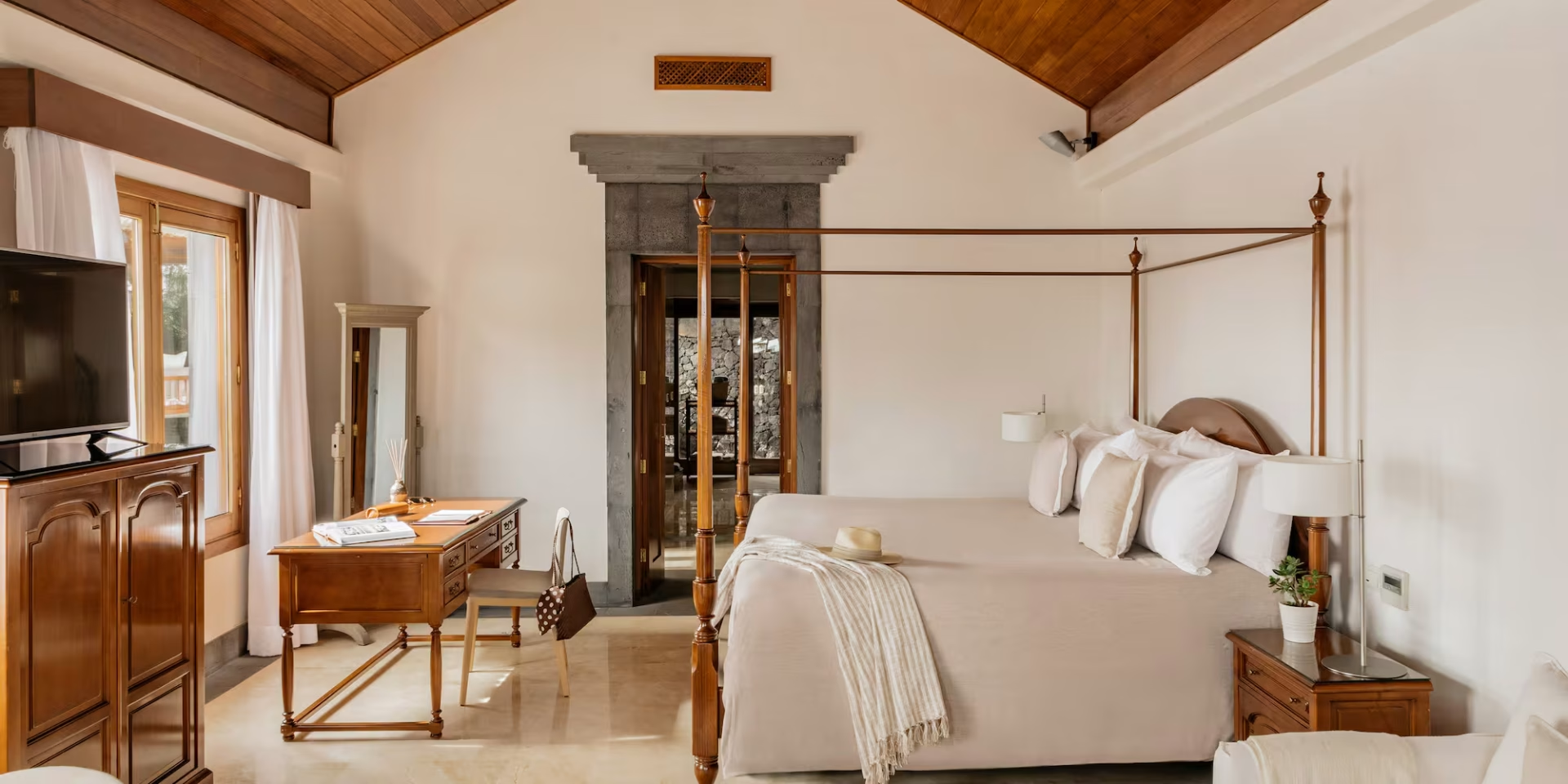
The hotel has survived nearly half a century of changing tastes, no small achievement for a building so unapologetically associated with its era. Its protected heritage status has helped preserve the original architecture, while the recent renovation, led by Álvaro Sans, has largely resisted the temptation to reinvent it. Sans knew Manrique personally, providing a direct connection to the original artistic vision. Pale marble, natural timber, neutral fabrics and contemporary furniture now define the interiors. There is no attempt to recreate a 1970s fantasy of orange carpets and psychedelic wallpaper. The architecture provides more than enough personality. Guestrooms and suites have generous natural light, private terraces and views of the Atlantic or tropical gardens. The Reserve introduces dedicated facilities and villas with private pools, unmistakably contemporary additions to the original Brutalist concept. But the main building remains the star, as it should.
All-Inclusive Gets an Architectural Upgrade
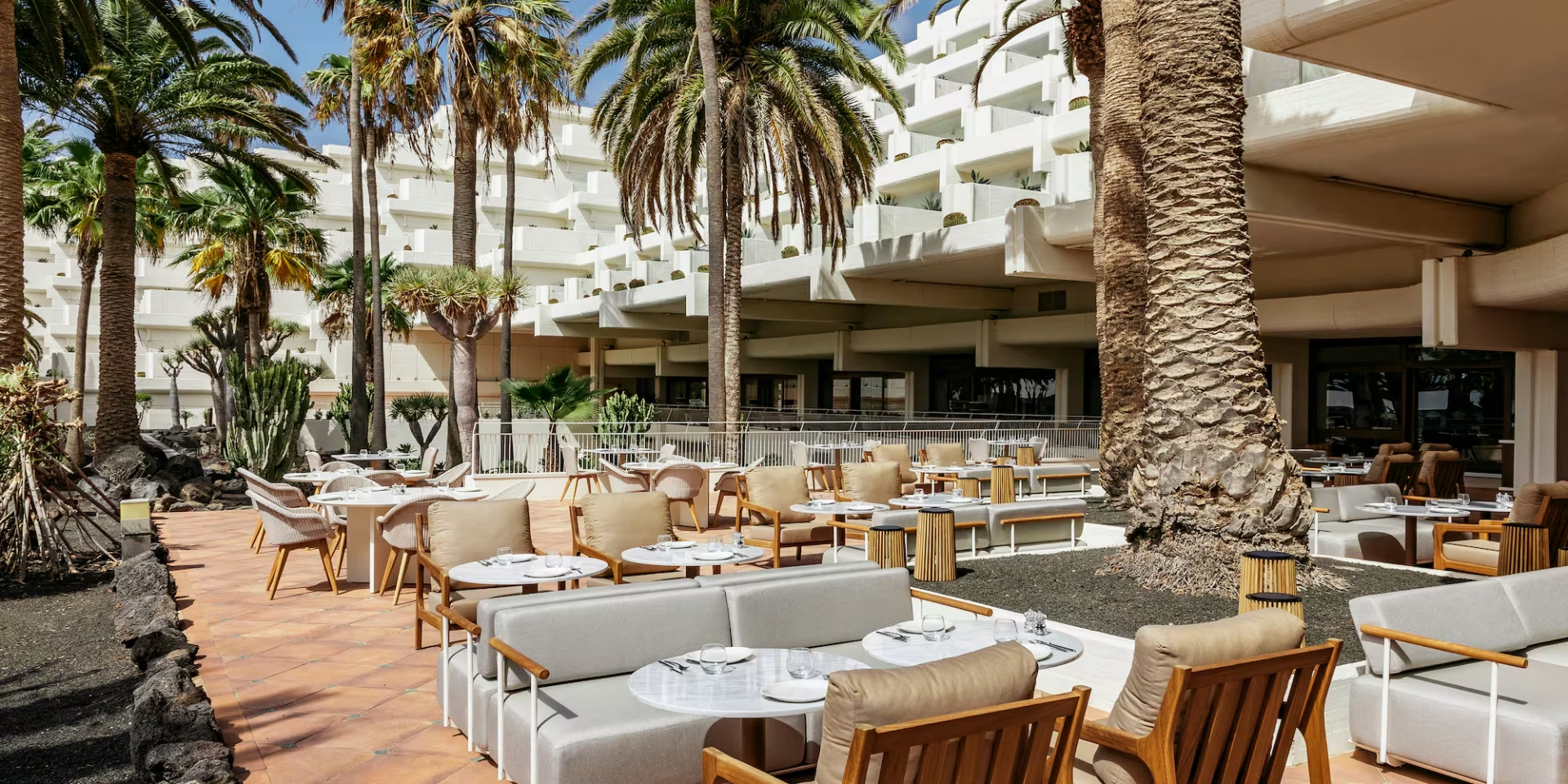
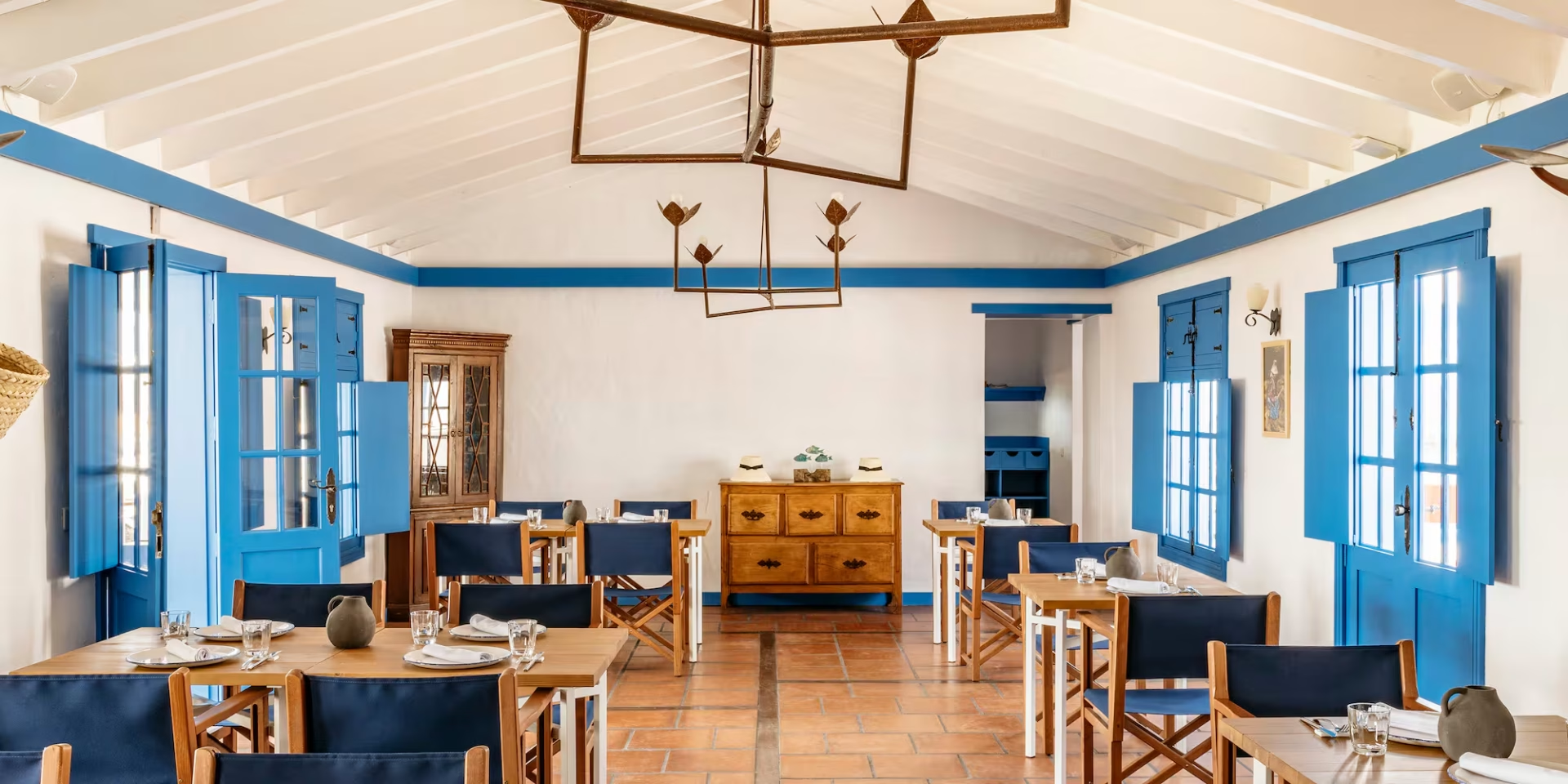
There is something faintly amusing about one of Spain’s great modernist hotels becoming an adults-only, all-inclusive resort. The phrase usually conjures up endless buffets, organised entertainment and cocktails of uncertain provenance. Paradisus Salinas has rather different ambitions. Meliá’s interpretation places emphasis on gastronomy, wellness and cultural experiences. La Graciosa leads the culinary offering, with menus developed by Germán Ortega of Michelin-starred La Aquarela on Gran Canaria, drawing on regional ingredients and Atlantic seafood. Malva offers more informal dining surrounded by greenery and Manrique’s artwork, while Cappella serves Italian cuisine and Samira explores Middle Eastern flavours. Ginger provides the main cocktail address, complete with original volcanic-stone murals. Beyond the restaurants are a spa, tennis, fitness facilities and activities ranging from yoga to wine tasting. More interestingly, the Destination Inclusive concept encourages guests to discover Lanzarote’s architecture, artistic heritage and volcanic vineyards. Given the philosophy of the two men who created Las Salinas, that seems considerably more appropriate than encouraging everyone to remain beside the pool for a fortnight. Although, given Manrique’s pool, the temptation is understandable.
Lanzarote Is Part of the Design
The hotel’s setting in Costa Teguise is convenient rather than particularly romantic. The surrounding resort town is fairly conventional, making the architectural ambition of Las Salinas all the more striking. But Lanzarote itself is anything but conventional. Black volcanic fields, ochre mountains, whitewashed villages and vineyards planted in individual hollows dug into volcanic ash create a landscape unlike almost anywhere else in Europe. Manrique’s former home in Tahíche, now the Fundación César Manrique, incorporates natural volcanic bubbles into its living spaces. At Jameos del Agua, a lava tunnel becomes an extraordinary cultural setting, while the Cactus Garden transforms an abandoned quarry into a sculptural landscape. Further west, the vineyards of La Geria and the volcanic terrain of Timanfaya National Park offer equally compelling reasons to leave the coast. Exploring the island reveals how closely Las Salinas belongs to Lanzarote’s artistic and architectural history. It isn’t simply an eccentric resort from the 1970s, but an ambitious expression of a very particular philosophy.
A Monument to Architectural Optimism
What makes Las Salinas fascinating is the ambition behind it. Higueras and Manrique belonged to a generation that believed architecture could create entirely new environments, and that a hotel could be an artistic statement rather than merely a commercial building. Today’s Paradisus Salinas is a different proposition from the original Hotel Las Salinas. Its polished interiors, private-pool villas and all-inclusive luxury concept reflect the realities of contemporary resort hospitality. But the essential vision has survived. The concrete terraces still cascade towards the Atlantic. The tropical gardens still occupy the heart of the building. And Manrique’s lagoon remains one of the most extraordinary swimming pools ever created for a hotel. Almost fifty years on, Las Salinas is a reminder of what happens when an architect and an artist are given the freedom to think beyond the usual rules. The hotel industry could use a little more of that.
Information
At a glance
Architecture
Fernando Higueras, César Manrique
Opened / Renovated
1977, renovated 2023
Size matters
282 rooms, suites & villas (32-1,000m2) (344-10,764 sq ft)
Bathroom Amenities
Biology® Smart Skin Care
The Small Print
all inclusive, adult-only: 16 y.o. and over
Featured in
Don't take our word for it

Handpicked worldwide
A carefully curated collection of exceptional boutique and design hotels across the globe.
Design with soul
Architecture, atmosphere and craftsmanship come together in stays with a clear identity.
Hidden, not hyped
Independent boutique hotels you rarely find on mainstream booking platforms.
Travel guidance
Personal recommendations and thoughtful support from people who actually know the places.