



Where to Stay
Boutique & Design Hotels in Carmel-by-the-Sea
The DNA of Carmel-by-the-Sea
Where Storybook Architecture Meets Artistic Heritage and California's Pacific Coast
Carmel-by-the-Sea, on California’s Monterey Peninsula, is a coastal town with an architectural identity quite unlike anywhere else in the United States. Established as an artists’ colony in the early twentieth century, Carmel attracted painters, writers and intellectuals whose influence remains visible in its galleries, independent shops and unconventional architecture. Its famous storybook cottages, many inspired by the whimsical designs of Hugh Comstock in the 1920s, coexist with Spanish Colonial Revival buildings, historic residences and striking examples of modernism. Frank Lloyd Wright’s Clinton Walker House, dramatically positioned above the Pacific Ocean, offers a particularly compelling architectural contrast. The historic Carmel Mission recalls California’s Spanish colonial past, while white-sand beaches, windswept Monterey cypresses and the spectacular coastline of nearby Big Sur define the natural surroundings.
Food and drink reflect California’s abundant agricultural produce and the region’s increasingly sophisticated wine culture. Fresh Pacific seafood, seasonal vegetables and locally sourced ingredients feature prominently in contemporary Californian cuisine. Carmel’s intimate restaurants, independent cafés, European-style bakeries and atmospheric wine-tasting rooms give the village an unusually convivial character. The nearby Carmel Valley and Santa Lucia Highlands produce distinctive wines, particularly Pinot Noir and Chardonnay, while historic inns and stylish cocktail bars provide appealing alternatives to the predominantly wine-focused social scene.
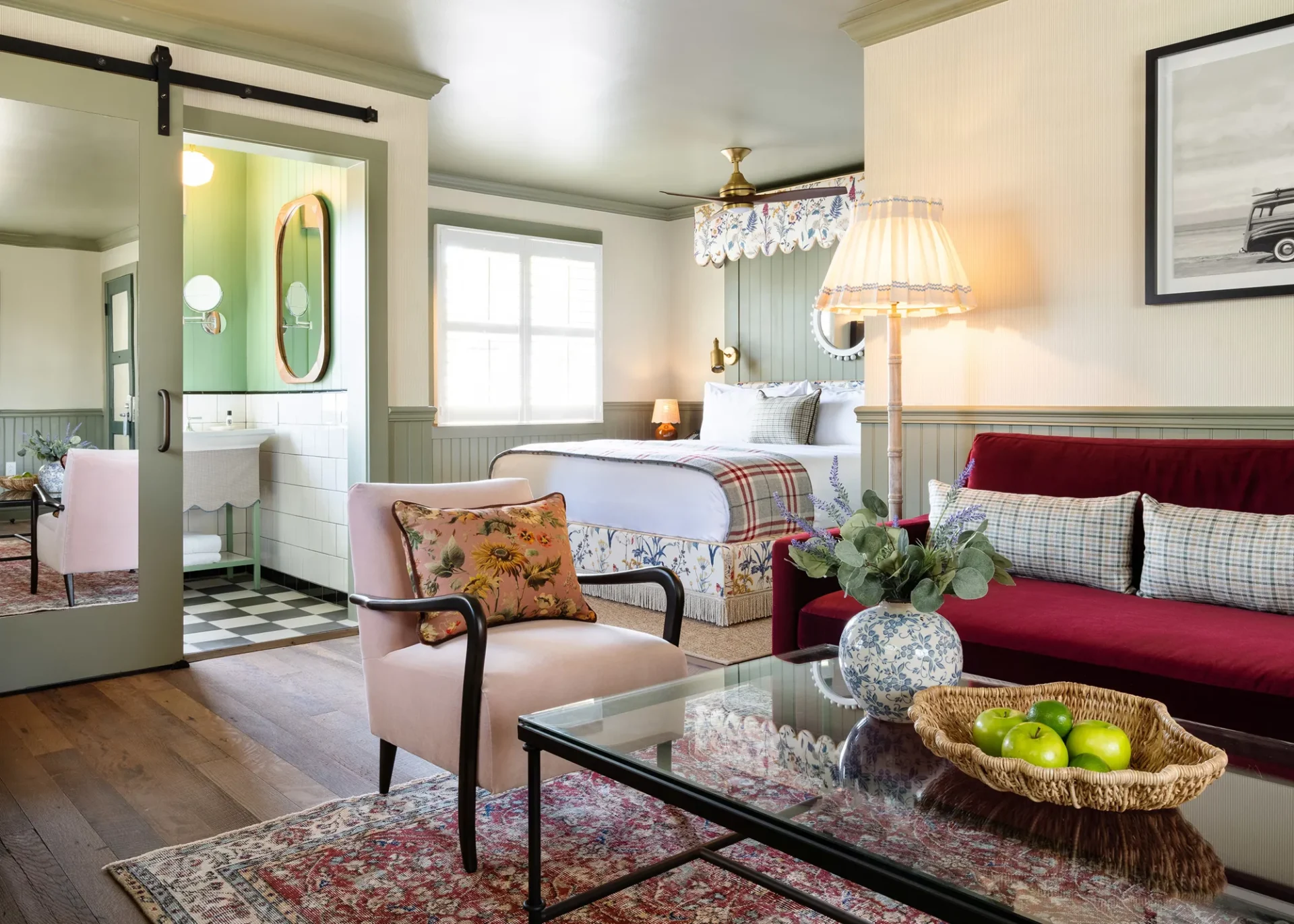
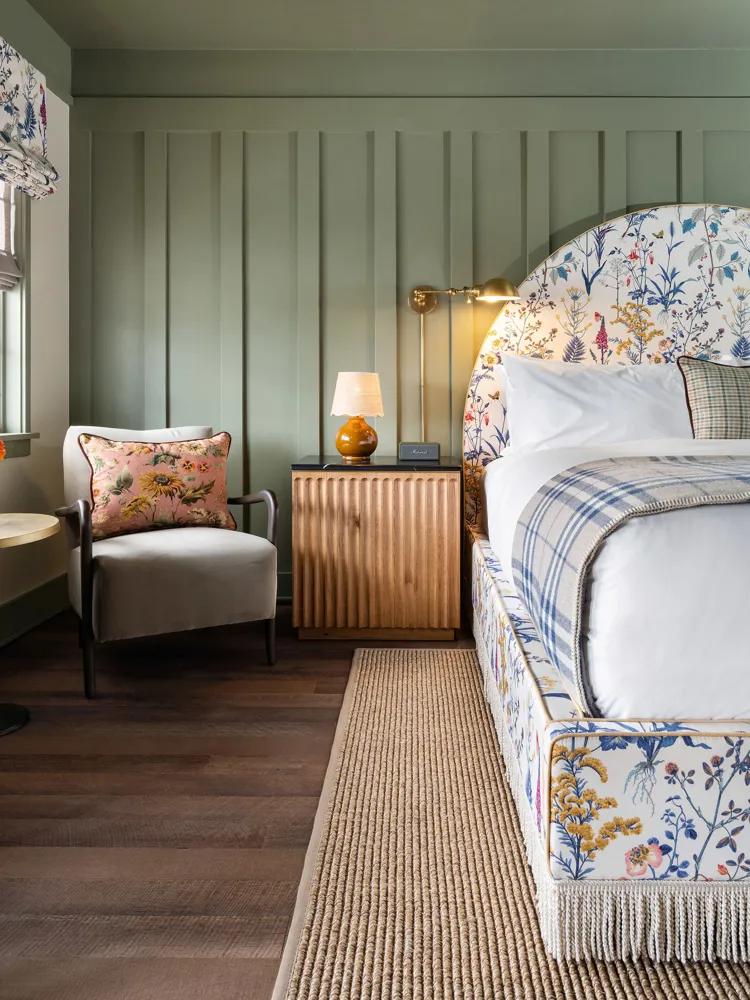
Carmel’s hospitality landscape is refreshingly intimate, with historic inns, romantic cottages and independently minded boutique hotels rather than imposing coastal resorts. Traditional architecture, secluded gardens and residential-scale buildings provide an appealing canvas for contemporary interiors, vintage furnishings and thoughtful design. At DNA Hotels, we favour properties that capture Carmel’s artistic personality without becoming overly nostalgic or theatrical. There is something particularly appealing about a Californian coastal destination where individuality, architectural eccentricity and a slightly bohemian spirit remain more important than grand gestures of luxury.