


French decadence, Hamburg history and a touch of dandyism inside one of the city’s grandest transformations.
design review Tortue Hamburg hotel

Why DNA Hotels loves it
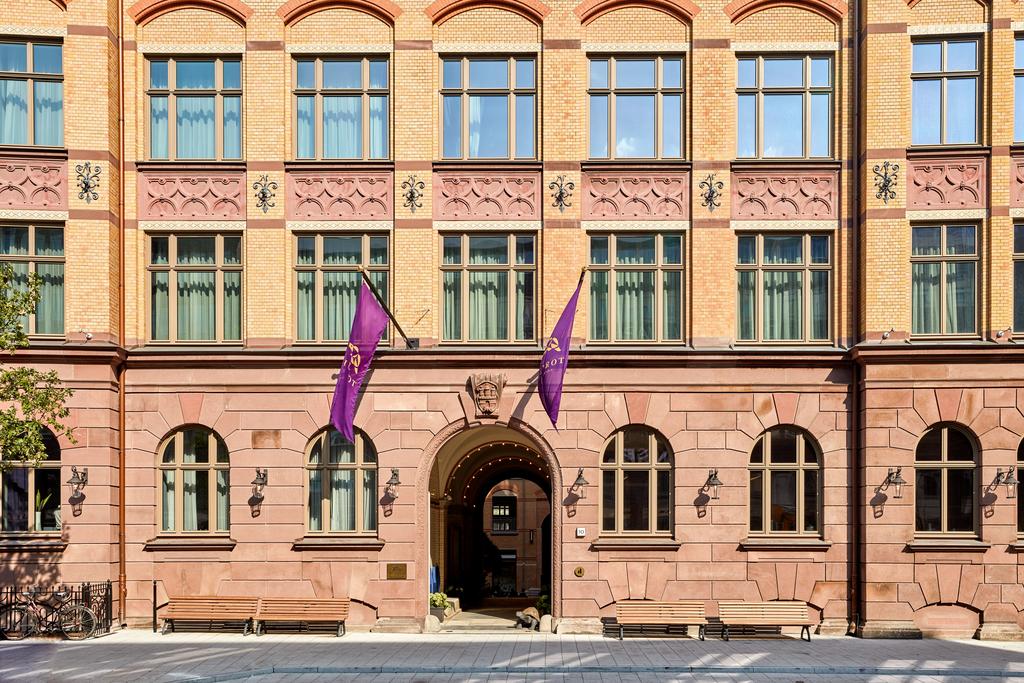
An 1888 former state ministry transformed by David Chipperfield Architects and Stephen Williams Associates, preserving the monumental architecture while giving it an entirely new life.
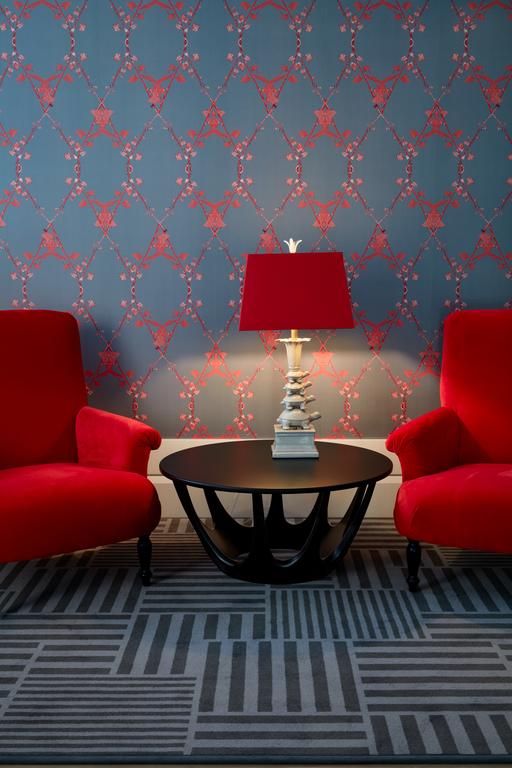
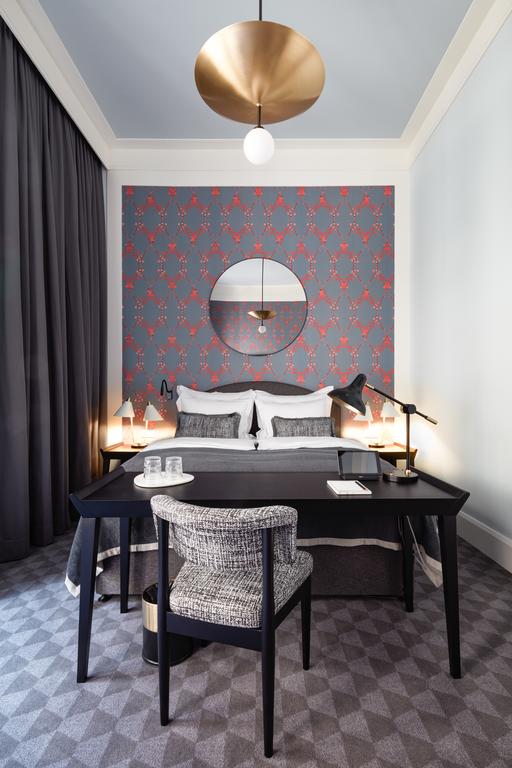
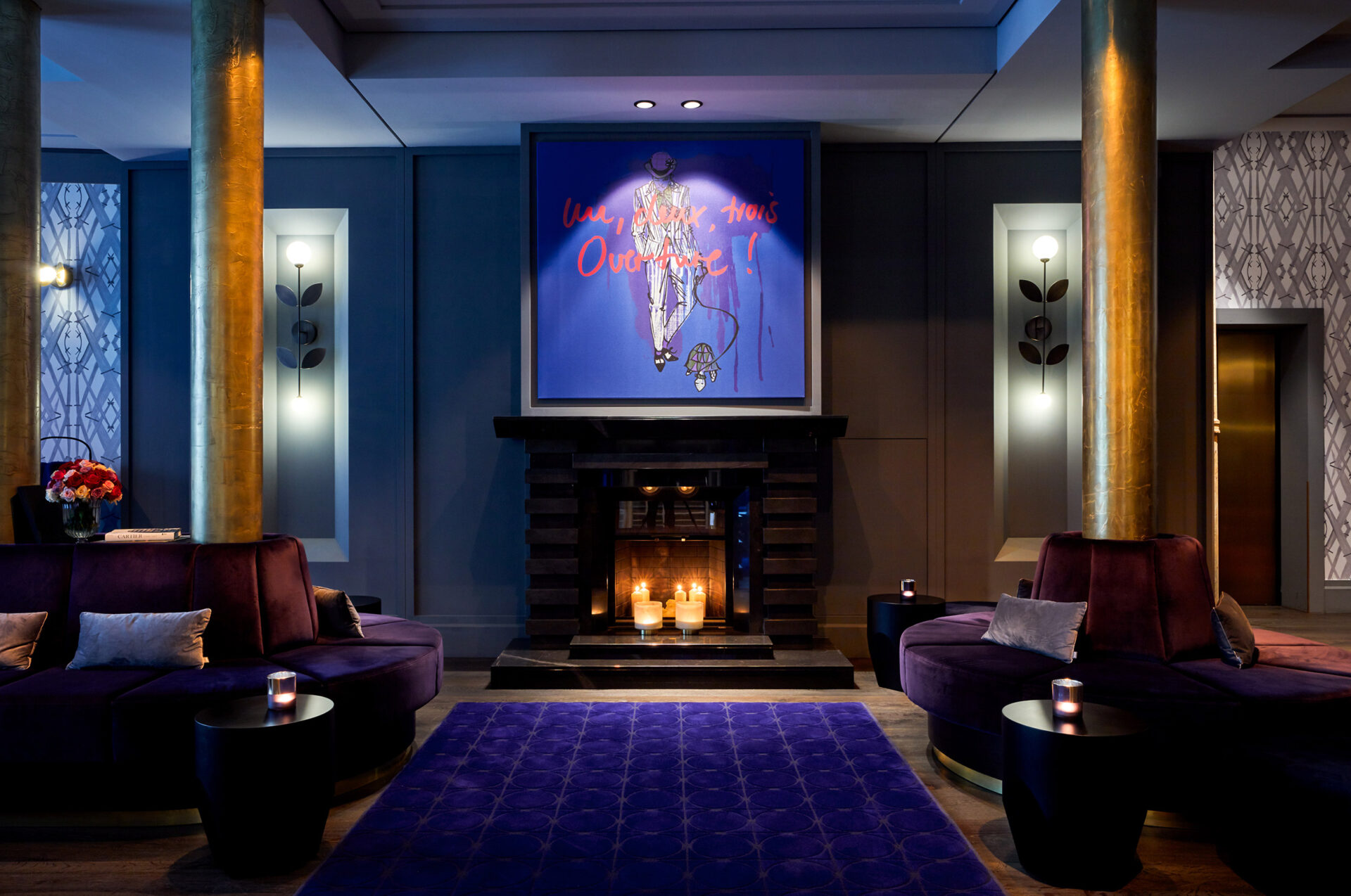
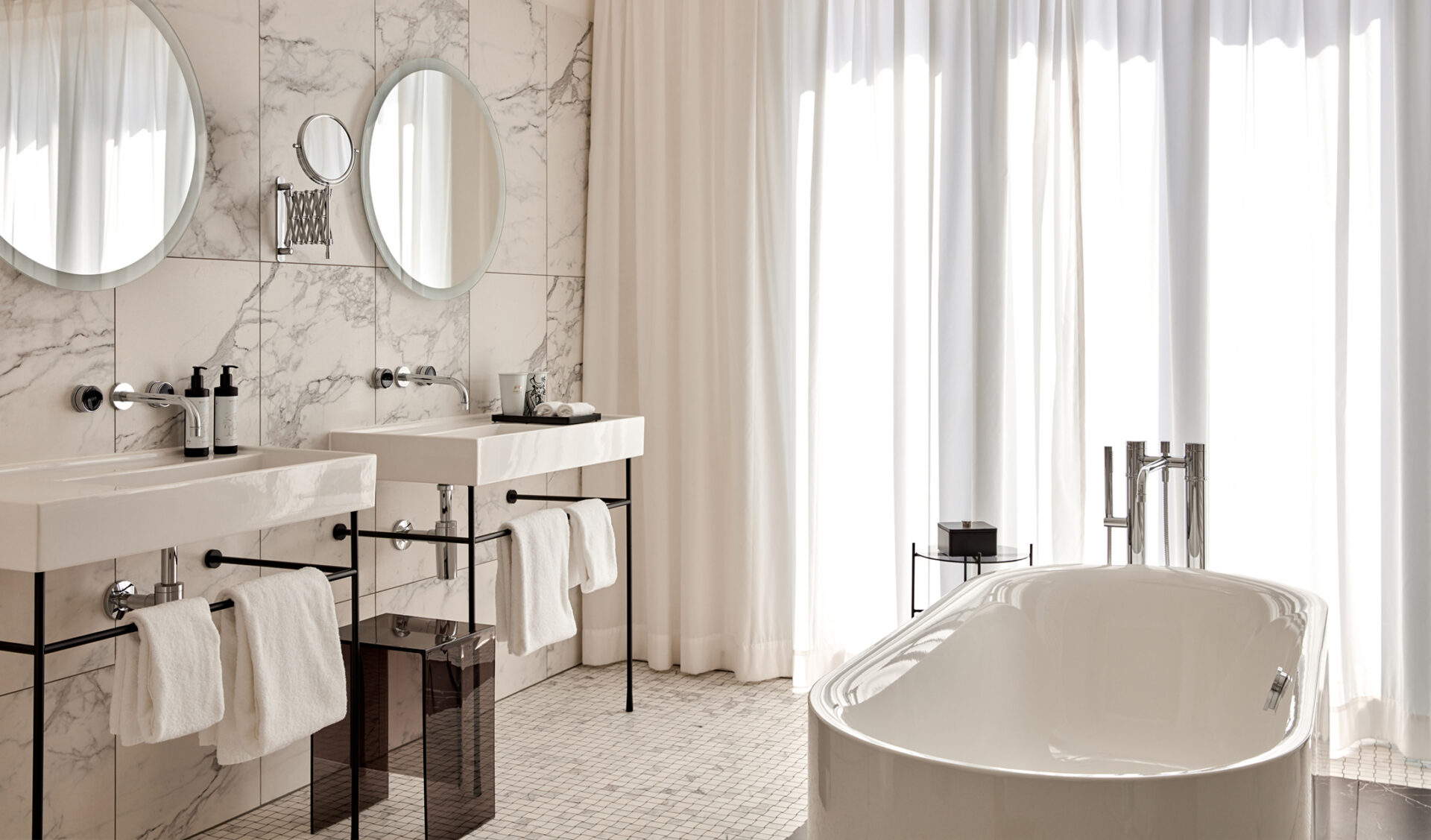
Kate Hume’s richly layered bedrooms combine bespoke wallpaper, brass lighting, plush fabrics and contemporary art — elegant without slipping into predictable heritage luxury.
Food and drink are fundamental to TORTUE: from the French-German Brasserie to seductive Jin Gui and a collection of bars and courtyards that make the hotel a destination for Hamburgers too.
The Stay
TORTUE Hamburg – Germany
The Art of Taking Your Time
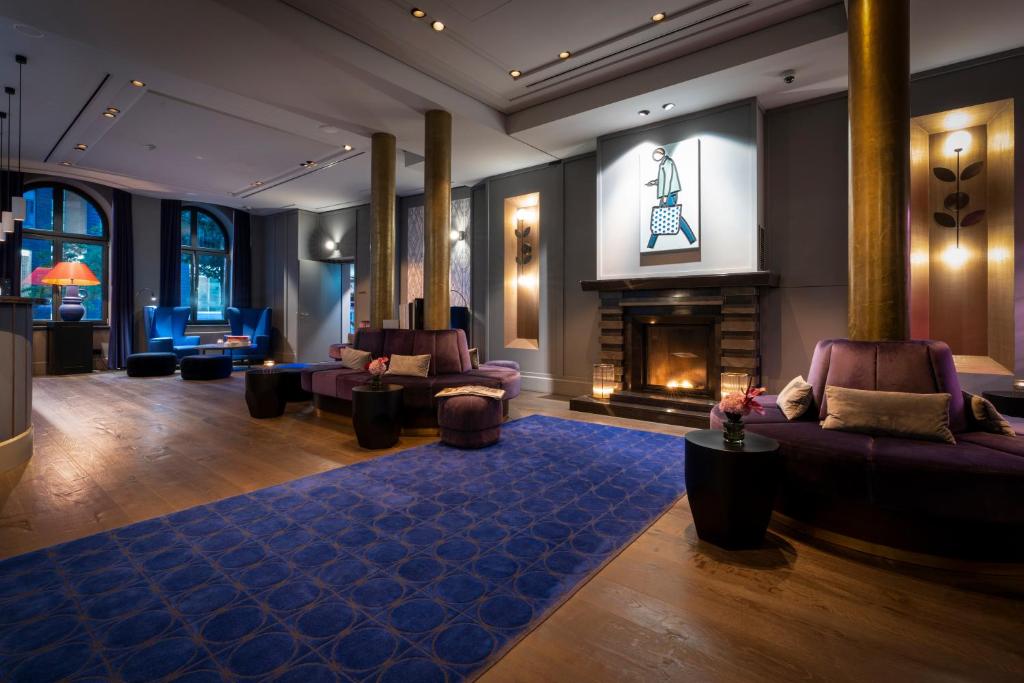
The name tells you something. Tortue means turtle in French, and this is a hotel built around the increasingly unfashionable idea that sometimes it’s better to slow down. Wander. Eat. Drink. Sit in a courtyard longer than planned. It feels particularly appropriate inside Hamburg’s Stadthöfe, a labyrinthine ensemble of historic buildings, passages and courtyards between Neuer Wall and the city’s canals. At its heart stands the imposing former state ministry dating from 1888. Its transformation involved an impressive design cast: David Chipperfield Architects and Hamburg-based Stephen Williams Associates worked on the architectural restoration, while different designers were brought in to create the hotel’s interiors. Rather than forcing everything into one visual language, TORTUE embraces the variety.
Hamburg Architecture, French Attitude
The building itself does much of the heavy lifting. High ceilings, restored columns, arched windows, decorative details and historic masonry give the hotel the proportions of a grand civic institution rather than a conventional boutique property. The restoration took the architecture seriously — even the historic façade required an extensive reconstruction lasting around two and a half years. But TORTUE doesn’t treat history solemnly. Its inspiration partly looks back to Hamburg’s period under French occupation in the early 19th century. The result isn’t an attempt to recreate Napoleonic interiors, but something much looser: a certain Gallic theatricality, sensuality and pleasure in beautiful things. And turtles. The hotel’s emblem appears discreetly throughout, while a large bronze tortoise greets arrivals at the entrance.
Kate Hume’s Rooms
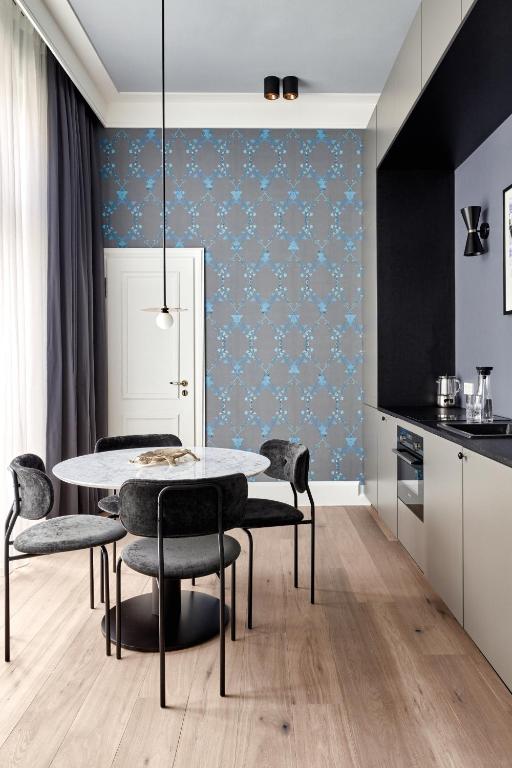
Interior designer Kate Hume was responsible for the guestrooms, and they provide a softer counterpoint to the scale of the architecture. Bespoke wallpapers produced by Amsterdam’s Little Owl Design wrap the rooms in pattern and colour. Brass pendant lights by Areti, tactile upholstery, dark woods and carefully chosen furniture add richness without turning the rooms into period pastiche. Watercolour works by Hamburg artist Anne Katrin Stroeh add another local layer. Some rooms have French balconies; others make the most of the building’s unusually generous ceiling heights. The overall effect is distinctly residential. Not minimalist. Not aggressively contemporary. And definitely not beige. These are rooms designed to have a personality.
A Hotel Built Around Eating and Drinking
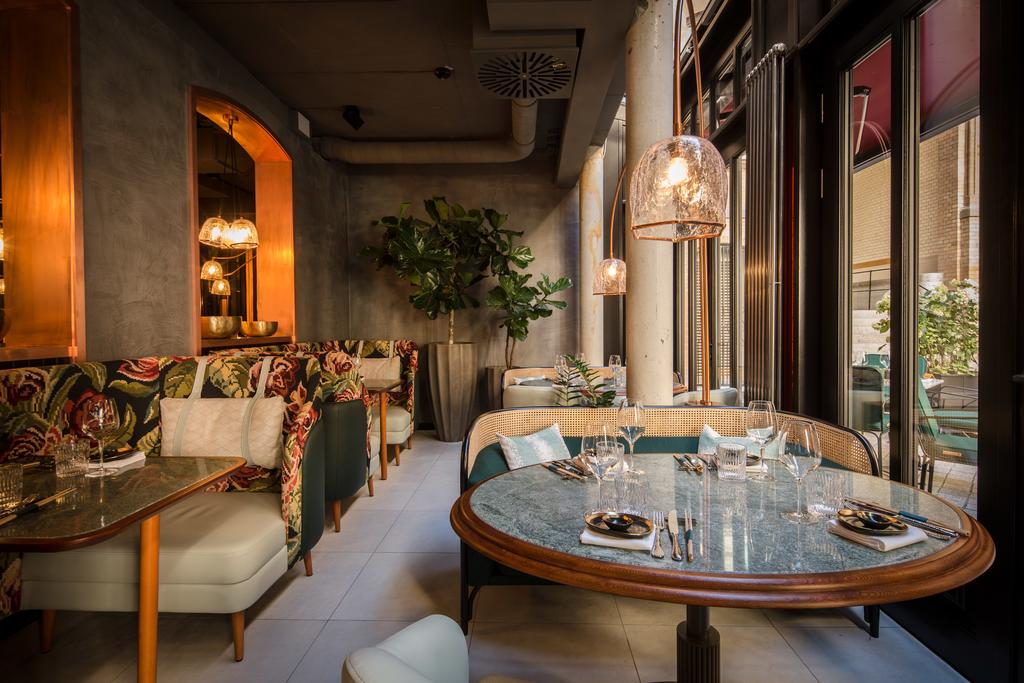
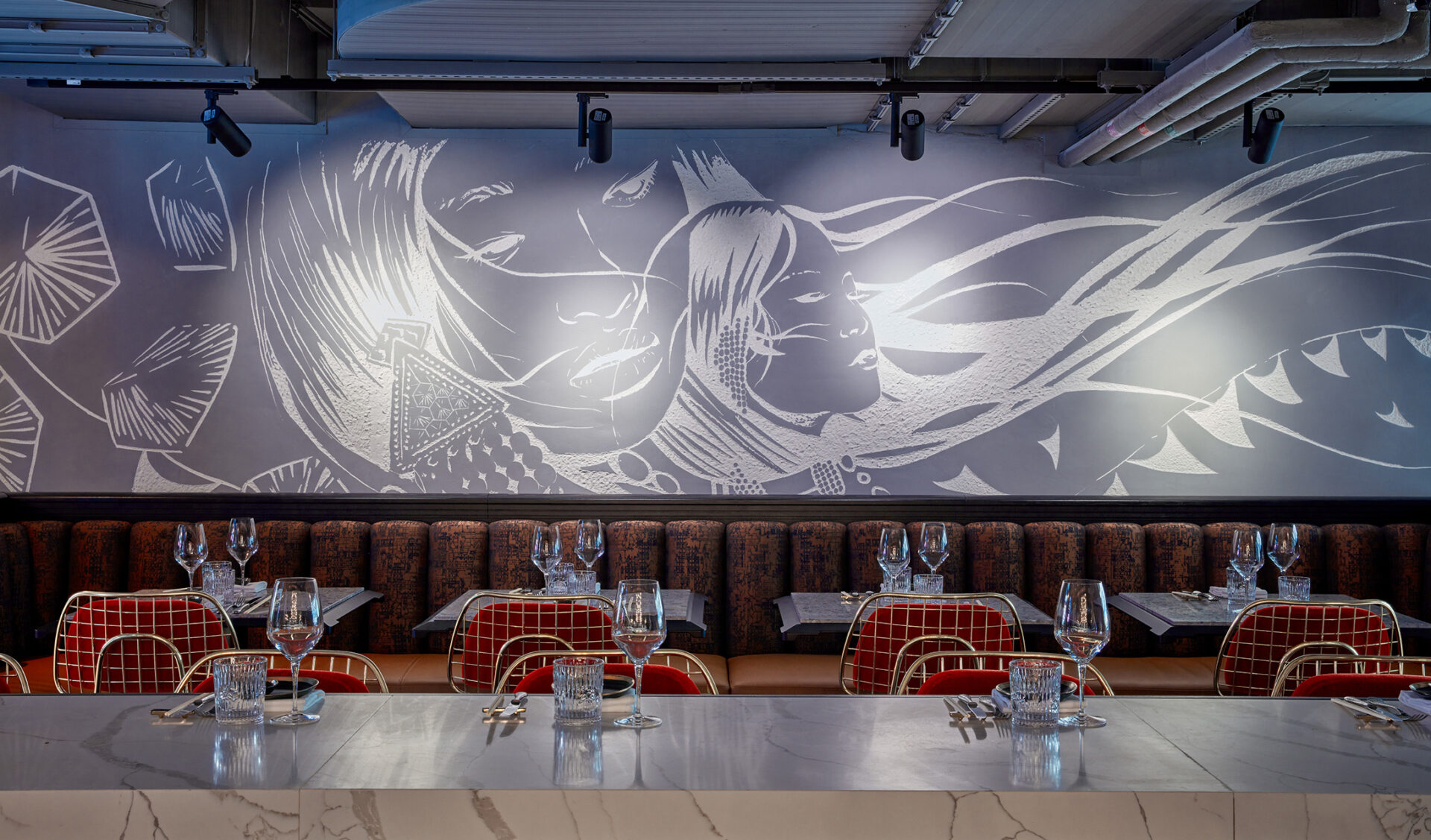
TORTUE really comes alive outside the bedroom. Rather than treating restaurants as amenities for overnight guests, the hotel uses food and drink to connect itself to the city. The Brasserie is the most obviously French expression of the concept: black metro tiles, marble counters, shadowy seating and an open kitchen set the scene for French cooking filtered through Hamburg. It feels glamorous without requiring an occasion. And on weekends, breakfast stretches until 1pm. Perhaps the turtle has a point.
Jin Gui After Dark
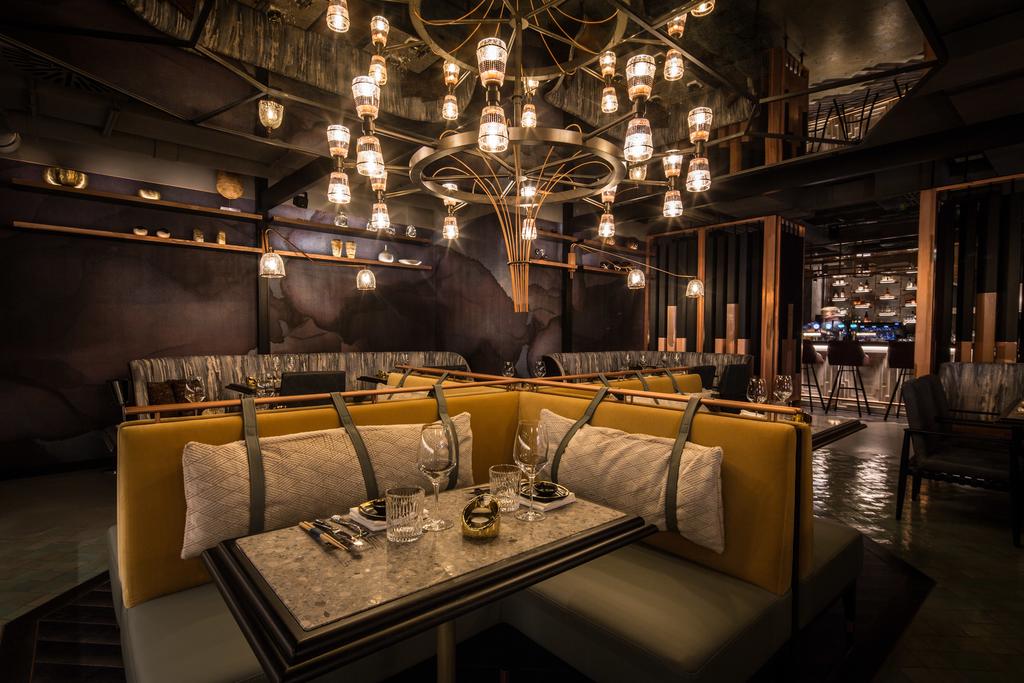
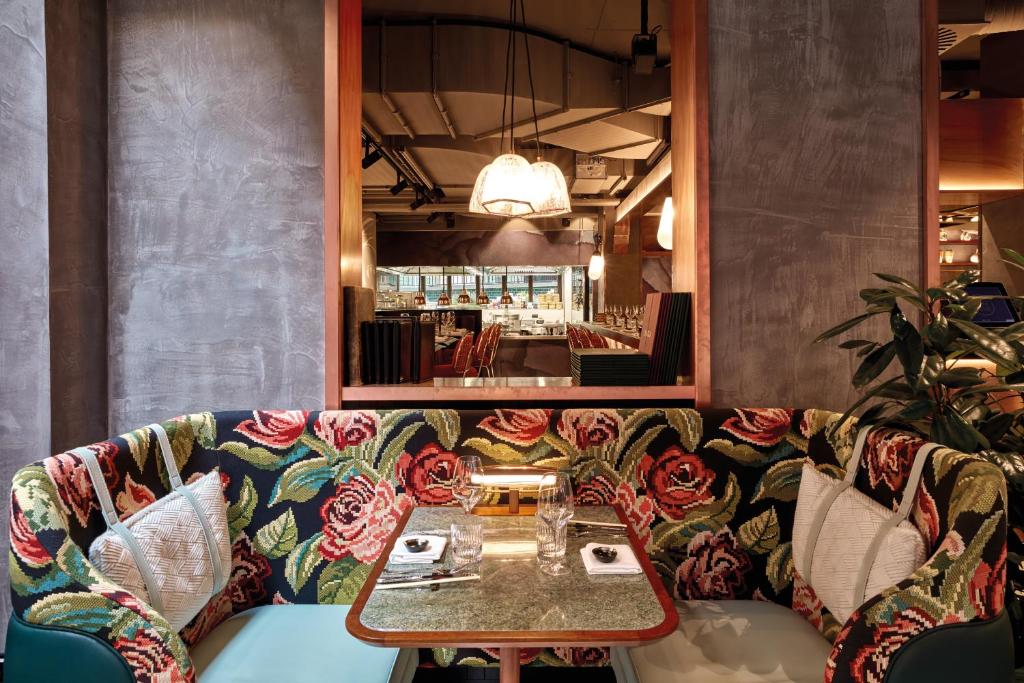
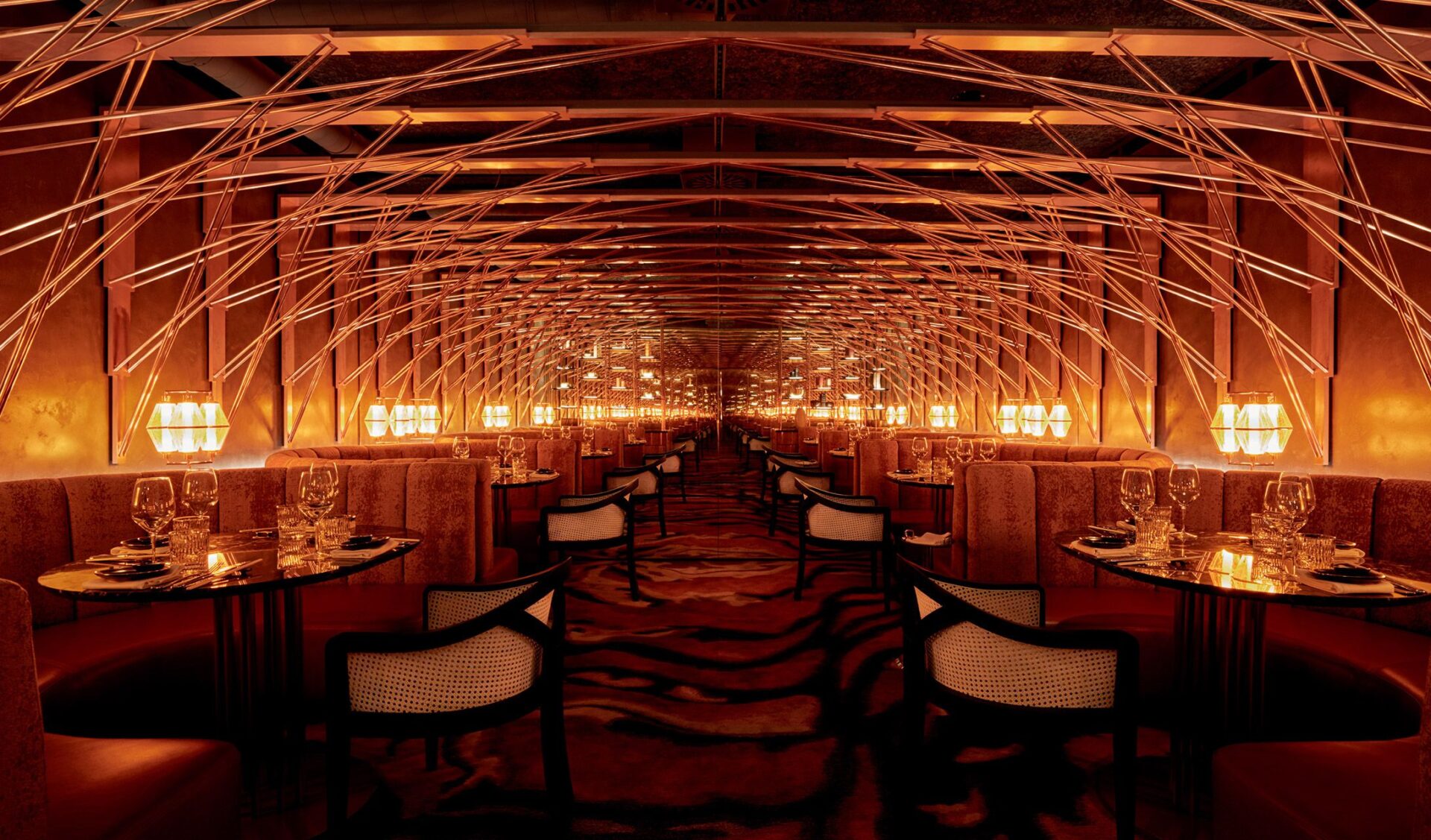
Across the courtyard, the atmosphere changes completely. Jin Gui, designed by Hong Kong-based Joyce Wang, is darker, sexier and more theatrical. Graphic textiles, intimate lighting and deep colours create the backdrop for pan-Asian cooking, from sushi and sashimi to dim sum and more substantial dishes. There’s also a terrace and sunroom facing one of the internal courtyards. This contrast is part of what makes TORTUE interesting. Instead of one restaurant, one bar and one carefully controlled aesthetic, the hotel behaves almost like a small hospitality neighbourhood contained inside a historic building.
Bar Bleu, Bar Noir
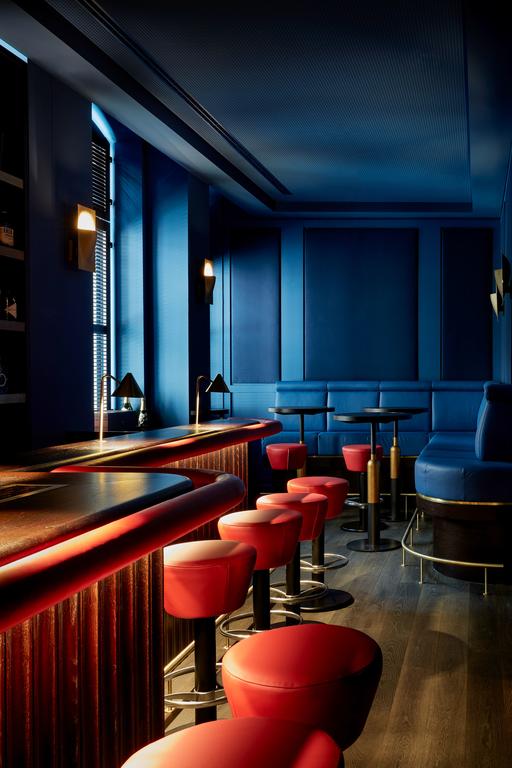
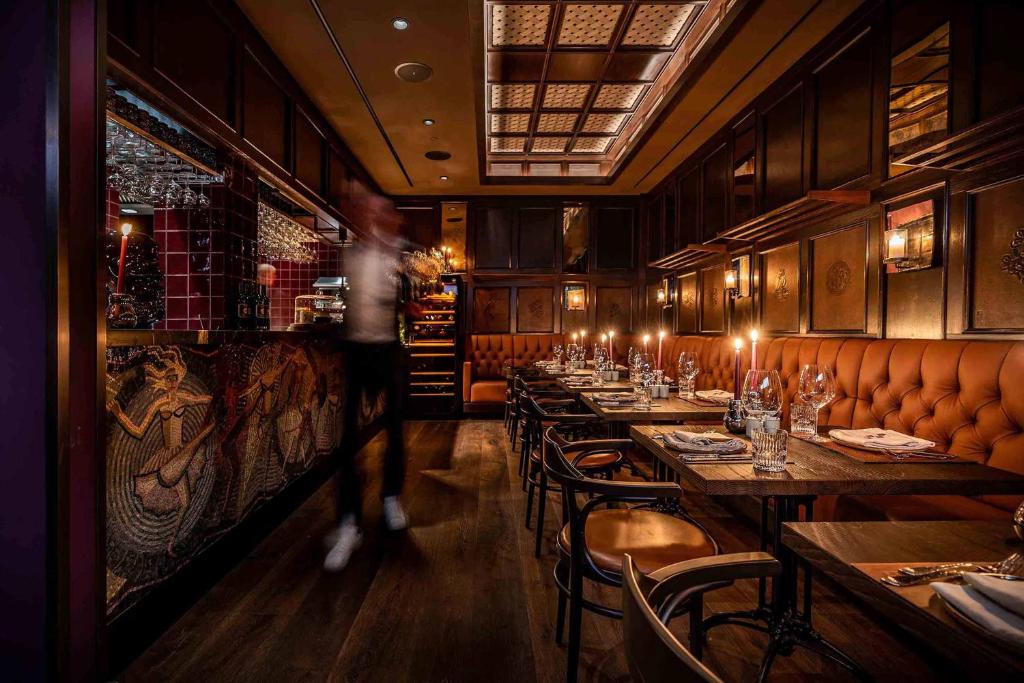
Even the bars have different personalities. Bar Bleu is lighter and more sociable, while Bar Noir, designed by Stephen Williams, takes things in a moodier direction. Then there are courtyards and seasonal outdoor spaces that allow the hotel to expand beyond its interiors when Hamburg weather cooperates. The choice feels deliberate. Hide in a dark corner with a cocktail. Meet friends over dinner. Sit outside for an afternoon that accidentally becomes evening. TORTUE isn’t merely selling rooms. It’s selling reasons not to leave.
A Hotel Inside a New Piece of Hamburg
The setting adds another dimension. The wider Stadthöfe redevelopment connects five historic buildings through four internal courtyards, effectively creating a new quarter within Hamburg’s established city centre. Walk outside and Neuer Wall, Jungfernstieg, Rathaus and the Alster canals are minutes away. Yet once inside the courtyards, the city feels surprisingly distant. That relationship between urban intensity and interior retreat is one of TORTUE’s strongest qualities. You’re emphatically in central Hamburg, but you don’t always feel like it.
Why It Works
TORTUE could easily have become another grand European hotel where historic architecture is paired with expensive furniture and called timeless luxury. Instead, it has humour. And appetite. The combination of Chipperfield and Williams’ architectural restoration, Kate Hume’s decorative bedrooms, Joyce Wang’s seductive restaurant design, contemporary artwork and multiple places to eat and drink gives the property a layered personality unusual for a hotel of this scale. TORTUE Hamburg understands that hospitality can be slightly indulgent, slightly eccentric and considerably more enjoyable when nobody is rushing you. Come for the architecture, stay for dinner, order another drink and forget whatever you were supposed to be doing next. The turtle would approve.
Information
At a glance
Opened / Renovated
2018
Size matters
129 rooms, including 8 suites (21-60m2) (226-646 sq ft)
Interior design
Featured in
Don't take our word for it





Handpicked worldwide
A carefully curated collection of exceptional boutique and design hotels across the globe.
Design with soul
Architecture, atmosphere and craftsmanship come together in stays with a clear identity.
Hidden, not hyped
Independent boutique hotels you rarely find on mainstream booking platforms.
Travel guidance
Personal recommendations and thoughtful support from people who actually know the places.