



Where to Stay
Boutique & Design Hotels in Beijing
The DNA of Beijing
Where Imperial China Meets Radical Reinvention
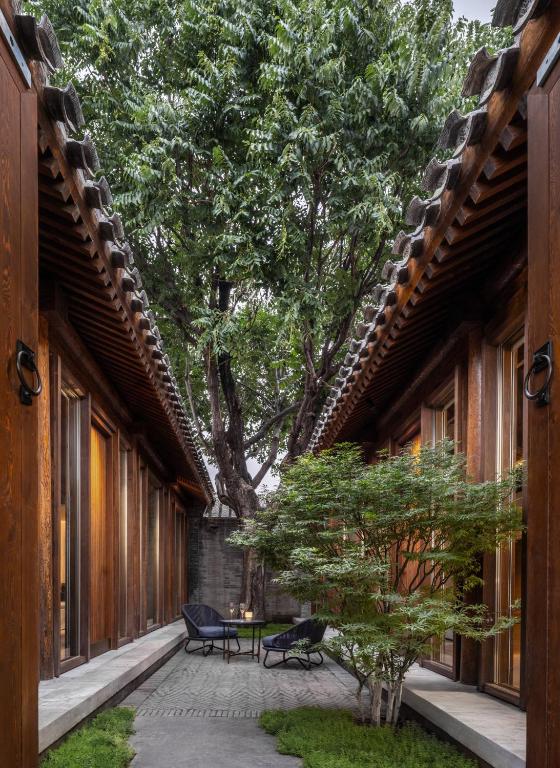
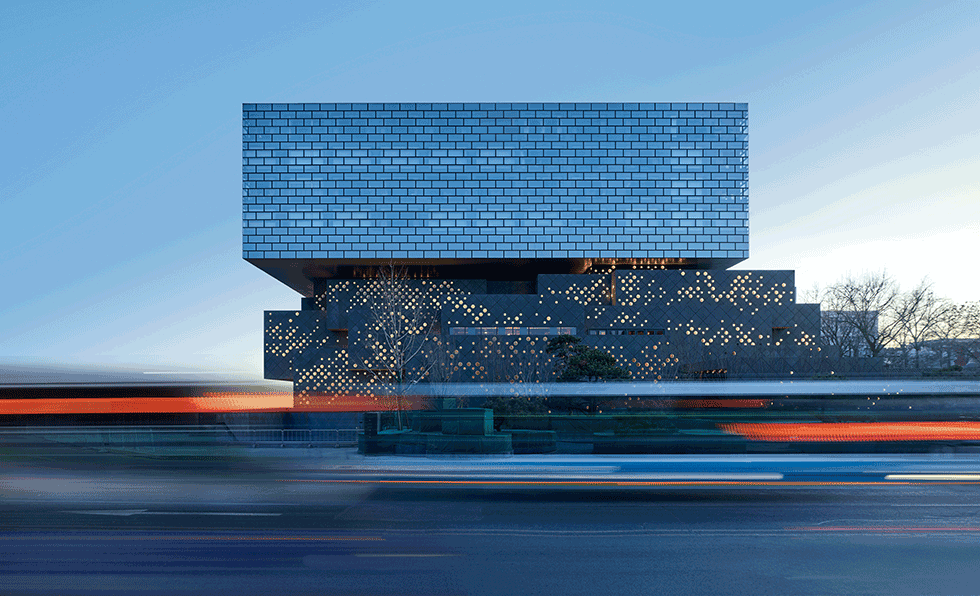
Beijing is a city of extraordinary architectural collisions. The Forbidden City, imperial temples, courtyard houses and narrow hutong lanes preserve the spatial logic of an ancient capital, while monumental Socialist architecture, experimental contemporary buildings and relentless redevelopment tell a very different story. Architects including Ai Weiwei, Ma Yansong and international practices have used Beijing as a testing ground for new ideas, but some of the city’s most compelling spaces remain its traditional siheyuan courtyard houses—particularly when sensitively adapted rather than replaced. Few cities make the tension between preservation and reinvention so visible.
Food and drink offer an equally deep route into the city. Peking duck may be the famous introduction, but Beijing’s culinary identity extends from noodles, dumplings and lamb hotpot to tiny neighbourhood restaurants representing cuisines from across China. Historic food traditions now coexist with contemporary Chinese restaurants, specialty coffee, natural wine and an increasingly sophisticated cocktail culture, often hidden behind anonymous doors in converted hutong buildings. Tea remains fundamental, whether encountered through traditional tea houses or younger designers giving ancient rituals a more contemporary setting.
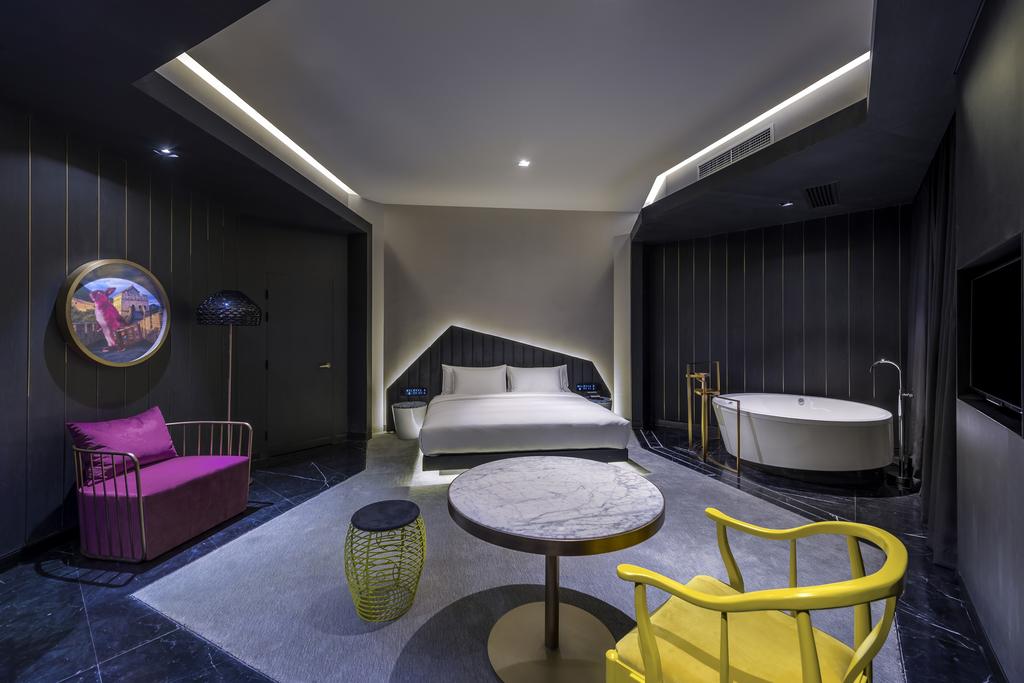
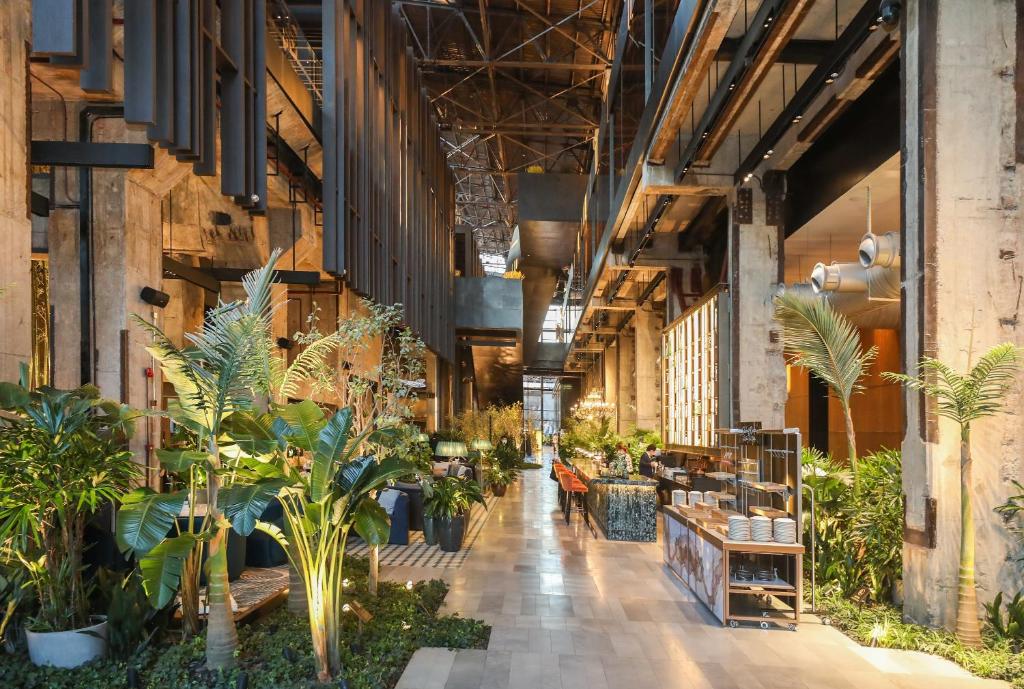
Beijing’s most interesting hotels reveal these different architectural layers particularly well. Restored courtyard houses, former industrial buildings and highly conceptual contemporary hotels offer alternatives to the city’s enormous international luxury properties, with architecture, art and literature sometimes becoming the central idea behind the stay. At DNA Hotels, we curate the places where design, food, history and Beijing’s restless creative energy come together—hotels that allow you to experience one of the world’s oldest capitals as a city still constantly inventing its future.