



Where to Stay
Boutique & Design Hotels in Siem Reap
The DNA of Siem Reap
Where Khmer Heritage Meets Tropical Contemporary Design
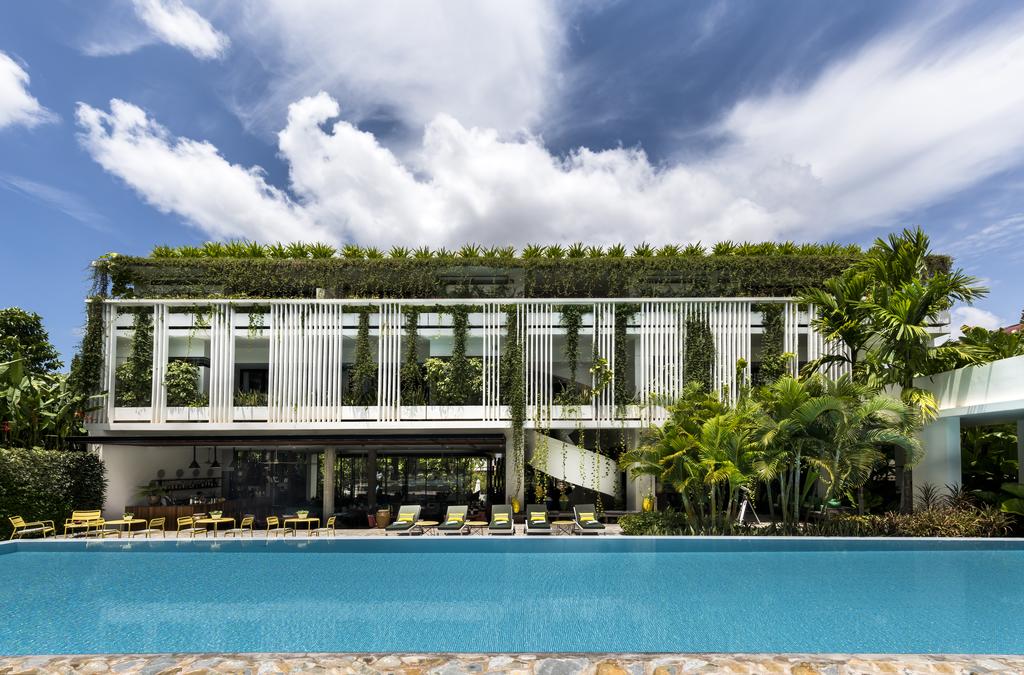
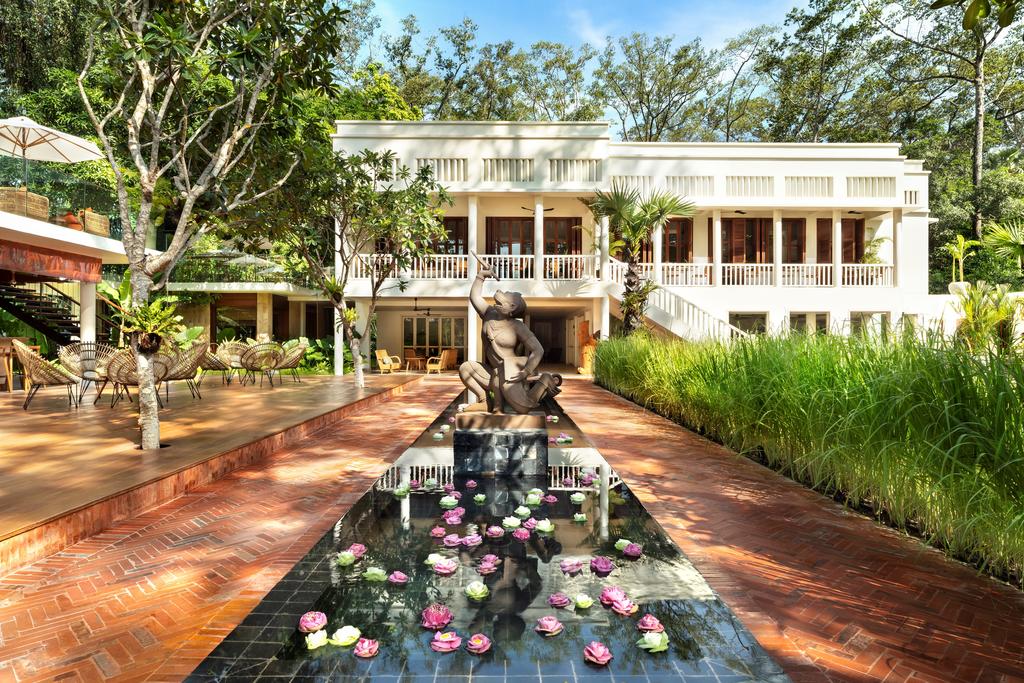
Siem Reap is inseparable from Angkor, but the city has developed an architectural identity that extends well beyond its extraordinary temples. Angkor Wat, Bayon and Ta Prohm reveal the ambition of the Khmer Empire, while French colonial buildings, traditional timber houses and tropical gardens add later layers to the landscape. Cambodia’s remarkable New Khmer Architecture movement brought Modernist ideas into dialogue with local climate and culture during the 1950s and ’60s, led by architects such as Vann Molyvann. Today, a new generation is again exploring courtyards, shade, water, local materials and craftsmanship to create a distinctly Cambodian form of contemporary design.
Food and drink provide another way into Khmer culture. Cambodian cooking draws on freshwater fish from Tonlé Sap, rice, herbs, fermented ingredients and an extraordinary variety of tropical produce, with dishes such as amok providing only the most familiar introduction. Siem Reap now combines markets, street food and traditional Khmer restaurants with ambitious contemporary kitchens rediscovering regional recipes and working with local farms. A growing café and cocktail culture adds another dimension, while restaurants with social-enterprise models have helped connect hospitality more directly with the surrounding community.
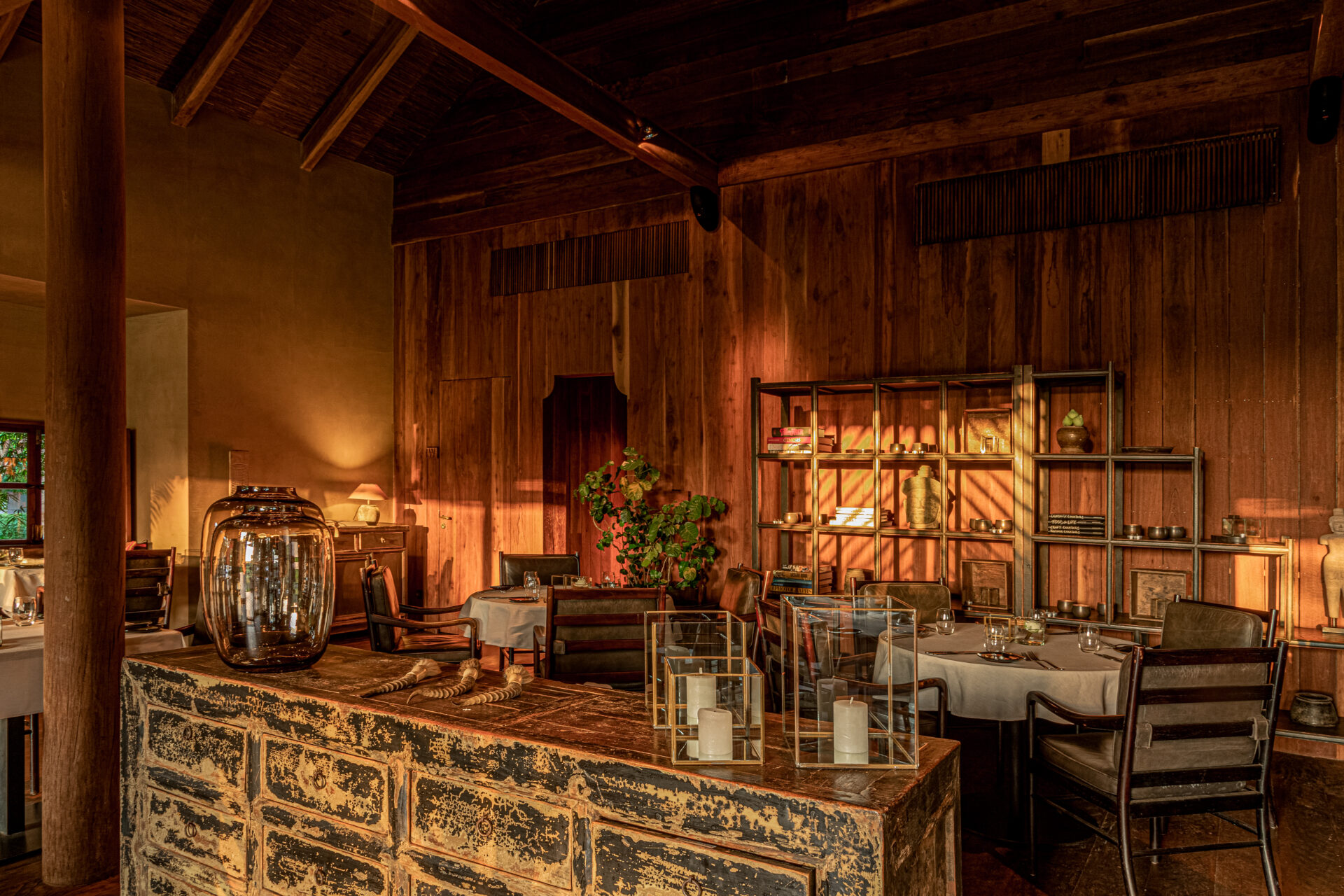
Siem Reap’s most interesting hotels are often destinations in themselves. Tropical Modernist landmarks, intimate garden hotels, contemporary retreats and properties inspired by traditional Cambodian villages use architecture, art and landscape to create an experience that continues long after returning from the temples. At DNA Hotels, we curate the places where design, food, culture and Khmer heritage come together—hotels that reveal why Siem Reap deserves to be experienced as much more than simply the gateway to Angkor.