


Where to Stay
Boutique & Design Hotels in and near Bordeaux
The DNA of Bordeaux
Where 18th-Century Grandeur Meets a New Creative Energy
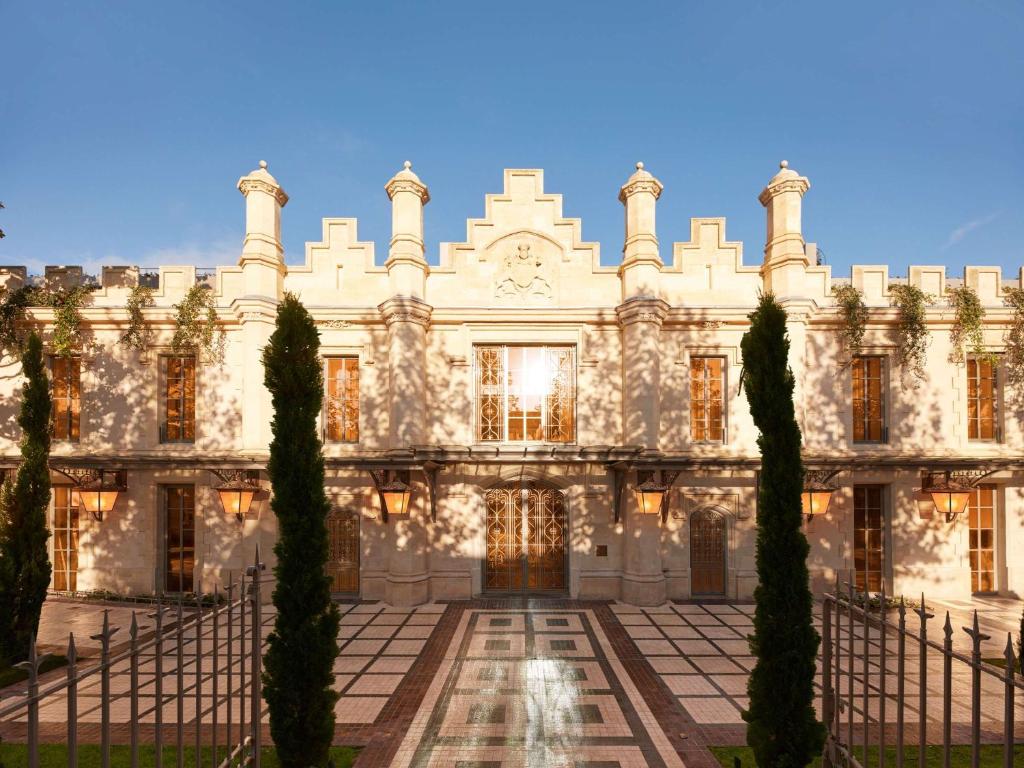
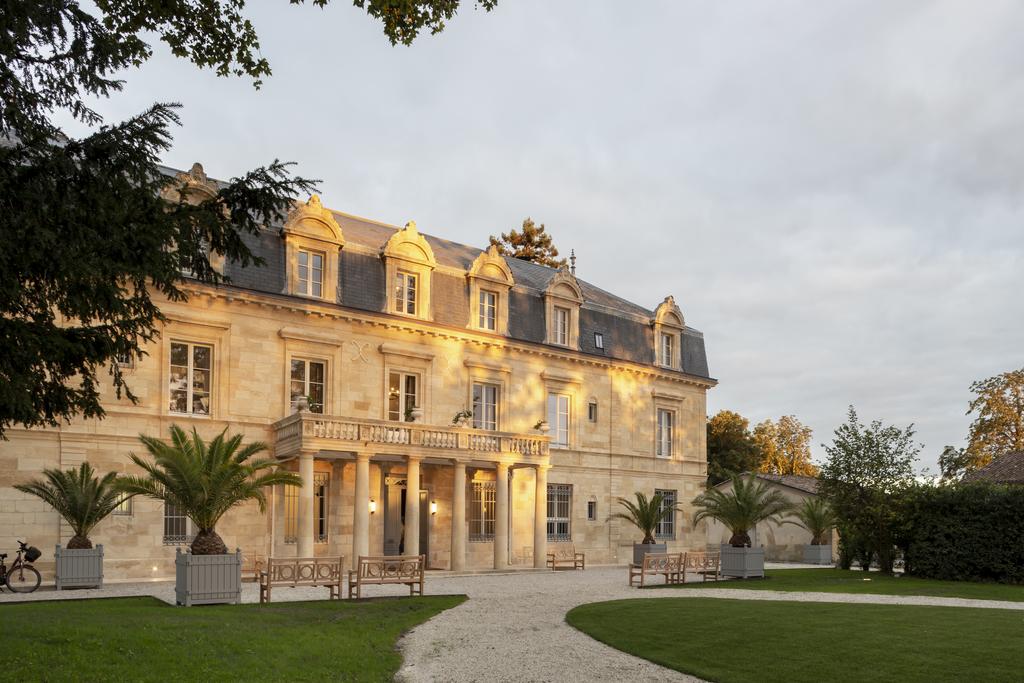
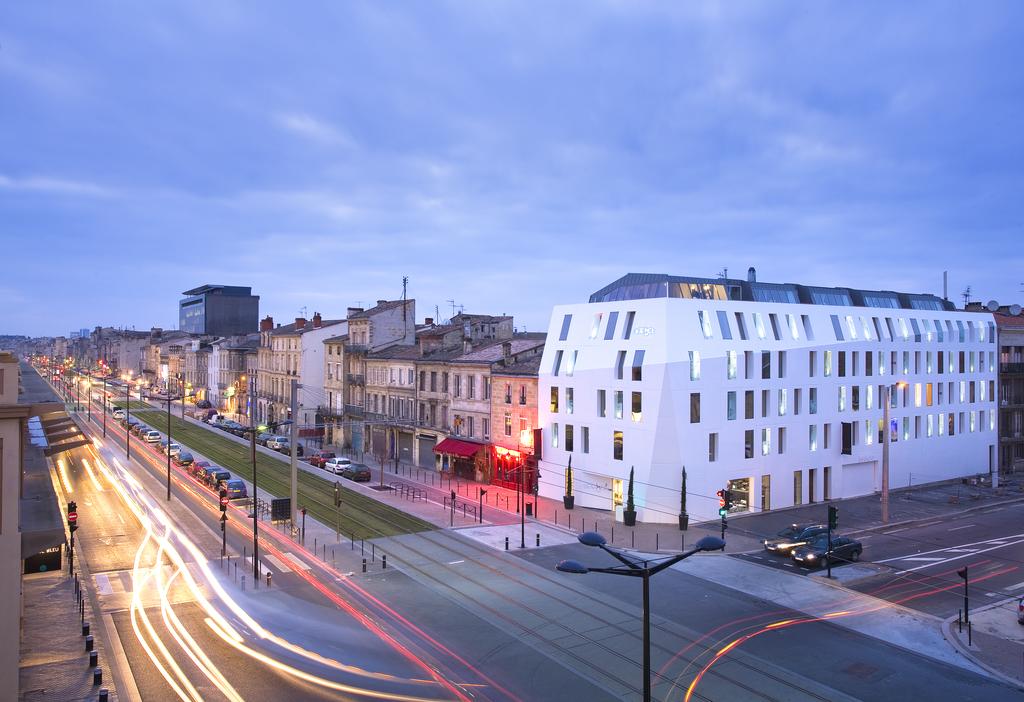
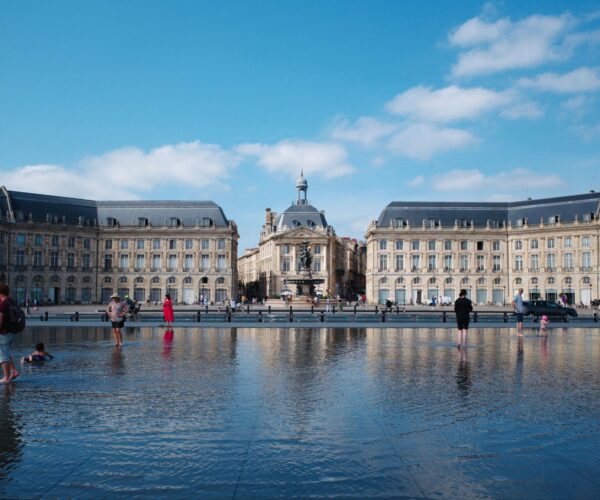
Bordeaux wears its history with remarkable elegance. Honey-coloured limestone façades, monumental squares and grand 18th-century townhouses give the city an architectural unity that once earned it the nickname La Belle Endormie—the Sleeping Beauty. But Bordeaux has long since woken up. Former warehouses and industrial spaces along the Garonne have been reinvented, contemporary architecture has reshaped the riverfront and neighbourhoods beyond the historic centre bring a younger, more experimental energy to a city once defined primarily by its wine trade.
Food and drink are impossible to separate from Bordeaux. Some of the world’s most celebrated vineyards begin just beyond the city, making wine bars, historic merchants and contemporary caves part of everyday life rather than simply a tourist attraction. Yet the food scene deserves equal attention. Traditional bistros and covered markets coexist with ambitious chef-led restaurants, natural wine bars and relaxed neighbourhood kitchens, drawing on Atlantic seafood, produce from southwest France and the extraordinary ingredients of the surrounding region.
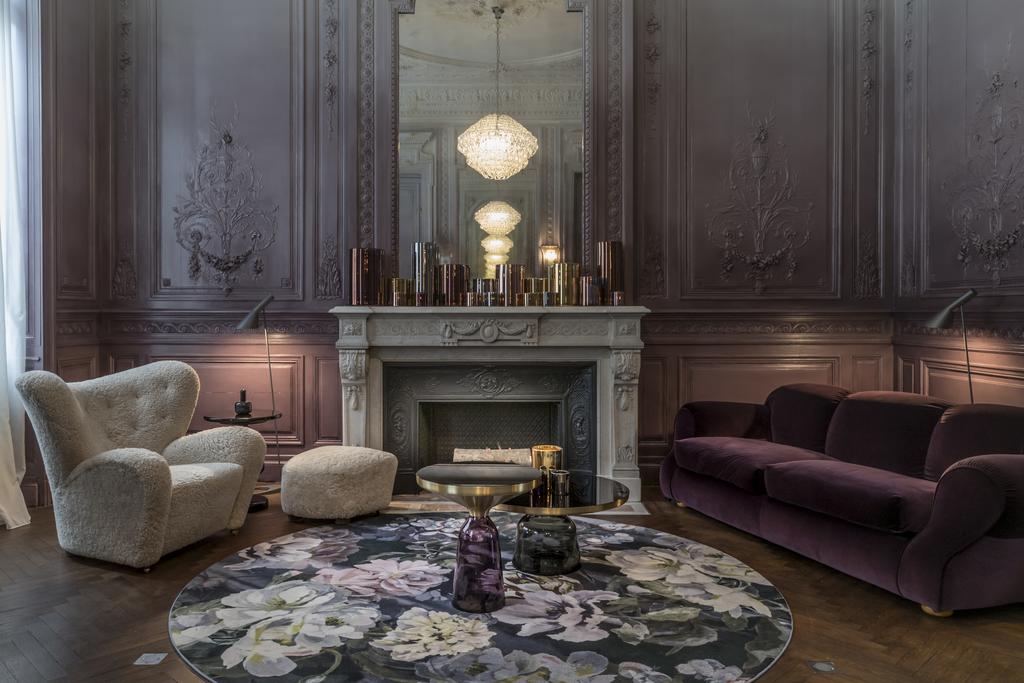
Bordeaux’s most interesting hotels reflect the city’s shift from formal grandeur towards something more individual. Historic hôtels particuliers, former wine merchants’ houses and beautifully restored townhouses now sit alongside contemporary design hotels and vineyard retreats just outside the city. At DNA Hotels, we curate the places where architecture, food, wine and local character become inseparable—hotels that reveal Bordeaux as much more than a beautiful base from which to visit the vineyards.