



Where to Stay
Discover Egypt through its Hotels
The DNA of Egypt
Where Ancient Monuments Meet Desert Modernism
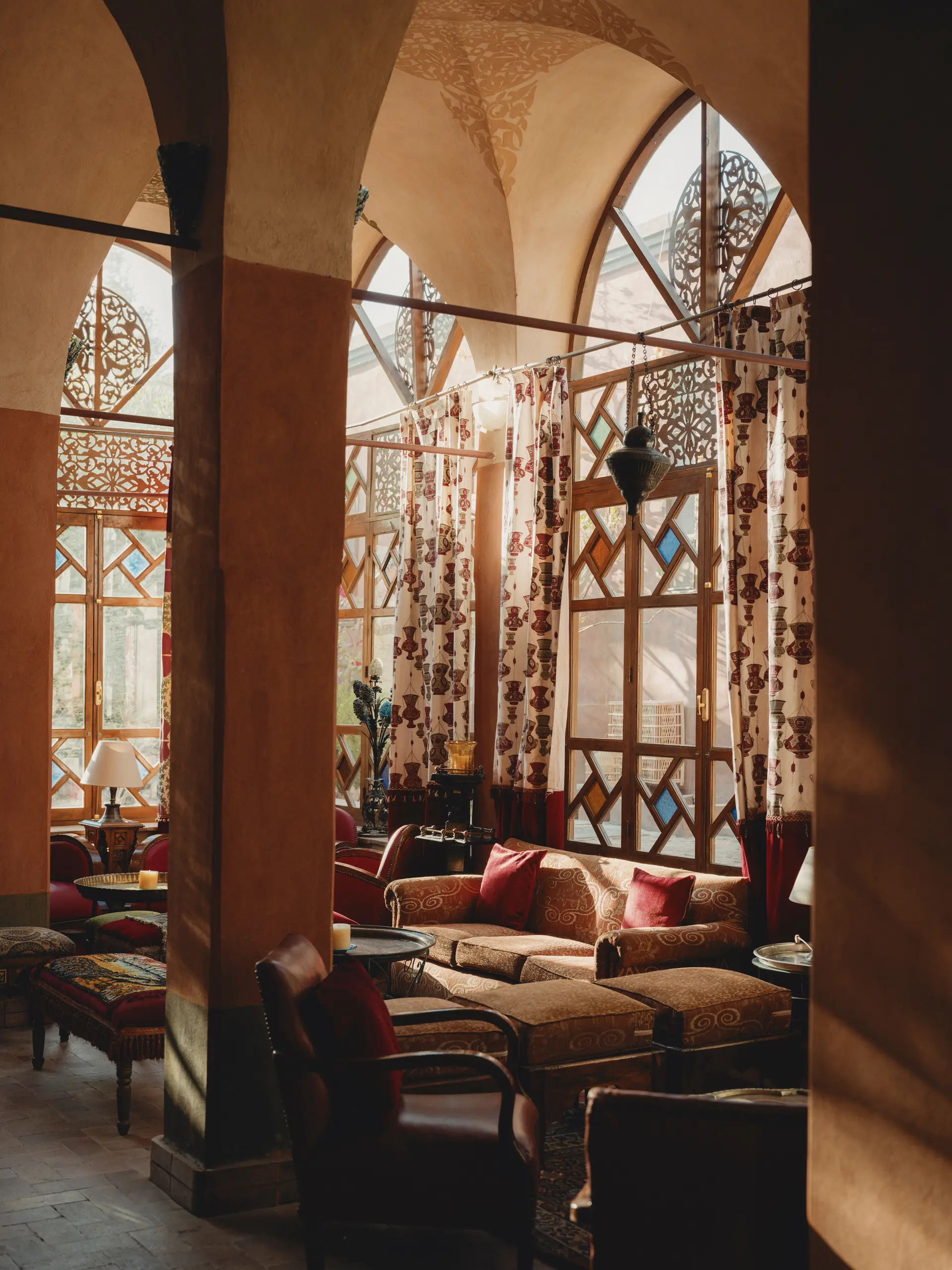
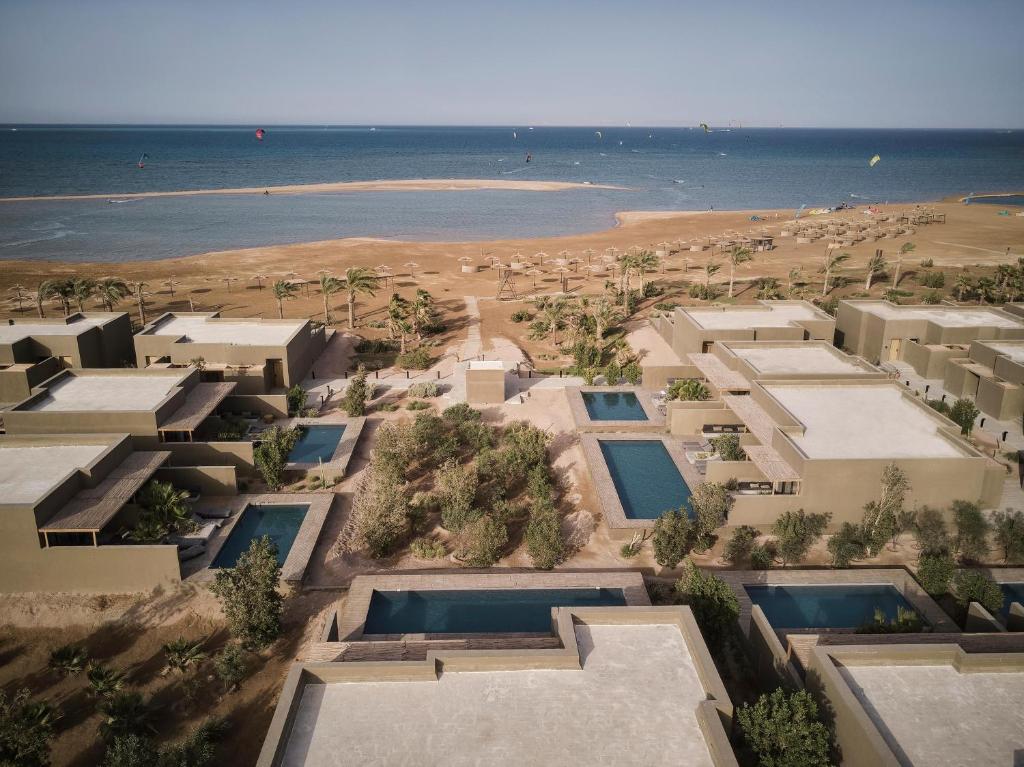
Egypt’s architectural story spans thousands of years and remains almost impossible to separate from the landscape. The pyramids of Giza, temples of Luxor and tombs of the Nile Valley provide the monumental introduction, but Cairo adds layers of Islamic architecture, Ottoman houses, Belle Époque apartment buildings and striking 20th-century Modernism. Alexandria brings its own Mediterranean history, while Nubian villages and desert settlements reveal entirely different traditions of colour, mud brick and climate-responsive building. Contemporary Egyptian architects are increasingly looking back to these vernacular ideas—courtyards, shade, natural ventilation and local materials—to create architecture rooted in place rather than imported ideas of luxury.
Food and drink offer a much more everyday route into Egyptian culture. Ful medames, koshari, ta’ameya, grilled meats and richly spiced vegetables belong to a cuisine shaped by the Nile, North Africa and the wider Middle East. Cairo’s street food and historic cafés coexist with a growing generation of contemporary restaurants, while the Red Sea and Mediterranean bring seafood into the story. Tea and strong coffee remain essential social rituals, and long meals often reveal more about Egyptian hospitality than any formal dining room ever could.
Egypt’s most interesting hotels range from legendary grand hotels and historic city addresses to desert lodges, Nile retreats and contemporary properties overlooking landscapes that have attracted travellers for centuries. The best use architecture, craft, gardens and local materials to create a genuine connection with their surroundings rather than turning ancient Egypt into decoration. At DNA Hotels, we curate the places where architecture, food, history and landscape come together—hotels that reveal an Egypt far richer than pyramids and pharaohs, and where the past becomes most compelling when it is allowed to converse with the present.