


Where to Stay
Discover Maastricht through its Hotels
The DNA of Maastricht
Where European History Meets Burgundian Dutch Life
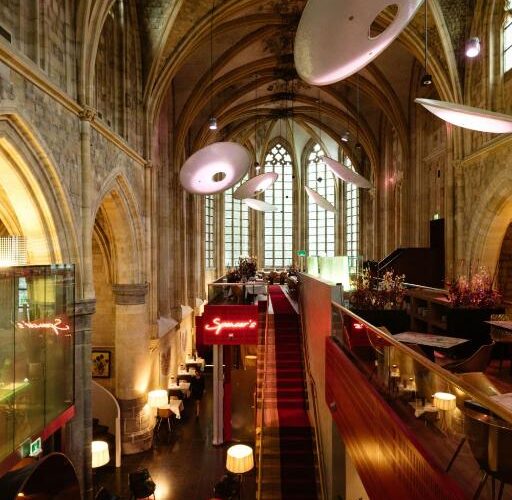
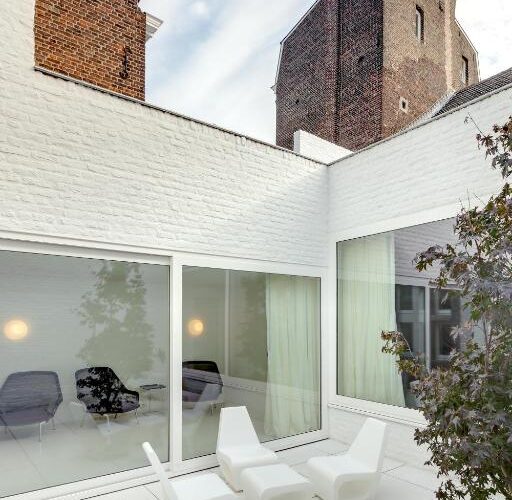
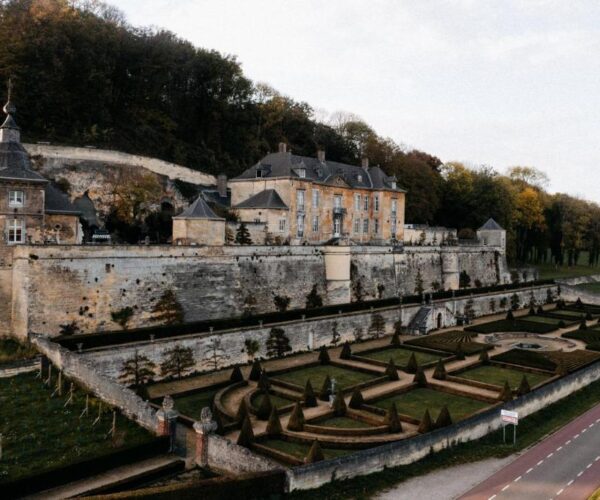
| Maastricht feels unlike almost anywhere else in the Netherlands. Built on both banks of the Meuse and surrounded by the hills of South Limburg, the city layers Roman foundations, medieval fortifications, Romanesque churches, limestone townhouses and grand 18th- and 19th-century architecture into an unusually compact centre. Former monasteries, convents, factories and military buildings have proved particularly fertile ground for adaptive reuse, while contemporary interventions by architects including Wiel Arets add a distinctly modern layer. Maastricht’s position between Belgium and Germany has always made it feel more European than conventionally Dutch.
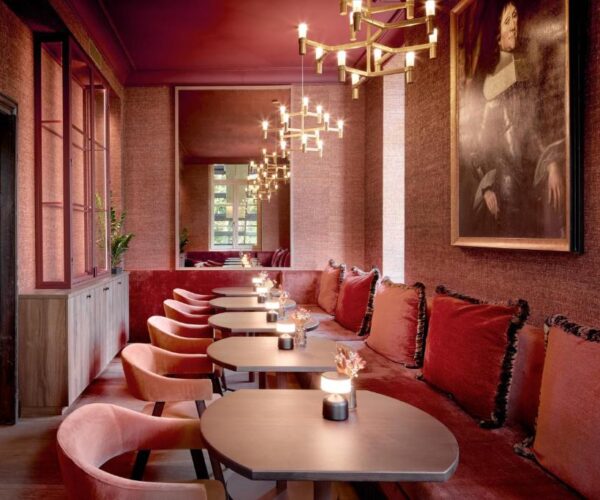
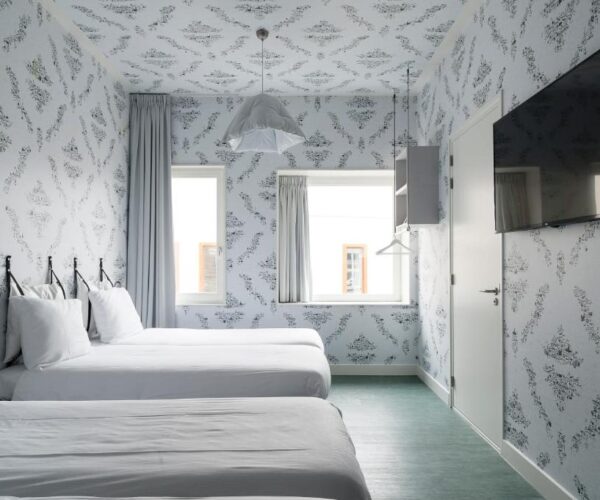
Food and drink are fundamental to the city’s identity. Maastricht takes its reputation for Burgundian living seriously, with cafés, bakeries, wine bars and restaurants playing an unusually prominent role in everyday life. Limburg’s culinary traditions meet influences from Belgium, France and Germany, while the surrounding hills produce asparagus, fruit and some of the Netherlands’ most interesting wines. The limestone soils around Maastricht have proved particularly suited to sparkling wine, Pinot Noir and white varieties, making vineyard visits a surprisingly natural extension of a city stay. Maastricht’s most interesting hotels make exceptional use of its architectural inheritance. Former monasteries, historic townhouses, industrial buildings and intimate urban properties combine centuries-old structures with contemporary Dutch design, art and a relaxed approach to hospitality. At DNA Hotels, we curate the places where architecture, food, wine and Maastricht’s cross-border character come together—hotels that capture a city where Dutch design meets a distinctly southern pleasure in eating, drinking and taking your time. |