



Where to Stay
Boutique & Design Hotels in the Cotswolds
The DNA of the Cotswolds
Where English Country Heritage Meets Contemporary Rural Design
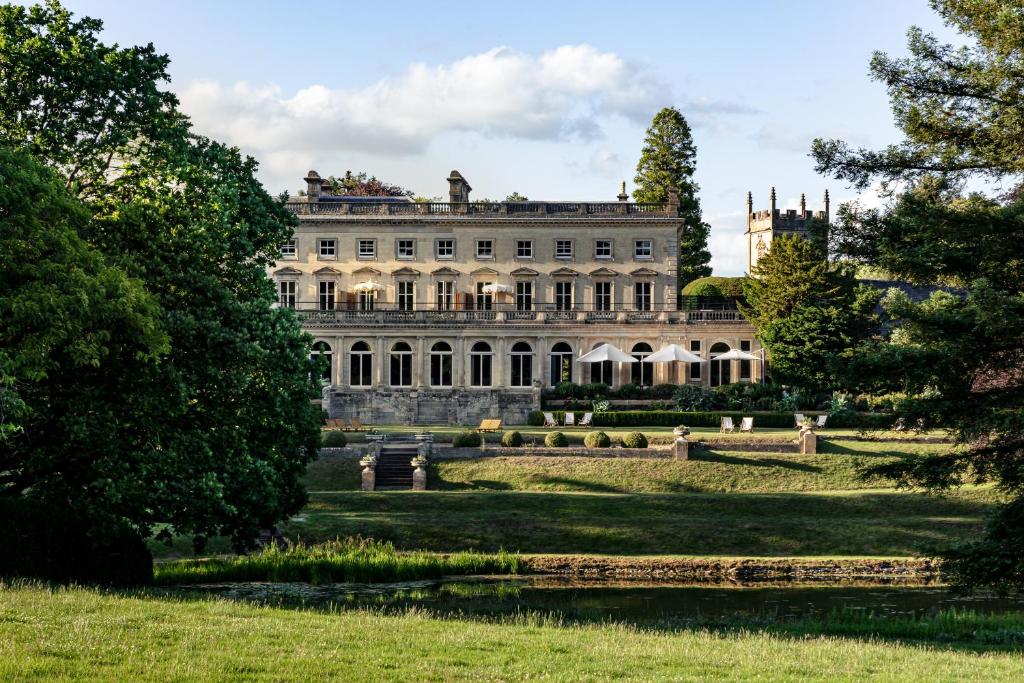
The Cotswolds are the England of honey-coloured stone, rolling hills, dry-stone walls and villages that appear almost impossibly picturesque. Medieval wool wealth created churches, manor houses and market towns across the region, while centuries of country-house architecture left another extraordinary layer of estates and gardens. The Arts and Crafts movement has particularly deep roots here: William Morris made Kelmscott Manor his country home, while designers and architects including Ernest Gimson and the Barnsley brothers found inspiration in local materials and craftsmanship. Today, restored farm buildings and contemporary rural architecture continue that conversation between making, landscape and place.
Food and drink have become as compelling as the scenery. Farm shops, kitchen gardens, artisan cheesemakers and small producers supply a remarkable concentration of pubs and restaurants, from fireside village inns to Michelin-starred destination dining. The modern British gastropub feels particularly at home here, while estates and farms increasingly connect restaurants directly to what is grown or raised around them. Local breweries, English sparkling wine and excellent bakeries add to a food culture where a long lunch can very easily become the main event of the day.
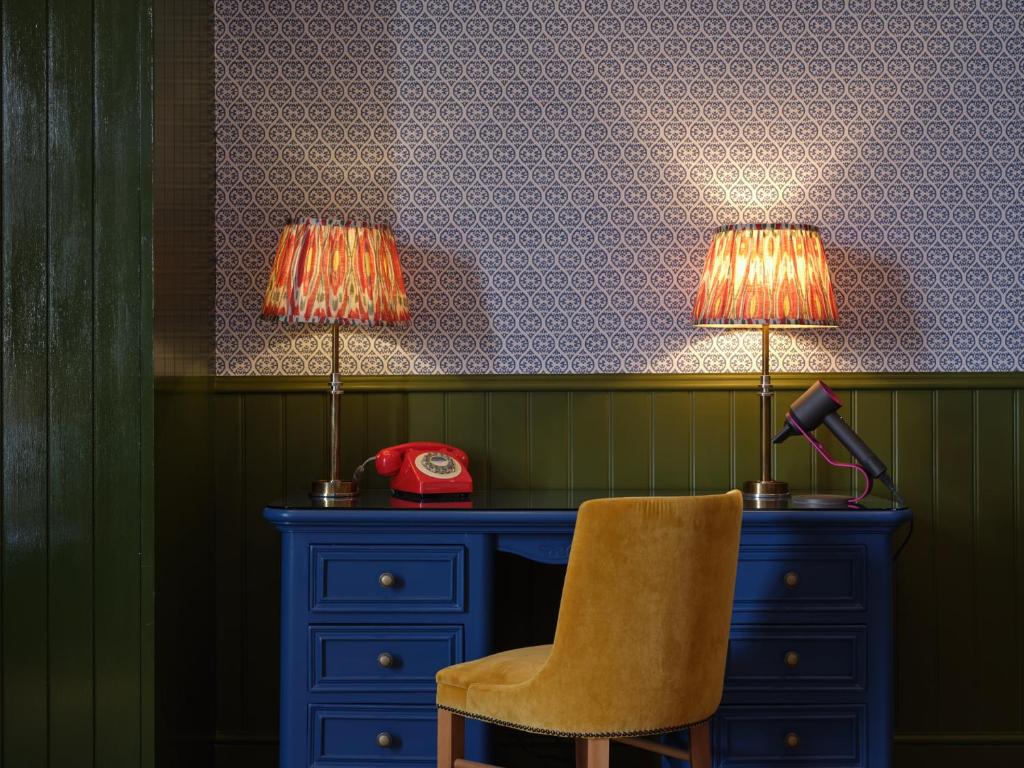
The Cotswolds’ most interesting hotels make exceptional use of this architectural inheritance. Manor houses, coaching inns, former rectories and farmsteads are being reinvented with contemporary British design, gardens, serious restaurants and a more relaxed interpretation of country-house hospitality. At DNA Hotels, we curate the places where architecture, food, craft and landscape come together—hotels that capture the romance of the English countryside without turning it into another exercise in floral wallpaper and nostalgia.