


Where to Stay
Discover Brazil through its Hotels


The DNA of Brazil
Where Tropical Modernism Meets Cultural Exuberance
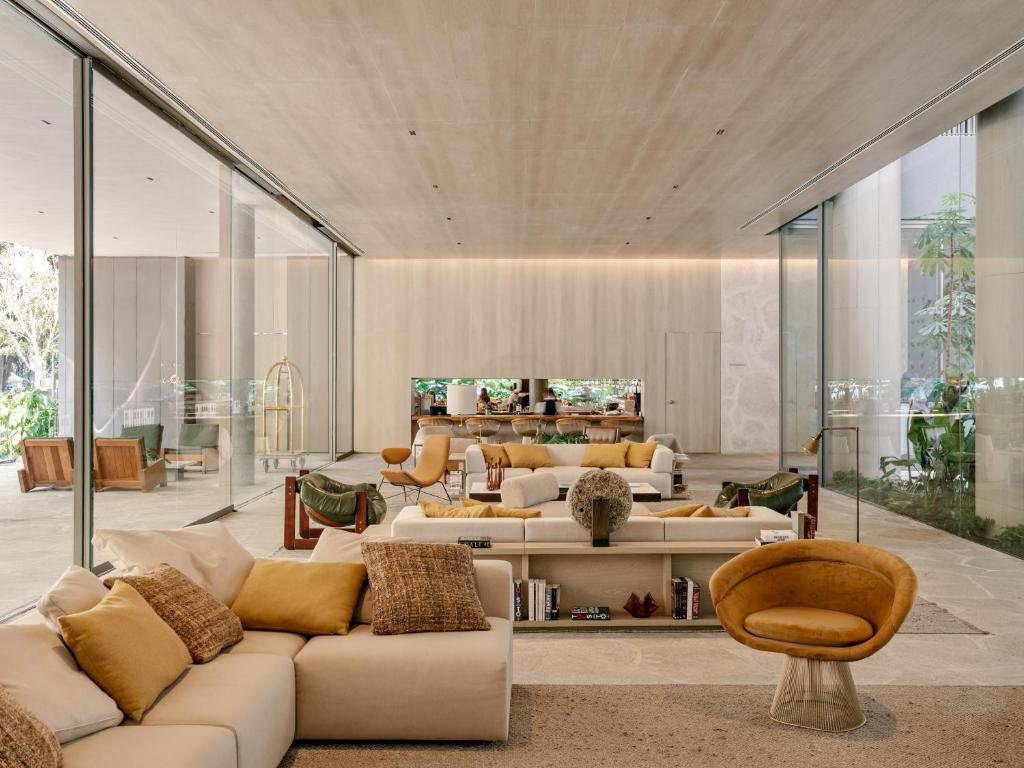
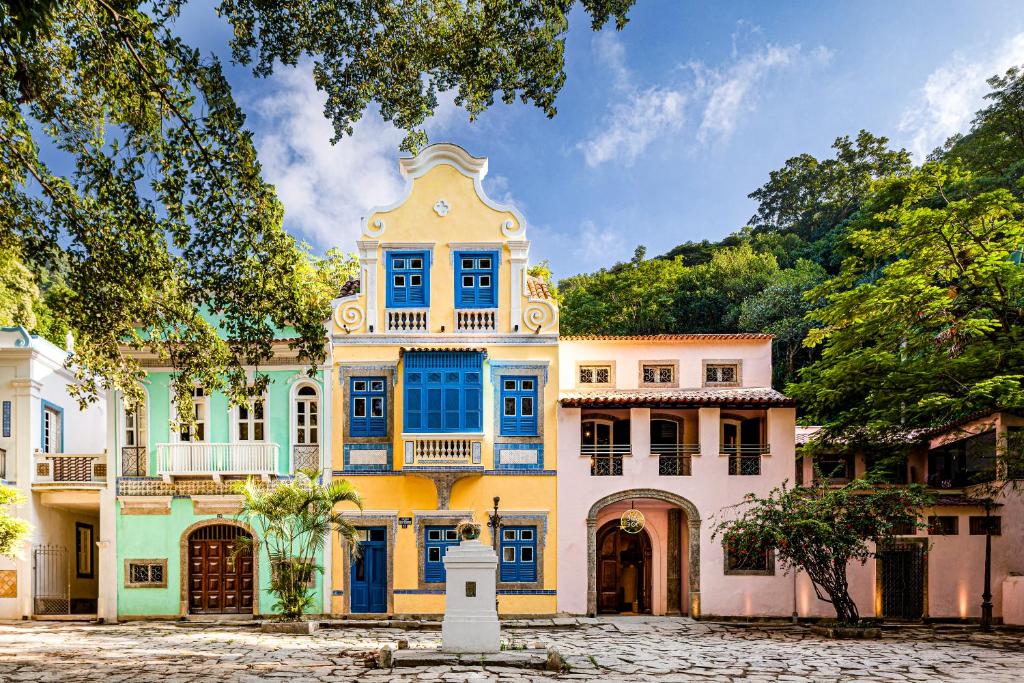
Brazil has one of the world’s great architectural identities. Portuguese colonial towns and Baroque churches coexist with an extraordinary Modernist legacy shaped by Oscar Niemeyer, Lúcio Costa, Lina Bo Bardi and Roberto Burle Marx. Brasília turned Modernism into an entire city, while Rio de Janeiro and São Paulo became laboratories for concrete, landscape and radically different ideas about tropical living. Beyond the great cities, contemporary Brazilian architects continue to work with shade, vegetation, raw materials and indoor-outdoor space, creating buildings that respond to a country stretching from Atlantic beaches and rainforest to mountains and immense interior landscapes.
Food and drink are just as regional and diverse. Bahia’s Afro-Brazilian cooking, Amazonian ingredients, Minas Gerais comfort food and the cosmopolitan restaurants of São Paulo belong to entirely different culinary worlds. Seafood, tropical fruits, manioc and ingredients little known outside Brazil provide an extraordinary pantry, while a new generation of chefs is increasingly looking towards Indigenous traditions, biodiversity and local producers. Coffee naturally matters in one of the world’s great producing nations, while cachaça, caipirinhas, natural wine and an increasingly sophisticated cocktail culture make drinking here considerably more interesting than the clichés suggest.
Brazil’s most interesting hotels draw confidently from this architectural and cultural richness. Modernist landmarks, colonial houses, converted farms, jungle lodges and contemporary beach retreats combine Brazilian furniture, art, landscape and craftsmanship with an approach to hospitality that can feel both sophisticated and wonderfully relaxed. At DNA Hotels, we curate the places where architecture, food, art and Brazil’s extraordinary sense of place come together—hotels that reveal a country where great design isn’t an imported idea, but part of the cultural DNA.