


Where to Stay
Boutique & Design Hotels in the Catskills
The DNA of the Catskills
Where Mountain Wilderness Meets Upstate Creative Culture
The Catskills have been an escape from New York City for generations, but their identity has continually reinvented itself. The mountains, forests, rivers and small towns of upstate New York first attracted artists and summer visitors before becoming famous for the sprawling resorts of the Borscht Belt. Many disappeared as tastes changed, leaving behind an intriguing legacy of Mid-Century architecture, swimming pools and faded resort glamour. Today, a new generation of designers, hoteliers and creatives has rediscovered the region, restoring old inns, farmhouses and roadside motels while adding contemporary cabins and retreats. Towns such as Woodstock, Phoenicia and Livingston Manor combine this new energy with a landscape that remains reassuringly wild.
Food and drink have evolved alongside the region. Farm-to-table may be an overused phrase elsewhere, but here the farms really are just down the road. Seasonal vegetables, local meat, trout, maple syrup and excellent dairy appear in restaurants ranging from simple country kitchens to ambitious destination dining. Independent bakeries, breweries, cideries and distilleries have transformed small towns, while natural wine bars and beautifully designed cafés reveal the unmistakable influence of creative New Yorkers who decided not to return to the city. The result feels sophisticated without entirely losing its muddy-boots practicality.
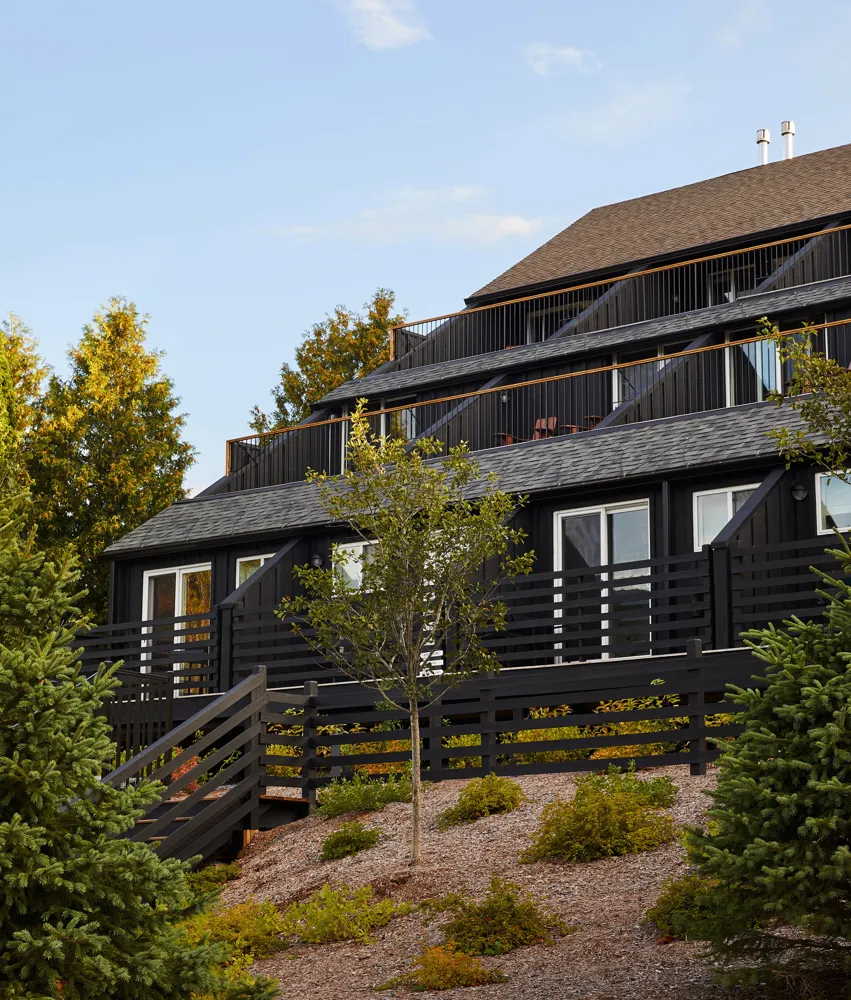
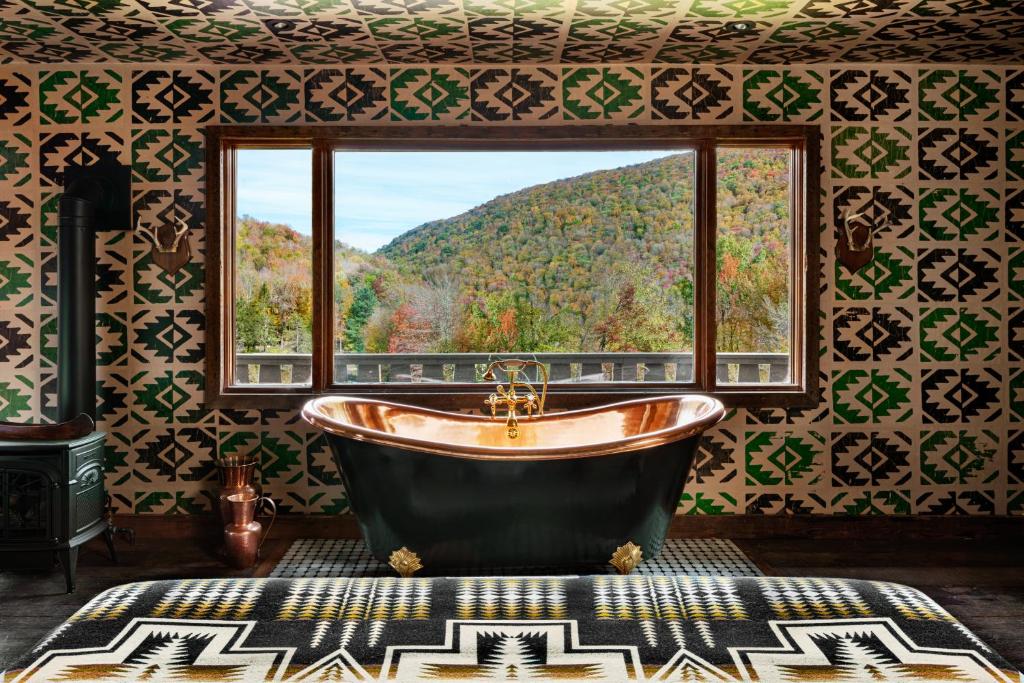
The Catskills have become one of America’s most interesting regions for independent hospitality. Revived Borscht Belt resorts, converted motels, historic inns, cabins and design-led rural retreats offer a distinctly less polished alternative to conventional mountain luxury. At DNA Hotels, we curate the places where architecture, food, nature and upstate creative culture come together—hotels made for hiking and swimming, but equally for fireplaces, vinyl records and spending an entire afternoon doing absolutely nothing in the woods.