



Where to Stay
Boutique & Design Hotels in Cologne
The DNA of Cologne
Where Gothic Grandeur Meets Rhineland Modernism
Cologne is a city of dramatic contrasts. Its enormous Gothic cathedral dominates the skyline, but much of the city around it was rebuilt after the Second World War, creating an architectural landscape where Roman remains, medieval churches and surviving historic buildings coexist with post-war Modernism and contemporary interventions. The Rhine provides the city’s natural axis, while former harbour and industrial areas have been transformed into new neighbourhoods. Cologne’s important museums, galleries and long-established art scene add a creative layer that is less immediately visible than the cathedral but equally important to the city’s identity.
Food and drink are inseparable from Cologne’s famously sociable character. Traditional Brauhaus culture revolves around small glasses of Kölsch, continuously replaced until you signal otherwise, accompanied by hearty Rhineland dishes and plenty of conversation. But the city’s dining scene extends well beyond beer halls. Independent neighbourhood restaurants, contemporary kitchens, specialty coffee, natural wine bars and an increasingly ambitious cocktail scene flourish particularly around areas such as the Belgian Quarter and Ehrenfeld, while the city’s international population adds considerable culinary diversity.
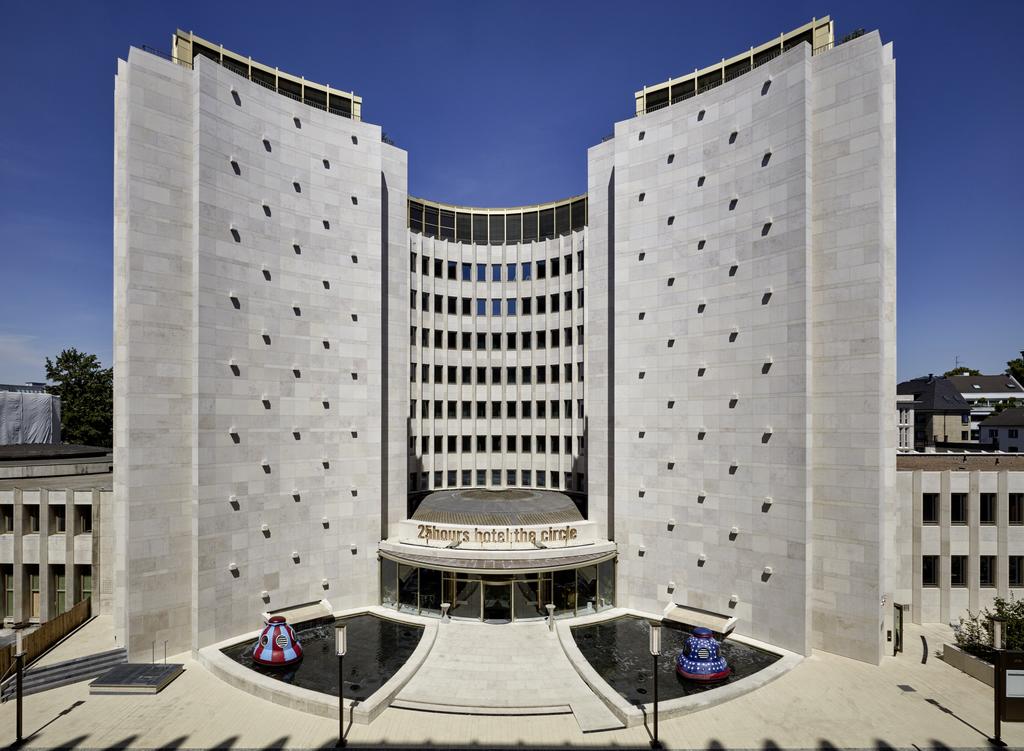
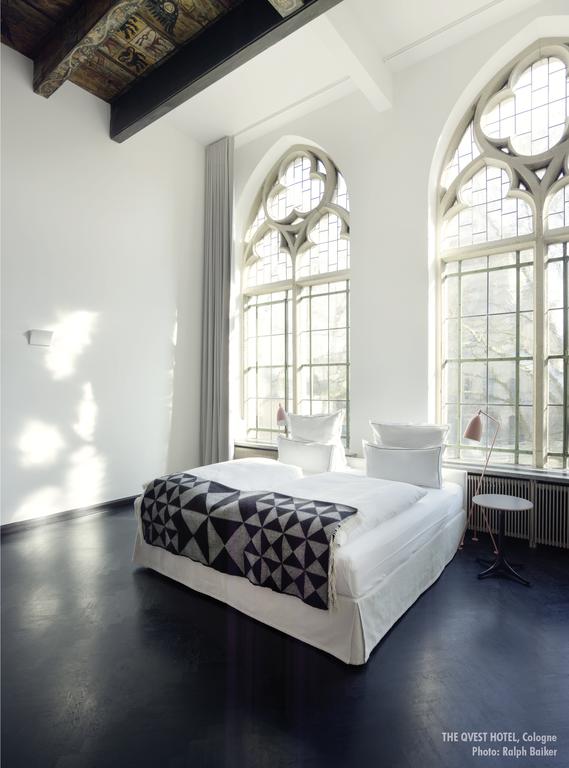
Cologne’s most interesting hotels reflect the city’s mixture of history, art and reinvention. Historic buildings and post-war structures coexist with contemporary design hotels and more individual properties where architecture, furniture and art play a central role. At DNA Hotels, we curate the places where design, food, culture and Cologne’s relaxed Rhineland personality come together—hotels that reveal a city with considerably more creative depth than its world-famous cathedral might initially suggest.