


Where to Stay
Discover Costa Rica through its Hotels
The DNA of Costa Rica
Where Tropical Wilderness Meets Regenerative Design
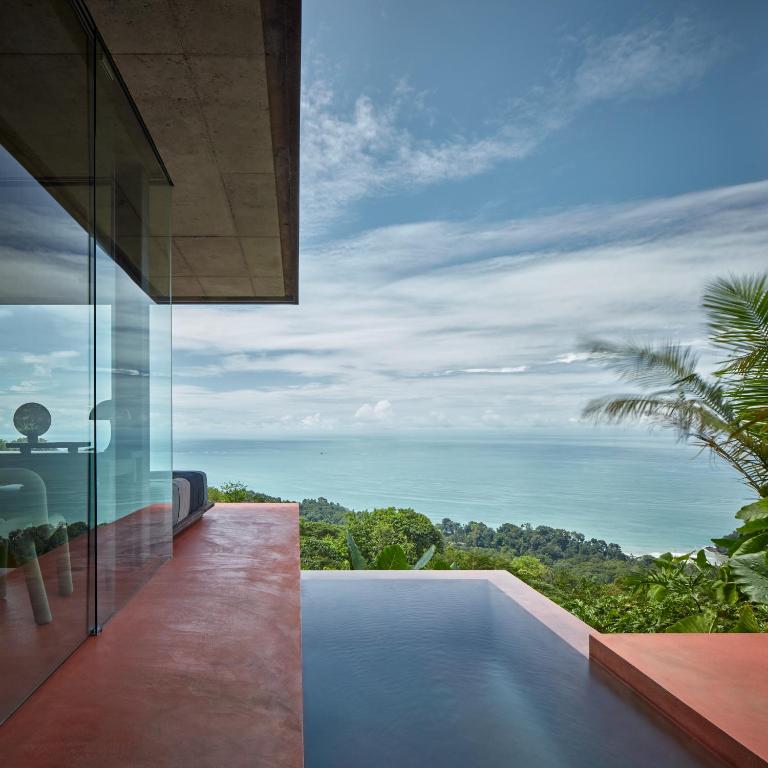
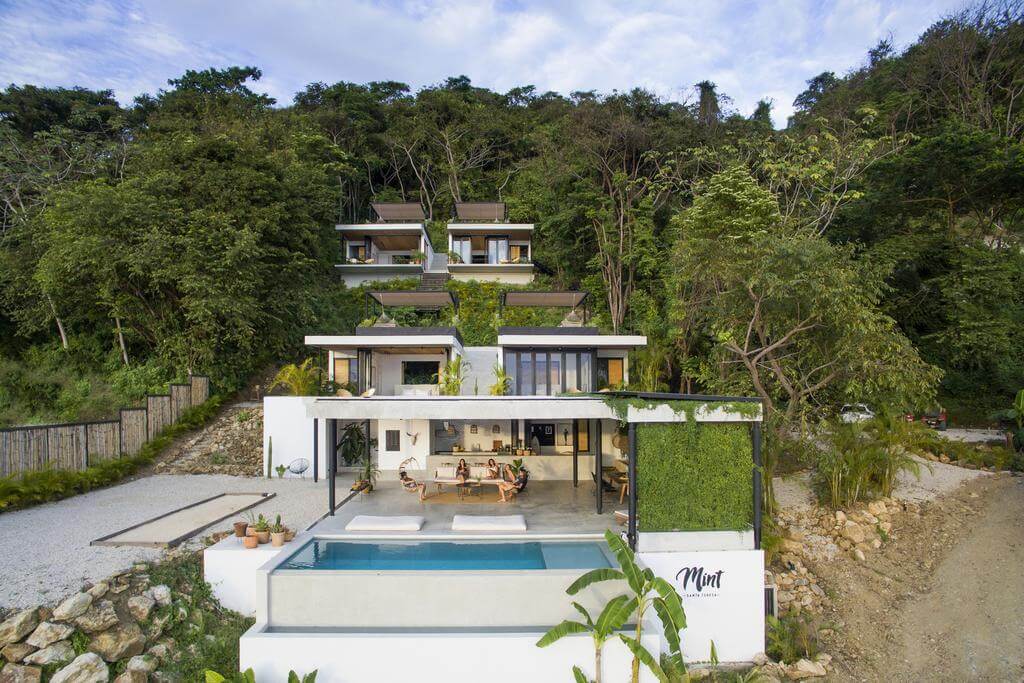
Costa Rica has turned its extraordinary biodiversity into part of its national identity. Rainforest, cloud forest, volcanoes, mangroves and two dramatically different coastlines are compressed into a relatively small country, with more than a quarter of its territory protected. Architecture increasingly responds to that environment rather than attempting to shut it out. Timber, rammed earth, open-air structures and passive ventilation appear in everything from jungle lodges to radical contemporary villas, while architects experiment with buildings that hover above forest floors, disappear into hillsides or open almost completely to the Pacific.
Food and drink are becoming a much more interesting part of travelling through Costa Rica. Traditional sodas serve gallo pinto, casados and straightforward local cooking, while the country’s extraordinary fruit, cacao, seafood and tropical produce provide a rich pantry for a new generation of chefs. Coffee remains fundamental, particularly in the highlands, where visiting small plantations reveals just how seriously Costa Rica approaches one of its most famous exports. Increasingly, restaurants and hotels are working with regenerative farms, local fishermen and ingredients grown directly on their own land.
Costa Rica’s most interesting hotels have long understood that nature is the real luxury. Pioneering eco-lodges, remote rainforest retreats, architect-designed coastal hideaways and regenerative properties combine strong design with conservation, often protecting or restoring the landscape around them rather than merely borrowing its view. At DNA Hotels, we curate the places where architecture, food, sustainability and wilderness become inseparable—hotels that prove barefoot doesn’t have to mean basic, and that genuinely responsible hospitality can also produce some of the most exciting design in the tropics.