


Where to Stay
Discover Cyprus through its Hotels
The DNA of Cyprus
Where Ancient Mediterranean Heritage Meets Island Modernism
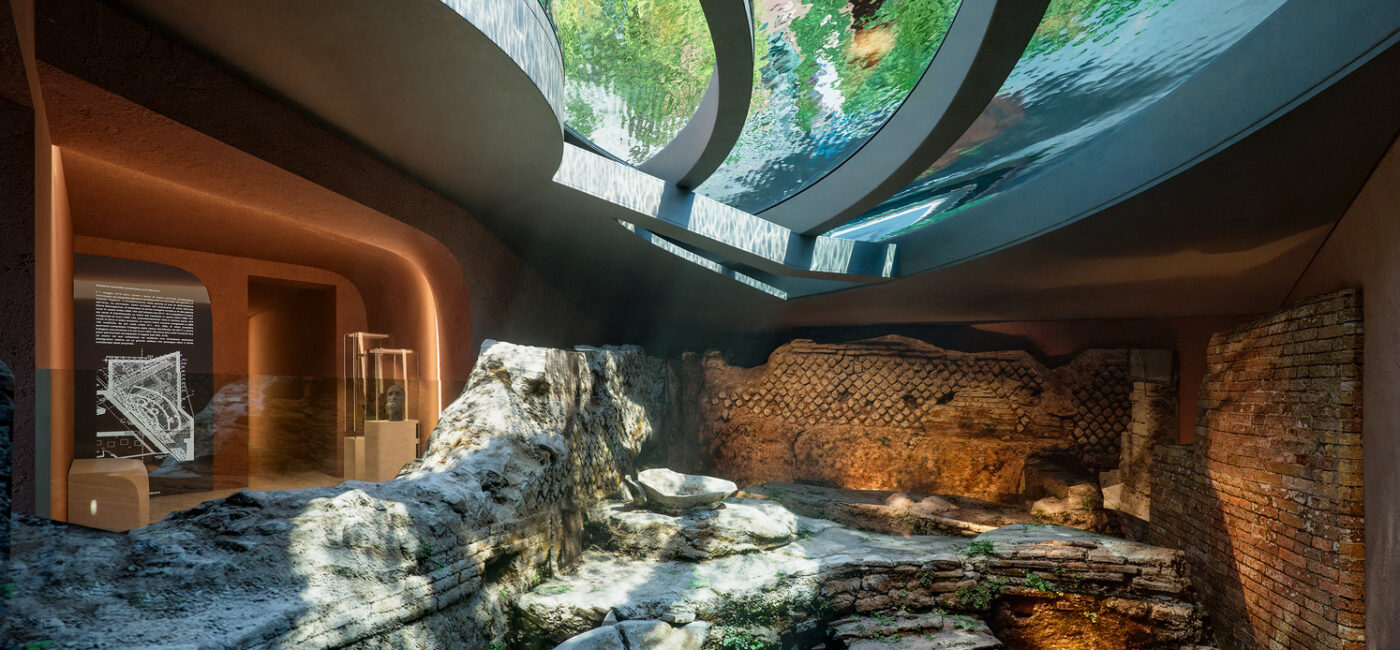
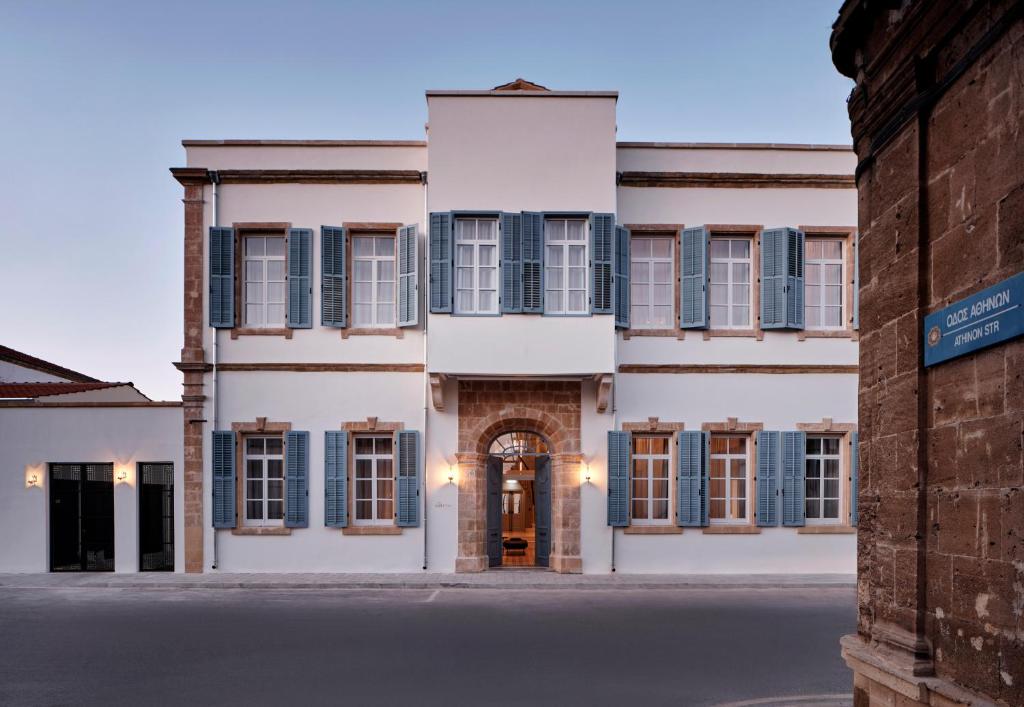
Cyprus carries an extraordinary number of histories within a relatively small island. Ancient ruins, Byzantine churches, Crusader castles, Ottoman buildings and British colonial architecture coexist with whitewashed villages and traditional stone houses in the Troodos Mountains. The island’s divided modern history adds another complex architectural layer, while post-war Modernism and a younger generation of Cypriot architects are creating a more contemporary Mediterranean language based on limestone, concrete, courtyards and shade. From Nicosia’s dense urban fabric to the rugged coast and mountain villages, Cyprus is considerably more architecturally diverse than its beach-resort reputation suggests.
Food and drink reflect the island’s position between Greece, Turkey and the Middle East while remaining distinctly Cypriot. Halloumi may be its most famous export, but meze, grilled meats, wild greens, pulses and dishes cooked slowly in traditional clay ovens reveal a much broader culinary culture. Coastal tavernas add fresh fish and seafood, while village restaurants preserve recipes closely connected to the agricultural landscape. Cyprus also has one of the world’s oldest wine traditions, with indigenous grapes such as Xynisteri and Maratheftiko and a growing generation of producers bringing new attention to high-altitude vineyards around the Troodos Mountains.
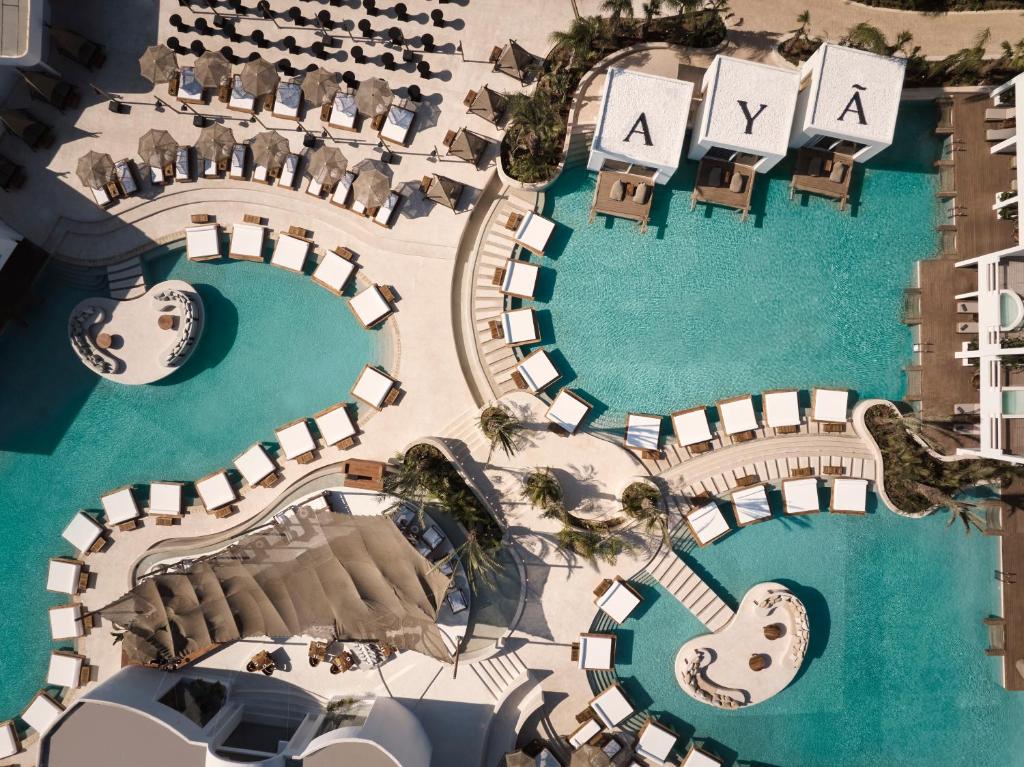
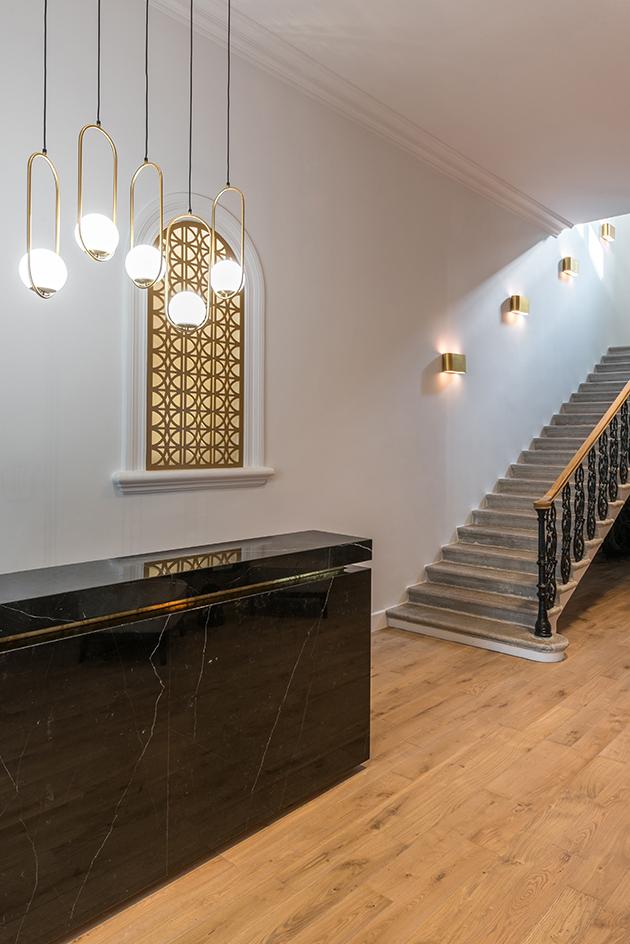
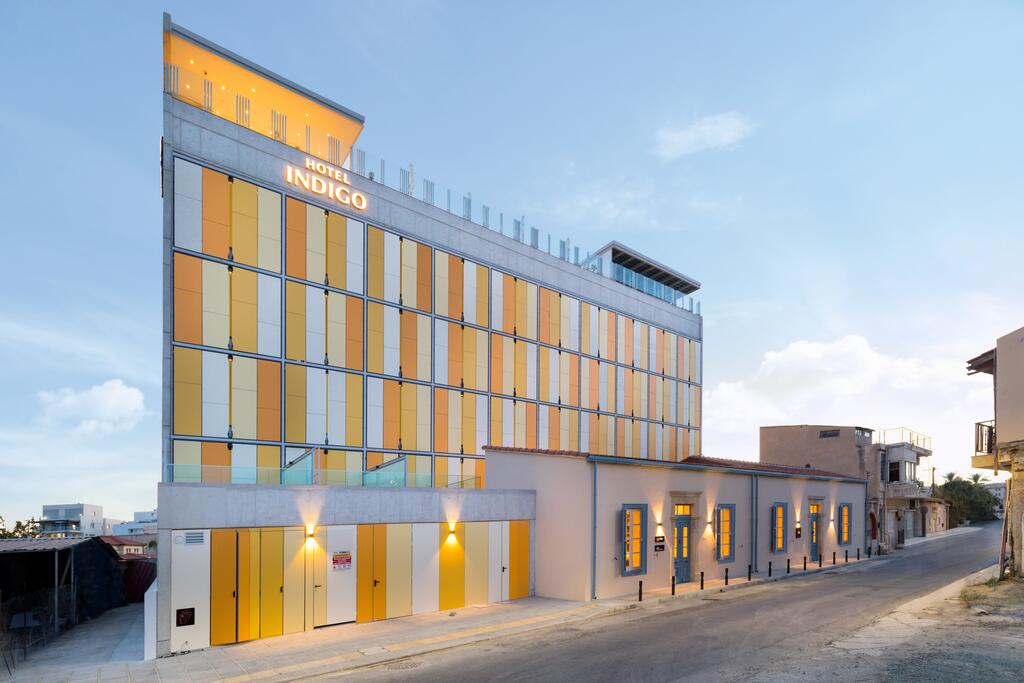
Cyprus’s most interesting hotels increasingly look beyond conventional Mediterranean resort luxury. Restored village houses, historic urban buildings, mountain retreats and contemporary coastal properties use local stone, craft and landscape to create a stronger sense of place. At DNA Hotels, we curate the places where architecture, food, history and Mediterranean life come together—hotels that reveal an island whose cultural complexity and design potential extend far beyond sunshine, beaches and another infinity pool.