


Where to Stay
Boutique & Design Hotels in the Heart of the Alentejo
The DNA of Évora
Where Roman History Meets the Soul of the Alentejo
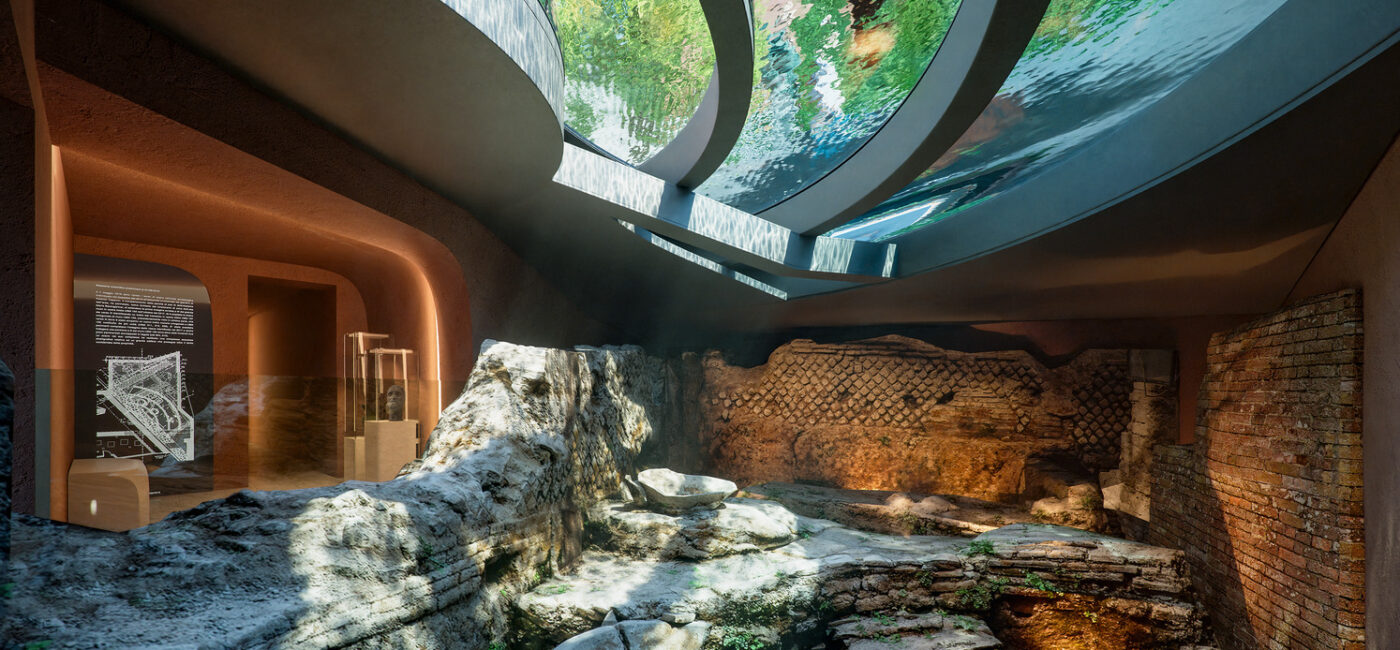
Évora sits at the heart of the Alentejo, surrounded by cork oaks, olive groves, vineyards and the vast open landscapes that define southern Portugal. Within its remarkably intact walls, more than two thousand years of architecture overlap: the Roman Temple stands alongside medieval streets, Gothic churches, Renaissance palaces and whitewashed houses trimmed in ochre and yellow. The UNESCO-listed historic centre reflects centuries of prosperity and influence, while the surrounding countryside is scattered with prehistoric megaliths, convents, farms and grand estates. Contemporary Portuguese architects have added another layer, often transforming historic buildings with the restraint and sensitivity that has become one of the country’s great design strengths.
Food and wine are fundamental to the Alentejo experience. Bread, olive oil, pork, lamb, herbs and vegetables form the basis of a deceptively simple regional cuisine, from açorda alentejana and migas to slow-cooked meats and local cheeses. Évora combines traditional taverns with increasingly ambitious contemporary restaurants, while the surrounding countryside is one of Portugal’s most important wine regions. Native grapes, old vineyards and a revival of ancient talha winemaking—fermenting wine in large clay amphorae—give the region a particularly strong connection between food, wine and history.
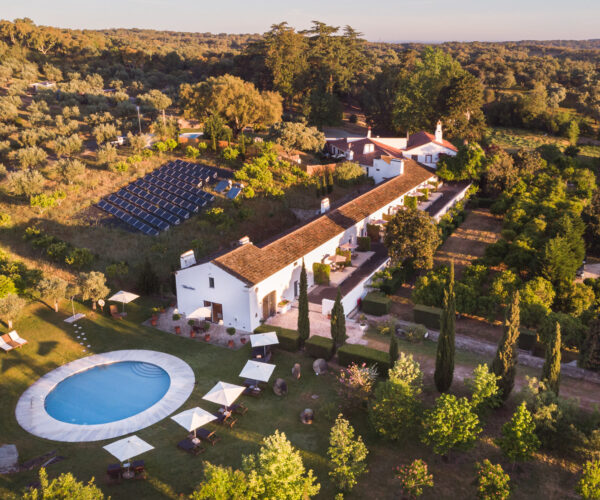
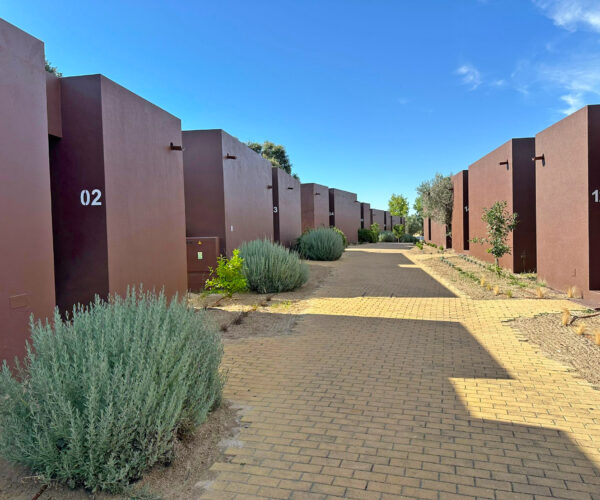
Évora’s most interesting hotels occupy former convents, palaces, farm estates and contemporary buildings embedded in the Alentejo landscape. Some sit within the old city walls; others make the surrounding countryside the main event, with gardens, vineyards and centuries-old olive trees replacing urban spectacle. At DNA Hotels, we curate the places where architecture, food, wine and landscape come together—hotels that understand the real luxury of the Alentejo is often something remarkably simple: space, silence and absolutely no reason to hurry.