


Where to Stay
Where Renaissance Grandeur Meets Contemporary Florentine Style

The DNA of Florence
Where Renaissance Grandeur Meets Contemporary Florentine Style
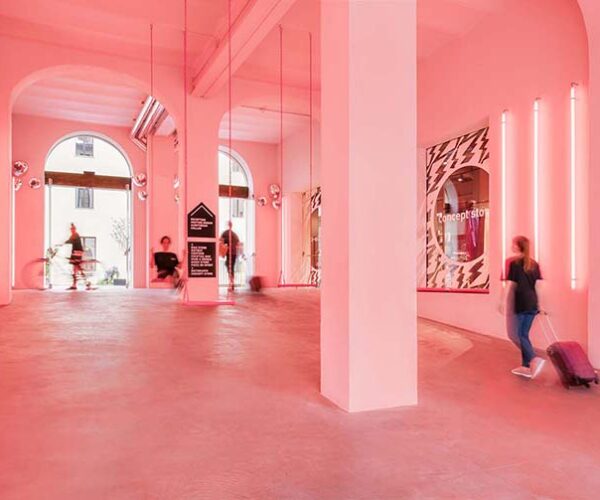
Florence may be synonymous with the Renaissance, but the city becomes far more interesting once you look beyond its monuments. Medieval streets, Renaissance palazzi and aristocratic gardens form an extraordinary architectural backdrop, while generations of artisans continue traditions in leather, jewellery, textiles and furniture. Cross the Arno into Oltrarno and Florence reveals a more intimate character: workshops, antique dealers, independent galleries and grand residences hidden behind remarkably discreet façades. Increasingly, contemporary designers are bringing a lighter, more playful approach to these historic interiors without erasing the centuries beneath them.
Food and drink remain deeply Tuscan. Historic markets, neighbourhood trattorias and tiny enoteche celebrate ingredients rather than unnecessary complication, from pecorino and seasonal vegetables to handmade pasta and the formidable bistecca alla Fiorentina. Chianti lies just beyond the city, making wine an essential part of Florentine life, while contemporary restaurants, natural wine bars, cocktail addresses and a new generation of bakeries and cafés are adding fresh energy without abandoning tradition.
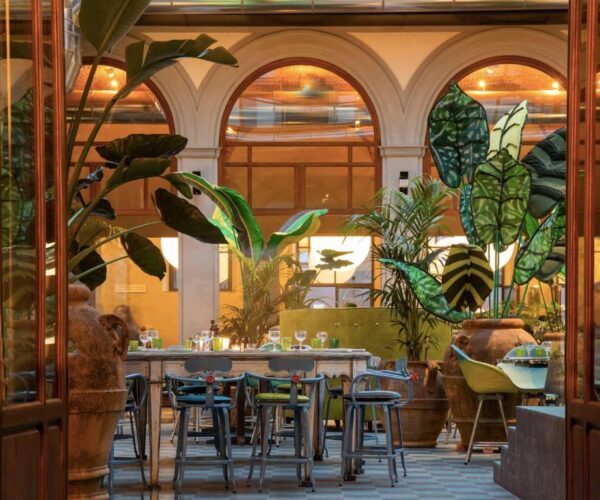
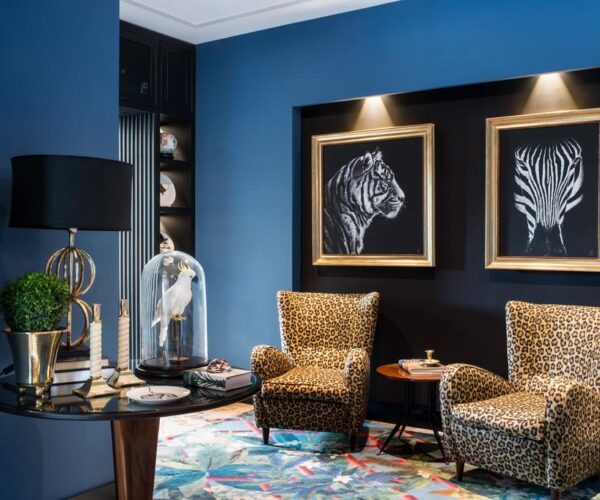
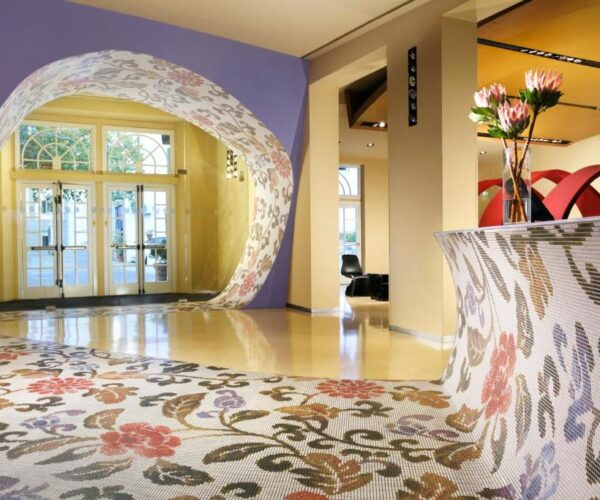
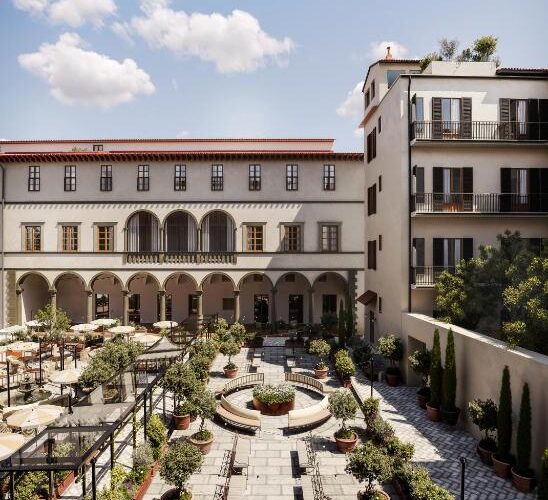
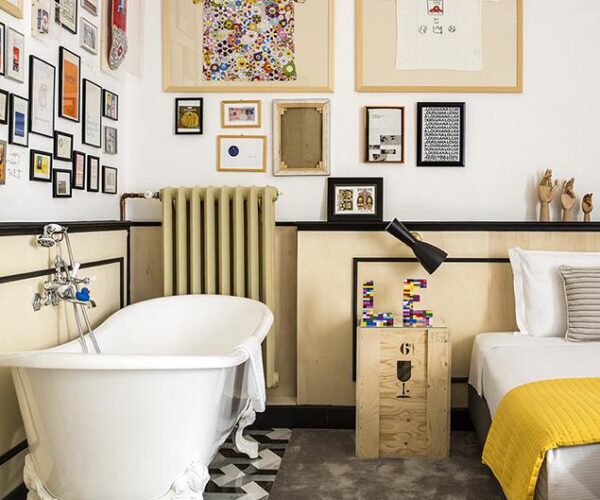
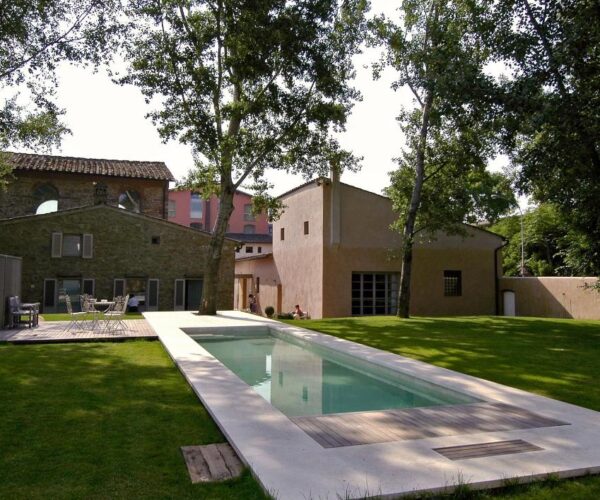
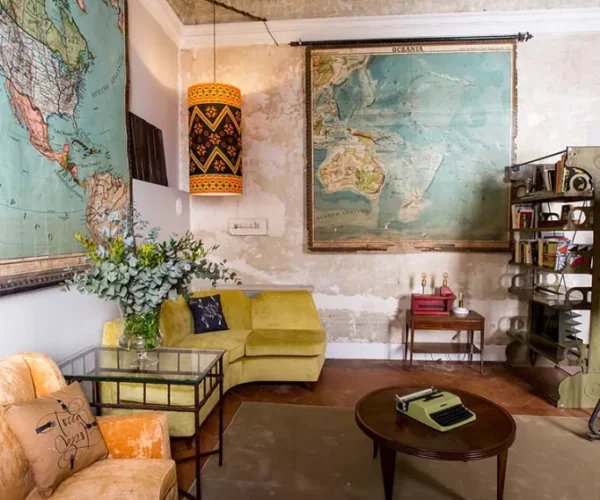
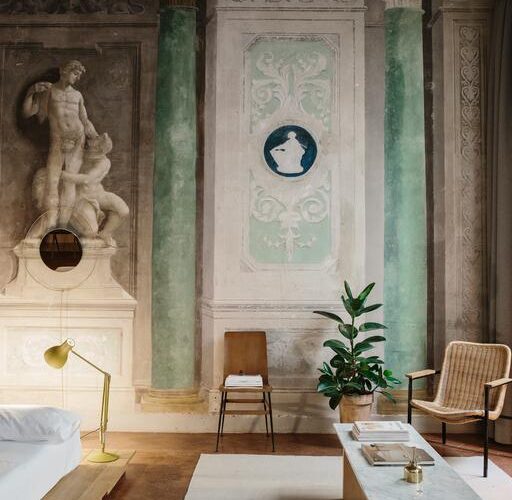
Florence’s most interesting hotels often hide behind the doors of buildings that have been here for centuries. Renaissance palaces, aristocratic residences and intimate guesthouses combine frescoed ceilings, original stonework and antique furniture with Mid-Century Italian design, contemporary art and occasionally a wonderfully eccentric sense of humour. At DNA Hotels, we curate the places where architecture, craftsmanship, food and history become part of the stay—hotels that reveal Florence as a living creative city rather than simply the world’s most beautiful Renaissance museum.