


Where to Stay
Boutique & Design Hotels in Lecce
The DNA of Lecce
Where Baroque Excess Meets the Soul of Salento
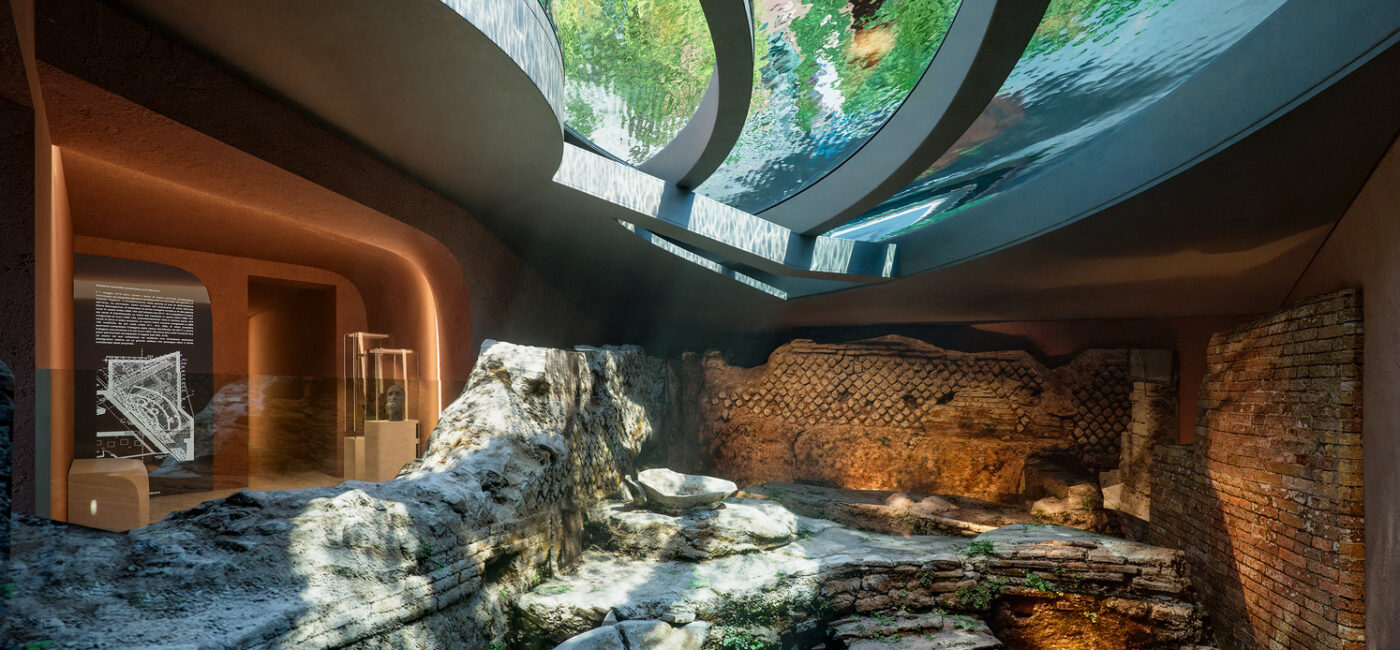
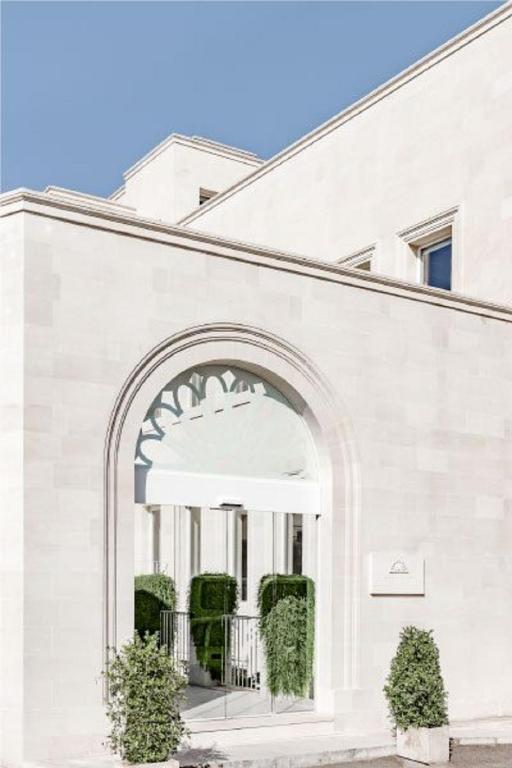
Lecce turns local limestone into theatre. The warm, soft pietra leccese allowed generations of craftsmen to carve façades into an exuberant mixture of columns, flowers, animals, saints and fantastical figures, creating the distinctive Barocco Leccese that defines the city. Roman remains and Renaissance palazzi add earlier layers, while behind monumental façades lie courtyards, gardens and surprisingly intimate streets. Contemporary architects and designers increasingly work within this extraordinary fabric, restoring old palazzi and townhouses with a lighter touch that allows rough stone, vaulted ceilings and historic details to coexist with restrained Italian design.
Food and drink place Lecce firmly within Salento. Pasticciotto and an iced caffè leccese with almond milk provide a suitably sweet start, while ciceri e tria, friselle, rustico leccese, vegetables, olive oil and seafood reveal a cucina povera tradition built around remarkably good ingredients. The surrounding peninsula adds masserie, vineyards and both Adriatic and Ionian fishing traditions. Negroamaro and Primitivo dominate the local wine landscape, joined by rosato and a new generation of producers giving Salento’s old vines a more contemporary voice.
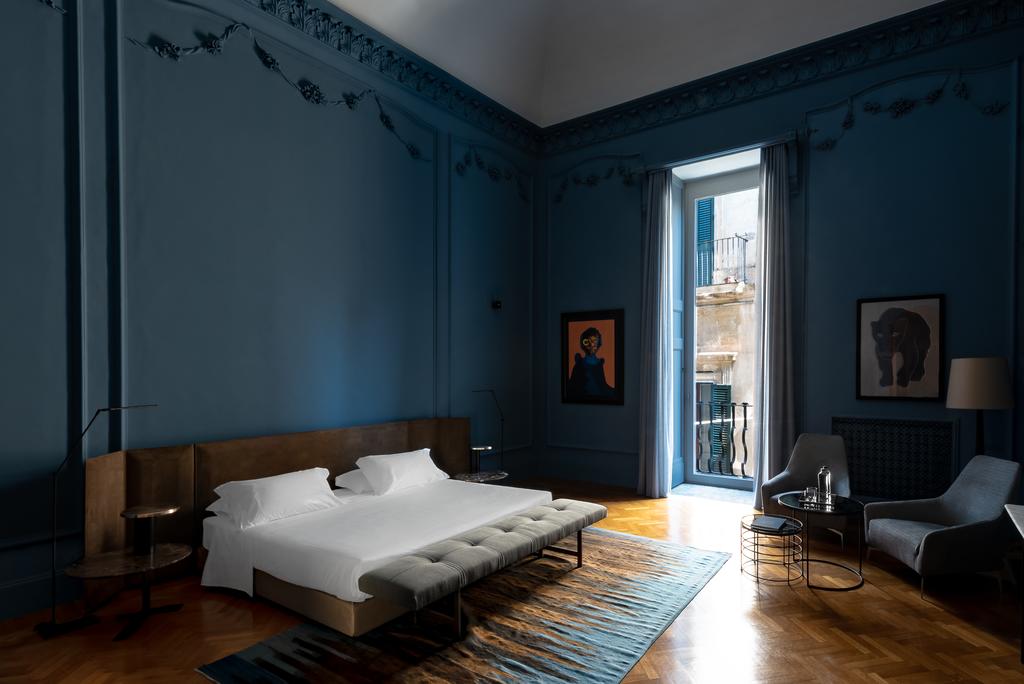
Lecce’s most interesting hotels are often hidden behind the walls of its historic centre. Aristocratic palazzi, former convents and intimate townhouses have been transformed into small hotels where frescoes, limestone vaults, contemporary art and Italian furniture create a compelling alternative to conventional luxury. At DNA Hotels, we curate the places where architecture, food, craft and southern Italian life come together—hotels that capture Lecce at its best: gloriously theatrical on the outside, unexpectedly intimate once you step through the door.