


Where to Stay
Discover Long Island through its Hotels
The DNA of Long Island
Where Gilded Age Estates Meet Atlantic Beach Culture
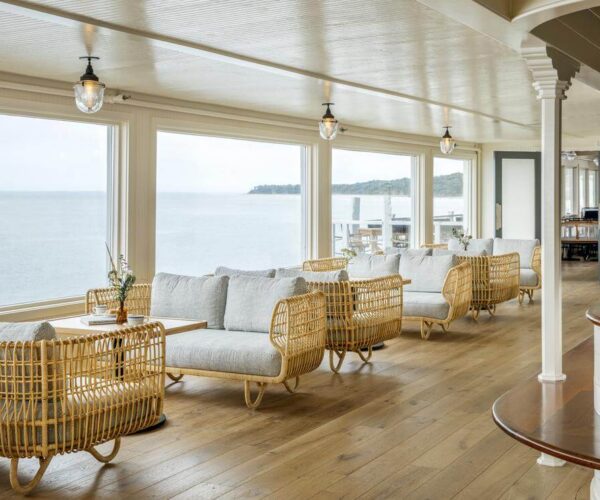
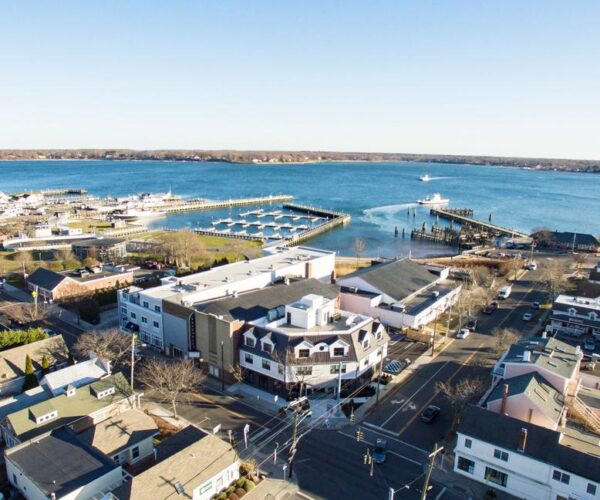
Long Island stretches far beyond the suburbs of New York City. Between the mansions of the Gold Coast and the windswept beaches of Montauk lies a remarkably varied architectural landscape of Gilded Age estates, cedar-shingled beach houses, historic inns and Mid-Century summer homes. The Hamptons became an important playground for American Modernism, attracting architects and artists who experimented with simple structures designed around dunes, ocean light and indoor-outdoor living. Farther east, the North Fork offers a quieter landscape of farms, vineyards and small coastal towns, while Shelter Island feels almost deliberately removed from everything around it.
Food and drink follow the island from farmland to Atlantic Ocean. Lobster rolls, oysters, clams and freshly landed fish are part of the coastal ritual, but Long Island also has one of New York State’s most interesting agricultural regions. Farm stands, orchards and producers supply increasingly ambitious restaurants, particularly across the North Fork and Hamptons. Vineyards have been part of the North Fork landscape since the 1970s, producing Chardonnay, Cabernet Franc and increasingly adventurous wines, while roadside seafood shacks, fashionable restaurants and long vineyard lunches provide very different interpretations of eating by the coast.
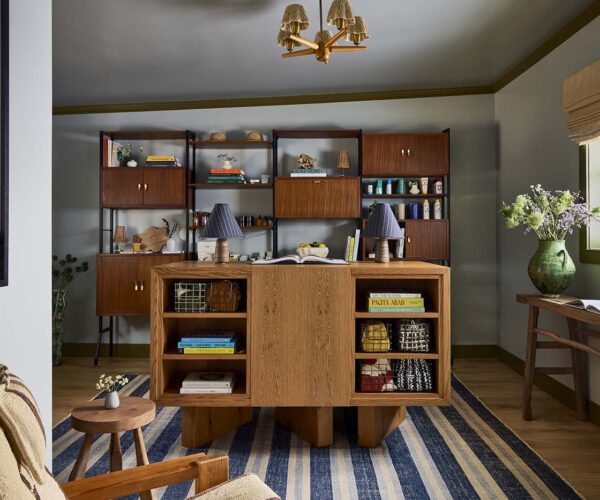
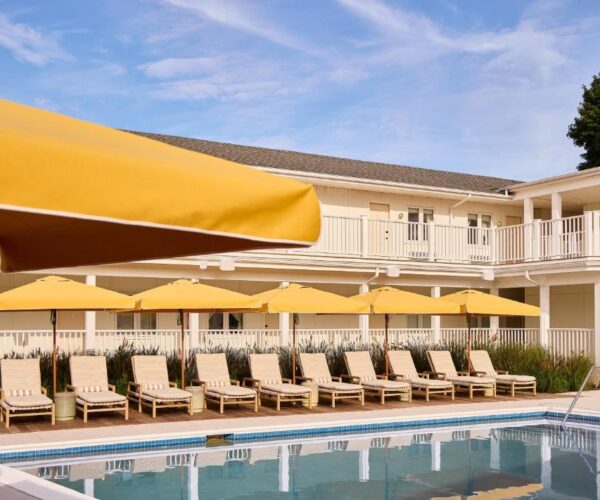
Long Island’s most interesting hotels capture the different personalities of the island. Historic estates, reinvented motels, cedar-shingled inns and contemporary beach retreats range from polished Hamptons escapes to deliberately laid-back hideaways near the end of the road in Montauk. At DNA Hotels, we curate the places where architecture, food, wine and Atlantic landscape come together—hotels that reveal a Long Island beyond commuter country and summer status, where New York sophistication eventually gives way to dunes, salt air and the open ocean.