


Where to Stay
Boutique & Design Hotels in Munich
The DNA of Munich
Where Bavarian Tradition Meets German Modernism
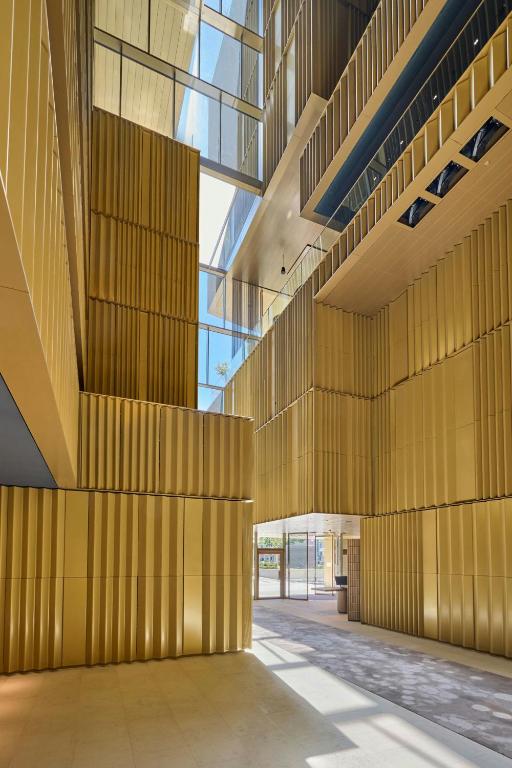
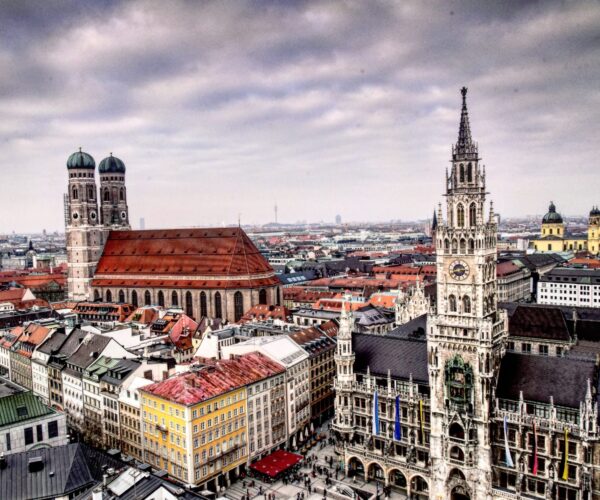
Munich is a city of architectural contrasts disguised by an exceptionally polished exterior. Baroque churches, grand neoclassical avenues and historic beer halls establish the familiar Bavarian image, but the city also has an important Modernist and contemporary design legacy. The Olympic Park, created for the 1972 Games with Frei Otto and Günther Behnisch’s extraordinary tent-like roofscape, remains one of Germany’s great architectural achievements, while museums, design institutions and contemporary buildings continue to add new layers. From the elegant Maxvorstadt to creative neighbourhoods beyond the historic centre, Munich is considerably more adventurous than lederhosen and onion-domed churches suggest.
Food and drink naturally begin with Bavarian tradition. Beer gardens, historic breweries and Wirtshäuser remain essential social institutions, serving everything from Weisswurst and pretzels to roast pork and seasonal regional dishes. But Munich’s restaurant culture has expanded well beyond the classics, with ambitious contemporary kitchens, excellent Italian and Asian restaurants, natural wine bars, specialty coffee and increasingly sophisticated cocktails. The city’s proximity to the Alps also keeps menus connected to southern Bavaria, Austria and northern Italy.
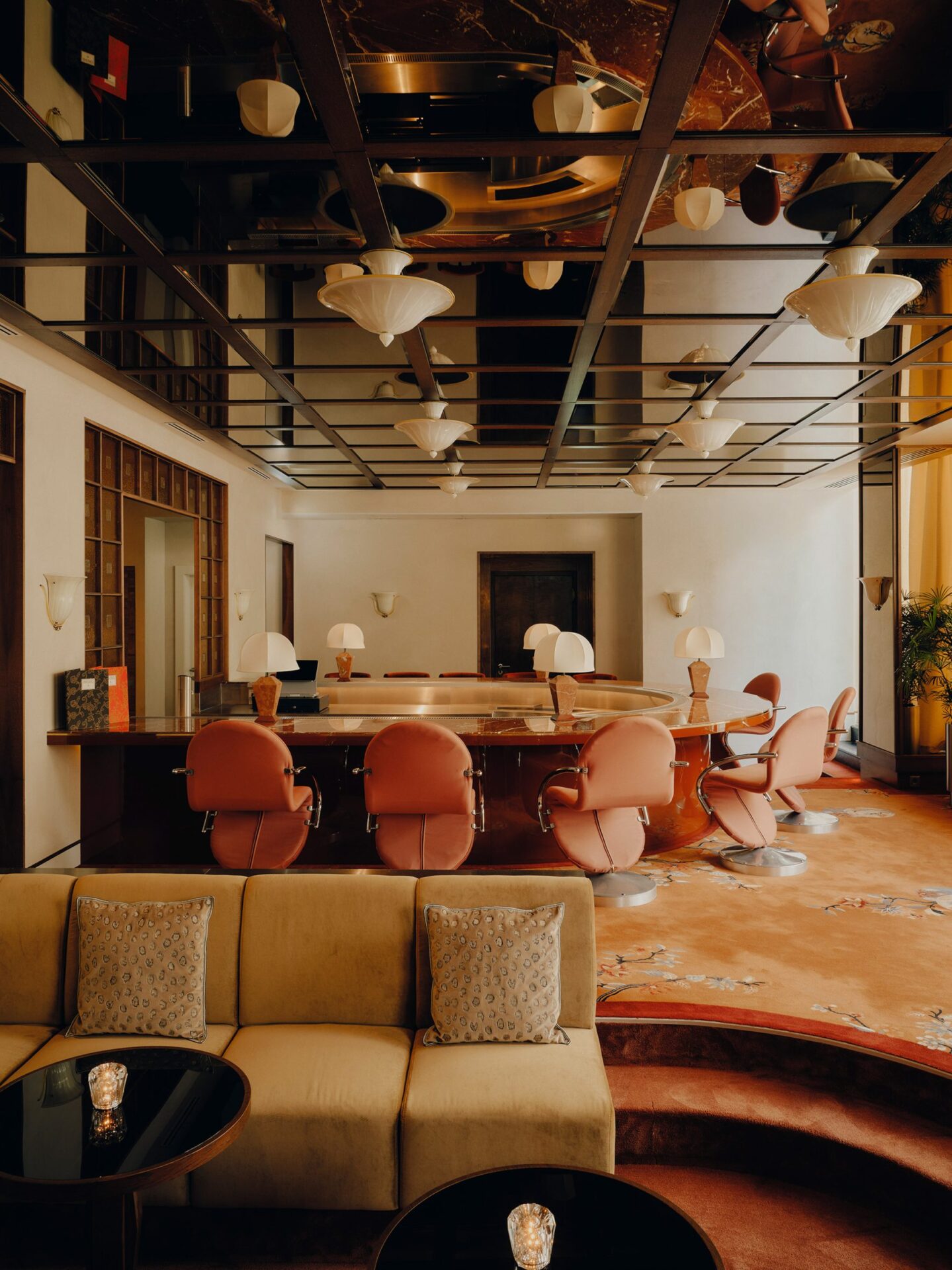
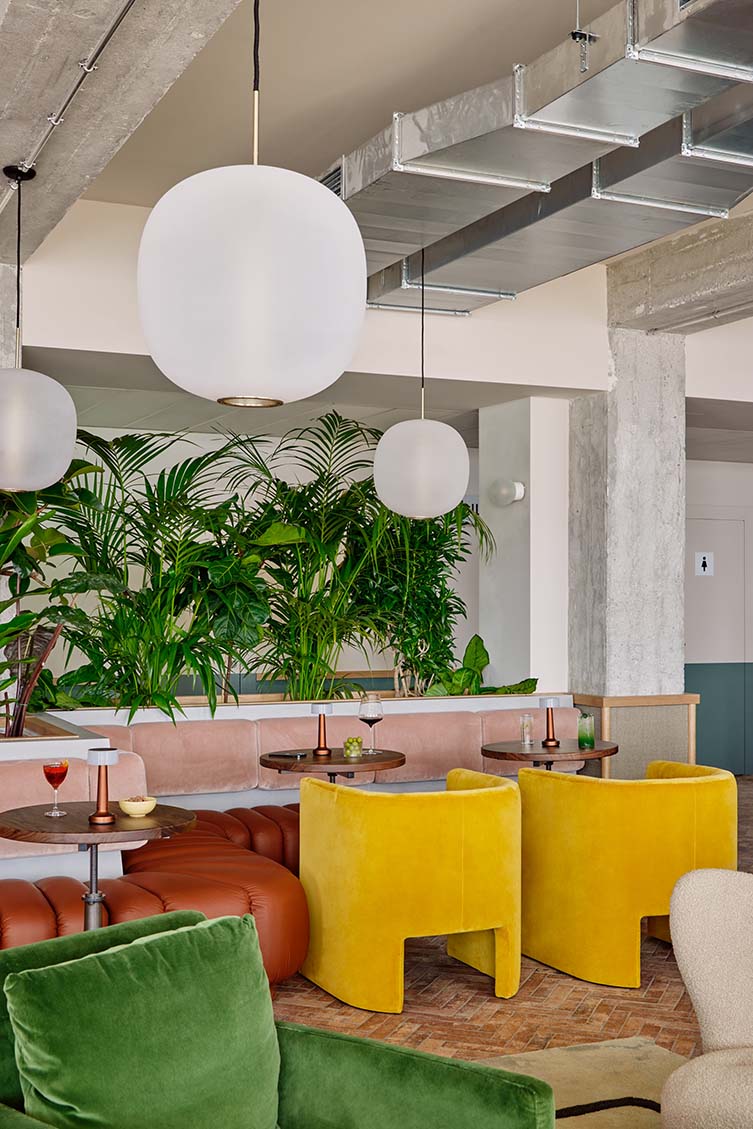
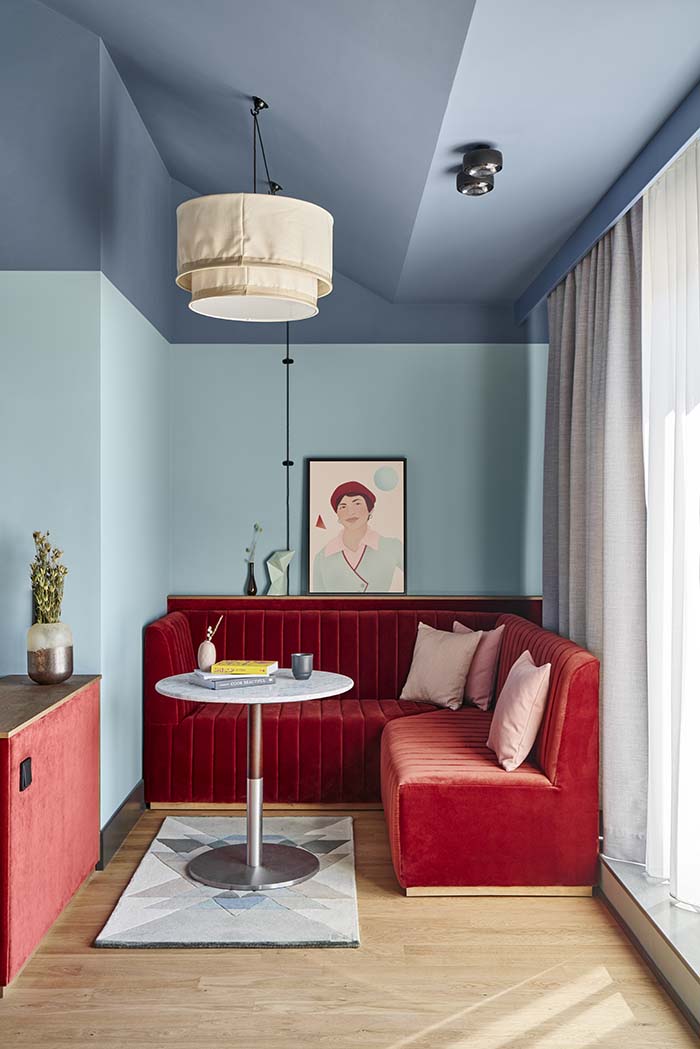
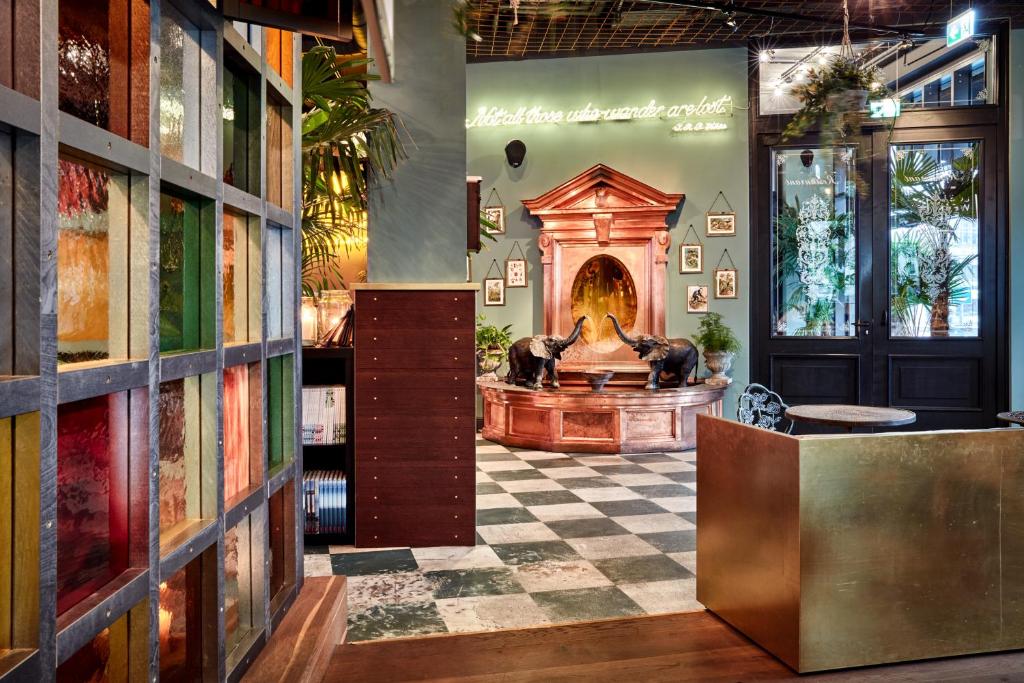
Munich’s most interesting hotels balance this Bavarian identity with a more contemporary approach to design. Historic buildings, grand city institutions and Modernist-inspired properties coexist with independent hotels that bring art, strong furniture and lively restaurants into the experience. At DNA Hotels, we curate the places where architecture, food, culture and Munich’s particular sense of quality come together—hotels that reveal a city where tradition and modern design are far more comfortable together than the clichés might suggest.