


Where to Stay
Discover Poland through its Hotels
The DNA of Poland
Where Layered History Meets a New Creative Confidence
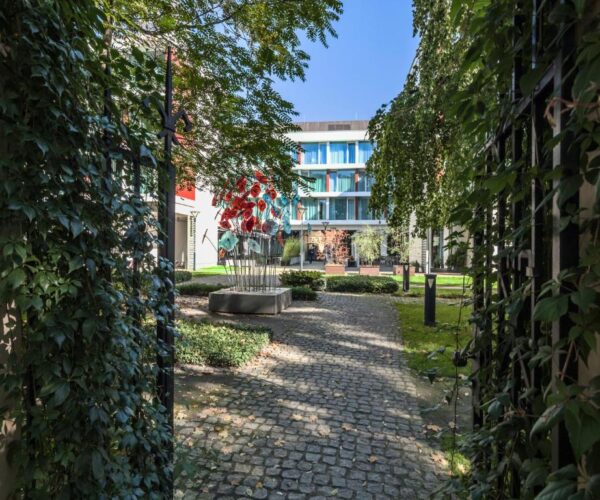
Poland’s architecture tells a complicated story of survival and reinvention. Medieval market squares, Gothic churches and aristocratic palaces coexist with monumental post-war Modernism, Socialist-era structures and an increasingly ambitious contemporary design scene. Warsaw rebuilt itself almost from the ground up and continues to transform at remarkable speed, while Kraków preserves a more historic rhythm and cities such as Łódź, Wrocław and Gdańsk reveal their own industrial, mercantile and Modernist identities. The result is a country where architectural contrasts often make places more interesting rather than less.
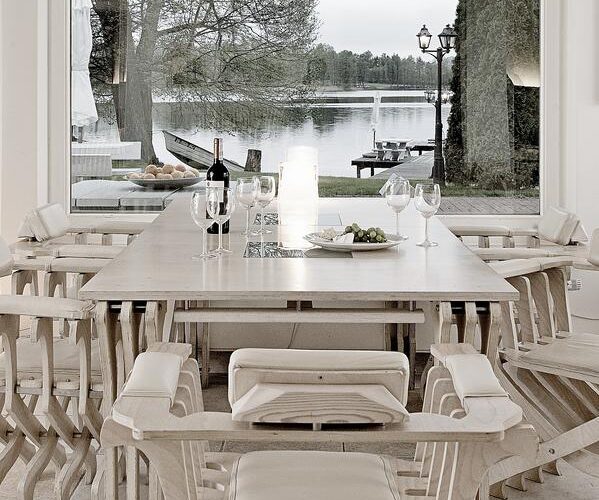
Food and drink are experiencing a similar rediscovery. Traditional pierogi, smoked and fermented ingredients, soups and regional recipes remain important, but a younger generation of chefs is approaching Polish cuisine with greater confidence and curiosity. Historic milk bars and neighbourhood restaurants now coexist with ambitious contemporary kitchens, natural wine bars, craft breweries and an excellent specialty coffee culture. Vodka remains part of the story, of course, but Poland’s drinking culture has become considerably more diverse.
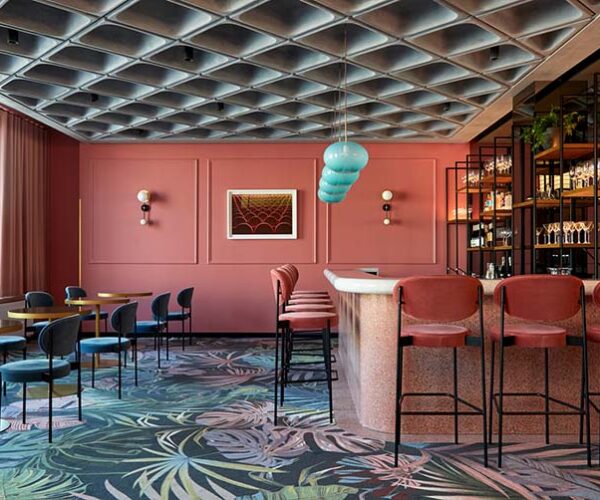
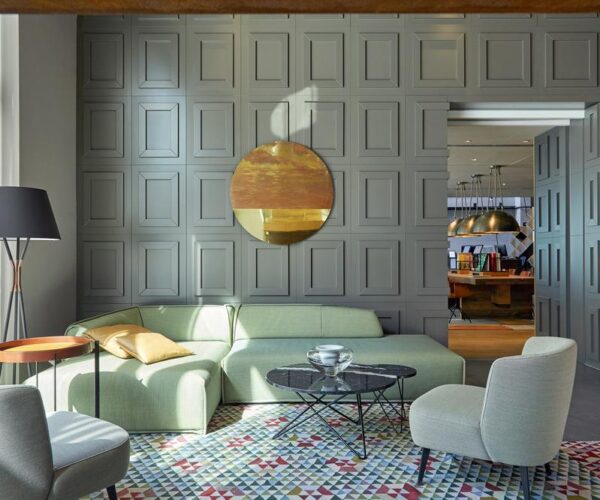
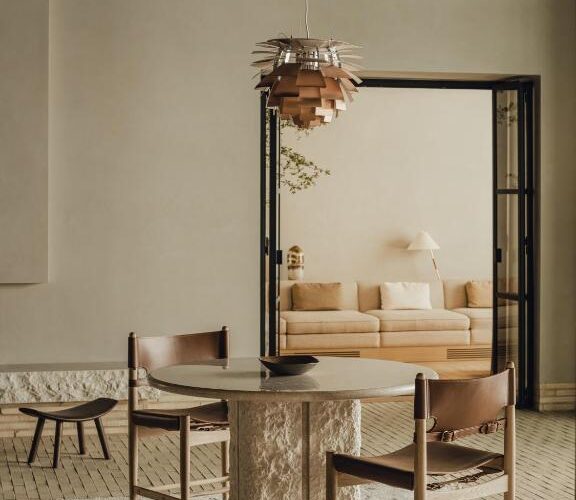
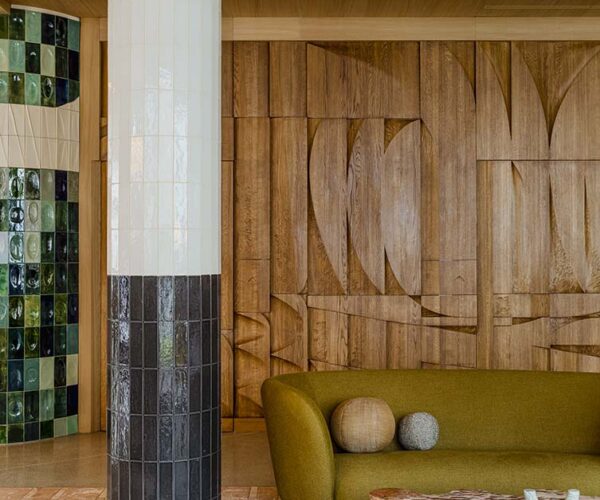
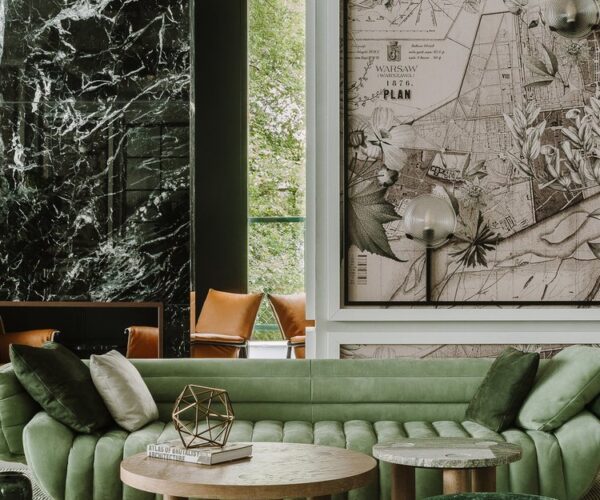
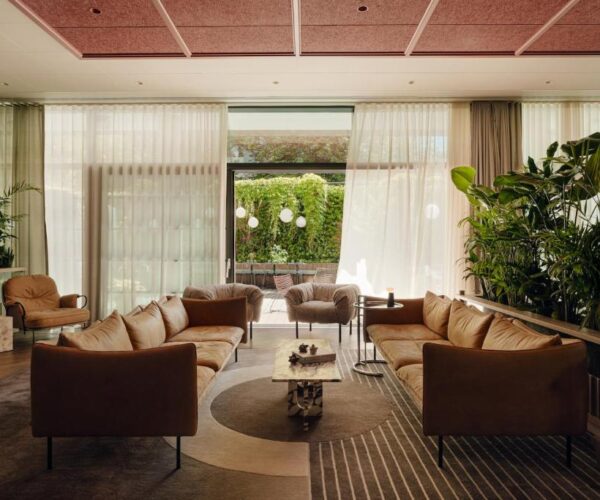
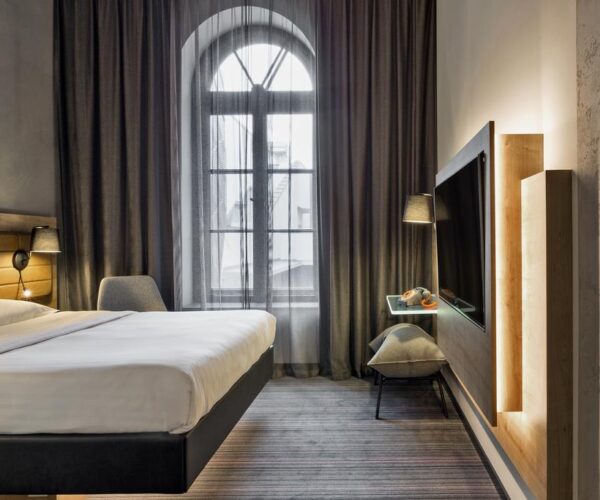
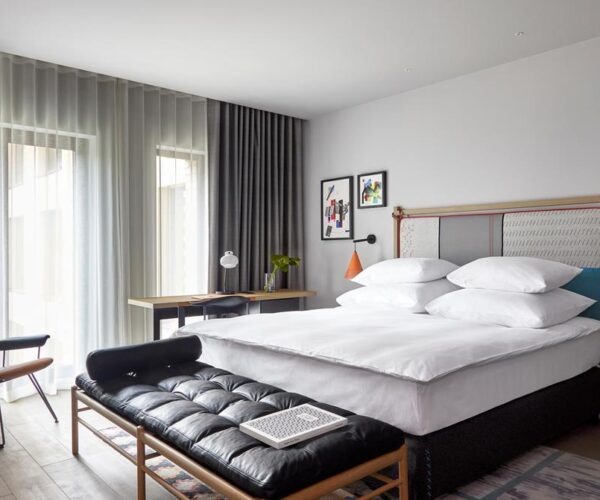
Poland’s most interesting hotels often emerge from buildings with a previous life. Historic townhouses, former factories, industrial complexes and Modernist structures are being transformed into distinctive places to stay, combining original architecture with contemporary Polish art, furniture and craftsmanship. At DNA Hotels, we curate the places where design, food, history and cultural identity come together—hotels that reveal a Poland that is constantly reinterpreting its past rather than simply preserving it.