


Where to Stay
Discover Prague through its Hotels
The DNA of Prague
Where Gothic Drama Meets Czech Modernism
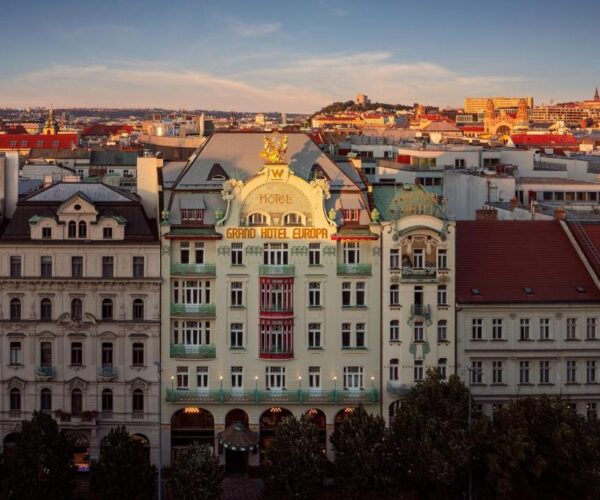
Prague is famous for its Gothic spires, Baroque palaces and remarkably intact historic centre, but its architectural story becomes considerably more interesting once you look beyond the postcard. Art Nouveau flourished here around the turn of the 20th century, followed by the uniquely Czech experiment of Cubist architecture and the functionalist buildings of the interwar years. Architects including Adolf Loos left important works in the city, while later Brutalism added another, often controversial layer. The result is a city where centuries of European architecture can be explored almost street by street.
Food and drink are undergoing their own reinvention. Traditional Czech pubs remain essential for svíčková, schnitzel, dumplings and exceptionally good lager, but Prague’s culinary landscape now extends far beyond hearty Central European classics. Contemporary Czech restaurants increasingly work with seasonal produce and forgotten regional ingredients, while independent bakeries, specialty coffee, natural wine bars and ambitious cocktail spots have transformed neighbourhoods beyond the tourist centre. Beer remains fundamental, from historic breweries to a younger generation of craft producers, but it no longer tells the entire drinking story.
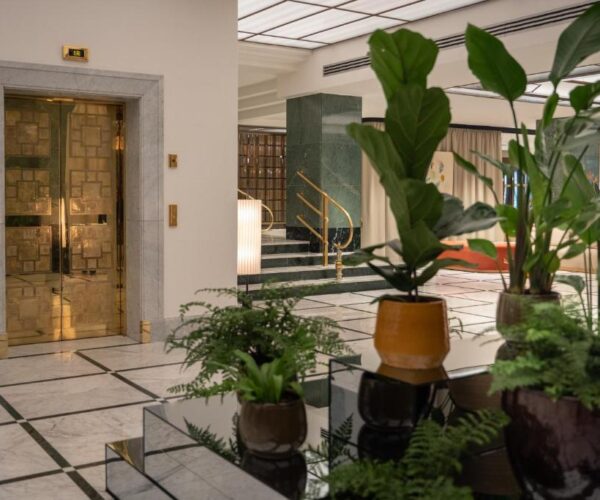
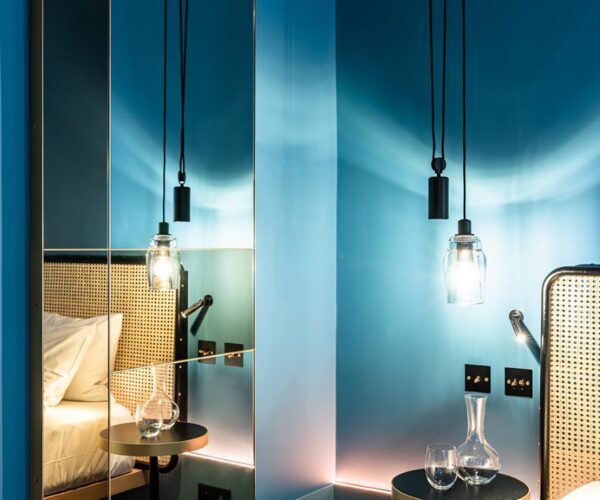
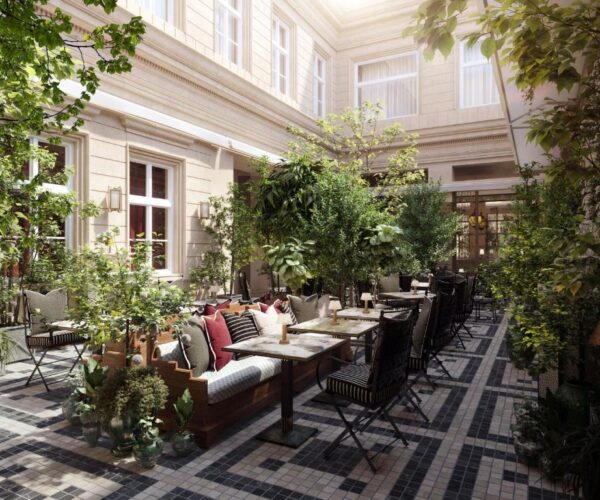
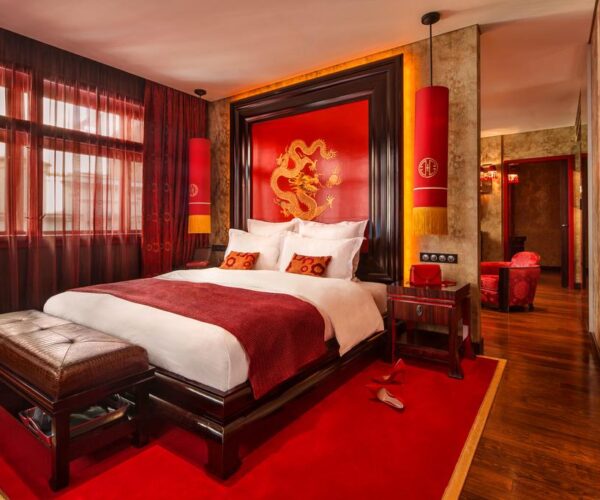
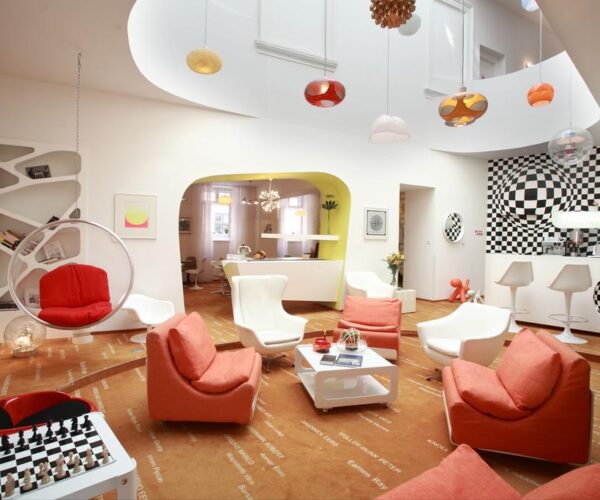
Prague’s most interesting hotels have an extraordinary architectural inheritance to work with. Historic palaces, Art Nouveau buildings, former monasteries and Modernist landmarks are being reinvented with contemporary Czech furniture, art and design, often creating a more intimate alternative to the city’s grand traditional hotels. At DNA Hotels, we curate the places where architecture, food, history and Prague’s creative culture come together—hotels that reveal a city whose design identity is far more radical and surprising than its fairy-tale skyline might suggest.