


Where to Stay
Discover the Provence through its Hotels
The DNA of the Provence
Where Ancient Stone Meets Mediterranean Light
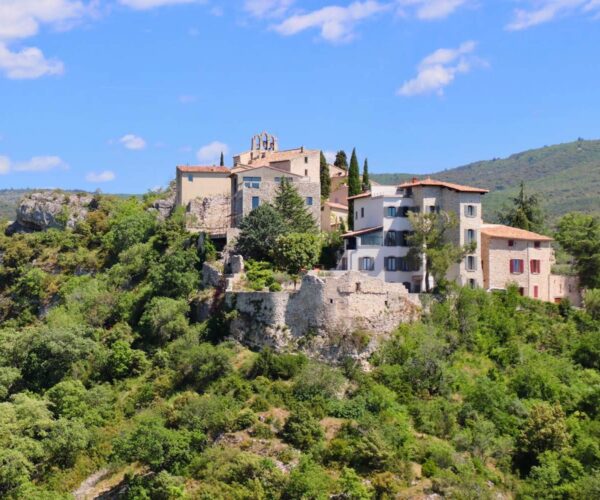
Provence has an architectural language shaped by climate, landscape and centuries of rural life. Honey-coloured villages, Roman remains, stone mas, shaded courtyards and grand bastides sit among vineyards, olive groves and fields stretching towards the mountains. Yet the region is not preserved in amber. From the Modernist legacy of the Côte d’Azur to contemporary art foundations and beautifully restrained restorations, Provence continues to attract architects, artists and designers inspired by its extraordinary light and landscape.
Food and drink are inseparable from Provençal life. Markets overflow with tomatoes, herbs, olives, cheeses and seasonal fruit, while Mediterranean fish and seafood dominate closer to the coast. Village bistros and long lunches beneath plane trees coexist with Michelin-starred restaurants and ambitious hotel kitchens increasingly focused on their own gardens and local producers. Rosé may be Provence’s most famous export, but the vineyards of Bandol, Cassis and the Rhône-facing parts of the region reveal a much broader wine culture.
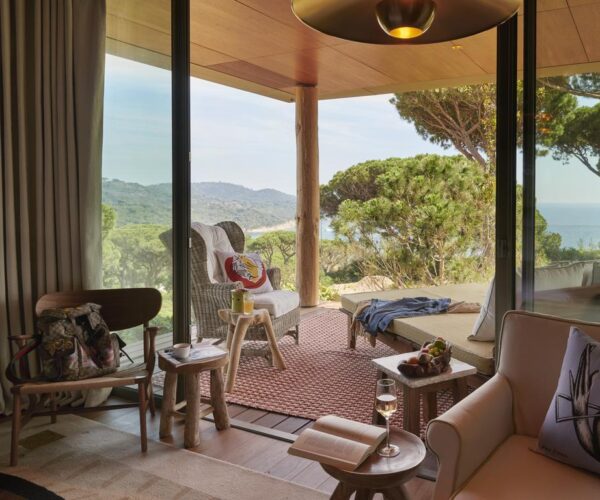
Provence’s most interesting hotels understand that the landscape should remain the star. Historic bastides, converted farmhouses, village houses and secluded estates are being restored with natural materials and contemporary design rather than unnecessary polish. At DNA Hotels, we curate the places where architecture, food, wine and landscape become part of the same experience—hotels that capture the sensual, unhurried character of southern France without reducing Provence to lavender fields and postcard clichés.