



Where to Stay
Boutique & Design Hotels on Koh Samui
The DNA of Samui
Where Tropical Modernism Meets Island Life
Koh Samui has evolved far beyond the backpacker beach escape that first put it on the traveller’s map. Coconut plantations still cover much of the island, jungle rises behind the coastline and quieter beaches retain an appealing sense of tropical simplicity, but Samui has also become an important playground for resort architecture. Traditional Thai forms coexist with low-slung Modernist villas, dramatic concrete structures and contemporary pavilions designed around shade, ventilation and uninterrupted views of the Gulf of Thailand. At its best, the architecture disappears into the palms rather than competing with them.
Food and drink reflect both the island and southern Thailand. Coconut, seafood, herbs and intense southern curries provide the local foundations, while markets and simple family-run restaurants remain some of the best places to understand Samui’s food culture. The island’s international restaurant scene has become increasingly sophisticated too, with ambitious resort kitchens, independent restaurants and beachside dining ranging from barefoot seafood to elaborate tasting menus. Sunset cocktails are almost unavoidable, but they’re considerably better when the bar has a genuine sense of place.
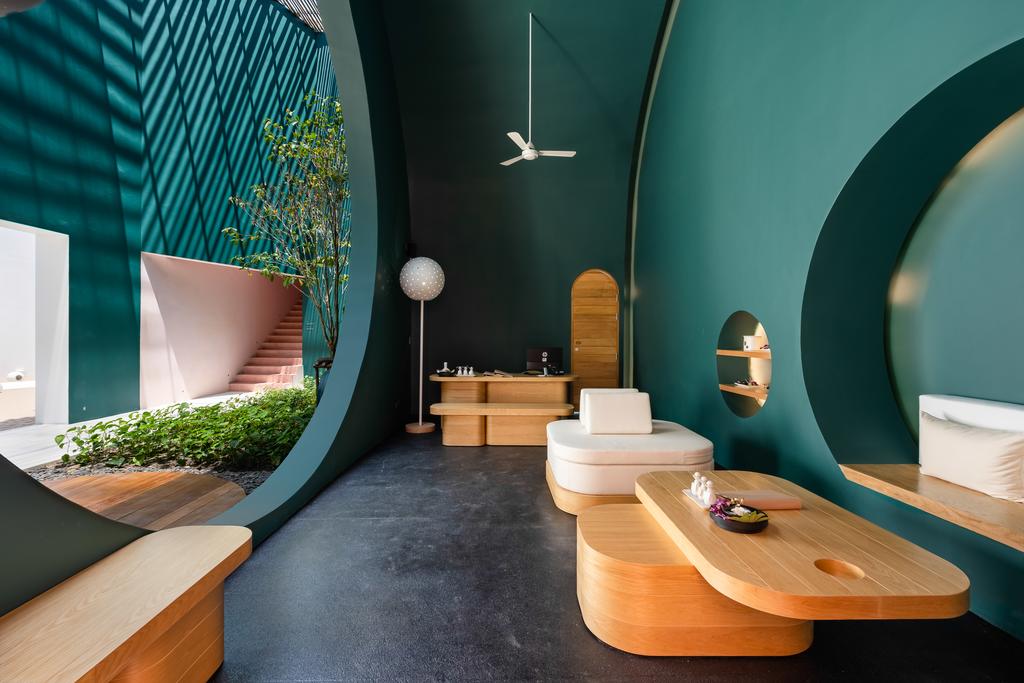
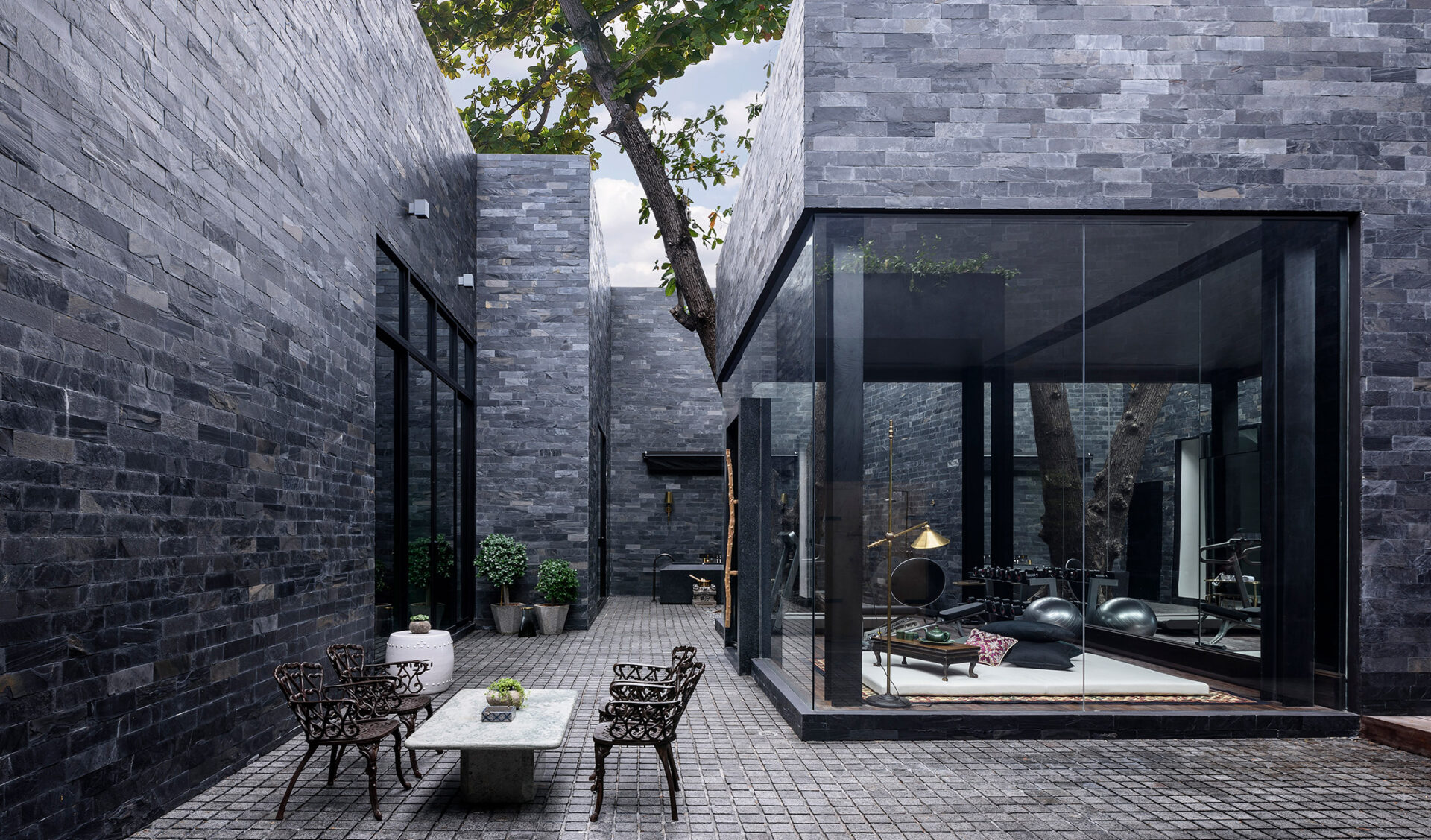
Koh Samui’s most interesting hotels use the tropical landscape as architecture. Hillside hideaways, beach retreats and Modernist resorts combine stone, timber, water and dense vegetation to blur the boundaries between indoors and out, often with private villas rather than conventional hotel corridors. At DNA Hotels, we curate the places where architecture, food and island landscape come together—hotels that prove tropical luxury doesn’t need to mean marble lobbies, enormous resorts and another row of identical pool villas.