#1 The Best Cities in the World: 2020 Readers’ Choice Awards

Condé Nast Traveler

The DNA of San Miguel de Allende

Where Colonial Mexico Meets Creative Reinvention

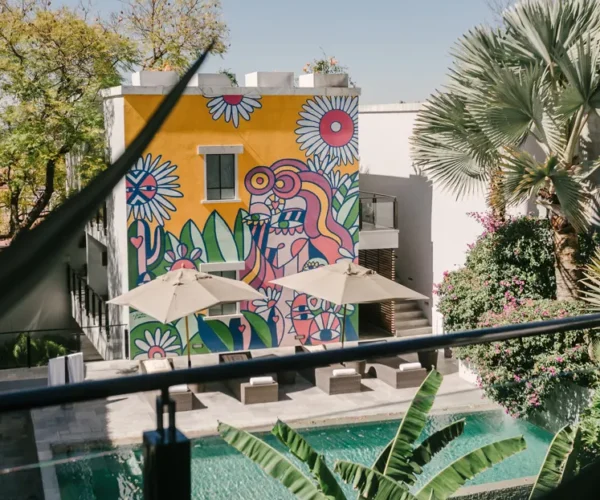
San Miguel de Allende is one of Mexico’s most visually distinctive cities, a hilltop composition of cobbled streets, colourful façades, hidden courtyards and church towers dominated by the unmistakable pink spires of the Parroquia de San Miguel Arcángel. Its historic centre combines Spanish colonial and Baroque architecture with grand mansions built from local stone, but San Miguel is far from preserved in aspic. Artists and writers began arriving in significant numbers during the 20th century, establishing art schools and an international creative community that continues to shape the city. Today, restored houses, galleries and ambitious contemporary interventions sit behind centuries-old façades, creating an unusually convincing dialogue between Mexican craftsmanship and modern design.

Food and drink have become almost as important as the architecture. Traditional Guanajuato cooking and Mexican staples coexist with sophisticated contemporary restaurants, courtyard cafés, rooftop bars and bakeries, often drawing on produce from the surrounding Bajío countryside. Long lunches and mezcal-fuelled evenings come easily here, while a growing wine scene adds another dimension: vineyards around San Miguel and neighbouring Querétaro are helping establish central Mexico as an increasingly interesting wine region. Markets and street food prevent the city’s international popularity from polishing away all its edges.

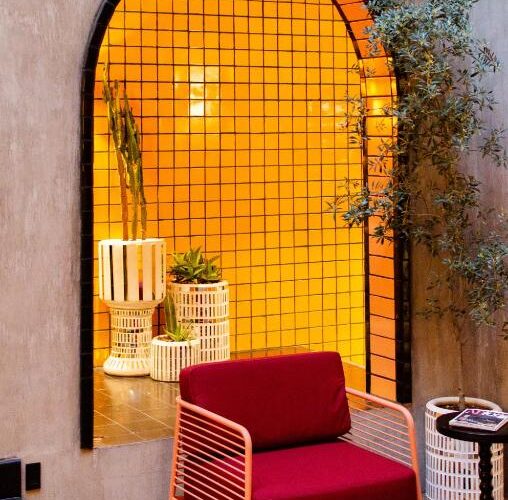
San Miguel has an exceptional concentration of characterful hotels, from tiny converted colonial houses to grand hacienda-style properties and contemporary retreats where Mexican craft is interpreted with a sharper architectural eye. Courtyards, fountains, rooftop terraces, stone walls and richly textured interiors recur, but the best avoid turning local tradition into decoration. At DNA Hotels, we curate the places where architecture, art, food and Mexican craftsmanship genuinely connect—hotels that make San Miguel feel creative and alive rather than simply very, very photogenic.