


Where to Stay
Discover Sardinia through its Hotels
The DNA of Sardinia
Where Ancient Stone Meets Mediterranean Modernism
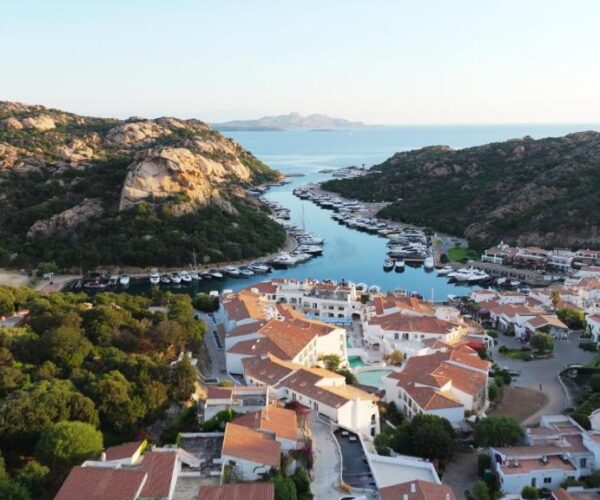
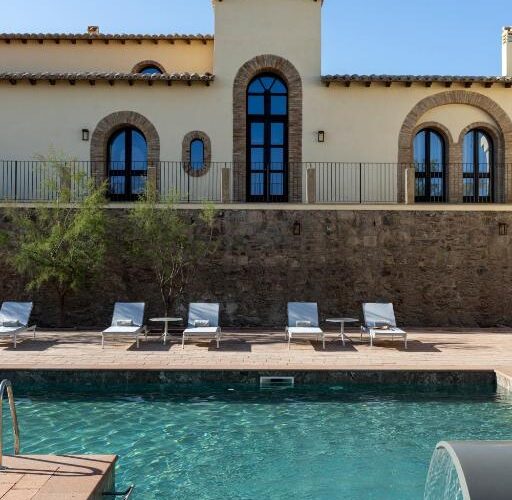
Sardinia feels like an island apart from Italy. Its landscape moves from rugged mountains and cork forests to granite cliffs, hidden coves and some of the clearest water in the Mediterranean, while thousands of mysterious nuraghi reveal a civilisation stretching back to the Bronze Age. Traditional stone villages, shepherds’ houses and historic estates coexist with a distinctive legacy of Mediterranean resort architecture. The Costa Smeralda brought architects such as Luigi Vietti and Jacques Couëlle to the island in the 1960s, creating an organic architectural language of sculpted forms, local stone and buildings designed around the landscape rather than imposed upon it.
Food and drink reveal an equally distinctive Sardinian identity. This is an island of shepherds as much as fishermen, where pecorino, suckling pig, handmade pasta such as malloreddus and culurgiones, pane carasau and extraordinary seafood belong to the same culinary landscape. Inland cooking can feel worlds away from the glamorous coast. Cannonau and Vermentino dominate the wine story, but a new generation of producers is bringing renewed attention to indigenous grapes and old vineyards, while long lunches in agriturismi and simple coastal restaurants remain among the best ways to experience the island.
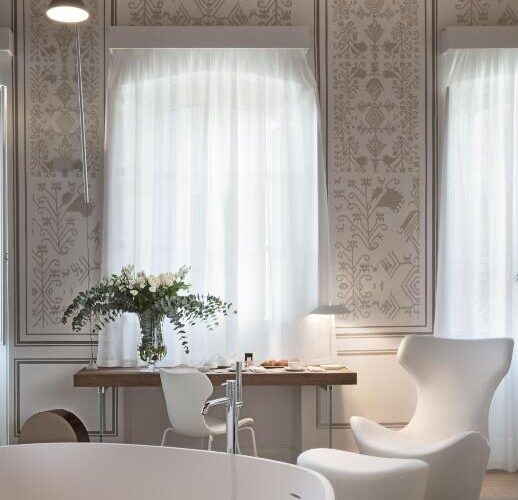
Sardinia’s most interesting hotels range from reinvented rural estates and intimate coastal hideaways to architectural icons and contemporary retreats that disappear into granite, scrub and Mediterranean gardens. At DNA Hotels, we curate the places where architecture, food, culture and landscape come together—hotels that reveal a Sardinia far beyond the superyachts of the Costa Smeralda, and an island whose strongest luxury has always been its extraordinary sense of place.