


Where to Stay
Boutique & Design Hotels in Sevilla
The DNA of Sevilla
Where Moorish Heritage Meets Andalusian Grandeur and Contemporary Spanish Culture
Seville, the captivating capital of Andalusia, is one of Spain’s most architecturally extraordinary cities. Centuries of Islamic, Christian and Renaissance influence have created a remarkable urban landscape of ornate palaces, monumental churches, intimate courtyards and sun-drenched squares. The magnificent Real Alcázar, with its intricate Mudéjar decoration and lush gardens, stands alongside the immense Gothic cathedral and its iconic Giralda tower. In Santa Cruz, narrow streets and whitewashed houses preserve the atmosphere of the historic Jewish quarter, while the aristocratic palaces of the old town reveal Seville’s wealth during Spain’s imperial Golden Age. The spectacular Plaza de España, built for the 1929 Ibero-American Exposition, adds a theatrical expression of regionalist architecture. Yet Seville is not confined to its past. The contemporary Metropol Parasol, popularly known as Las Setas, and the creative energy of neighbourhoods such as Alameda de Hércules and Triana reveal a city that continues to reinvent itself.
Food and drink are inseparable from Sevillian life. Tapas culture is not simply a culinary tradition but a social ritual, played out in historic taverns, neighbourhood bars and lively squares throughout the city. Classic dishes such as espinacas con garbanzos, solomillo al whisky and salmorejo coexist with inventive contemporary Andalusian cuisine. Traditional markets, independent coffee shops and increasingly ambitious restaurants add further variety, while sherry from nearby Jerez remains an essential part of the region’s drinking culture. Seville’s atmospheric rooftop terraces, intimate cocktail bars and historic hotel bars provide particularly appealing settings for experiencing the city’s long, sociable evenings.
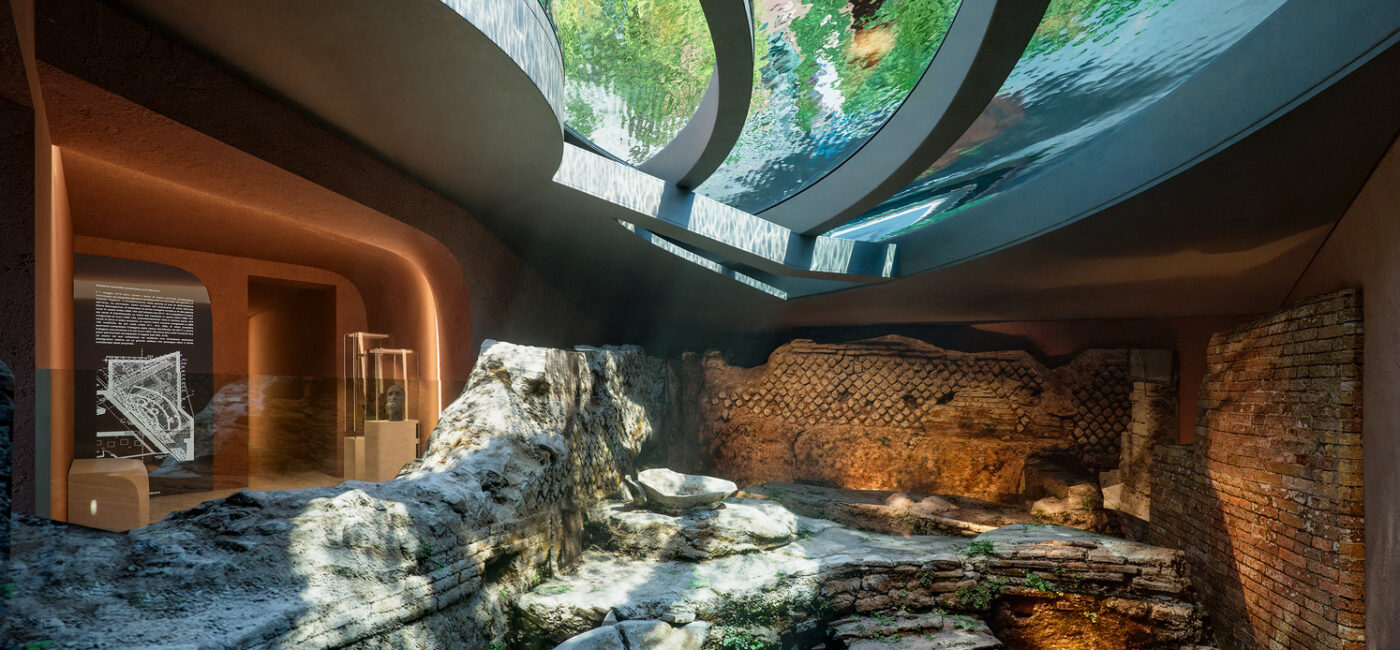
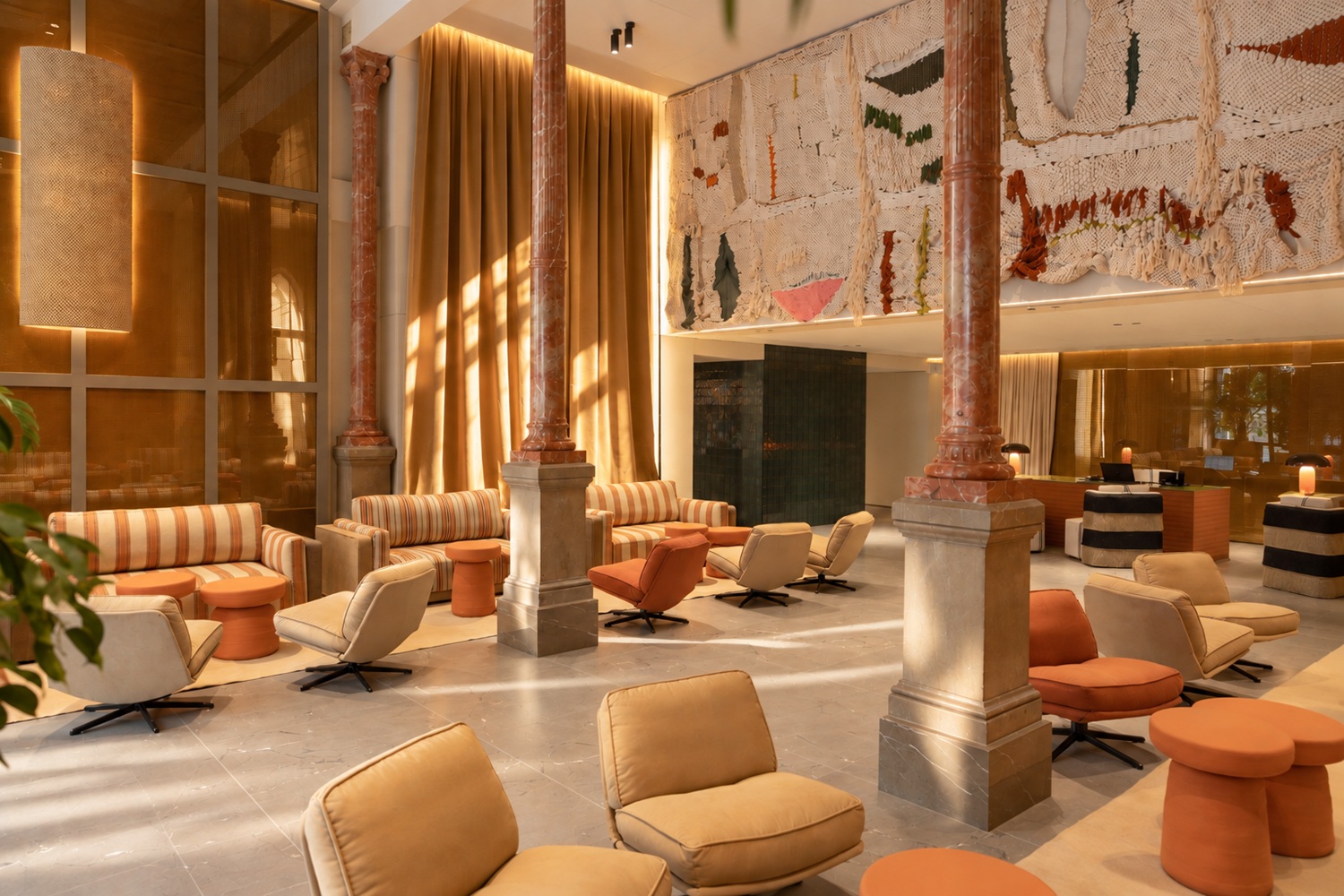
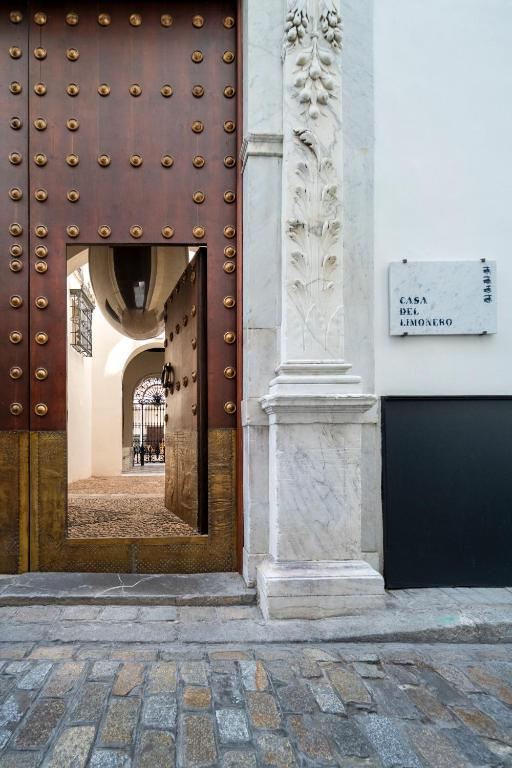
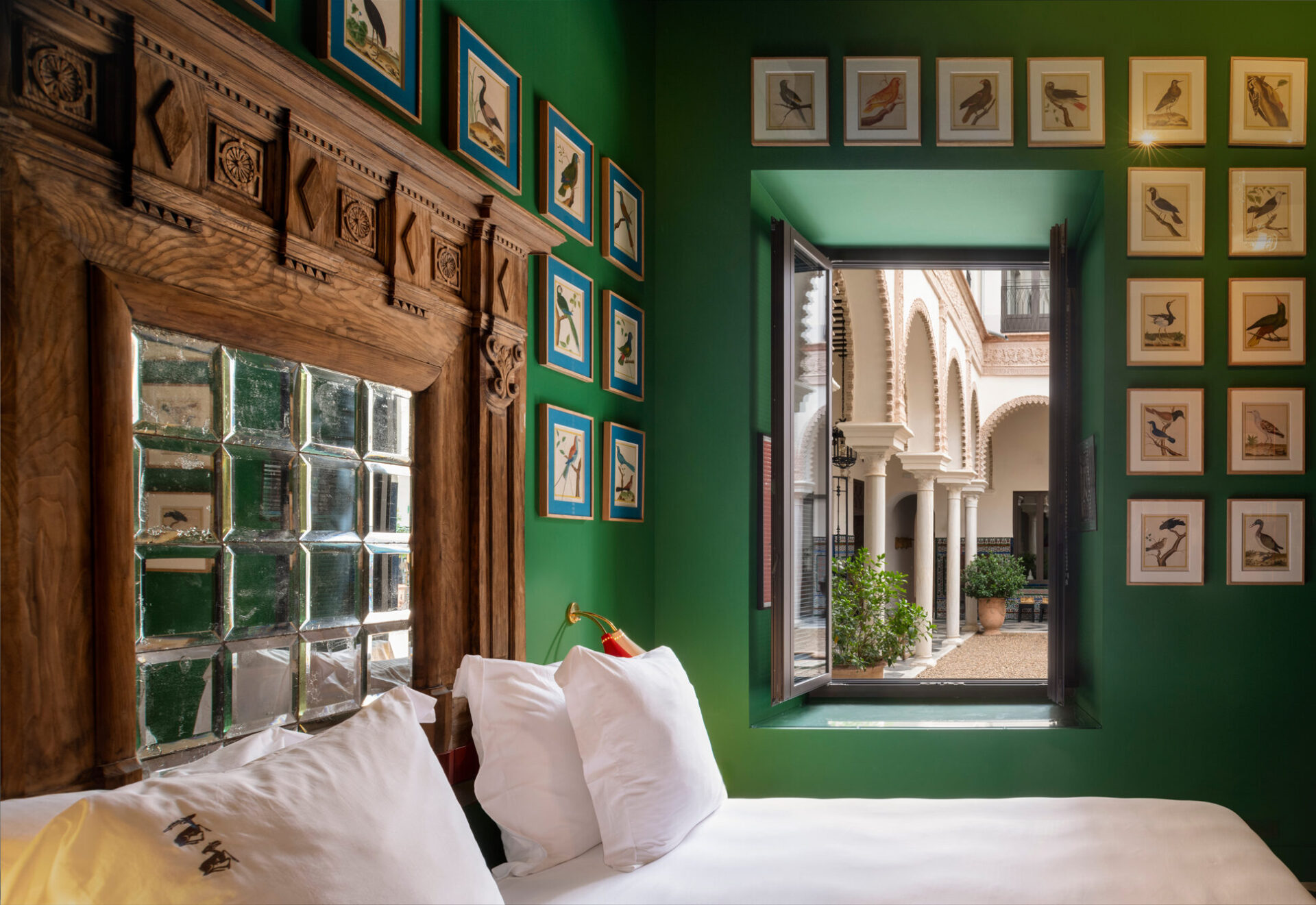
Seville’s hotel landscape is as rich and varied as its architectural heritage. Former aristocratic palaces, historic convents, traditional courtyard houses and grand nineteenth-century residences have been transformed into some of Spain’s most characterful places to stay. Ornate tiles, carved wooden ceilings, wrought-iron balconies and secluded patios provide extraordinary settings for contemporary interiors and sensitive architectural restoration. Some properties embrace the theatrical elegance of Andalusian tradition, while others introduce a more restrained design language that allows the historic architecture to speak for itself. At DNA Hotels, we favour hotels that reveal Seville’s layered identity through distinctive buildings, thoughtful design and an authentic connection to local culture. In a city where architecture, gastronomy and everyday social life are so closely intertwined, the most compelling hotels become part of the Sevillian experience rather than simply somewhere to spend the night.