


Where to Stay
Discover Slovenia through its Hotels
The DNA of Slovenia
Where Alpine Landscapes Meet Architectural Innovation and Central European Heritage
Slovenia is one of Europe’s most geographically diverse countries, where the Julian Alps, Mediterranean coastline, ancient forests and rolling vineyards coexist within a remarkably compact landscape. Its architectural identity reflects centuries of Austrian, Italian and Slavic influences, from medieval castles and Venetian-style coastal towns to elegant Habsburg buildings and contemporary design. Ljubljana, the charming capital, is particularly celebrated for the work of architect Jože Plečnik, whose bridges, colonnades and urban interventions transformed the city into an extraordinary architectural ensemble. Beyond the capital, Lake Bled combines Alpine scenery with romantic historic architecture, while the spectacular Soča Valley reveals a wilder mountain landscape. The Adriatic town of Piran preserves its Venetian heritage through narrow streets, colourful façades and elegant waterfront squares. Slovenia also has a strong tradition of contemporary architecture, with a new generation of designers reinterpreting rural buildings, Alpine structures and historic interiors through thoughtful modern interventions.
Food and drink reflect Slovenia’s position at the crossroads of Central Europe, the Mediterranean and the Balkans. Traditional dishes such as štruklji, žlikrofi and potica reveal a rich regional culinary heritage, while contemporary Slovenian cuisine has gained international recognition through its emphasis on seasonal ingredients, local producers and inventive interpretations of traditional recipes. The country’s wine culture is particularly compelling, from the rolling vineyards of Goriška Brda and the Vipava Valley to the distinctive wines of Štajerska in the northeast. Natural wines, independent wineries and intimate tasting experiences are increasingly attracting international attention. Ljubljana offers a lively restaurant scene, independent coffee roasters, contemporary wine bars and creative cocktail addresses, while rural inns and vineyard restaurants provide a more traditional introduction to Slovenian hospitality.
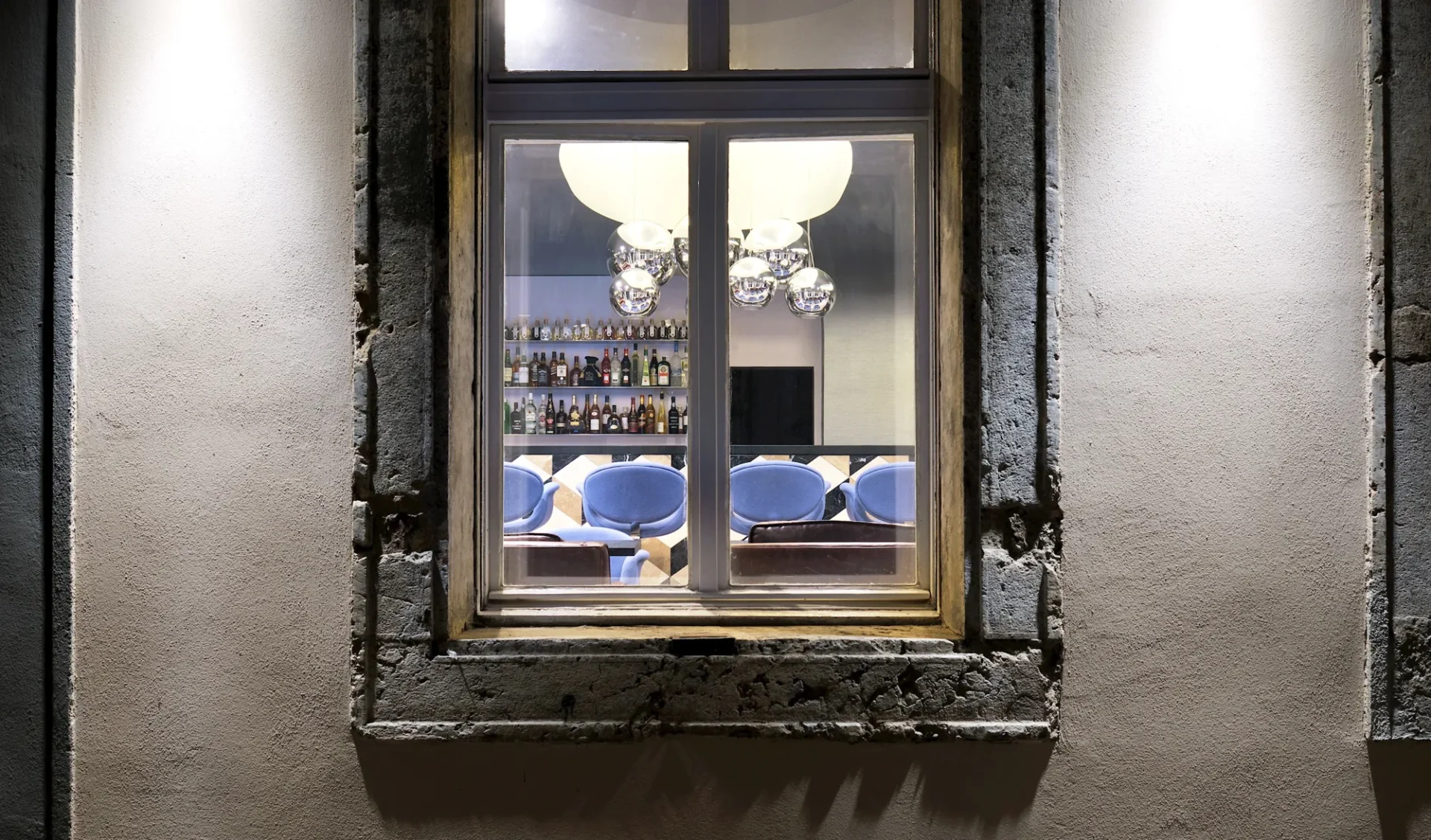
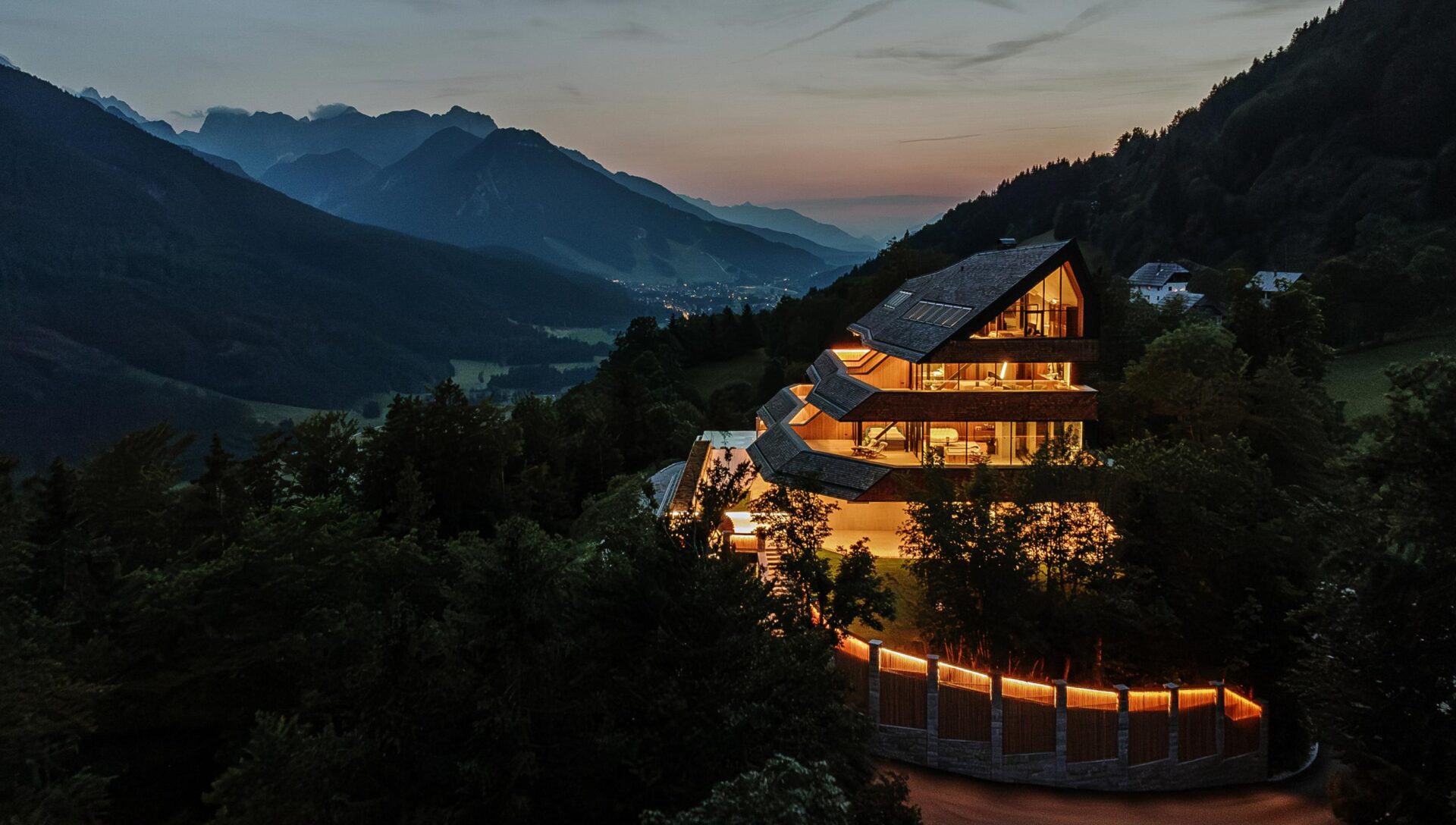
Slovenia’s hotel landscape is especially interesting for travellers who appreciate architecture, individuality and a strong connection to place. Historic palaces, restored farmhouses, Alpine lodges, converted industrial buildings and contemporary design retreats demonstrate an impressive variety of approaches to hospitality. Traditional timber construction, local stone and regional craftsmanship frequently provide the foundations for minimalist interiors and imaginative architectural transformations. In Ljubljana, historic buildings and contemporary design coexist particularly successfully, while the countryside offers opportunities for more experimental projects that respond directly to the surrounding landscape. At DNA Hotels, we favour properties that reveal Slovenia’s architectural and cultural identity rather than simply reproducing international hotel conventions. In a country where Alpine traditions, Mediterranean influences and contemporary creativity meet so naturally, the most compelling hotels offer a distinctive perspective on one of Europe’s most rewarding destinations.