



Where to Stay
Boutique & Design Hotels in Stuttgart
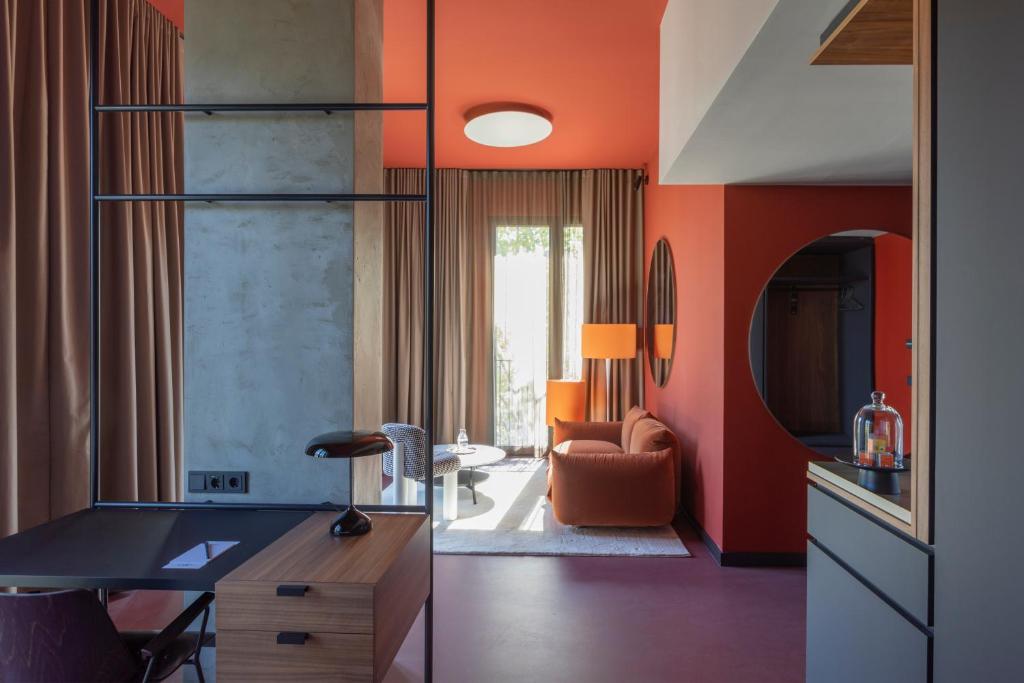
The DNA of Stuttgart
Where Modernist Architecture Meets German Engineering and Swabian Soul
Stuttgart is one of Germany’s most important cities for architecture, design and industrial innovation, although its appeal is often overshadowed by its reputation as the home of Mercedes-Benz and Porsche. Built across a series of hills and valleys, the capital of Baden-Württemberg has an unusually dramatic urban landscape, with vineyards, wooded slopes and panoramic viewpoints woven into the city itself. Stuttgart played a pioneering role in the development of Modernist architecture, most famously through the Weissenhof Estate, created in 1927 under the direction of Ludwig Mies van der Rohe, with contributions from Le Corbusier, Walter Gropius and other leading architects. The city’s architectural contrasts extend from the Renaissance Old Castle and elegant 19th-century buildings to post-war Modernism and striking contemporary landmarks. The Mercedes-Benz Museum, designed by UNStudio, and the Porsche Museum demonstrate how automotive heritage and ambitious architecture have become inseparable parts of Stuttgart’s identity.
Food and drink reveal a more relaxed and traditional side of the city. Swabian cuisine is famously comforting, with Maultaschen, Spätzle, Zwiebelrostbraten and lentils with sausages forming the foundation of countless regional menus. Stuttgart is also one of Germany’s few major cities with vineyards within its urban boundaries, making wine an unusually visible part of everyday life. Württemberg produces distinctive reds from Trollinger and Lemberger, alongside Riesling and other regional varieties, best enjoyed in traditional Besenwirtschaften, seasonal wine taverns run by local growers. The city’s culinary scene extends well beyond regional classics, with ambitious contemporary restaurants, independent cafés, international kitchens and increasingly sophisticated cocktail bars. The Markthalle, housed in a beautiful early 20th-century Art Nouveau building, remains a favourite destination for food lovers, while neighbourhoods such as Stuttgart-West offer a lively mix of restaurants, bars and creative addresses.
Stuttgart’s hotel landscape reflects its distinctive combination of design heritage, industrial precision and contemporary urban culture. Historic city hotels, converted commercial buildings and design-led boutique properties coexist with modern architectural hotels that embrace the city’s innovative spirit. Some draw inspiration from Stuttgart’s automotive legacy and Modernist traditions, while others favour warmer interiors, local craftsmanship and a more residential atmosphere. At DNA Hotels, we curate the places where architecture, design, food and genuine local character come together—hotels that offer more than efficient German hospitality. Stuttgart may be famous for engineering some of the world’s finest cars, but its architectural history, wine culture and creative energy make a convincing argument for leaving the car parked and exploring the city itself.