



Where to Stay
Discover Tasmania through its Hotels
The DNA of Tasmania
Where Wilderness Meets Australian Modernism
Tasmania feels like Australia distilled into something wilder and more elemental. Mountains, temperate rainforest, windswept coastlines and vast areas of protected wilderness surround cities and towns shaped by Georgian sandstone, colonial-era industry and agricultural heritage. Contemporary Tasmanian architecture has developed a particularly strong response to this landscape, using timber, stone, concrete and weathered materials to create buildings that feel anchored rather than imposed. Hobart adds another dimension, where historic warehouses and waterfront buildings coexist with provocative contemporary art and architecture, most famously around MONA.
Food and drink are inseparable from the island’s geography. Cold Southern Ocean waters provide exceptional oysters, abalone and seafood, while small farms produce cheese, fruit, vegetables and some of Australia’s best cool-climate ingredients. Tasmania’s chefs tend to work close to their producers, making seasonality and provenance feel natural rather than fashionable. Wine is equally compelling, particularly Pinot Noir, Chardonnay and sparkling wine, while whisky distilleries, craft cider, breweries and increasingly adventurous restaurants have turned the island into one of Australia’s most distinctive food and drink destinations.
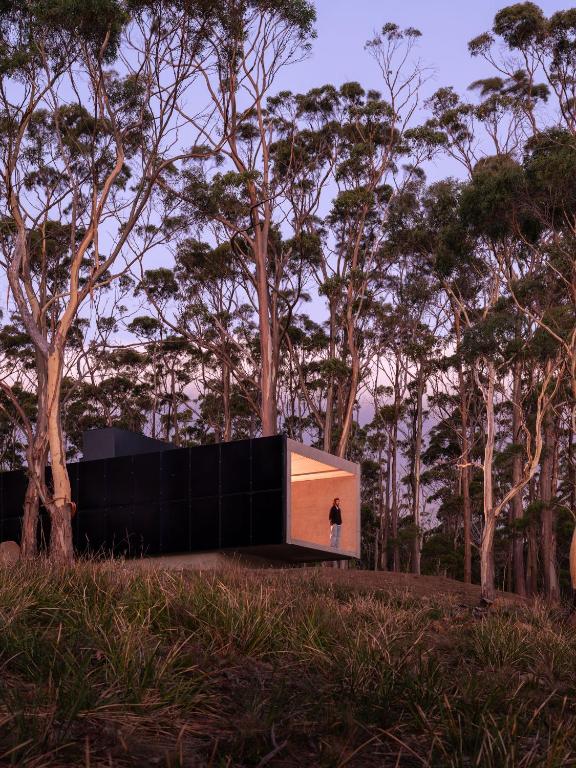
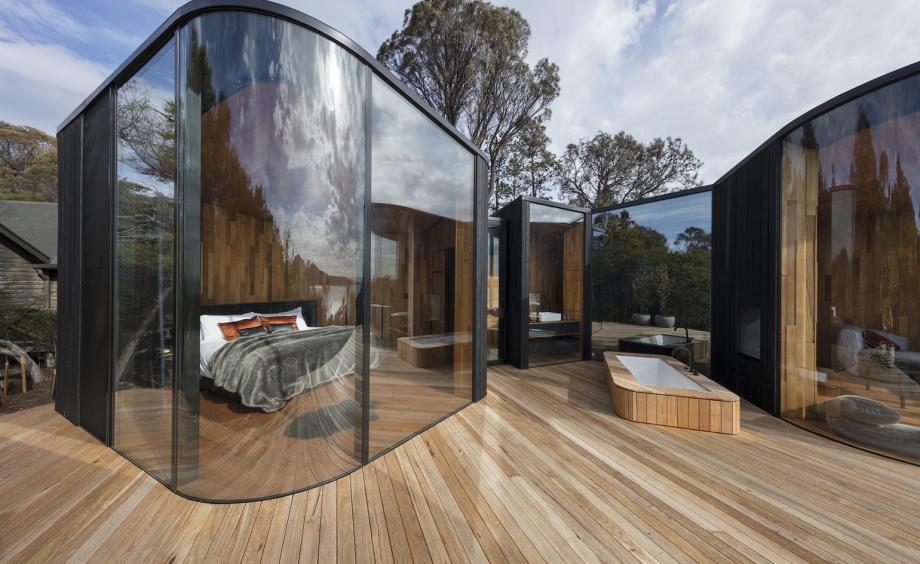
Tasmania’s most interesting hotels make the landscape part of the architecture. Converted farm buildings, historic waterfront properties, wilderness lodges and remote architect-designed retreats use expansive glass, fireplaces and tactile local materials to frame forests, mountains and sea. At DNA Hotels, we curate the places where architecture, food, art and Tasmania’s extraordinary wilderness come together—hotels that understand the island’s greatest luxury isn’t excess, but space, silence and the feeling of being somewhere genuinely remote.