



Where to Stay
Boutique & Design Hotels in Warsaw
The DNA of Warsaw
Where Reconstructed History Meets Polish Modernism
Warsaw is a city defined by reinvention. Almost completely devastated during the Second World War, its meticulously reconstructed Old Town now sits beside monumental Socialist Realism, remarkable post-war Modernism and an increasingly confident contemporary skyline. Few European capitals contain such abrupt architectural contrasts: pre-war fragments appear between concrete housing estates, former factories have become creative districts and new towers rise around the unmistakable Palace of Culture and Science. Rather than hiding its complicated history, Warsaw seems to build each new chapter directly on top of it.
Food and drink tell a similarly evolving story. Traditional pierogi, żurek and old-school Polish cooking remain easy to find, while surviving and revived bar mleczny milk bars offer a glimpse of everyday post-war food culture. Alongside them, Warsaw has developed an ambitious contemporary restaurant scene, with younger chefs rediscovering Polish ingredients, fermentation and regional recipes. Natural wine bars, excellent specialty coffee, craft breweries and increasingly sophisticated cocktail bars give neighbourhoods beyond the historic centre plenty of reasons to explore after dark.
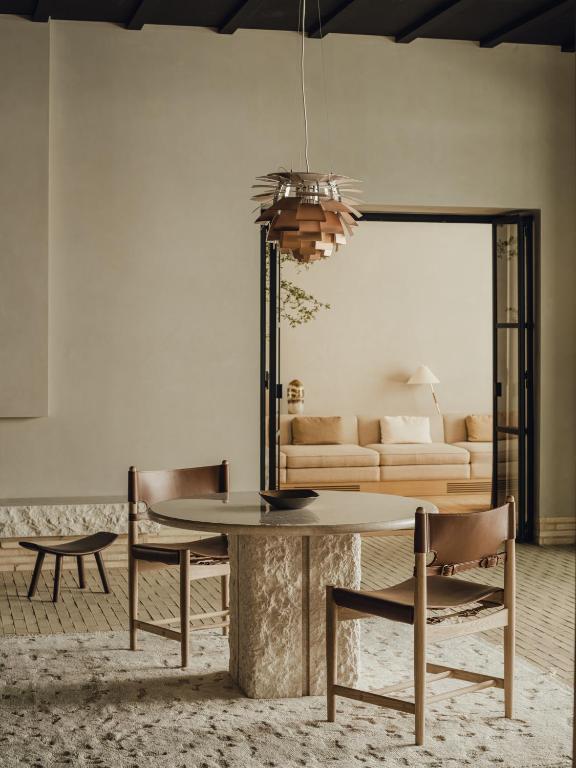
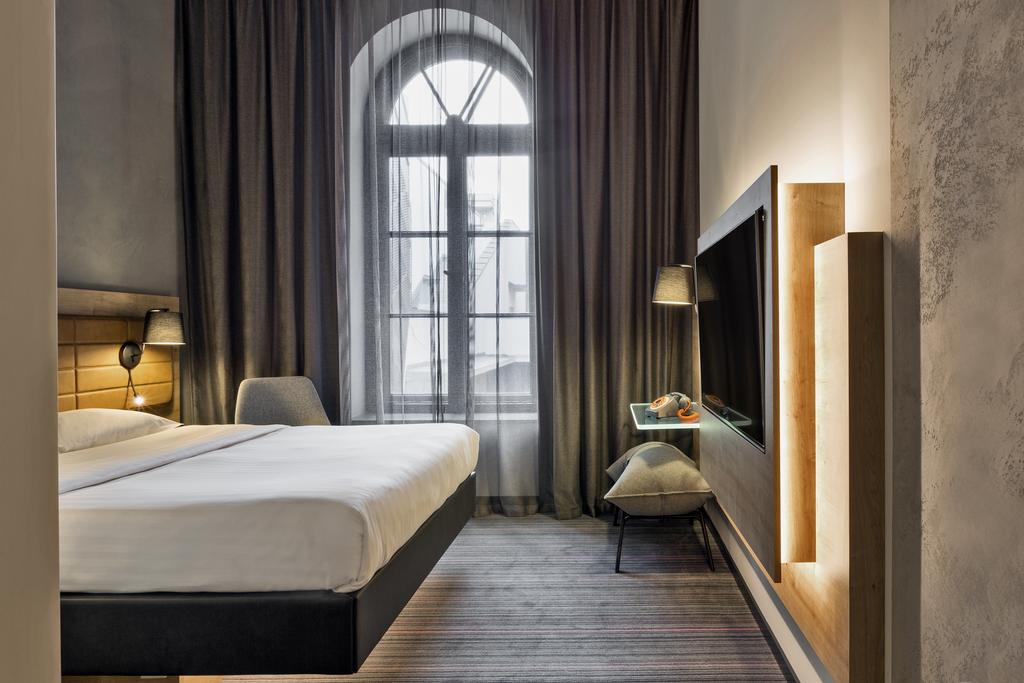
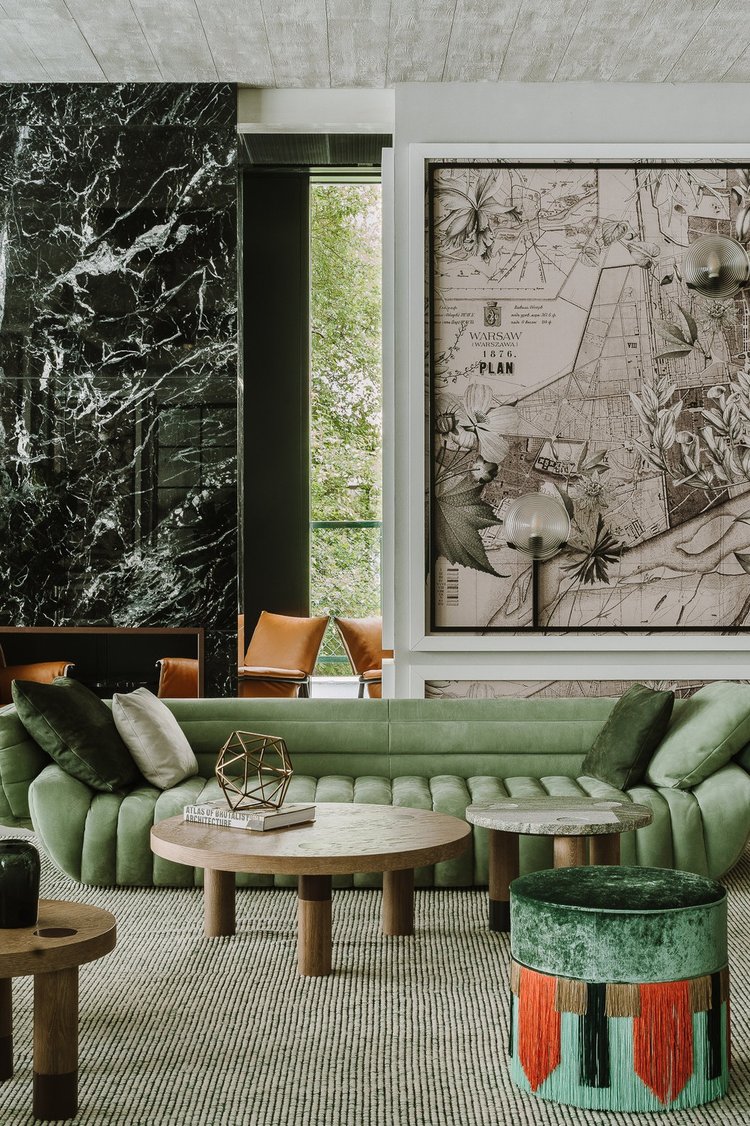
Warsaw’s most interesting hotels often occupy buildings that embody the city’s many lives. Restored historic landmarks, Modernist structures, former offices and ambitious contemporary projects combine Polish art, furniture and architecture with a new approach to hospitality. At DNA Hotels, we curate the places where design, food, history and Warsaw’s restless creative energy come together—hotels that capture a city whose greatest strength has always been its ability to reinvent itself.