


Seven centuries of history, stripped back and rebuilt with remarkable confidence
Book now
Why DNA Hotels loves it
One of Germany’s oldest inns has been transformed across four interconnected historic buildings without smoothing away the cracks, beams, low ceilings and crooked geometry that make it special.
Local architect Markus Uhrig combines exposed medieval fabric with blackened steel, pale timber, brass, glass and contemporary bathrooms in a restoration that feels radical rather than nostalgic.
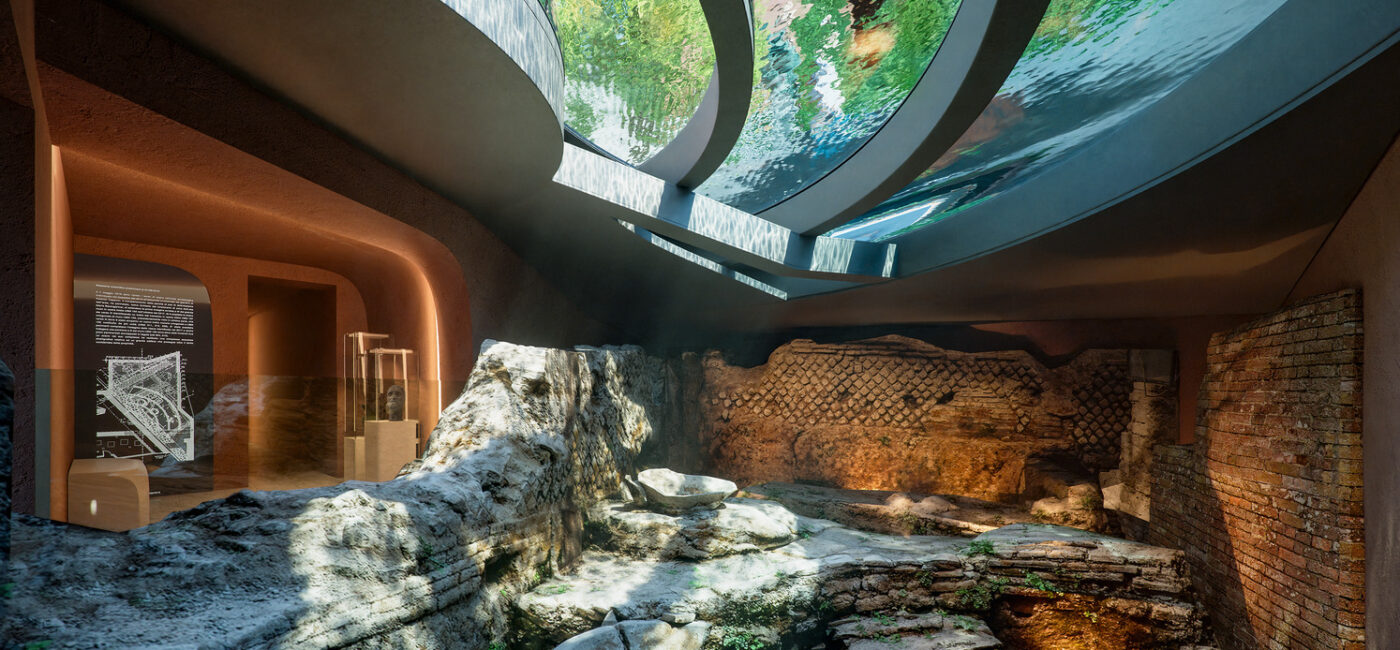
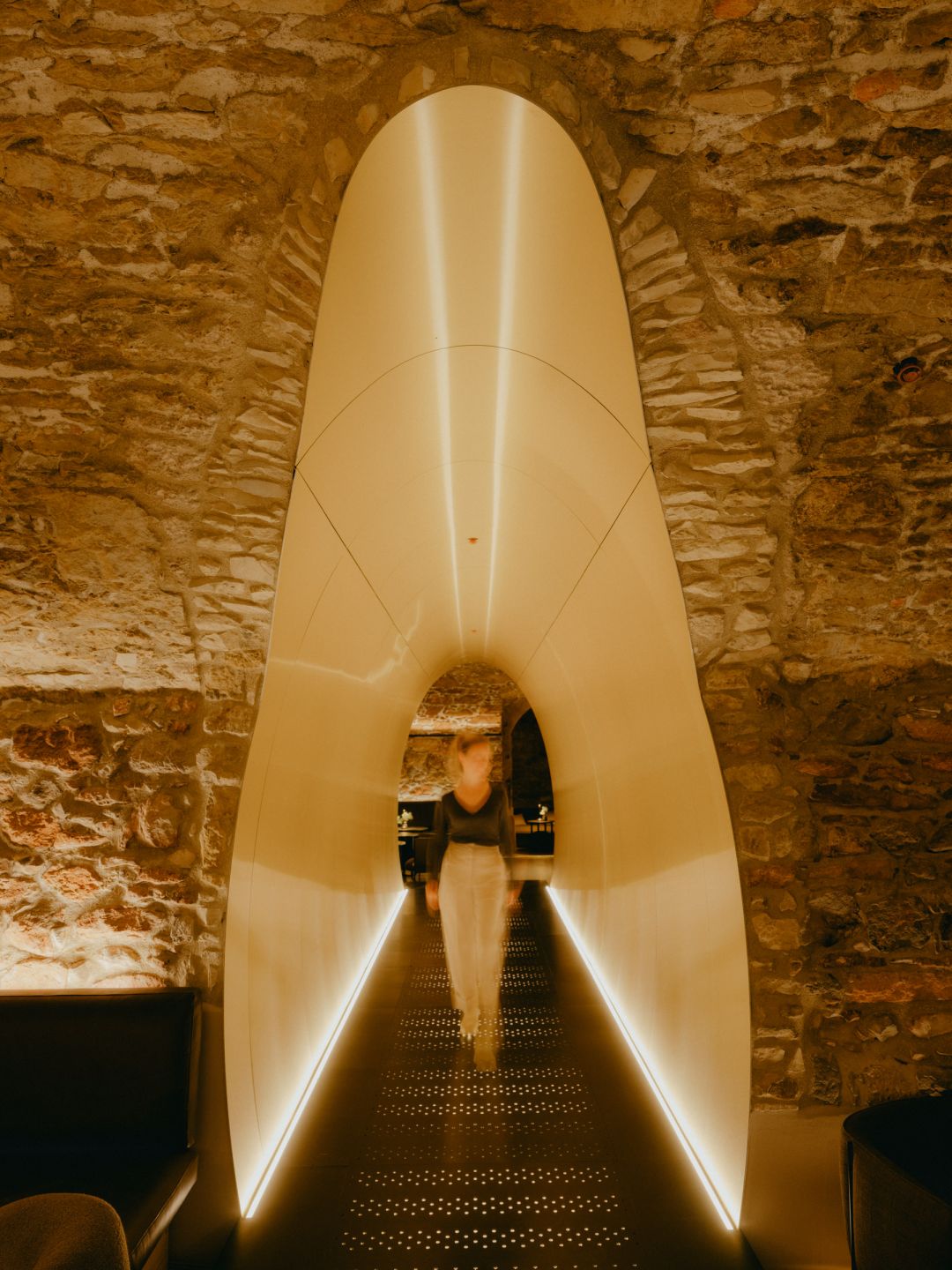
The vaulted cellar bar, reached through a gleaming brass-clad tunnel, is pure theatre — a surprisingly cosmopolitan finale beneath a 700-year-old German inn.
The Stay
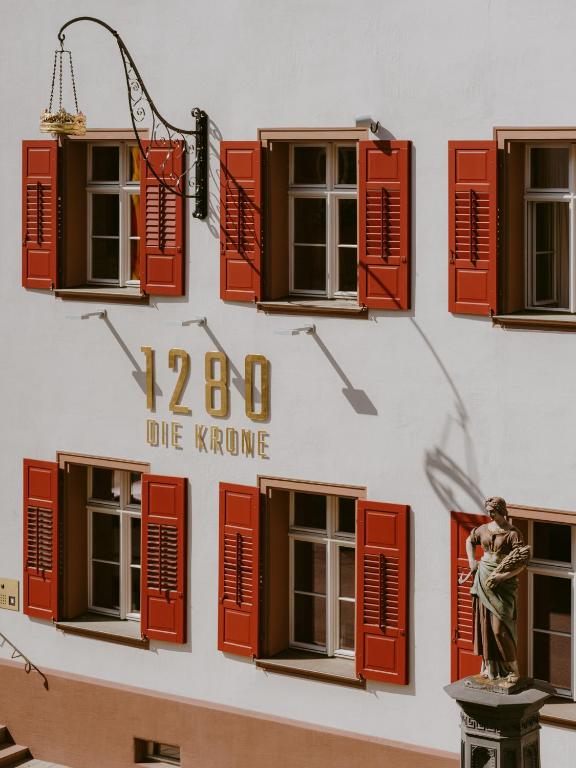
1280 Die Krone - Geisingen, Germany
Seven Centuries in One Address
Some hotels manufacture a sense of history. 1280 Die Krone doesn’t need to. The clue is in the name. The property’s origins reach back to 1280, making it one of the oldest inns in Germany and one of those rare buildings where centuries of adaptation are still legible in the architecture. Over time, the ensemble has been a manor house, residence, agricultural store, inn and even a pizzeria. Then it stood empty. When local entrepreneur Christoph von Bothmer took it on after years of neglect, the easy option would have been to retain a historic façade and rebuild something predictable behind it. Instead, the project became an exercise in taking the old structure seriously. Very seriously.
Four Buildings, One Complicated Puzzle
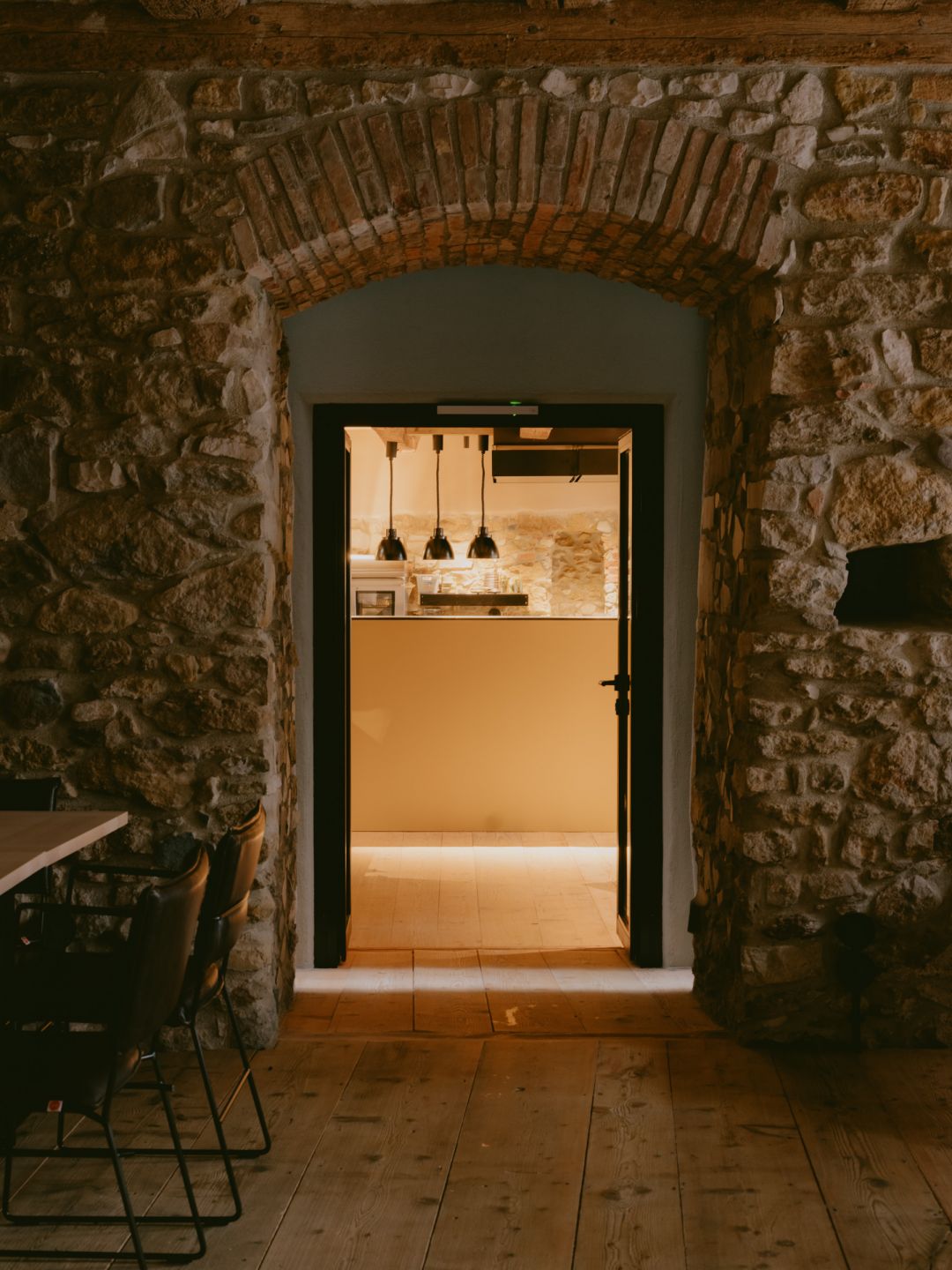
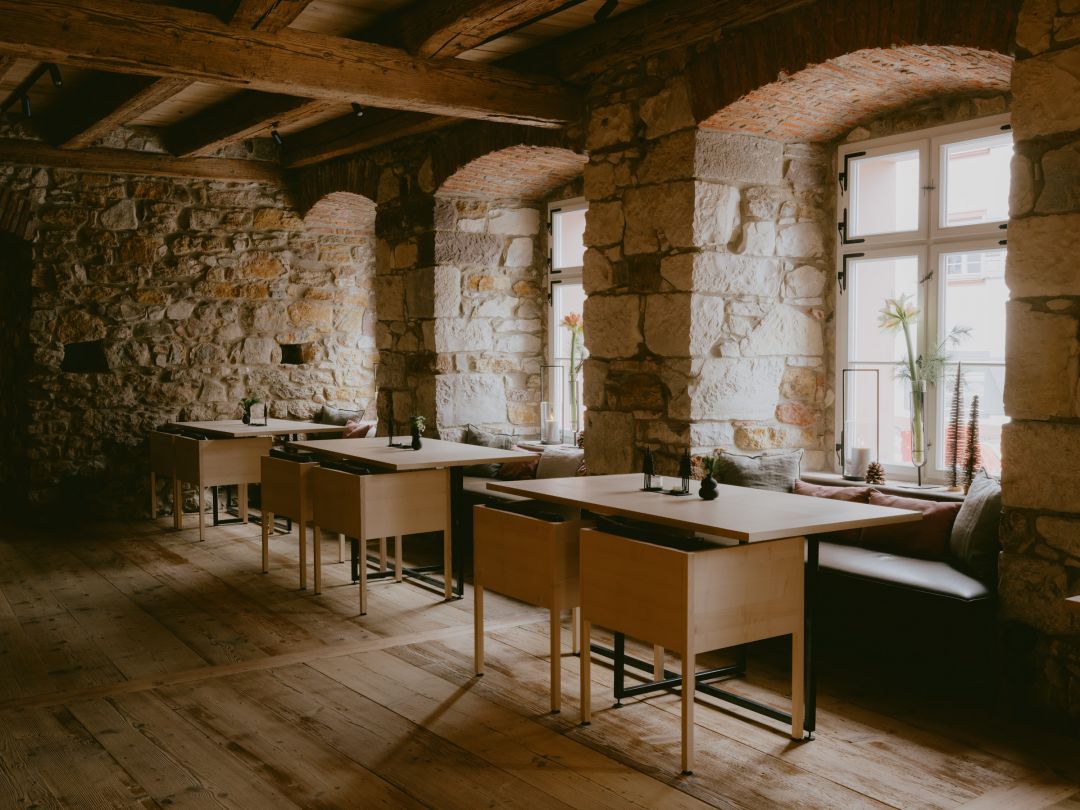
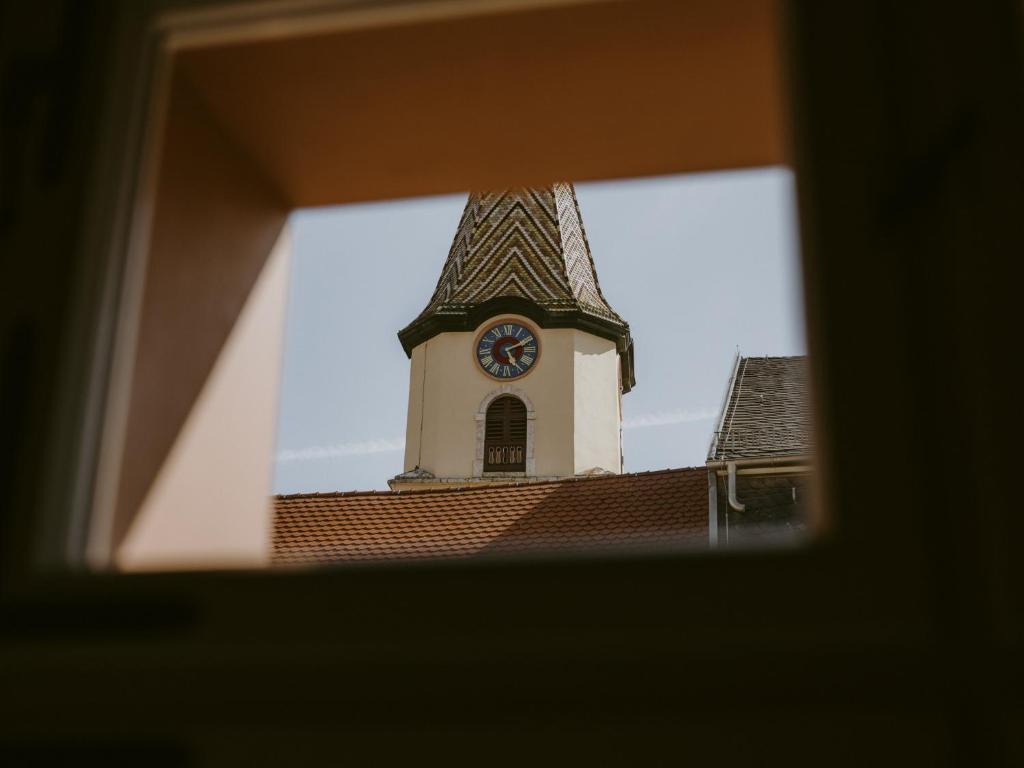
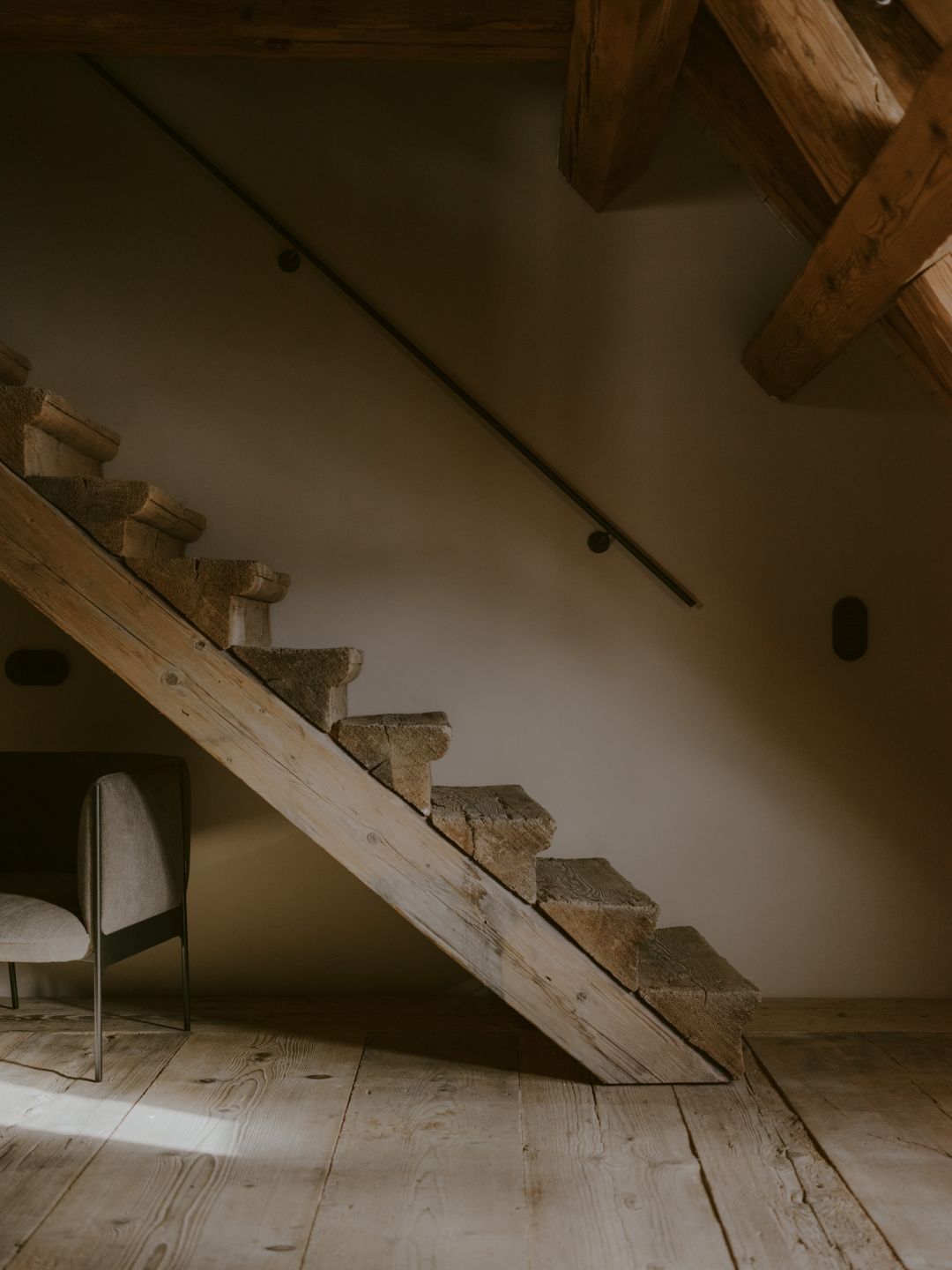
Today’s hotel stretches through four interconnected structures, including the old Krone barn and a contemporary addition. Local architect Markus Uhrig had to turn that collection into one coherent hotel without destroying the individual identity of each building. The result feels less like a conventional floorplan than an architectural journey. Stone gives way to timber. Low rooms suddenly open into exposed roof structures. Old brick appears beside glass. Stairs creak. Beams cross rooms exactly where centuries of construction decided they should. There are easier ways to build a hotel. Few are this interesting.
Don’t Fix the Imperfections
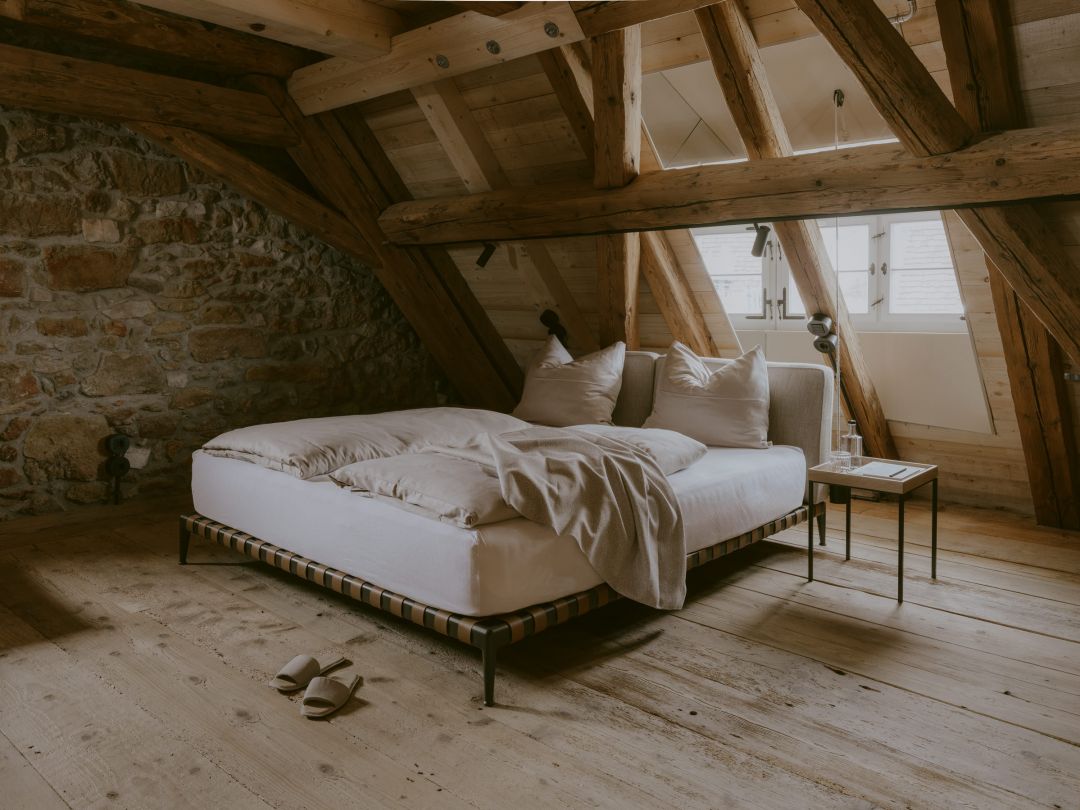
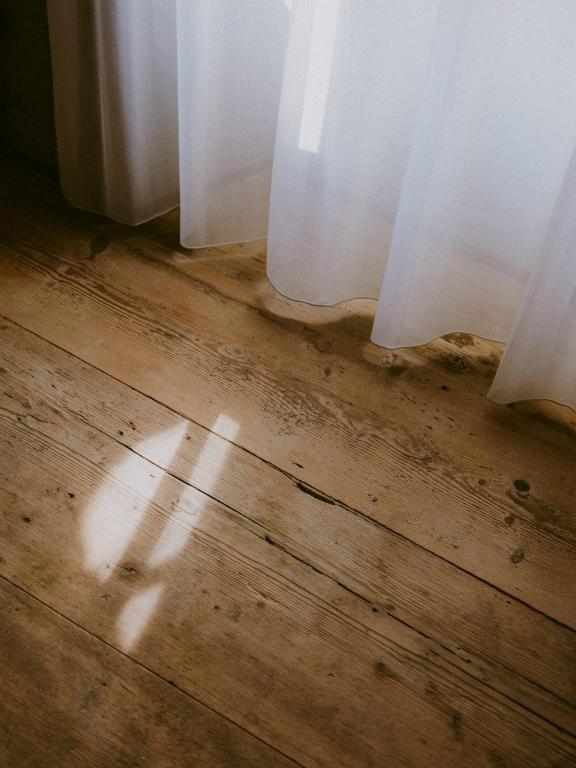
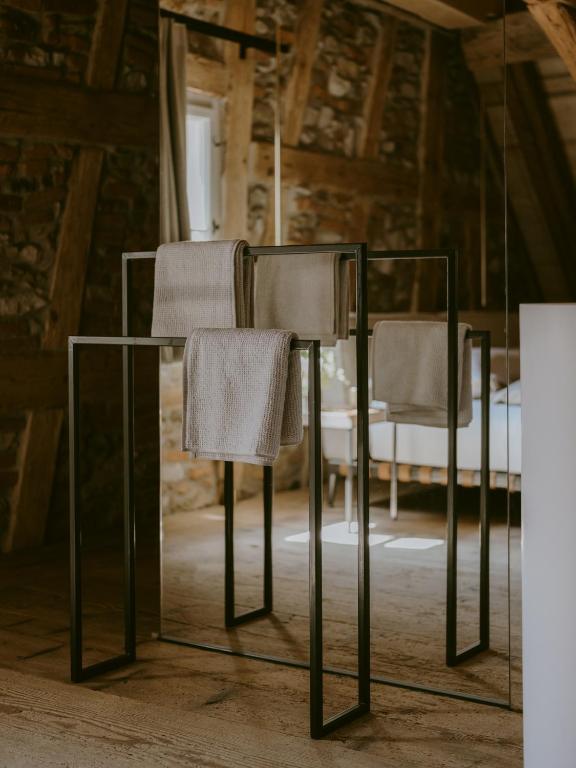
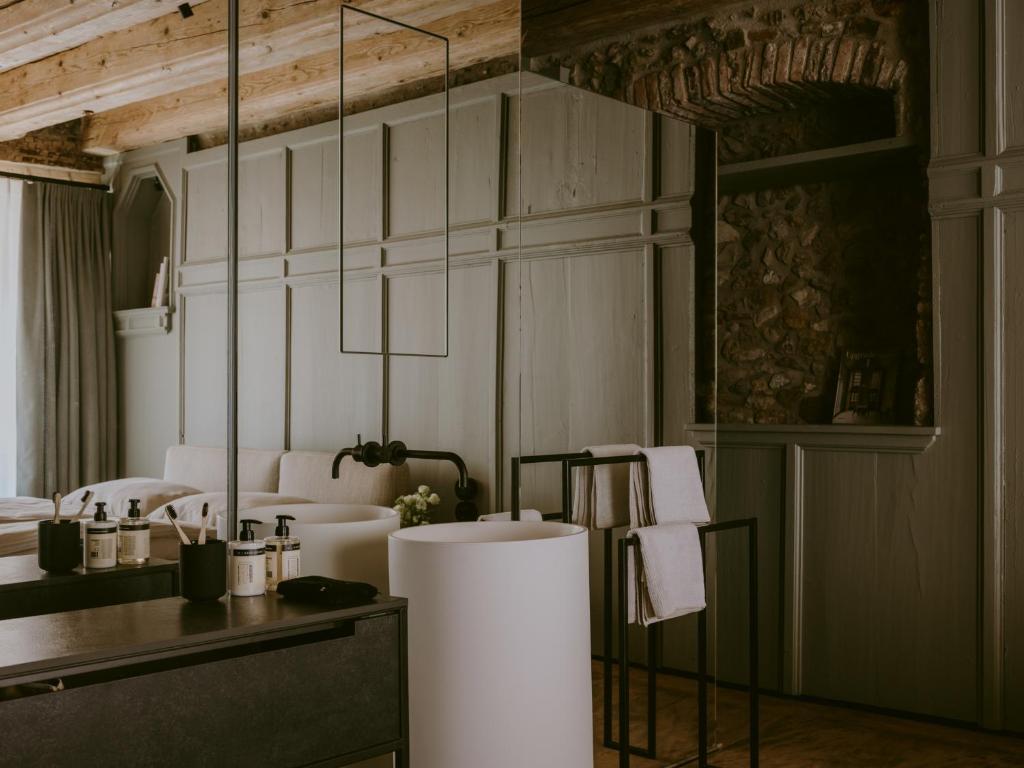
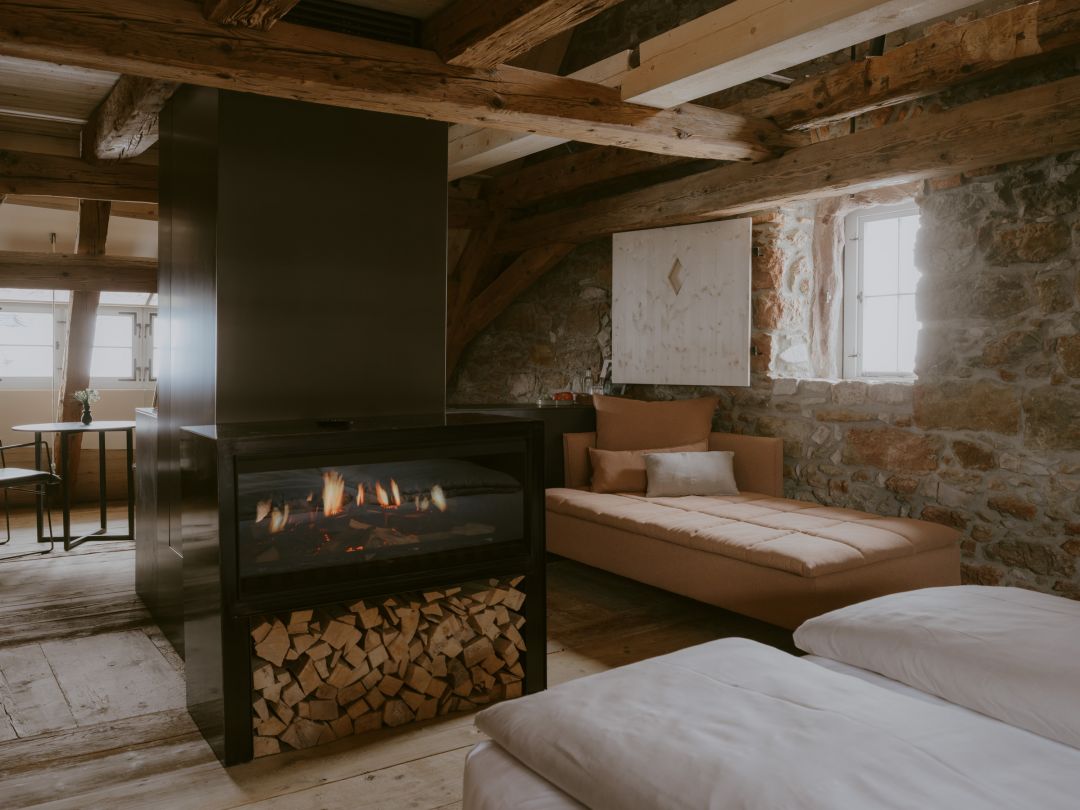
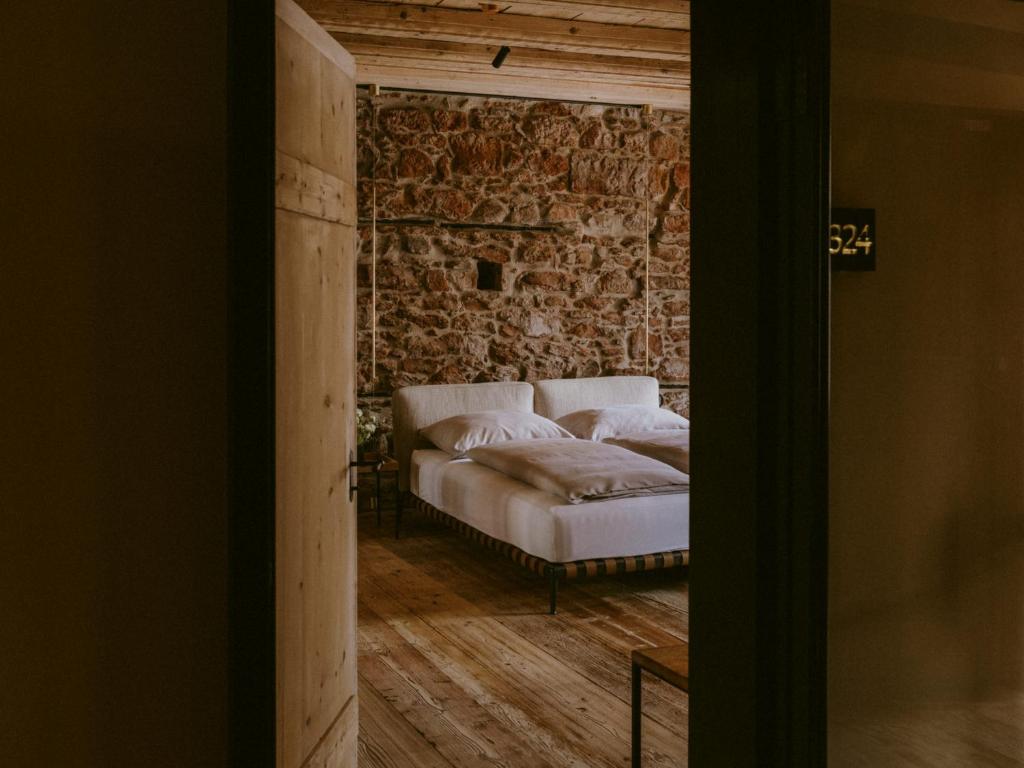
1280’s restoration philosophy is refreshingly clear: the old stays old. Original stone walls were left exposed. Timber floorboards were preserved. Roof trusses remain visible. Brickwork, staircases and historic frames are treated as valuable material rather than flaws awaiting cosmetic correction. The contemporary insertions are deliberately different. Blackened steel, light timber, glass and brass sit against rough surfaces with almost surgical precision. Rather than pretending to be historic, they make the age of the original fabric even more visible. That contrast gives Krone its energy. It’s heritage without sentimentality.
29 Rooms and No Standard Template
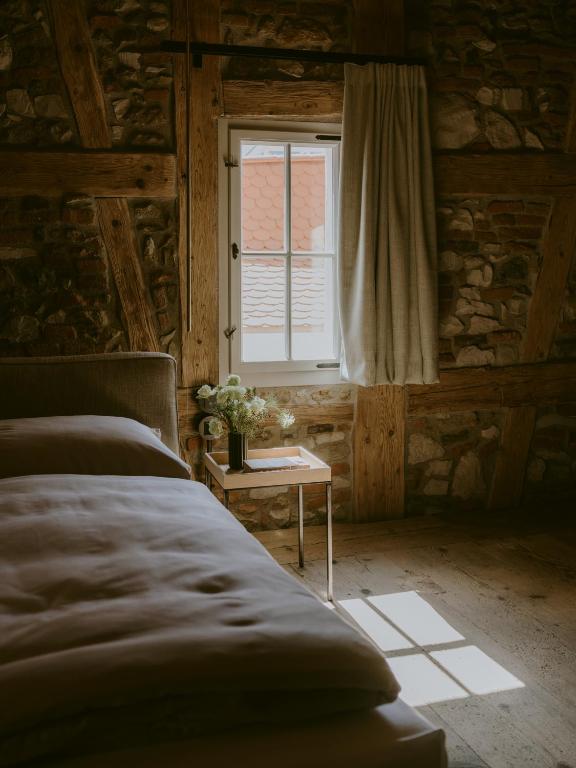
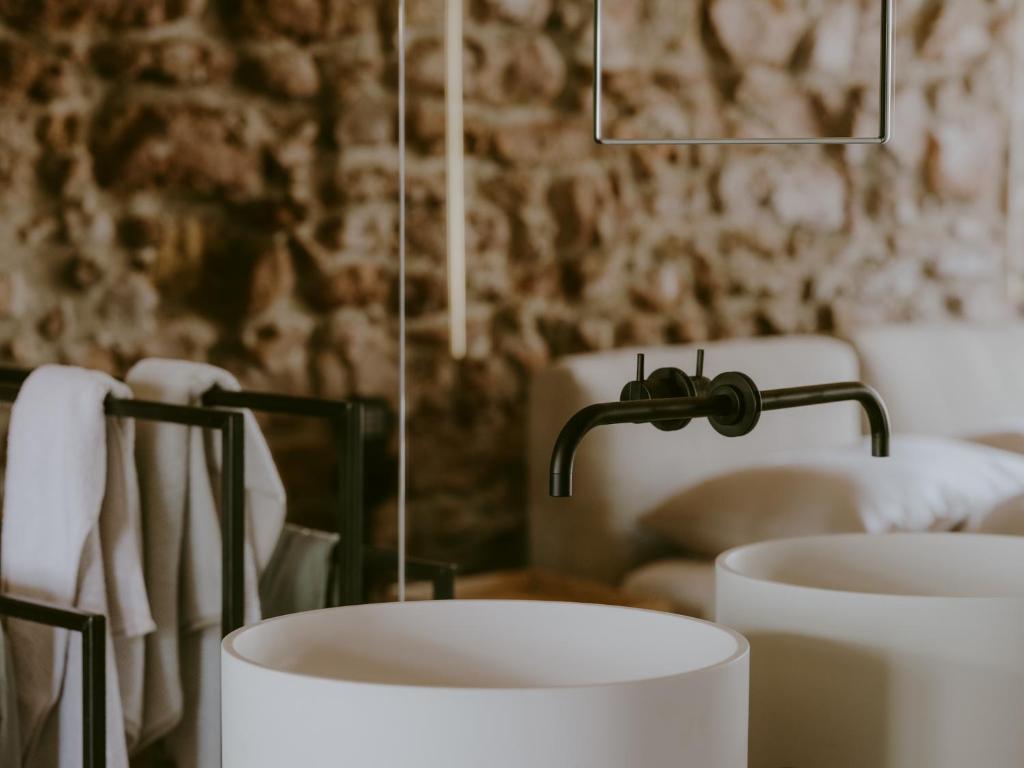
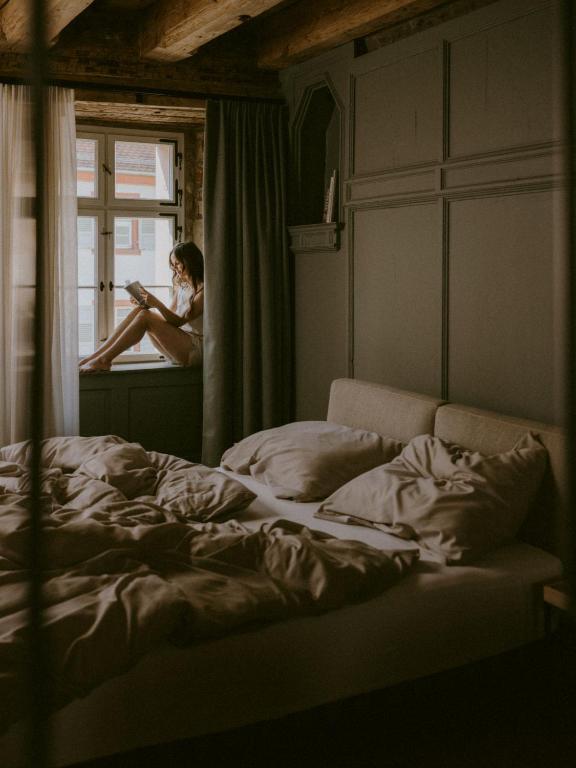
The hotel has 29 rooms and suites, scattered through the historic ensemble. Naturally, no two are exactly alike. Some have low ceilings and tiny architectural niches. Others sit beneath enormous exposed rafters. Wide-plank floors, rough plaster and old beams are softened with oatmeal linens, muted greys and warm textiles. Bathrooms bring a sharper urban edge. Expect Vallone freestanding basins and sculptural bathtubs, walk-in showers, black steel detailing and clean contemporary fittings sitting within centuries-old shells. The combination shouldn’t necessarily work. It does.
From Cosy to Sauna Under the Rafters
The room categories embrace the architecture rather than fighting it. The Cosy Rooms make a virtue of their small scale and strange corners. Signature Rooms use restored beams and historic structures as part of the composition. Studios add compact kitchenettes for longer stays. Then come the suites. The Maisonette Suites climb into the roof structure, sometimes placing a freestanding bathtub upstairs beneath old rafters. Most tempting is the Spa Suite, spread over two levels with its own private sauna and loggia. Centuries-old timber overhead. Private sauna below. That’s a fairly persuasive combination.
Breakfast Worth Staying In For
Breakfast at 1280 is not treated as an anonymous buffet exercise. Instead, the table gradually fills with small plates: regional cheeses, cured meats, eggs, smoked salmon, yoghurt and granola, fruit, fresh bread and homemade jams, accompanied by properly made coffee and fresh juice. It’s closer to a long weekend brunch than a quick hotel refuel. Which is appropriate because Krone isn’t really a place designed for rushing.
Then Follow the Golden Tunnel
The hotel’s most unexpected moment happens underground. A brass-clad tunnel leads into the vaulted cellar bar, transforming the descent beneath this medieval inn into something almost cinematic. And then suddenly: Geisingen disappears. The low-lit room could be in Berlin, Copenhagen or Manhattan — polished bar, cocktails, regional wines, beers and intimate lounge seating beneath ancient vaults. It’s theatrical without becoming gimmicky because the historic architecture is real. Order a gin fizz. Try the house aperitivo. Stay longer than planned. That’s rather what cellar bars are for.
Food with Regional Roots
Food is central to the hotel, with Robert Müller overseeing the culinary side of the operation. His approach grew from his work at nearby Zum Hecht, where he helped shift a traditional regional restaurant towards a lighter combination of Baden cooking and Mediterranean influence. At Krone, menus remain grounded in good produce and regional sourcing but aren’t afraid of wider references. You might encounter tuna with cucumber and wasabi, sea bass with potato salad, seasonal vegetables, or more familiar southern German flavours presented with considerably lighter hands. The important thing is that the food feels as contemporary as the architecture without losing sight of where you are.
The People Behind the House
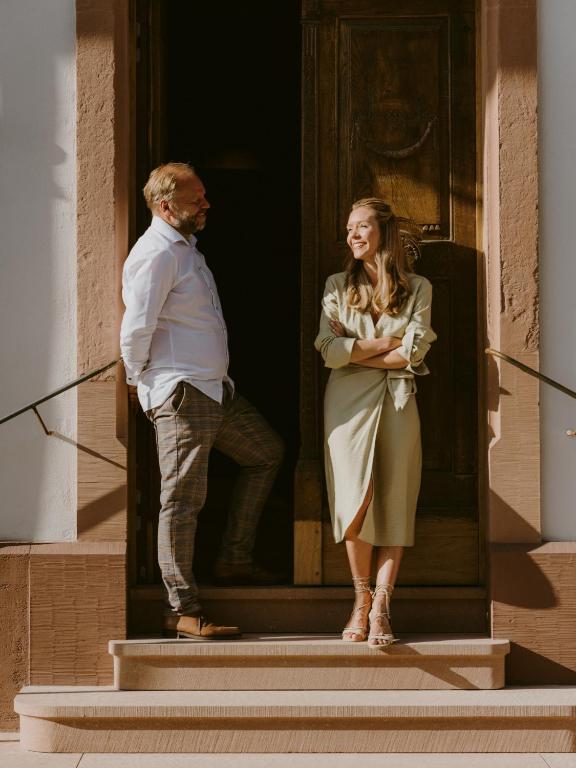
The hotel’s day-to-day character comes largely from managing directors Stefanie Baintner and Robert Müller. Stefanie takes the lead on the hospitality and organisational side, bringing her background in events into everything from music and furnishings to the atmosphere of the house. Robert handles the culinary world. Together they prevent an ambitious restoration project from turning into an architectural museum. Because ultimately, this still needs to function as an inn. People need to eat, drink, sleep and feel welcome.
Between the Black Forest and Lake Constance
Geisingen isn’t a destination that appears on every international itinerary. Again, that’s part of the appeal. The town sits in Baden-Württemberg, roughly between Stuttgart and Zürich, with the Danube Valley, Black Forest and Lake Constance all within reach. Hiking and cycling start nearby, while the Wutach Gorge, Danube routes, Rhine Falls and wider southern German landscape offer plenty of reasons to make Krone more than an overnight stop. But the hotel itself is compelling enough to become the destination.
Conservation Without Nostalgia
What makes 1280 Die Krone special isn’t simply its age. There are older hotels. It’s the way that history has been handled. Nothing has been smothered beneath a romanticised version of the Middle Ages. Nothing has been polished until the irregularities disappear. Contemporary design is allowed to be contemporary, while seven centuries of masonry, timber and architectural scars remain unapologetically visible. 1280 Die Krone is proof that preservation can be bold. Old stone. New steel. Crooked beams. Sculptural baths. A golden tunnel leading to cocktails underground. Seven hundred years later, this old inn clearly isn’t finished telling stories.
Information
At a glance
Architecture
Markus Uhrig
Opened / Renovated
2023
Size matters
29 rooms & suites (20-45m2) (215-484 sq ft)
Interior design
owner designed
Featured in
Don't take our word for it


Handpicked worldwide
A carefully curated collection of exceptional boutique and design hotels across the globe.
Design with soul
Architecture, atmosphere and craftsmanship come together in stays with a clear identity.
Hidden, not hyped
Independent boutique hotels you rarely find on mainstream booking platforms.
Travel guidance
Personal recommendations and thoughtful support from people who actually know the places.